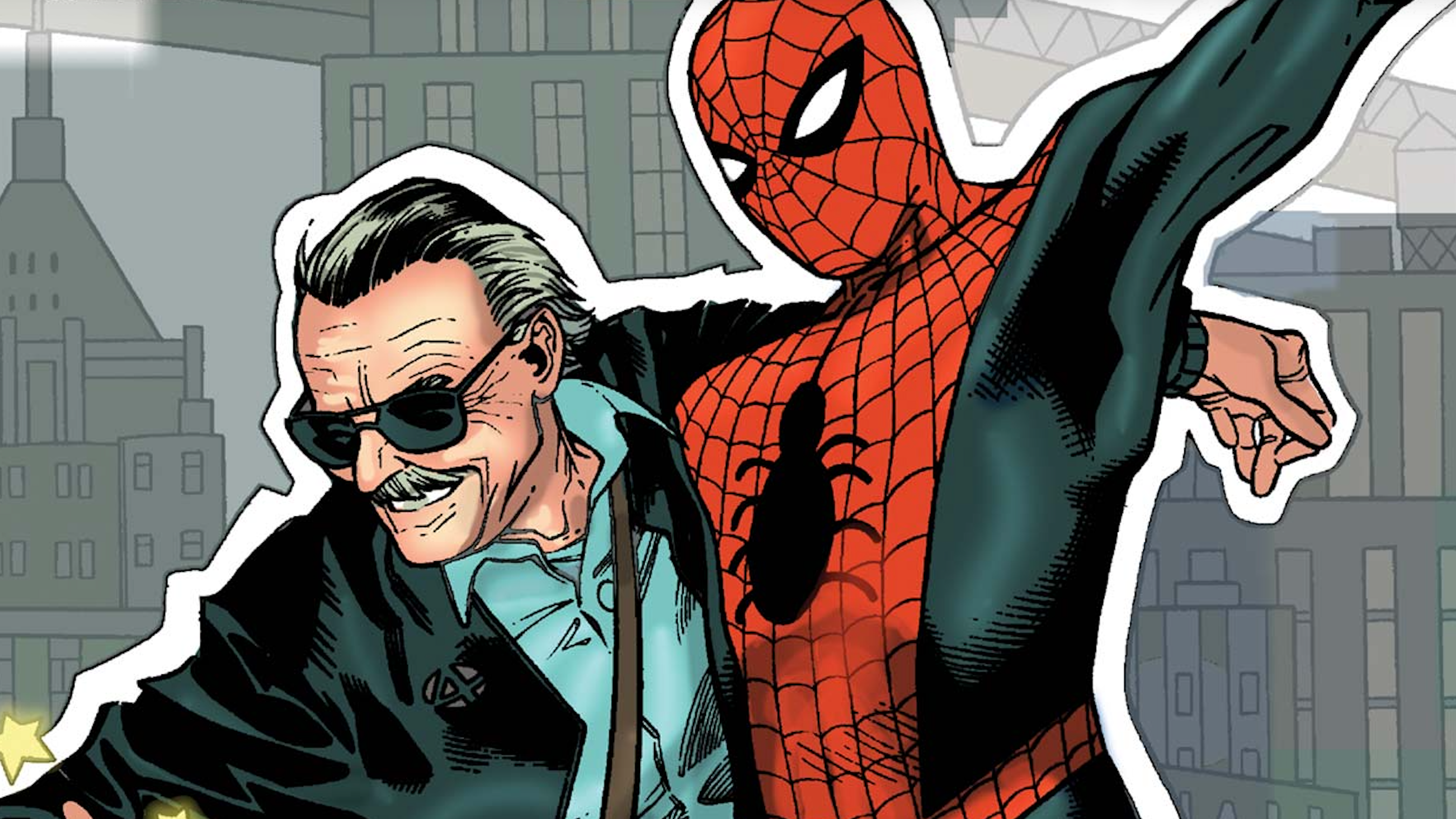
Stan Lee, the legendary writer, editor, and publisher behind Marvel Comics, is a name known worldwide. Alongside artists like Jack Kirby and Steve Ditko, he transformed Marvel in the 1960s, creating unforgettable heroes and building it into the global giant it is today. While many of his creations are cherished, Spider-Man remains the most popular. However, the Spider-Man comics haven’t been as strong lately, largely due to the divisive storyline “One More Day,” where Spider-Man essentially sacrificed his marriage to Mary Jane. Surprisingly, on May 24, 2009, Stan Lee himself found a way to reverse this controversial decision – in a daily newspaper comic strip.
Spider-Man isn’t just a comic book character; he’s become a huge part of popular culture through movies, TV, video games, and even a Broadway show. For many years, from 1977 to 2019, there was also The Amazing Spider-Man comic strip, created by Stan Lee and a team of writers. This strip told stories that weren’t part of the main Spider-Man storyline, focusing on his everyday life as both a hero and a regular person. Each story arc usually lasted eight to twelve weeks. Though many have forgotten it now, the comic strip significantly contributed to the Spider-Man universe and sometimes even offered commentary on the main comic book stories.
Spider-Man Owes His Marriage to a Newspaper Comic Strip
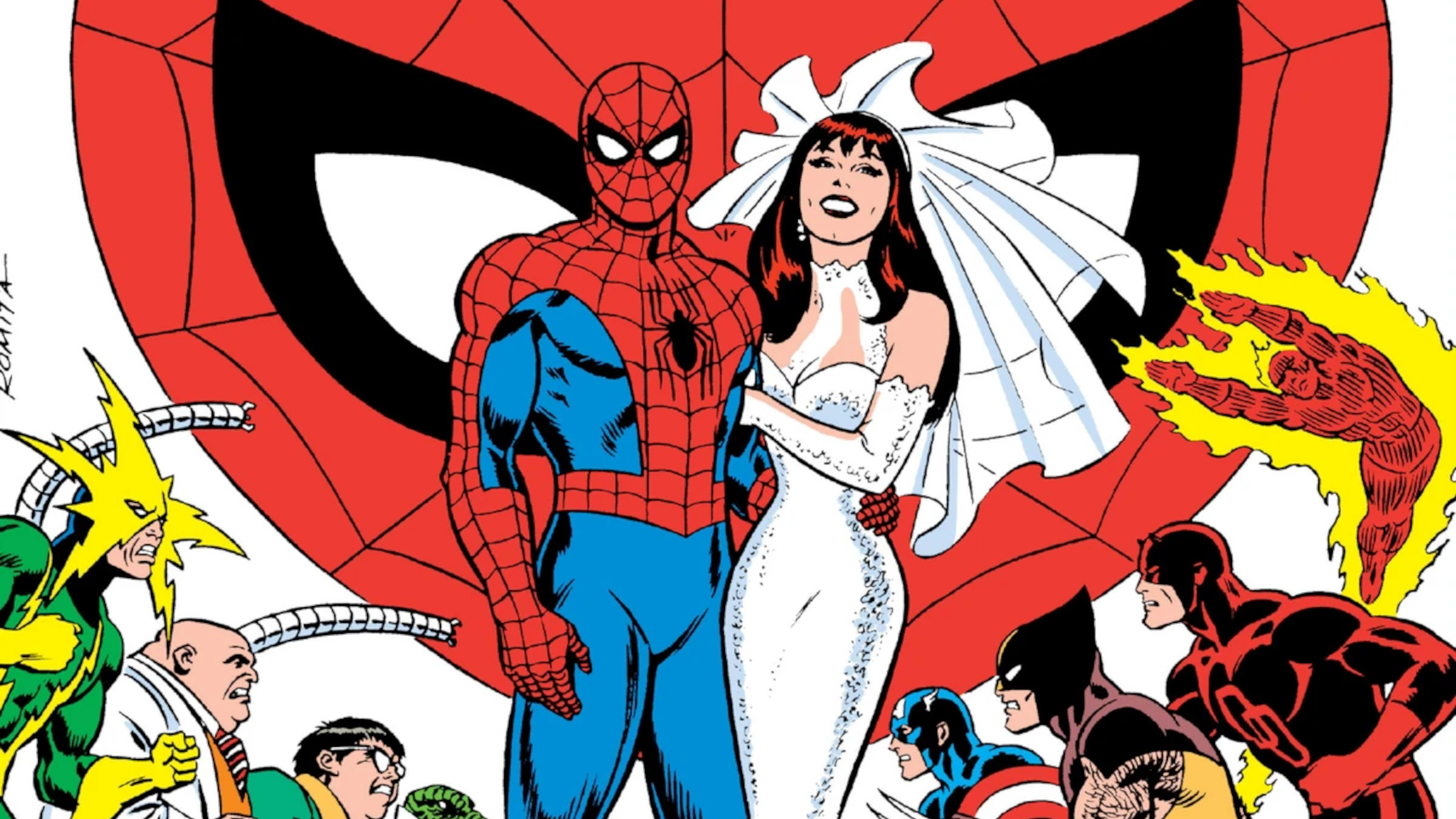
A major moment for Spider-Man fans happened when he married Mary Jane Watson. In 1987, in Amazing Spider-Man Annual #21, Spider-Man and MJ got married, creating one of the most memorable couples in comic book history. This marriage was a long time coming and ushered in a fantastic period for the characters. For two decades, readers enjoyed the heartfelt and often dramatic relationship between Spider-Man and MJ. Interestingly, despite its popularity, some Marvel writers disliked this era, feeling it limited their creative freedom. However, Stan Lee was a strong supporter and was key to making the marriage happen.
By this point, Stan Lee wasn’t writing the main Marvel comic books anymore, but he remained the company’s public face. He was particularly focused on his successful Amazing Spider-Man comic strip. Although he wasn’t officially running Marvel, he still had significant influence on creative choices. Eventually, he persuaded editor-in-chief Tom DeFalco that giving Spider-Man the responsibility of marriage would add depth to the character. When the decision was made for Spider-Man to marry Mary Jane Watson, Stan involved his comic strip in the planning. Through careful adjustments to both the comics and the strip, Marvel managed to have Spider-Man and MJ get married around the same time in both formats.
Stan Lee was determined to see Spider-Man and Mary Jane get married, first introducing it in his newspaper comic strip and then successfully pitching the idea to Marvel’s new leadership to make it official. This gave Spider-Man a much-needed anchor and allowed both characters to develop. Like the main comics, the strip leaned more into dramatic, soap-opera-style stories, which proved popular with readers. For a hero always facing hardship, seeing him find happiness in marriage offered a welcome change while still allowing for complex and interesting plots. Sadly, that chapter eventually came to a close.
Stan Lee’s Comic Strip Saved Spider-Man’s Marriage
The marriage of Spider-Man and Mary Jane was a high point for the character, but in 2009, Marvel decided to erase it with a storyline called “One More Day,” which is widely considered one of the worst comic book stories ever written. After Spider-Man publicly revealed his secret identity, his Aunt May was shot. To save her life, he made a deal with the villain Mephisto, sacrificing his marriage to Mary Jane and rewriting history so they never married. Fans were rightfully angry about this poorly executed and damaging change. Fortunately, Stan Lee and the original The Amazing Spider-Man comic offered a much better solution, demonstrating that the entire premise of “One More Day” was flawed.
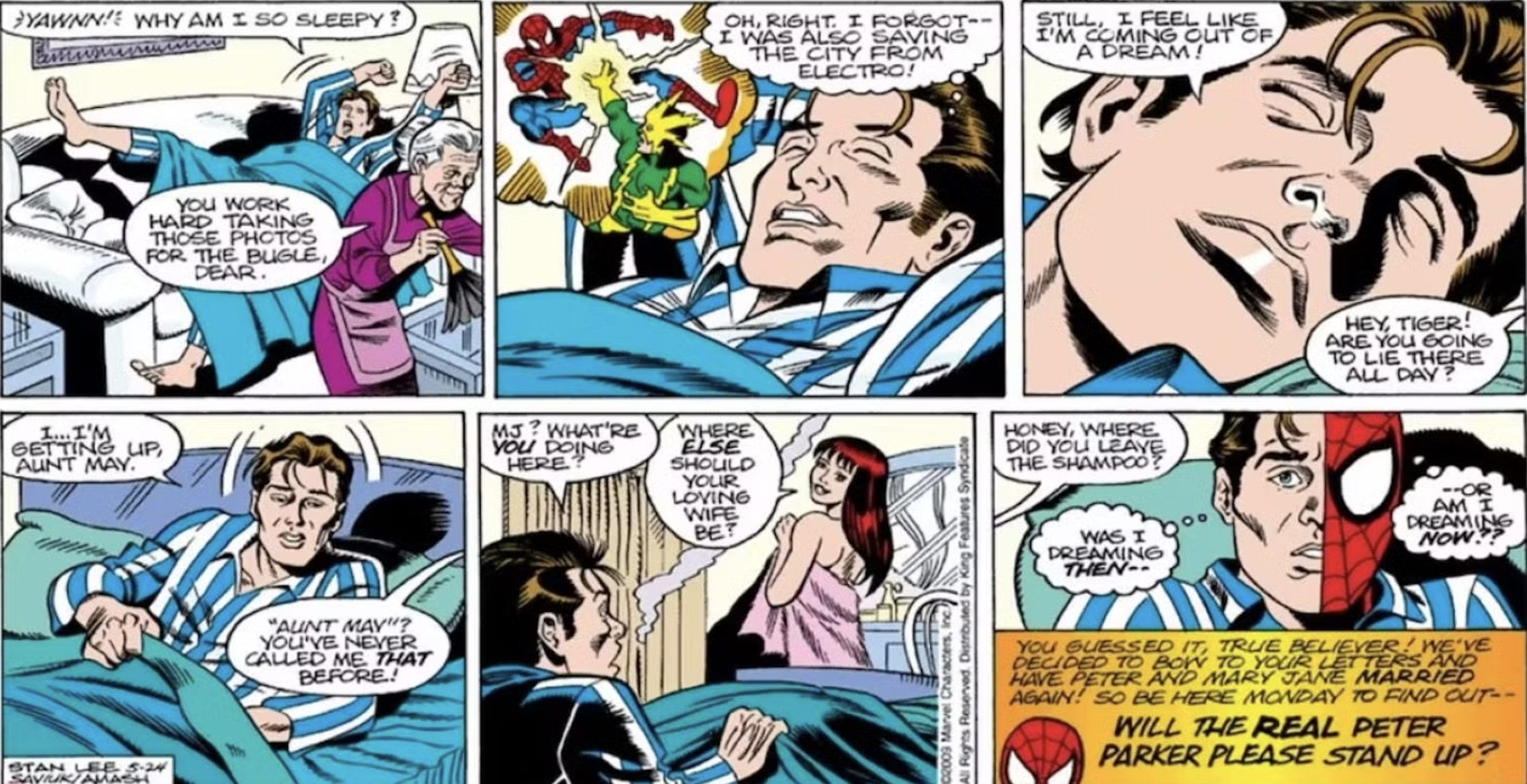
At first, the Amazing Spider-Man newspaper comic strip mirrored a decision made by Marvel Comics. Starting January 1st, 2009, the strip announced it would return Spider-Man to his original beginnings. However, instead of changing established story details, the strip simply reset the timeline to when Peter Parker was living with Aunt May and attending college. Unlike the comic book editors, Stan Lee and writer Roy Thomas listened to fan concerns and, just five months later, brought back the previously removed elements. On May 24, 2009, a strip was published showing Peter waking up from a dream about fighting Electro, only to then wake up again and find himself happily married to Mary Jane.
The Spider-Man comic books essentially undid the controversial storyline “One More Day” by framing it as a dream. The following decade saw successful and enjoyable comics because the writers remembered what many at Marvel had forgotten: Spider-Man is most relatable not when he’s struggling in isolation, but when he’s growing and changing. Marvel executives had believed that Spider-Man needed to be constantly suffering to be relatable, and this thinking has harmed the character, making him overly bleak and preventing him from developing. The comic strip, however, understood that Spider-Man’s journey of maturity – including getting married – is what truly connects him with readers.
The idea of erasing the last two decades of Marvel stories, while extreme, wouldn’t make sense, especially considering the negative impact of the “One More Day” storyline. However, the recent retcon in The Amazing Spider-Man comic was important because it highlighted why “One More Day” was a mistake. It proved there were still compelling stories to be told about Spider-Man and Mary Jane’s relationship and how it could have naturally evolved. Ignoring all that character development to repeat unhappy storylines was a real letdown for both the character and his many fans.
Stan Lee was a true innovator in the world of comics, and he played a huge role in making Spider-Man the global success he is today. Though Stan often challenged Spider-Man with difficult situations, he also gave the character some of his most joyful moments. Even when those happy times were taken away, Stan found ways to give Spider-Man a sense of closure and a positive outcome. This shows Stan understood that a character’s relatability comes not from constant hardship, but from their ability to change, learn, and grow alongside the people they care about.
Read More
- 10 Greatest Manga Endings of All Time
- Mark Zuckerberg & Wife Priscilla Chan Make Surprise Debut at Met Gala
- Elon Musk’s Mom Maye Musk Shares Her Parenting Philosophy
- Forza Horizon 6 Car List So Far: Confirmed Highlights, Cover Cars, DLC, and Rewards
- Elon Musk’s Ex Ashley St. Clair Reveals When Romance Became “Weird”
- GBP CNY PREDICTION
- 10 Best Free Games on Steam in 2026, Ranked
- Ranking the 5 Best Spring 2026 Anime So Far (Mid-Season Update)
- 20 K-Dramas That Nailed the Perfect Ending
- 7 Classic Anime You Can Stream for Free Right Now (& Where to Find Them)
2026-05-24 22:18