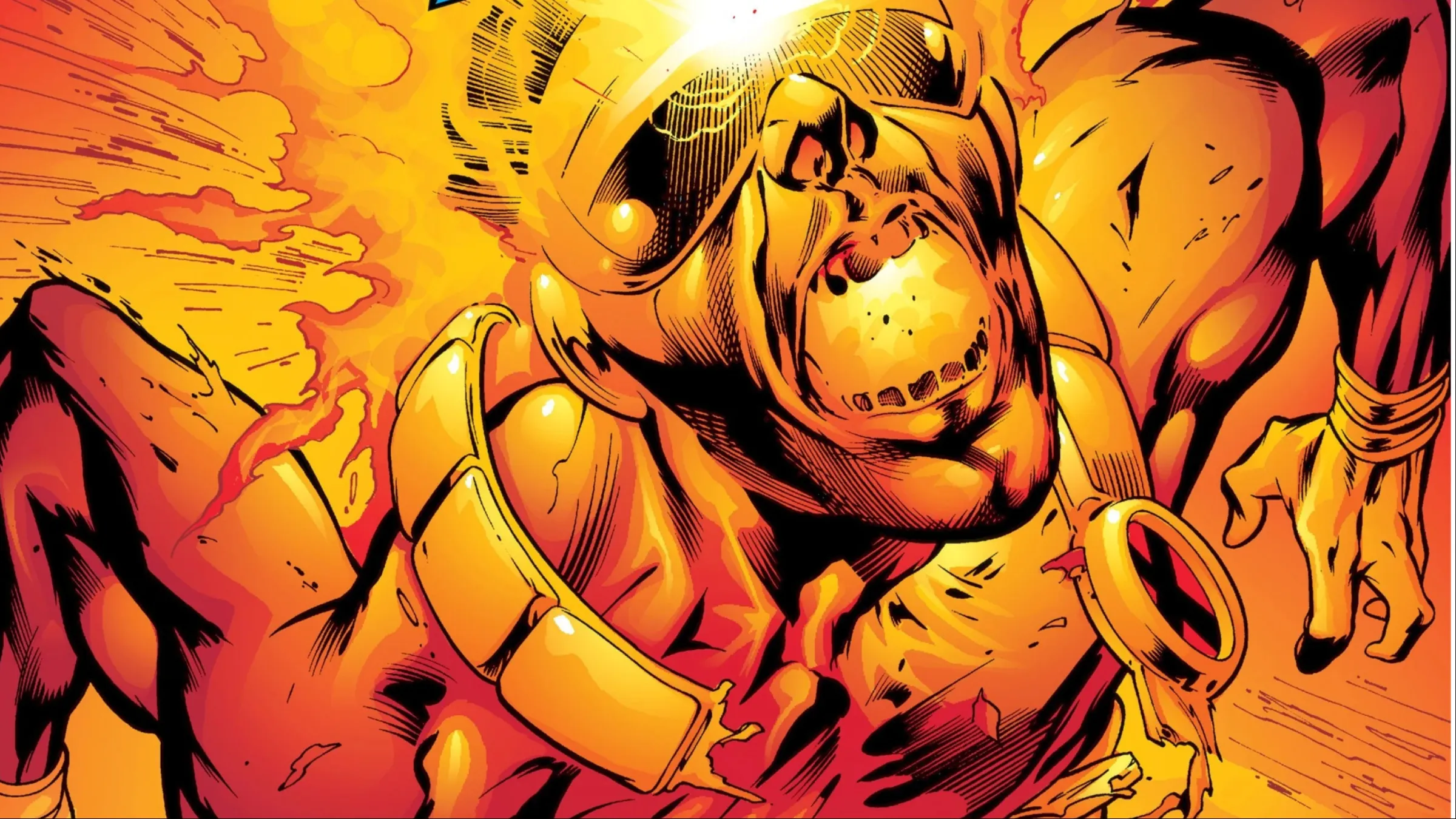
If you were a comic book fan in the 1990s, you remember just how popular the X-Men were. They’d become the biggest comic book team in the 80s, and in 1991, the first issues of X-Force and the new X-Men series sold millions of copies, making them a huge part of pop culture – Rob Liefeld even appeared in a national TV commercial for Levi’s, drawing X-Force! By 1992, the creative team that had made the X-Men so successful – including Chris Claremont, Jim Lee, Marc Silvestri, Whilce Portacio, and Rob Liefeld – had moved on, but the comics continued to be published. The 90s really belonged to the X-Men; even when the quality wasn’t always top-notch, they remained bestsellers and were constantly being talked about, even as comic book sales generally declined.
Looking back at the X-Men comics after the huge success of “Age of Apocalypse,” things got really messy. There was a lot of behind-the-scenes drama with writers – Scott Lobdell essentially forced Mark Waid out, then left himself for Fantastic Four. We saw a quick turnover with Joe Kelly and Steve Seagle, and finally, Alan Davis took over in 1998. Davis was given a specific mission: to wrap up the ’90s era of extreme X-Men storytelling and tie up loose ends. This led to “The Twelve,” a storyline that’s gotten a lot of hate over the years, and honestly, the entire Davis run is often criticized. But here’s my controversial take: I actually think it’s a surprisingly solid and entertaining story. It deserves a second look and way more respect than it gets.
“The Twelve” Was Meticulously Built and Is Much Cooler Than the Haters Think
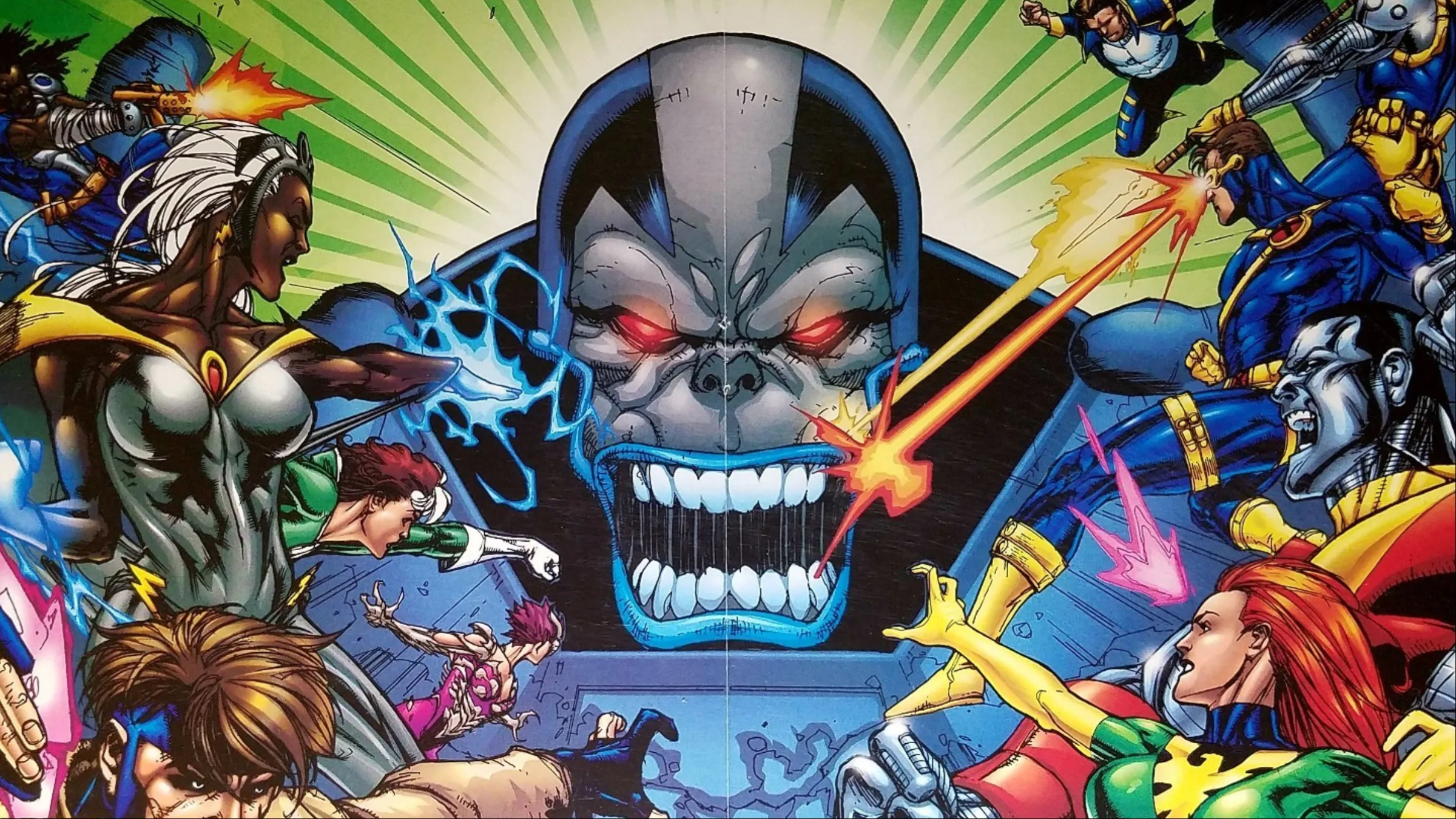
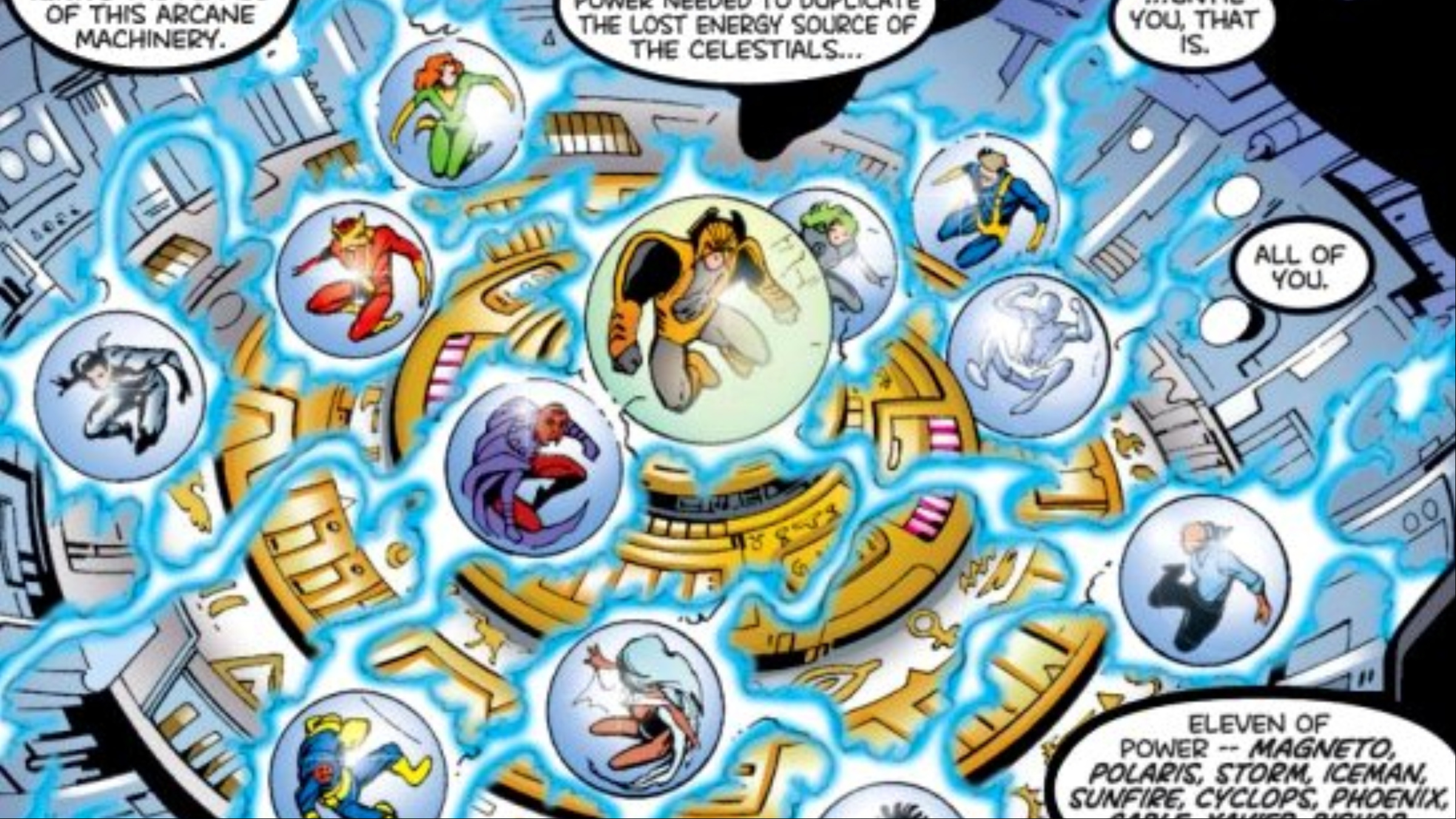
“The Twelve” storyline is best understood by readers already familiar with 1990s X-Men comics. The story centers around Apocalypse assembling the Twelve, a team of powerful mutants foreshadowed in previous issues, in a bid to become a god and conquer the world. The X-Men, along with Cable and X-Man, oppose him, and the conflict ultimately shapes the future Cable comes from. This main story arc unfolded across several titles: Uncanny X-Men #376-377, Cable #75-76, X-Man #59-60, Wolverine (Vol. 2) #145-147, and X-Men (Vol. 2) #96-97.
Before getting into this story, there was a significant amount of backstory to catch up on. You’d need to read Astonishing X-Men (Volume 2) issues 1-3, Joe Davis’s run on Uncanny X-Men issues 366-375 and X-Men issues 85-95, plus Cable issues 47-74. All of that was essential groundwork. It’s a considerable amount of reading just to fully understand a single storyline, which can make experiencing “The Twelve” today a little underwhelming. Davis created a complex narrative that successfully explored concepts like the Twelve, Cable’s mission and future, the mysterious Externals (immortal mutants who haven’t been featured much lately), a connection between the Skrulls and Apocalypse, and even restored Wolverine’s adamantium. It’s a lot to take in, but it all comes together well.
This comic follows a classic superhero formula: heroes unite to face a powerful villain, discover the immense danger, and engage in a large-scale battle. As a ’90s X-Men story, it directly leads into the “Ages of Apocalypse” arc, where En Sabah Nur attempts to manipulate time using the power of the Twelve. While it has some interesting surprises – like Xavier’s team of Skrull mutants, an idea that wasn’t revisited – it’s an enjoyable read, though not as complex as more recent events. What was particularly satisfying back in 1999 was how it finally resolved storylines that had been building for years.
Looking back, the purpose of that era in X-Men history is now clear. The 1990s were a particularly chaotic time for the series, and that’s notable given its history. Writers experimented with many different ideas – like the Twelve, the Externals, and the X-Traitor – hoping to recapture the success of the 1991 reboot. They also introduced storylines like the mystery of Joseph, which was eventually resolved. “The Twelve” storyline served as a way to wrap up the messy nineties and set the stage for the new millennium, though Marvel’s attempt to bring Claremont back for a new run wasn’t well-received by most fans. Ultimately, the same editorial team from the nineties was still in charge, and that contributed to the issues.
“The Twelve” Was the Last Gasp of the ’90s X-Men, With All That Entails
Growing up with the X-Men comics in the 1990s was a really exciting experience. The series had its highs and lows, constantly throwing out new and often over-the-top ideas and characters, with storylines that frequently tried to reinvent the status quo. While not always perfect, it was consistently entertaining. “The Twelve” isn’t a masterpiece, but it’s far from bad – it’s a product of its time, representing a unique era for both Marvel and the X-Men.
It’s easy for today’s comic fans to underestimate how significant the ‘The Twelve’ storyline was. Back then, comics weren’t as focused on endless continuation like they are now. Modern comics often hint at huge changes but mostly just revisit old ideas with a fresh look, neatly wrapping up storylines. In the 1990s, that wasn’t the norm. ‘The Twelve’ was important because it pioneered the approach of crafting runs designed to resolve long-standing plot threads, essentially laying the groundwork for how many comics are written today.
Read More
- 10 Greatest Manga Endings of All Time
- Mark Zuckerberg & Wife Priscilla Chan Make Surprise Debut at Met Gala
- Elon Musk’s Mom Maye Musk Shares Her Parenting Philosophy
- Forza Horizon 6 Car List So Far: Confirmed Highlights, Cover Cars, DLC, and Rewards
- Elon Musk’s Ex Ashley St. Clair Reveals When Romance Became “Weird”
- GBP CNY PREDICTION
- 10 Best Free Games on Steam in 2026, Ranked
- Ranking the 5 Best Spring 2026 Anime So Far (Mid-Season Update)
- 20 K-Dramas That Nailed the Perfect Ending
- 7 Classic Anime You Can Stream for Free Right Now (& Where to Find Them)
2026-05-24 23:14