While filmmaking is an art, Hollywood functions primarily as a business, constantly tracking what types of movies make the most money. Like any profit-driven industry, studios carefully examine successful blockbusters, looking for ways to save money and increase profits, often with little regard for the artistic value of film itself. When a movie becomes a huge hit, executives quickly try to create similar films. However, in their eagerness to make money fast, they often misinterpret what made the original film successful.
Hollywood often falls into predictable and uninspired cycles because of a fundamental misunderstanding of what makes a great movie. Instead of focusing on original stories, the industry tends to quickly copy successful films, forgetting that those classics succeeded because of a unique combination of factors – not a simple formula. They mistake artistic quality for something that can be easily replicated.
5) The Toy-Movie Rush After Barbie

The movie Barbie became a massive cultural hit, earning over $1.4 billion globally, thanks to director Greta Gerwig’s clever approach. She took a doll that many people had strong opinions about and turned it into a funny and insightful film about feminism. The movie also looked fantastic, with amazing sets and brilliant performances from Margot Robbie and Ryan Gosling. Barbie received eight Academy Award nominations, including Best Picture, proving that a strong director’s vision can turn even an unexpected idea into a critical and commercial success. This led Hollywood studios to quickly jump to the conclusion that making movies based on popular toys was an easy path to profits. Now, there’s a rush to acquire and develop more of these familiar brands, hoping to repeat Barbie‘s success simply by using a well-known name.
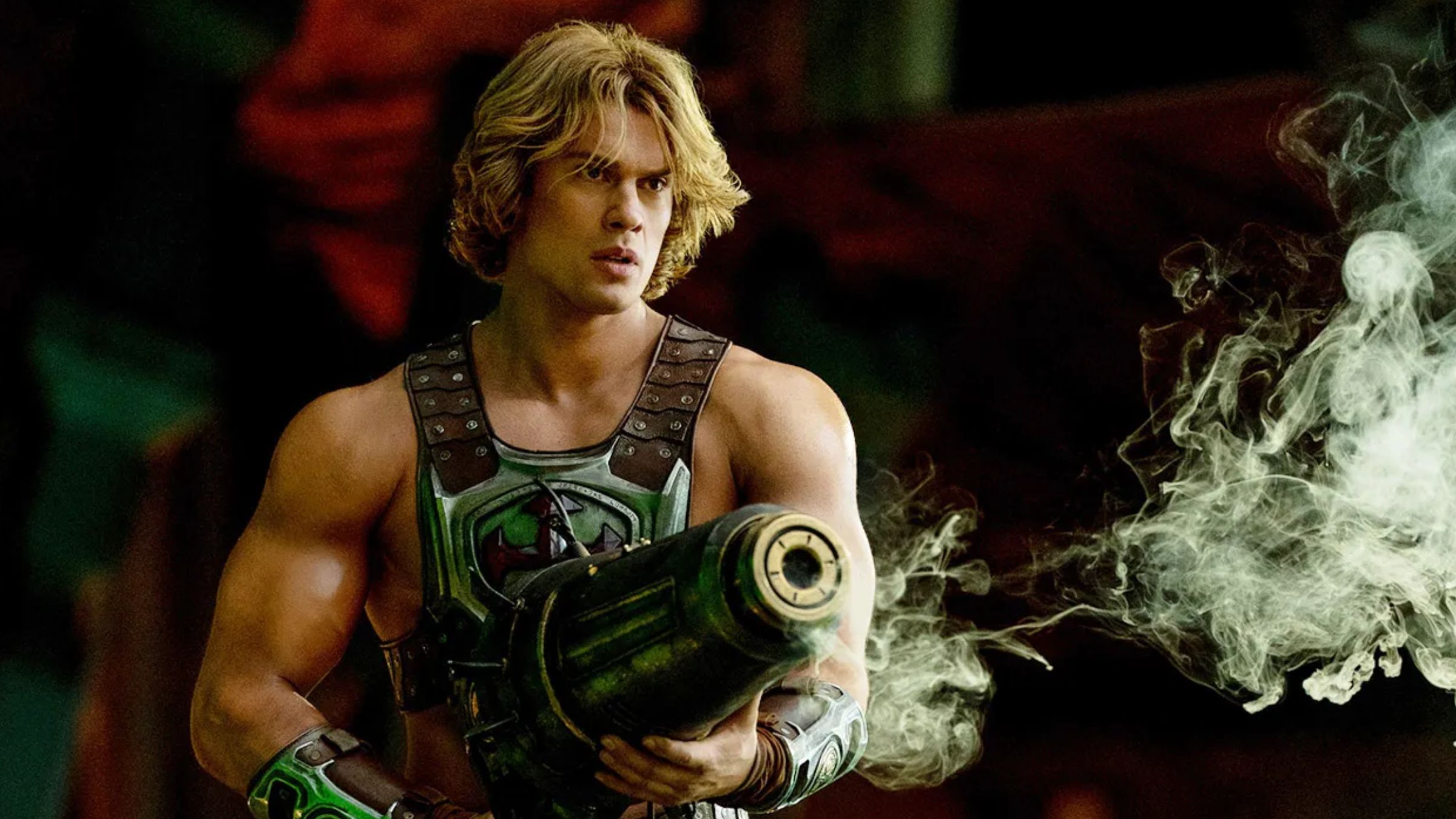
The movie Masters of the Universe, released just last week, appears to be the first big flop resulting from this trend. Amazon MGM Studios spent $170 million on the film, hoping the popular Mattel brand and a leading actor resembling the classic character would lead to box office success similar to Barbie. However, it only earned $54 million worldwide, meaning it won’t make back its investment. Despite this, studios are still planning many more movies based on toys, including films based on Hot Wheels, Polly Pocket, Barney, UNO, Matchbox, and Rock ‘Em Sock ‘Em Robots. While Barbie proved that strong writing and a unique director can make a toy-based movie a hit, studios seem to be ignoring this and are rushing to create more toy adaptations instead.
4) The Found-Footage Boom After Paranormal Activity
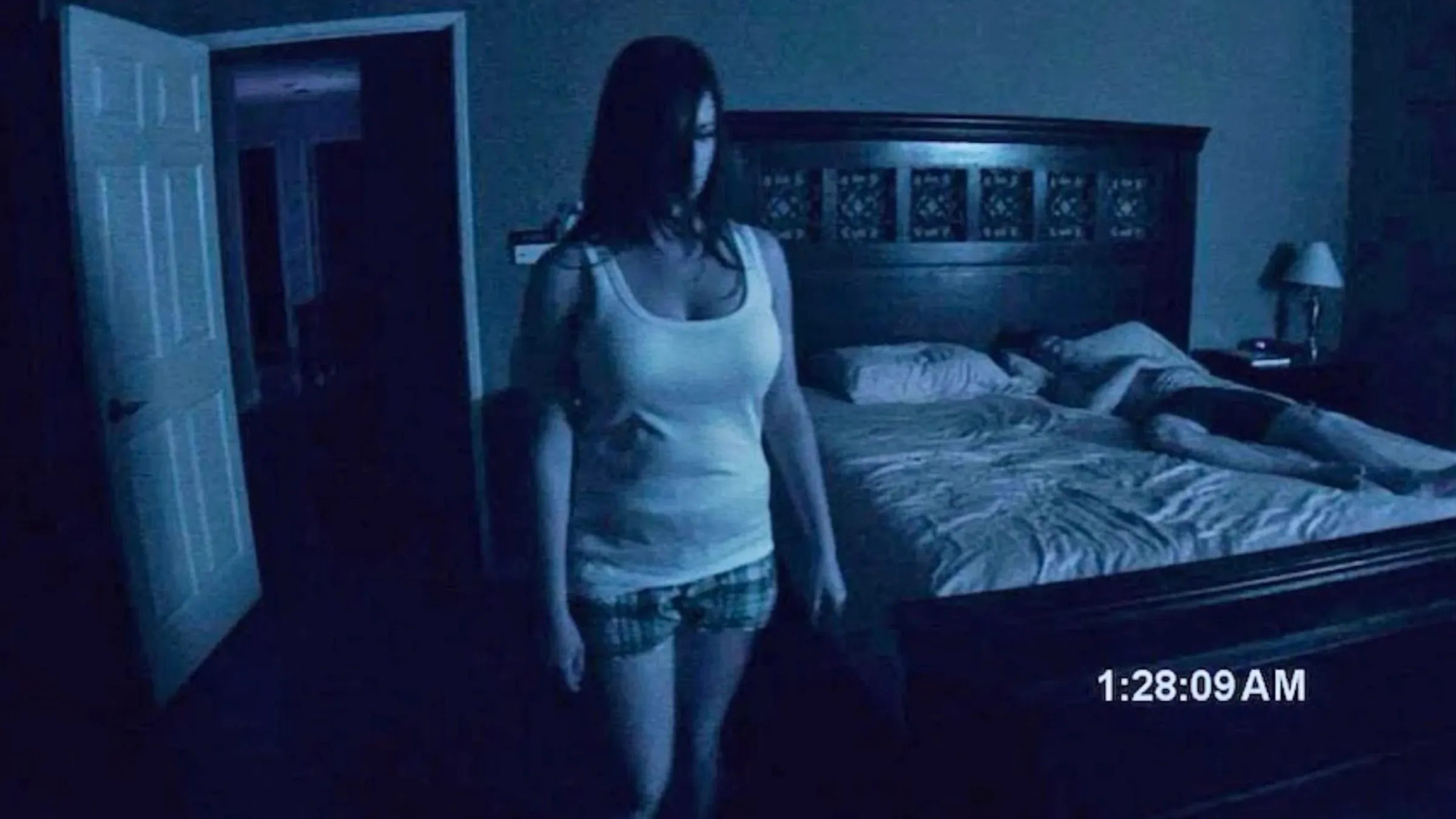
Oren Perli shot Paranormal Activity in his own house over a week for just $15,000, using a static camera and two actors to create dread through small, believable details. Until then, found footage was a niche horror device, but Perli proved you could craft a terrifying story with virtually no money, counting only on the power of silence and suggestion to build fear. His bet paid off, as after a savvy marketing campaign let audiences vote online for screenings, Paramount expanded the film nationwide. In a few weeks, Paranormal Activity had hauled nearly $200 million worldwide against Perli’s microscopic budget, making it the most profitable film in Hollywood history. Of course, Hollywood executives became desperate to find the next movie that would earn them millions with little to no investment.
After the success of Paranormal Activity, studios quickly flooded the market with similar found-footage horror movies, but they lost what made the original scary by focusing on shaky cameras instead of building suspense. This led to many failures, such as The Devil Inside, Apollo 18, The Gallows, The Pyramid, and Chernobyl Diaries. While some made money, they felt like cheap copies and frustrated viewers. The style quickly spread beyond horror, appearing in teen comedies like Project X and disaster movies like Into the Storm. Even science fiction films, like Chronicle and Earth to Echo, adopted the shaky-cam format. Ultimately, a constant stream of poorly made films, including endless Paranormal Activity sequels and movies like As Above, So Below, wore out audiences and turned a clever storytelling technique into a disliked money-making scheme.
3) The Gritty and Realistic Curse of The Dark Knight
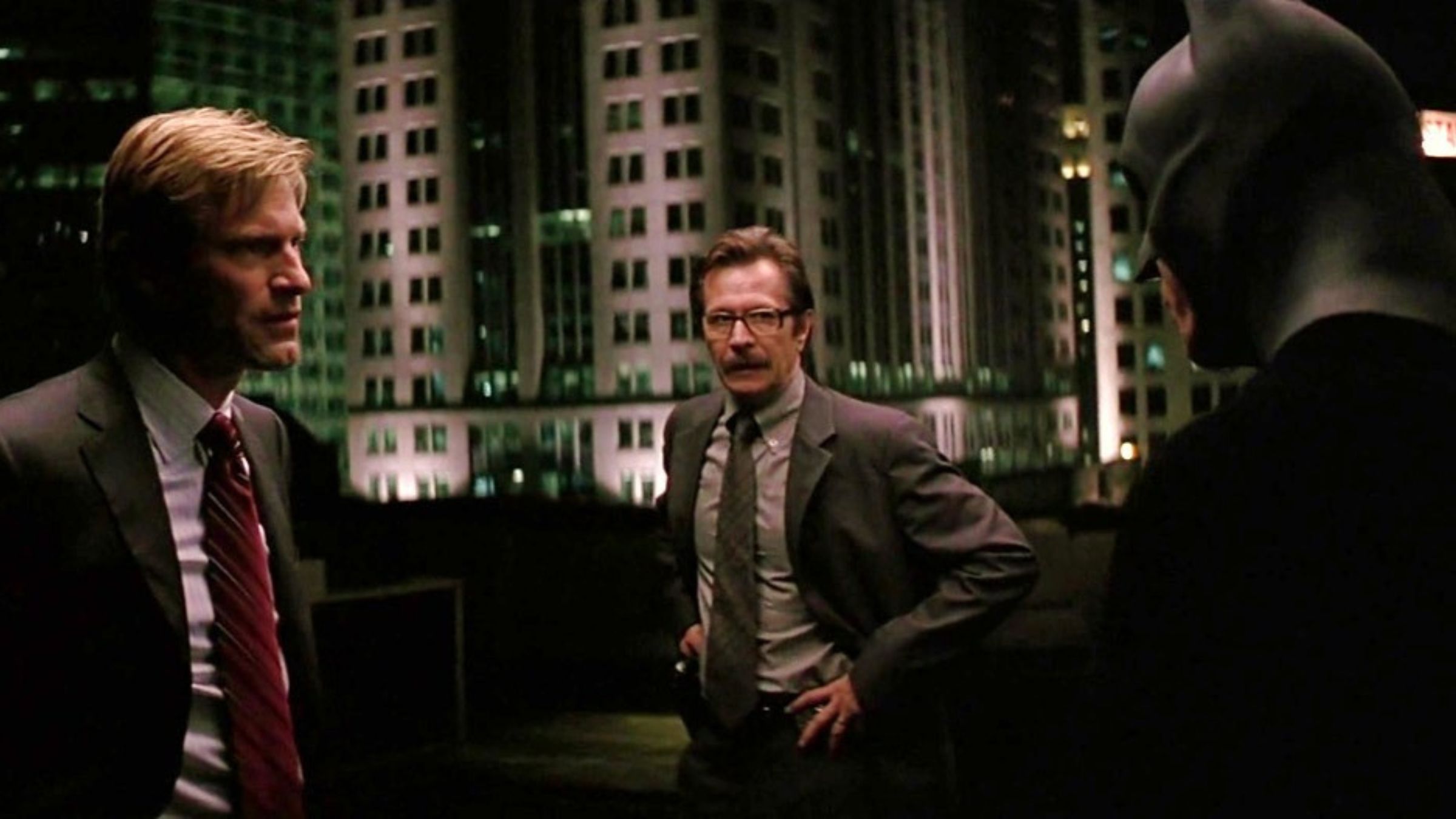
Christopher Nolan’s The Dark Knight was a massive box office success, especially considering his first Batman film, Batman Begins, hadn’t performed as well. The film’s dark, complex story, combined with Heath Ledger’s award-winning performance as the Joker, earned it over a billion dollars and critical acclaim – something rare for superhero movies at the time. Unfortunately, Hollywood misinterpreted this success, wrongly believing that a darker, more realistic tone automatically meant quality, and that even traditionally bright and cheerful characters needed to be made gritty.
The next ten-plus years saw a wave of reboots and sequels that largely lacked fun. Beloved characters were often made darker and more serious, disappointing fans. The Teenage Mutant Ninja Turtles, once lighthearted and silly, were transformed into intimidating creatures in the 2014 film. The Fantastic Four lost their sense of adventure, and even Power Rangers traded bright colors and fun for a gloomy, angsty tone that appealed to no one. The biggest failure was the DC Extended Universe, which began with Zack Snyder’s darker take on Superman in Man of Steel. This led to the divisive Batman v Superman and a series of grim, visually muted films that increasingly alienated audiences.
2) The 3D Fad After Avatar
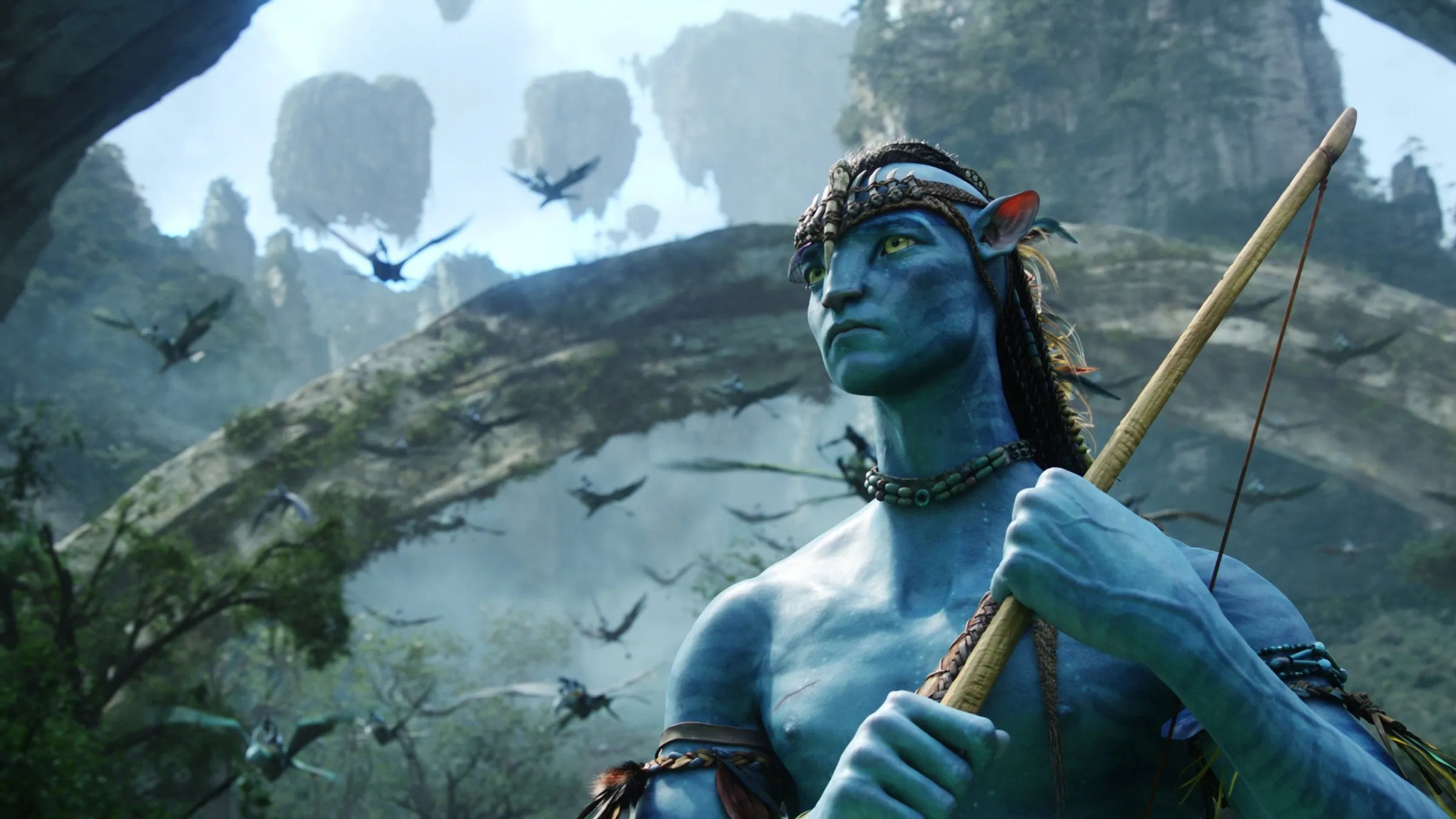
While 3D had been used in cinema before Avatar, James Cameron treated the technology as a fundamental part of worldbuilding, crafting Pandora as a meticulously detailed sci-fi world that seemed real in theaters. Unsurprisingly, the unique visual experiment paid off, with Avatar soon becoming the highest-grossing movie of all time, a record it still holds. Hollywood executives, eager to reproduce the Avatar success, suddenly decided that offering a movie in 3D was a sure route to success. Since filming in native 3D is expensive, the solution was to convert regular 2D movies to offer them in a special format, a disastrous post-production trend that plagued the early 2010s.
One of the worst offenders was Clash of the Titans, which arrived just months after Avatar’s reign began. Shot entirely in 2D, the movie was slapped with a post-production 3D conversion in a matter of weeks, resulting in headache-inducing visuals. The 3D was so bad that Clash of the Titans director Louis Leterrier publicly disowned the conversion. Disney followed with Alice in Wonderland, a Tim Burton film shot in 2D, then converted and marketed as a “must-see in 3D.” The Green Hornet took the prize for audacity, as director Michel Gondry admitted he’d framed shots specifically not for 3D, yet the studio forced a conversion anyway. For a few years, 3D became the norm, even though in most of the cases it only added eye strain and an almost mandatory $3–$5 ticket premium. As a result, the trend almost permanently destroyed the public’s trust in 3D cinema.
1) The Cinematic Universe Consequence of The Avengers
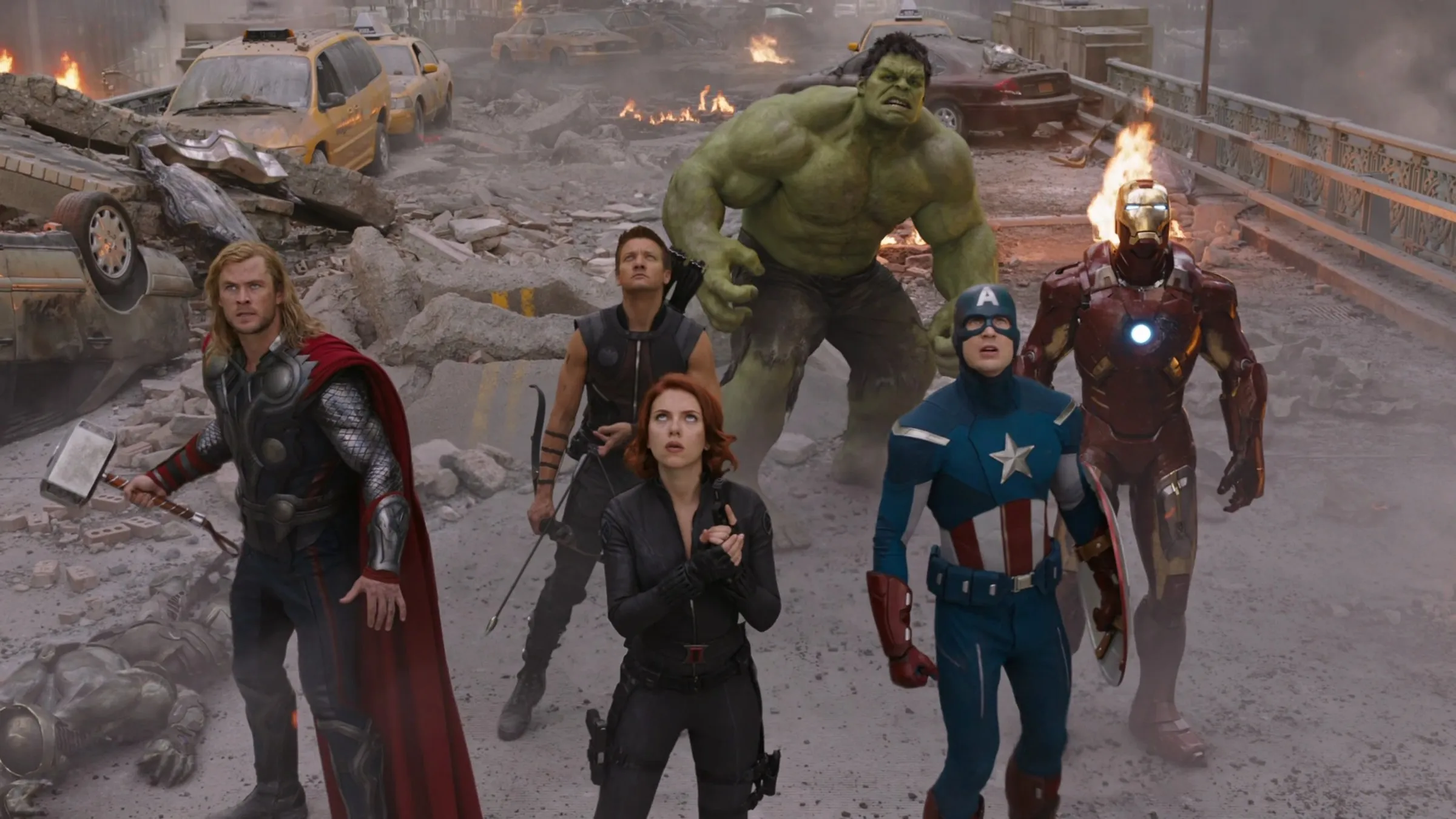
Marvel’s The Avengers represented the payoff of a genuinely audacious Hollywood experiment. Over four years, Marvel Studios methodically built toward a crossover by first establishing Iron Man (Robert Downey Jr.), Thor (Chris Hemsworth), Captain America (Chris Evans), and the Hulk (Mark Ruffalo) in their own distinct adventures, cultivating audience investment in characters before assembling. The result was a cultural juggernaut that grossed over $1.5 billion and redefined what a blockbuster franchise could be. Of course, the takeaway from Marvel’s triumph was disastrous, as a shared cinematic universe became the new box-office cheat code.
To compete with Marvel, Warner Bros. fast-tracked the DC Extended Universe, pushing Batman v Superman: Dawn of Justice into theaters with a rushed blueprint that crammed franchise-building into one film, a strategy that hobbled Justice League before it even began. Universal famously announced its Dark Universe with a glossy cast photo, only to watch The Mummy crumble into a critical and commercial embarrassment that killed the entire enterprise on arrival. Sony, holding Spider-Man’s rogues’ gallery, launched a villain-centric universe with Venom, then doubled down with Morbius, Madame Web, and Kraven the Hunter, producing a string of mocked misfires that became punchlines. Even Paramount attempted to launch a Transformers writers’ room that would include other franchises such as GI Joe and MASK. Crossovers feel special when they are earned through patient storytelling, a lesson that even Marvel Studios has struggled with in recent times.
Read More
- Gold Rate Forecast
- SUI PREDICTION. SUI cryptocurrency
- EUR CNY PREDICTION
- USD HKD PREDICTION
- USD BRL PREDICTION
- USD CHF PREDICTION
- USD TRY PREDICTION
- 7 Classic Free Animated Shows Hidden Deep on Streaming
- Kim Kardashian, Khloe Kardashian Support Lewis Hamilton at Grand Prix
- Seven Snipers Review: A Sharpshooter Action Movie That Misses More Than It Hits
2026-06-09 20:40