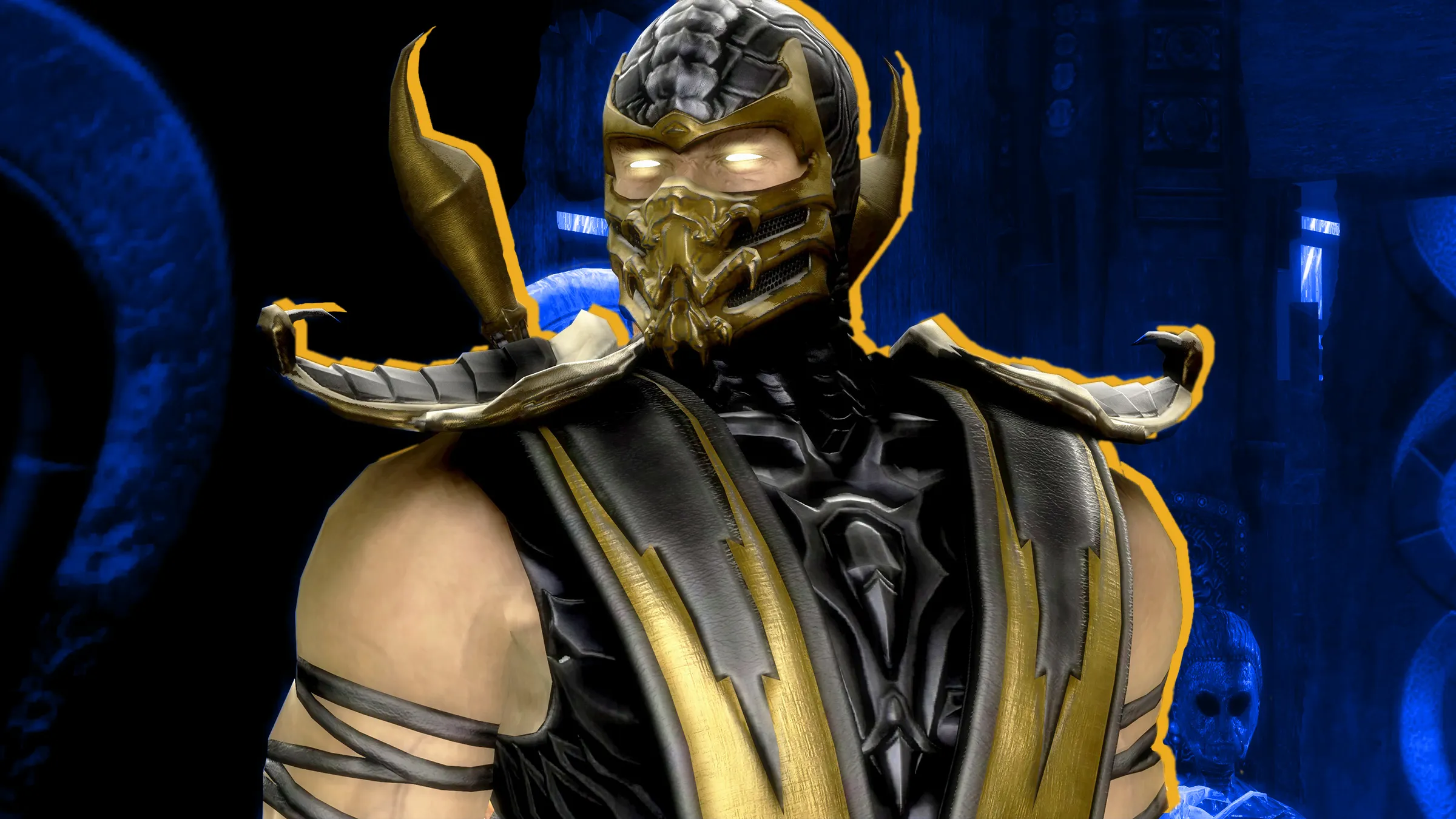
It’s common for a bad game to damage or even end a franchise, as we’ve seen with titles like Dead Space 3, Deus Ex: Mankind Divided, and Ninja Gaiden 3. But sometimes, a game can actually save a series, leading to a resurgence and proving that the best installments aren’t necessarily the oldest.
These five games were crucial for rescuing their franchises, or at least significantly helped turn them around when they were struggling.
5) Mortal Kombat (2011)
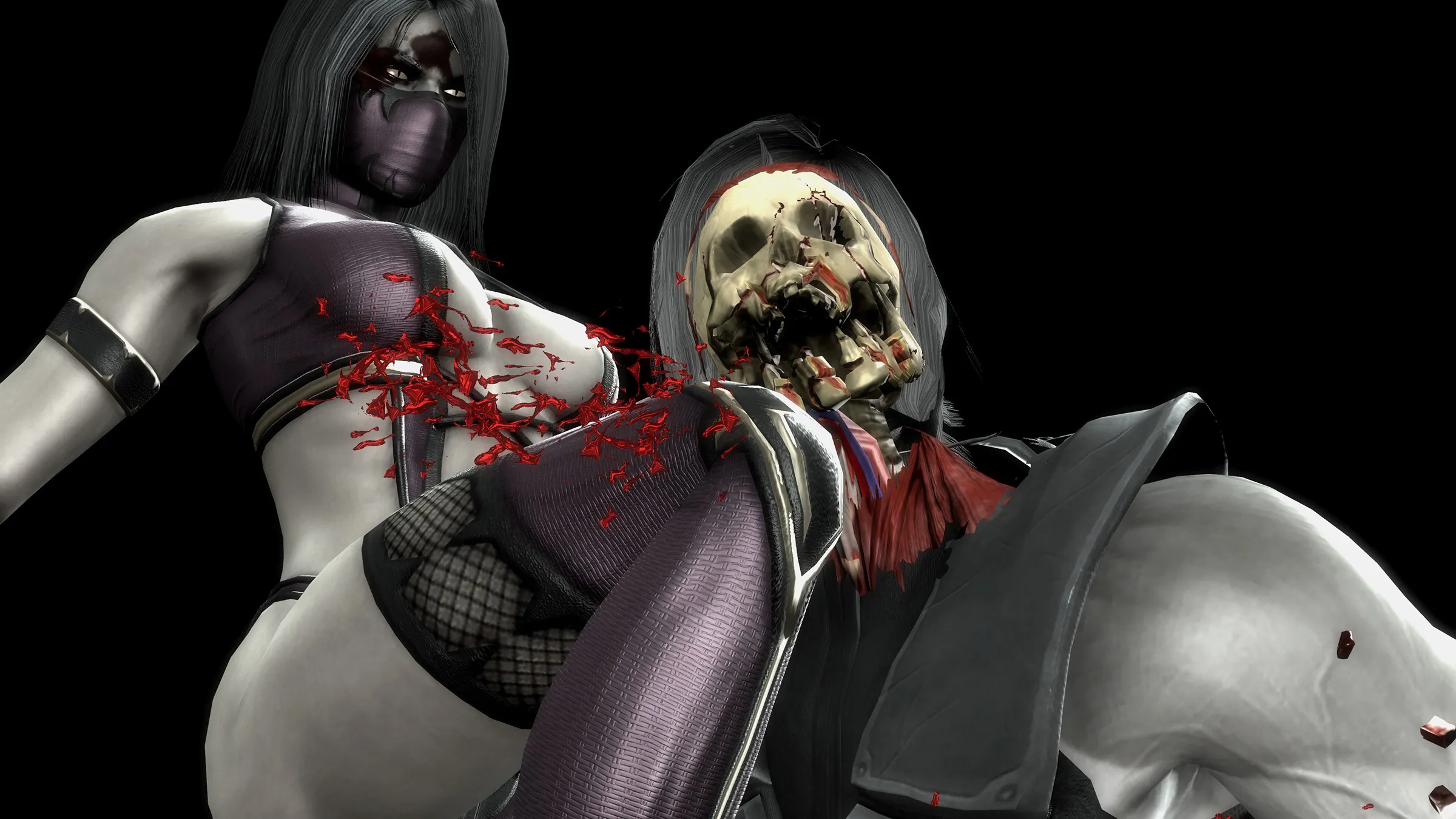
Many fans fondly remember Mortal Kombat games on the PlayStation 2 and original Xbox. However, the quality dipped towards the end of that console generation, reaching a low point with the 2008 game Mortal Kombat vs. DC Universe. That crossover felt rushed and didn’t live up to previous games, watering down what made Mortal Kombat special. Thankfully, the 2011 reboot of Mortal Kombat was a huge improvement and restored the series’ reputation.
Often called Mortal Kombat 9, this installment revived the series’ signature gore and significantly improved the gameplay. It returned to the 2D fighting style of the original games while adding new mechanics and a meter system that created more strategic depth and replay value. While not as popular with competitive players as Tekken or Street Fighter, MK9 established a stronger competitive scene for Mortal Kombat, which has continued to expand. The game’s cinematic story mode, also featured in MKvDC, was better implemented in MK9 and became a benchmark for story modes in fighting games.
Honestly, MK9 totally saved the Mortal Kombat franchise. It wasn’t just a good game, it proved to Warner Bros. that buying the studio (and the rights!) from Midway was the right move. Alan Villani, the engineering director, said it basically confirmed everything WB had hoped for when they took a chance on us. That immediate success gave them the confidence to keep investing, and without it, I really think Mortal Kombat could have faded into obscurity.
4) Resident Evil 7: Biohazard
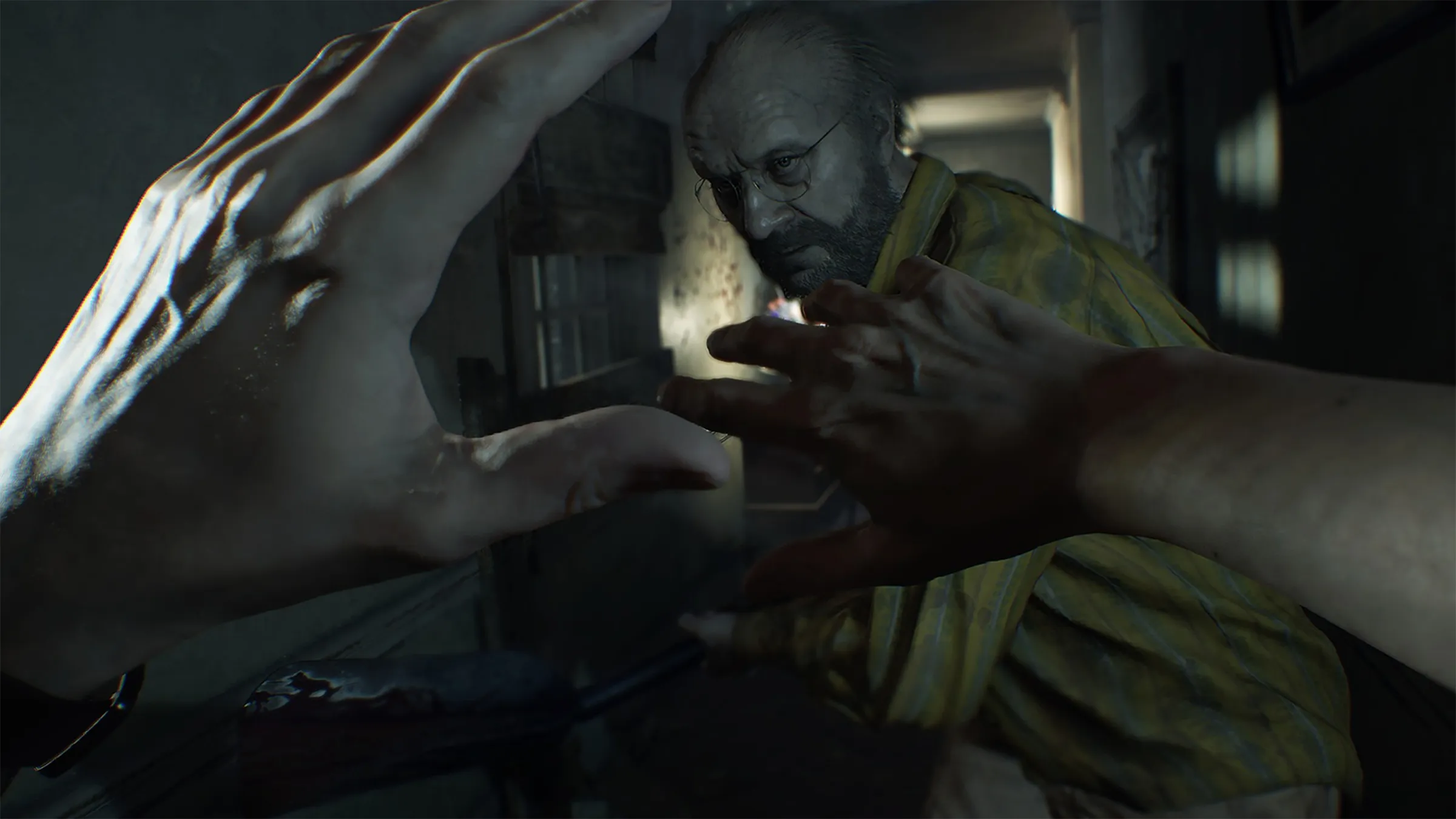
Resident Evil 6 significantly hurt the reputation of the Resident Evil series. Like many Capcom games from that time, it lacked a clear direction and felt like the company was struggling. However, instead of continuing down that path, Capcom turned things around with Resident Evil 7: Biohazard.
This game marked a fresh start for the series, switching to a first-person view and introducing a new cast of characters, giving it a unique feel. More importantly, it recaptured the essence of what made Resident Evil special. It slowed down the pace and focused on creating a truly frightening and unsettling experience, prioritizing suspense over action. While combat felt intentionally a bit awkward, this actually enhanced the tension. The game also brought back challenging puzzles that required exploration and backtracking – a feature missing from recent, more action-focused titles. By revisiting these core principles and refining them, Resident Evil was effectively revitalized.
As a huge fan, I’ve seen firsthand how amazing Resident Evil 7 was! It’s sold over 16 million copies, but more importantly, it kicked off this incredible revival for the series that’s really spread to the whole of Capcom. You can totally see how RE7 influenced games like Devil May Cry 5, Mega Man 11, and even the upcoming Dragon’s Dogma 2 – it’s like a clear turning point for the company.
3) DOOM (2016)
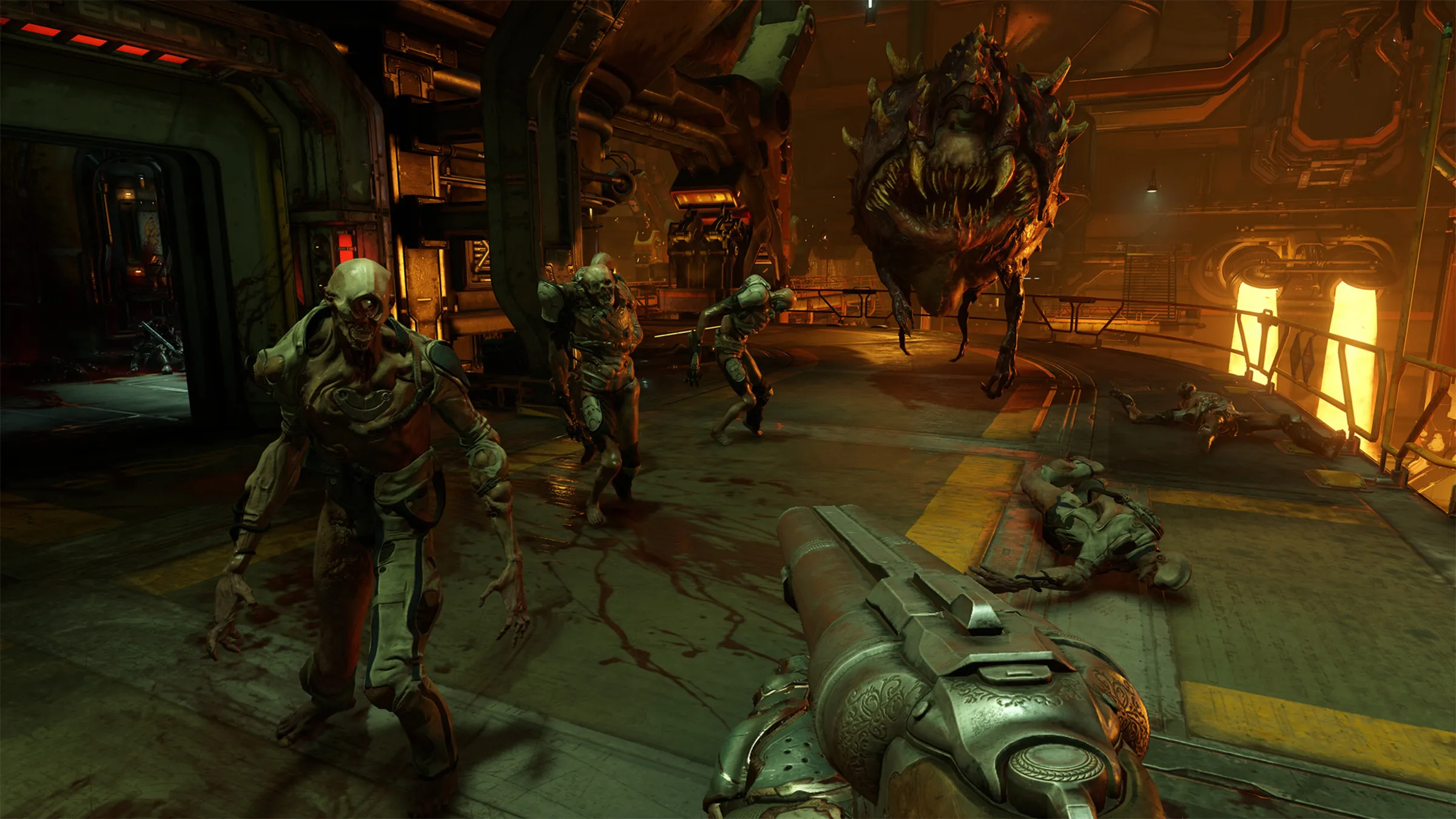
Seeing early glimpses of DOOM 4 actually makes the 2016 DOOM feel even better. While DOOM 4 turned out okay, it’s hard to imagine it could have surpassed the fantastic 2016 reboot. After a long wait and a somewhat controversial third game, a sequel that felt too ordinary and missed the point of DOOM would have been a letdown.
The 2016 reboot of DOOM successfully captured the essence of what makes a DOOM game great: fast-paced, brutal action and quick thinking. Building on this solid foundation, id Software expanded the experience while staying true to the series’ violent roots. The game was even more visually intense thanks to updated technology, and the heavy metal soundtrack got a modern boost with electronic elements. Players were encouraged to move quickly and aggressively, with the Glory Kill system rewarding skillful combat. After a long hiatus, DOOM needed to make a strong comeback, and this reboot delivered. It also set the stage for two excellent sequels, each offering a unique take on the established formula.
2) God of War (2018)
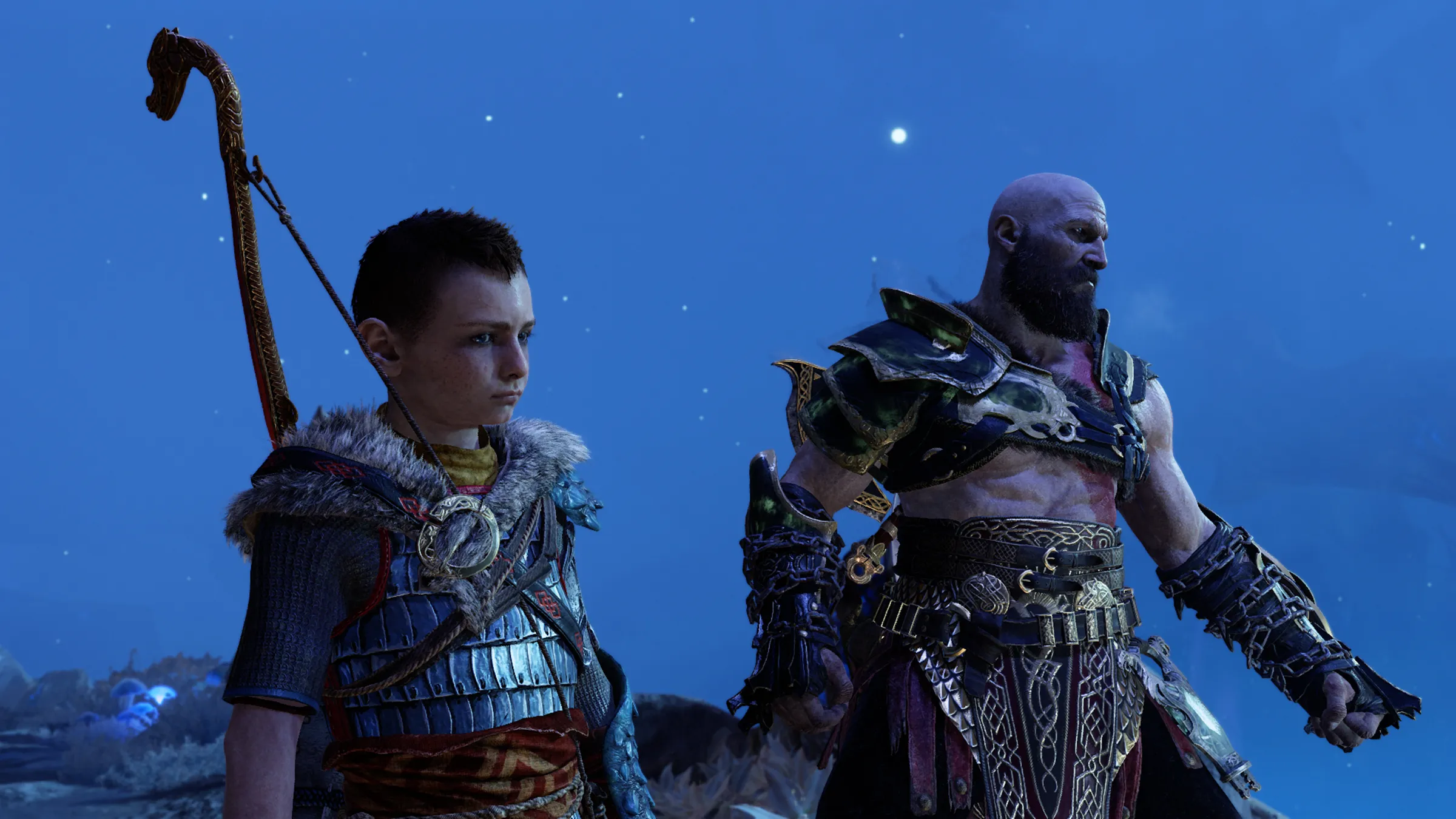
The original God of War 3 was a strong, though dark, conclusion to Kratos’s initial story, but the series continued with God of War: Ascension, a prequel that wasn’t as well-received and led to a five-year break. Then, Santa Monica Studio returned in 2018 with a reimagined God of War, followed by two more highly praised games that successfully breathed new life into the franchise.
Man, God of War in 2018 was a total reinvention. Everything felt new – the world was based on Norse mythology instead of Greek, the camera was over-the-shoulder instead of fixed, and even Kratos himself was a completely different guy, both in how he acted and who voiced him. But what’s amazing is that even with all those changes, Santa Monica Studio still kept what made God of War God of War. The combat was still all about skill and quick reactions, just like the older games. And the story? It wasn’t a reboot that ignored everything that happened before. It actually built on the old lore, giving Kratos a really compelling story arc. It was a perfect balance of new and familiar.
Many thought Ascension would be the final installment in the series, but the 2019 documentary about the game showed that the 2018 God of War proved a franchise could be successfully reimagined with enough room for innovation, support, and creative freedom.
1) Silent Hill 2 (2024)
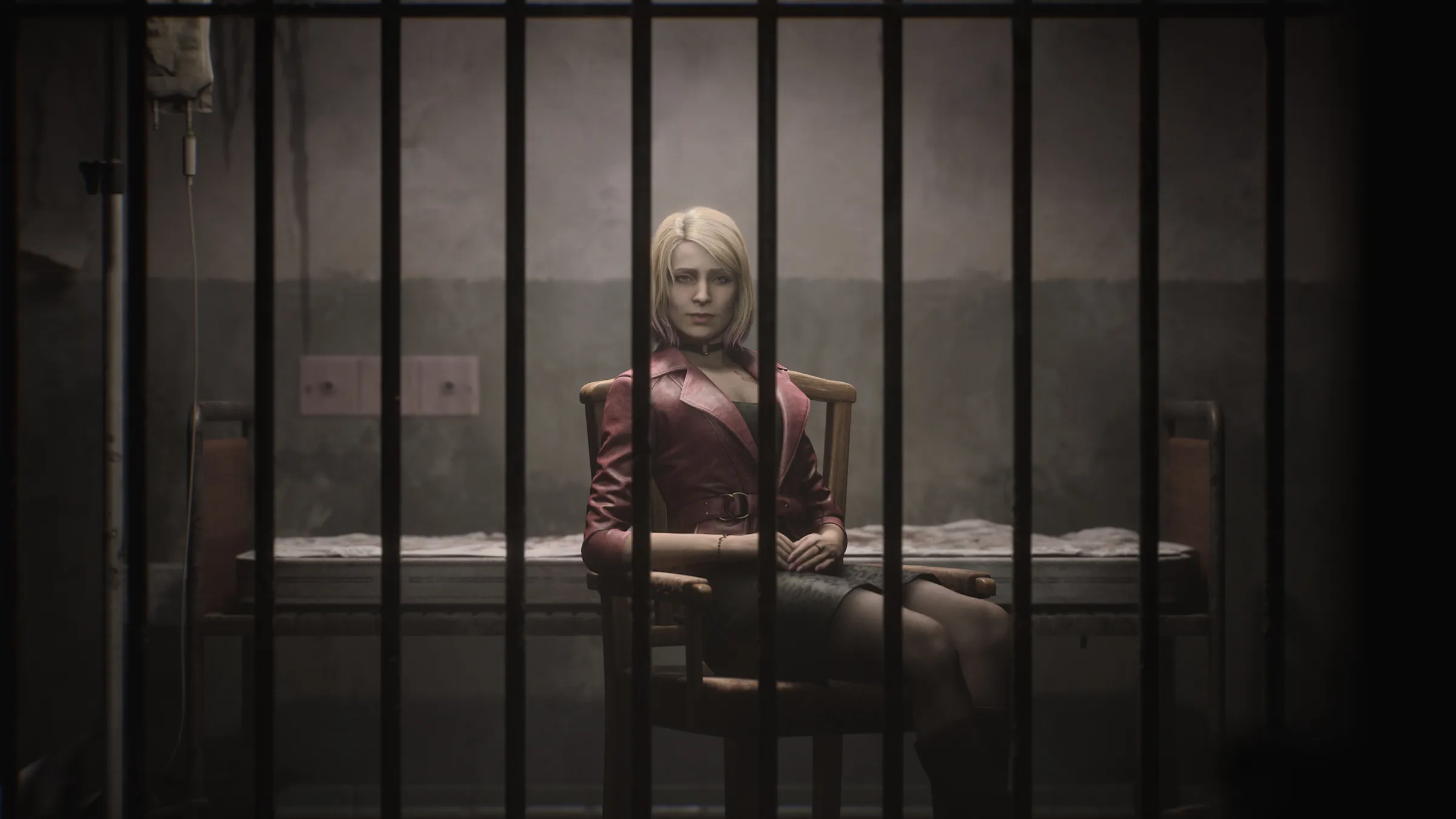
As a long-time fan, it’s been heartbreaking watching what happened to Silent Hill. Konami basically dismantled the team that made the original games so special, and then handed the franchise off to studios that just didn’t get what made Silent Hill scary. We got a bunch of disappointing spin-offs, and even a cancelled game from Hideo Kojima! It felt like the series was just… gone for almost ten years. Then, they dropped Silent Hill: Ascension and The Short Message, which honestly didn’t fill me with much hope. But thankfully, the Silent Hill 2 remake finally gave the series the comeback it desperately needed. It’s so good to see Silent Hill back on track!
The remake of Silent Hill 2 understood how beloved the original game was, and impressively improved upon it. It thoughtfully expanded the story without changing the core elements, and benefited from improved voice acting and animation. Even with modernized combat, the game remained genuinely scary, filled with unsettling enemies and a pervasive sense of dread. However, Bloober Team did stumble slightly – the remake is almost three times longer than the original, losing some of the concise storytelling that made the 2001 game so effective.
The Silent Hill 2 remake successfully showed that the series can still be compelling with thoughtful development, a point reinforced by Silent Hill f the following year. With two outstanding games and another looking promising, the Silent Hill 2 remake has been instrumental in the revival of this beloved and influential gaming franchise.
Read More
- 10 Greatest Manga Endings of All Time
- Mark Zuckerberg & Wife Priscilla Chan Make Surprise Debut at Met Gala
- Elon Musk’s Mom Maye Musk Shares Her Parenting Philosophy
- GBP CNY PREDICTION
- 10 Best Free Games on Steam in 2026, Ranked
- Forza Horizon 6 Car List So Far: Confirmed Highlights, Cover Cars, DLC, and Rewards
- Ranking the 5 Best Spring 2026 Anime So Far (Mid-Season Update)
- Elon Musk’s Ex Ashley St. Clair Reveals When Romance Became “Weird”
- 20 K-Dramas That Nailed the Perfect Ending
- 7 Classic Anime You Can Stream for Free Right Now (& Where to Find Them)
2026-05-24 16:19