1993 was a landmark year for Steven Spielberg, featuring the release of two of his most celebrated films. While the historical drama Schindler’s List received critical acclaim and numerous awards, earlier in the year Spielberg redefined the summer blockbuster with Jurassic Park. Premiering in June, Jurassic Park amazed viewers with groundbreaking visual effects – which still look impressive over 30 years later – and explored the dangers of interfering with nature. The film was a massive box office success, launching a popular sci-fi franchise that continued with sequels over the following years.
Released on May 23, 1997, The Lost World: Jurassic Park was a big financial success, earning $618.6 million globally. While popular with audiences, critics weren’t as impressed, giving it a 57% rating on Rotten Tomatoes compared to the original film’s 91%. Over time, The Lost World’s reputation has somewhat improved, particularly as later Jurassic Park movies haven’t quite lived up to the success of the first two.
The Lost World Is the Best Jurassic Park Sequel
While many movie franchises have consistently delivered great sequels, the Jurassic Park series hasn’t been as successful. Of the six films since the original, only 2015’s Jurassic World received positive reviews on Rotten Tomatoes. That means the standard for a good Jurassic Park sequel isn’t very high, but even so, The Lost World: Jurassic Park stands out as the best of the bunch, despite having a lower Rotten Tomatoes score.
It’s not surprising that Steven Spielberg only directed one Jurassic Park sequel, The Lost World. He’s a master of creating large-scale, exciting movies, and The Lost World delivers plenty of thrilling moments. Although it shares similarities with the first film, it’s distinct enough to stand on its own. Spielberg opted for a more intense and frightening atmosphere, which made the dinosaur attacks—like the particularly shocking death of Eddie—even more impactful. He understood exactly what fans wanted from a Jurassic Park sequel and gave it to them in full measure.
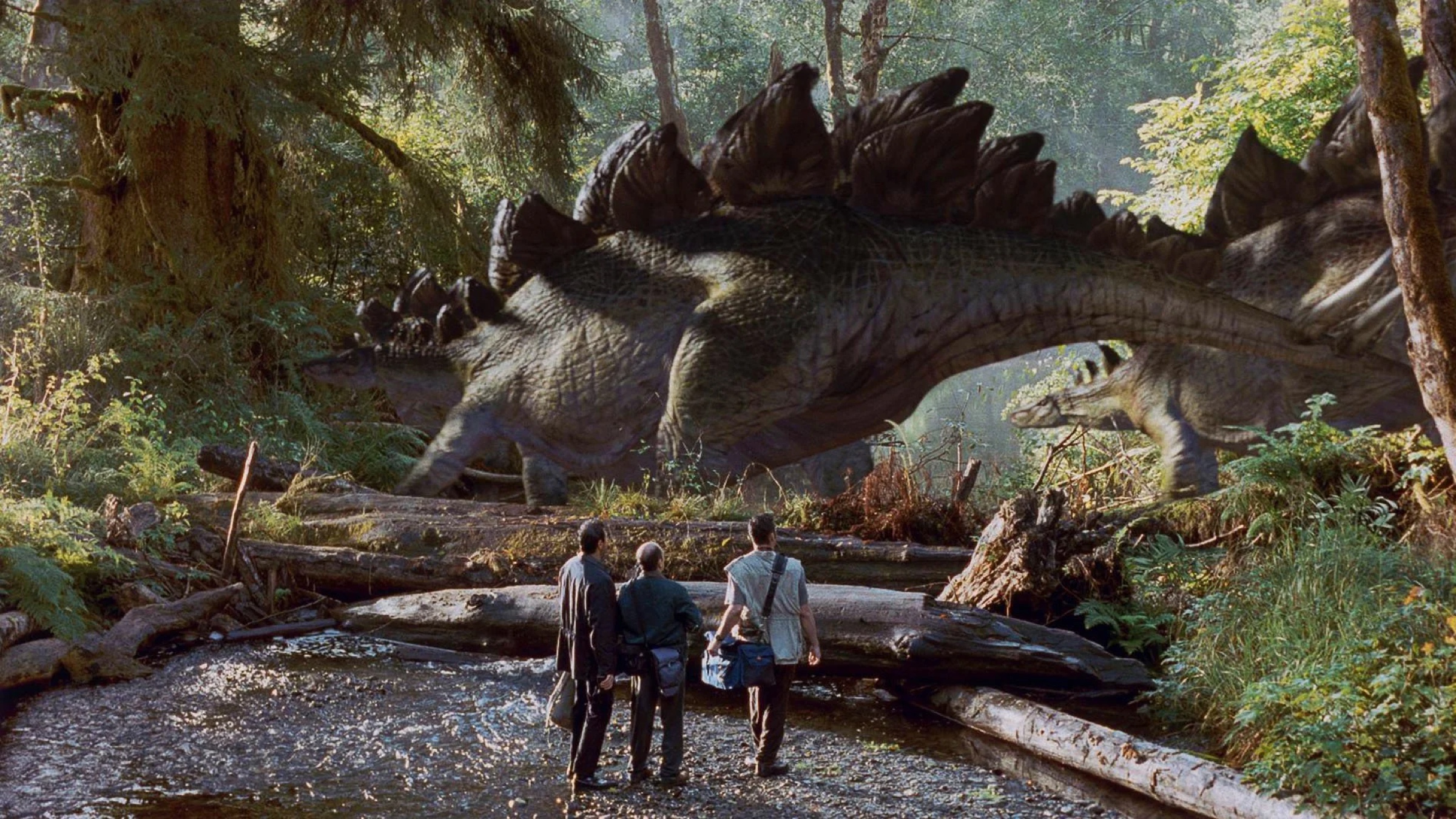
The original Jurassic Park was a truly unique experience – the first time audiences saw dinosaurs realistically brought to life on screen created a sense of wonder that can’t be recreated. However, Spielberg knew how to capture similar excitement in The Lost World. He did this partly by introducing new dinosaur species not seen in the first film, like the Stegosaurus, offering a fresh visual appeal. Following a common sequel strategy, Spielberg expanded the scale of everything, and he did it perfectly. The Lost World is impressively large in scope, and combining that with thrilling horror elements makes it a very enjoyable film.
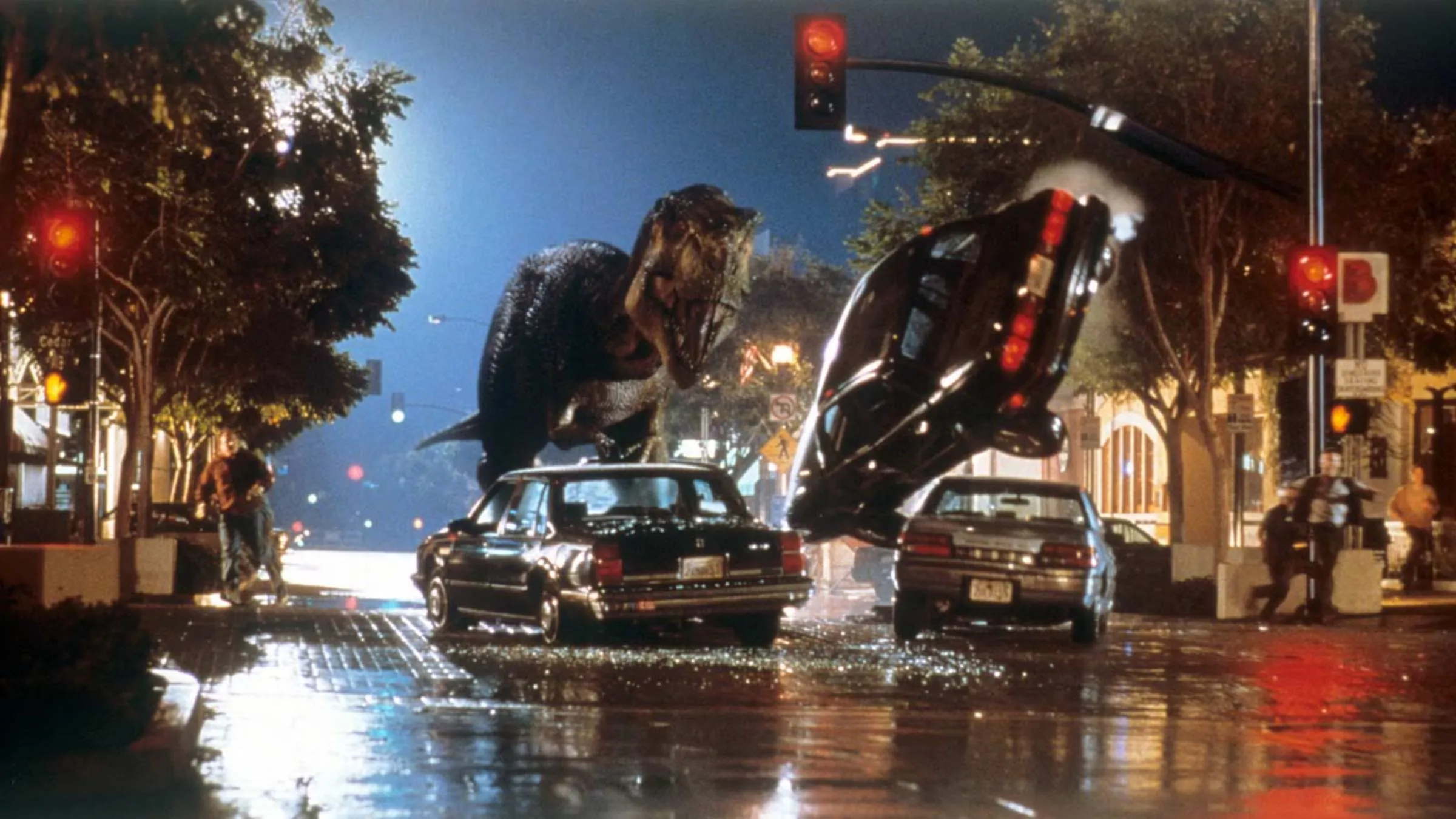
While The Lost World isn’t flawless – the raptor attack with the gymnast and the chaotic San Diego scene are still debated by fans – these moments are arguably better than some of the storylines in later Jurassic World films, like the cloning and locust plots. They don’t ruin what is otherwise a very exciting adventure. If a sequel to Jurassic Park had to happen, The Lost World was a decent approach. However, the core issue remains: a sequel simply wasn’t necessary.
Jurassic Park Didn’t Need to Become a Franchise
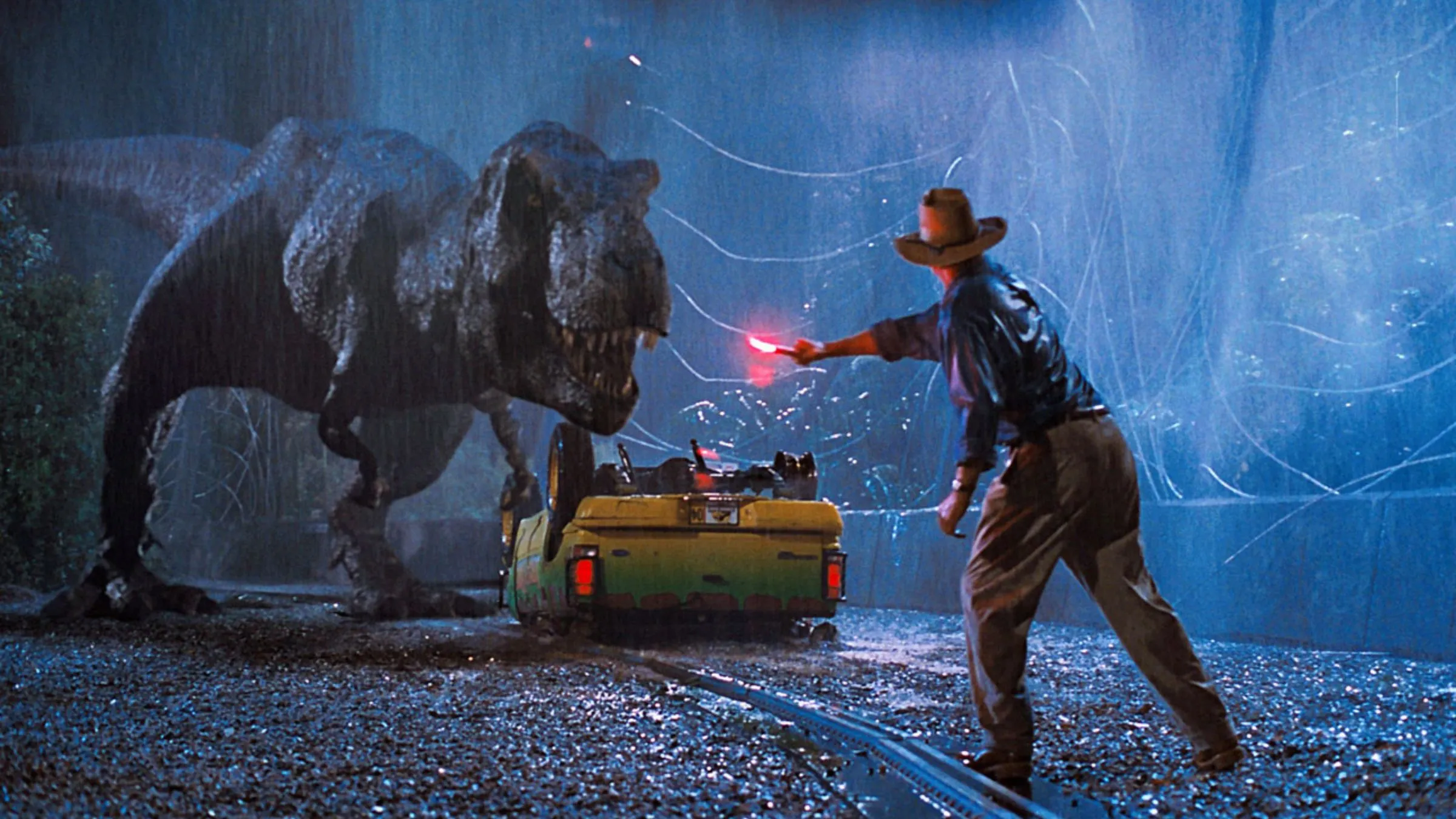
From a business standpoint, creating a sequel to Jurassic Park was a simple decision. The first movie was a huge financial success, so the studio couldn’t afford to leave that valuable property unused. However, continuing the story didn’t make much sense creatively. The original Jurassic Park felt complete – it had a clear beginning, middle, and end, and resolved its central conflict. The movie definitively showed that bringing dinosaurs back to life was a mistake, a point even acknowledged by John Hammond himself.
Unlike franchises like Star Wars and Marvel, which had lots of existing stories and characters to build on, Jurassic Park was originally intended as a standalone story. Michael Crichton, the author of the original novel, resisted calls for a sequel. He only wrote The Lost World after the first movie became popular and Steven Spielberg wanted to make a follow-up. Essentially, the sequel novel—and the subsequent movie—came about simply because the first film was a success.
The biggest challenge for every Jurassic Park sequel, including The Lost World, has been finding a new direction. The original film pretty much explored all the interesting ideas inherent in the premise. Later movies tried to spice things up with new settings – like a second island or a working dinosaur theme park – but that didn’t quite solve the problem. Even the dinosaur hybrids, which became a key part of the Jurassic World films, eventually felt repetitive. This is because the stories always return to the same message: humans shouldn’t interfere with nature by bringing dinosaurs back to life. The sequels haven’t really introduced any new themes or storylines.
It appears Universal Pictures recognizes the need for a compelling story before rushing into another Jurassic World sequel. Despite the success of last summer’s Jurassic World Rebirth, they haven’t announced a follow-up yet, suggesting they’re being careful. While the Jurassic Park franchise has always been profitable, recent films have received lukewarm reviews, hinting at audience burnout. Hopefully, the next installment will recapture the magic – and financial success – of the original Jurassic Park.
Read More
- 10 Greatest Manga Endings of All Time
- Mark Zuckerberg & Wife Priscilla Chan Make Surprise Debut at Met Gala
- Elon Musk’s Mom Maye Musk Shares Her Parenting Philosophy
- Forza Horizon 6 Car List So Far: Confirmed Highlights, Cover Cars, DLC, and Rewards
- Elon Musk’s Ex Ashley St. Clair Reveals When Romance Became “Weird”
- GBP CNY PREDICTION
- 10 Best Free Games on Steam in 2026, Ranked
- Ranking the 5 Best Spring 2026 Anime So Far (Mid-Season Update)
- 20 K-Dramas That Nailed the Perfect Ending
- 7 Classic Anime You Can Stream for Free Right Now (& Where to Find Them)
2026-05-23 23:43