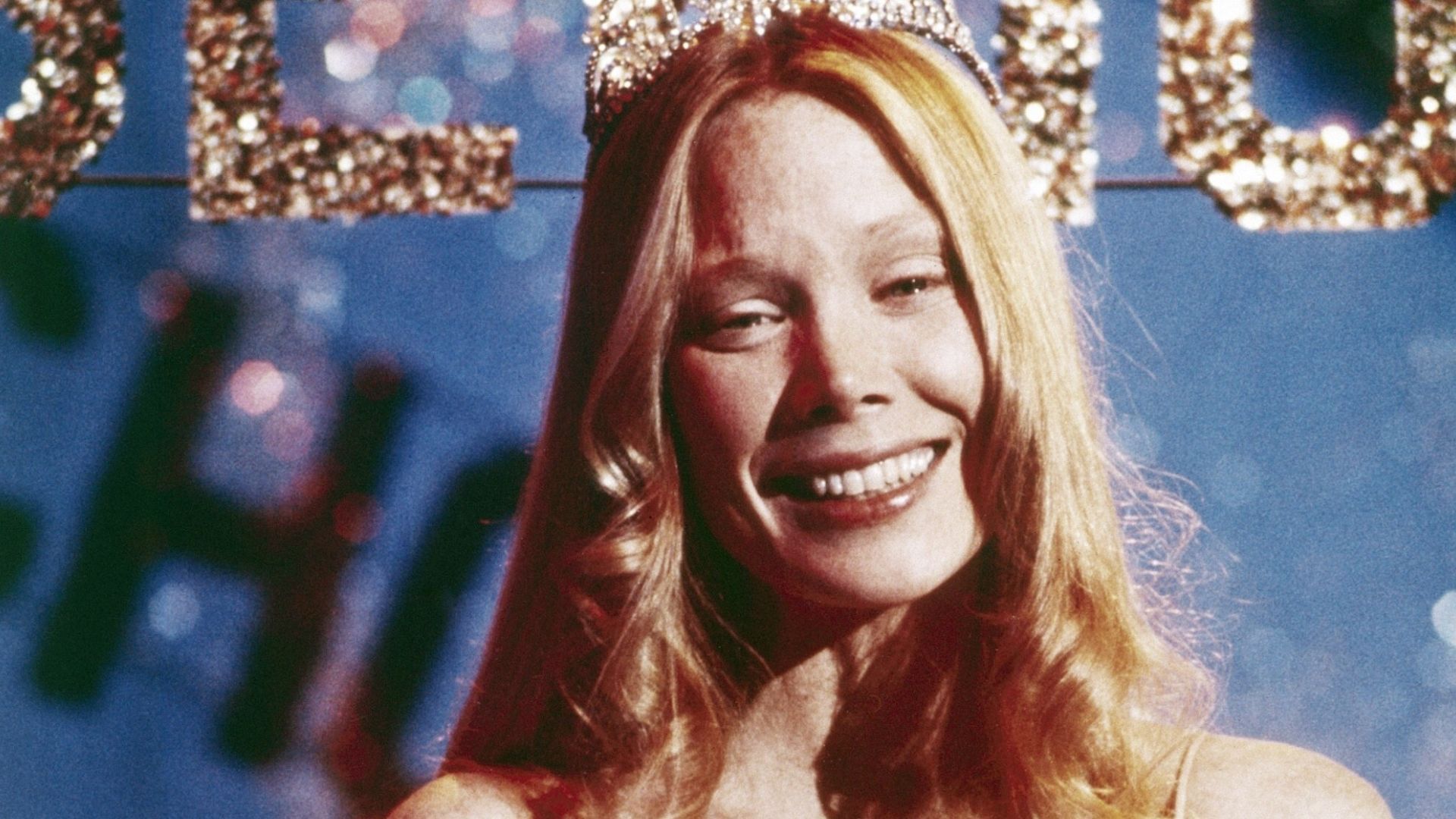
Stephen King, known as the King of Horror, quickly gained popularity with early movie adaptations of his work. After his first novel, Carrie, was published in 1974 and became an instant success, Hollywood swiftly turned it into a film – marking the beginning of a long history of King’s stories on the big screen. But which of these early adaptations is the best?
This marked the beginning of a trend that continues now, with Stephen King’s stories still frequently adapted into films and television shows. Similar to his books, many of these adaptations are excellent. Several have even earned Academy Awards and become widely recognized classics, going beyond just the horror genre.
Within ten years, ten movies based on Stephen King’s work were made, and many fans consider this the peak of his film adaptations. Well-known directors like Brian De Palma, Stanley Kubrick, David Cronenberg, and John Carpenter all directed these films, and King’s stories allowed them to create some truly memorable cinema.
It’s true that not every movie based on Stephen King’s early work is a success. Some of the first adaptations are pretty weak and rank among his worst. As the 1980s continued, more and more of his stories were turned into films each year. However, this increase in quantity didn’t lead to better quality; in fact, the films generally became less impressive. Looking at the first ten Stephen King movie adaptations really shows the contrast between his strong writing and the mixed results of those early films.
10. Firestarter (1984)

While Stephen King’s novel is a complex and detailed story about family, the film version of Firestarter is considered one of his least successful adaptations. The movie follows a couple whose daughter develops the ability to create fire, a power she gained after her parents took part in a secret government experiment. A mysterious organization then tries to exploit her abilities as a weapon. The film has all the necessary elements, but they don’t quite come together effectively.
The movie’s attempts at thrills feel shallow and don’t quite work, and the characters lack depth, which is its biggest flaw. Firestarter shares some similarities with Carrie, though it’s unlikely Stephen King intentionally copied his own work. The book itself is decent, but unfortunately, the movie isn’t very well-made.
9. Cat’s Eye (1985)

Stephen King’s many short stories have been frequently adapted for film, and Cat’s Eye is a movie built from several of them. The stories are tied together by a wandering housecat and each one delivers a different kind of horror. Like many horror movies that present multiple stories, the success of Cat’s Eye depends entirely on how good each individual tale is.
Both “Quitters, Inc.” and “The Ledge” were originally published in Stephen King’s Night Shift, but “General” is a story new to this film. Sadly, the final segment feels out of place and weakens the overall movie. The playful humor doesn’t quite land consistently, and Cat’s Eye doesn’t feel as strong as Creepshow. It’s not a bad movie, but it doesn’t stand out among other King adaptations.
8. Children Of The Corn (1984)
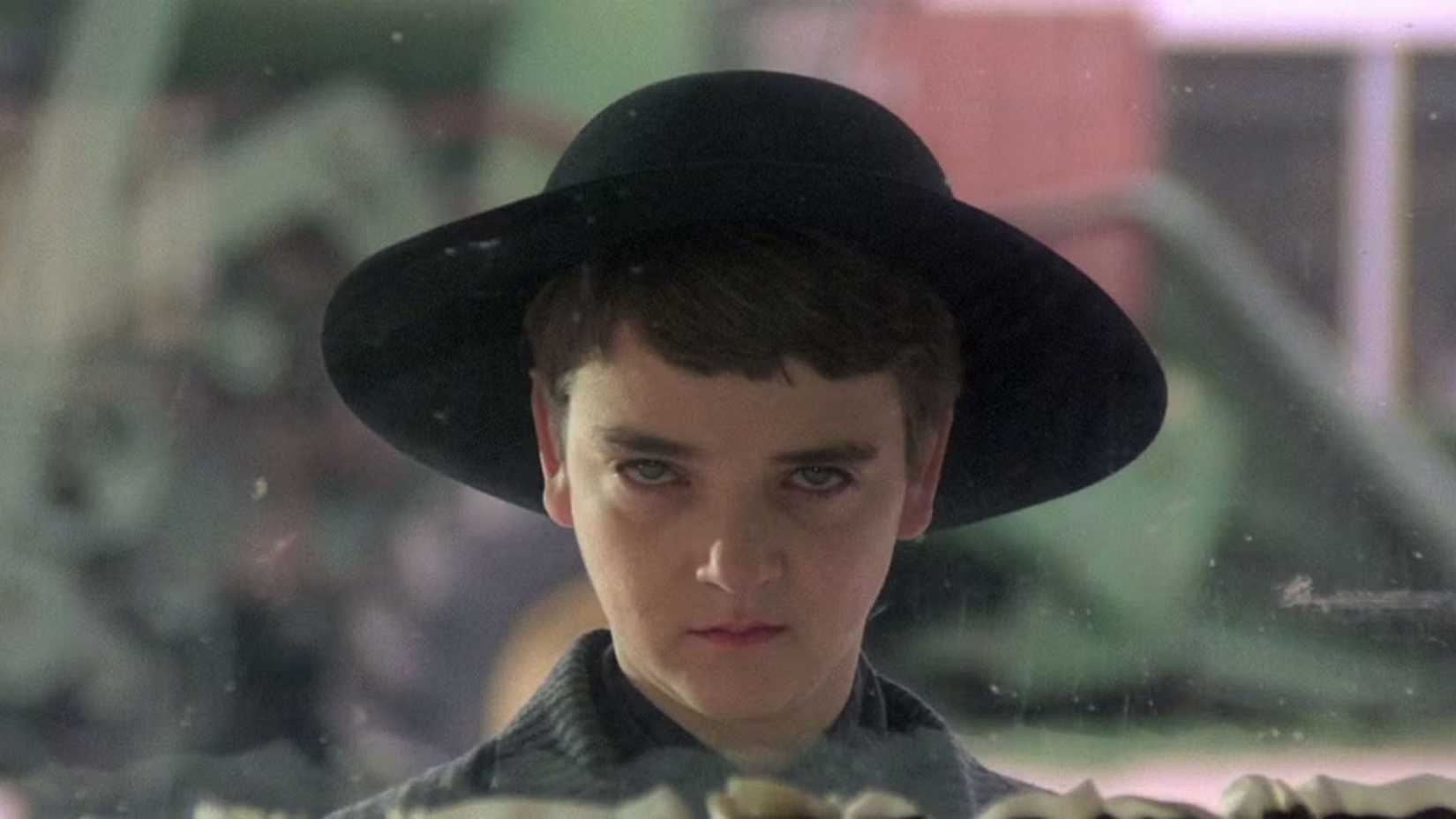
Children of the Corn is a Stephen King adaptation that people either love or hate. The story follows a doctor and his girlfriend who stumble upon a bizarre town where all the adults have been killed by the children, who now worship a sinister force in the cornfields. While interesting in concept, the movie feels underdeveloped from the beginning.
This movie’s message is surprisingly unclear, which is rare for a Stephen King adaptation. While it has some truly scary scenes and good acting, Children of the Corn feels surprisingly forgettable. It’s not the worst of the early Stephen King films, but it lacks the depth of others.
7. Cujo (1983)
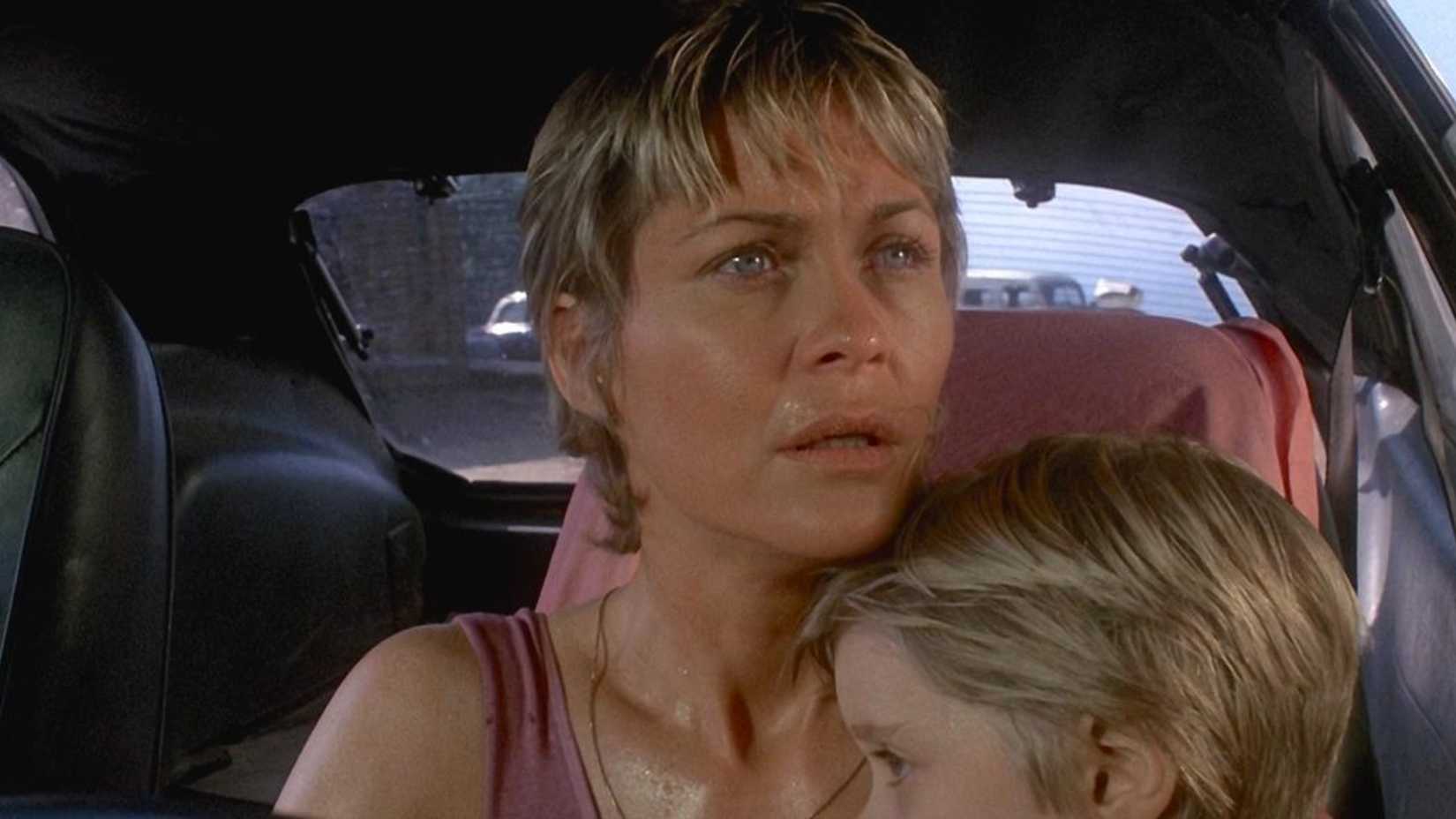
I think the movie Cujo really shows how a Stephen King story can be stripped down to its core idea and put on film. It’s about a mom and her son trapped in a terrifying fight for survival against a dog infected with rabies. While it’s a decent adaptation, I always felt it lost a lot of what made the book special and didn’t quite focus on the most important parts of the story.
While Cujo’s violent behavior builds throughout the story, it doesn’t fully take center stage until the very end. The book explores deeper themes of approaching disaster and the fears of growing up, but the movie focuses more on a fairly typical animal attack. The film is scary on its own, but it doesn’t capture the richness of King’s novel, which is why it ranks lower on this list.
6. Salem’s Lot (1979)
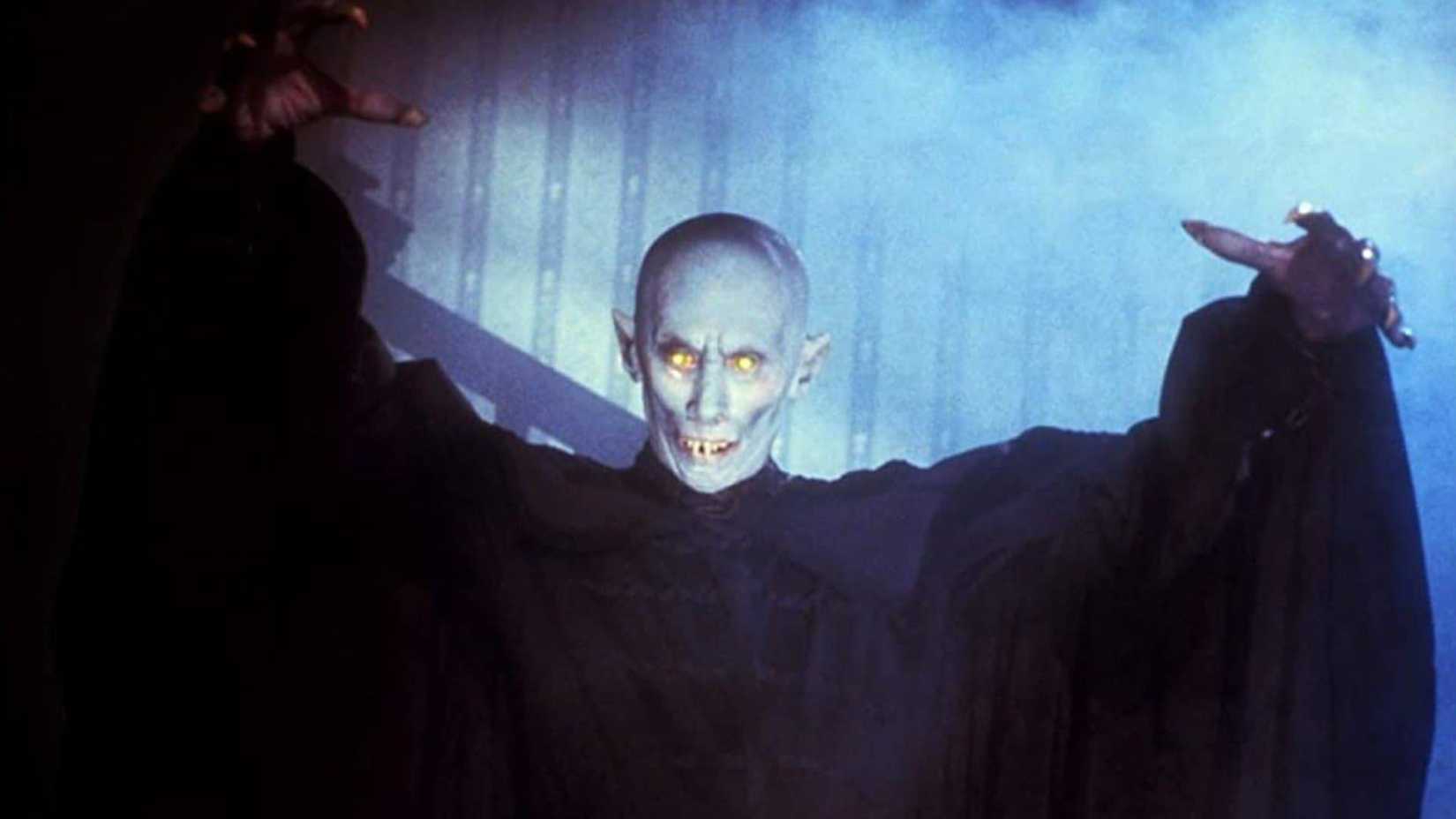
Tobe Hooper’s miniseries adaptation of Salem’s Lot is now considered a classic Stephen King film. The story follows an author who returns to his childhood home to write, only to discover that the town is being overtaken by a mysterious vampire, turning its people against each other. Like the book, the movie builds suspense slowly and creates a growing feeling of unease.
Despite some dated special effects, the film Salem’s Lot is a strong adaptation of the book. It features genuinely scary moments, and the villain, Kurt Barlow, is a memorable figure in vampire cinema. Beyond the horror, the movie subtly explores the decline of small-town America and the struggles of working-class communities in the 1970s. Importantly, this version actually tries to stay true to the spirit of the original novel.
5. Christine (1983)
Christine is a standout Stephen King adaptation, surprisingly better than the original novel in certain aspects. The story follows a teenager who purchases his dream car, only to discover it has a sinister power that slowly consumes him. John Carpenter’s film streamlines the narrative, making it a particularly effective horror movie.
Despite John Carpenter’s own feelings about it, Christine has become a beloved cult film. The special effects are excellent, and Carpenter’s music is a standout feature. While the idea of a killer car sounds a bit ridiculous, the 1983 movie makes it work through skillful directing and smart filmmaking decisions.
4. Creepshow (1982)

Stephen King not only wrote two stories for the horror film Creepshow, but he also appeared as an actor in one of its segments. Inspired by the classic horror comics of the 1950s, Creepshow is a collection of frightening tales from some of the biggest names in early 1980s horror. The film delivers a lot of scares in a short amount of time thanks to its short, self-contained stories.
Two of Stephen King’s stories, “The Crate” and “The Lonesome Death of Jordy Verrill,” are likely his strongest and most refined. They share a darkly funny tone reminiscent of old comic books, revealing King’s clear admiration for the EC style. While not a typical Stephen King film, it includes excellent movie adaptations of these two stories.
3. The Dead Zone (1983)
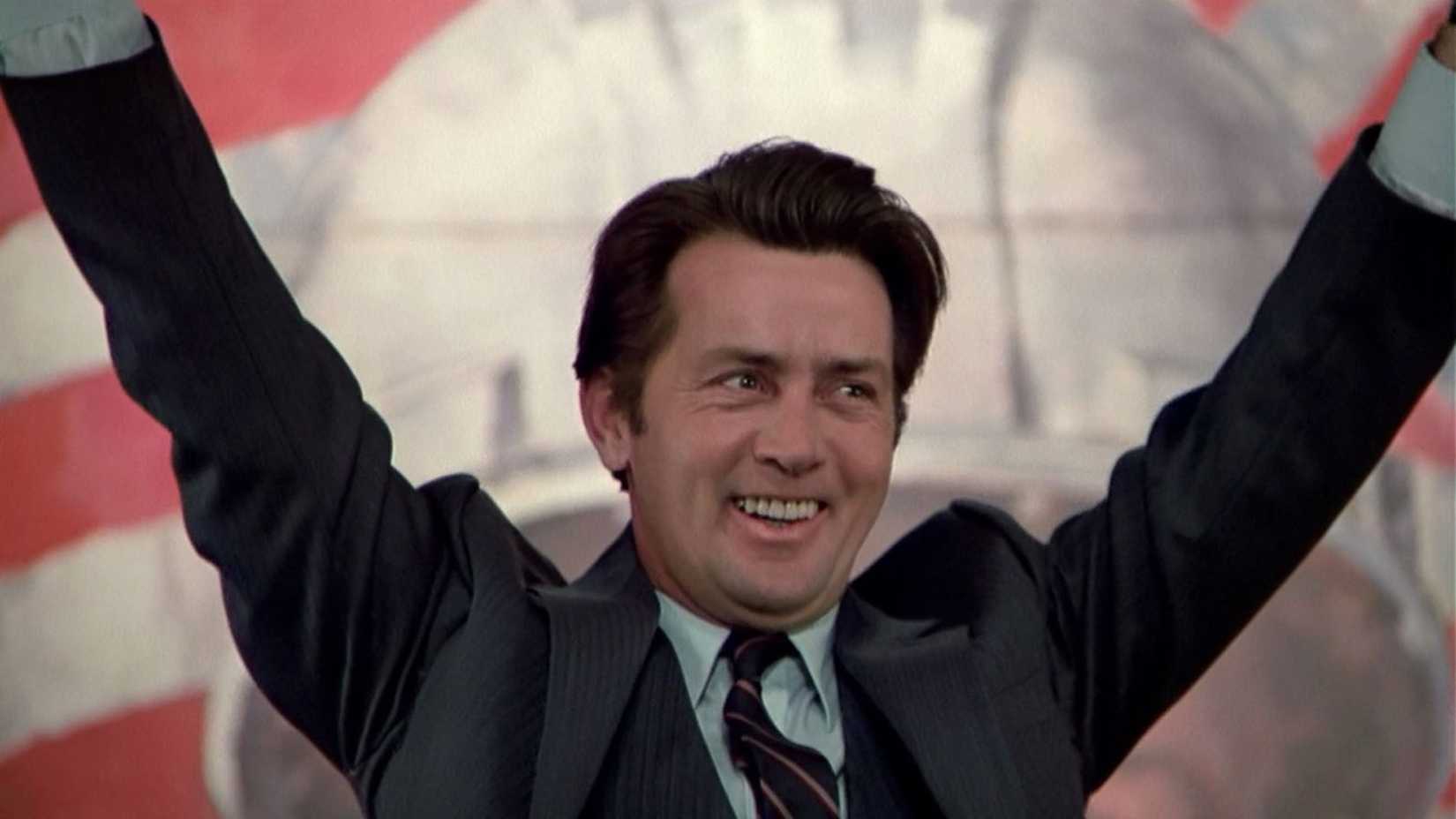
Many consider The Dead Zone to be Stephen King’s most overlooked film, and it’s remarkably faithful to his original story. The movie centers around a teacher who gains the ability to see the future after waking up from a five-year coma, but these visions only add to his existing troubles. Despite some scary moments, The Dead Zone is primarily a suspenseful and compelling drama.
As a big fan, I think David Cronenberg really nailed this one. The way he shoots things is perfect for the story, and the whole movie just has this incredibly sad, heavy feeling that I haven’t really seen in other Stephen King adaptations. It’s often forgotten, maybe because it’s not jump-scare scary, but honestly, it’s way more unsettling if you stop and think about what it’s really about. It’s a film that deserves to be mentioned with King’s more serious, dramatic work.
2. Carrie (1976)
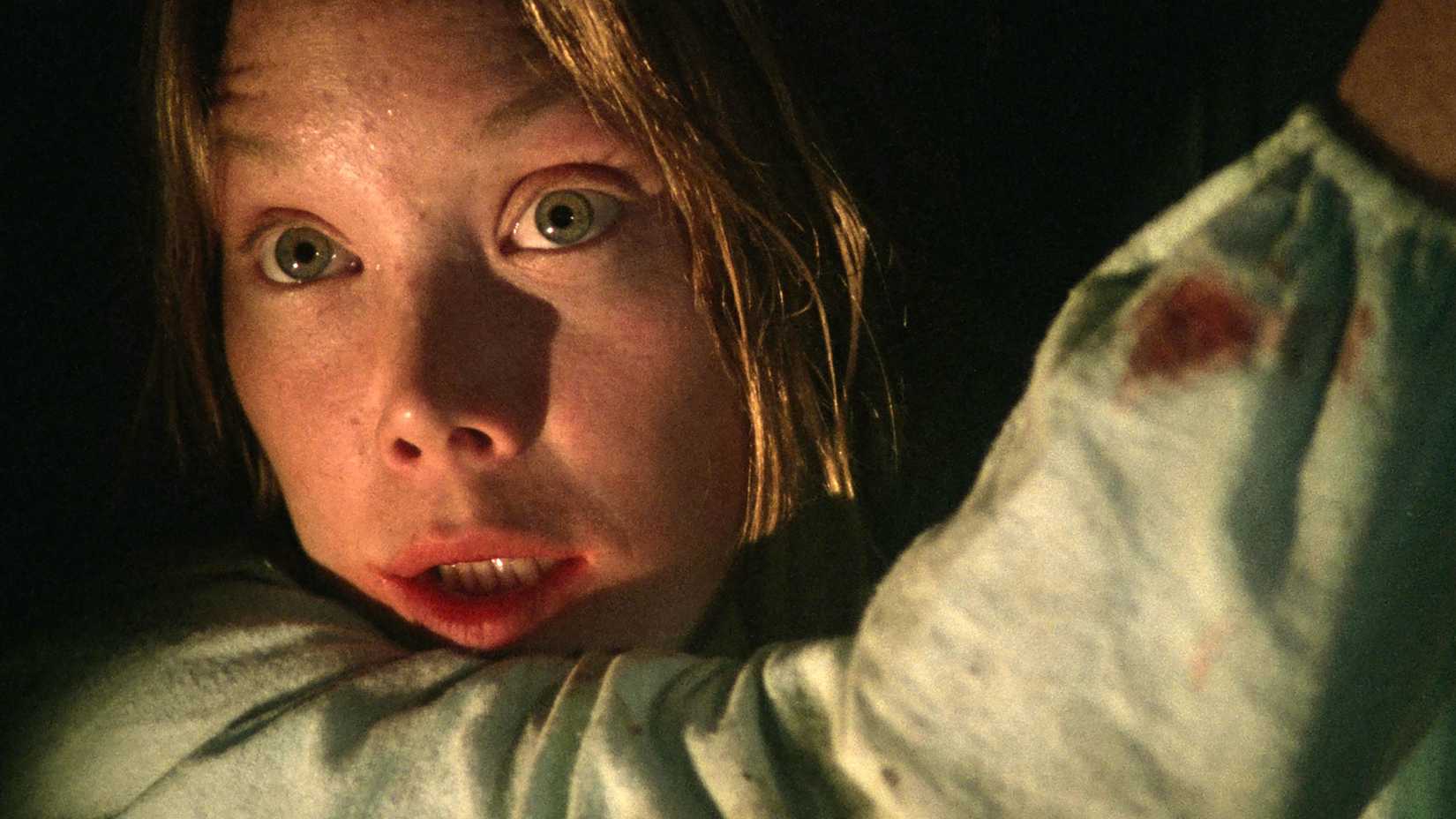
Stephen King launched his incredible career with his first novel, Carrie, and the film adaptation was equally impactful. The story centers on Carrie White, a timid teenager tormented by bullies and a cruel mother. Things become even more complicated when she discovers she has telekinetic abilities. Sissy Spacek’s portrayal of Carrie is a classic, unforgettable performance from the horror films of the 1970s.
As a huge fan, I’ve always loved how Brian De Palma’s films feel like a modern take on classics by directors like Hitchcock – it really amps up the suspense in this horror story. Adapting Carrie from the book must have been tough, since it’s told through letters and diary entries, but the screenplay does an amazing job of fleshing everything out. Honestly, the ending is so powerful it almost outshines the rest of the movie, but overall, Carrie is just brilliant. It’s not just scary; it really gets at the pain and awkwardness of being a teenager.
1. The Shining (1980)
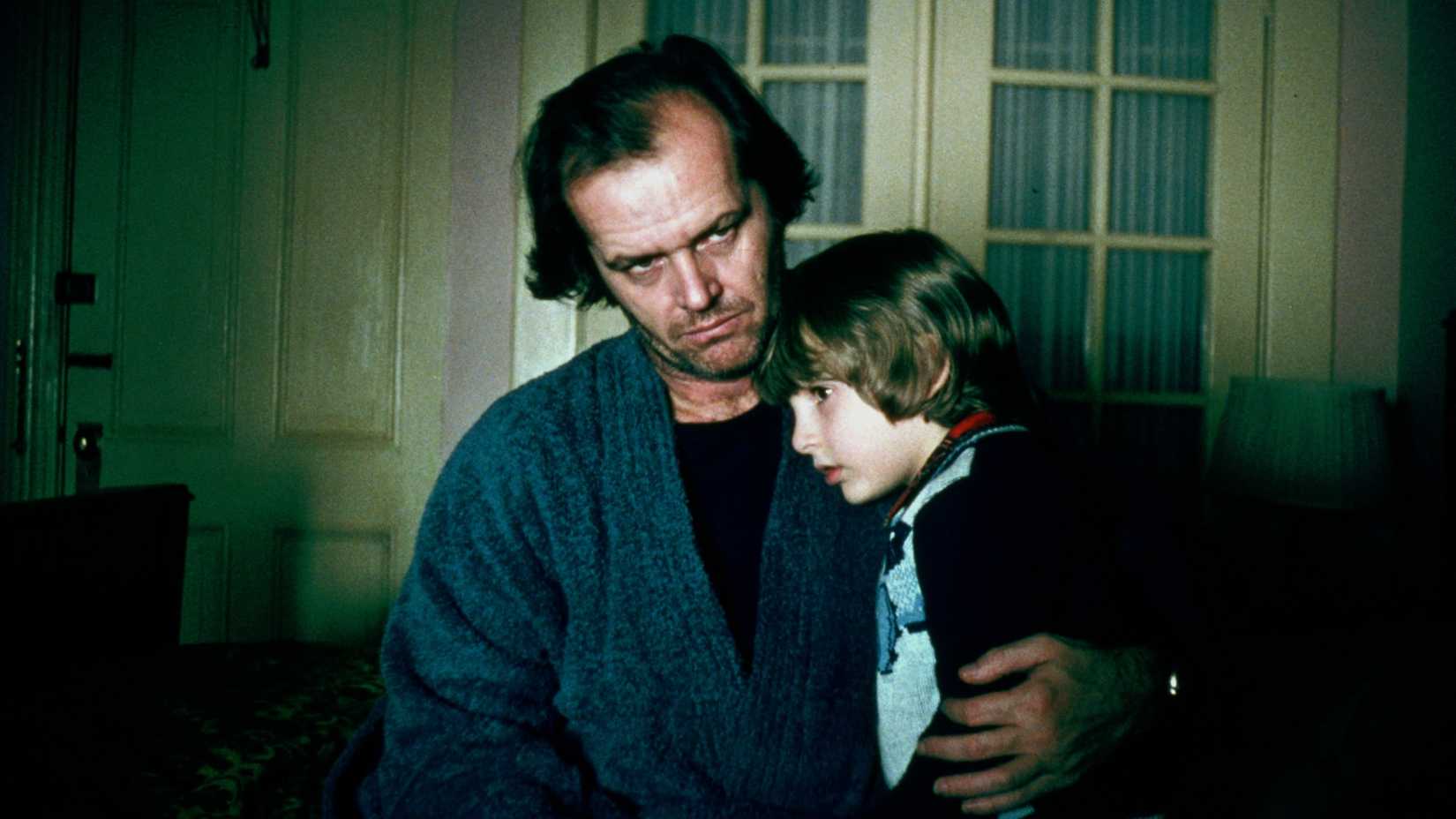
Despite Stephen King’s dislike of it, The Shining remains a high point in the many films based on his work. The story follows a writer who takes a caretaker job at a remote resort with his family, but their winter isolation is disrupted by supernatural occurrences and growing insanity. Stanley Kubrick used King’s novel as inspiration, but ultimately created his own unique film, borrowing elements from the original story.
While not a particularly faithful adaptation of the novel, The Shining is a strikingly atmospheric and dreamlike film on its own. Jack Nicholson delivers a fantastic, unhinged performance, and the film’s clever visuals effectively pull viewers into the character’s fractured psyche. This movie marked a real turning point in the early film adaptations of Stephen King’s work.
Read More
- Elon Musk’s Ex Ashley St. Clair Reveals When Romance Became “Weird”
- GBP CNY PREDICTION
- Mark Zuckerberg & Wife Priscilla Chan Make Surprise Debut at Met Gala
- Elon Musk’s Mom Maye Musk Shares Her Parenting Philosophy
- Forza Horizon 6 Car List So Far: Confirmed Highlights, Cover Cars, DLC, and Rewards
- 20 K-Dramas That Nailed the Perfect Ending
- 10 Best Free Games on Steam in 2026, Ranked
- 10 Greatest Manga Endings of All Time
- Ranking the 5 Best Spring 2026 Anime So Far (Mid-Season Update)
- EUR CNY PREDICTION
2026-05-25 00:20