Great manga earn a reputation for propulsion that makes skipping a chapter feel like a tragedy. Across decades of Weekly Shonen Jump, Shonen Sunday, and Jump+, a handful of titles have perfected the action-packed formula many of them follow, holding readers from their first chapter to their last.
Fans of shonen manga often prefer longer stories, even if it means a series continues past its peak. This can sometimes lead to stories losing their emotional impact as they drag on. However, recent series like Chainsaw Man, The Promised Neverland, and Hell’s Paradise have shown that a longer run can still be successful, a feat Yu Yu Hakusho demonstrated years ago.
Demon Slayer Turns Every Battle Into a Character Study
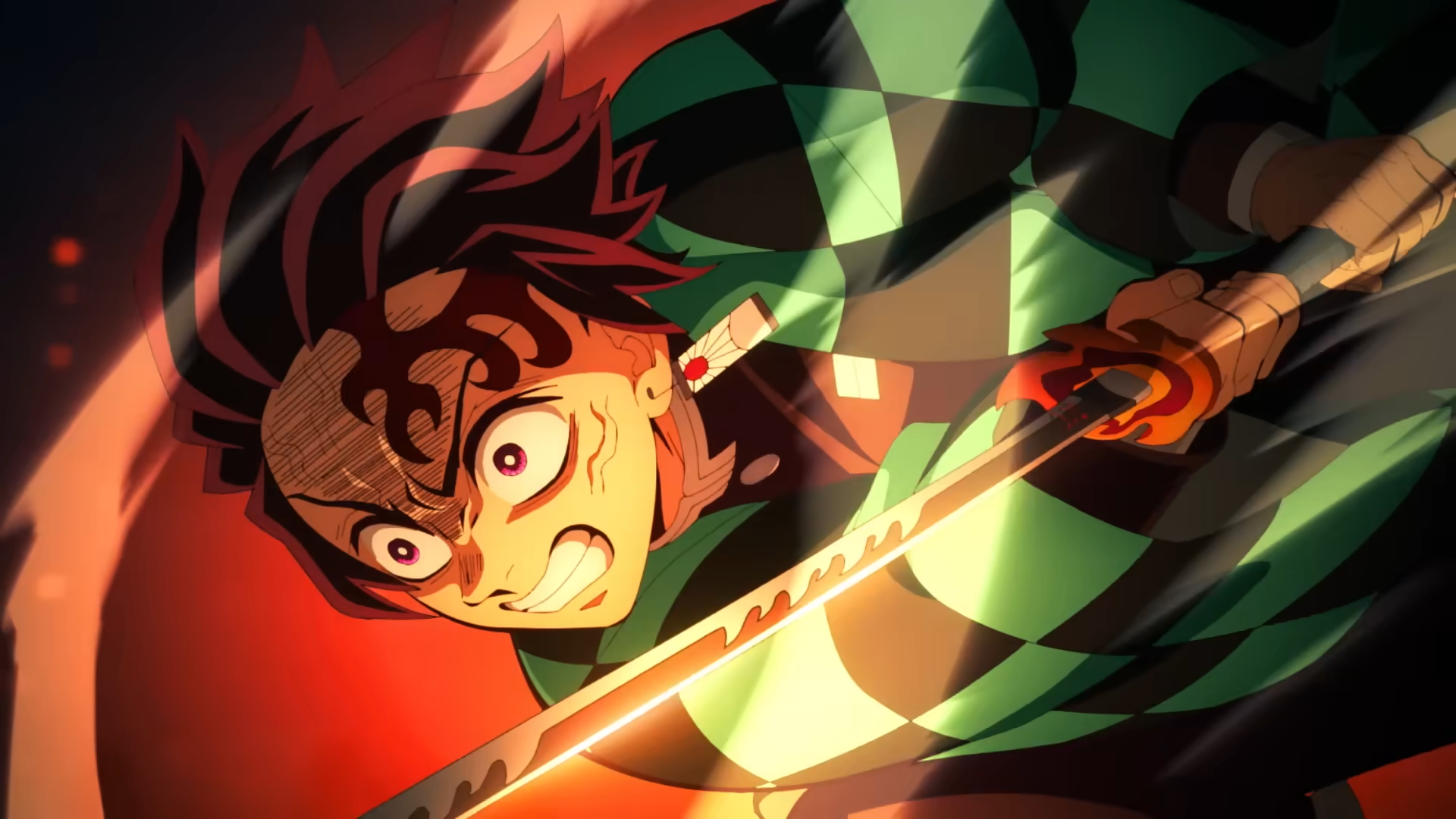
Koyoharu Gotouge published Demon Slayer in Weekly Shonen Jump between 2016 and 2020. Throughout the four-year run, the story consistently increased both the action and emotional intensity with each new story arc.
What makes the Demon Slayer manga unique is Tanjiro Kamado’s ability to feel compassion even for the demons he defeats. His sadness over fighting Rui – a demon who created a fake family simply because he longed to belong – changes how we see the battle, even though it remains terrifying. Beyond that, the way Gotouge designs the fight scenes is incredibly detailed and rewarding for attentive readers. The different breathing styles aren’t just for show; they have a clear visual consistency, and each new technique feels genuinely developed and justified within the story’s world.
After four years of unwavering devotion, Nezuko successfully becoming human feels earned and doesn’t diminish the story’s emotional impact. With 23 volumes, Demon Slayer is considered one of the most consistently paced long-running action manga from the 2010s.
The Promised Neverland Treats Constantly Surprises Readers
Kaiu Shirai and Posuka Demizu began publishing The Promised Neverland in Weekly Shonen Jump in 2016. The first part of the manga, which focuses on Emma, Norman, and Ray’s escape from Grace Field, is famous for being a particularly gripping and suspenseful story arc.
Norman’s apparent sacrifice before the escape lands with the weight of a series finale, making the subsequent world-building feel dangerous rather than predictable. Demizu’s art gives Grace Field an oppressive geometry that later arcs consciously abandoned as the world opens outward.
Because Emma insists on saving every child as a moral absolute rather than a tactical choice, her idealism drives Shirai’s plotting into difficult corners. Consequently, the manga’s Goldy Pond arc delivers on the exact tension the Grace Field arc promised, and features a cast that makes every casualty hurt.
Yu Yu Hakusho Built the Blueprint Every Battle Tournament Manga Follows
I remember reading Yu Yu Hakusho when it was first published in Weekly Shonen Jump back in the early nineties. It really left a mark on the shonen manga world, and I think a big part of that was the main character, Yusuke Urameshi. What I always appreciated was how he developed – he didn’t suddenly become a hero, but gradually grew into one, especially during the Dark Tournament arc. His strength came from facing constant challenges and building on that experience, rather than some instant realization.
In the final section of the story, Togashi intentionally broke away from the traditional tournament format he’d established. Yusuke losing early in the Demon World Tournament was a surprise, and the manga’s ending, which focused on characters and their feelings, proved to be more rewarding than a typical, action-packed finale.
Alice in Borderland Reorganizes Its Entire Moral Logic Around Ryohei Arisu
Haro Aso’s Alice in Borderland ran in Shonen Sunday S and Weekly Shonen Sunday from 2010 to 2016 across 18 volumes. Alice in Borderland utilizes a to gradually challenge its protagonist’s sense of purpose. The narrative does not treat Arisu’s initial apathy as a character flaw awaiting a heroic awakening, but instead, the game forces him to confront whether his real-world identity is worth saving.
The card games in Alice in Borderland become harder with higher numbers, and each suit presents a different type of challenge – Spades focus on physical strength, while Hearts play on mental and emotional distress. Chishiya’s cold, calculated strategies contrast with Arisu’s more empathetic approach, and this conflict comes to a head in the final arc, bringing together many of the story’s core ideas.
Soul Eater Disguises Its Madness Philosophy Inside Maka Albarn’s Arc
Atsushi Ohkubo’s Soul Eater ran in Monthly Shonen Gangan from 2004 to 2013 across 25 volumes. The manga builds its central argument slowly because it wants to show that madness is not an external force to defeat, but rather an internal state to understand and channel. Maka and Soul’s use of black blood reinforces the manga’s argument that people should understand madness rather than simply reject it.
Crona’s storyline is a highlight of the series, powerfully portraying a heartbreaking journey from complete reliance on Medusa to a tragic, self-determined fate. The series’ creator, Ohkubo, visually reinforces this emotional turmoil by depicting Death City with distorted architecture – buildings are crooked, streets curve, and the sky is always warped – making the setting a physical representation of the characters’ inner chaos.
Chainsaw Man Uses Denji’s Sincerity to Challenge Reader Expectations
Tatsuki Fujimoto serialized Chainsaw Man Part 1 in Weekly Shonen Jump from 2018 to 2020, and he destabilizes expectations by keeping Denji’s dreams embarrassingly small. succeeds because Denji’s desires are entirely comprehensible and un-heroic, so her toxic offer of fulfillment looks like kindness until her true intentions become clear.
The first part of the story repeatedly shows Denji getting what he wants, but at the cost of his own humanity. The ‘International Assassins’ arc is particularly unsettling because it uses senseless, extreme violence to disrupt the established tone. A key emotional thread throughout the series is the growing connection between Power, Aki, and Denji, and Fujimoto delivers on their found family relationship in a heartbreaking manner.
Jujutsu Kaisen Refuses to Let Yuji Itadori Win Cleanly
Gege Akutami began publishing Jujutsu Kaisen in Weekly Shonen Jump in 2018. What sets the manga apart from many others today is its willingness to have characters die, even major ones. For example, Nanami Kento dies unexpectedly in the middle of a story arc, without a lengthy farewell – Akutami deliberately avoids the common trope of giving important characters dramatic, drawn-out deaths.
The Shibuya Incident storyline spreads the tension typically reserved for a series finale over fifty intense chapters. Akutami cleverly designs each character’s powers with a specific set of rules, which are revealed through the action of the fights themselves, rather than lengthy explanations.
Having a strong villain operating throughout Shibuya gives the manga a vital second source of conflict, because focusing solely on Yuji’s story wouldn’t have kept readers engaged for long. Jujutsu Kaisen feels like it was created by someone who deeply understands how shonen manga work, and intentionally avoids common mistakes that weaken emotional impact.
Hell’s Paradise Makes Gabimaru’s Marriage the Most Radical Premise in the Series
I watched as Yuji Kaku’s Hell’s Paradise ran on Shonen Jump+ from 2018 to 2021, collecting 13 volumes in total. What really struck me was how Kaku grounded Gabimaru’s drive in something surprisingly simple: his desire to get back to his wife. It felt like a twist on the usual shonen story, where heroes are often motivated by competition. Instead, Kaku presented Gabimaru’s incredible resilience not as a gift, but as a burden – a curse, even. It highlighted that even with his skills, Gabimaru couldn’t truly escape the violent world he desperately wanted to leave behind.
The island’s unique design, built on the concept of balance and opposition, shapes everything about it. This is because each prisoner facing execution is paired with an executioner who challenges their beliefs. Sagiri’s story – dealing with sexism within the system while trying to understand the criminals she’s meant to observe without judgment – is just as important as Gabimaru’s journey.
Psyren Converts Its Time Travel Mechanics Into Permanent Consequences
Toshiaki Iwashiro created the manga series Psyren, which was published in Weekly Shonen Jump from 2007 to 2010. What sets Psyren apart from other time-travel stories is that changes made in the future actually stick. Each trip back to the present brings knowledge that permanently affects how the characters act and plan.
Throughout the 16-volume series, Ageha Yoshina grows from someone who simply reacts to events to a character who makes thoughtful, strategic decisions. This development means his choices in the final story arc feel impactful, reflecting the harsh lessons he’s learned from past mistakes. The organization W.I.S.E. and Amagi Miroku’s belief in psychic power create a compelling ideological conflict in Psyren, and the manga explores these opposing beliefs with depth, avoiding the trap of portraying them as purely evil motivations.
Magi Uses Alibaba Saluja to Ask What Kingship Costs
Shinobu Ohtaka’s manga series, Magi: The Labyrinth of Magic, ran in Weekly Shonen Sunday for eight years, from 2009 to 2017, and spanned 37 volumes. Unlike many adventure stories focused on magical strength, Magi centers on the burdens of leadership. Aladdin, as a Magi, has the power to choose kings who will rule entire countries, making each challenge and dungeon he overcomes deeply connected to political consequences.
Alibaba’s story is one of the best in Magi, following a prince who ran from his duties but ultimately worked to win back his kingdom. The ending is satisfyingly complex, avoiding simple resolutions. The series’ intricate system of Rukh, the darkness caused by despair, and the political turmoil within the Kou Empire all come together in a focused and meaningful way during the final arc.
Read More
- Gold Rate Forecast
- SUI PREDICTION. SUI cryptocurrency
- EUR CNY PREDICTION
- USD HKD PREDICTION
- USD BRL PREDICTION
- USD CHF PREDICTION
- Kim Kardashian, Khloe Kardashian Support Lewis Hamilton at Grand Prix
- USD TRY PREDICTION
- 7 Classic Free Animated Shows Hidden Deep on Streaming
- Seven Snipers Review: A Sharpshooter Action Movie That Misses More Than It Hits
2026-06-09 21:07