
Most long-running shows eventually lose steam. But truly great ones avoid this by creating compelling stories and characters that feel fully realized. They give even minor characters meaningful development and thoroughly explore every conflict.
It’s rare for an anime to successfully balance pleasing its audience with staying true to its own vision. When a series does manage this, it truly stands out, creating a show that’s not only captivating from beginning to end, but also worth revisiting again and again.
The Premise Of Assassination Classroom Sounds Bizarre, But Still Works
A strange creature with tentacles plans to destroy the world, but instead of immediately attacking, he spends his last year as a teacher. This sets up a unique situation: his students are tasked with assassinating him. However, the catch is that they can’t just attack – they have to grow as people first. Every test they pass and every personal improvement they make also counts as practice for taking him down.
Two deadlines anchor the entire series: the graduation date and the destruction of Earth. This gives the story an urgency that never stops looming as a threat. When Assassination Classroom’s finale arrives, the show does not take a convenient exit, but follows through on the promise it made in the very first episode.
Every Hunter X Hunter Arc Offers A Genre Of Its Own
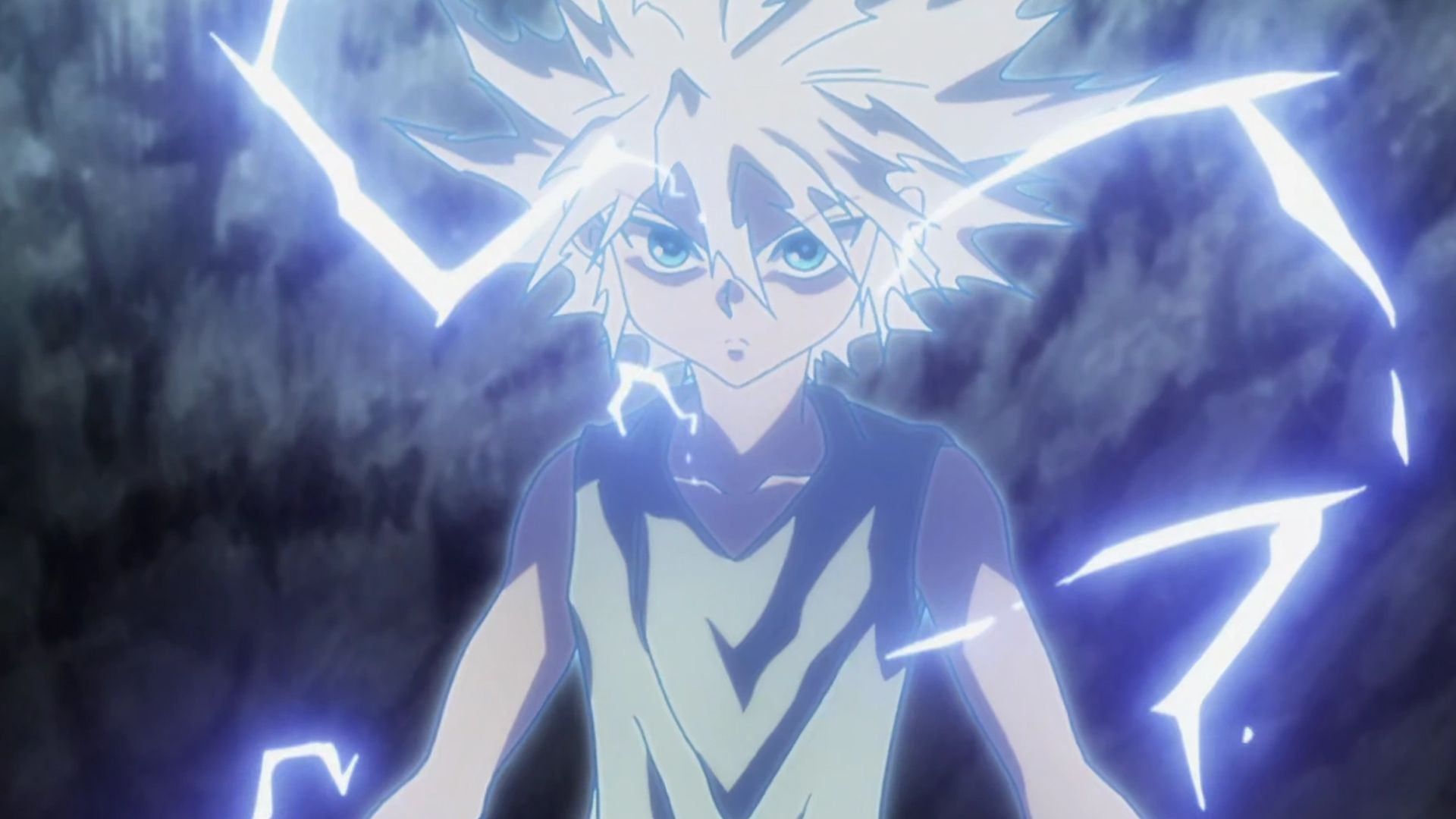
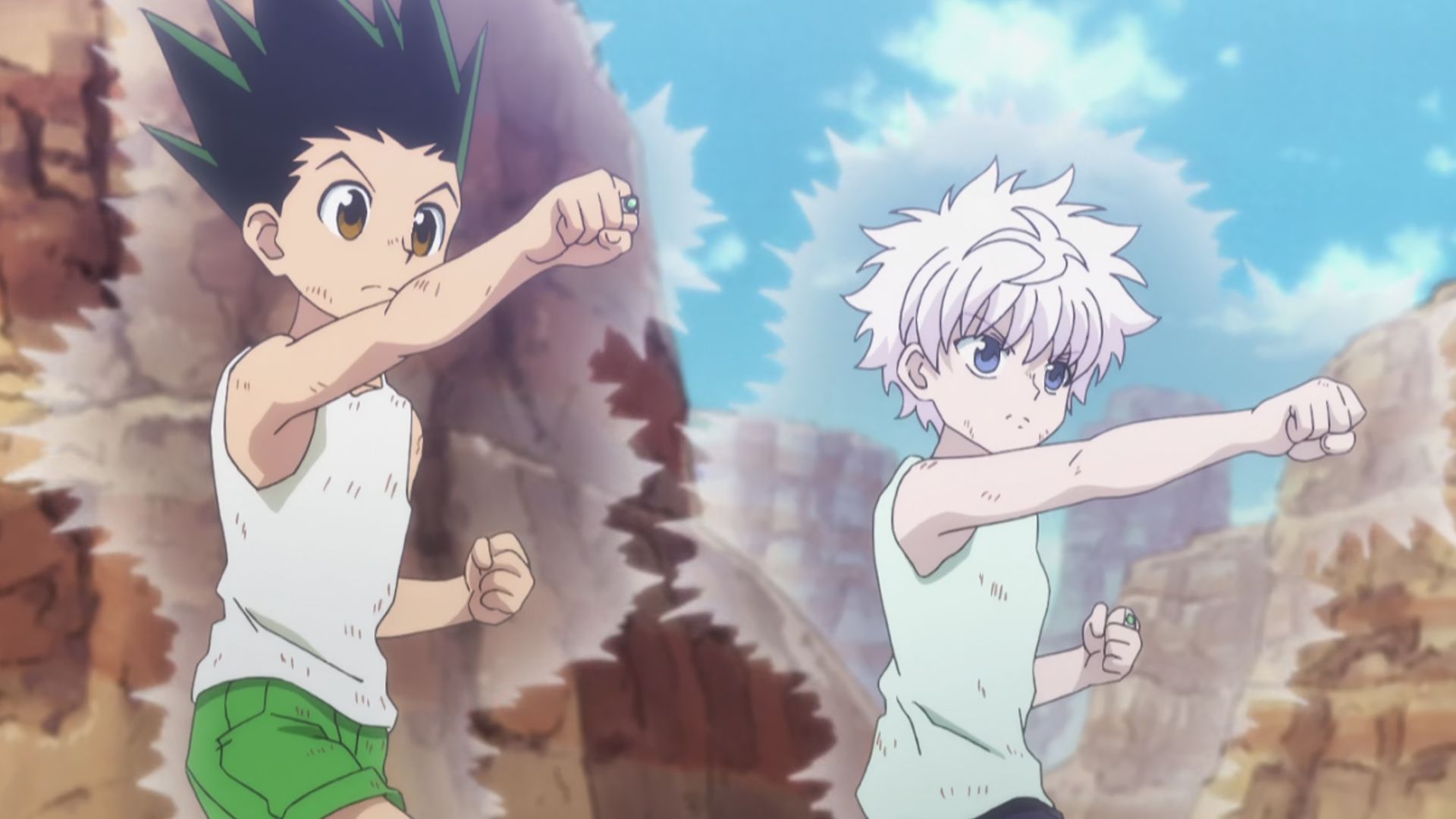
One of the things that makes Hunter x Hunter stand out, especially for a show that runs for a long time, is its ability to change genres with each story arc. The beginning focuses on survival, then it becomes a mafia thriller, followed by a terrifying horror arc, and finally a complex political drama. While the world remains consistent, the show constantly reinvents itself, preventing it from becoming stale or predictable.
All of Hunter x Hunter’s ideas are held together by the Nen power system, which runs on rules, restrictions, and personal sacrifice. A weaker character can defeat a stronger one through strategy and preparation alone, which means every fight has nuance. Moreover, Togashi refuses to establish clean moral lines. Gon and Killua make devastating decisions, and the villains are often the most psychologically rich characters in the room.
The Apothecary Diaries Built Its World Around One Brilliantly Unbothered Woman
I’ve noticed Maomao is incredibly hard to deceive. Growing up in a tough environment and then being sold to the Imperial Court, she sees palace life very practically – almost like a detective examining a crime scene. She doesn’t get caught up in romance or emotion, and she’s completely uninterested in any attention of that sort. Instead, she analyzes everything – strange illnesses, possible poisonings, you name it – using her understanding of medicine and drugs. It’s fascinating to watch her approach every situation with such a clinical eye.
The show avoids becoming predictable thanks to its richly imagined world, inspired by historical China but free from strict adherence to it. This allows the writers to create compelling political intrigue and social interactions that drive the plot forward. Characters like Jinshi, a high-ranking official thrown off by Maomao’s bluntness, add to the intrigue. The show’s mysteries capture your attention, and Maomao’s personality keeps you hooked.
Cyberpunk Edgerunners Was Always Going to End Sadly But the Viewers Stuck Around
The anime Cyberpunk Edgerunners doesn’t shy away from showing the harshness of its world. Night City is a place that exploits people, and the story follows David Martinez, a young man who gains powerful cybernetic enhancements but pushes his body too far. The sense of impending tragedy is present from the very beginning and remains throughout the series.
Despite its tragic storyline, the connection between David and Lucy keeps viewers invested. You genuinely care about what happens to them, making the sad events even more impactful. The animation by Studio Trigger is fantastic, the music features excellent tracks from Cyberpunk 2077, and the show’s exploration of cyberpsychosis adds a unique and fascinating layer to the overall story.
Steins; Gate Turns Time Travel Into a Psychological Trap
I noticed while watching Steins;Gate that the first half really focuses on everyday life – things like arguing over soda and sending silly texts. It felt strangely normal, but looking back, I realized it was all intentional. Every little joke or detail seemed unimportant at the time, but now, knowing what happens later, those moments hit you hard. The creators cleverly hid clues in plain sight, making the rewatch experience so much more impactful.
The anime’s structural symmetry makes it a masterpiece. Every D-Mail sent in the first half has to be personally undone in the second, meaning Okabe must take away the happiness of everyone he loves in reverse order, alone, while being the only person who remembers what he is erasing. Time travel here is anything but a superpower, and Okabe must pay the cost for it.
Frieren Beyond Journey’s End Asks What Comes After the Victory
Frieren: Beyond Journey’s End begins in a unique way. The Demon King has been defeated, and the hero’s team has gone their separate ways, leaving Frieren to reflect on everything that happened. Because she’s an elf who lives for centuries, she knows that all relationships and experiences are temporary, and she’s keenly aware of the limited time she has with those she meets.
What really makes this story special is its pacing. Studio Madhouse doesn’t rush things; instead, it takes its time, showing us life unfolding through festivals, the changing seasons, and really thoughtful conversations. And Evan Call’s music? It’s incredible. It perfectly captures Frieren’s perspective, making you think about what moments truly matter and deserve to be remembered.
One-Punch Man Has the Strongest and Most Bored Superhero of All Time
Saitama from One-Punch Man achieved peak strength through a comically mundane workout routine and can end any fight in a single blow, which sounds like a fun superhero setup. However, the tragedy is that every battle leaves him completely hollow. The tension lies in watching a man who has everything a hero could want, but still feels nothing.
What makes this series so brilliant is its focus on a central void in Saitama’s life. His cyborg apprentice, Genos, idolizes him in a way Saitama just doesn’t get. The show expertly balances Saitama’s intentionally blank expressions with impressive action scenes, and it seamlessly blends humor with deeper questions about life’s meaning, making every episode engaging.
Attack On Titan Is The Best Anime at Foreshadowing and at Portraying Moral Conflicts
Initially, Attack On Titan felt like a terrifying story of humans battling giant creatures. But as the series progressed, it evolved into something much more complex. The creator, Hajime Isayama, carefully planned the major plot twists and historical background from the very beginning, which explains how seemingly small details from early episodes became important later on. This careful planning allowed the show to transform from a basic monster-fighting story into a gripping political thriller without any unnecessary detours.
Eren Yeager’s change from a boy focused on revenge into a deeply complicated character unfolds slowly throughout the story. The author, Isayama, intentionally blurs the lines between good and evil, and even now, fans still debate which characters deserved their support and understanding.
Fullmetal Alchemist Brotherhood Is the Rare Shonen Where Every Single Episode Matters
In Fullmetal Alchemist: Brotherhood, the Elric brothers’ quest to correct a single error leads them to uncover a massive conspiracy that was cleverly hidden all along. Characters who initially seem unimportant reappear later as key players in a nationwide plot. The show is full of subtle hints, and many viewers notice on rewatches that the early episodes are packed with foreshadowing, making them feel like a completely different experience.
Hiromu Arakawa built a story governed by its own internal logic. The Law of Equivalent Exchange shapes every character arc and moral consequence in the series. Most interestingly, Fullmetal Alchemist: Brotherhood balances slapstick comedy with the horrors of war, without every undermining itself.
Cowboy Bebop Is A 26 Episode March Toward Spike Spiegel’s Final Bang
Cowboy Bebop is built like a jazz session. Episodes range between comedic, terrifying, and heartbreaking without warning, everything being glued together by Yoko Kanno’s excellent soundtrack and a cast of characters who are all, in different ways, running from something they cannot escape.
Each episode feels complete on its own, but a larger threat, the Red Dragon Syndicate, appears and reappears, growing more powerful with each encounter. Ultimately, all of Spike’s past problems converge in a final showdown.
Read More
- Gold Rate Forecast
- SUI PREDICTION. SUI cryptocurrency
- EUR CNY PREDICTION
- USD HKD PREDICTION
- USD BRL PREDICTION
- USD CHF PREDICTION
- Kim Kardashian, Khloe Kardashian Support Lewis Hamilton at Grand Prix
- USD TRY PREDICTION
- 7 Classic Free Animated Shows Hidden Deep on Streaming
- Seven Snipers Review: A Sharpshooter Action Movie That Misses More Than It Hits
2026-06-09 22:02