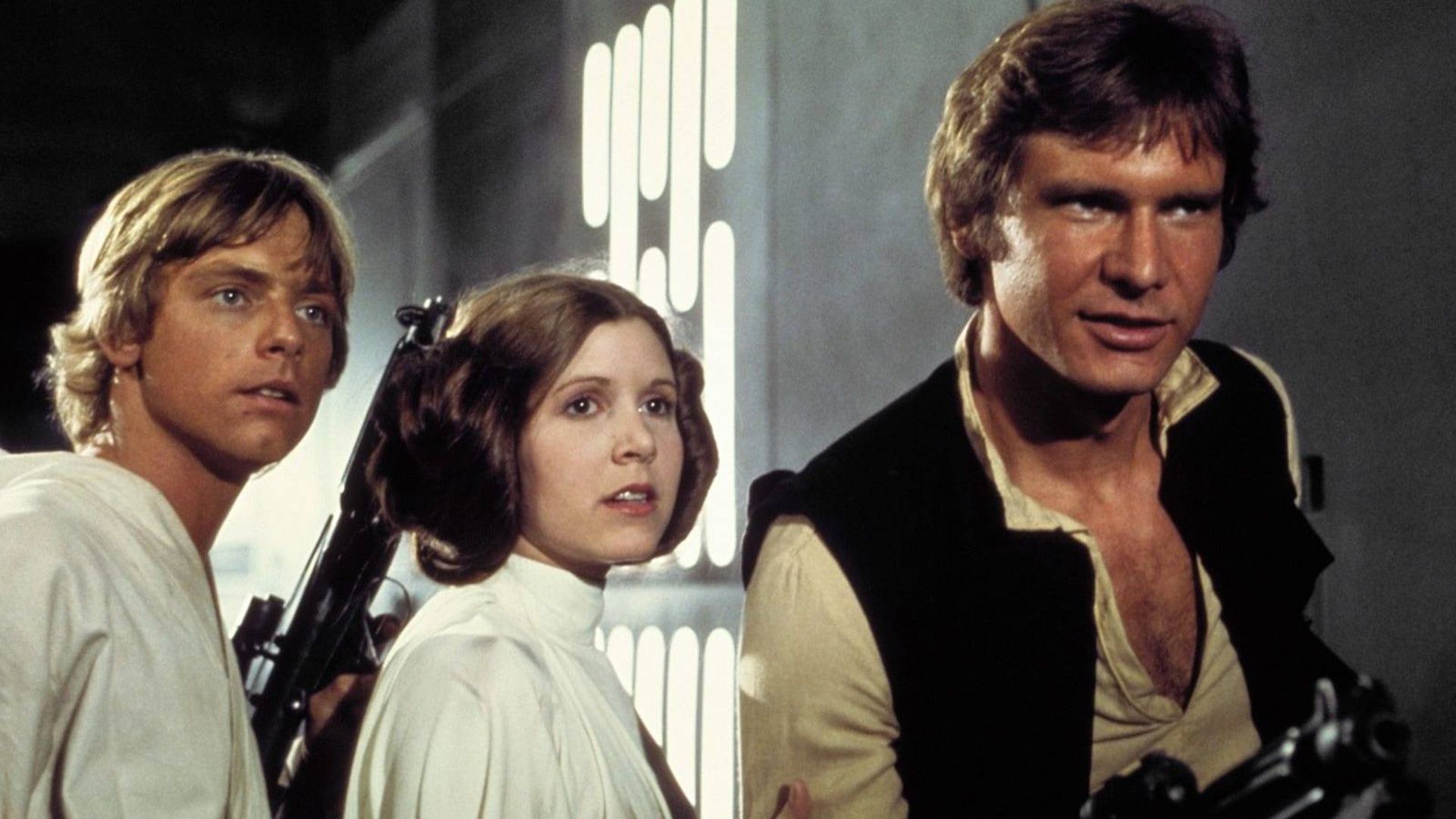
Charles Lippincott was always bothered by the story that Stan Lee initially rejected the chance to create a Star Wars comic book series for Marvel. Interestingly, Lee began repeating this story years later, and gradually added more and more details about why he supposedly turned it down. This is similar to how he dealt with the reaction to Gwen Stacy’s death. After seeing how strongly fans protested, he slowly started to :
I never intended for Gwen Stacy to die. When I stopped working on the Spider-Man comic, the new writer, Gerry Conway, asked me what should happen next. I told him he was in charge now and could do whatever he wanted. I believe it’s wrong to try and dictate things after you’ve moved on. I went to Europe for a while, and when I returned, I learned Gwen had been killed. I was surprised – I hadn’t meant for any of my characters to be permanently removed. But it had happened, and there was no changing it.
(Amusingly, Lee even tried to get around the “irrevocable” thing by )
Lippincott was annoyed that the story about how the deal went down had spread so widely. He pointed out that Stan Lee had immediately agreed to his proposal, which was actually designed to appeal to Lee by offering Marvel a very generous arrangement – essentially, an offer they couldn’t refuse.
Why Did Charles Lippincott and George Lucas Pick Marvel Over DC to do a Star Wars Comic Book?
Lippincott recalled that he and George Lucas both agreed that comic books would be a great way to build excitement for the Star Wars movie, and he went on to explain how the Marvel deal was made.
I discussed marketing and promotional ideas for the film with George. Because we both shared a passion for comics, science fiction, and toys, we quickly agreed to collaborate and use those interests to promote the movie.
I always planned to promote Star Wars through comics because the target audiences are the same. Today, it’s common to launch movies at events like Comic-Con, but back in 1976, film marketing was different. Traditionally, movies were advertised using newspaper ads, radio commercials, and TV spots.
He explained why they went with Marvel:
I’d previously met Jeannete Kahn, who managed DC Comics, but I didn’t think they were as innovative as Marvel. Marvel was more willing to take risks, and they’d already launched successful titles like Conan, which felt like a good fit for what we envisioned for a Star Wars comic. While DC had a fantastic historian on staff that I admired, the company overall seemed too conservative. Roy Thomas, formerly at Marvel, had done a great job growing their roster by incorporating characters from older pulp magazines – notably Conan, King Kull, and Solomon Kane by Robert E. Howard. Marvel’s proactive approach to expanding its characters was crucial, as we wanted to work with a publisher that was actively building a strong science fiction foundation.
You’ve seen how Lippincott presented the deal to Lee, but now let’s look at why Marvel couldn’t refuse it!
Why Was the Star Wars Deal an Obvious “Yes” for Marvel?
Lippincott then detailed the specifics of the deal that he offered Marvel:
The meeting with Stan Lee and Eddie Shukin, Marvel’s business manager, went well as Roy presented the project. I explained my plan for the comic books – how many I wanted to create, the release schedule, and my ideas for promotion. I suggested we secure a spot at the 1976 San Diego Comic-Con and even bring Roy and Howard out to present. We’d also create a limited-edition Chaykin poster to generate excitement and give fans something to enjoy before the first issue came out. Stan and Eddie were thrilled with the idea of building fan anticipation for Marvel’s Star Wars comics, but they were even more excited that they wouldn’t have to invest any money in licensing. We were offering them the rights for free! Plus, we would provide the first five issues at no cost to them and cover all promotional expenses, from the Comic-Con appearance to advertising. It was an offer Marvel simply couldn’t refuse.
Some of the initial details changed slightly as the agreement was finalized. For example, the licensing fee didn’t start until after the first six issues, not five – it seems Roy Thomas and Howard Chaykin simply needed that many issues to tell the story. Also, when we say “free,” it wasn’t entirely free. There was a sales threshold, and after that, royalties would begin. Given how well the comics sold, it’s very likely Marvel did end up paying royalties to Lucasfilm for those early issues.
Check Out a Movie Legends Revealed
In the latest Movie Legends Revealed –
For more fascinating stories about film and TV folklore, visit my page! You’ll also find plenty of fun pop culture connections at Pop Culture References.
I’m always open to hearing your ideas for future comic book greats! You can reach me with your suggestions at cronb01@aol.com or brianc@cbr.com.
Read More
- 10 Greatest Manga Endings of All Time
- Mark Zuckerberg & Wife Priscilla Chan Make Surprise Debut at Met Gala
- Elon Musk’s Mom Maye Musk Shares Her Parenting Philosophy
- Forza Horizon 6 Car List So Far: Confirmed Highlights, Cover Cars, DLC, and Rewards
- GBP CNY PREDICTION
- 10 Best Free Games on Steam in 2026, Ranked
- Ranking the 5 Best Spring 2026 Anime So Far (Mid-Season Update)
- Elon Musk’s Ex Ashley St. Clair Reveals When Romance Became “Weird”
- 20 K-Dramas That Nailed the Perfect Ending
- 7 Classic Anime You Can Stream for Free Right Now (& Where to Find Them)
2026-05-24 17:40