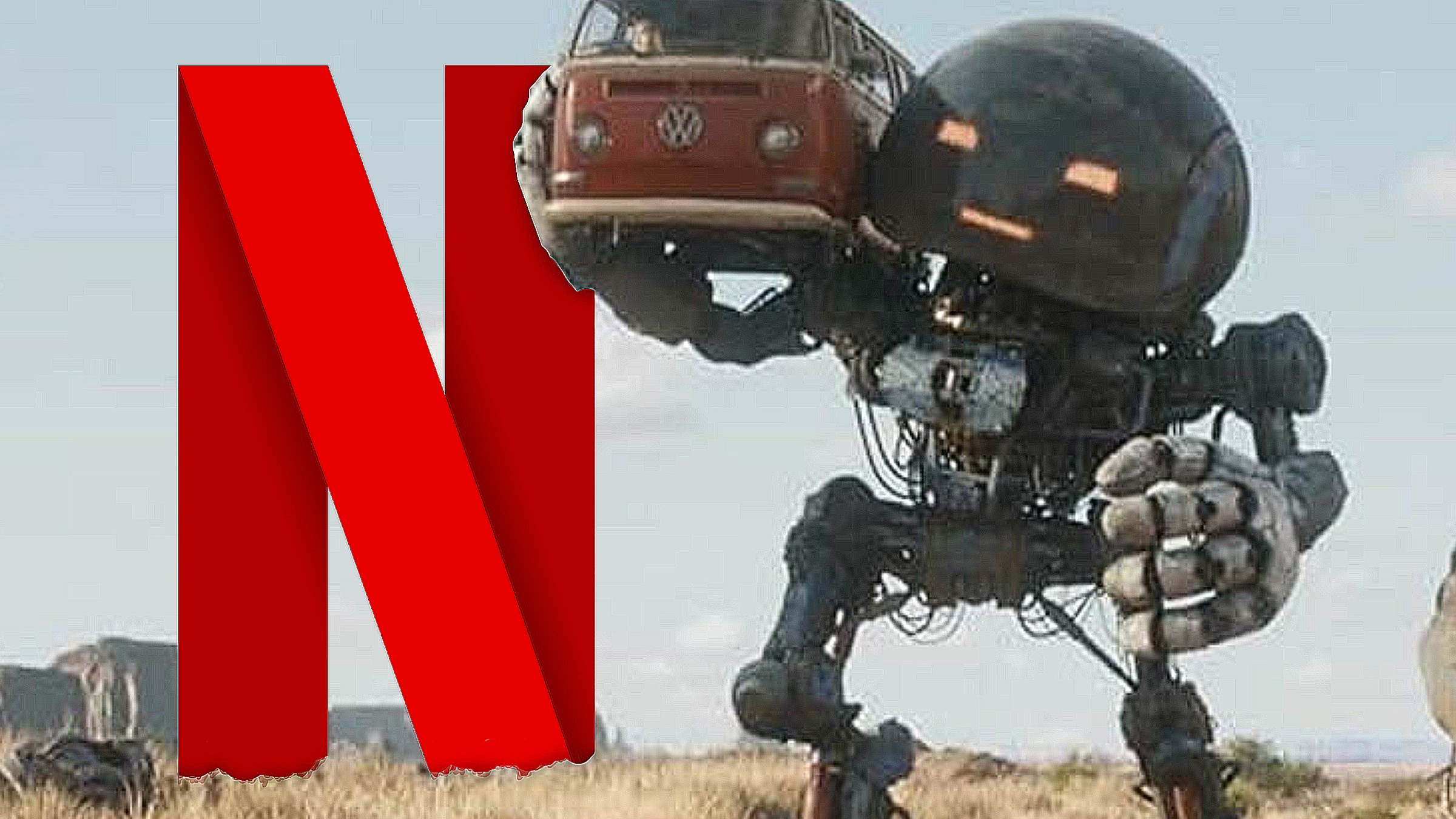
March 2025 was a weird month for science fiction fans, and looking back, the intense negativity surrounding the biggest sci-fi film of that time seems unfair. Just as summer began, Netflix released a huge, $300 million movie directed by the Russo Brothers, starring two well-known actors, and inspired by the stunning artwork of Simon Stålenhag. It had a lot going for it, so maybe the harsh reviews were inevitable. The actors were often criticized, and the Russos were seemingly punished for having previously made successful blockbusters – a strange situation, really.
When the first reviews for The Electric State came out, opinions were all over the place – some called it a pointless spectacle, while others declared it a sign of Hollywood’s downfall. I was strangely compelled to see it, hoping for a truly bad movie, but I ended up with a puzzled reaction that’s stuck with me for a year. I rewatched it recently, on the anniversary of its release, and I’m convinced the public overreacted. I firmly believe The Electric State isn’t just okay – it’s actually a good movie, and it seems like others are starting to feel the same way.
The Electric State Was Criminally Underrated (& Audiences Knew It)
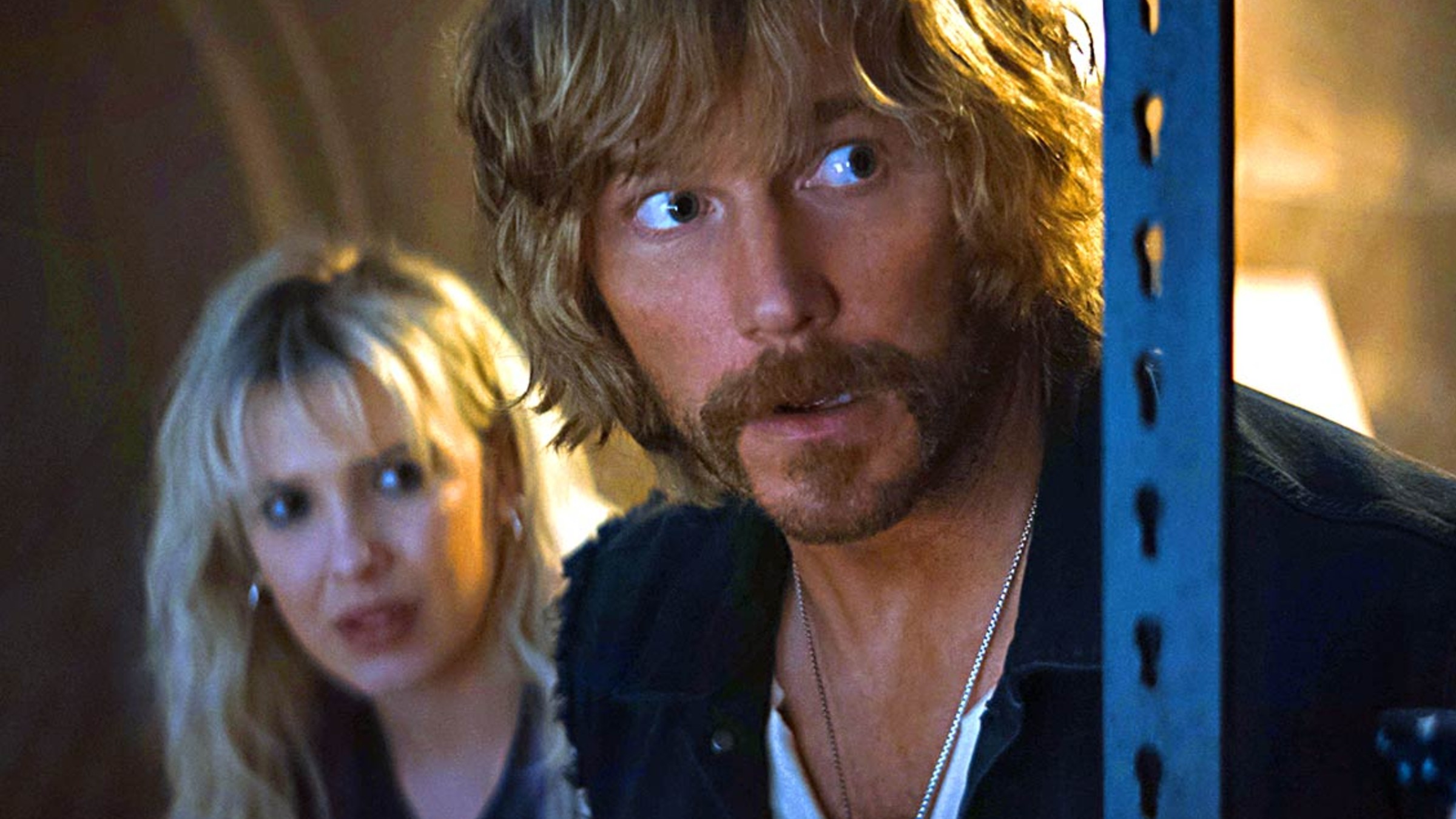
The reaction to the film was overwhelmingly negative, and much of the criticism focused on its cost – some pointed out Netflix’s financial resources, citing a $600 million deal with Ben Affleck while VFX artists faced job losses. Critics called it a hollow and overblown disappointment, resulting in a dismal 14% rating on Rotten Tomatoes. To put that in perspective, it only scored 10 percentage points higher than Ice Cube’s notoriously bad War of the Worlds, which sits at 4%. The small difference between the two scores is shockingly low.
Beyond the cost, many feel that cinema is becoming too focused on the streaming model, similar to Netflix – and that feels cheap. It’s as if resources are being diverted from projects considered more deserving. The Electric State is often seen as an example of this lavish spending on streaming content. However, the film itself isn’t simply over-the-top; it explores themes of loss, the downsides of advancement, and the dangers of powerful companies. The criticism really hit home during awards season when it received several Razzie nominations, including Worst Director and Worst Remake/Sequel.
I’m still baffled by the negative reaction to The Electric State. It really didn’t deserve the harsh criticism, especially when so much of it seemed focused on the actors, Millie Bobby Brown and Chris Pratt, who often face unfair complaints anyway. The film is a fantastic blend of classic Spielberg-style adventure and impressive visual effects – some of the best I’ve seen in years. It’s frustrating that the stunning visuals were largely overlooked, especially considering the film’s budget. If you remove the issues surrounding Netflix, the cast, and the supposed “Russo fatigue,” it feels a lot like what happened with John Carter – a potentially great film unfairly dismissed.
Back in 2012, Andrew Stanton’s sci-fi film was overshadowed by reports of its high cost and poor marketing. This negative press really hurt the movie, which many now recognize as a brilliant, unfairly overlooked masterpiece. Looking at how audiences are reacting to The Electric State, I’m not the only one who feels this way. While critics gave it a low score of 14% on Rotten Tomatoes, viewers rated it much higher at 67% – a surprisingly large difference. Despite this positive audience response, there hasn’t been much discussion or defense of the film.
Why Time Will Be Kind to The Electric State
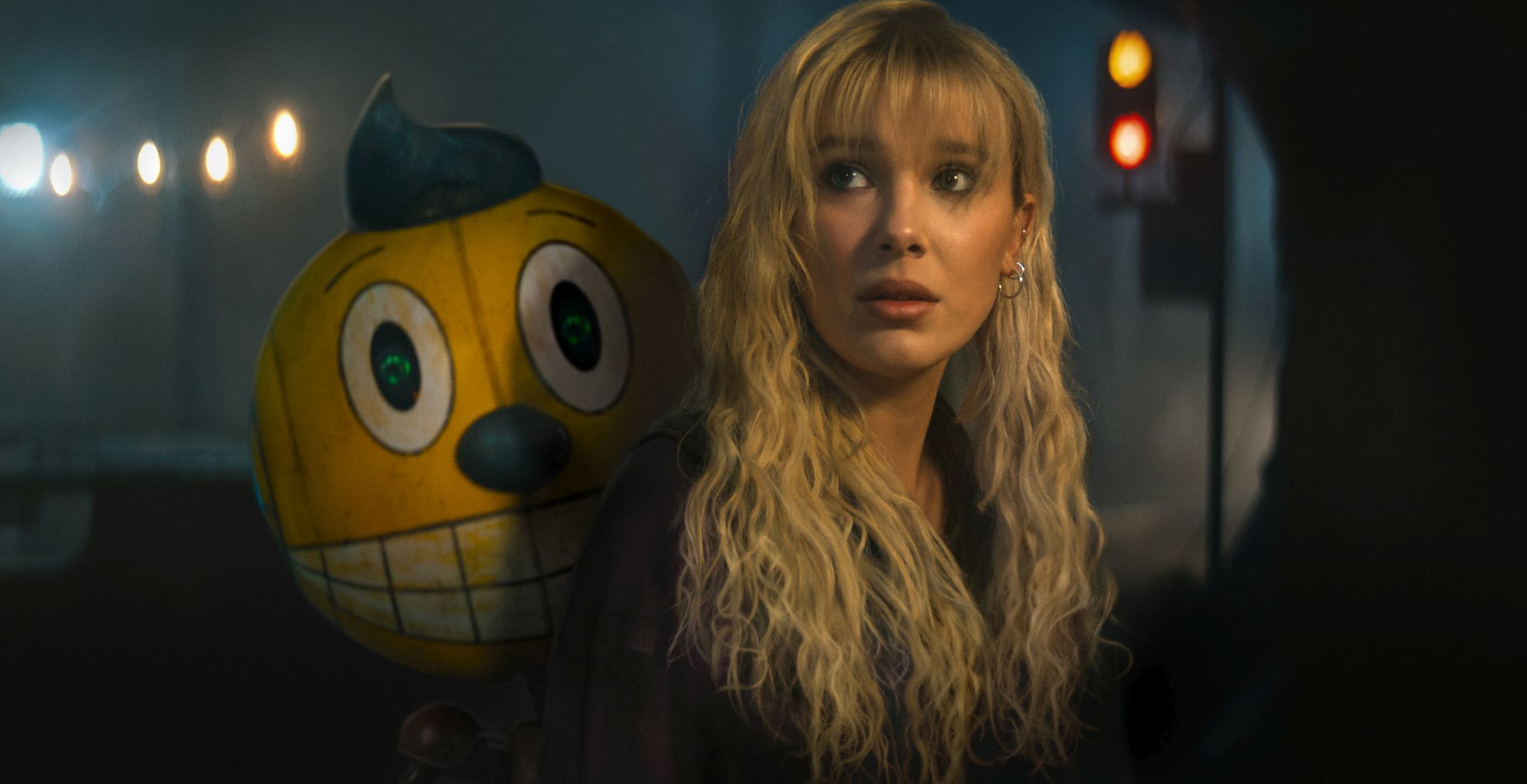
Science fiction history shows us that movies initially considered failures often become beloved classics. Films like Blade Runner, The Thing, and John Carter all flopped when they first came out. I believe The Electric State could follow a similar path to becoming a cult hit, but its release on Netflix will likely prevent that. Beyond the film’s quality, its focus on technology makes it increasingly relevant, which should have helped its chances.
A year after its release, the film’s warnings about artificial intelligence now feel surprisingly accurate, especially with the rapid growth of AI and the increasing disconnect people feel from each other through technology. While the film presents a unique twist – robots as the ones in danger – their drive to survive and avoid being replaced feels eerily foreshadowing. What’s remarkable is that the film doesn’t feel preachy; like many of Spielberg’s sci-fi movies, it focuses on emotional impact despite its complex ideas. I honestly don’t understand all the negative buzz; it’s far more original and engaging than the formulaic movies often found on streaming services. I maintain that the criticism it received last year was completely overblown.
What do you think? Leave a comment below and join the conversation now in the ComicBook Forum!
Read More
- What Song Is In The New Supergirl Trailer (& What It Means For The DC Movie)
- Highly Anticipated Strategy RPG Finally Sets Release Date (And It’s Soon)
- TV legend Carol Kirkwood reveals the reasons why she decided to retire after 28 years with BBC
- Dune 3 Gets the Huge Update Fans Have Been Waiting For
- Why is Tech Jacket gender-swapped in Invincible season 4 and who voices her?
- The Super Mario Galaxy Movie: 50 Easter Eggs, References & Major Cameos Explained
- Alan Ritchson’s Reacher Future Looks Hopeful Thanks To Amazon’s 10/10 Action Thriller Series
- Maul – Shadow Lord Order 66 Survivor Officially Introduces A New Alien Species To Star Wars Canon
- Sydney Sweeney’s The Housemaid 2 Sets Streaming Release Date
- Crimson Desert is a “Cynical Amalgamation of Borrowed Mechanics,” Says Larian’s Publishing Director
2026-03-15 01:43