Throughout Hollywood history, directors have frequently disagreed with studios in order to protect their creative vision, as seen with films like Event Horizon and Batman v Superman. These alternate versions often split audiences – some prefer the shorter, more focused cuts released in theaters, while others appreciate the director’s complete story. Occasionally, a director’s cut is almost universally praised and can even revive a film’s reputation after it performs poorly in cinemas.
With science fiction and fantasy films, impressive worldbuilding can often make up for other weaknesses. Clever details and strong character moments can elevate even average movies into something truly special.
Zack Snyder’s Justice League Surpassed Expectations
After the 2017 release of the Justice League movie, edited by Joss Whedon, many DC fans were disappointed, believing it didn’t fully represent Zack Snyder’s original plan. For years, fans campaigned for a “Snyder cut,” and eventually, the director and Warner Bros. agreed to finish it, particularly as the COVID-19 pandemic led to more time for production. The complete, four-hour version was then released on HBO Max during the lockdowns.
Just like with Batman v Superman, audiences immediately saw Zack Snyder’s Justice League cut as a much better film. Fans loved the focus on Cyborg, Superman’s black suit, and the more menacing Steppenwolf – all improvements over the original. Most importantly, Snyder’s version felt like the start of a larger story, unlike the self-contained film Joss Whedon delivered. Ultimately, it stands as one of the most significant victories for a director over a studio in film history.
Doctor Sleep Did Stephen King’s Story Justice
As a huge fan of both Stephen King and Mike Flanagan, I was really excited when Flanagan tackled Doctor Sleep in 2019. It’s a continuation of The Shining, but this time we see an adult Danny Torrance still dealing with everything that happened at the Overlook Hotel. The story introduces these incredibly creepy, nomadic villains who feed on people with psychic abilities – what they call ‘shine’. When a young girl with a lot of shine becomes their next target, Danny feels compelled to step in and protect her, and it’s a really compelling story.
The extended cut of Doctor Sleep greatly benefited the film by fleshing out its characters. Extra scenes, whether showing more of Danny Torrance’s connection with Dick Hallorann’s ghost or expanding on the eerie atmosphere of the Overlook Hotel, deepened the relationships between the characters. These added moments gave each connection more emotional weight and built the kind of suspense that made The Shining so iconic.
Richard Donner’s Superman II is a Different Movie Altogether
Richard Donner revolutionized superhero films in 1978 with Superman: The Movie, starring Christopher Reeve as the iconic Superman. The film’s success led to Superman II, which introduced the villain General Zod and his plan to take over Earth. However, Donner was removed from the project due to budget issues before he could finish his work, and Richard Lester stepped in as director, altering the film’s overall feel.
As a huge Superman fan, I was so excited when “Superman II: The Richard Donner Cut” came out in 2006. It was amazing to finally see the director’s original vision! It really gave us a much more complex and, honestly, darker Superman than we’d seen before. Donner wasn’t interested in just big explosions; he wanted to explore what made Superman, Superman, and really focus on his character development. The theatrical cut always felt a bit like a typical, safe ’80s family movie, but this version took its time, letting us understand the Man of Steel on a deeper level.
Close Encounters of the Third Kind is a Tale of UFO Obsession
Steven Spielberg’s 1977 film, Close Encounters of the Third Kind, is considered by many to be a classic UFO and alien contact story. However, it didn’t perform as well at the box office as George Lucas’ Star Wars. The movie centers on Roy Neary, an electrician from a small town, who becomes consumed by his experience with an alien encounter, which strains his family relationships. As the government uncovers more proof of alien visits to Earth, Roy embarks on a journey to be present for first contact.
Spielberg created three different versions of the film: the one shown in theaters, a slightly shorter “special edition,” and his preferred director’s cut. The director’s cut combined the best parts of the other two, resulting in what he considered the definitive version. A key improvement was a greater emphasis on Roy and his family, highlighting his declining mental state as he became increasingly fixated on the aliens. By developing this obsession, Spielberg helped viewers understand why Roy ultimately chose to go with them.
Almost Famous is the Perfect Coming-Of-Age Movie
I recently watched a movie about a fifteen-year-old kid named William Miller, and it really resonated with me. He discovers a passion for classic rock through his sister’s records, and even starts writing his own reviews. Despite his mom being a little hesitant, his writing catches the eye of a respected critic, which leads to an incredible opportunity – hitting the road with Rolling Stone! That’s where he meets the band Stillwater, and the film beautifully captures his journey as he grows up alongside them, experiencing all the excitement and challenges that come with it.
The “Bootleg Cut” of the film provides a much more raw and personal glimpse into Miller’s life on tour, honestly portraying the ups and downs of being a rockstar. While both versions of the film are excellent, the longer cut truly deserves to be considered one of the best coming-of-age stories of the 21st century. Because the film was already deeply personal for director Cameron Crowe, seeing more of his original vision makes it even more moving.
Blade Runner’s Final Cut is Perfectly Ambiguous
Set in a bleak 2019, Blade Runner depicts a world where artificial humans called “replicants” are used as slaves in off-world colonies. The story follows “blade runners” – bounty hunters like Rick Deckard – tasked with tracking down and eliminating replicants who rebel. A stylish blend of science fiction and classic film noir, Ridley Scott’s movie became a beloved cult hit, and fans particularly appreciate the director’s longer, expanded version.
The film underwent several revisions, each one refining the story, until Ridley Scott released his definitive version in 2007. This ‘Final Cut’ added elements like Deckard’s dream of a unicorn, deepening the film’s mysteries and fueling ongoing discussions about Deckard’s identity. Ultimately, Scott’s final vision not only established the core elements of the cyberpunk genre but also stands as a brilliant exploration of ethics, philosophy, and uncertainty.
The Lord of the Rings is an Unbeatable Fantasy Saga
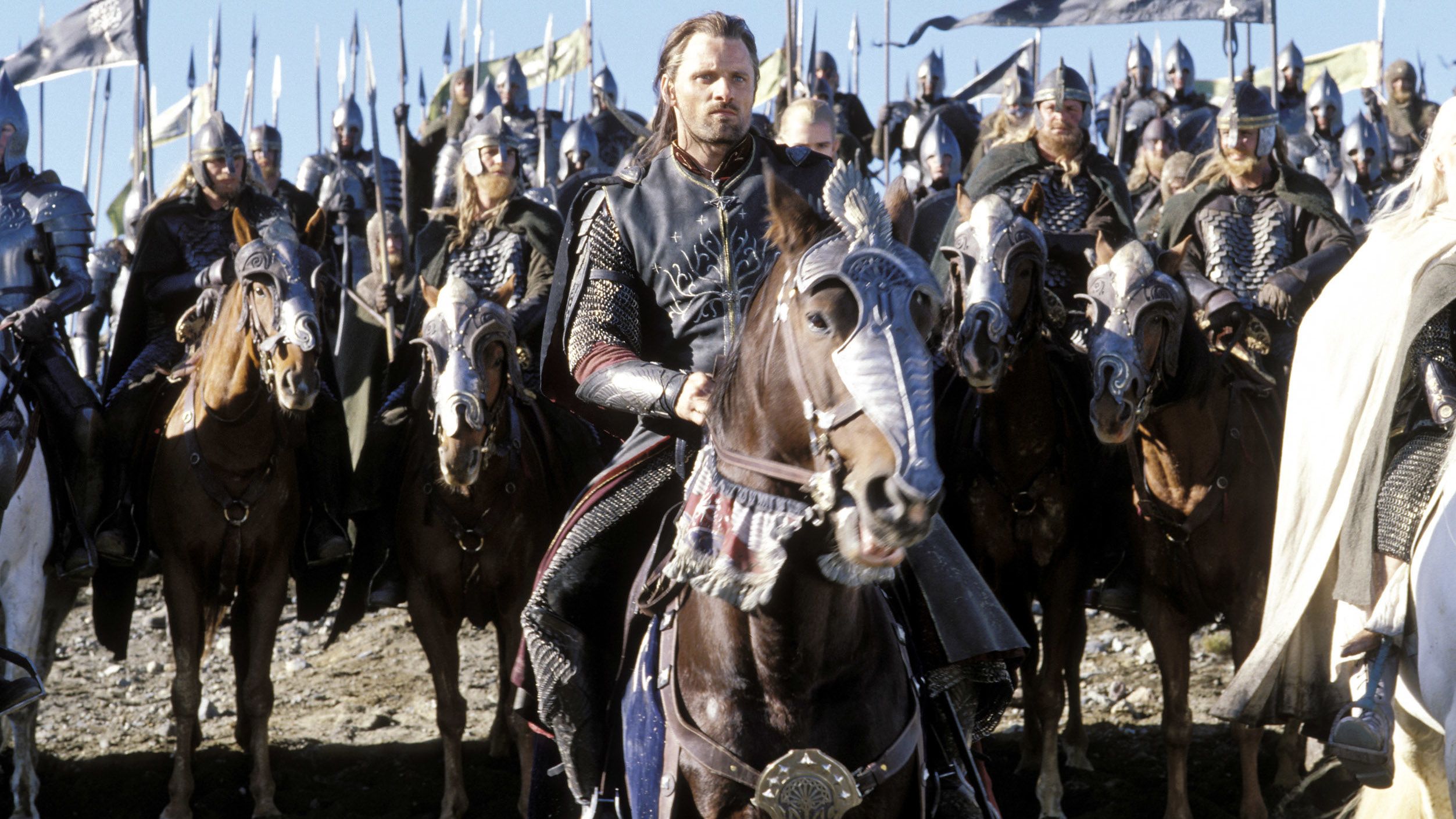
Peter Jackson launched his Lord of the Rings trilogy in 2001 with Fellowship of the Ring, bringing J.R.R. Tolkien’s epic story of the War of the Ring to the big screen. The complete trilogy, lasting nearly nine hours in its theatrical release, was a dream come true for fantasy fans. Adapting Tolkien’s complex novels was a huge challenge, and Jackson ended up with plenty of extra content.
Once the initial movie trilogy finished, director Peter Jackson released extended editions that included scenes originally cut for theatrical release. Though a couple of these additions weren’t entirely necessary, the longer cuts elevated an already captivating story, setting a new standard for creating believable and detailed movie worlds. These extended versions, from deepening our understanding of the Shire to showing Saruman’s final moments, were a treat for fans and stayed true to Tolkien’s original work.
Kingdom of Heaven is the Ultimate Crusades Movie
Ridley Scott’s Kingdom of Heaven is a sweeping historical drama set during the Crusades. The story follows Balian of Ibelin, a blacksmith who discovers his father was a knight and unexpectedly inherits that title. Losing faith, Balian travels to Jerusalem hoping to redefine what it means to be a noble knight, and finds himself caught in the middle of a fierce conflict between Christians and Muslims.
The original version of Ridley Scott’s Kingdom of Heaven was altered to appeal to a wider audience, but these changes created confusing plot holes and left characters’ stories feeling incomplete. The director’s cut fixes these issues, providing a much clearer and more satisfying narrative with better explanations for everyone’s actions. For anyone wanting to truly understand the film, the director’s cut is the only sensible choice.
Apocalypse Now is a Descent into the Madness of War
The film centers on Captain Willard, a US special forces officer sent on a dangerous mission during the Vietnam War. He must find and eliminate Colonel Kurtz, a highly decorated officer who has gone rogue and established his own command deep within enemy territory. Kurtz is believed to have become too powerful and is seen as a god-like figure by a local tribe, and Willard’s superiors fear his influence. The journey is a harrowing descent into the heart of darkness, filled with intense violence and psychological turmoil.
Francis Ford Coppola re-edited his film twice after its initial release, first with a longer ‘Redux’ version, and then with his ‘Final Cut,’ which he considered definitive. The ‘Final Cut’ offered a more polished and expanded story, delving deeper into the philosophical questions raised by the war. This version also provided greater insight into the characters’ inner turmoil in a way that felt accessible and ultimately created the most satisfying version of the film.
Gladiator Elevated the Sword and Sandal Genre Forever
Ridley Scott’s 2000 film, Gladiator, instantly revitalized the historical epic genre, bringing it back to the popularity it enjoyed in the 1960s. The movie follows Maximus, a Roman general seeking revenge who is forced to become a gladiator, and it quickly became a box office hit. While not entirely accurate, Gladiator reignited public interest in ancient history, and that impact is still felt today.
The extended version offers even more of what fans loved about the original film’s depiction of Ancient Rome. Even after 26 years, Gladiator remains a landmark achievement in filmmaking and is best experienced in its complete form.
Found an error? Send it so it can be corrected.
Read More
- Looks Like SEGA Is Reheating PS5, PS4 Fan Favourite Sonic Frontiers in Definitive Edition
- Dune 3 Gets the Huge Update Fans Have Been Waiting For
- Gold Rate Forecast
- Jack Osbourne Shares Heartbreaking Tribute to Late Dad Ozzy Osbourne
- Pluribus Star Rhea Seehorn Weighs In On That First Kiss
- Antiferromagnetic Oscillators: Unlocking Stable Spin Dynamics
- Disney Promotes Thomas Mazloum To Lead Parks and Experiences Division As Josh D’Amaro Prepares To Become CEO
- 5 Weakest Akatsuki Members in Naruto, Ranked
- Every Upcoming Transformers Movie: Release Dates, Details, & Everything We Know
- Action Comics #1096 is Fun Jumping-On Point for Superman Fans (Review)
2026-03-27 06:17