Many anime heroes are supposed to be inspiring, but they often become the weakest part of their own stories. When a hero wins only because of luck, sudden power boosts, or an unrealistic amount of charm, it feels less like a good story and more like simply pleasing the fans. These characters are shielded from real consequences by the plot, which makes their struggles feel unimportant. Instead of engaging our minds, these stories ask us to just cheer, and that kind of empty heroism prevents the story from having real emotional or moral impact.
The most frustrating protagonists are those who don’t change. They often confuse being headstrong with having strong beliefs, and mistake simply being loud for actually being insightful. Instead of looking inward and acknowledging their own shortcomings, they try to force everyone else to conform to their way of thinking. Unlike weak protagonists, truly bad ones fail because they remain the same throughout the story.
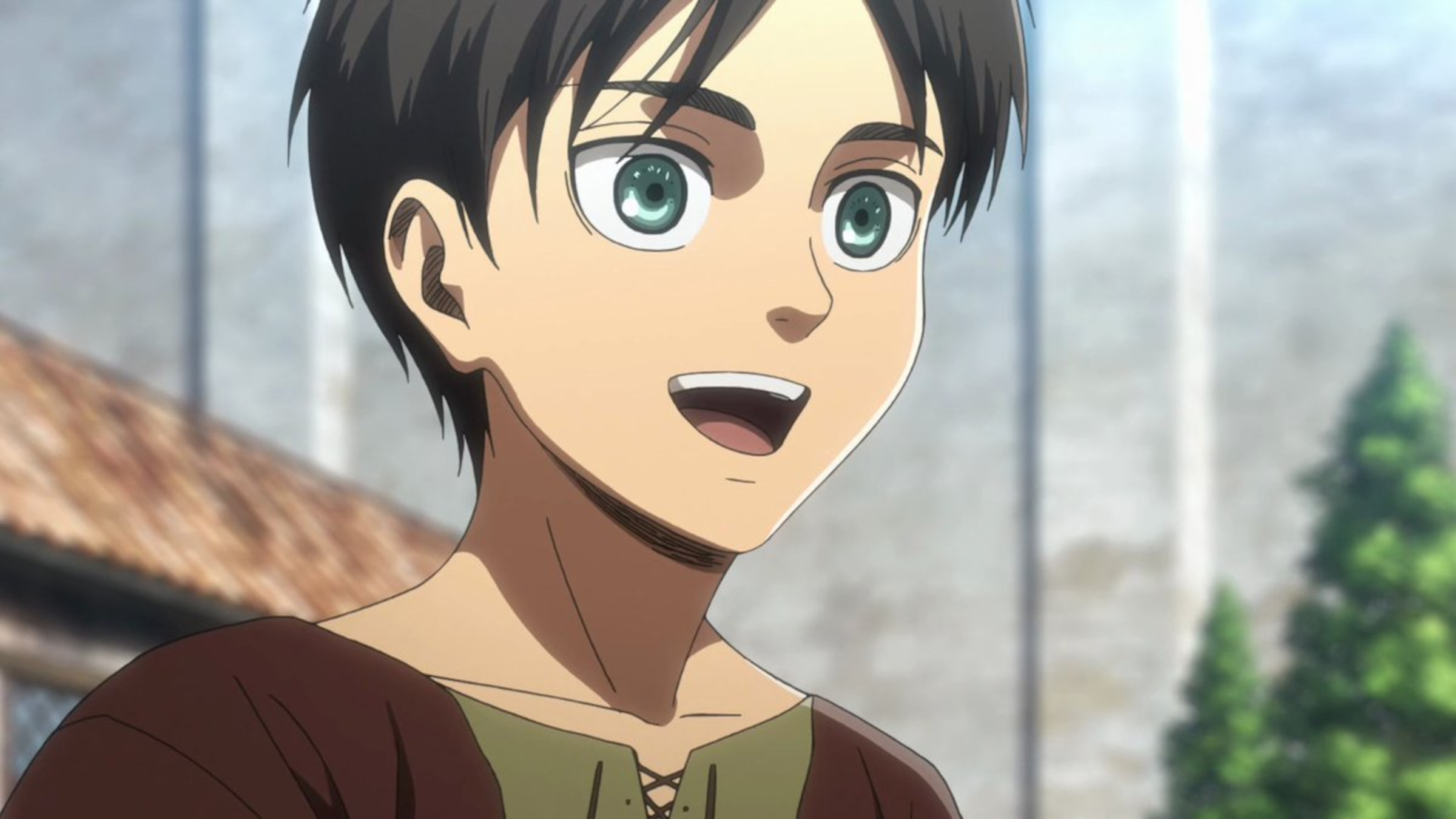
10. Eren Yeager — Attack on Titan
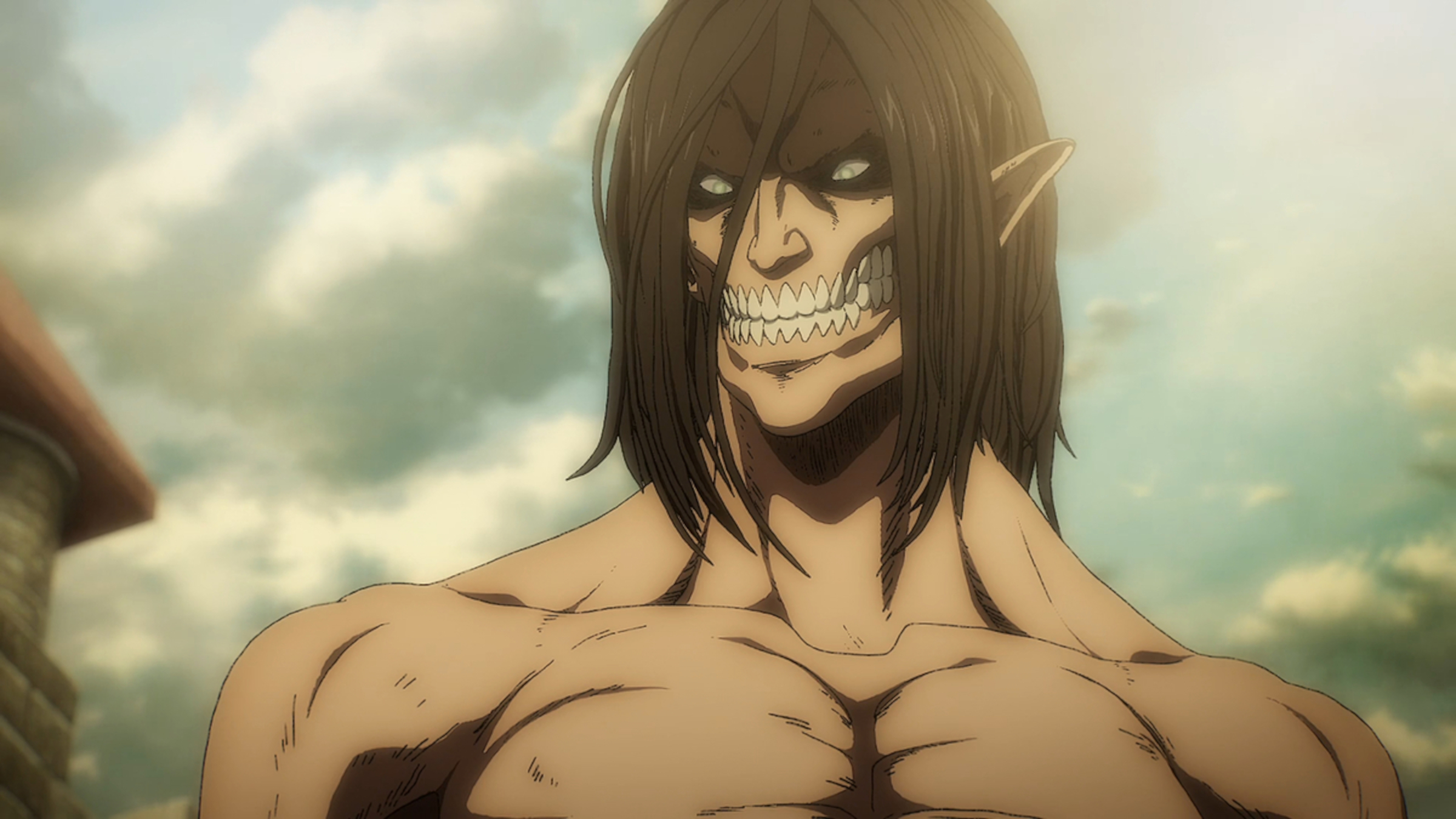
Eren begins as a passionate fighter for freedom, willing to do anything to achieve it. However, his strong beliefs are eventually consumed by a desire for revenge. What starts as justified anger transforms into a dangerous obsession, causing widespread destruction. His journey demonstrates how easily a hero can become a villain when their goals become extreme and all-consuming.
Eren’s tragic fate is especially upsetting because his choices ruin the progress and moral complexities built up throughout the series. Instead of achieving freedom, he brings about hopelessness. Seeing him rationalize the killing of innocent people destroys any remaining sympathy, highlighting that good intentions don’t matter when everything is ultimately destroyed.
9. Kirito — Sword Art Online
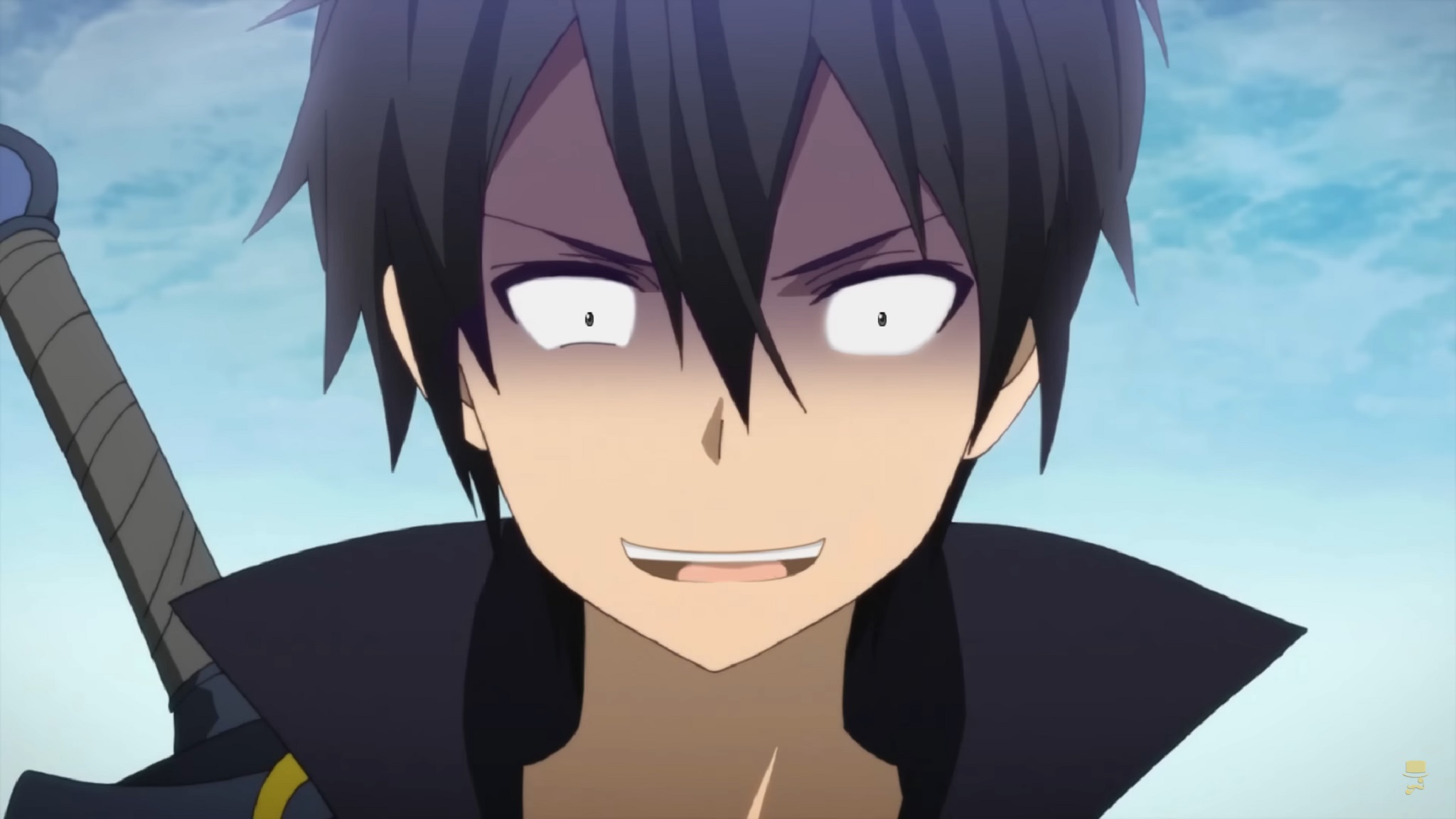
Kirito is presented as the perfect gamer hero, but his story quickly loses its appeal. He’s so powerful that conflicts are never truly challenging, and the series portrays him as an effortless savior instead of someone fighting to survive. This removes any real sense of danger from the plot. His connections with other characters feel forced, and his overwhelming strength prevents them from growing or developing on their own.
Kirito doesn’t often deal with the emotional scars from his time in a life-or-death game, and he doesn’t really change as a person throughout the series. The supporting characters mostly just admire or rely on him, which makes his successes feel empty. The story had the potential to be about overcoming hardship, but instead, it becomes a simple story about a hero who always succeeds without much personal growth.
8. Subaru Natsuki — Re:Zero
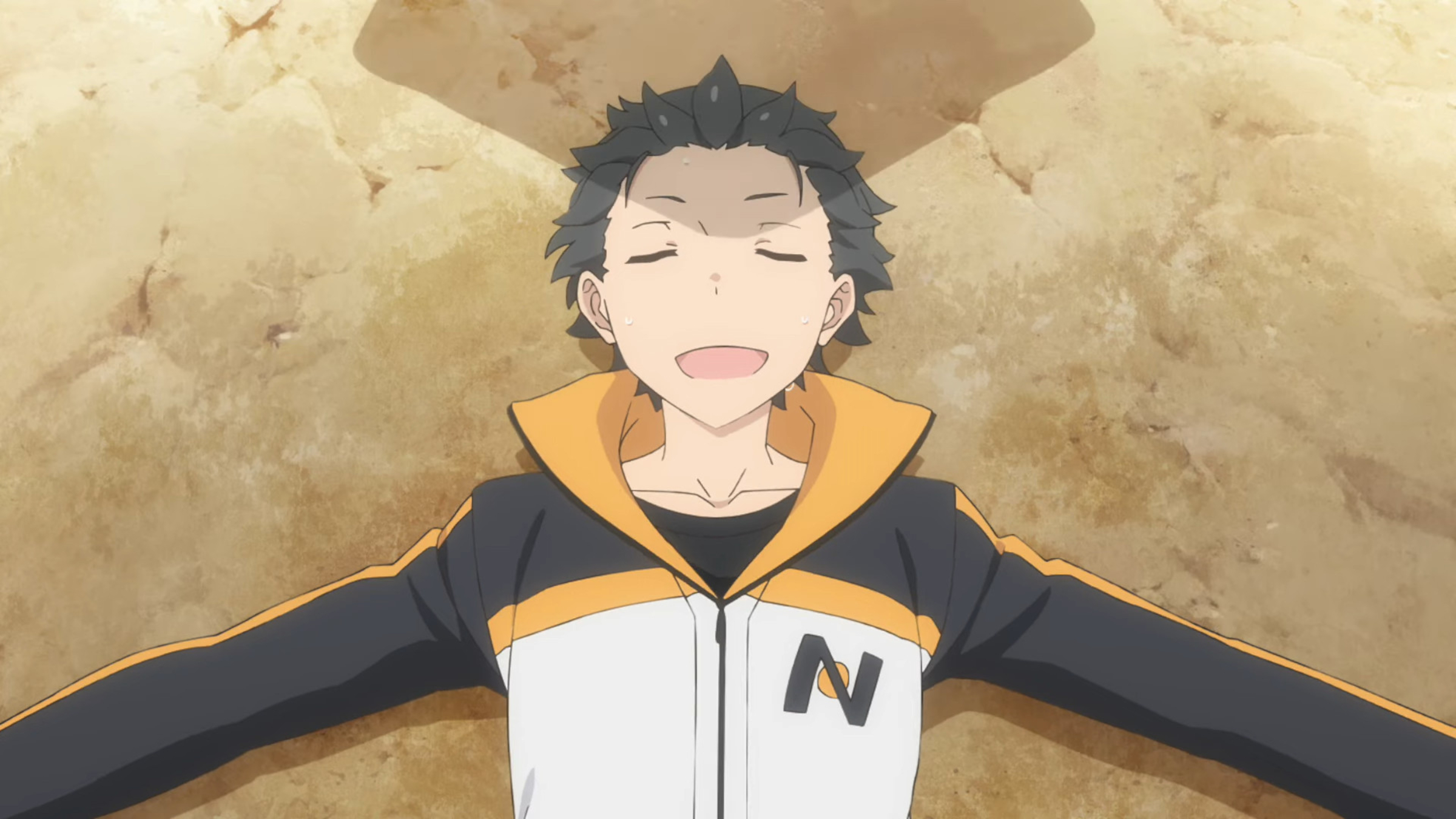
The core idea behind Subaru’s story—dying and repeating time to correct his errors—has a lot of potential. However, the way it’s carried out can be frustrating. He starts out immature and conceited, making the beginning of the series difficult to get through. Instead of growing as a person, he tends to feel sorry for himself when faced with challenges. He’s so focused on Emilia that he often overlooks the pain of others, which makes his attempts at being a better person feel unconvincing.
Even though Subaru has countless opportunities to grow, he keeps repeating the same unhealthy behaviors. While his emotional struggles could have been powerful if they led to real change, they mostly just lead back to excessive self-pity. It’s frustrating to watch someone with so many chances to improve just keep repeating the same mistakes, which is tiring for both him and the viewers.
7. Shinji Ikari — Neon Genesis Evangelion
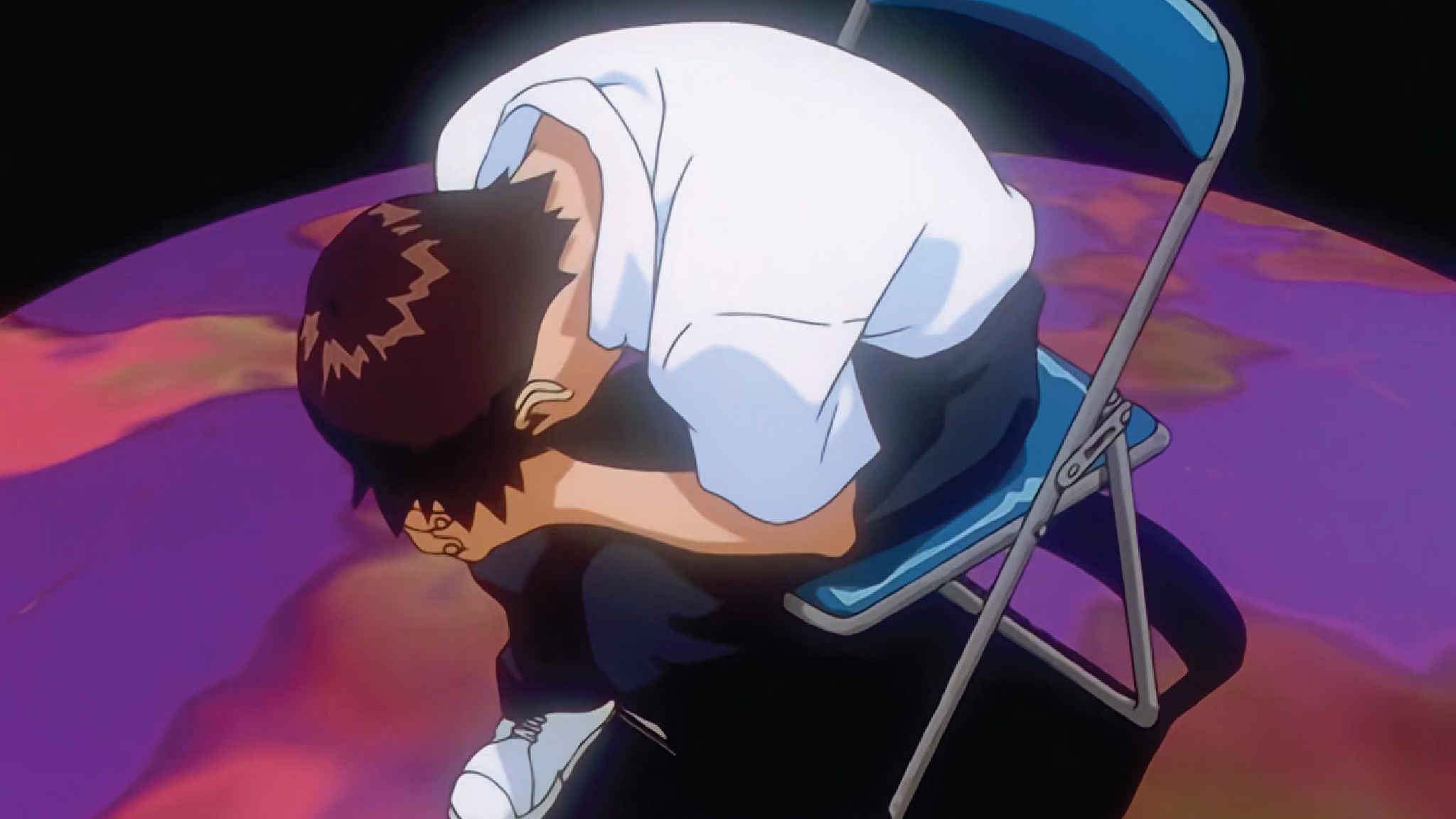
Shinji is designed to embody feelings of anxiety and isolation, but his inability to make decisions often makes it hard to feel sorry for him. Although his past trauma explains why he struggles to act, even in emergencies, it doesn’t justify how he prioritizes his own pain over the suffering of others. In a world that needs heroes, Shinji repeatedly chooses to withdraw and avoid conflict.
It’s ironic that this character was meant to be someone viewers could connect with, but he mostly comes across as hopeless rather than thoughtful. The show doesn’t really explore depression in a meaningful way; instead, it often shows him as simply giving up. By the end, viewers aren’t focused on his struggles anymore – they just want him to take some action. He’s remembered more for the strong, differing opinions he provokes than for any inspiration he provides.
6. Light Yagami — Death Note
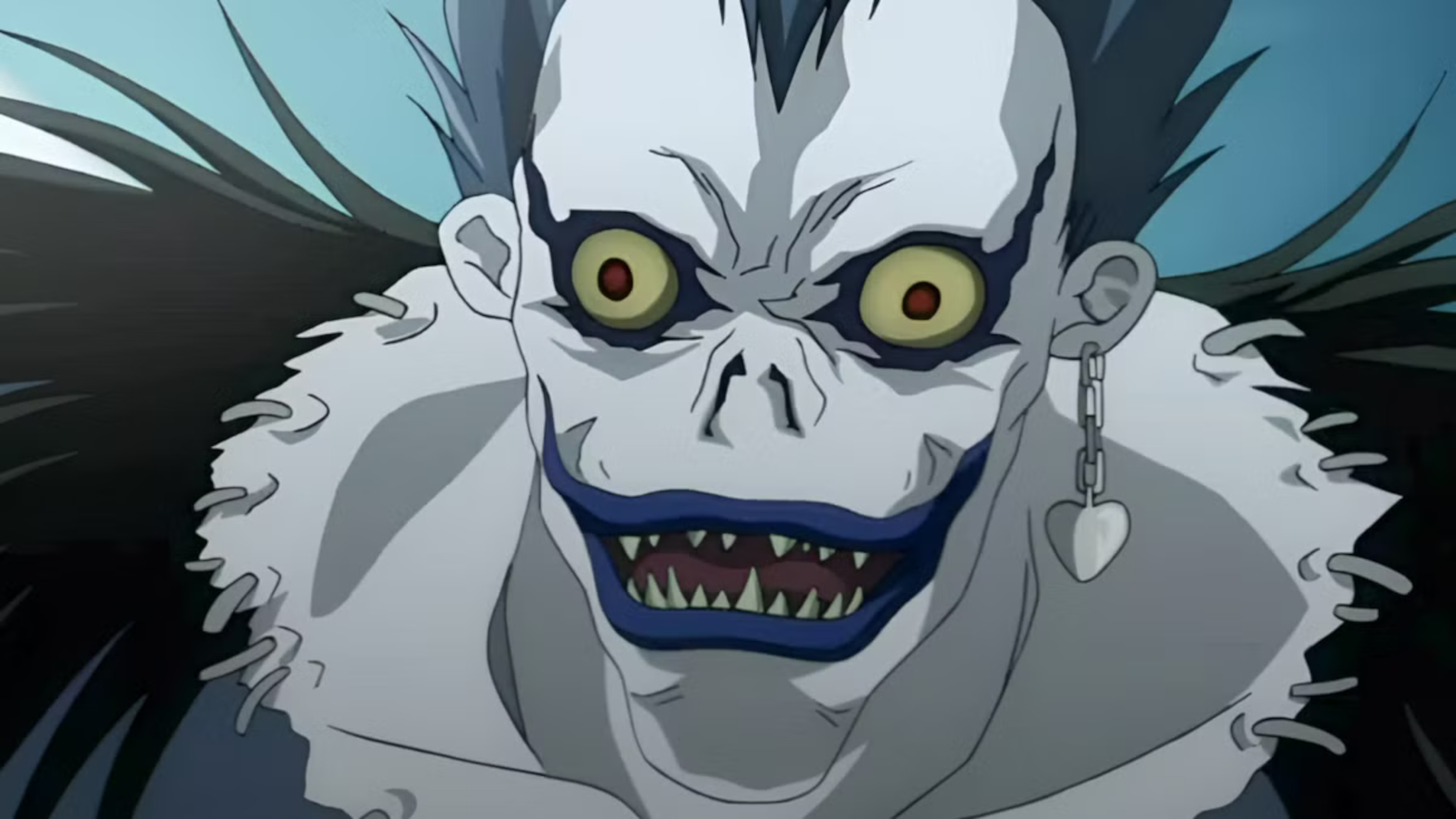
Initially, Light is a brilliant teenager driven by a strong sense of justice. However, he quickly loses his moral bearings, becoming as bad as the criminals he seeks to punish. What begins as a desire to eliminate evil transforms into a god complex fueled by his own ego. He becomes obsessed with proving his superiority, and his reasoning eventually gives way to arrogance. By the middle of the story, he’s simply another power-hungry ruler disguising his tyranny with intelligence.
The most frustrating thing about Light is that he doesn’t practice what he preaches. He criticizes criminals while also killing innocent people to keep his identity a secret. Everything he does feels more like showing off than actually strategizing. What starts as a conflict between different beliefs ultimately becomes a look at extreme self-absorption. Light isn’t defeated because his ideas are wrong, but because he convinces himself that being cruel is the same as being just.
5. Ash Ketchum — Pokémon

Ash is meant to be an inspiring example of never giving up, but his frequent mistakes undermine that image. After traveling for so long, his repeated errors don’t seem accidental anymore – they suggest a lack of development. It’s frustrating to see him lose competitions because of easily avoidable mistakes, and it makes the story feel stuck. Even with all the friends he’s made, he rarely shows lasting improvement beyond a single area.
Even though the show often reboots the character for new audiences, he consistently falls into the same old habits. His constant optimism feels empty because it rarely leads to any real progress. He never seems to learn from his mistakes. Surprisingly, for someone considered a top performer, his ability to strategize remains surprisingly basic.
4. Natsu Dragneel — Fairy Tail

Natsu is all about raw power, acting on instinct rather than thinking things through. He rushes into every fight and seems to solve problems with brute force, prioritizing action over personal growth. While initially appealing, his constant reliance on fighting and simplistic views on friendship become predictable and wear thin. What starts as a likeable trait quickly turns into a repetitive pattern.
While Natsu is presented as the heart of the series, his straightforward personality makes the plot feel predictable. Other characters grow and develop, but he remains stuck in familiar tropes. What starts as inspiring self-belief eventually becomes frustrating because it oversimplifies every storyline. Ultimately, Fairy Tail‘s main weakness is its reluctance to push its main character beyond his established traits.
3. Ichigo Kurosaki — Bleach
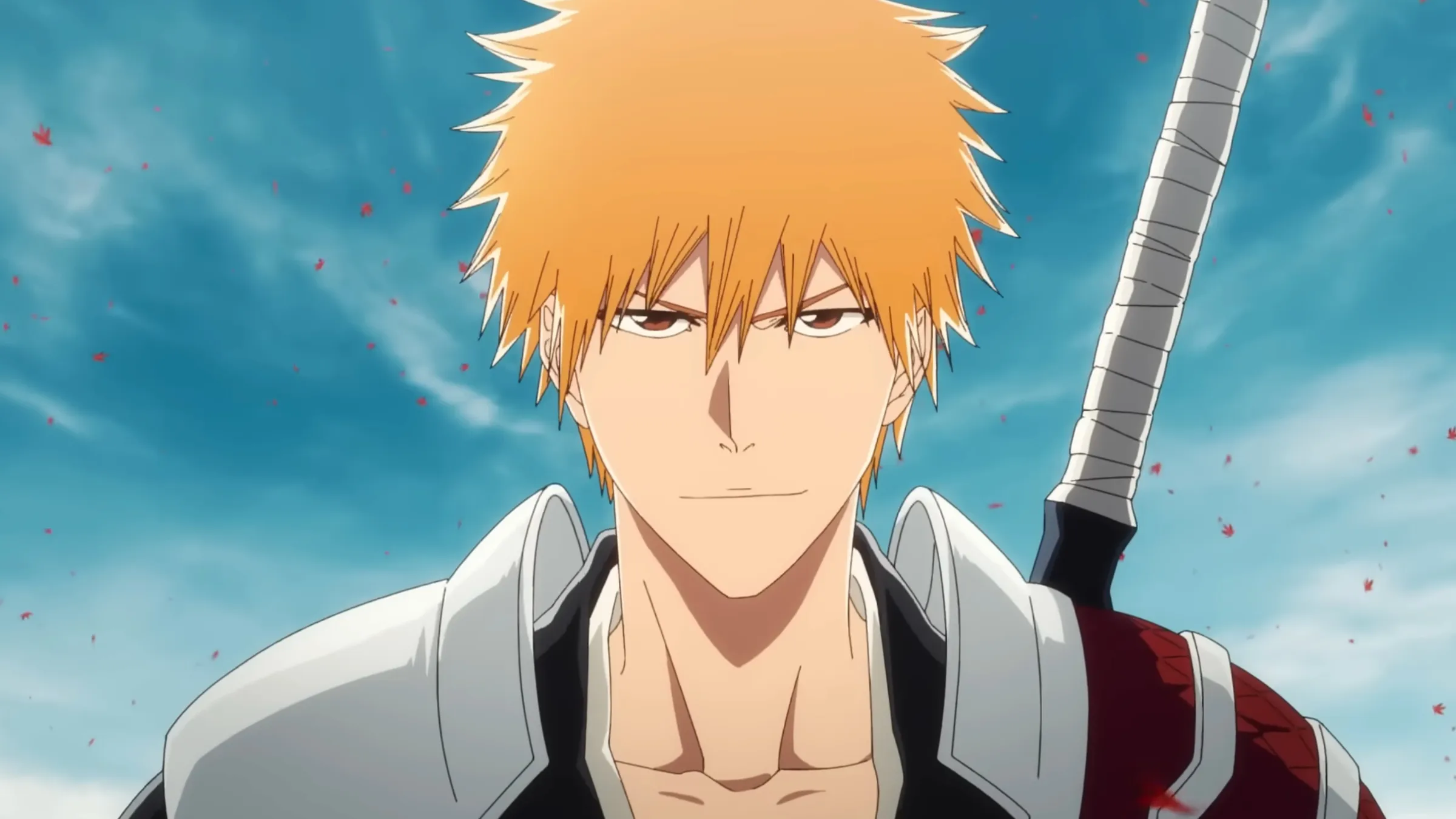
I’ve been watching Ichigo, and while his initial design and history suggested a complex character, I quickly noticed his reasons for fighting felt all over the place. Sometimes it was about protecting his friends, then it shifted to fulfilling some grand destiny, and before you knew it, he was just doing what he was told. It’s frustrating because even with all his increasing power, he doesn’t really grow as a person. He gets stronger, sure, but emotionally, he stays pretty flat.
It’s most frustrating to see Ichigo’s potential go unrealized. He had the opportunity to be a complex character grappling with difficult choices and leading others, but the story prioritizes action over exploring his inner life. Every time a major storyline ends, Ichigo reverts to his earlier self, making the series feel repetitive instead of developing. What starts as understandable emotional turmoil eventually becomes a tired trope, masking a lack of creative growth with a superficial ‘cool’ exterior.
2. Naruto Uzumaki — Naruto

Naruto’s journey from a lonely outsider to a celebrated hero had the potential to be truly amazing, but the way it’s shown sometimes mixes determination with impulsive behavior. His belief in solving problems through talking often feels unrealistic, as he tries to use simple kindness to understand truly complicated villains. He often relies on just trying hard instead of thinking things through, and his big wins usually happen because he’s hopeful rather than strategically clever.
Throughout the series, Naruto’s weaknesses become more apparent. His determination to forgive even terrible enemies starts to feel preachy. The pursuit of peace seems less genuine when it relies on simply telling people what to do instead of addressing deeper problems. While seen as a symbol of hope, his approach actually treats those he wants to help like children.
1. Goku — Dragon Ball
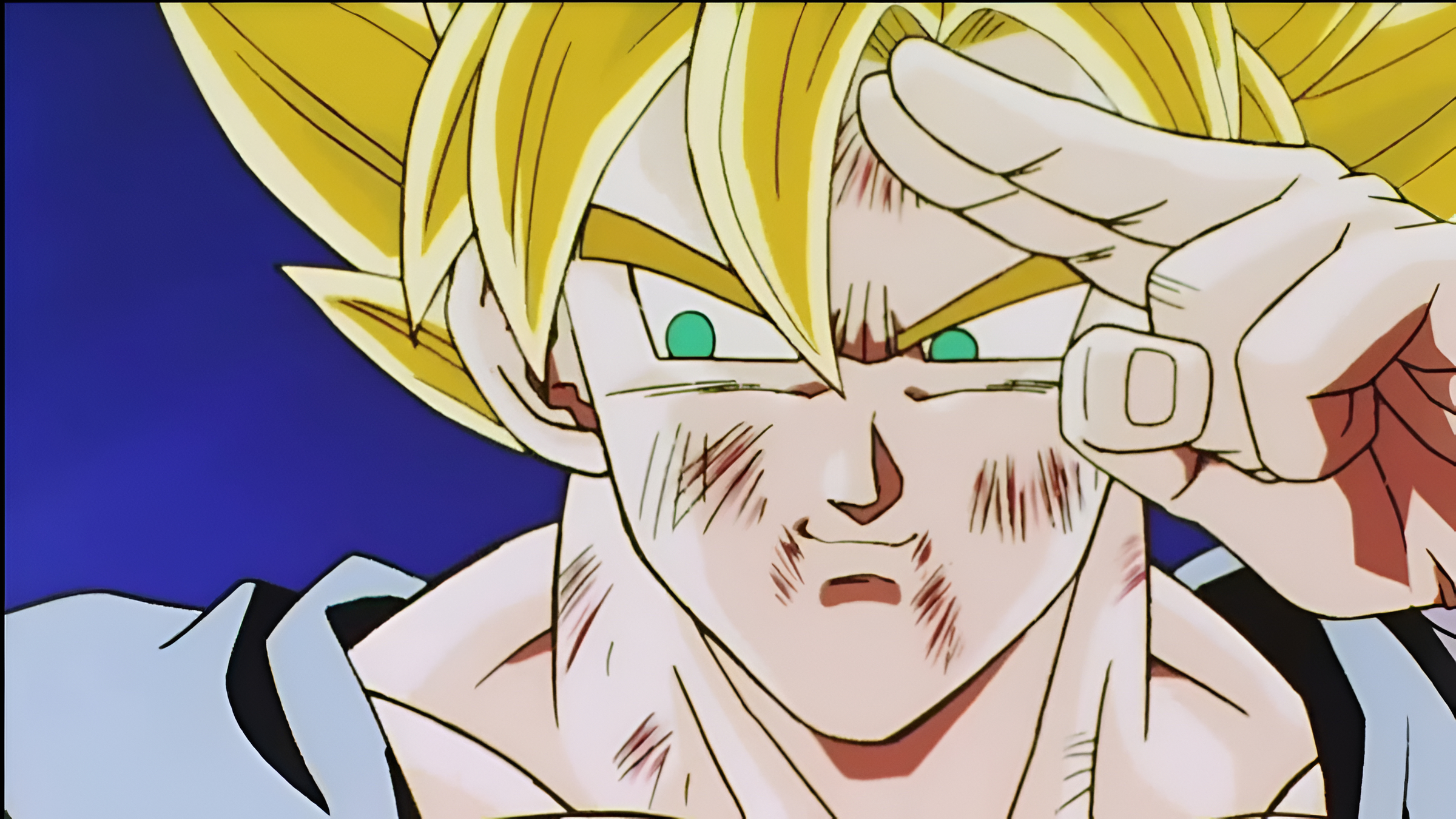
Goku is a legendary character, but that doesn’t automatically make him a good role model. He’s so focused on getting stronger that he often neglects his other duties, like being a father or protecting the planet. He seems to prioritize the thrill of a good fight over the safety of his family and the world, and the story repeatedly shows how this obsession puts everyone in danger.
Goku’s biggest weakness is that he doesn’t truly grow as a person. He keeps repeating the same mistakes, simply pushing himself to train harder instead of learning from them. What once seemed like charming naiveté now comes across as careless and distant. Ironically, the stronger he gets, the less responsible he becomes. Despite his cheerful nature and heroic deeds, Goku serves as a warning – a character who confuses the excitement of fighting with having a real purpose in life.
What do you think? Leave a comment below and join the conversation now in the ComicBook Forum!
https://comicbook.com/anime/list/7-sci-fi-anime-that-get-better-every-time-you-rewatch/embed/#
Read More
- Looks Like SEGA Is Reheating PS5, PS4 Fan Favourite Sonic Frontiers in Definitive Edition
- Pluribus Star Rhea Seehorn Weighs In On That First Kiss
- Dune 3 Gets the Huge Update Fans Have Been Waiting For
- Gold Rate Forecast
- Kelly Osbourne Slams “Disgusting” Comments on Her Appearance
- Tomodachi Life: Living the Dream ‘Welcome Version’ demo now available
- Arknights: Endfield – Everything You Need to Know Before You Jump In
- I went hands-on with a wireless third-party Xbox controller featuring drift-free “TMR” sticks, and it blew me away — don’t sleep on the GameSir G7 Pro ZZZ Edition
- ‘Marty Supreme’ Ending, Explained
- ‘Spider-Noir’ Gets TV-14 Rating, A First for Spider-Man Television
2026-01-27 22:19