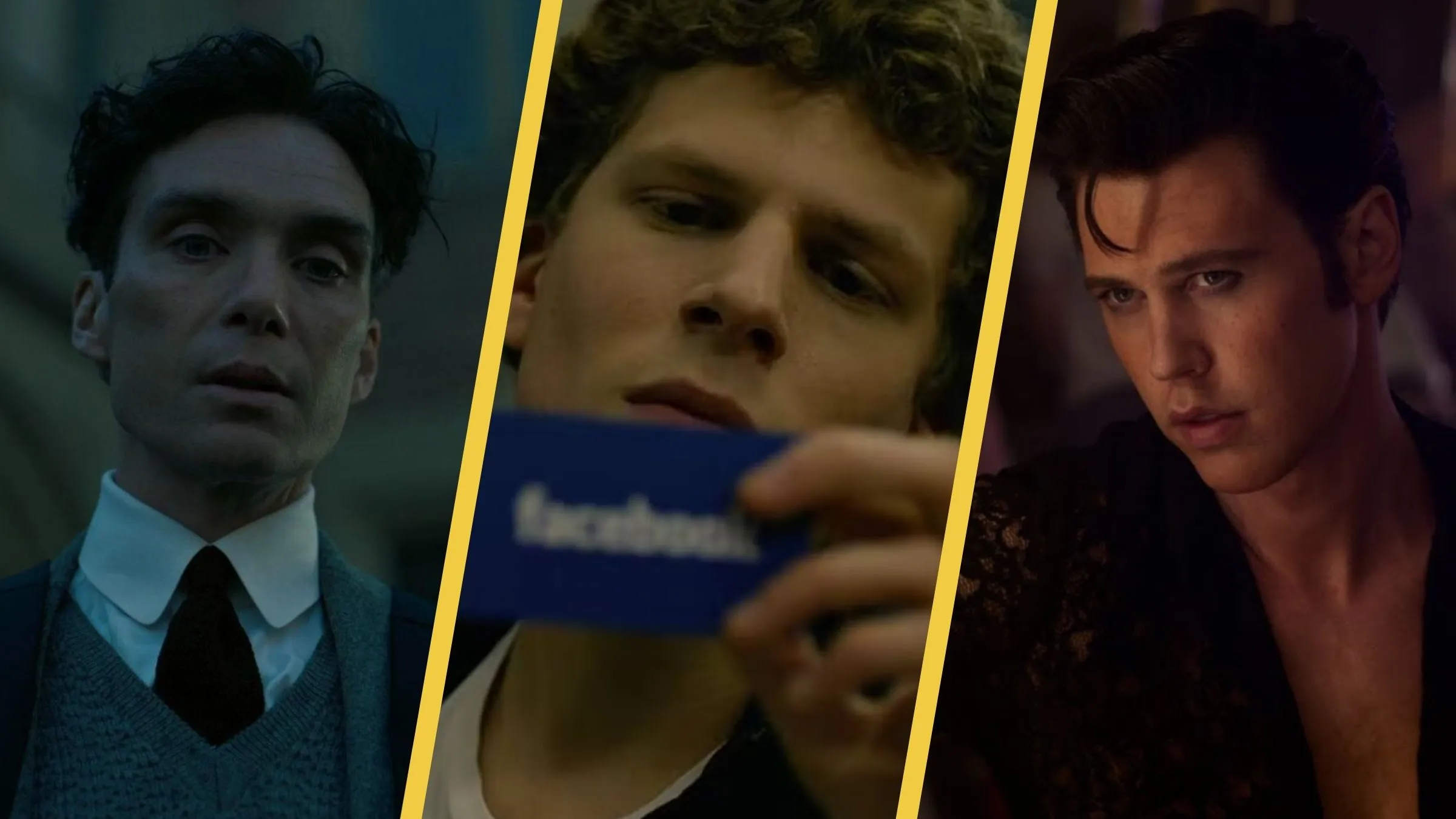
Biographical films, or biopics, have changed a lot since the early 2000s. They used to be simple, uplifting stories about triumph over hardship, often following a predictable formula designed to attract awards. Films like Bohemian Rhapsody, Walk the Line, The Theory of Everything, The Imitation Game, and A Complete Unknown showed that these films could be commercially successful, but they also revealed the genre’s weaknesses – relying on familiar tropes, overly celebrating their subjects, and avoiding bold creative choices. However, some filmmakers began using real lives as a springboard for more complex stories, portraying their subjects as flawed and complicated individuals, rather than perfect heroes. Others experimented with new and inventive techniques to make biopics more captivating and interesting to watch.
Have you ever wondered which biographical movies have been truly memorable lately? We’ve compiled a list of the 10 best biopics from the 21st century so far. These films demonstrate that a great true story isn’t about showing every detail of a person’s life, but about focusing on a key part of it and making that truly engaging for viewers.
10) The King’s Speech
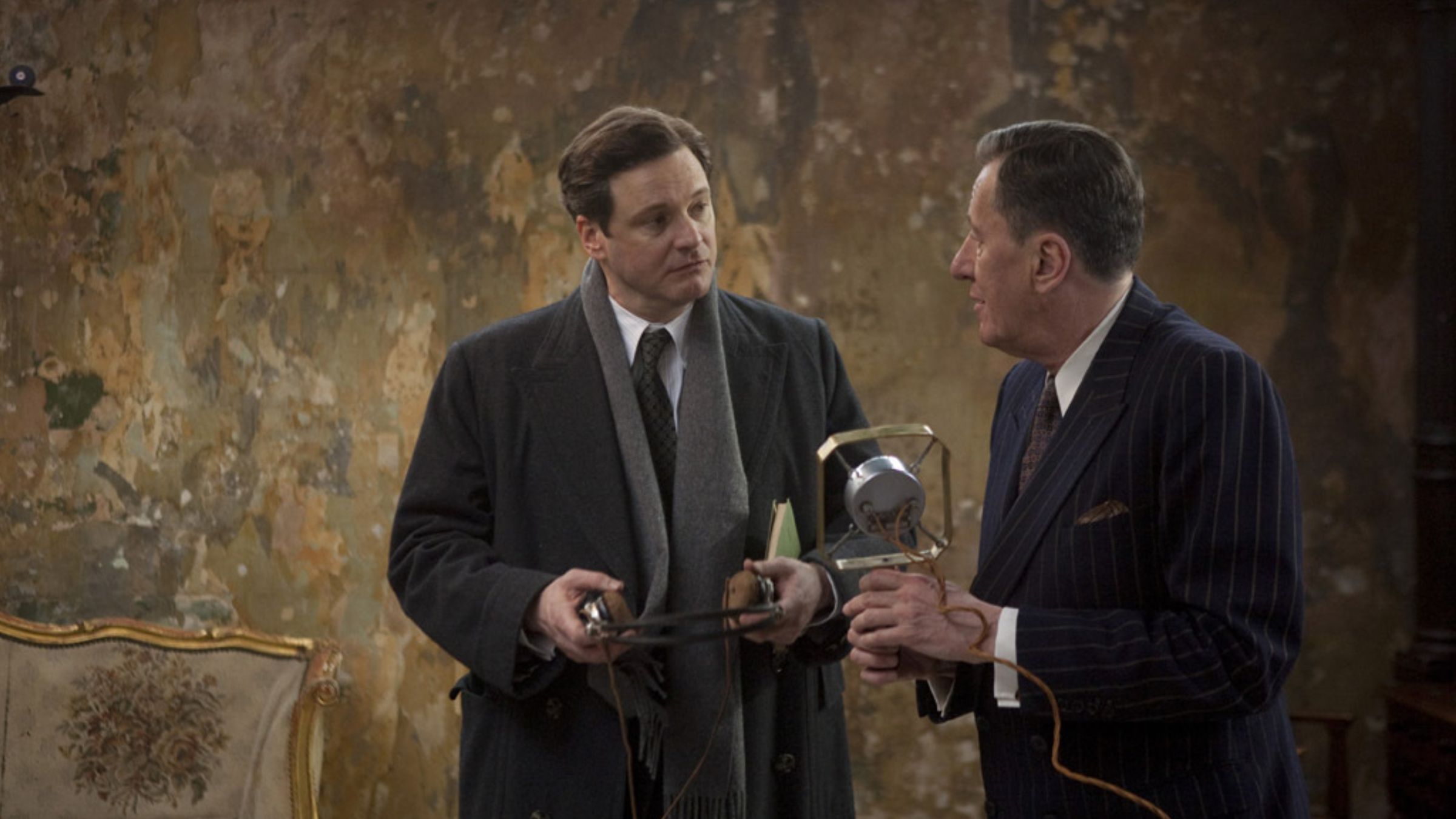
As a film buff, I’ve always appreciated movies that know what they are and don’t try to be something they’re not, and The King’s Speech is a perfect example. It’s not an epic about the entire royal family; instead, it smartly zeroes in on a really compelling, specific challenge: the future King George VI, brilliantly played by Colin Firth, struggling with his stutter as war looms. The heart of the film is the connection between him and his unconventional speech therapist, Lionel Logue, played by Geoffrey Rush. What I love is that it doesn’t try to be anything more than that story – it’s intimate and focused, and that’s what really draws you in.
Ultimately, The King’s Speech is a very effective drama because it has a clear story and stays focused on telling it. While it doesn’t try to be groundbreaking, this simplicity actually works in its favor. The film skillfully builds tension from a seemingly small problem. It’s not revolutionary, but it’s a great illustration of how a focused and restrained approach can be more captivating than ambitious storytelling without enough depth.
9) Hidden Figures
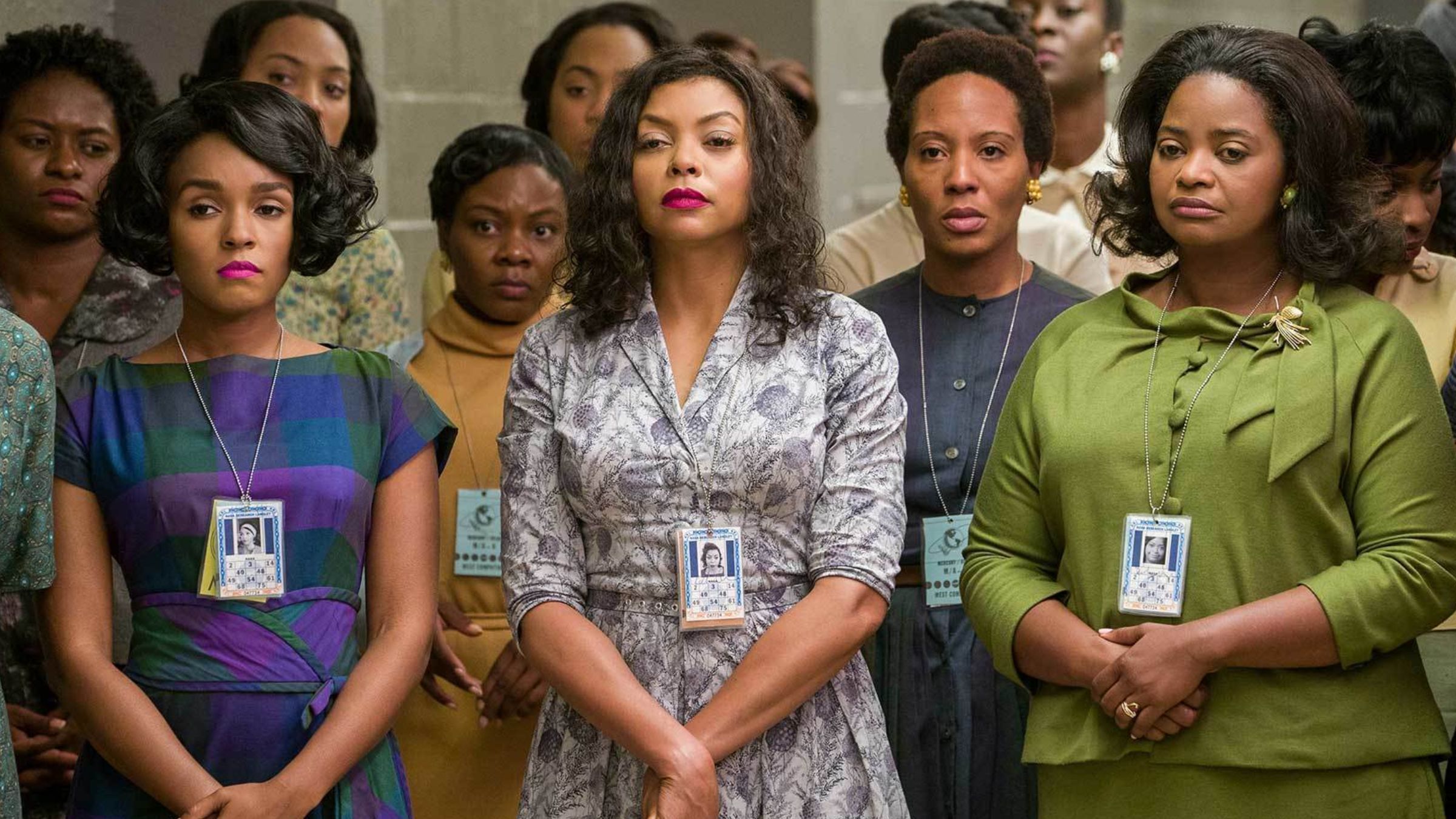
The film Hidden Figures offers a compelling story about the unsung contributions of Black women to the American space race. It centers on Katherine Johnson, Dorothy Vaughan, and Mary Jackson, who worked as mathematicians at NASA during the 1960s, facing both racial and gender discrimination. The movie presents their experiences in a clear and accessible way, focusing on their vital work without unnecessary complexity.
The film Hidden Figures isn’t groundbreaking in its approach, and it presents its story honestly without idealizing anyone. What makes it so good is that it’s more than just a biographical film; it uses a significant moment in history to create a story that’s easy to understand, informative, and emotionally resonant, though occasionally a bit overdone. Importantly, the film always portrays its main characters as talented professionals, not just figures from the past. While the plot is somewhat predictable, it succeeds by bringing important, overlooked stories to the forefront, ensuring they aren’t simply treated as minor details in history.
8) Ray
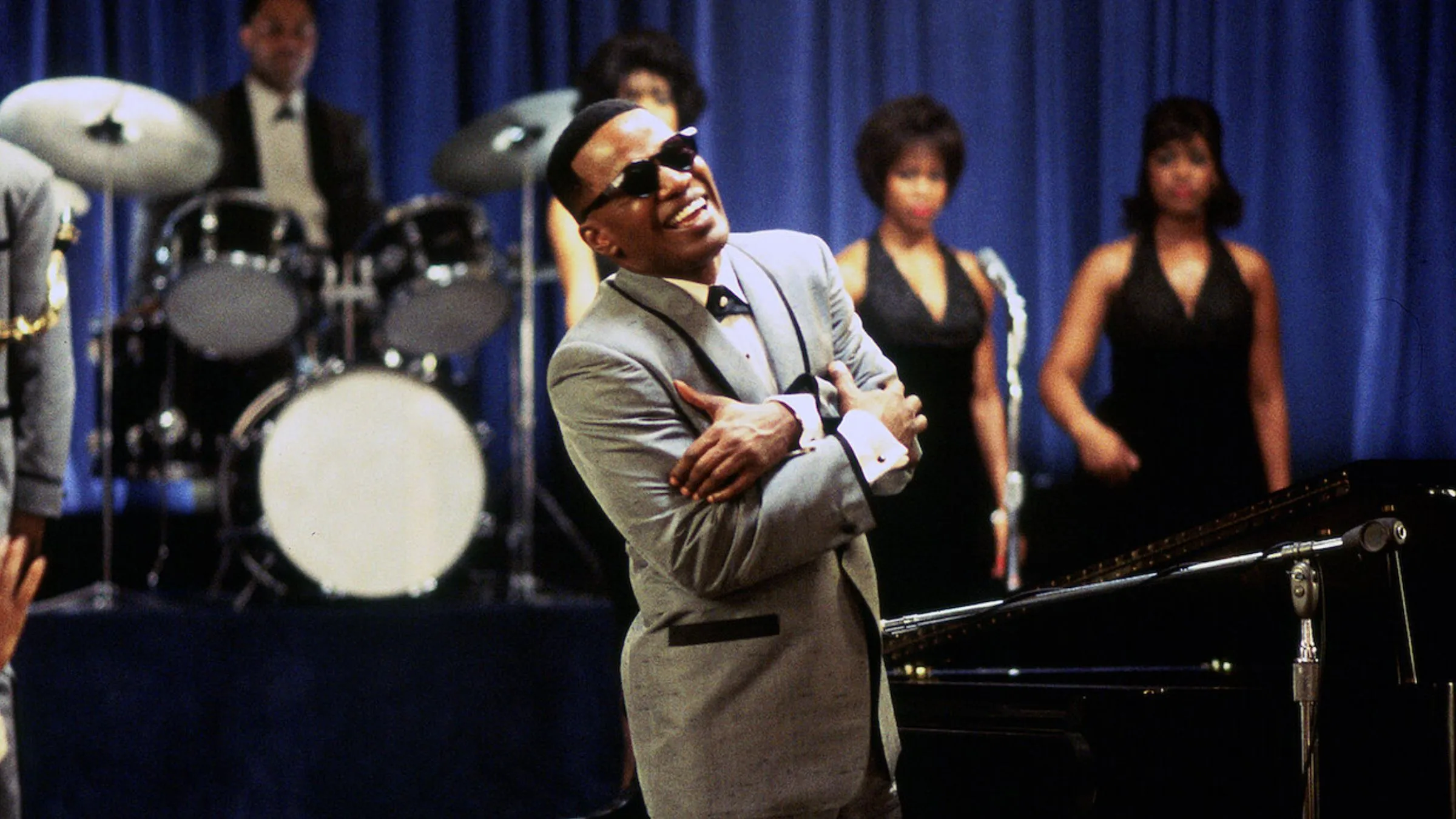
The film Ray is a traditional but effective biopic about the life of Ray Charles (played by Jamie Foxx). It traces his path from a difficult childhood to becoming a hugely important musician in the 20th century, covering his triumphs, struggles with addiction, complex personal life, and battles against an industry that tried to limit his creativity. The movie is honest and doesn’t shy away from difficult moments, but what sets it apart is its refusal to portray Charles as a perfect saint. Ultimately, it presents him as a flawed, relatable human being.
This film presents its main character as a complex person – brilliant, but also deeply flawed. It embraces contradictions, showing him as a talented, charismatic, and innovative artist who is also selfish, self-destructive, and emotionally unavailable. The movie doesn’t ask viewers to automatically feel sorry for him or excuse his actions. Instead, it emphasizes that talent doesn’t justify bad behavior, which sets it apart from many other biographical films. Ultimately, the film’s honesty and straightforward storytelling are what make it so compelling.
7) Dallas Buyers Club

The 2013 film Dallas Buyers Club received a lot of attention for its acting, and rightly so—it won Oscars for both lead and supporting actors. The movie tells the true story of Ron Woodroof (Matthew McConaughey), a Texas electrician who is diagnosed with AIDS in the 1980s. Frustrated with the available medical treatment, he starts illegally importing and selling alternative medications. It’s a powerful story, and the film doesn’t shy away from the difficult subject matter, notably by portraying its main character as flawed rather than a typical hero.
The film’s central character isn’t immediately appealing – he’s flawed, self-centered, and doesn’t like to change, and that’s intentional. The story’s power comes from watching him transform because he has to, not because he suddenly decides to be a better person. Dallas Buyers Club realistically and uncomfortably depicts the AIDS crisis, staying true to how it felt at the time. It avoids simple resolutions and doesn’t explain everything; it’s a very honest and unflinching portrayal.
6) Elvis

Rather than a traditional biography, the film Elvis immerses you in the experience of being caught up in the whirlwind of Elvis Presley’s fame. It charts his incredible journey to stardom, his worldwide influence, and his complicated relationship with manager Colonel Tom Parker (Tom Hanks). While the movie follows Elvis (Austin Butler) throughout his life, from his youth to his final performances, it prioritizes a vibrant and overwhelming portrayal of his world, presented as a series of fast-paced, dazzling moments.
The film Elvis maintains a consistently high energy level, making it captivating to watch, largely due to its fast-paced and dynamic editing. While this style sometimes prevents a truly deep exploration of the man behind the icon, the movie effectively balances his public persona with glimpses of his private life when it matters most. Some viewers might connect more with the legend than the individual, making this film not universally appealing. Overall, though, the biopic is successful thanks to its striking visuals and clear portrayal of how Elvis was exploited. It’s a strong film when considering everything it attempts.
5) Selma
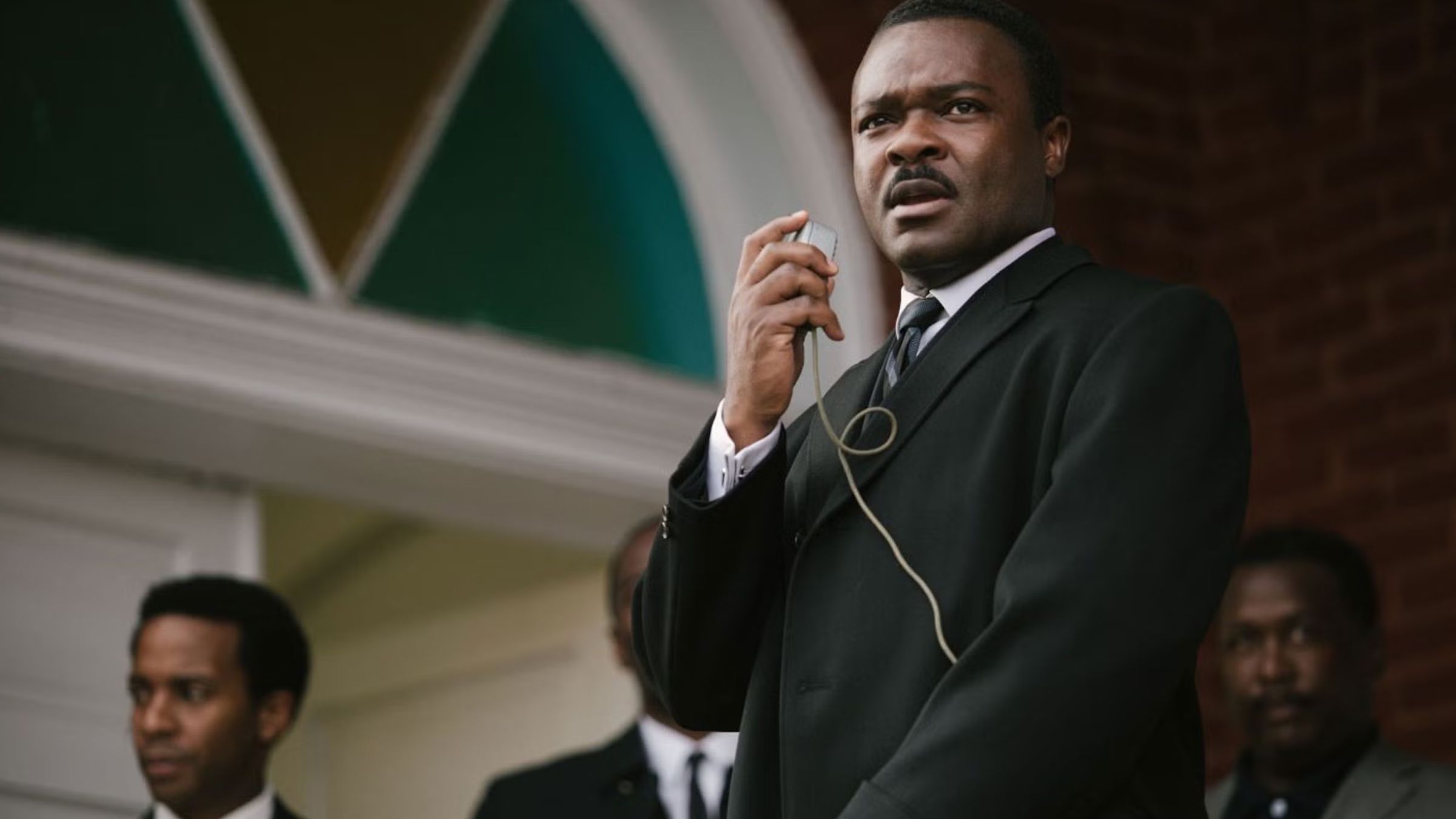
Martin Luther King Jr. is a pivotal figure in history, and the film Selma focuses on a specific, crucial period: his campaign for voting rights and the famous marches from Selma to Montgomery. The movie details those intense weeks, showing the political maneuvering, disagreements within the civil rights movement, the relentless pressure tactics used, and the violent reactions from those in power. Selma doesn’t shy away from the difficulties of achieving progress, recognizing that lasting change isn’t quick or simple—it’s earned through hard work, perseverance, and overcoming obstacles.
What makes Selma stand out is its realistic portrayal of Martin Luther King Jr. (David Oyelowo) as a leader facing immense pressure. The film doesn’t present him as a perfect hero, but as a person grappling with difficult choices, internal conflicts, and the heavy responsibility of knowing his decisions could have life-or-death consequences. Like Ray, it avoids idealizing its subject while still acknowledging his historical significance. This balance creates a more relatable and impactful depiction, leaving viewers with a sense of having seen something truly meaningful. It’s a sophisticated and politically aware biopic that honors history by refusing to oversimplify it.
4) The Social Network

The movie The Social Network really resonated with Millennials, and it’s not surprising a follow-up is being considered. The film brilliantly transformed the story of Facebook’s beginnings into a compelling drama about drive, the need to connect with others, and the pursuit of power – all at a time when the internet was rapidly changing the world. It follows Mark Zuckerberg (played by Jesse Eisenberg) as he goes from a Harvard student to the head of a hugely successful company. The story unfolds through legal battles, broken trust, and struggles for control, using these conflicts to move the plot forward.
What makes the film truly stand out is its portrayal of Zuckerberg not as a brilliant, untouchable figure, but as a young man – one who was formed by the same pressures and online world that defined his generation. The Social Network doesn’t try to justify his actions or make him sympathetic; instead, it simply presents him and allows the audience to form their own opinions. This is a key reason the film remains relevant today. It’s not simply about the rise of social media, but about how drive and bitterness can create systems that impact countless lives. Even though Facebook isn’t as central as it once was, the movie still brilliantly captures the dynamics of power and culture within the internet and app world.
3) Lincoln
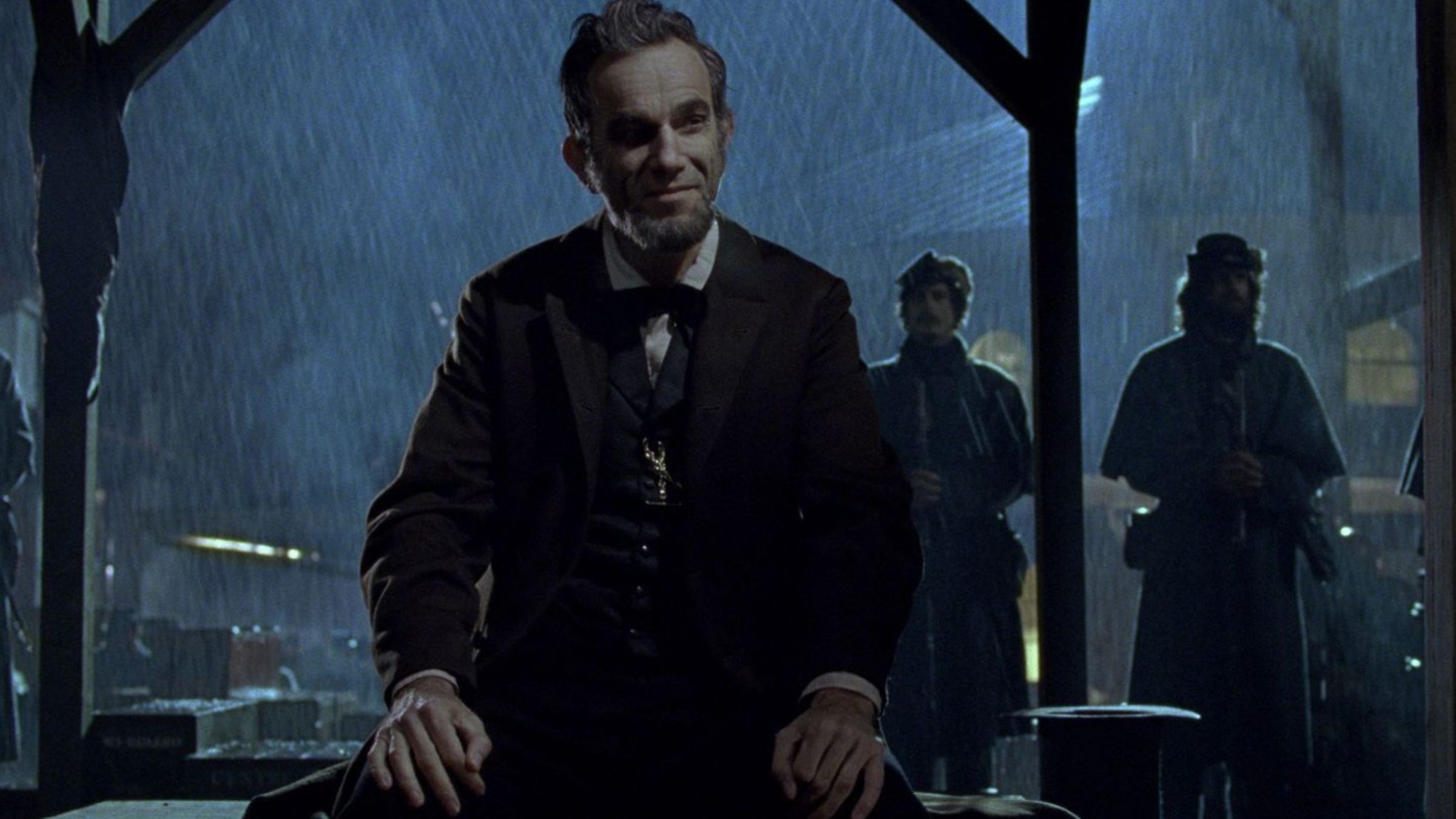
This film isn’t about celebrating Lincoln as a hero, but rather about how he achieved his goals. It focuses on the last few months of his life, specifically his determined effort to pass the 13th Amendment and end slavery. Similar to the movie Selma, it doesn’t show grand speeches or battles, but instead the smaller, more complex details – the debates, negotiations, and political maneuvering that happened behind the scenes. The film highlights Lincoln’s relentless drive to get enough votes in Congress, demonstrating that ending slavery wasn’t simply a matter of right and wrong, but also a challenging political game that required difficult compromises.
The film shows the main character as someone who will use manipulation, bargaining, and even disagreement with his friends if he feels it’s necessary, even if it goes against the way history remembers him. This choice avoids glorifying the president and creates a more thoughtful and realistic depiction. Ultimately, Lincoln becomes a compelling film that requires the audience to truly engage with the story. It succeeds by portraying important historical decisions as difficult and stressful moments, rather than simply highlighting moments of genius.
2) The Pianist

While many films have depicted the Holocaust, The Pianist stands out by focusing on the personal experience of one man. The movie tells the true story of Władysław Szpilman (played by Adrien Brody) and his struggle to survive the Nazi occupation of Warsaw, showing how he fought to stay alive amidst the destruction around him. It doesn’t shy away from the harsh realities of the time, presenting a raw and often brutal depiction of survival. Because of this, the film isn’t designed to be feel-good; it’s a stark and unflinching portrayal of a horrific experience.
What makes The Pianist a particularly powerful historical film is its restraint. It doesn’t try to shock or preach a lesson; instead, it simply presents the stark reality of the Holocaust, allowing the audience to feel what it will naturally. The film avoids dramatic speeches and manipulative music, creating a quiet, unsettling, and deeply personal experience. We follow the protagonist as he struggles to survive, almost unnoticed, which powerfully conveys the dehumanization of the Holocaust. While incredibly impactful, the film’s true strength lies in its exploration of basic human existence.
1) Oppenheimer

Highly acclaimed and an Academy Award winner, Oppenheimer is different from most biographical films. Instead of showing J. Robert Oppenheimer’s life as a traditional story of success, failure, and eventual recovery, the movie focuses on how every choice has lasting effects. The film doesn’t present the Manhattan Project, the bombing, and its aftermath as separate, finished events. Instead, it shows them as connected and building upon each other, demonstrating that the past continues to influence the present and that actions have ongoing consequences.
Above all, the film excels at showing Oppenheimer’s inner life, portraying him as a flawed human being – not just a brilliant outcast or a political pawn. It doesn’t shy away from his weaknesses, like his pride, need for approval, and unrealistic belief that he could control the consequences of his invention, allowing the audience to truly understand the burden he carried. The film also avoids offering easy answers or a neat resolution, because Oppenheimer’s legacy remains complex and debatable. This refusal to simplify or redeem is what makes the movie so powerful; it doesn’t attempt to explain the past, but to reveal the people who lived through it.
What are your thoughts on these biographical movies? Do you have another favorite biopic that you think we should have included? Share your opinion in the comments below and join the discussion on the ComicBook Forum!
Read More
- The Super Mario Galaxy Movie: 50 Easter Eggs, References & Major Cameos Explained
- All 13 Smash Bros. Characters in the Super Mario Galaxy Movie
- Highly Anticipated Strategy RPG Finally Sets Release Date (And It’s Soon)
- Welcome to Demon School! Iruma-kun season 4 release schedule: When are new episodes on Crunchyroll?
- Sydney Sweeney’s The Housemaid 2 Sets Streaming Release Date
- TV legend Carol Kirkwood reveals the reasons why she decided to retire after 28 years with BBC
- Why is Tech Jacket gender-swapped in Invincible season 4 and who voices her?
- Dune 3 Gets the Huge Update Fans Have Been Waiting For
- Supergirl Director Breaks Down Kara Zor-El & Superman’s ‘Older-Sibling Dynamic’
- How Blake Lively & Ryan Reynolds’ Kids Pranked Her on April Fool’s Day
2025-12-17 23:20