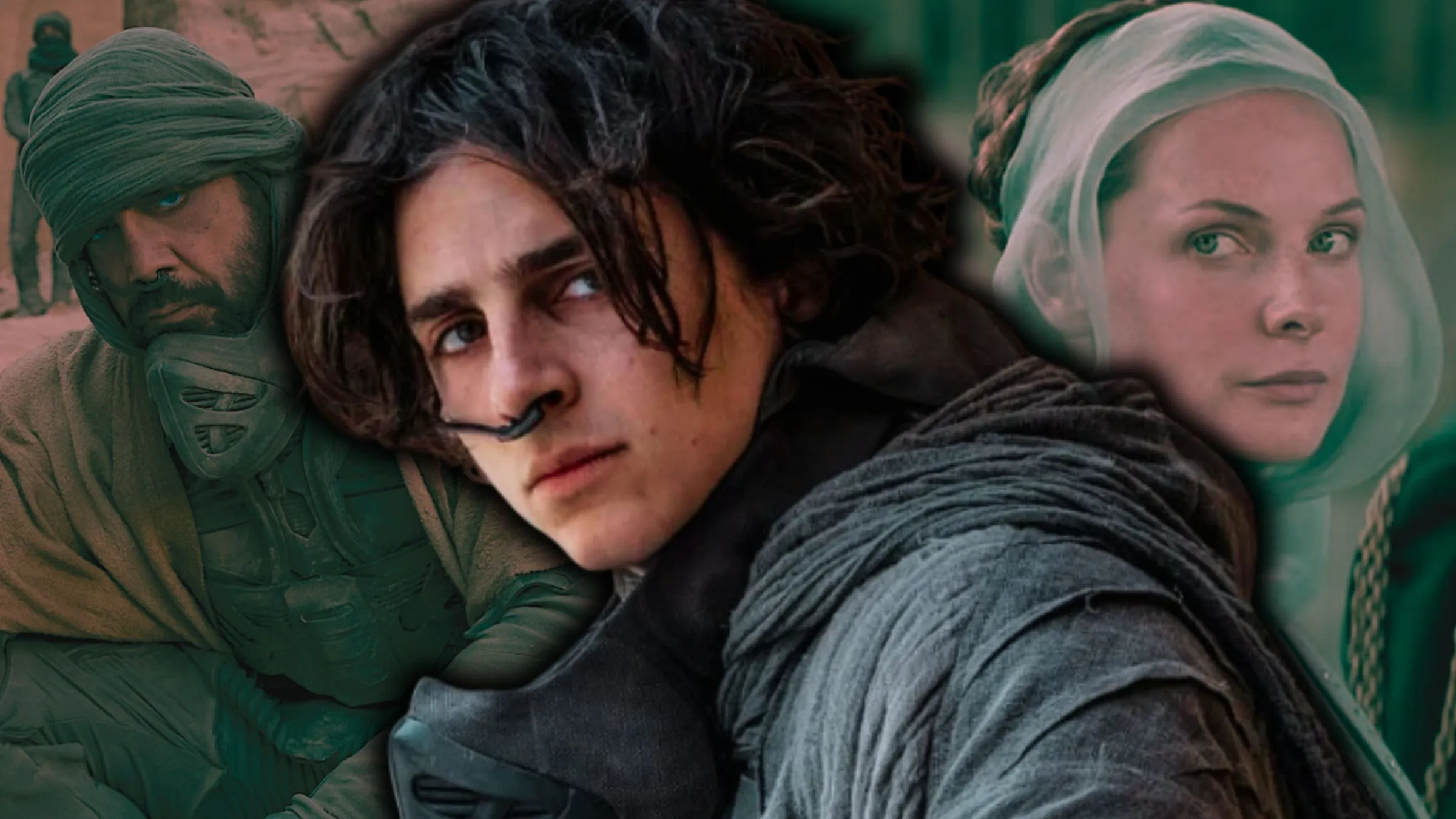
While Dune initially appears to be a story of giant sandworms, a valuable resource called spice, and battles between powerful families, it’s always been about much more. From Frank Herbert’s original books onward, the franchise uses science fiction to examine themes of power, politics, religion, and the dangers of blindly following leaders. The recent adaptations by David Lynch and especially Denis Villeneuve have allowed audiences to truly appreciate a universe where every victory comes with a price. The story’s depth and realism come from its many characters, all burdened by difficult choices, harsh survival, and the weight of destiny. What truly distinguishes Dune from other science fiction is that even its heroes understand that leadership demands sacrifice.
Considering that, here’s a ranking of the 10 best characters from the Dune franchise, from least to most compelling. This list only includes characters who have appeared in the films so far, as the larger story features many more.
10) Princess Irulan
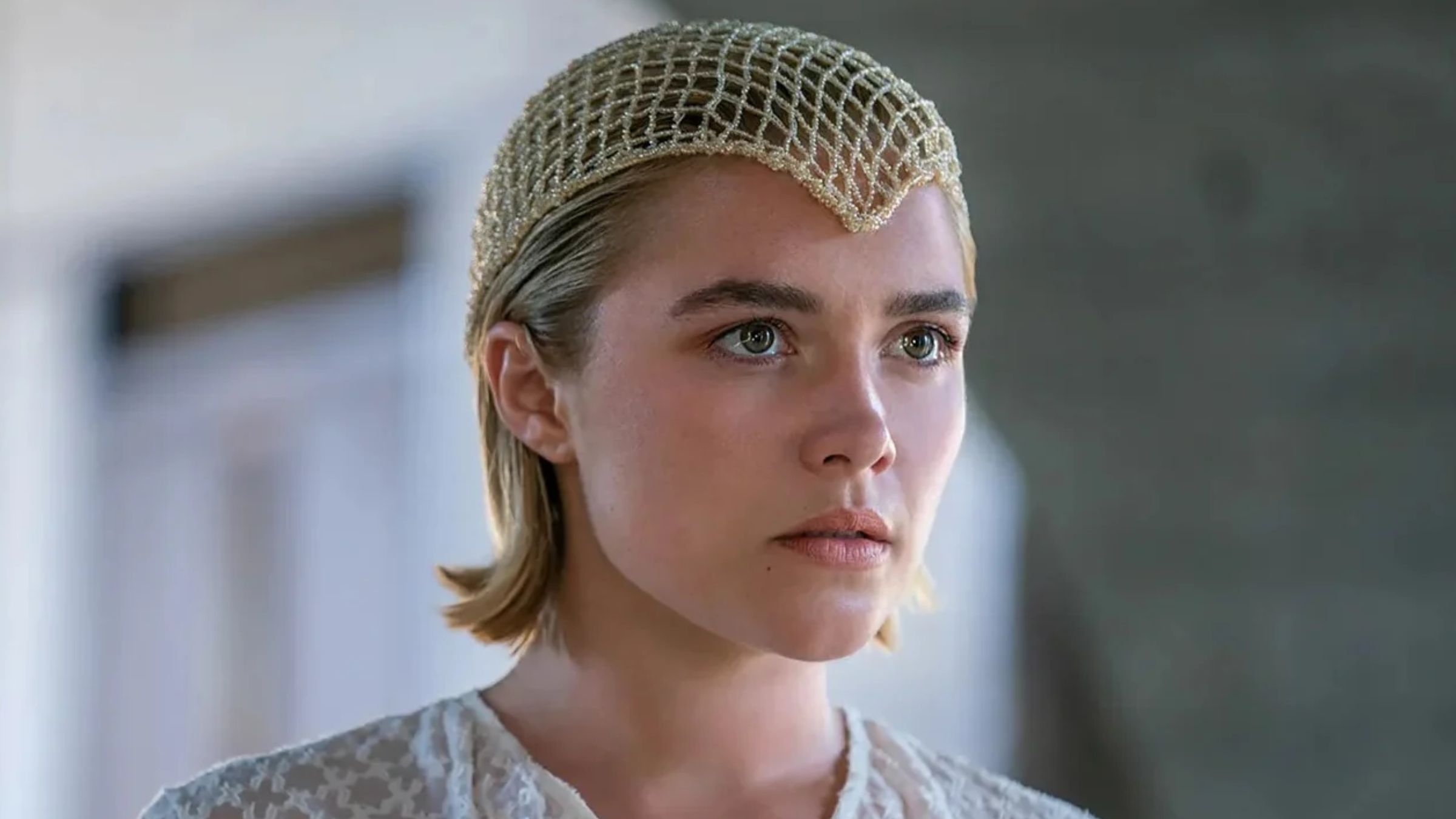
Princess Irulan enters the story in Dune: Part Two, and initially, she seems like a small part of the larger narrative. However, she’s actually a crucial character, representing political maneuvering, emotional complexity, and how the story unfolds. As the Emperor’s daughter, rigorously trained by the Bene Gesserit and married to Paul for purely strategic reasons, Irulan perfectly illustrates the franchise’s view of alliances: as calculated deals, not heartfelt connections.
I’ve always been fascinated by Irulan. She doesn’t wield a weapon or command troops, but she’s incredibly powerful in her own way. She’s vital in establishing the new order and, crucially, she’s the one writing the history – the winners’ history. She can be a bit frustrating, honestly, but it really highlights how power in Dune isn’t just about force. It’s about how things look, respecting tradition, and controlling the story. I’m really excited to see Dune: Part Three delve even deeper into her role and how she operates.
9) Feyd-Rautha Harkonnen
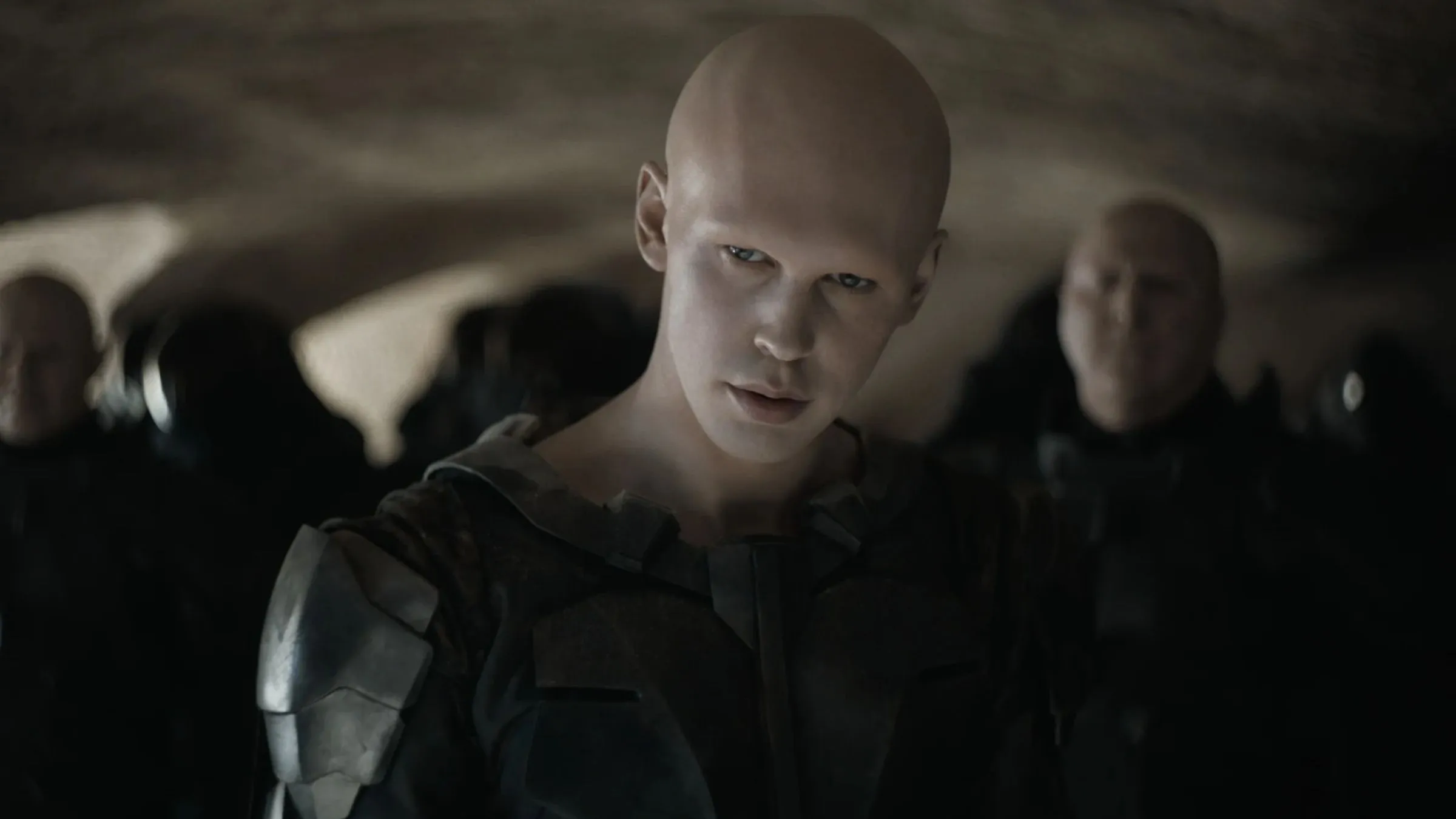
Feyd-Rautha is essentially a younger, more attractive, and equally ruthless version of Baron Vladimir Harkonnen. He’s presented as a dark reflection of Paul Atreides – both are being prepared for leadership, but where Paul struggles with his conscience, Feyd readily enjoys inflicting pain and violence. Throughout Dune: Part Two, his appearances are immediately unsettling, creating a feeling that he might act violently without warning.
Feyd isn’t a particularly deep or complex character; he’s intentionally more straightforward, which explains his ranking. However, that doesn’t diminish his significance. He’s not just a strong fighter; he embodies the type of leadership the Empire consistently creates when no one challenges the status quo.
8) Baron Vladimir Harkonnen

Baron Vladimir is presented as the primary antagonist due to the longstanding conflict between Houses Atreides and Harkonnen. However, he’s far more complex than a simple villain. He’s remarkably patient, a skilled strategist, and possesses a deep understanding of the Empire’s inner workings – which is his greatest strength. His downfall of House Atreides wasn’t a rash act, but the result of careful, long-term planning, expertly manipulating the political system. He’s a truly brilliant and calculating character.
Baron Harkonnen embodies the worst aspects of Dune: ruthless colonialism, the complete draining of Arrakis’s resources, and a complete inability to understand others. He’s not simply striving for victory; he aims to crush his opponents, establish absolute control, and flaunt his power. While a traditional villain, his intelligence sets him apart. Ultimately, however, he feels more like a tool to drive the plot than a fully developed character.
7) Gurney Halleck
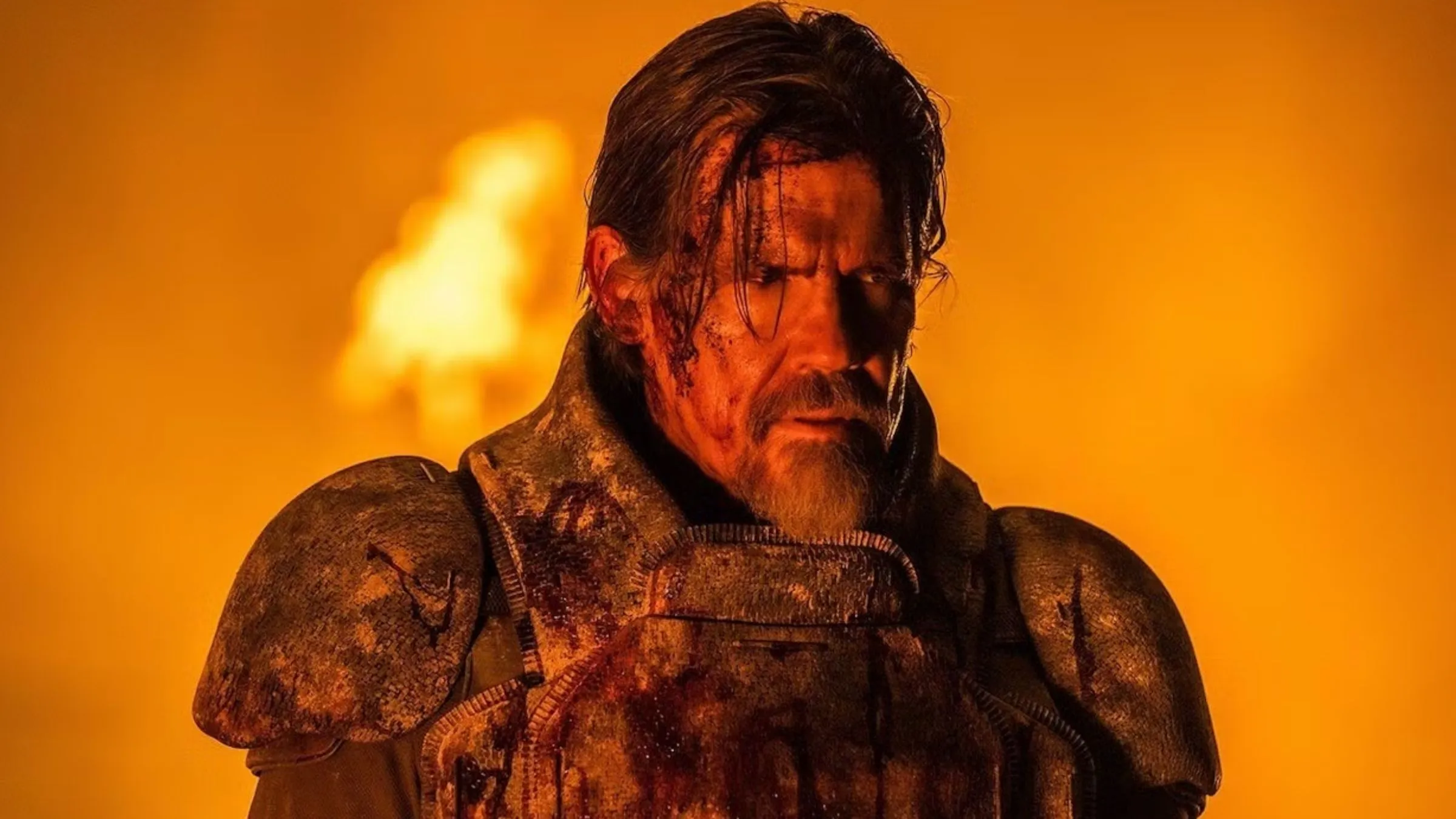
Gurney stands out as a deeply human character in a universe often focused on power struggles and fate. He’s a skilled and hardened fighter – demonstrated by his training of Paul – but also carries significant emotional scars, particularly from his experiences with the Harkonnens. Ultimately, his steadfast devotion to House Atreides, both under Duke Leto and later with Paul in Dune: Part Two, makes him a crucial figure in the story.
Gurney’s bond with the main character is more than just a teacher-student relationship; he’s a father figure, a comrade in battle, and someone who shares the same struggles for survival. What sets him apart is his motivation: he isn’t fighting for some grand fate or prophecy, but simply because he’s lost everything and remains committed to loyalty. In a story full of characters seeking power, Gurney feels remarkably genuine and stands out as someone driven by his past and a strong sense of personal connection.
6) Duke Leto Atreides
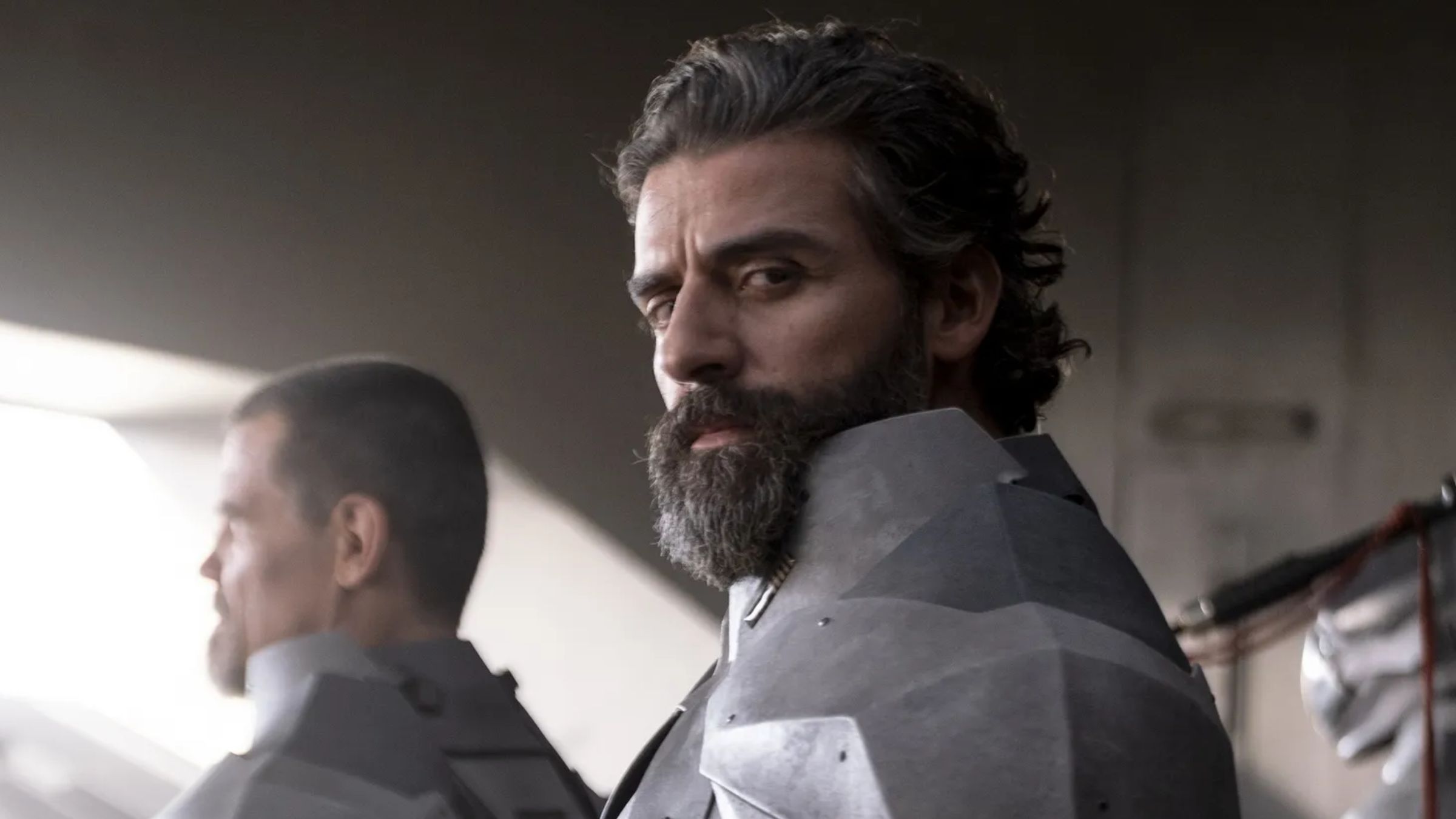
If you ask a fan of Dune who their favorite character is, Duke Leto is often near the top of the list. He’s a truly admirable leader because he genuinely tries to do what’s right, even within a corrupt and oppressive system. Despite knowing Arrakis is a dangerous assignment, he leads with fairness and respect, attempting to build genuine relationships with the Fremen people instead of exploiting them. This is why Paul Atreides consistently uses his father as a model for good leadership.
As a huge fan of Dune, it really hit me hard when Duke Leto died so early on – it totally shifted everything. But beyond just being a sad moment, I think it showed me something key about the world Villeneuve created: good intentions and morality don’t necessarily last. Leto felt like the last truly decent leader before things went completely off the rails with all the religious zealotry. It’s a shame his story was cut short, because he could have been an even bigger character.
5) Stilgar
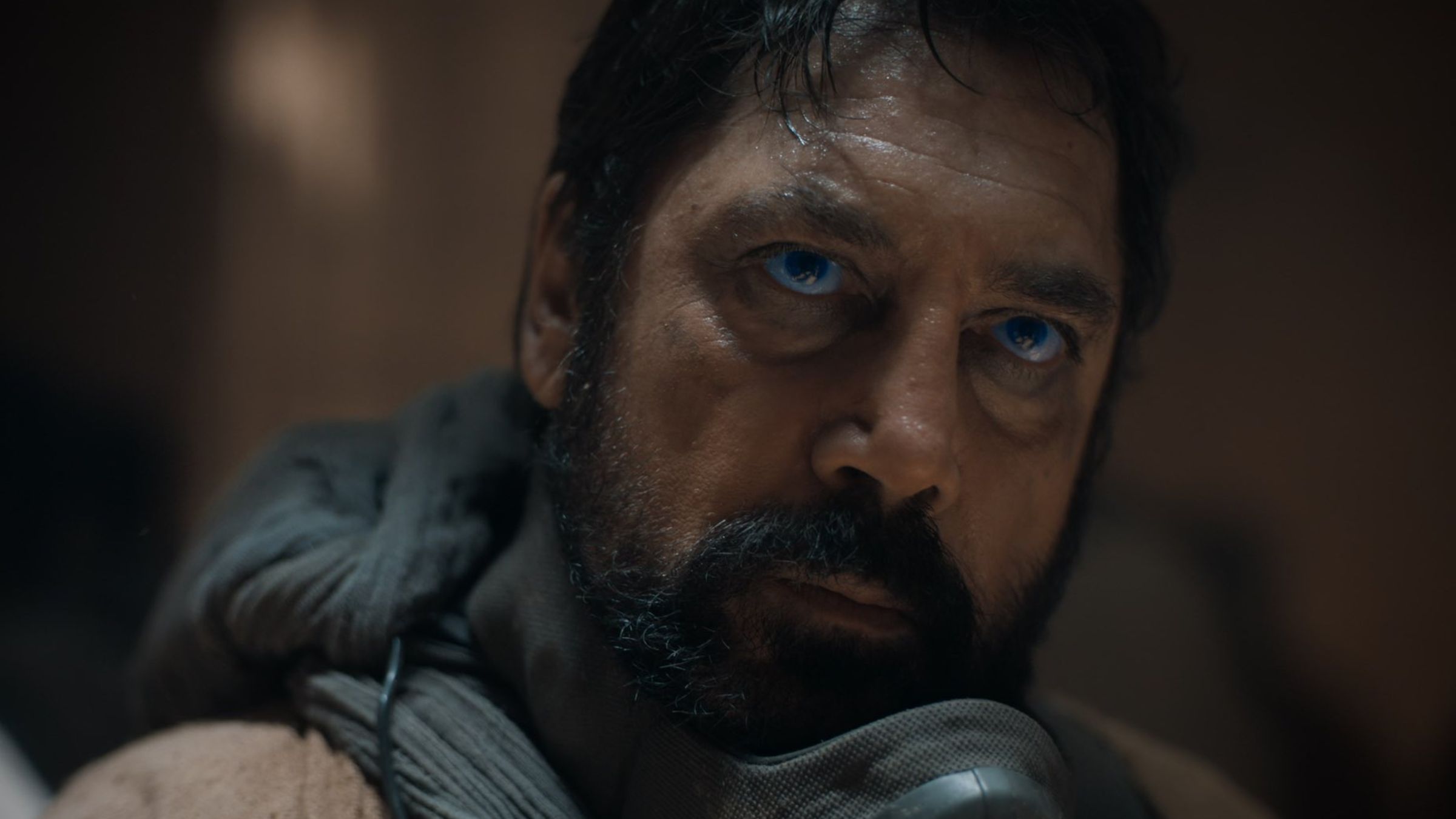
Stilgar is introduced in the first Dune movie, but his true significance unfolds in Dune: Part Two. Initially presented as a strong and pragmatic leader, he evolves into a dedicated follower of Paul, a transformation that is subtly powerful. While he begins as a respected figure rooted in Fremen culture, he ultimately becomes fully invested in the legend surrounding Paul.
Stilgar perfectly illustrates how even smart, seasoned individuals can get caught up in a powerful, overarching story. He isn’t convinced by Paul out of simple belief, but because it feels necessary for his people’s survival. This shows that Paul’s growing influence isn’t just about politics – it’s changing the entire culture. Stilgar is a strong representation of how society functions, but despite being a fan favorite, he mostly reacts to events rather than driving the plot forward himself.
4) Chani
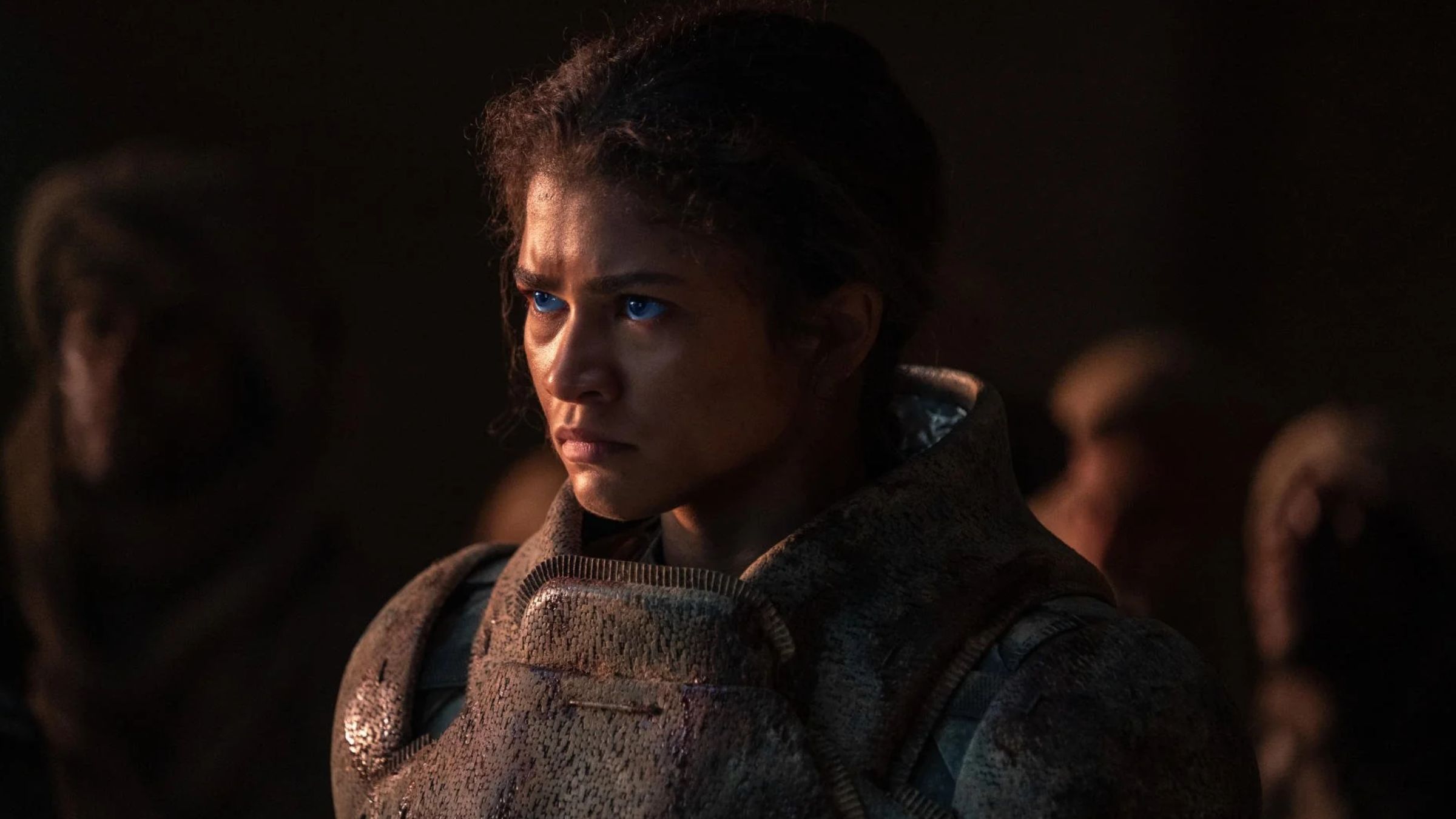
Chani has a small role in the first Dune film, but she becomes a much more prominent character in Dune: Part Two as her relationship with Paul develops. She serves as his anchor to reality as he rises to power, and importantly, she sees him as a man, not a god. This human connection is a significant shift in the story.
Chani embodies the true heart of Arrakis – the everyday struggles of its people, the Fremen way of life, and the impact of power plays. Unlike other characters, her significance lies in being Paul’s emotional center, grounding him and preventing him from becoming a distant, symbolic figure. She helps him stay connected to his humanity. However, she mostly responds to Paul’s actions rather than driving the plot herself, rarely initiating events on her own.
3) Lady Jessica
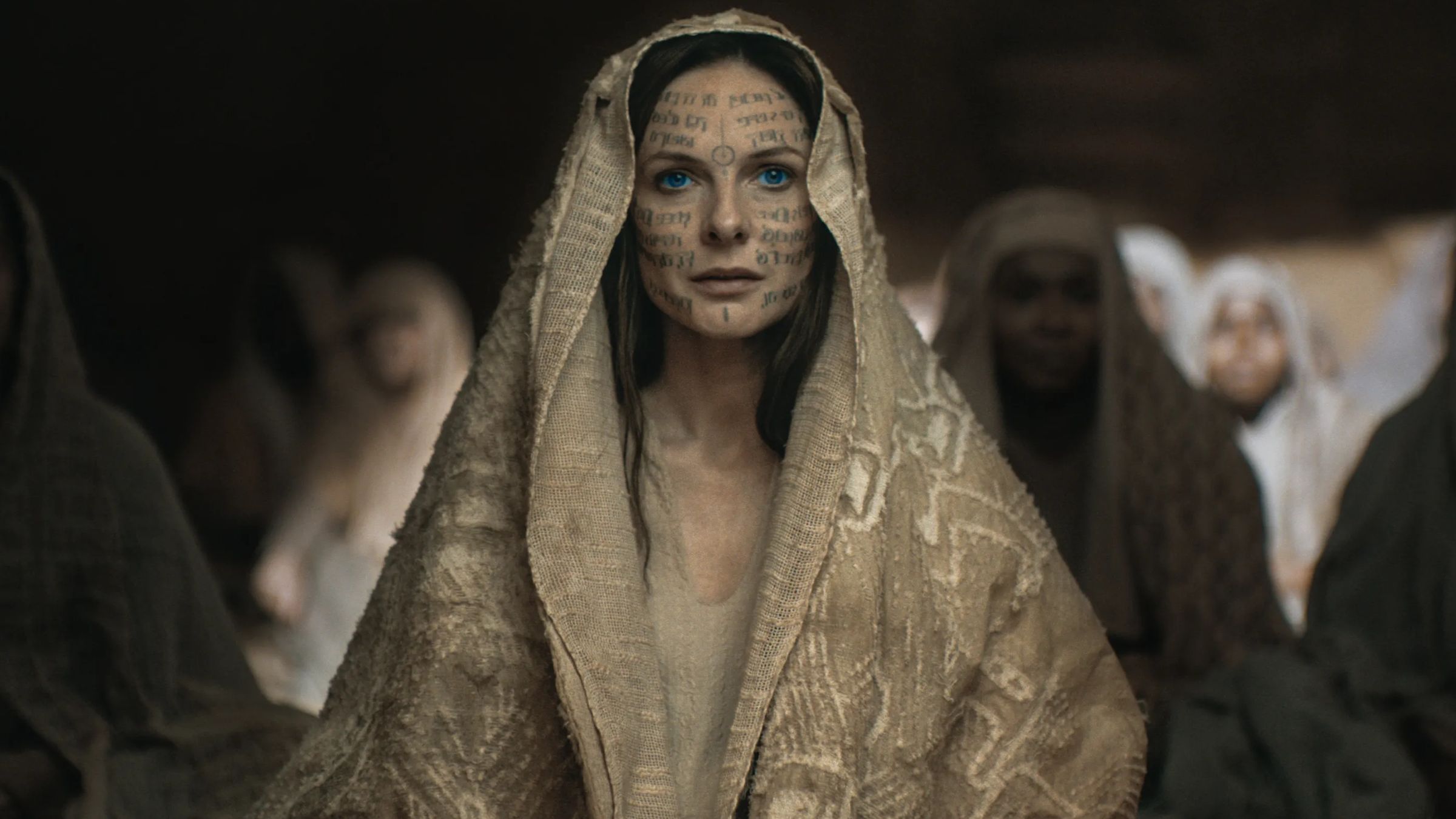
While Lady Jessica might not be a major character in the books, she plays a much more significant role in the films. She’s a key figure in shaping the story – her choice to have Paul fundamentally changes everything, and throughout the films, she’s constantly juggling her roles as a mother, a survivor, and a political strategist.
Jessica plays a vital role in training Paul and fostering his image as a messianic figure among the Fremen. She also remarkably adjusts to the harsh desert environment. Throughout the story, she undergoes significant personal growth, and her behind-the-scenes maneuvering – rooted in her Bene Gesserit training and eventual position as Reverend Mother – is crucial to many key events. She’s a strategic thinker who consistently anticipates events, understands the dynamics of power, and skillfully utilizes religion, tradition, and psychology to achieve her goals. Jessica is a driving force on almost every level of the story.
2) Duncan Idaho
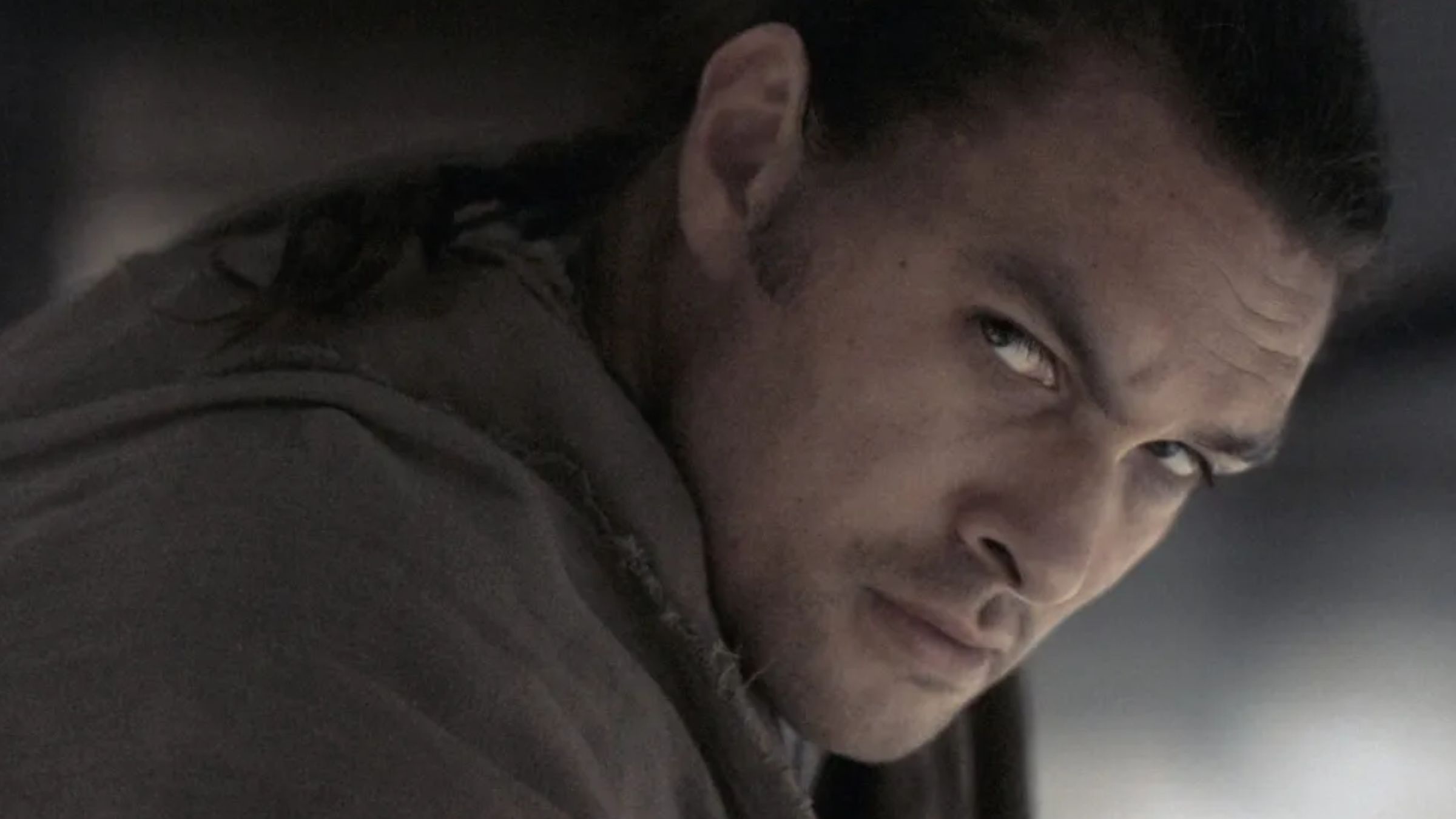
It may seem surprising to place Duncan so highly, given that his full story hasn’t been shown yet. However, he’s a well-established character, and his ranking is deserved. He best represents the Atreides values of loyalty, bravery, and self-sacrifice – qualities that heavily influence Paul’s decisions. Plus, he’s both charming and a skilled warrior, completely devoted to those he protects. His willingness to sacrifice himself to save Paul and Jessica is a particularly powerful moment, highlighting the importance of free will over fate.
This is why the character is so central to the entire story, and Dune: Part Three will delve even deeper into his importance. Without revealing too much, he ultimately represents lasting strength, always remaining true to his unwavering bravery. This consistency is vital to the overall themes Dune explores.
1) Paul Atreides

Paul is clearly the most important character because the story focuses on his dramatic change and the sacrifices he makes along the way. He begins as a fragile leader and becomes a powerful, almost god-like figure with the potential to ignite galactic conflict. What sets him apart is his awareness of the consequences – his ability to see the future isn’t a gift, but a burden. He foresees the devastating religious war that will follow, yet he continues on his path, realizing that any attempt to prevent it will only lead to an even darker future.
Paul isn’t a typical hero. He’s a flawed character who understands his immense power inevitably leads to widespread devastation. He’s thrust into the roles of a religious icon, a political figurehead, and a tool for ideology, all while struggling to maintain his own identity. Rather than being glorified, Paul is portrayed realistically – he doesn’t revel in his power, he simply endures it. This complexity is what makes him such a captivating character in Dune and a standout figure in science fiction.
Who’s your favorite character from Dune? Share your thoughts in the comments and discuss with other fans in the ComicBook Forum!
https://comicbook.com/movies/news/dune-3-two-movies-avoided-fans-film-digital-imax/embed/#
Read More
- The Super Mario Galaxy Movie: 50 Easter Eggs, References & Major Cameos Explained
- 10 Best Free Games on Steam in 2026, Ranked
- Surprise Isekai Anime Confirms Season 2 With New Crunchyroll Streaming Release
- ‘Project Hail Mary’: The Biggest Differences From the Book, Explained
- Preview: Sword Art Online Returns to PS5 as a Darker Open World Action RPG This Summer
- Skate 4 – Manny Go Round Goals Guide | All of the Above Sequence
- Starfield (PS5) Review – A Successful Cross-Console Voyage
- Sydney Sweeney’s The Housemaid 2 Sets Streaming Release Date
- Frieren: Beyond Journey’s End Gets a New Release After Season 2 Finale
- Why is Tech Jacket gender-swapped in Invincible season 4 and who voices her?
2026-02-09 00:16