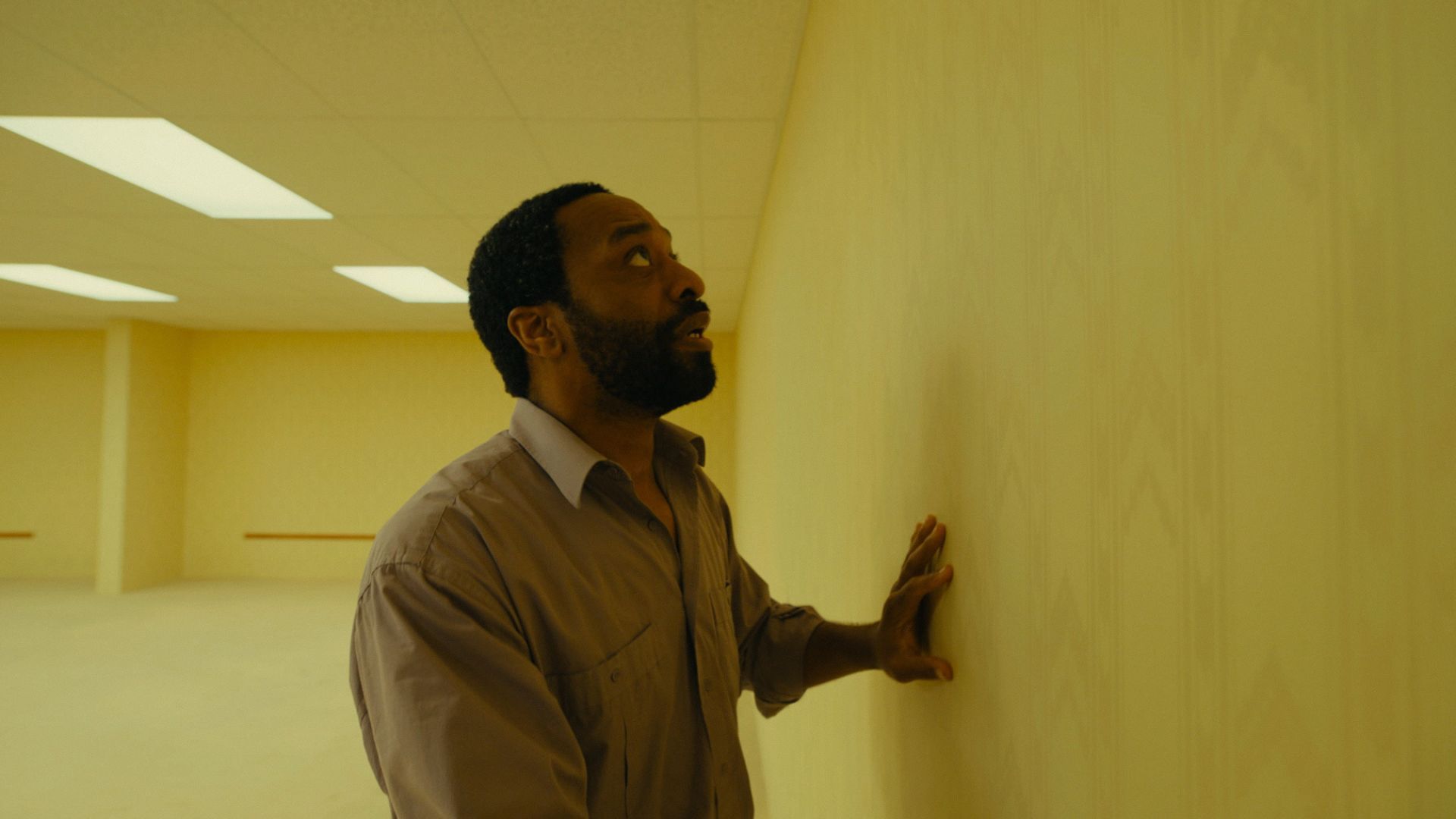
A24’s 2026 horror film, Backrooms, is a massive success. Directed by a popular YouTuber and inspired by an online creepypasta story, the movie broke A24’s records and had the biggest opening weekend of any horror film this year. Its popularity is likely due in part to its use of ‘liminal spaces‘ – a long-standing trend seen in many classic horror movies.
As a movie fan, I’ve been hearing a lot about ‘liminal spaces’ lately, especially with films like Backrooms popping up. It’s this feeling of being in a place that’s… in-between. Backrooms started as an internet story – a creepypasta, actually – about this huge, mostly empty space that just felt off. But it’s not just empty rooms, though. I learned it comes from an anthropologist named Arnold van Gennep, who described ‘liminality’ as being on a threshold, a transition. Now, people use the term to describe those man-made spaces – like hallways or abandoned buildings – that should feel familiar, but feel strangely empty and unsettling when they’re devoid of people. It’s a really cool, creepy vibe that filmmakers are starting to tap into.
I’ve been really fascinated by liminal spaces lately, and it’s more than just the places themselves. It’s that feeling of unease, like something’s off, and it sticks with you. It’s actually scarier than typical horror movies with jump scares, because it feels more real and unsettling. I think filmmakers have always known this – remember the Overlook Hotel in The Shining? It was mostly empty, and that emptiness, those long, echoing rooms… that was terrifying. It wasn’t about monsters jumping out, it was the space itself, and that feeling of dread. Empty rooms, it turns out, are some of horror’s most powerful tools.
Lost Highway (1997)
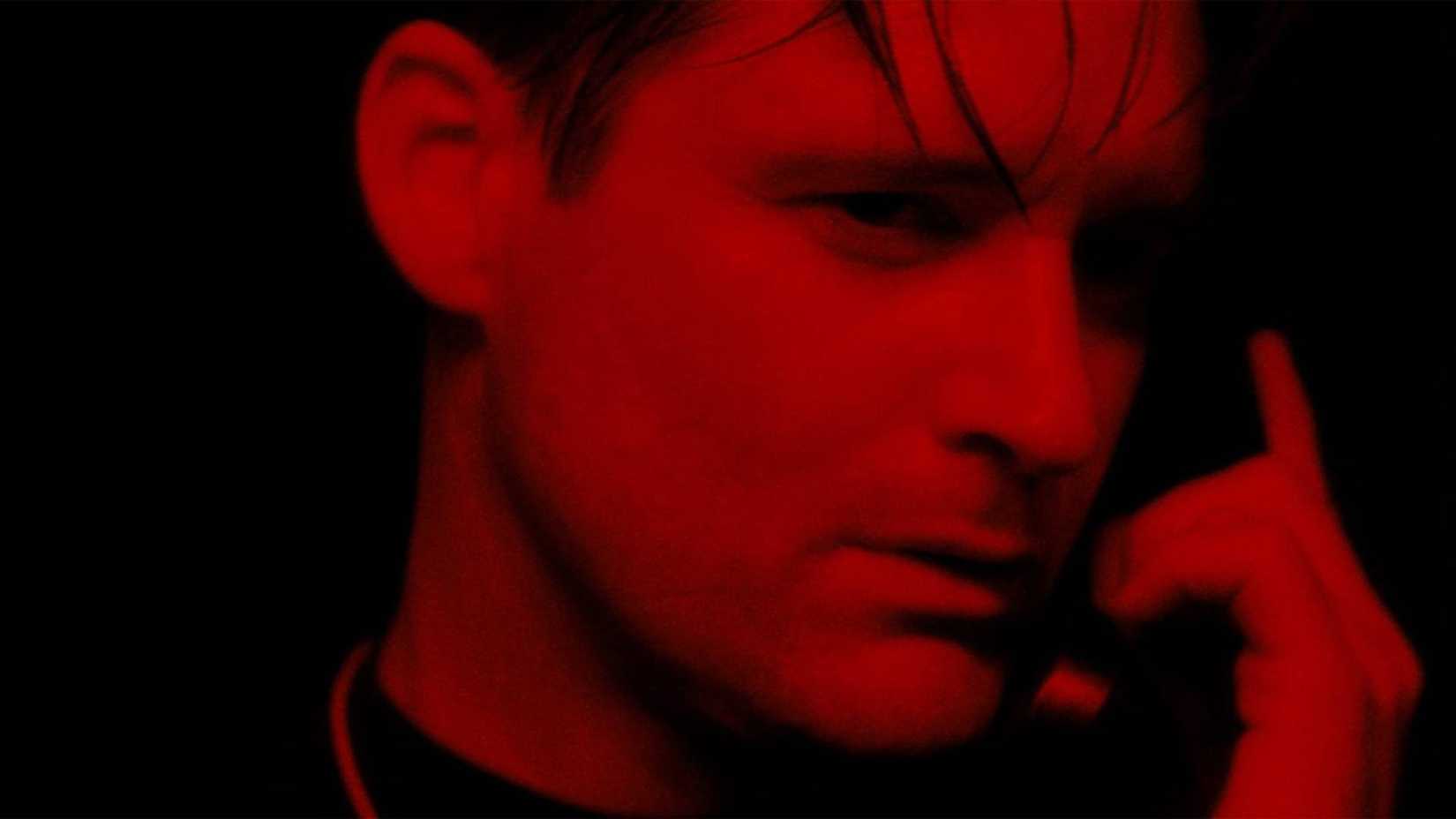
David Lynch’s 1997 film, Lost Highway, is a strange and unsettling neo-noir horror movie. Bill Pullman plays Fred Madison, a saxophonist who starts receiving mysterious VHS tapes showing the inside of his house. He’s then arrested for the murder of his wife, Renee (played by Patricia Arquette), and things get even weirder when he suddenly turns into a young mechanic named Pete Dayton (Balthazar Getty) while in jail. This transformation kicks off the film’s truly bizarre and unsettling horror elements.
The Madisons’ house embodies a liminal space—a transitional area—with unnaturally long, dark hallways. The film uses long shots of these hallways, compelling viewers to focus on the darkness where Fred seems to vanish. Director David Lynch frequently employs settings like hotels, corridors, and waiting rooms that feel both recognizable and strangely altered. These hallways aren’t simply pathways to rooms; they represent Fred’s journey from his conscious mind into his subconscious.
Backrooms (2026)
Everyone anticipated that the 2026 film Backrooms, produced by A24, would do well. But it exceeded all expectations, earning more than twice the amount predicted and becoming the highest-grossing horror movie opening weekend of the year. The film stars Chiwetel Ejiofor as Clark, who shares a story with his therapist, Dr. Mary Kline (played by Renate Reinsve), about a mysterious and endless series of rooms filled with secrets.
As a huge cinema fan, I was really intrigued by this movie’s use of those unsettling ‘liminal spaces’ – you know, those empty hallways and forgotten rooms that just feel wrong. It’s based on this creepy online story that started with a single, disturbing photo on 4chan, and it really taps into that feeling of unease. The movie creates these environments with faded yellow walls and damp carpets, little details that make it feel like a place you almost recognize, but with a sense that something terrible is lurking just out of sight. Honestly, the huge popularity of Backrooms really shows that sometimes, all you need for a truly terrifying experience is that feeling of being in between places.
Skinamarink (2022)
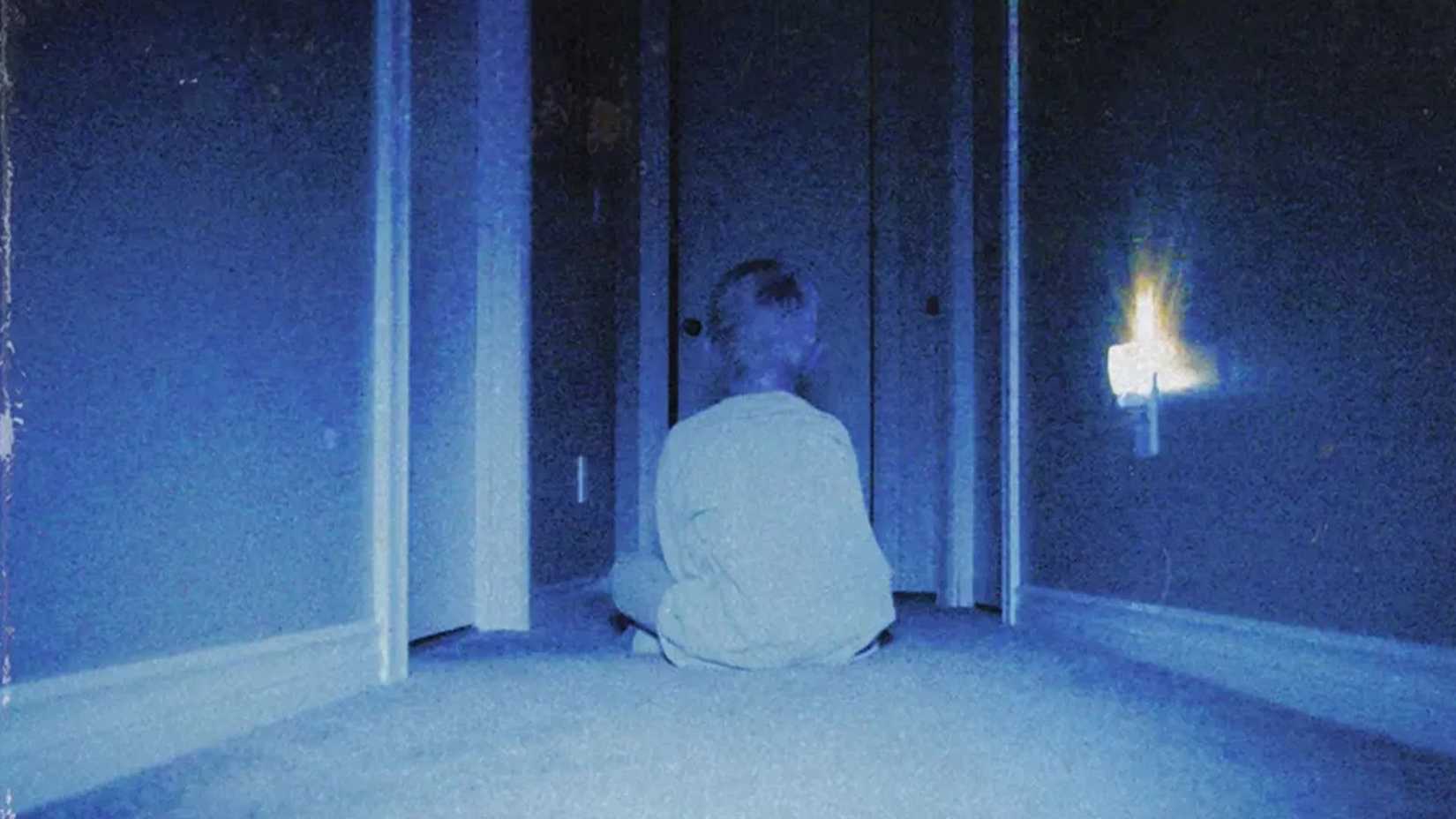
Released in 2022, Skinamarink is a horror film that has divided audiences. Its slow pace and dreamlike atmosphere, focusing on unsettling spaces, contribute to its unique style. Directed by Kyle Edward Ball, the experimental movie follows four-year-old Kevin and six-year-old Kaylee, who wake up one night to find their father missing and parts of their house – doors, windows, even the toilet – mysteriously disappearing.
The childhood home in this film feels unsettling and unreal, captured with dark, grainy footage focusing on ceilings, floors, and walls. The hallways seem to lead nowhere, turning the familiar idea of ‘home’ into something frightening. These strange, in-between spaces emphasize that the house no longer feels like a safe place for the children.
Vivarium (2019)

The 2019 film Vivarium creates a deeply unsettling world where an entire town feels like a waiting place. Directed by Lorcan Finnegan, the story centers on Gemma (Imogen Poots) and Tom (Jesse Eisenberg), a couple who get lost while looking at houses in a new development called Yonder. They quickly realize they can’t escape the identical streets, and their situation takes a bizarre turn when a baby is unexpectedly delivered to their doorstep with the condition that they must raise it if they ever hope to leave.
The Yonder development, known as a liminal space, consists of rows of identical, pastel-colored houses – all completely empty. It’s a strangely unsettling, perfect neighborhood where you’d expect life, but find none. The film Vivarium portrays suburbia as a trap reminiscent of the Backrooms, with only the captured characters inhabiting it.
Session 9 (2001)
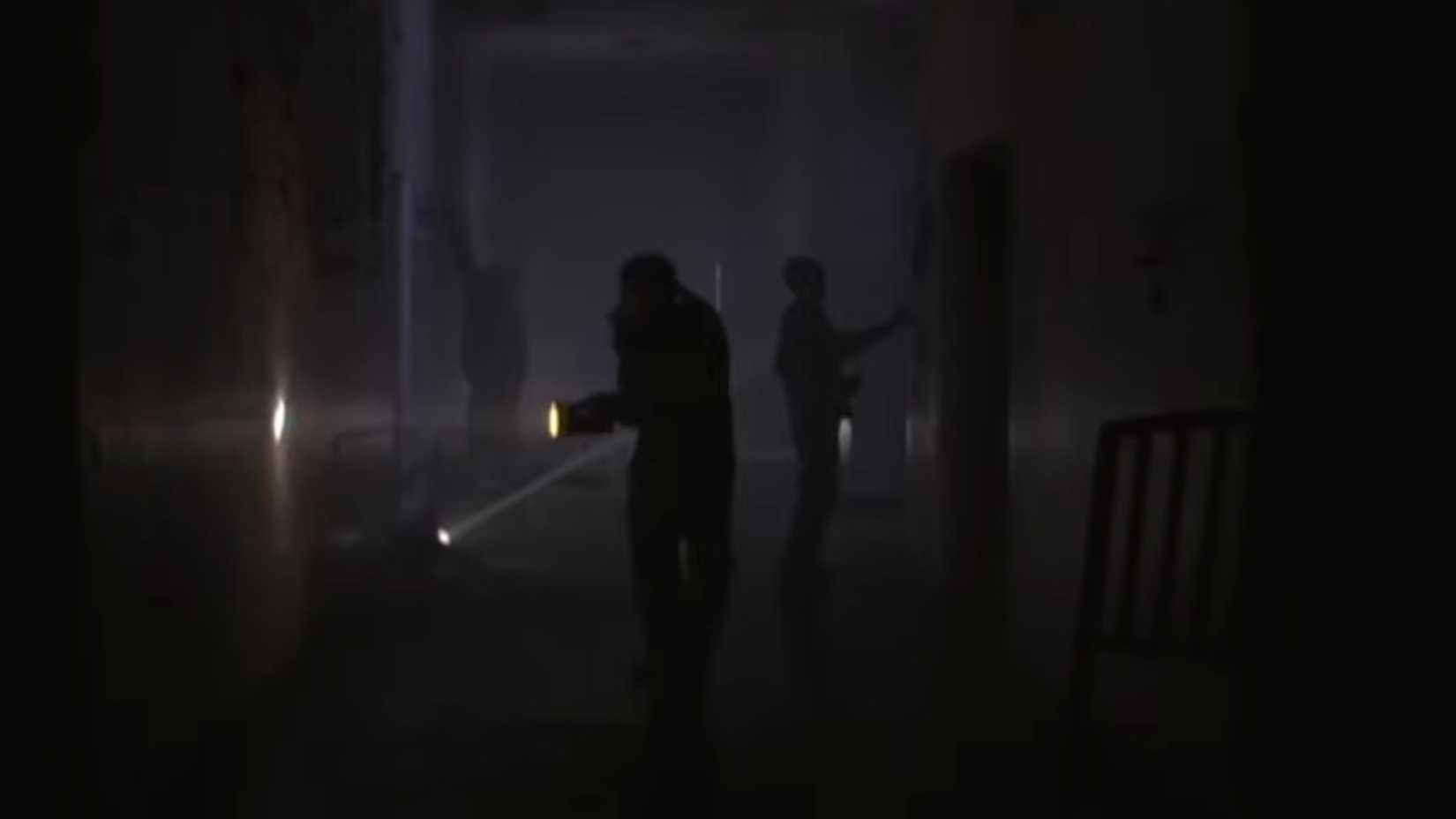
Released in 2001, Session 9 is a horror film directed by Brad Anderson. It centers around a crew hired to remove asbestos from an old, abandoned mental hospital in Massachusetts. Their one-week job takes a terrifying turn when a worker starts listening to audio recordings from former patients – tapes labeled ‘Session 1’ through ‘9’ – and strange events lead the team to believe they aren’t the only ones inside the building.
The eerie and unsettling setting of the film is the actual Danvers State Hospital, filmed on location in its decaying and unused sections. With peeling paint, empty rooms once used for water therapy, and its unique architectural design, the asylum feels like a character itself, often drawing more attention than the actors – including David Caruso, Peter Mullan, Josh Lucas, and Brendan Sexton III. Filming in the real, abandoned hospital gives the movie a level of realism that a constructed set simply couldn’t achieve.
Pulse (2001)
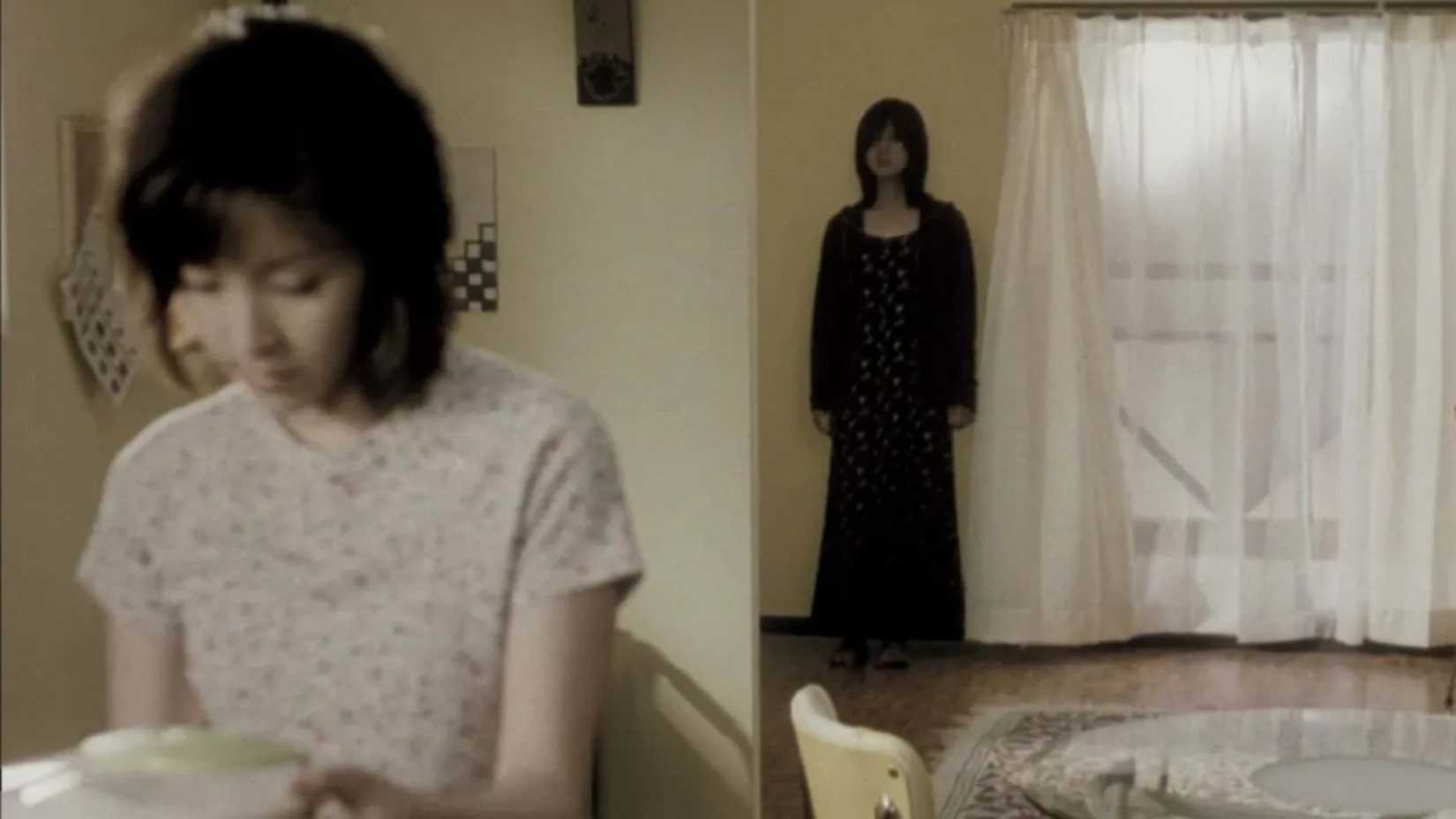
Released in 2001, the Japanese horror film Pulse is a classic example of the J-horror boom of the late 90s and early 2000s. It uniquely blends scary ghost stories with the anxieties surrounding technology, depicting a haunting scenario where spirits appear on computer screens in Tokyo. The story centers around a college student dealing with a friend’s suicide, which coincides with a growing influx of ghosts into the real world.
The ‘Forbidden Rooms’ in this film – regular apartments sealed off with red tape – act as doorways between the world of the living and a crowded afterlife. These empty spaces are where the horror comes from, as ghosts move through them. Ultimately, these liminal spaces symbolize the idea that death means endless isolation, and the rooms’ emptiness reinforces this feeling.
I Saw The TV Glow (2024)
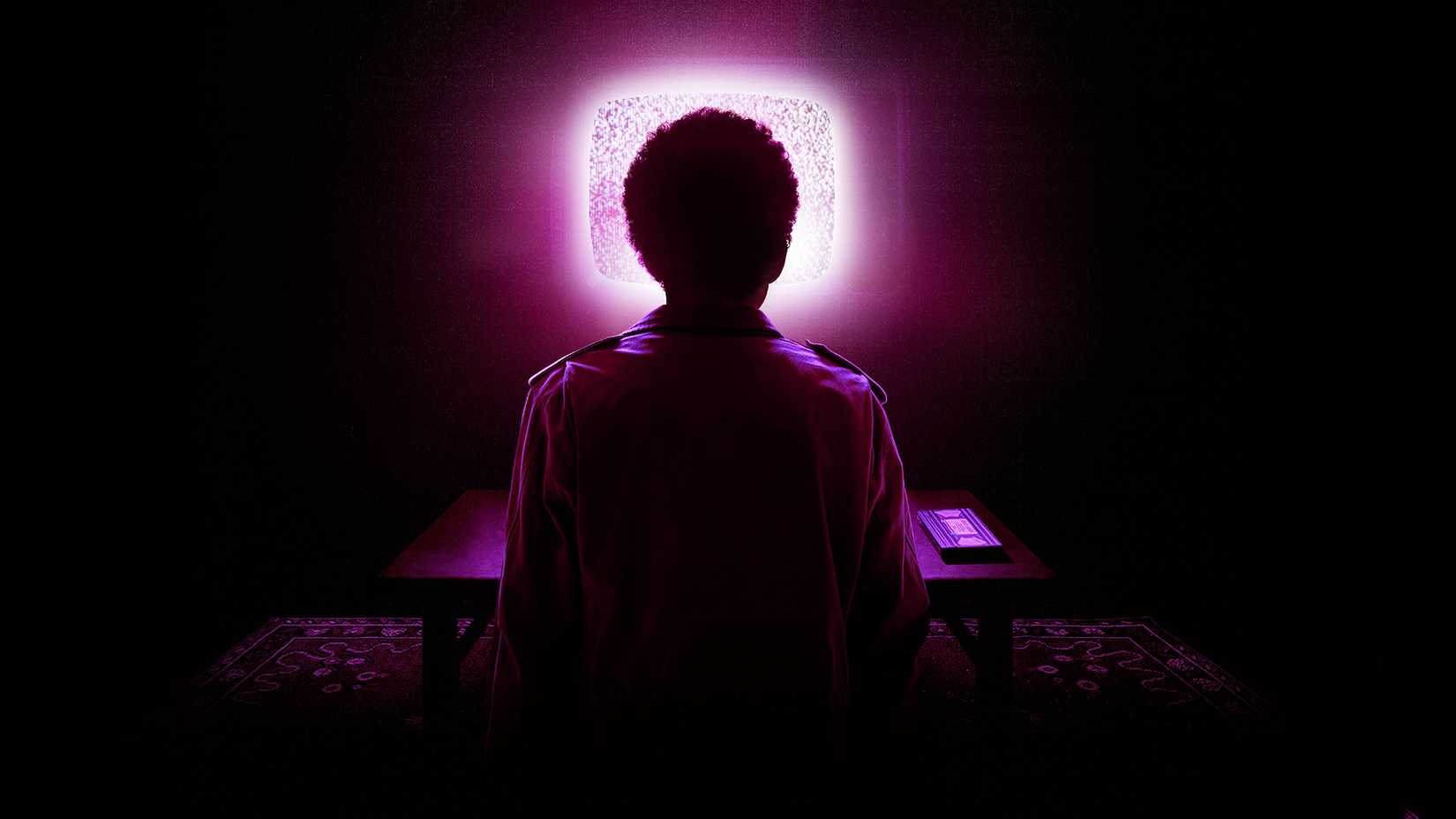
Okay, so I just saw I Saw the TV Glow, and it’s seriously one of the most original horror movies A24 has put out in a while. It stars Justice Smith as Owen, this teenager who connects with a classmate, Maddy (Brigette Lundy-Paine), over a spooky young adult show called The Pink Opaque. Things get really weird when Maddy vanishes and then comes back, insisting the show is actually real. It’s a total mind-bender as Owen has to figure out if he should trust her and maybe even jump into the TV itself to find out what’s going on.
The movie I Saw the TV Glow creates a strange, unsettling atmosphere by depicting the 1990s suburbs as a liminal space – think empty streets, school bleachers lit by orange lights, a brightly colored arcade, and the blue light of old TVs. The film uses a dreamy, vibrant style to make these familiar places feel slightly off. This unsettling feeling mirrors the main character, Owen, who is presented as someone hiding his true self.
Cube (1997)
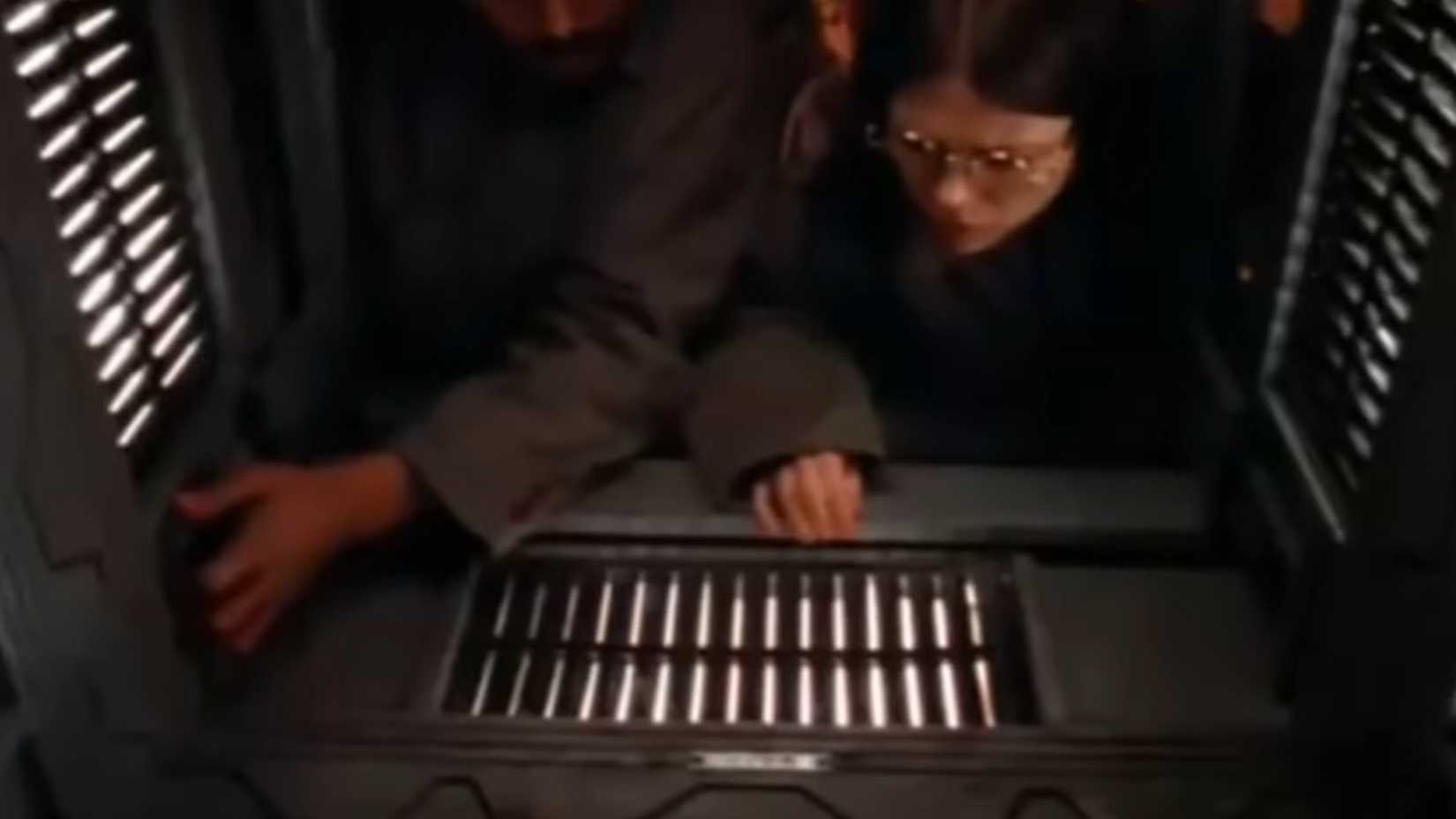
The 1997 horror film Cube, directed by Vincenzo Natali, quickly sparked the trend of escape rooms. The movie centers on seven strangers who find themselves trapped in a massive prison made up of interconnected, cube-shaped rooms. Each room has doorways to others, but many contain dangerous and lethal traps. Cube essentially laid the groundwork for later horror hits like Saw.
The unsettling atmosphere of the movie Cube comes from the identical, fluorescent-lit rooms themselves. These cube-shaped spaces, thousands in number, all look the same – there are no signs, no obvious exits, and no way to tell where anyone is within the larger structure. The cubes aren’t just a setting; they’re the main threat. Cleverly, the filmmakers only built one cube, and then simply redesigned it to create each new room, giving the impression of endless, repeating hallways and deadly traps, and a sense of inescapable dread as characters meet their fate.
Coraline (2009)

Coraline is a stop-motion animated film directed by Henry Selick, based on the book by Neil Gaiman. It tells the story of Coraline, an 11-year-old girl who feels lonely and neglected after moving to a new house. She discovers a secret passage leading to an alternate world where the Other Mother offers her the attention and companionship she craves.
The passageway between Coraline’s house and the Other Mother’s world is a key setting. As Coraline travels through it repeatedly, the tunnel deteriorates, hinting that she might become trapped. The Other World closely resembles her own, but with unsettling differences that reveal something is deeply wrong.
The Shining (1980)
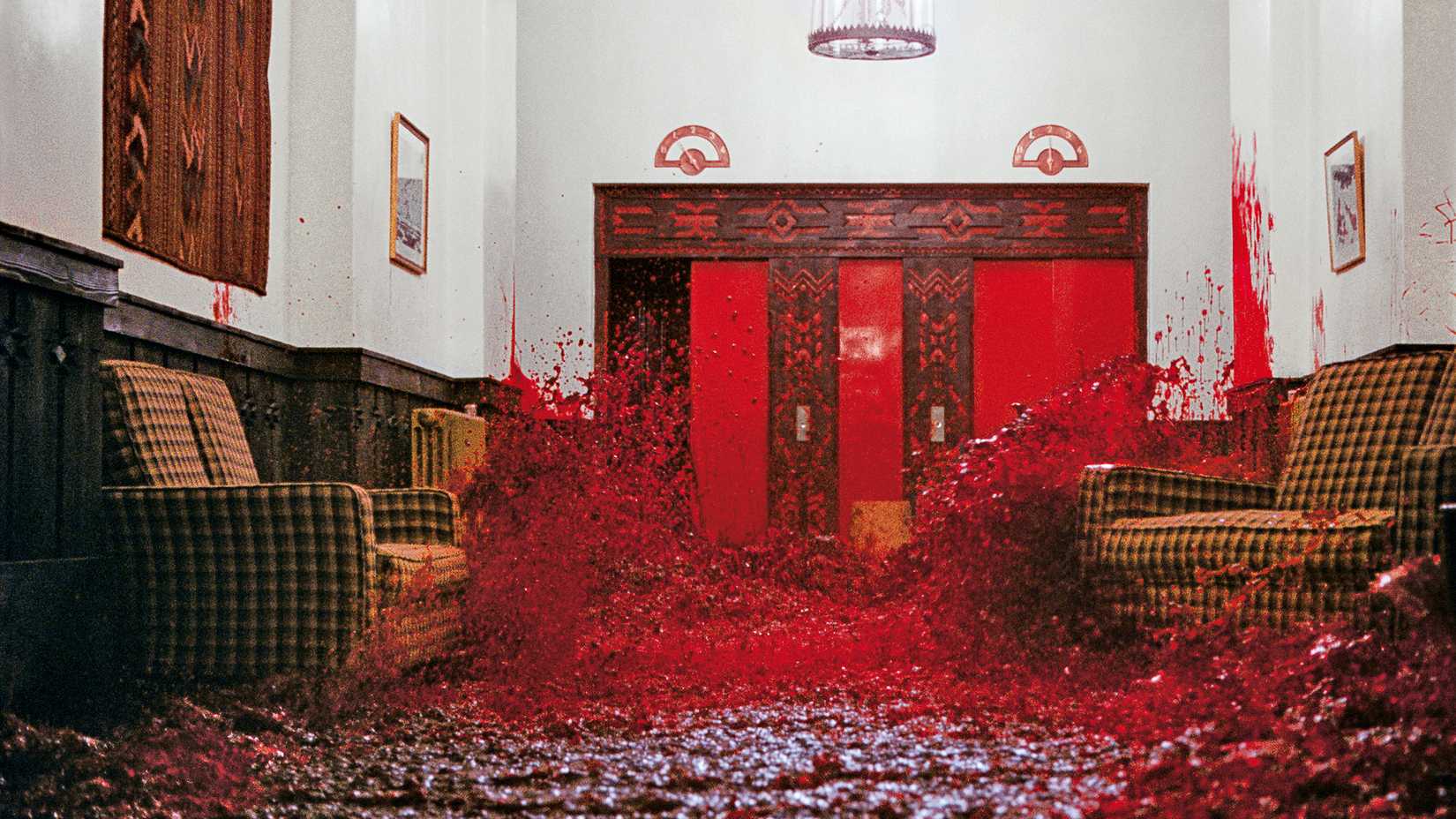
Many consider Stanley Kubrick’s The Shining to be the best film to utilize liminal spaces. Based on the novel by Stephen King, the movie stars Jack Nicholson as Jack Torrance, who takes a job as the winter caretaker of the isolated Overlook Hotel in Colorado. He’s accompanied by his wife, Wendy, and their son, Danny, and strange, terrifying events begin to unfold once they’re completely alone in the hotel.
The Overlook Hotel perfectly embodies the feeling of a liminal space. Scenes like Danny riding his tricycle down the long, patterned hallways create a disorienting and puzzling atmosphere. The hotel’s ghostly inhabitants, unsettling rooms, visions of the past, and even the lighting and hedge maze all work together to constantly unsettle the viewer. The Overlook Hotel is the original and most influential example of liminal horror in film, and many movies made since have borrowed from its unique design and structure.
Read More
- Gold Rate Forecast
- 10 Most Powerful Versions of Superman, Ranked
- GBP CNY PREDICTION
- 007 First Light: Release Date, Story, Gameplay, Cast, Editions, and Platforms
- Superman’s 7 Best Power-Ups, Ranked
- 10 Greatest Wii U Games of All Time, Ranked
- DOGE PREDICTION. DOGE cryptocurrency
- Kingdom Come Deliverance Update 1.002 Enables Trophies to Be Transferred
- What happened to Soldier Boy in The Boys?
- Forza Horizon 6 Car List So Far: Confirmed Highlights, Cover Cars, DLC, and Rewards
2026-06-01 01:01