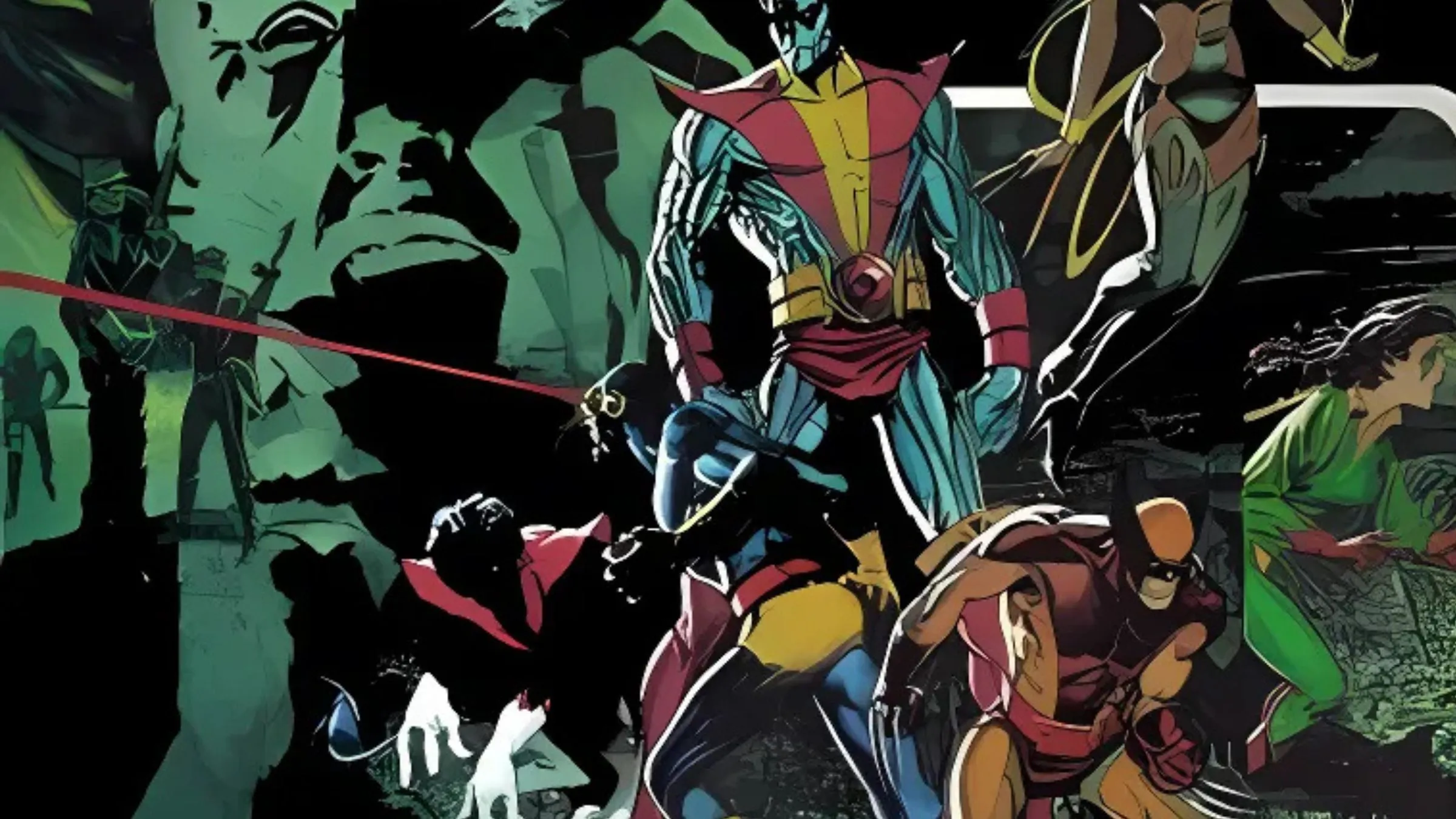
The X-Men are finally joining the Marvel Cinematic Universe, and there’s a wealth of comic book storylines that could shape their introduction. Created in 1963 by Stan Lee and Jack Kirby, the X-Men were unique as superheroes born with their powers. Over time, writers, particularly Chris Claremont, explored themes of prejudice and discrimination through the team, using them as a powerful metaphor for the civil rights movement and the broader issue of judging people based on their origins.
This allowed the X-Men to explore important social issues through their stories, and many writers and artists since then have built upon Chris Claremont’s work to create some of the most memorable and impactful X-Men comics ever published.
10) The Brood Saga

In the 1980s, Chris Claremont dramatically changed the direction of the X-Men comic book series. Rather than focusing on battles against evil mutants or prejudice from the human population, he took the story into outer space. He introduced the Shi’ar Empire and a lot of science fiction themes, and created a new villain inspired by the creatures from the Alien movies.
The X-Men faced a terrifying threat in issues #154-167 of Uncanny X-Men, teaming up with the Starjammers and the Shi’ar to fight the Brood. This story took the action into deep space and focused on a particularly disturbing enemy: the Brood could invade and control living creatures by implanting them, turning mutants and aliens against their friends. It was a pivotal moment for Wolverine, forcing him to make difficult choices about saving or stopping those infected, ultimately leading to significant character growth. This storyline also marked the first appearance of the New Mutants in the Marvel Universe.
9) Schism

The storyline X-Men: Schism dramatically divided the X-Men, creating two separate teams. It was striking to see how the characters had evolved: Wolverine, once known for his fiery temper, was now focused on safeguarding young mutants and keeping them safe, while Cyclops, traditionally a natural leader, had become increasingly aggressive and was even instructing his teenage team members to kill their opponents.
After a devastating internal conflict, the X-Men were left in ruins. Cyclops led the remnants of his team to San Francisco, and it took a long time for them to rebuild and overcome the damage. This storyline was compelling because it highlighted the immense challenges mutants faced, not only from the outside world, but also from disagreements within their own group.
8) Fatal Attractions
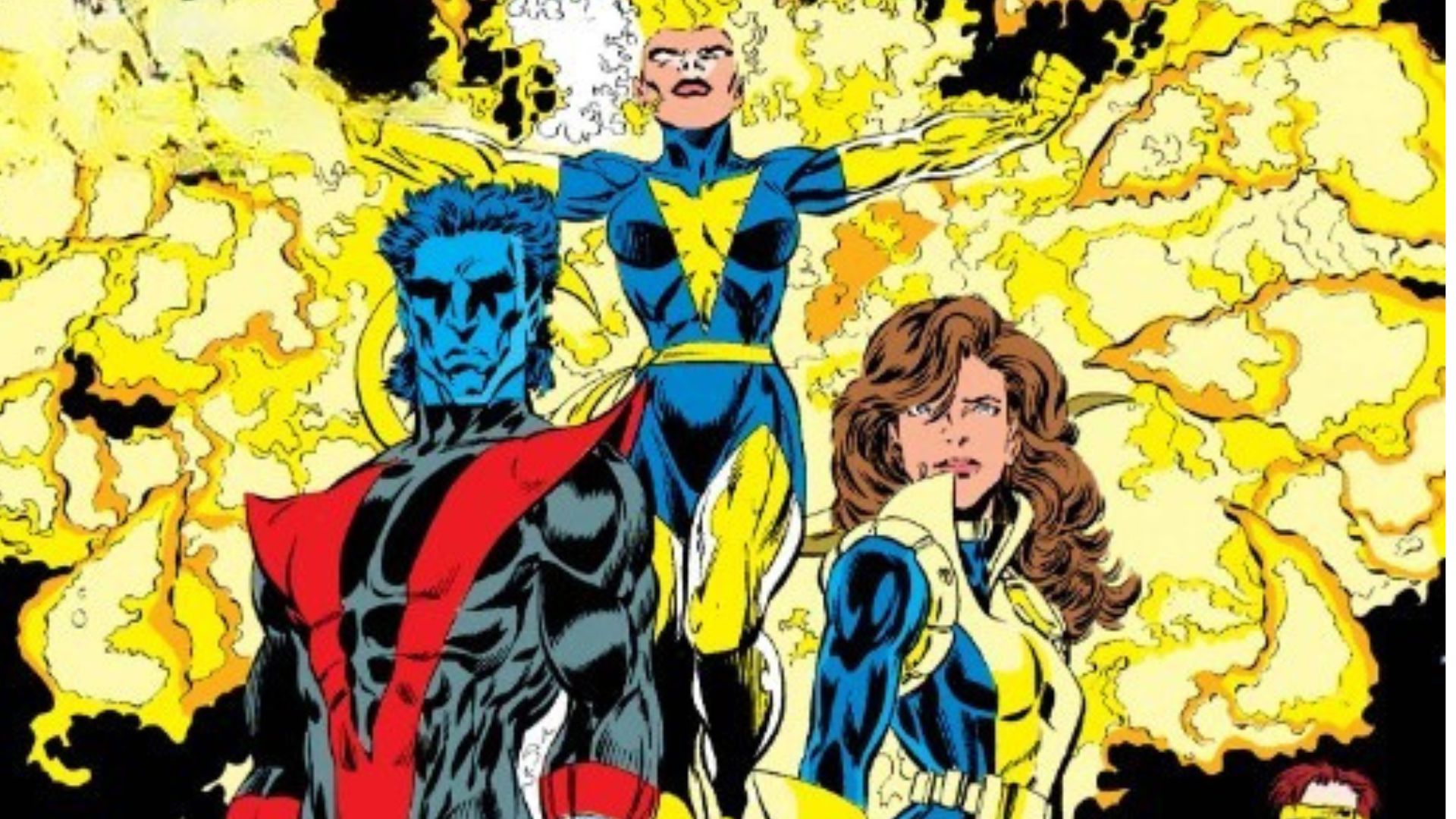
The ‘Fatal Attractions’ storyline was a major X-Men event in 1993, impacting all of the related comic books – including X-Men, X-Factor, X-Force, Excalibur, and even Magneto’s own series. It marked a return to villainy for Magneto, who assembled a team called the Acolytes, led by Fabian Cortez. Though Magneto retreated to a space station called Asteroid M, tensions remained high, particularly when the X-Man Colossus defected and sided with Magneto.
The UN Security Council considered Magneto a danger, even beyond Earth, and attempted to stop him. He responded with an attack that crippled electrical systems, resulting in multiple fatalities. This event was a pivotal moment for the X-Men, marked by two major developments: Magneto severely injured Wolverine by removing his skeleton, leading to a savage transformation, and Professor X mentally disabled Magneto, unintentionally setting the stage for the emergence of Onslaught.
7) E Is for Extinction

The X-Men story arc E Is for Extinction powerfully illustrates the long history of suffering faced by mutants. Published in 2001 across issues #114-116 of X-Men, the storyline was a dramatic introduction to Cassandra Nova, a new villain seeking revenge. The shocking reveal was that Cassandra was Professor X’s twin sister, and he had attempted to kill her before she was born.
This ultimately drove her to become the biggest killer of mutants in history (at least on Earth-616). Cassandra Nova collaborated with Donald Trask and unleashed Wild Sentinels on Genosha, resulting in the complete annihilation of its population – over 16 million people. This event stands as one of the most devastating in X-Men lore, and it also marked the first appearance of Emma Frost’s diamond form, a new manifestation of her powers.
6) House of M

The House of M storyline revitalized the X-Men comics. It introduced the idea that Professor X had created a safe haven for mutants – a living island called Krakoa – away from human prejudice. This allowed for exciting new stories and a unique setup as the mutants established their own nation.
The X-Men established their own nation, developed a new way to bring mutants back to life, and fundamentally changed all mutants, both heroes and villains. This revitalized the team and put them back at the forefront of Marvel Comics. While the story had some uneven moments, particularly after Jonathan Hickman departed, it was ultimately a remarkable achievement for Marvel.
5) The Mutant Massacre

Before Cassandra Nova’s attack on Genosha, which killed millions of mutants, the deadliest event for mutants was known as the “Mutant Massacre.” This involved Mister Sinister dispatching a team called the Marauders to target the Morlocks – a largely peaceful group of mutants who lived hidden underground due to their physical appearances, making it difficult for them to live openly in society.
The story unfolded in the X-Men and X-Factor comics, resulting in the near-total destruction of the Morlocks. This event had lasting consequences, including Angel losing his wings, Colossus being temporarily paralyzed, and Nightcrawler falling into a coma. It powerfully demonstrated the extreme dangers faced by mutants in the Marvel Universe.
4) Dark Phoenix Saga
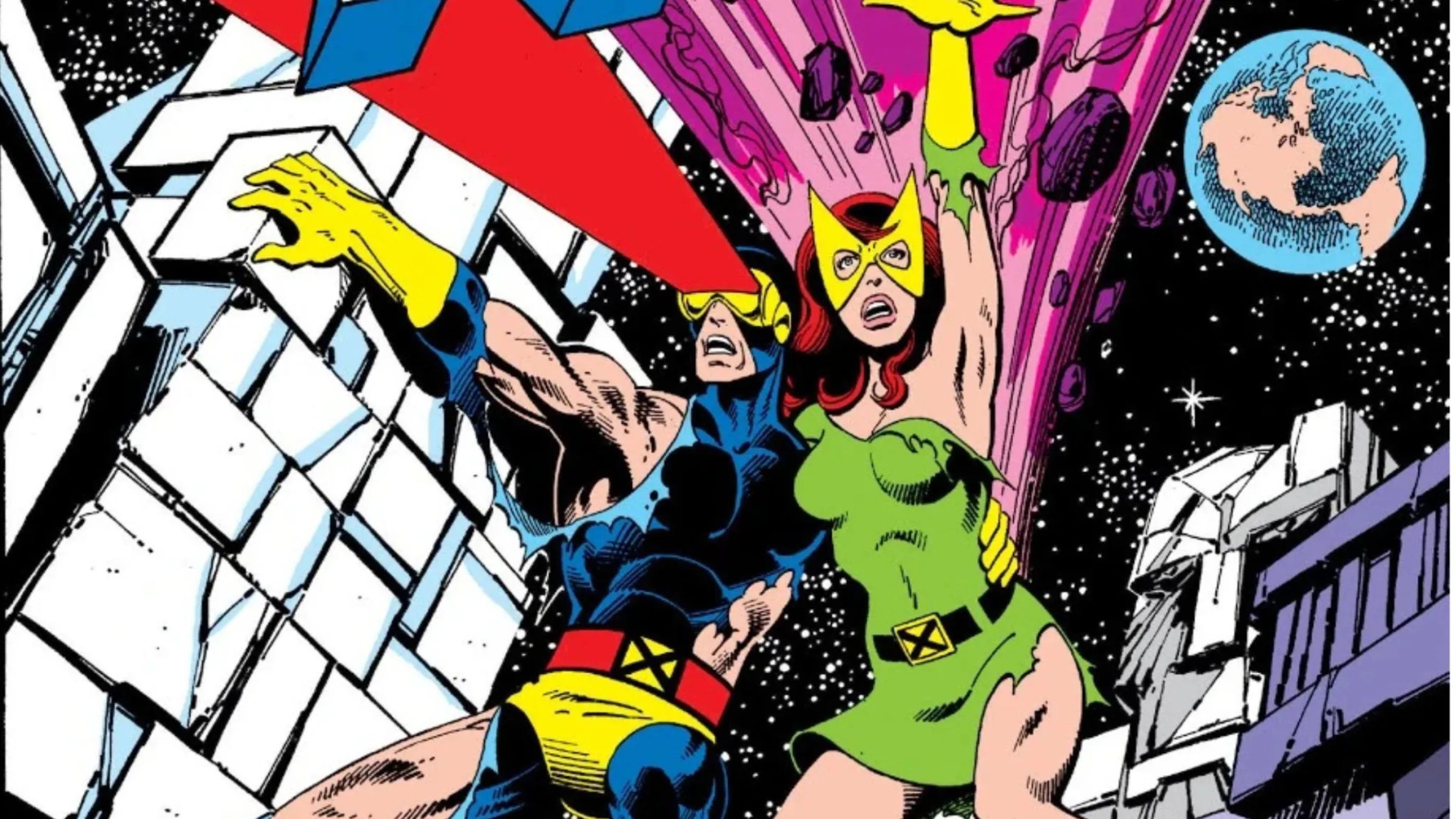
The X-Men’s first major story arc is still famous and popular today. It began when Jean Grey was kidnapped by the Hellfire Club, who manipulated her with illusions, causing her to lose control. This unleashed the powerful Dark Phoenix within her, leading her to destroy a distant star and unintentionally kill millions on a nearby world.
When Jean Grey was accused of genocide by the Shi’ar, the X-Men stepped in to defend her. Though Jean Grey has famously died and been resurrected many times in Marvel Comics, her sacrifice to end this particular story was her first, and it came as a huge surprise. This storyline fundamentally altered the entire Marvel Universe.
3) Days of Future Past

The X-Men have more alternate reality stories than any other group in the Marvel Universe. It all began with “Days of Future Past,” which established a pattern Marvel has used for decades. Remarkably, this groundbreaking story was only two issues long, yet it drastically altered the X-Men’s world.
The story unfolds on an alternate Earth where government-created robots called Sentinels were designed to manage the mutant population. However, they malfunctioned, killing most heroes – both mutants and non-mutants – and seizing control of the United States. Facing a devastating future, the remaining survivors sent Kitty Pryde back in time with the mission of preventing the event that led to this catastrophe. This time-travel premise has become a recurring theme in many X-Men stories across different universes, but none have been as impactful as Days of Future Past.
2) Age of Apocalypse

The Age of Apocalypse is widely considered the greatest X-Men story involving alternate realities and futures. It started when Legion attempted to use time travel to eliminate his father, Charles Xavier’s, enemies. Unfortunately, his plan backfired: while trying to kill a young Magneto, Charles intervened and sacrificed himself. This act erased Legion from existence and dramatically altered the entire timeline.
After Professor X was gone, Apocalypse took over the world, leaving a small group of mutant heroes to fight for survival in a bleak and dangerous future. This story was often frightening and disturbing, but it also explored concepts that the main X-Men comics had only touched upon. Though Days of Future Past first introduced the idea of alternate timelines, Age of Apocalypse truly developed and perfected it.
1) God Loves, Man Kills

The greatest X-Men story isn’t about alternate realities or huge battles against mutant villains. Instead, it’s “God Loves, Man Kills,” originally published in Marvel Graphic Novel #5. This story first introduced William Stryker, a preacher who was gaining power by protesting against the existence of mutants.
Chris Claremont and Brent Anderson powerfully explored the dangers of prejudice in their work, showing how fear of those who are different can be exploited. They depicted how one person manipulating religious beliefs could incite hatred and division. The story was deeply disturbing, portraying Stryker and his Purifiers as truly evil, yet convinced they were doing what was right – making them the most frightening villains the X-Men ever faced.
What do you think? Leave a comment below and join the conversation now in the ComicBook Forum!
https://comicbook.com/movies/list/7-x-men-storylines-that-could-be-used-for-mcu-debut/embed/#
Read More
- The Super Mario Galaxy Movie: 50 Easter Eggs, References & Major Cameos Explained
- Sydney Sweeney’s The Housemaid 2 Sets Streaming Release Date
- 10 Best Free Games on Steam in 2026, Ranked
- All 13 Smash Bros. Characters in the Super Mario Galaxy Movie
- Welcome to Demon School! Iruma-kun season 4 release schedule: When are new episodes on Crunchyroll?
- Why is Tech Jacket gender-swapped in Invincible season 4 and who voices her?
- Dune 3 Gets the Huge Update Fans Have Been Waiting For
- Highly Anticipated Strategy RPG Finally Sets Release Date (And It’s Soon)
- Forza Horizon 6 ‘Prologue’ gameplay
- WTH?! Twitter Drops Fake Daredevil: Born Again Season 2 Spoilers as Character Return Confirmed
2026-01-15 18:16