
We’ve all been there: you get invested in a show, and then a beloved character dies in a way that feels completely off. It’s more than just sadness – it’s genuinely irritating. Sometimes a character’s death can be powerful and even improve a show, but when it’s poorly handled, it can feel like a waste of your time and investment, potentially ruining the whole series. Killing off characters is a big decision that needs careful consideration, because it can impact how people view the show forever. Ultimately, viewers don’t appreciate feeling misled or frustrated by a poorly thought-out plot twist.
Many characters have died in TV shows, often upsetting viewers. This list isn’t about the most tragic deaths, but about those that made fans lose hope in the show and question if it was still worth watching. Here are 10 fictional deaths that seriously damaged their respective TV series.
10) Dean Winchester (Supernatural)
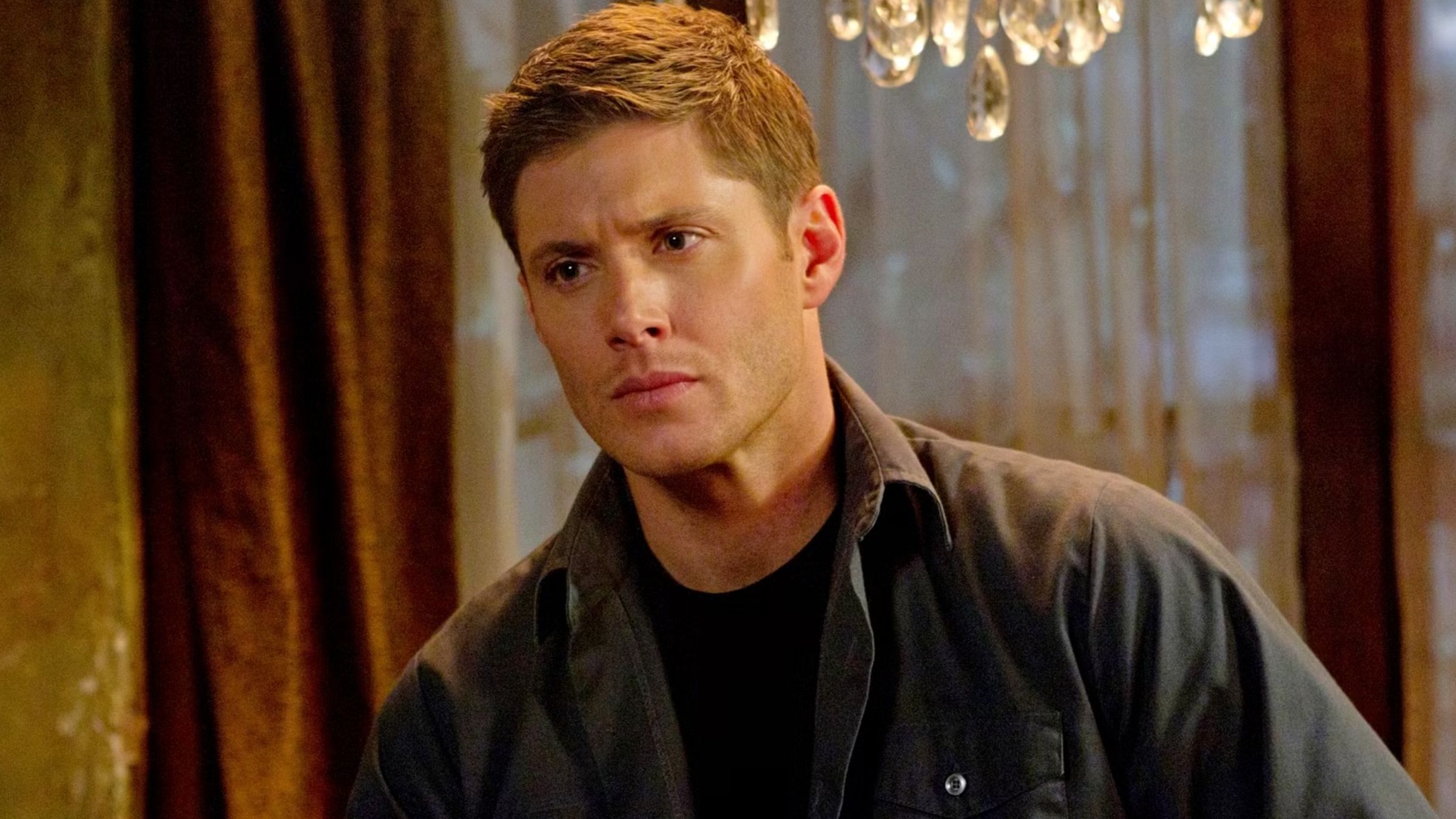
While Dean’s death after fifteen seasons of Supernatural isn’t entirely out of place, the way it happened feels disappointing. After everything Dean and Sam overcame – escaping Hell, battling angels, demons, and even God – dying on a simple hunt feels underwhelming and small in comparison. It’s not that the ending doesn’t make sense, it just lacks the epic scale fans would have expected.
Even though it’s a long-running show, and the ending – where Dean dies in Supernatural – is definitive, it’s still a bit unsatisfying. You’re left feeling frustrated after investing so much time, wondering if all the story arcs and character revivals really led to that conclusion. When a show doesn’t deliver a finale that matches the quality of the rest of the series, it can slightly tarnish your overall impression of it.
9) Elena Gilbert (The Vampire Diaries)
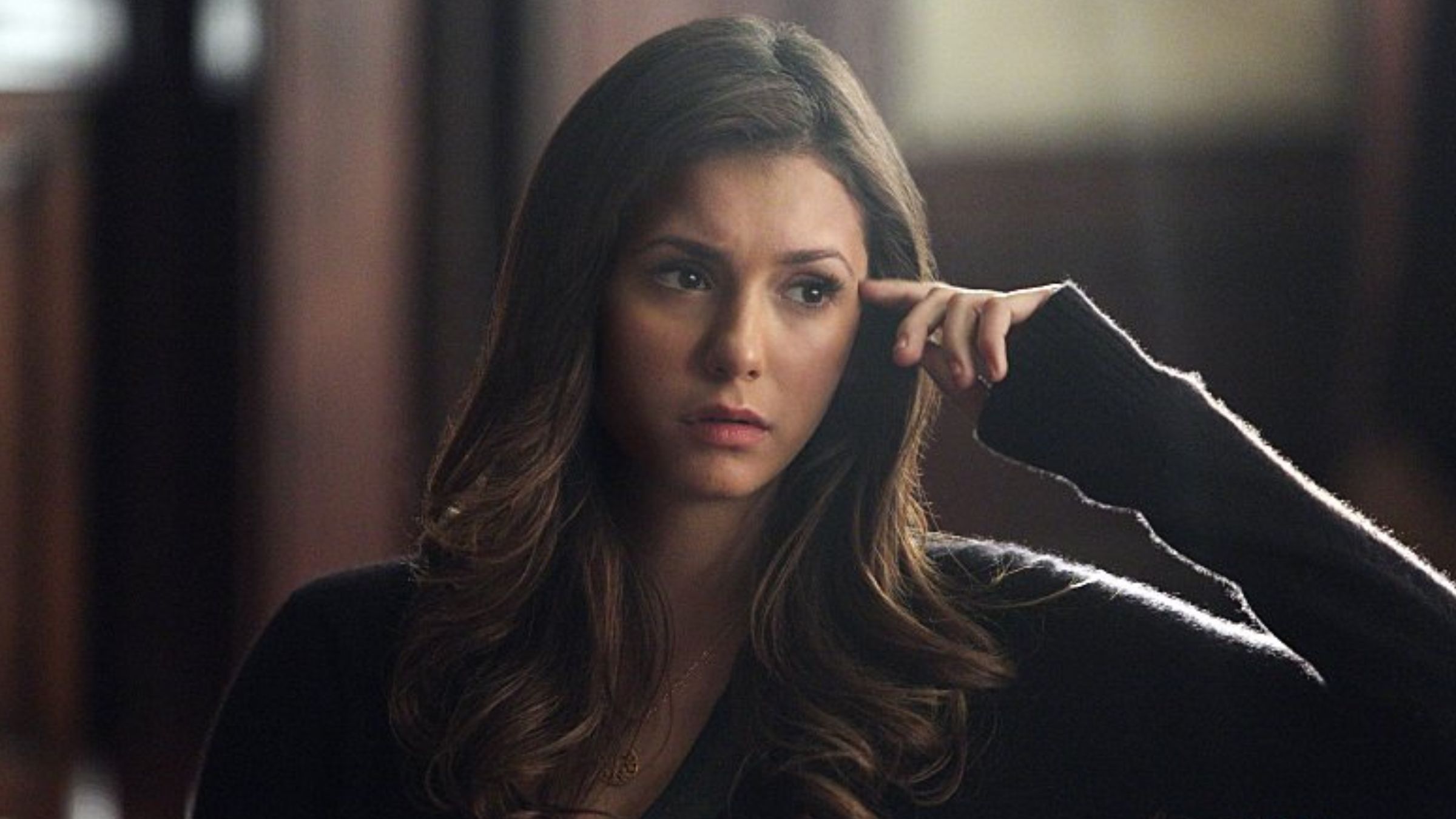
Although Elena returns in the final episode of The Vampire Diaries, her departure still significantly impacts the show. While the series continues without her, it loses much of what made it special – even for viewers who weren’t her biggest fans. The problem isn’t simply that she leaves, but that the entire show revolved around her character – her relationships, her values, and the major plot points.
After Elena’s departure, the show attempts to share the storyline among other characters, but it’s clear something’s missing – she was the driving force. The Vampire Diaries had begun to show signs of trouble before, but this is where it truly started to decline, becoming less cohesive. It’s natural for viewership to decrease when a central character leaves, as the plot loses its direction and what once felt exciting starts to feel repetitive. This explains why the final seasons often feel like they’re just stretching the story out.
8) Derek Shepherd (Grey’s Anatomy)
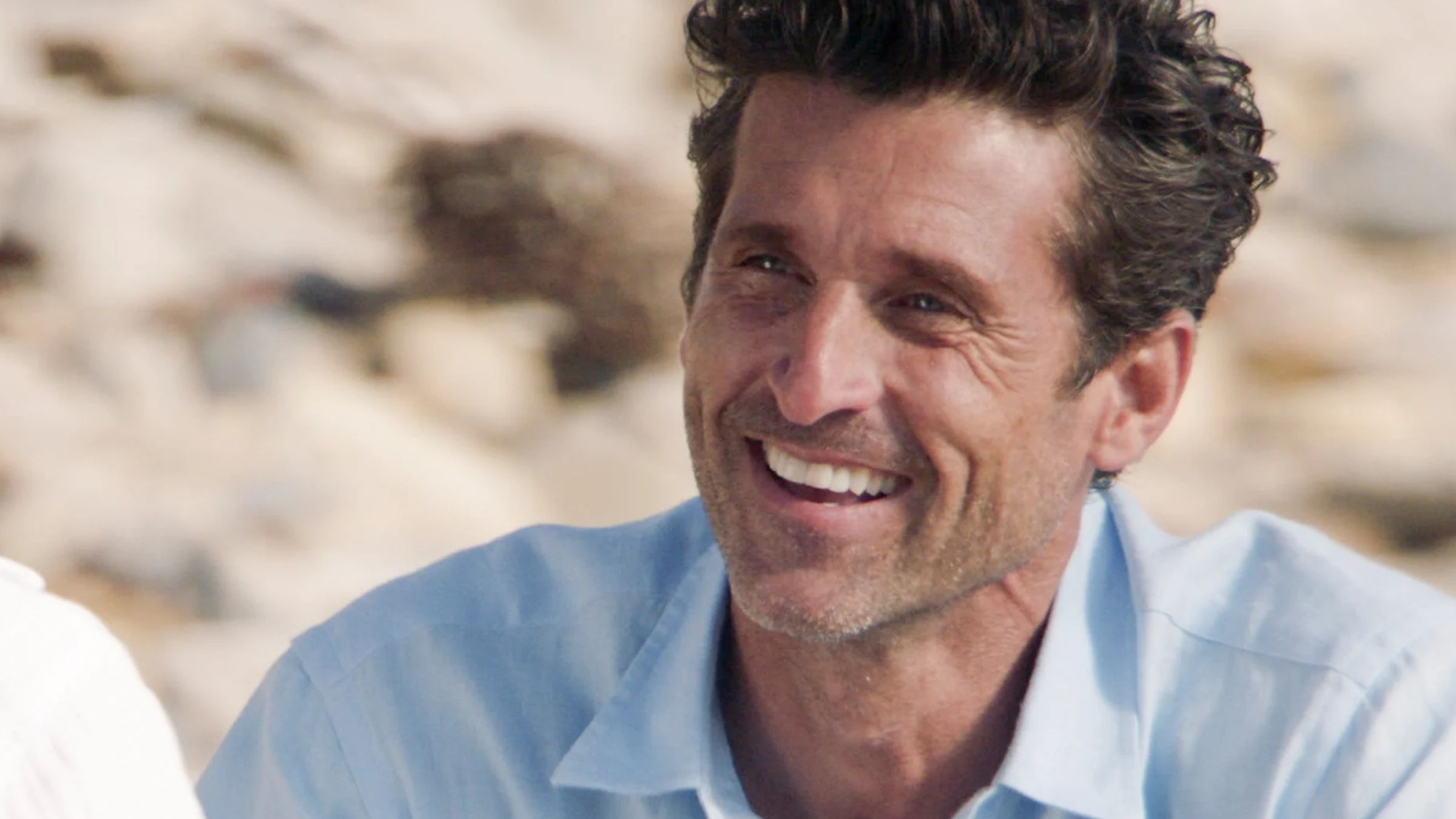
It’s amazing that Grey’s Anatomy is still popular after over 20 seasons! With so many seasons, it was inevitable that characters would die, but Derek’s death felt like a turning point for many viewers. He wasn’t simply Meredith’s husband; he was a core part of what made the show successful. Their relationship really defined the series and carried it for years.
Removing Derek from the show fundamentally changed it. While the series continued with new characters stepping in to replace those who left, that’s when Grey’s Anatomy lost its initial captivating appeal. It became a show you watch more out of routine and curiosity than genuine excitement for the long-term storyline. The spark just wasn’t the same anymore.
7) Logan Echolls (Veronica Mars)
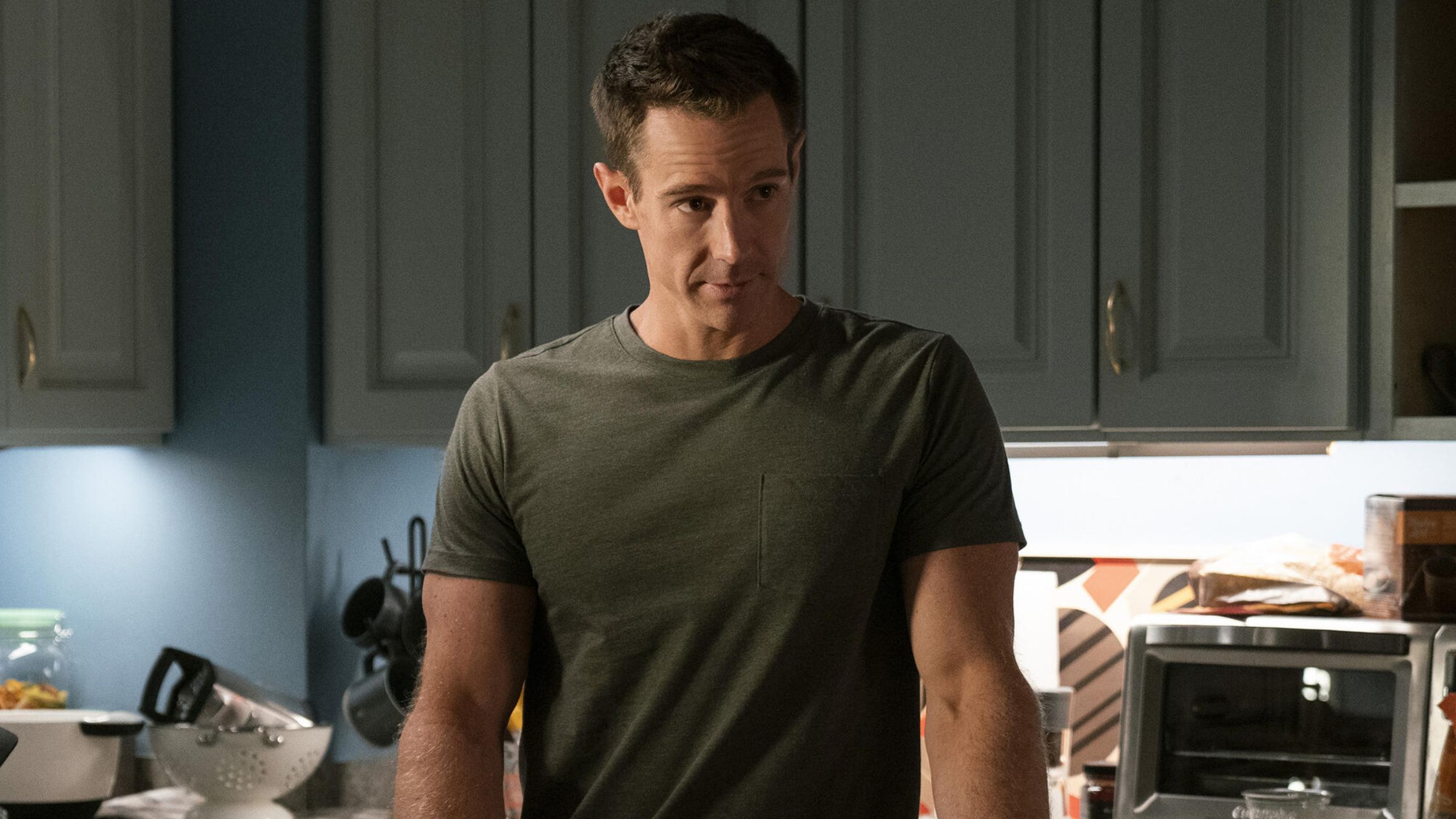
Does anyone remember Veronica Mars? It was a really popular show with a dedicated fanbase, and that’s actually why it came back for a revival. But the original series, known for its clever mysteries and relatable characters – especially the connection between Veronica and Logan – suffered a major setback. Unfortunately, the revival is often cited as an example of how not to please your audience.
The revival of the show initially hinted at a more mature storyline and a fully developed relationship between Veronica and Logan, but ultimately undermined that promise. The creators claimed the decision to end their relationship was to allow Veronica to pursue independent stories, but fans were already invested in a version of Veronica who was capable and independent. Killing off Logan didn’t add any meaningful complexity to her character; it simply eliminated a beloved element that the revival relied on for its appeal. Rather than creating opportunities for future seasons, the show essentially closed the door on them.
6) Tara Thornton (True Blood)
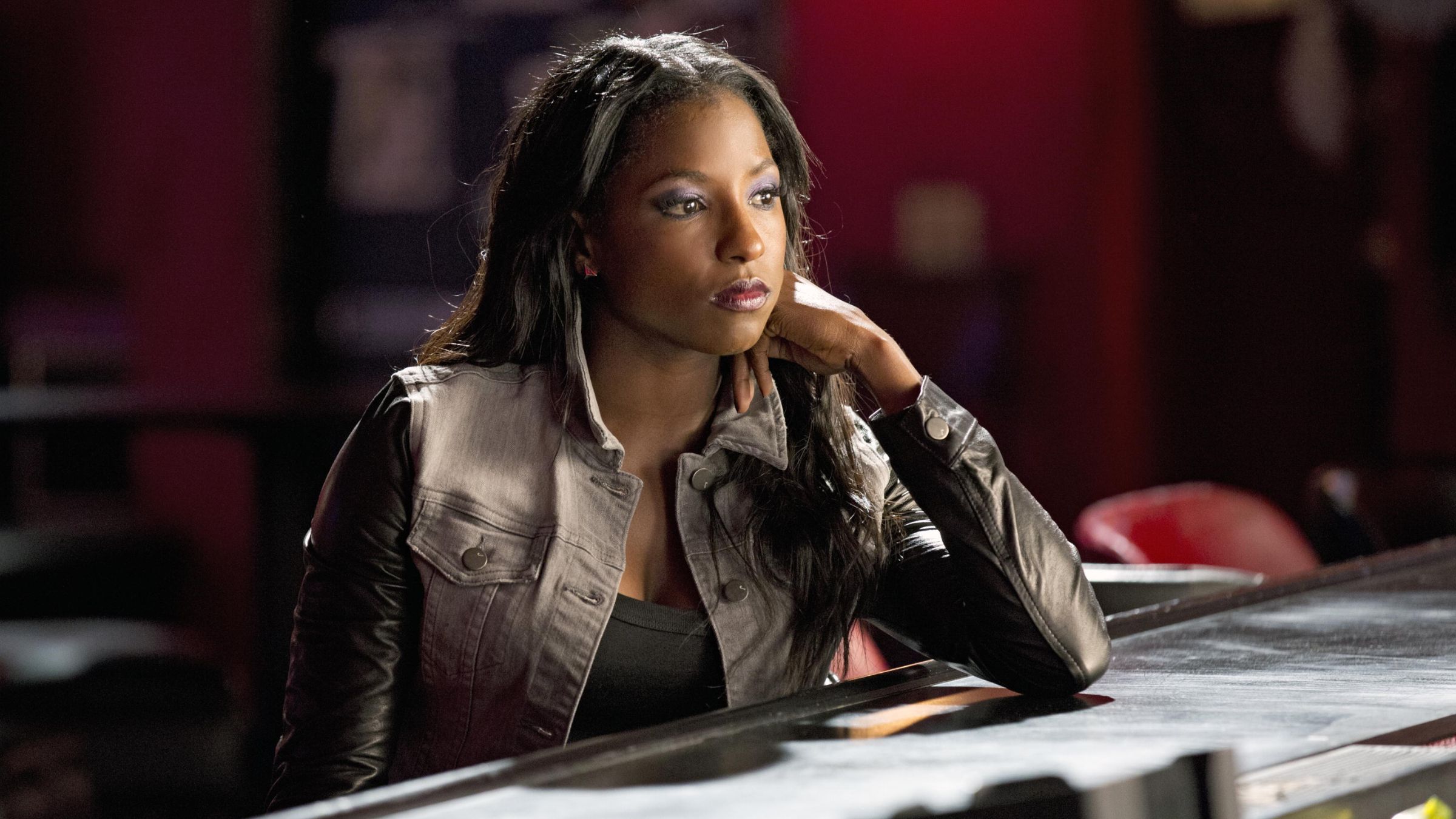
The ending of True Blood was widely disliked, largely because the show’s storylines became overly complicated. A prime example is Tara’s death. She had been a significant character since the beginning, growing from a vulnerable person into someone powerful and multifaceted, and even becoming a vampire – which was excellent character growth. However, the show didn’t treat her storyline, or her death, with the sensitivity it needed.
Tara’s death felt shockingly premature, especially considering her storyline had so much promise. It happened so quickly and mostly off-screen, almost as if she wasn’t an important character. The show didn’t give her death the emotional weight it deserved – there was no proper build-up, goodbye, or lasting impact on the story of True Blood. It felt like she was simply removed to make room for other plotlines. While other characters faced similar fates, Tara’s death particularly upset fans and many believe it was the start of the show’s decline.
5) Tracy McConnell (How I Met Your Mother)
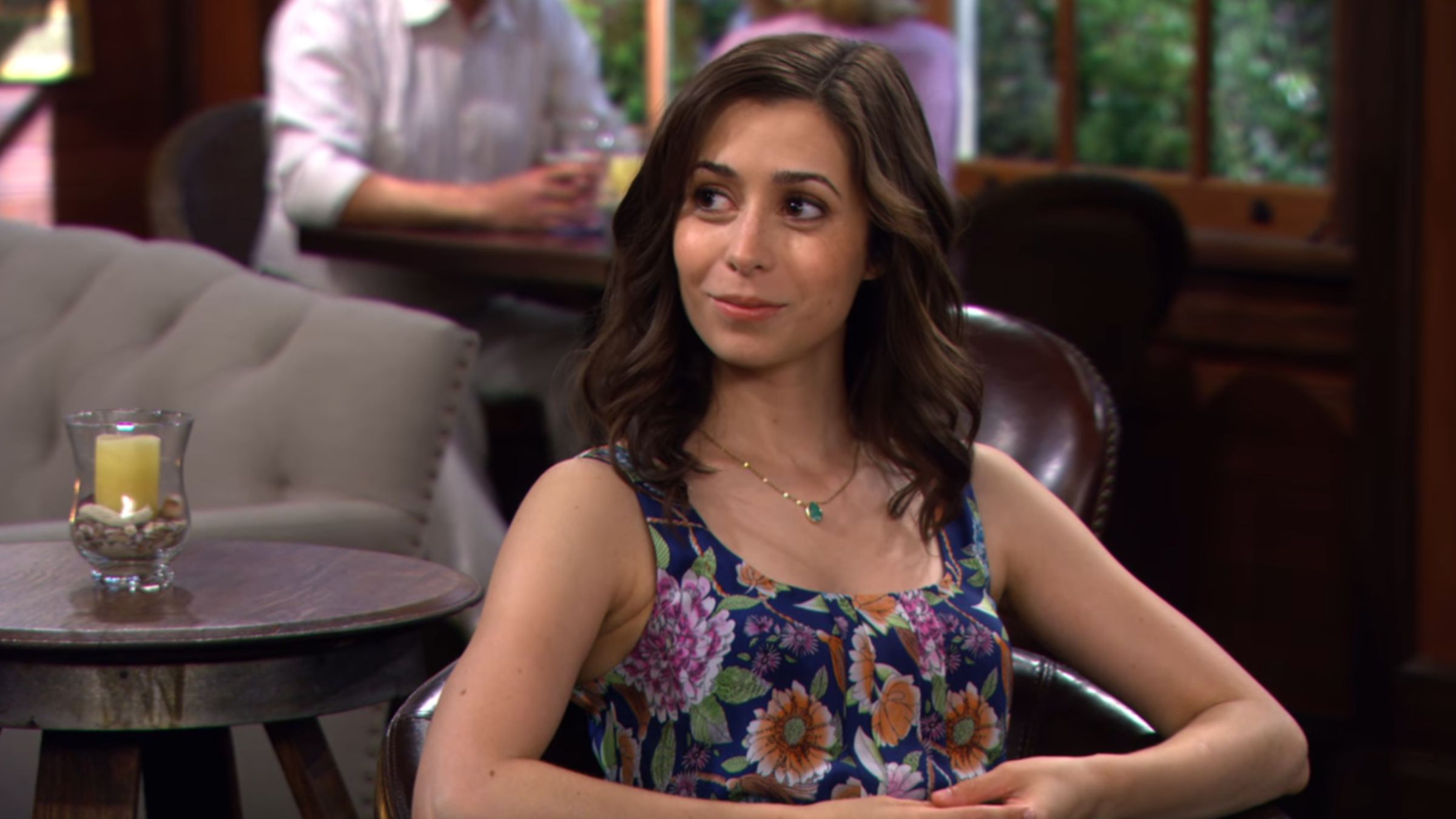
The death of this character caused many viewers to re-evaluate the entire series. After nine seasons of building towards a long-awaited conclusion, it felt like everything had been leading to a payoff that didn’t quite fit the story. The show, titled How I Met Your Mother, revolves around Tracy, the future mother of Ted’s children. While she’s a delightful and engaging character with good chemistry with Ted, her sudden death ultimately made her feel like a plot device – a temporary focus meant to lead elsewhere.
For nine seasons, How I Met Your Mother led viewers to believe it was the story of Ted finding his soulmate. However, Tracy’s death ultimately felt like a contrived way to reunite Ted and Robin, leaving many fans disappointed and feeling like their time was wasted. While the plot twist could have worked, it was handled clumsily, and the immediate reaction was frustration. After nearly a decade of buildup, the show delivered an ending that didn’t feel earned, and Tracy’s death became a symbol of that unfulfilled promise.
4) Bellamy Blake (The 100)
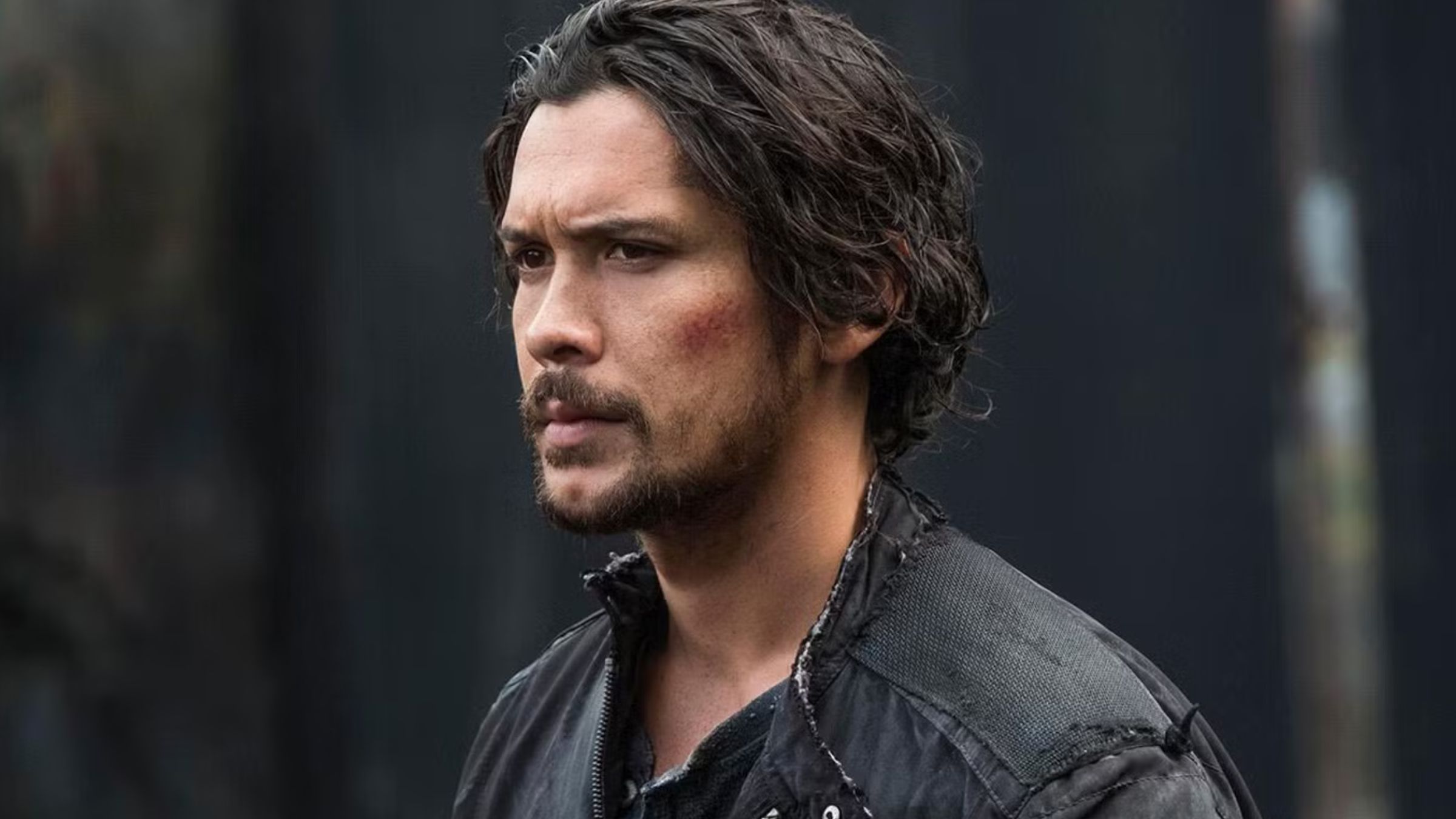
I have to say, when people talk about heartbreaking deaths on The 100, Lexa always comes up, and understandably so. But for me, Bellamy’s death was the one that truly damaged the show. It wasn’t just another main character gone; it happened right at the very end, and it felt like a huge slap in the face to those of us who’d invested in his story. Bellamy was such a core part of the show, always acting as a crucial balance between doing what felt right and thinking things through. They developed that over seasons, and then, just when it mattered most, he was suddenly gone – and killed by Clarke, of all people, the person he cared for the most! It just didn’t feel right.
As a long-time fan of The 100, Bellamy’s death in the final season really disappointed me. It felt like everything his character went through was ultimately meaningless, and honestly, it didn’t feel earned – it was just a quick way to move the plot forward. The show always excelled at exploring tough questions about power, what it takes to survive, and doing what’s right, but killing Bellamy off so abruptly made the whole story feel…thin. It broke the emotional connection I, and so many others, had built with the show over the years. It just felt forced, and unfortunately, it really showed.
3) Tara Maclay (Buffy The Vampire Slayer)
If a character’s death continues to upset viewers long after it happens, it usually means the writing choice wasn’t well-considered. That’s the case with Tara in Buffy the Vampire Slayer. While the show is beloved, Tara’s death felt unnecessary and poorly justified. She was a well-developed character with a meaningful relationship with Willow and plenty of potential for future growth. Her sudden death served only to advance another character’s story, and the repercussions of that decision continue to bother fans even now.
While Buffy the Vampire Slayer was generally a strong series, the death of the character Tara significantly damaged its overall impact, particularly in terms of representation, which was especially important when the show aired. Many viewers felt it was a thoughtless decision that eroded their trust in the show, creating a sense that any outcome was possible, and nothing would be shocking anymore. Though Buffy had its imperfections, it was largely successful due to its strengths, and Tara’s storyline remains a notable exception – a decision the showrunner later expressed regret over.
2) Daenerys Targaryen (Game of Thrones)
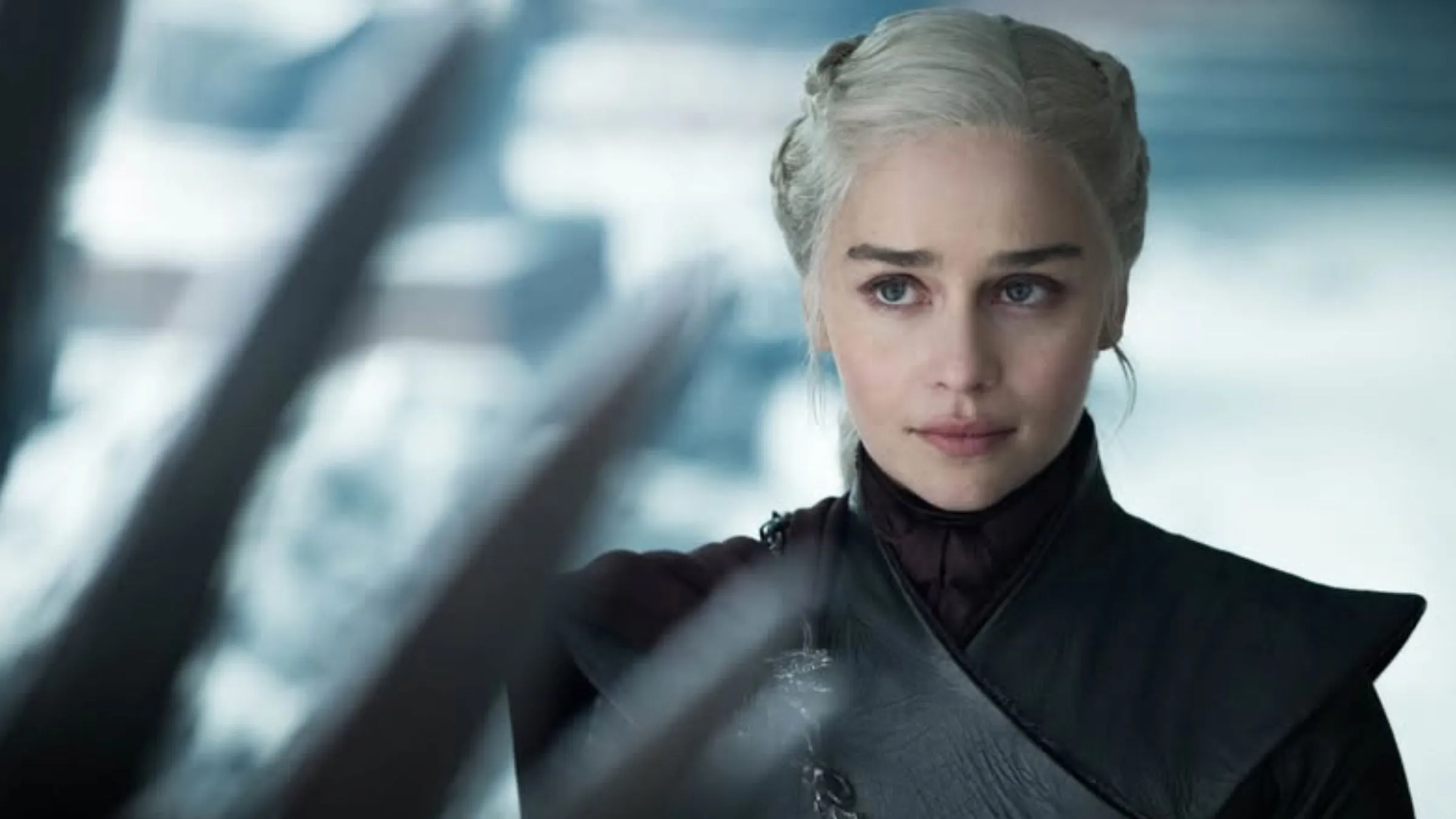
Despite remaining a hugely influential fantasy series, Game of Thrones is largely remembered for its divisive ending. The biggest issue wasn’t simply that Daenerys became a villain, but how quickly it happened and how abruptly she died. While character deaths were common throughout the show, Daenerys’s felt rushed and didn’t allow enough time for viewers to process her transformation before the finale.
Daenerys’s death is often seen as the turning point where Game of Thrones began to lose its way. What once seemed like a promising storyline for her character ultimately felt unfulfilled. She developed beautifully throughout the series, but her ending, intended as a shocking surprise, instead disappointed many viewers. After investing years in a story, audiences expect the ending to respect established details, and when it doesn’t, it damages their trust in the show.
1) Glenn Rhee (The Walking Dead)
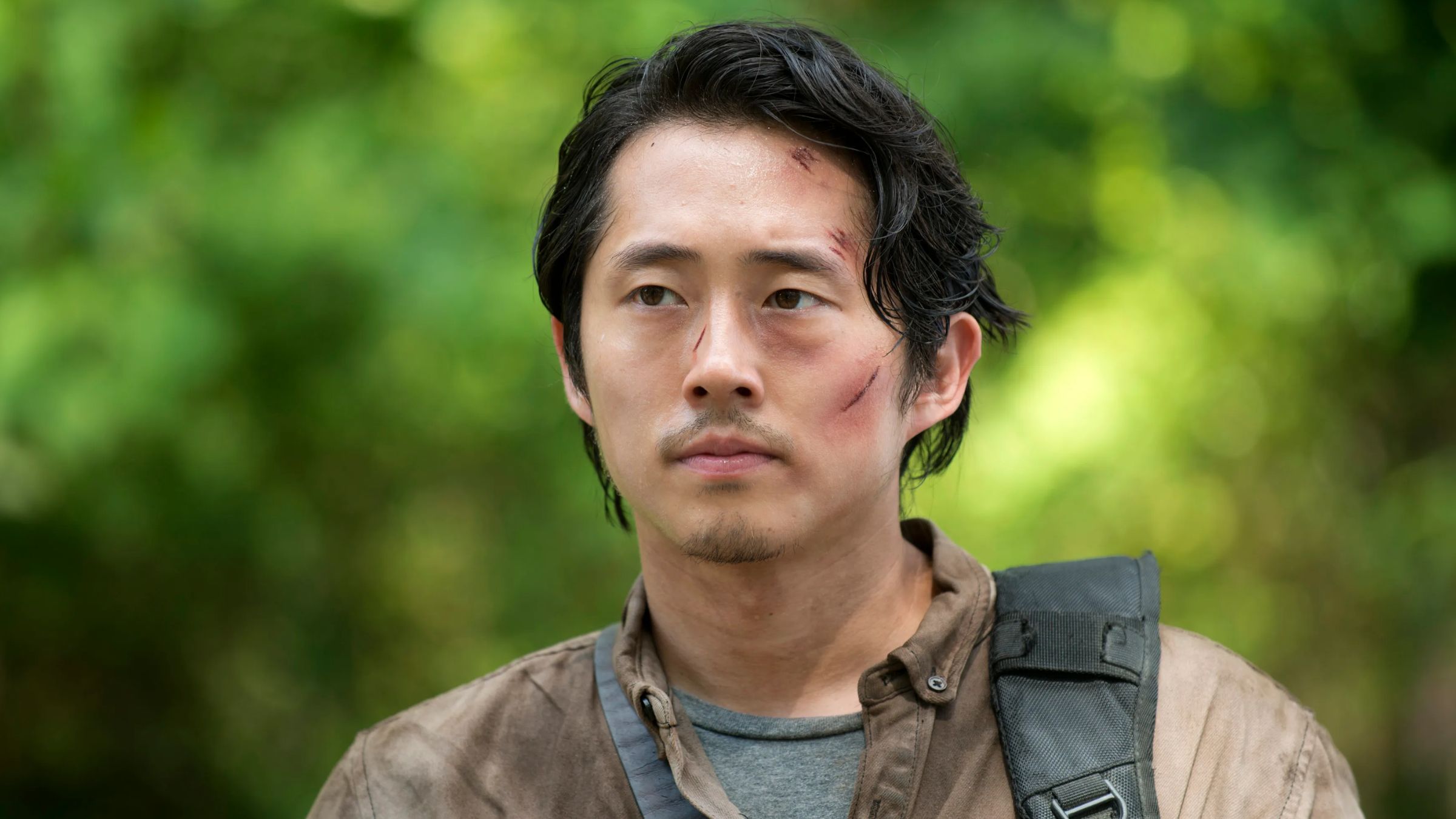
Like many shows, The Walking Dead became known for unexpectedly killing off characters—which, given it’s a zombie series, viewers somewhat anticipated. However, Glenn’s brutal death was a pivotal moment, creating a strong reaction from fans and significantly changing the direction of the story. While it followed a similar event from the original comic books, the on-screen depiction was clearly meant to be shocking and felt unnecessarily prolonged. The goal was to establish how dangerous the villain Negan was, but many felt it ultimately harmed the show.
The Walking Dead experienced its share of highs and lows, but for years, it maintained a strong connection with its audience. However, a particular moment severely damaged that trust. Glenn was the emotional center of the show, and his death dramatically changed the series’ atmosphere. The scene was incredibly violent and draining, making it difficult for many viewers to continue watching. It was a deeply upsetting event, and it remains painful to think about even now.
What do you think? Leave a comment below and join the conversation now in the ComicBook Forum!
https://comicbook.com/tv-shows/news/awful-finales-ruined-great-tv-shows/embed/#
Read More
- What Song Is In The New Supergirl Trailer (& What It Means For The DC Movie)
- Gold Rate Forecast
- Eurogamer Gives ARC Raiders 2/5 Over AI Voices, Dropping Metacritic Score from 94 to 84
- Ubisoft’s Best Game From the Last 5 Years Is Surprising
- Steve Rogers’ Return Means the MCU Can Finally Solve Avengers: Endgame’s Last Mystery
- This One Stranger Things Theory Explains a 9-Year-Old Season 1 Mystery, Sets Up the Finale, & is the Key to Future Spinoffs
- 7 Classic TV Shows With Criminally Low Rotten Tomatoes Scores
- Invincible Season 4 Confirms a Major Atom Eve Change From the Comics
- Teresa Giudice’s Real Housewives Season One Salary Revealed
- MOUSE: P.I. For Hire Loops in Caravan Palace for A Catchy New Track Ahead of April 16 Release
2026-02-21 22:15