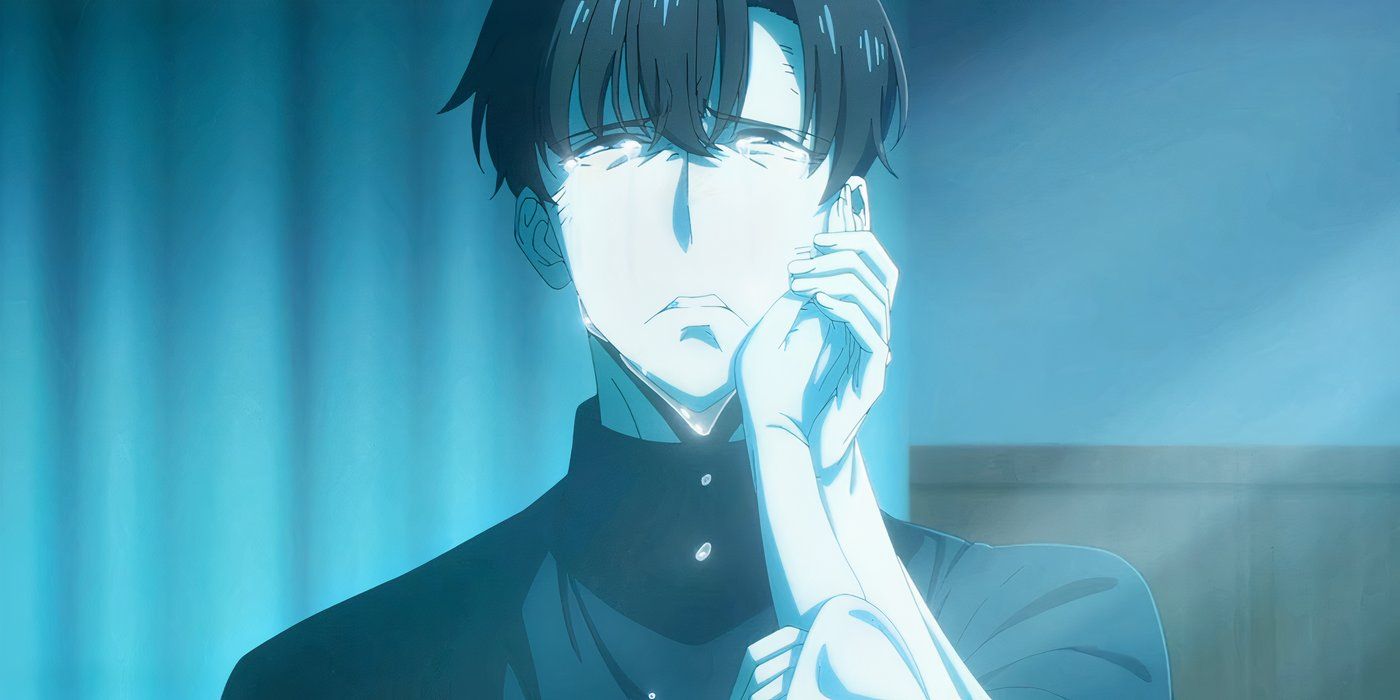
The series launched with a lot of excitement, presenting a visually stunning world inspired by Korean manhwa. While it’s undeniably impressive to look at, the story suffers because its main character, Sung Jin-Woo, lacks emotional depth. No matter how beautiful the animation, it can’t save a story that feels empty inside.
Popular anime heroes like Goku, Naruto, and Edward Elric are compelling because they’re strong but also have real weaknesses. We see them struggle and even fail before they become more powerful, making their growth feel meaningful. Unlike these characters, Jin-Woo simply gets stronger without facing any real hardship or learning from his experiences, which makes his story less impactful.
The Chimera Ant Arc Alone Makes Hunter x Hunter Untouchable
Near the end of the Chimera Ant arc, Gon undergoes a change that essentially destroys everything Hunter x Hunter had carefully developed over years, and the story doesn’t shy away from showing the consequences – it doesn’t offer a happy ending to undo them. This bold choice sets Hunter x Hunter apart from series like Solo Leveling, where the main character, Jin-Woo, becomes stronger without ever having to make real sacrifices.
The poignant final scenes between Meruem and Komugi powerfully contrast with how villains are handled in Solo Leveling. Yoshihiro Togashi created Meruem as a character obsessed with power, but then beautifully deconstructed that idea through his connection with a humble, visually impaired board game player. This leads to a far more nuanced exploration of strength and control than anything seen in the Shadow Army storyline.
Fullmetal Alchemist Brotherhood Opens With a Loss Solo Leveling Can Never Match
Edward Elric’s prosthetic arm and leg in Fullmetal Alchemist: Brotherhood constantly remind both him and the audience of the terrible cost of his past mistake. This immediately sets up a core idea in the show: everything comes with a price. Because of this, Edward’s successes feel truly meaningful, unlike the seemingly effortless progress of characters like Jin-Woo.
Instead of simply being challenges to overcome, the themes of Pride, Envy, and Father in Fullmetal Alchemist reveal the destructive consequences of unrestrained ambition. Importantly, the focus on ‘Brotherhood’ compels Edward to confront the human suffering caused by his pursuit of power, rather than glorifying it. This approach makes the Elric brothers’ ultimate success resonate because the series demonstrates the sacrifices others made – something Solo Leveling doesn’t consistently prioritize.
Naruto Shippuden Turns a Fight Scene Into a Funeral
For years, Naruto: Shippuden developed Jiraiya into an unforgettable teacher and father figure – someone who believed in Naruto even when he didn’t believe in himself. This makes Naruto’s struggles deeply emotional and filled with real grief. Solo Leveling doesn’t create the same impact because the relationships in that series don’t have the same long-lasting history and depth.
Naruto’s growth as a person directly connects to how his powers develop, making each new ability feel meaningful and justified. He doesn’t just gain strength randomly; the power he gets from the Nine-Tails comes from genuine hardship. Throughout Shippuden, the series consistently shows what Naruto stands to lose every time he draws upon that power.
Dragon Ball Z’s Vegeta Is a Better Protagonist Than Jin-Woo Even as a Supporting Character
The character begins as a ruthless, mass-murdering villain in Dragon Ball Z, but ultimately dies a selfless hero, giving his life for a son he barely connects with. Every step of his transformation is earned through painful experiences – defeat, embarrassment, and a difficult journey of self-discovery. He doesn’t have any easy advantages or quick fixes; his growth is purely through struggle.
Dragon Ball Z mastered the art of building tension – showing characters at their absolute limit before they become stronger – a technique it perfected thirty years before the main character of Solo Leveling even began his journey. While Dragon Ball Z earned its power-ups through struggle, Solo Leveling simply gives its hero, Jin-Woo, a convenient power boost disguised as a character trait.
Bleach’s Soul Society Arc Makes Solo Leveling’s Dungeons Look Empty
I’m a huge fan of Bleach, and what really gets me about Byakuya Kuchiki isn’t just how strong he is – it’s what he represents. He’s the embodiment of prioritizing rules and tradition, even if it means sacrificing an individual. The whole Soul Society arc isn’t about Ichigo just winning a fight; it’s about him challenging that entire way of thinking, proving that sometimes doing what’s right means bending or even breaking those rules. Byakuya really highlights a completely different perspective on duty, loyalty, and what organizations expect from their members.
Tite Kubo’s unique art style—from the clothing designs to the dramatic use of shadows and empty space—is essential to the story of Bleach, deeply connecting to its ideas about death and change. While the animation studio A-1 Pictures accurately depicts Jin-Woo’s shadowy creatures, it lacks the deeper meaning that Kubo builds into his visuals. Kubo’s style itself communicates ideas about who we are, something the animation doesn’t need to explain.
Rurouni Kenshin’s No-Kill Vow Creates More Tension Than Anything in Solo Leveling
Kenshin Himura’s sword in Rurouni Kenshin, which is designed to not have a sharp edge, is a deliberate limitation he places on himself. This makes his battles more about his inner struggles than the sheer power demonstrated by Jin-Woo’s shadow army. The story arc set in Kyoto then tests this limitation to its absolute limit.
Shishio Makoto, a villain created by the Meiji government and left for dead after being burned alive, isn’t meant to be defeated by killing him. This challenges Kenshin in Rurouni Kenshin to find a different way to win. The series portrays Shishio as a result of the same system Kenshin supports, which leads to questions about whether Kenshin’s dedication is truly ethical or just a matter of habit.
Yu Yu Hakusho Understood That Villains Should Be Eulogized Not Defeated
Younger Toguro intentionally transformed into a demon to atone for a past mistake he couldn’t accept, and the story of Yu Yu Hakusho focuses on his resulting self-destruction. His last conversation with Genkai reveals the Dark Tournament wasn’t just about strength, but a delayed confrontation with his past. Unlike Solo Leveling, which simply assigns power levels to its villains, Yu Yu Hakusho’s creator, Yoshihiro Togashi, gives his villains backstories that explain how they became who they are.
The Dark Tournament is particularly impactful because, unlike the major battles in Solo Leveling, it forces each member of Team Urameshi to make personal sacrifices to endure. Yu Yu Hakusho doesn’t shy away from showing the lasting consequences of those sacrifices, even amidst any eventual triumph.
Slam Dunk Makes Hanamichi Sakuragi Earn What Solo Leveling Hands Jin-Woo for Free
I remember first reading Slam Dunk and being immediately drawn to Hanamichi Sakuragi – a total troublemaker who had never even picked up a basketball. What really struck me was how Inoue didn’t give Hanamichi anything easy. Every bit of improvement felt hard-won, through constant humiliation, being completely worn out, and failing over and over. The match between Shohoku and Sannoh in the national tournament really captured this perfectly. It was built so carefully, with momentum that felt truly earned, that it’s still the gold standard for dramatic sports moments in shonen manga, as far as I’m concerned.
Sakuragi’s journey feels realistic because it’s full of ups and downs, reflecting how people actually improve – it’s not a smooth, constant climb. This makes his progress truly impactful. Slam Dunk focuses on these challenges as the story, instead of just hurdles before becoming stronger, which highlights how easy Solo Leveling makes things for its main character.
Hajime no Ippo Makes Every Punch Jin-Woo Throws Feel Completely Unearned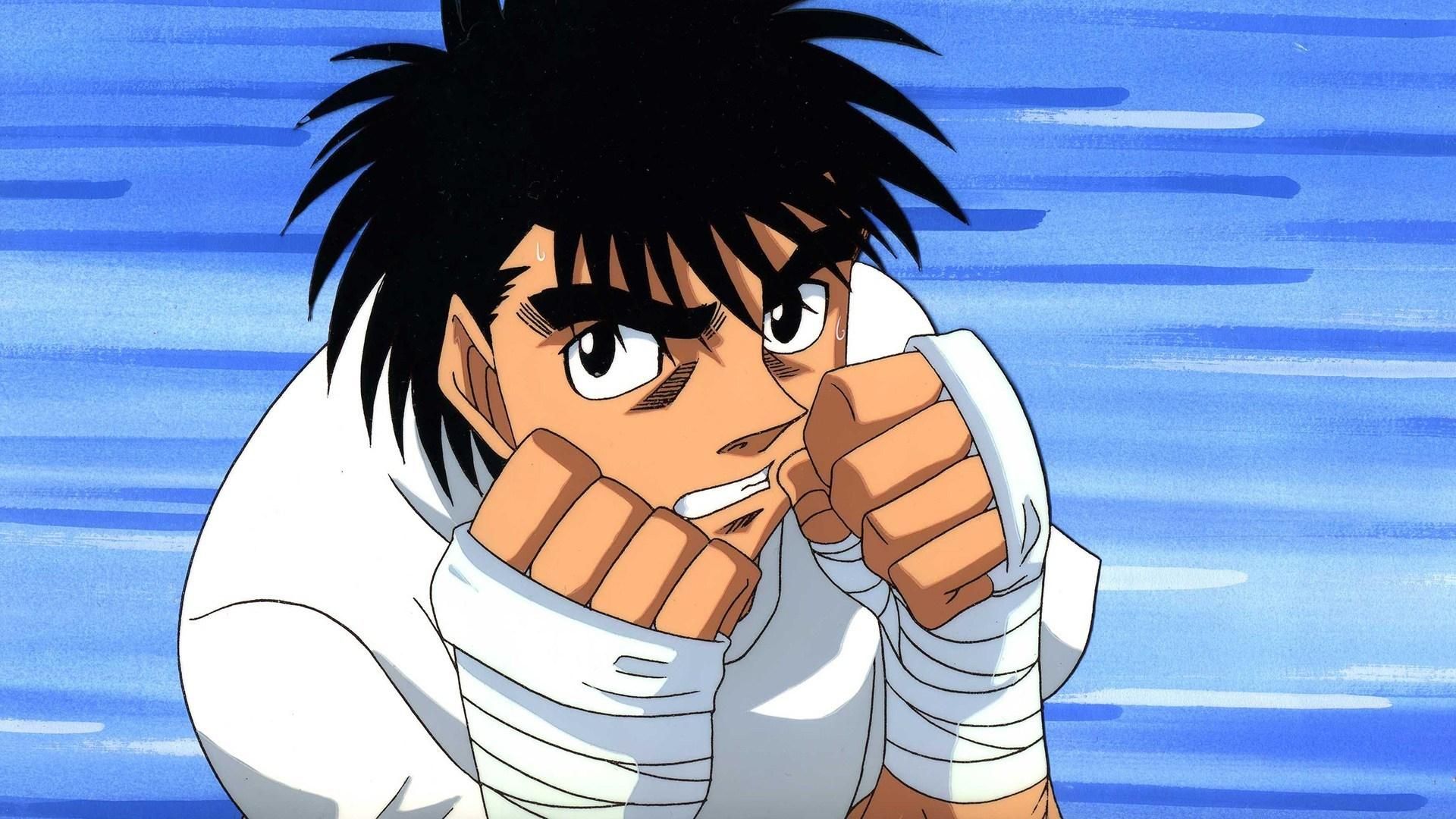
George Morikawa meticulously details the physical toll each fight takes on Makunouchi Ippo, showing every injury and its lasting impact. Ippo endures broken ribs, eye damage, and brain trauma, and these accumulated injuries give the championship fights in Hajime no Ippo a sense of real consequence and weight that’s missing from Jin-Woo’s battles. Unlike typical heroes, Ippo doesn’t simply become stronger; he repeatedly breaks down and struggles to recover, with no assurance he’ll be fully rebuilt after each fight.
Unlike Solo Leveling, which focuses on Jin-Woo defeating enemies, Hajime no Ippo presents opponents who truly challenge and change Ippo as a person. Characters like Sendo Takeshi aren’t simply villains; they push Ippo to examine the source and consequences of his own strength. This highlights a key difference: one series offers a power fantasy, while the other tells a story about the true cost and demands of being strong.
Saint Seiya Built Its Power System Around Self-Sacrifice Decades Before Solo Leveling Borrowed the Template
In Saint Seiya, using a ‘Burning Cosmos’ drains a character’s life force, and the battles in the Sanctuary arc visibly shorten fighters’ lifespans. Seiya’s victory over the Gold Saints feels like a genuine miracle, not a foregone conclusion. The story builds tension by making the audience truly wonder if the hero will live, something the narrative in Solo Leveling doesn’t achieve.
Saga, Shura, and Camus prioritized their allegiance to an organization over what they knew was right, and that wasn’t simply a mistake. Back in 1986, Masami Kurumada created villains with complex motivations – a practice that wouldn’t become common in shonen manga for decades. In contrast, the anonymous rulers in Solo Leveling seem not only less developed, but represent a real decline in character writing.
Found an error? Send it so it can be corrected.
Read More
- Gold Rate Forecast
- 10 Most Powerful Versions of Superman, Ranked
- GBP CNY PREDICTION
- 007 First Light: Release Date, Story, Gameplay, Cast, Editions, and Platforms
- 10 Greatest Wii U Games of All Time, Ranked
- Superman’s 7 Best Power-Ups, Ranked
- DOGE PREDICTION. DOGE cryptocurrency
- The 10 Greatest Spy Thriller Movies Of All Time, Ranked
- Forza Horizon 6 Car List So Far: Confirmed Highlights, Cover Cars, DLC, and Rewards
- What happened to Soldier Boy in The Boys?
2026-05-11 17:43