
I’ve always loved how DC Comics can take a villain and turn them into a hero. It’s a fascinating pattern – maybe they feel bad about their past, maybe the writers just like a challenge, or maybe it’s all just meant to be! It’s amazing to see a character start out as a bad guy, punching heroes and causing trouble, then suddenly, a few issues later, they’re fighting with the good guys, wearing a tweaked costume and saying they’ve seen the error of their ways. It’s a classic DC move, and I’m here for it!
Despite all the conflict, there’s a certain appeal to seeing DC’s villains try to change their ways. Whether they’re finding their moral compass or reluctantly learning to work with others, these shifts in character add depth and interest to the DC universe.
10. The Pied Piper (Hartley Rathaway)
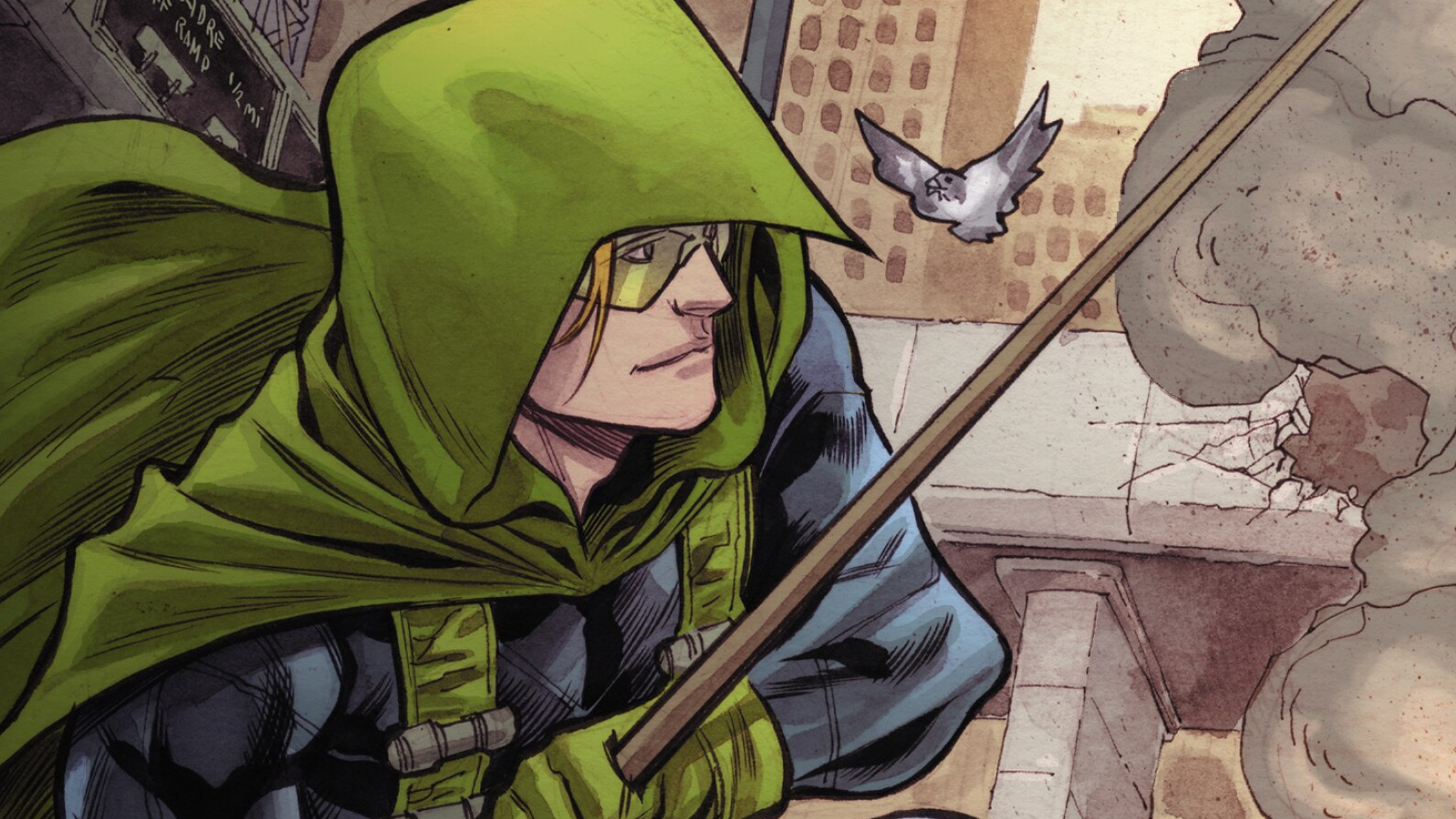
Before becoming an ally to the Flash, Hartley Rathaway started as a villain known as the Piper, using his control over sound to create trouble and control people in Central City. He grew up wealthy but unhappy, and his frustration with a boring life led him to rebel, frequently clashing with the Flash.
He found redemption through strong friendships and a commitment to real change. By teaming up with Wally West and fighting for what’s right, he showed that even villains can truly reform – keeping their unique personalities and sense of humor along the way. This added a new level of complexity to the idea of redemption in superhero stories.
9. Plastic Man (Eel O’Brian)
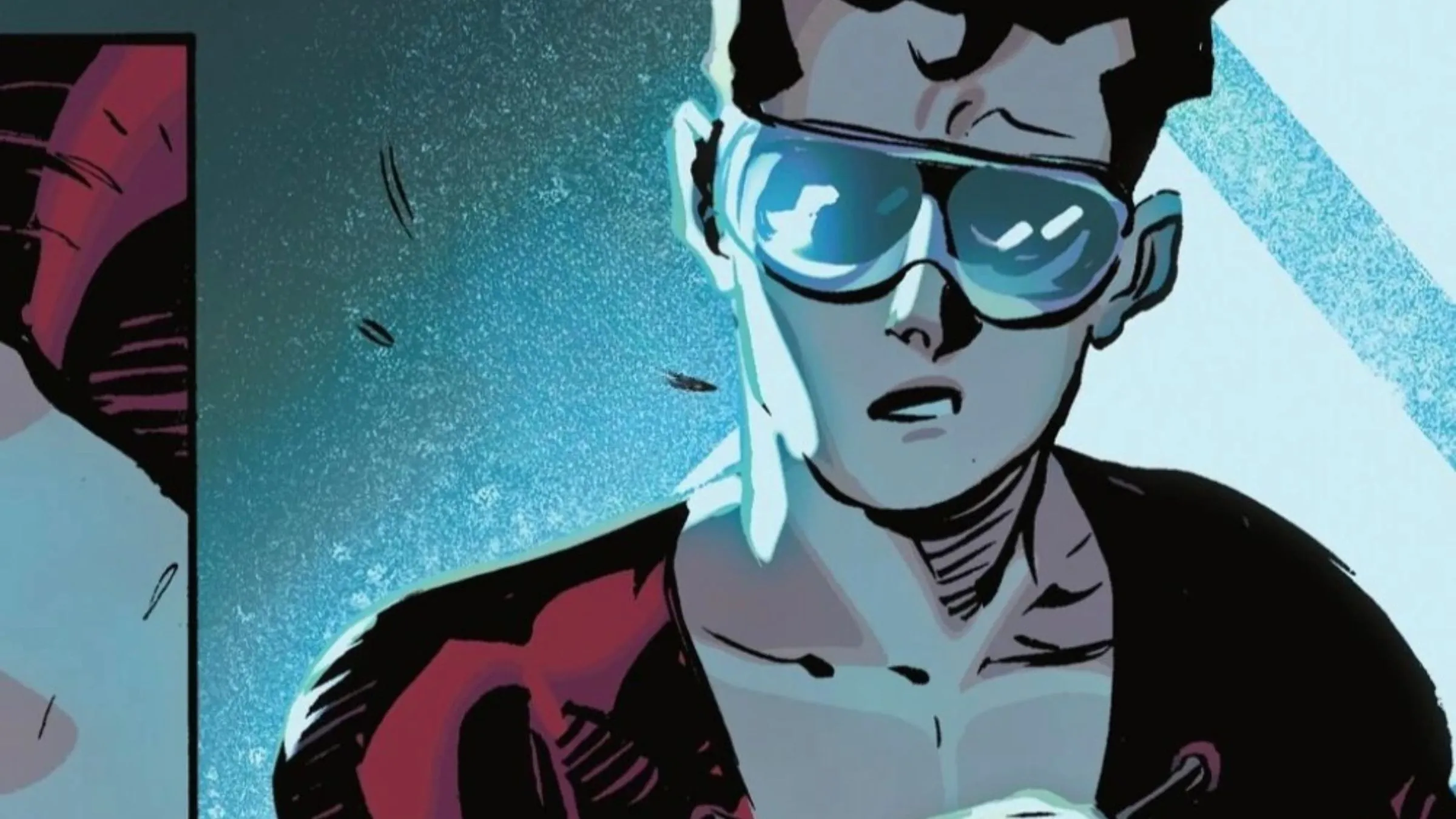
Before becoming a hero with the Justice League, Eel O’Brian had a troubled past as a criminal. A botched robbery at a chemical plant left him disfigured and alone, but he found refuge with monks who helped him change his life. His ability to stretch and bend physically mirrored his shifting moral compass – he went from being a thief to a surprisingly unpredictable force for good in the DC Universe.
He personally witnessed the damaging effects of corruption on individuals, and his choice to change allegiances was driven by a desire to rediscover who he was, not to be forgiven. Later, his quirky sense of humor and unpredictable nature proved invaluable to teams who appreciated unique and unconventional leaders.
8. Hawkgirl (Shayera Hol)
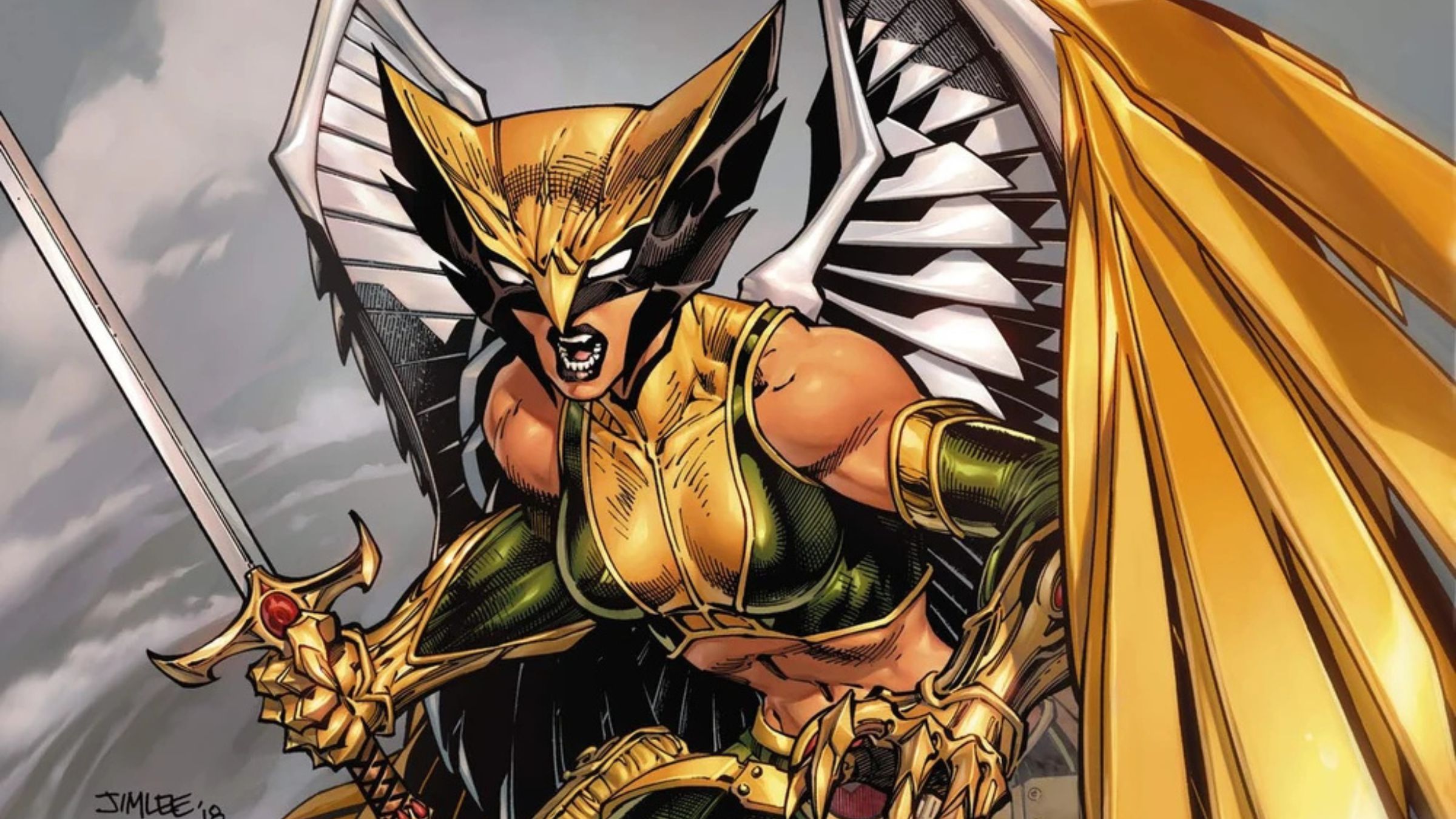
Hawkgirl first appeared as a police officer from the planet Thanagar. She came to Earth on a mission that eventually led her to be seen as both a hero and a villain. Because of her connections to the warlike Thanagarian government, she fought against the Justice League in a complex and ethically challenging story. Her conflicting loyalties made people question her motives before she dedicated herself to protecting Earth.
Hawkgirl’s journey to become a hero is one of the most moving in the DC universe. She struggled with difficult feelings like guilt and the conflict between what she believed in and her loyalty to her people. Ultimately, her decision to follow her own path, even when it meant going against everything she knew, showed a new kind of heroism. Her story is a particularly poignant and dignified one, standing out from many typical superhero tales.
7. Catwoman (Selina Kyle)
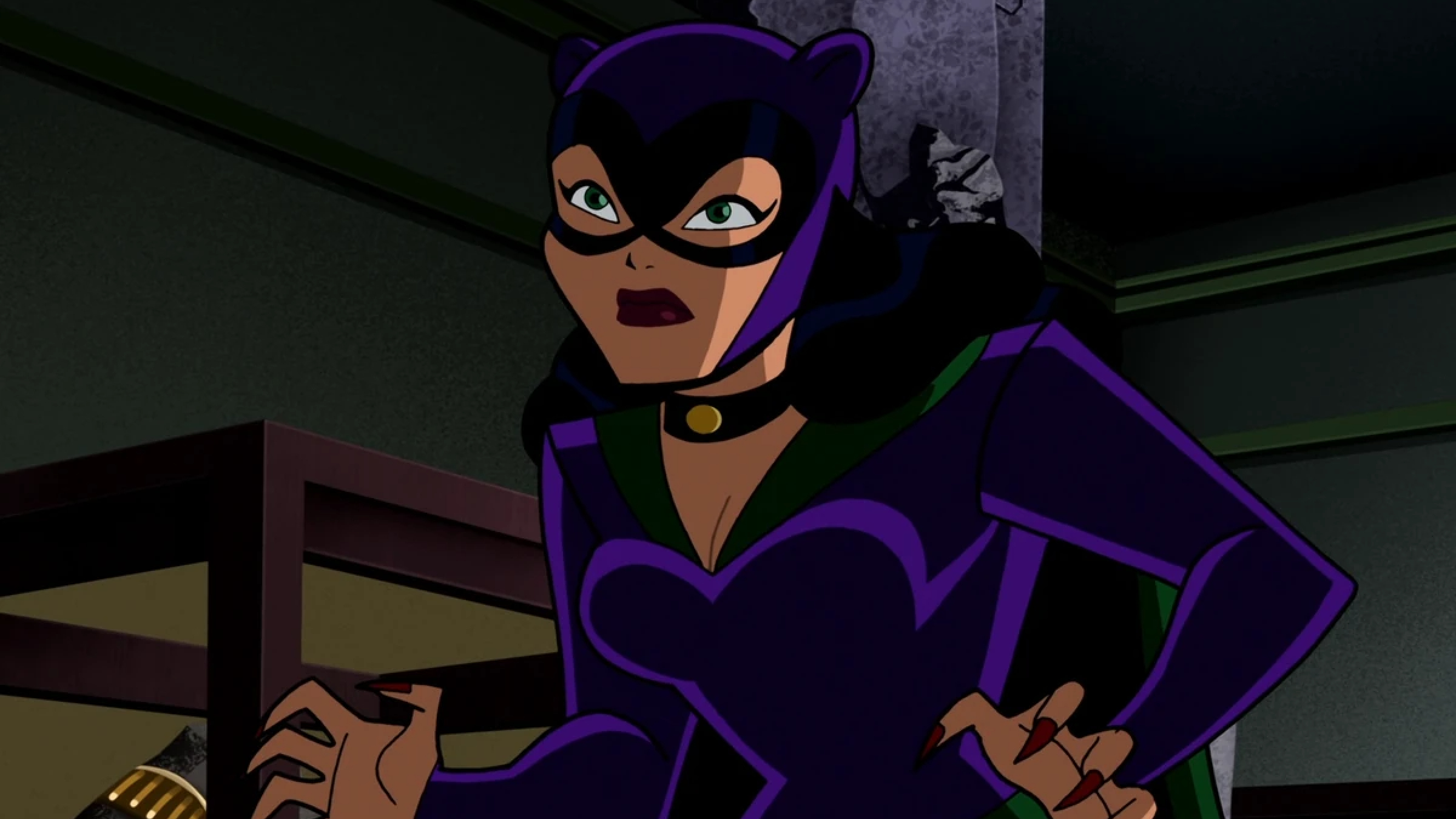
Selina Kyle, known as Catwoman, began her story as a skilled jewel thief in Gotham City. She wasn’t just a criminal; she saw stealing as a way of life and even an art form. Initially, Catwoman was portrayed as a fashionable rebel who didn’t follow conventional rules of right and wrong. She wasn’t a killer, but she wasn’t a hero either – she was a woman challenging the systems that had overlooked her.
Catwoman’s relationship with Batman changed over time, moving from being enemies to something more complex, which reflects the moral ambiguity of Gotham City. She didn’t become a purely good person, but rather an antihero who fights corruption on her own terms, without pretending to be perfect. She’s unique in DC Comics for finding redemption without becoming self-righteous.
6. The Shade (Richard Swift)
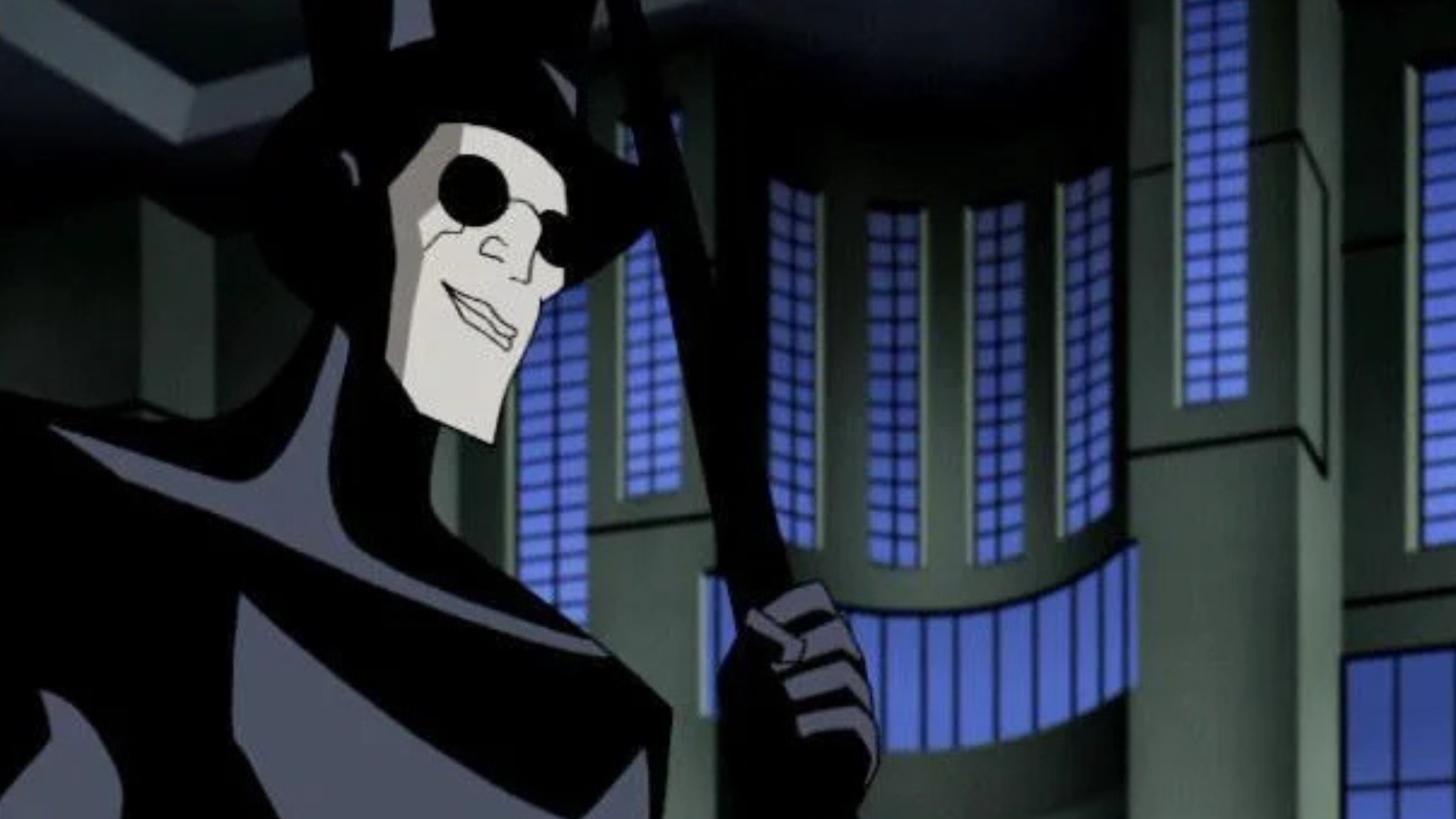
The Shade first appeared in Flash Comics #33 as a traditional villain: a criminal who controlled shadows. What made him interesting was his old-fashioned, Victorian background and the magical source of his powers. He enjoyed being a villain and loved to taunt heroes with clever, literary insults.
Over time, the Shade became a fascinating character, particularly in James Robinson’s Starman comic series. He established a personal set of principles, guiding heroes like Jack Knight while remaining skeptical of pure idealism. The Shade’s nuanced personality demonstrated that a character doesn’t have to completely overcome their past to find redemption – the two can exist together harmoniously.
5. Sinestro (Thaal Sinestro)
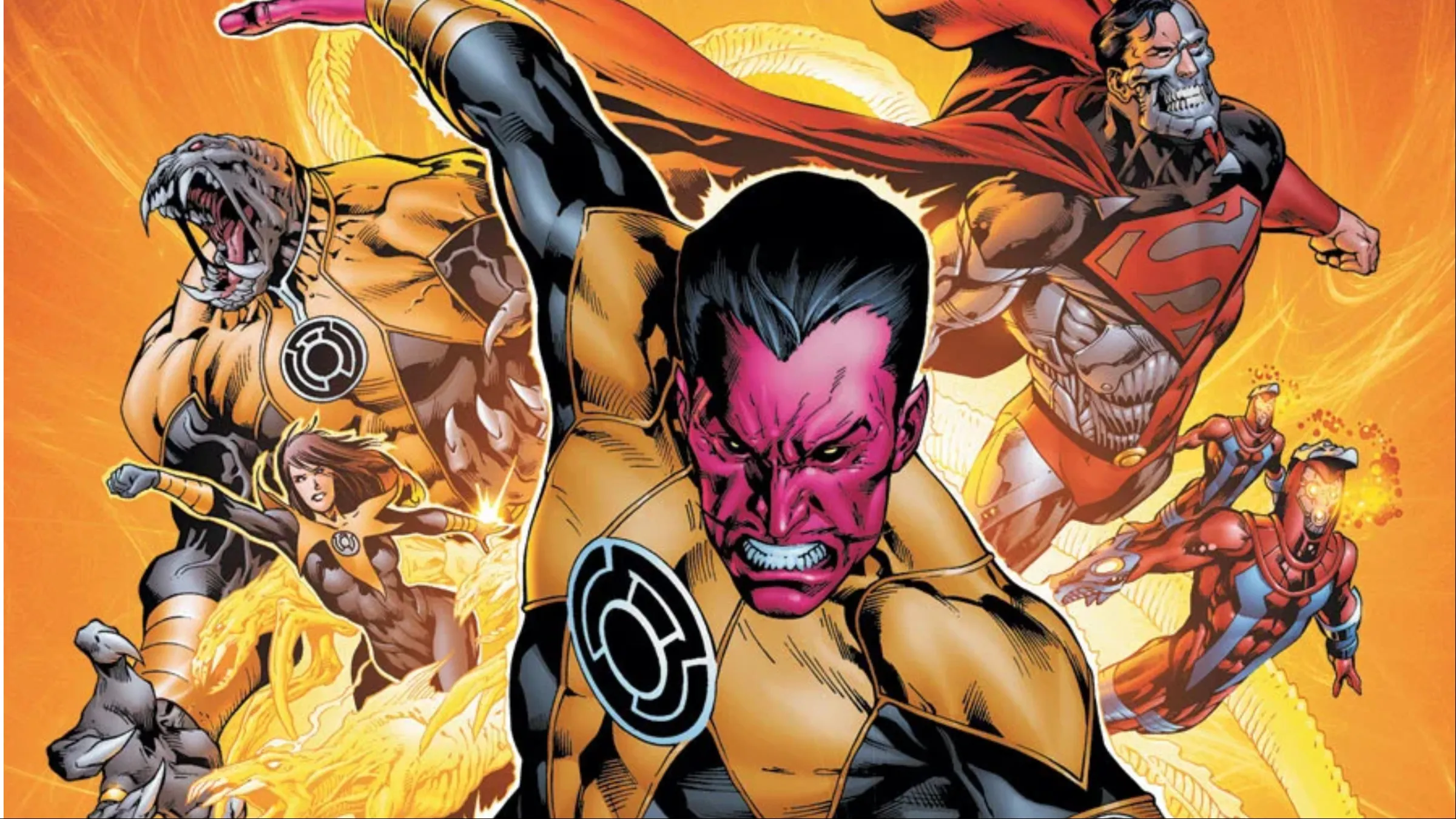
Sinestro was once the most powerful Green Lantern, but his descent into villainy created a legend of oppressive control masked as peace. He came to believe in using fear instead of overcoming it, transforming him from a celebrated hero into a ruthless dictator. After being exiled and disgraced, Sinestro created his own group and built an empire fueled by harnessing and weaponizing emotions.
Though Sinestro often acts like a dictator, he’s DC’s best example of a villain who sometimes fights for good. His complicated relationship with Hal Jordan shows he’s capable of caring about more than just control. He doesn’t completely give up his harsh tactics, but he will occasionally team up with the Green Lanterns when he believes it’s the only way to achieve true justice.
4. Black Adam (Teth-Adam)

Black Adam originally gained power as a champion who was twisted by corruption, using his incredible strength to control others. Years of heartbreak and a past betrayal turned him into a stern and unwavering leader of Kahndaq. While once seen simply as a villain, more recent stories show a more complex character – a ruler motivated by a deep love for his people, rather than just evil intentions.
Adam doesn’t fight as a typical hero, but as a force Kahndaq needs to defend itself from outside control. While his actions often clash with what’s considered right or wrong, his dedication to protecting his home makes him a poignant figure representing a nation’s right to self-rule. For Adam, true salvation lies in his unwavering resistance.
3. Harley Quinn

Harley Quinn first appeared as the Joker’s chaotic accomplice, but her journey to become an independent character is one of the best in DC Comics. Originally a psychiatrist manipulated by the Joker, her story was filled with tragedy. However, as she recognized the abuse and her own self-deception, she began to rebuild her life. The once whimsical sidekick of Gotham evolved into a strong and resilient survivor.
Harley Quinn embodies true freedom from control. Her strength isn’t about choosing sides – she’s not defined by the Joker or even the heroes she fights. She’s spontaneous, but surprisingly, she usually does the right thing and shows compassion.
2. Poison Ivy (Pamela Isley)

Pamela Isley, originally known as Poison Ivy, started as a classic eco-terrorist – incredibly intelligent, alluring, and driven by a desire for revenge against those who harm the environment. While her actions were villainous, they stemmed from a real concern for the planet, warped by personal trauma and loneliness. She embodied the Earth’s fight back against humanity.
Over time, her reasons for acting became focused and purposeful, rather than erratic. Today’s comics portray her as someone who protects the environment, not destroys it, and she’s now shown working with heroes as an ally. Her path to making things right means ensuring fairness for all, not just punishing human mistakes.
1. The Red Hood (Jason Todd)
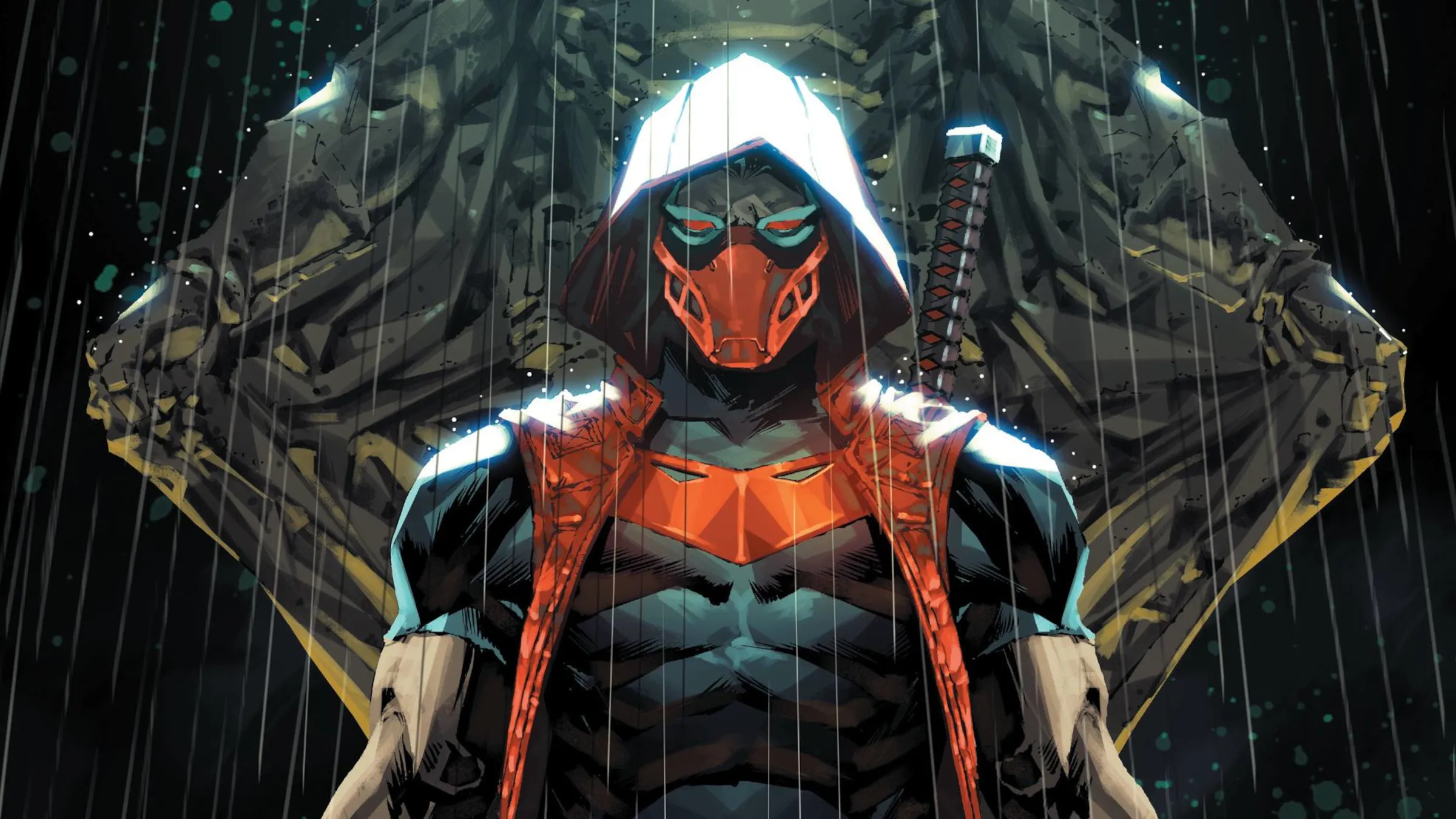
Jason Todd’s return from the dead dramatically altered Batman’s life. After dying at the hands of the Joker while serving as Robin, his resurrection as the Red Hood ignited a fierce conflict with Batman’s rule against killing. Driven by revenge, Jason began a brutal campaign against criminals, delivering his own brand of justice to Gotham City. He’s seen as a lost brother by the Bat-Family, but a terrifying threat to criminals. While his willingness to use lethal force is debated, Jason believes he’s protecting the innocent, which challenges the often-unspoken rules of superhero ethics.
What do you think? Leave a comment below and join the conversation now in the ComicBook Forum!
https://comicbook.com/dc/list/7-most-powerful-dc-weapons-in-the-comics/embed/#
Read More
- The Super Mario Galaxy Movie: 50 Easter Eggs, References & Major Cameos Explained
- Surprise Isekai Anime Confirms Season 2 With New Crunchyroll Streaming Release
- 10 Best Free Games on Steam in 2026, Ranked
- Sydney Sweeney’s The Housemaid 2 Sets Streaming Release Date
- Why is Tech Jacket gender-swapped in Invincible season 4 and who voices her?
- Welcome to Demon School! Iruma-kun season 4 release schedule: When are new episodes on Crunchyroll?
- Preview: Sword Art Online Returns to PS5 as a Darker Open World Action RPG This Summer
- Skate 4 – Manny Go Round Goals Guide | All of the Above Sequence
- 10 Best Supporting Actress Oscar Wins That Are Indisputable
- All 13 Smash Bros. Characters in the Super Mario Galaxy Movie
2026-02-06 22:13