Action movies have changed a lot over the past hundred years, moving from classic adventures and war stories to today’s big-budget, fast-paced spectacles. A truly great action film isn’t just about huge explosions or lots of fighting—it’s about how well the filmmaking, suspense, and story work together. The best action movies are exciting and also push the boundaries of what the genre can be.
I’ve been thinking about what truly makes a great action movie, and what stands out to me about the best ones is that they aren’t just following what everyone else is doing. They really try new things. They get how important timing, movement, and realistic consequences are – so every fight, chase, or explosion feels like it matters. Trying to pick the best action films from the last century is tough because it’s all about opinion, but these movies, to me, represent times when the genre really reached its highest point creatively.
Mission: Impossible – Fallout (2018)
 Paramount Pictures
With Mission: Impossible – Fallout, director Christopher McQuarrie delivers what many consider the peak of modern action filmmaking. Building on the successful reinvention of the series with Ghost Protocol, the film stands out for its dedication to real, practical stunts and effects, rather than relying heavily on computer-generated imagery.
I’m constantly amazed by the action in these movies! The jumps, chases, and fights feel so real and impactful. It’s all because Tom Cruise insists on doing his own stunts – it’s incredible. Because of that dedication, his character, Ethan Hunt, actually feels like a real person, which is rare for an action hero, and honestly, it’s what makes him so compelling to watch.
He’s always worn out, injured, and forced to think on his feet. What makes the action in this film special is how it’s connected to the characters and the results of their choices – every exciting scene is motivated by what they believe in, not just flashy effects. At a time when many films rely too much on computer-generated imagery, Fallout shows how thrilling and effective realistic action can be.
The Bourne Identity (2002)

The Bourne Identity changed action movies by making them feel more raw and realistic. Instead of focusing on fancy gadgets and witty dialogue, the film, directed by Doug Liman, used shaky cameras and close-up fight scenes. Jason Bourne isn’t a polished, confident spy; he’s disoriented, responds to situations as they happen, and is always trying to protect himself.
The film creates a real sense of urgency in its action scenes. The iconic car chase through Paris isn’t about big explosions, but clever thinking and quick reactions, making the excitement feel more believable because it’s rooted in the characters’ skills. Matt Damon convincingly portrays Bourne as a highly trained operative who doesn’t fully grasp the forces controlling him, giving the character a psychological complexity that was unusual for action heroes at the time.
The impact of The Bourne Identity is huge, changing action movies from James Bond films to superhero blockbusters. It showed that action could be exciting without relying on over-the-top effects, instead building suspense through clever pacing and a realistic feel that kept viewers captivated.
Aliens (1986)

James Cameron’s Aliens is an unusual sequel because it builds on the original Alien while dramatically changing the type of movie it is. The first film was a straightforward horror story, but Aliens becomes a high-energy action film without losing the suspense or eerie feeling. Cameron’s skill is in his ability to steadily increase the excitement and stakes.
Aliens gradually brings in military weapons, but ultimately shows how ineffective they are when facing a truly powerful enemy. The movie’s action sequences are carefully crafted, mixing big battles with intense, suspenseful moments. Sigourney Weaver’s character, Ellen Ripley, becomes an iconic action hero, known for her toughness and ability to survive, rather than being unbeatable.
The action in Aliens isn’t just for thrills; every explosion and fight highlights the story’s themes, particularly how pointless it is to overestimate ourselves against the power of nature. The film also set the standard for sci-fi action movies, impacting everything from video games to major film series. Even today, its combination of compelling characters and non-stop action is still incredibly impressive.
Seven Samurai (1954)

Akira Kurosawa’s Seven Samurai is considered one of the most important action movies ever created, though its influence is often seen in films that came after it rather than directly copied. The movie’s final battle scenes changed how action sequences were filmed, edited, and made to feel emotionally powerful. Kurosawa skillfully used the setting—including the land, weather, and characters’ movements—to create a sense of realistic chaos, not a planned performance.
Each fight and every loss in Seven Samurai feels important, giving the violence purpose beyond just spectacle. The film also pioneered the now-common trope of assembling a team for a dangerous mission, a structure that continues to influence action movies today. You can see its impact in films like The Magnificent Seven, Quentin Tarantino’s work, and even recent superhero team-ups like The Avengers.
Even though it was made long ago, Seven Samurai is still incredibly energetic and exciting, with sword fights and strategy that feel fresh today. The action isn’t just about showing off—it’s deeply connected to themes of community, honor, and the will to live. More than any other movie, Seven Samurai helped establish action films as a respected and dramatic art form.
John Wick (2014)

The movie John Wick not only helped relaunch Keanu Reeves’ career, but it also changed how action sequences are made. The film, directed by stunt experts Chad Stahelski and David Leitch, portrays violence as a kind of artful dance, combining martial arts, shooting, and fluid movement into a visually stunning experience.
I’m completely captivated by the action in John Wick. It’s not just about flashy gunplay; the style, often called “gun-fu,” is so precise and fluid, it lets the fights unfold in these amazing, long shots that are easy to follow. But what really makes the movie special, for me, is how it builds this whole, detailed underworld with its own codes and traditions. It’s not just about Wick getting revenge; it gives his actions real weight and makes me feel connected to his story.
Keanu Reeves’ commitment to the physical demands of his roles makes every fight scene believable. He portrays a character who is both incredibly powerful and surprisingly fragile. The success of John Wick demonstrated that the action genre could still offer something new, inspiring many copycats but remaining a standout example of exciting, dynamic filmmaking.
The Raid: Redemption (2011)

The Raid: Redemption is action filmmaking at its most intense. It’s a fast-paced, violent, and incredibly effective movie. Director Gareth Evans focuses on pure action, telling a simple story and building incredible tension. Each fight feels like a desperate struggle for survival, not just a step forward in the plot.
What truly sets The Raid apart is its dedication to realistic, intense fight sequences. The martial arts are based on Silat and filmed with incredible detail, letting you feel the speed, pain, and effort of every move. Instead of quickly cutting away from impacts, like many action movies do, The Raid makes you experience every hit.
Iko Uwais returns as Rama, but he’s not an invincible hero. He’s exhausted, hurt, and always finding new ways to survive. The impact of The Raid is clear – it has fundamentally changed how fight scenes are done in action movies around the globe. Very few films build tension and speed so effectively, making The Raid feel like one continuous, thrilling plunge into chaos.
The Dark Knight (2008)
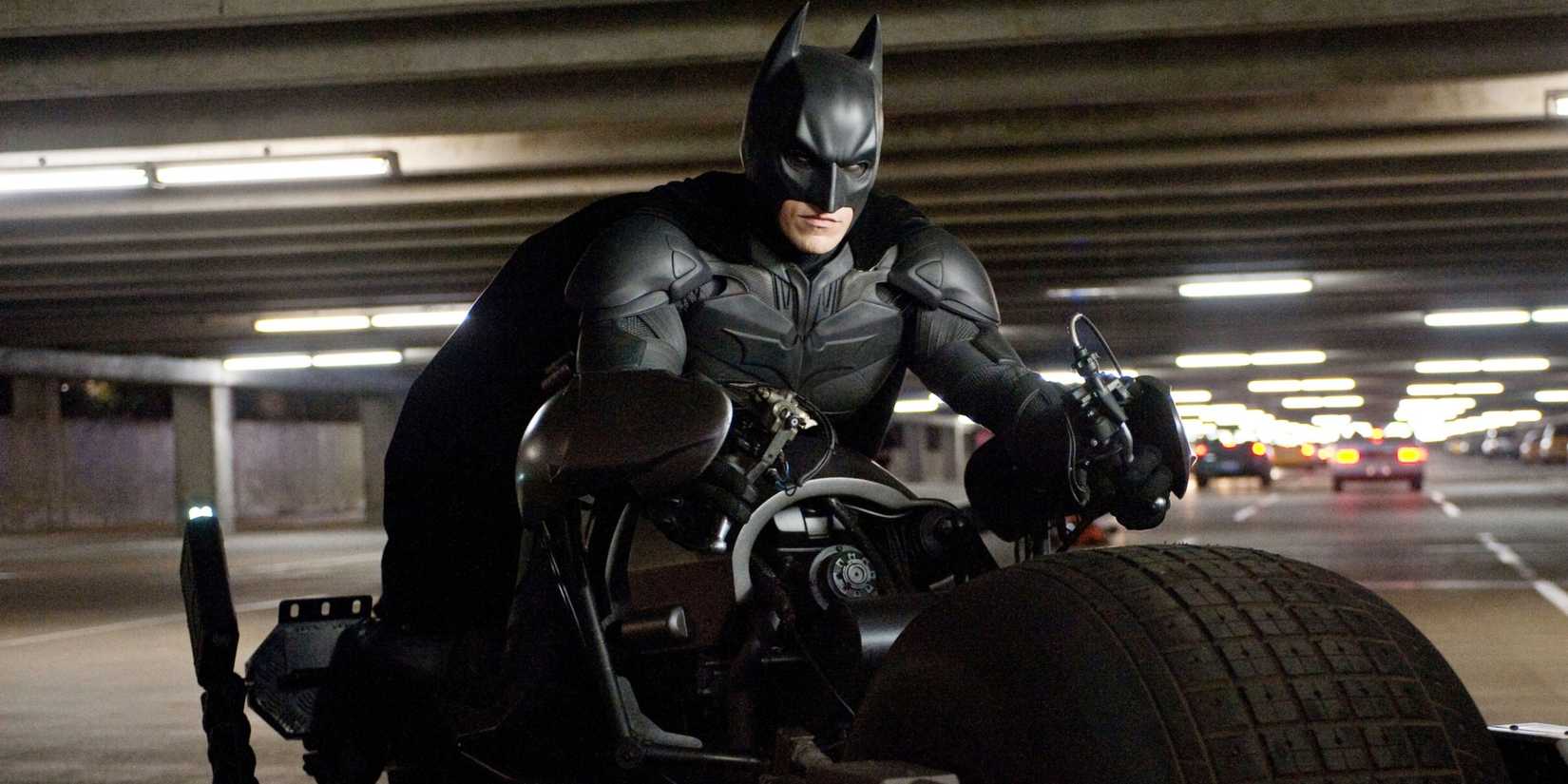 Photo Credit: Ron Phillips/©Warner Bros./courtesy Everett Collection
The Dark Knight completely changed expectations for superhero movies. Director Christopher Nolan brilliantly combined huge action sequences with thought-provoking themes, creating scenes that were both visually stunning and intellectually stimulating. The film, from its thrilling opening bank robbery to the intense chase scene, focused on practical effects and realistic physics, making the action feel grounded and impactful.
What makes The Dark Knight truly special is how its action scenes aren’t just exciting—they also deepen the movie’s themes and develop the characters. Batman’s strength is repeatedly tested by the Joker’s unpredictable nature, making each fight about more than just physical power—it’s a test of Batman’s values. Heath Ledger’s Joker redefined action movies by showing that a villain’s beliefs can be even more threatening than their physical strength.
The impact of this film goes well beyond the superhero genre. It showed that action movies could have complex stories and demonstrated that comic book adaptations could be critically successful. The Dark Knight wasn’t just fun to watch; it proved that big-budget spectacle could also be meaningful and thought-provoking.
Raiders Of The Lost Ark (1981)
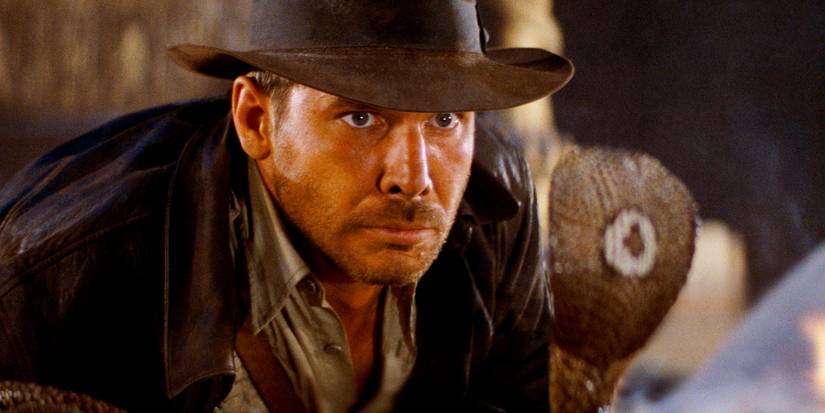
Raiders of the Lost Ark is widely considered the best example of an exciting, action-packed adventure film. Director Steven Spielberg creates a fantastic sense of constant movement, with each exciting scene leading seamlessly into the next. The action feels both fun and genuinely risky, relying on clever timing, the environment, and how the characters respond, instead of just explosions and chaos.
Indiana Jones isn’t a superhero; he’s often facing opponents who are stronger than him, and he gets by using his intelligence, good fortune, and relentless spirit. This makes the action sequences feel exciting and realistic. Director Spielberg is a master of visual storytelling – he can tell entire stories with very little dialogue, letting the action and camera angles do the work.
From the thrilling boulder chase to the exciting truck pursuit, Raiders of the Lost Ark essentially created the formula for today’s action-adventure movies. You can see its impact in films like Uncharted and The Mummy. Even after all these years, Raiders is still incredibly fun to watch, demonstrating that a great story with compelling characters is timeless.
Die Hard (1988)
 Image courtesy of Everett Collection
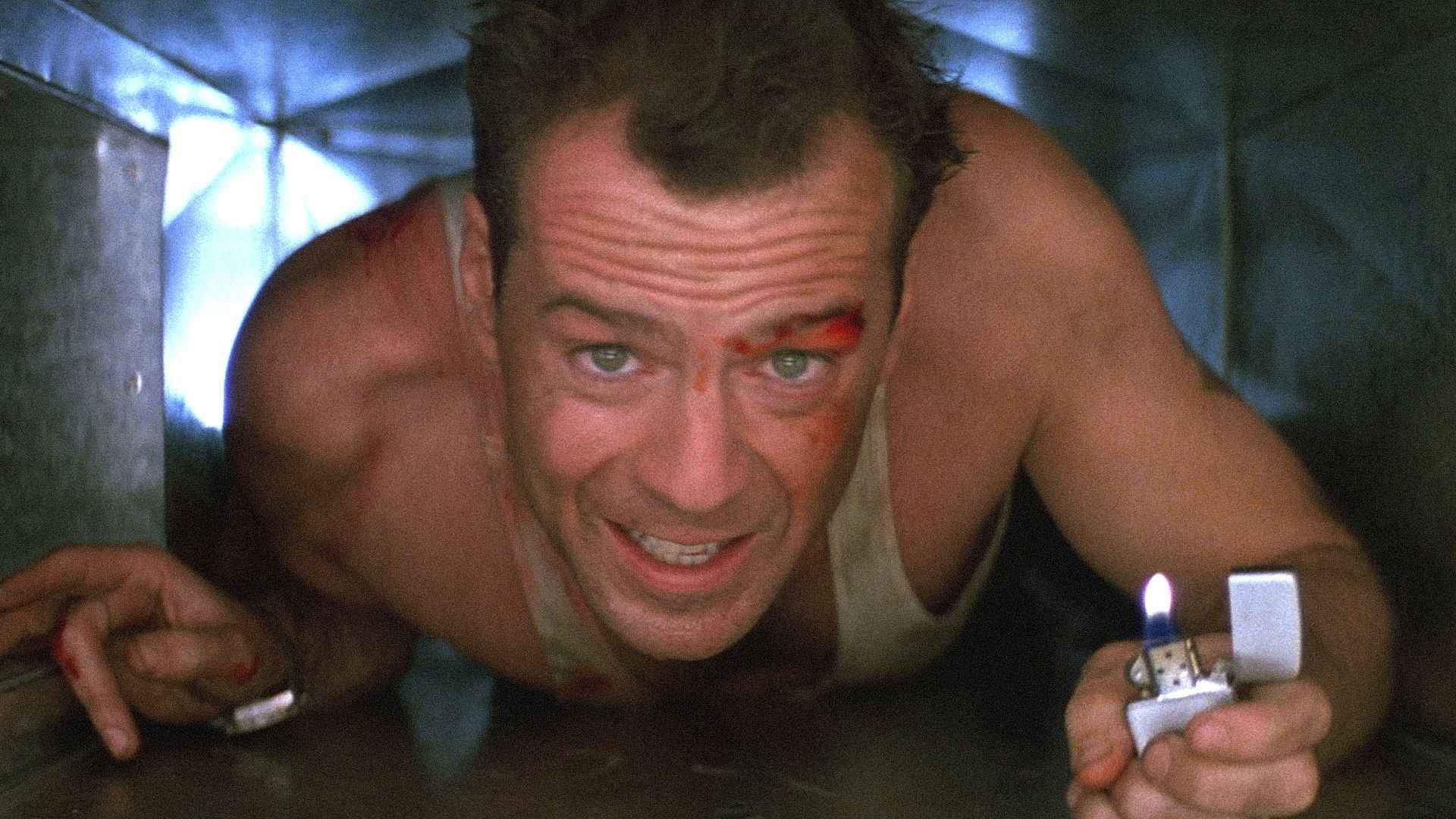
As a huge movie fan, I’ve always thought Die Hard really nailed the action genre. What I think it did brilliantly was keep everything contained – the whole movie takes place within this one building, which instantly ratchets up the tension. And John McClane? He’s not some invincible hero; he’s a regular guy, beat up, exhausted, and just trying to survive by the skin of his teeth. That’s what makes the film so compelling and why it’s still a classic for me – he feels real, and we connect with him on that level.
Die Hard cleverly uses the Nakatomi Plaza building itself – its many levels and spaces – to build suspense and drive the action. The film emphasizes that every action has a reaction, making the consequences of each gunshot and broken window feel real. Hans Gruber, played by Alan Rickman, is a particularly smart and nuanced villain, challenging McClane with his intellect instead of just physical strength.
As a huge action movie fan, I always come back to Die Hard. What really gets me is how perfectly paced it is – it seamlessly blends humor, genuine suspense, and incredible action sequences, and never lets up. I truly believe it invented a whole style of action film – that ‘one person trapped in a single location’ setup you see everywhere now. Honestly, very few action movies are as brilliantly put together or as endlessly rewatchable as Die Hard.
Terminator 2: Judgment Day (1991)
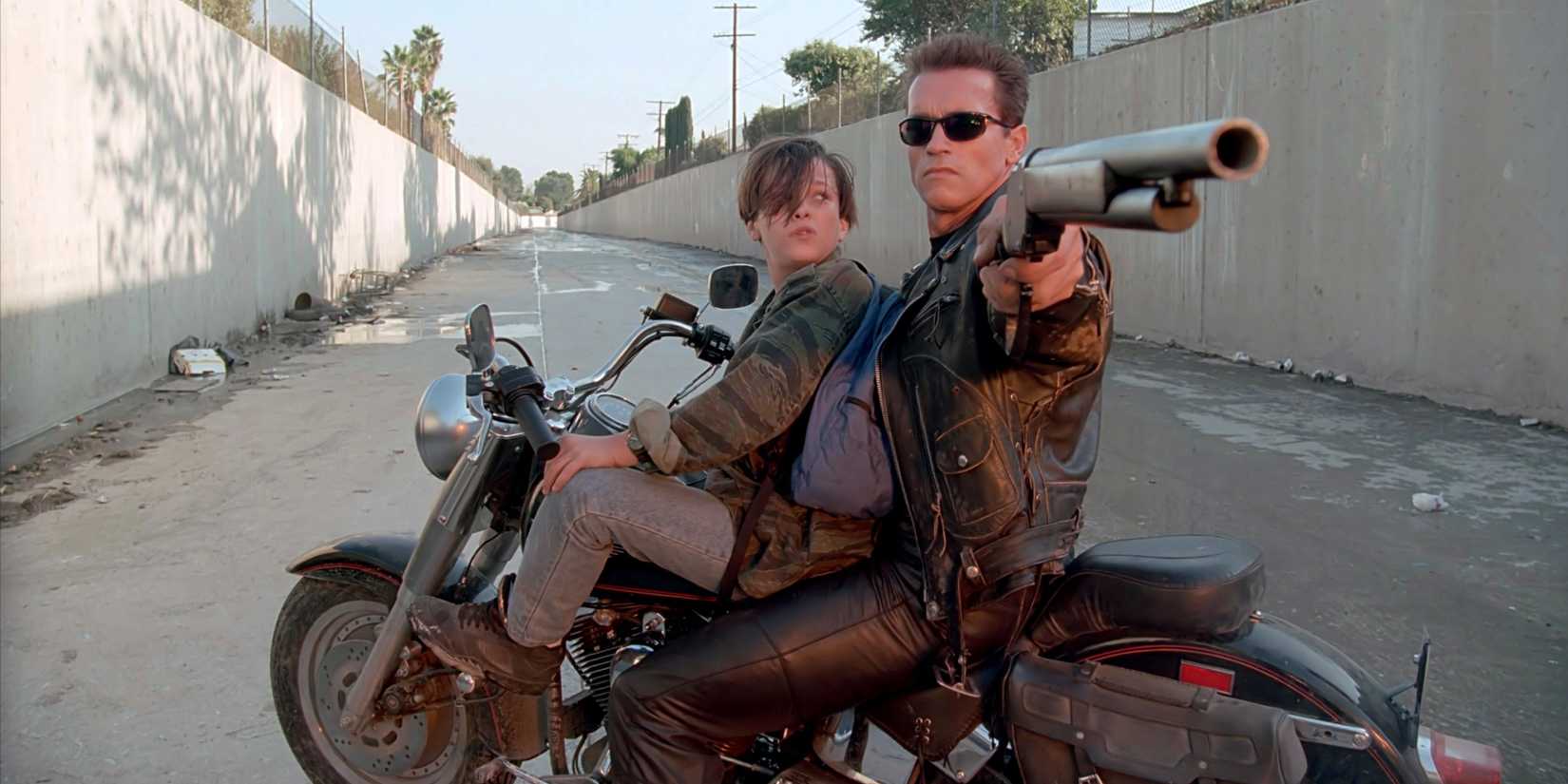
As a huge movie fan, I always say Terminator 2: Judgment Day isn’t just an action film—it’s a real milestone. What makes it so special is how James Cameron managed to combine incredible visual effects with a genuinely moving story. The scale of the action is massive, but it never overshadows the characters and their journeys. And those action scenes—like the chase through the canals or the attack on Cyberdyne—are brilliantly done. He used practical effects and early CGI together so seamlessly, it wasn’t about showing off the technology, but about serving the story.
What makes Terminator 2 truly special is its emotional depth. The connection between the reprogrammed Terminator and John Connor is surprisingly human, giving the action more meaning than just explosions and fighting. Linda Hamilton’s performance as Sarah Connor establishes her as a truly unforgettable and powerful action hero, shaped by her past trauma.
Terminator 2 isn’t just an action-packed film; it delves into deeper questions about destiny, accountability, and what people are willing to give up. It revolutionized action movies with its special effects and demonstrated that big-budget films could also be emotionally engaging, smart, and genuinely exciting. Many consider it the best action movie of all time.
Read More
- Gold Rate Forecast
- Dune 3 Gets the Huge Update Fans Have Been Waiting For
- Looks Like SEGA Is Reheating PS5, PS4 Fan Favourite Sonic Frontiers in Definitive Edition
- Arknights: Endfield – Everything You Need to Know Before You Jump In
- Pluribus Star Rhea Seehorn Weighs In On That First Kiss
- Jack Osbourne Shares Heartbreaking Tribute to Late Dad Ozzy Osbourne
- Disney Promotes Thomas Mazloum To Lead Parks and Experiences Division As Josh D’Amaro Prepares To Become CEO
- 22 actors who were almost James Bond – and why they missed out on playing 007
- Kelly Osbourne Slams “Disgusting” Comments on Her Appearance
- 5 Weakest Akatsuki Members in Naruto, Ranked
2026-01-25 01:05