
Although comedy is sometimes seen as simple entertainment, the best comedy movies have actually become classics. Over the past hundred years, these films haven’t just made people laugh—they’ve had a real impact on our culture, inspired many filmmakers, and offered insightful commentary on society, relationships, and what it means to be human.
Great comedy movies aren’t just funny – they’re carefully crafted, expertly blending timing, acting, and writing. They also feel fresh and unpredictable. These films show that comedy can be as meaningful and beautifully made as serious dramas. While everyone has their favorites, a few comedies consistently shine due to their impact, how enjoyable they are to watch again and again, and their overall brilliance.
Planes, Trains, And Automobiles (1987)
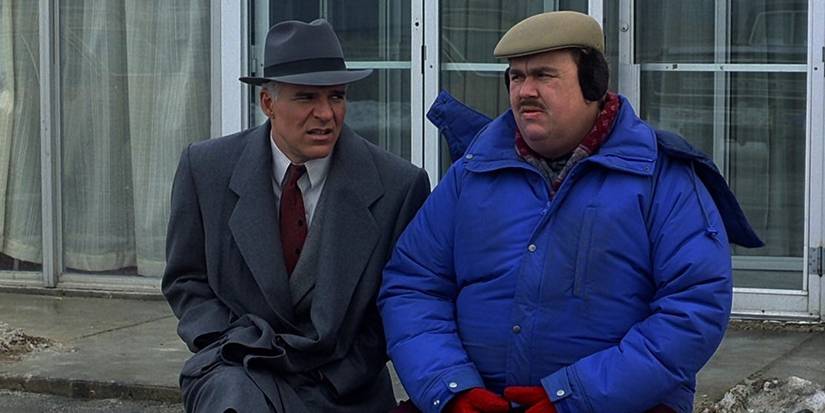
While often thought of as a funny holiday movie, John Hughes’ Planes, Trains, and Automobiles is truly special because it expertly mixes heartfelt emotion with constant laughs. Steve Martin gives a fantastic performance as Neal Page, a character whose frustration is both incredibly funny and realistically relatable.
Despite often being clumsy and annoying, Del Griffith, played by John Candy, is the heart of the movie. Candy skillfully combines genuine emotion with comedic overacting, which takes the film beyond a typical silly road trip story and makes it something special.
Recent travel mishaps are brilliantly chaotic, with each problem being more amusing and irritating than the one before. What really makes the movie Planes, Trains and Automobiles memorable is its ending, which gives new meaning to Del’s actions and provides a surprisingly touching conclusion. It’s rare for a comedy to end on such a heartwarming note while still being funny.
Young Frankenstein (1974)
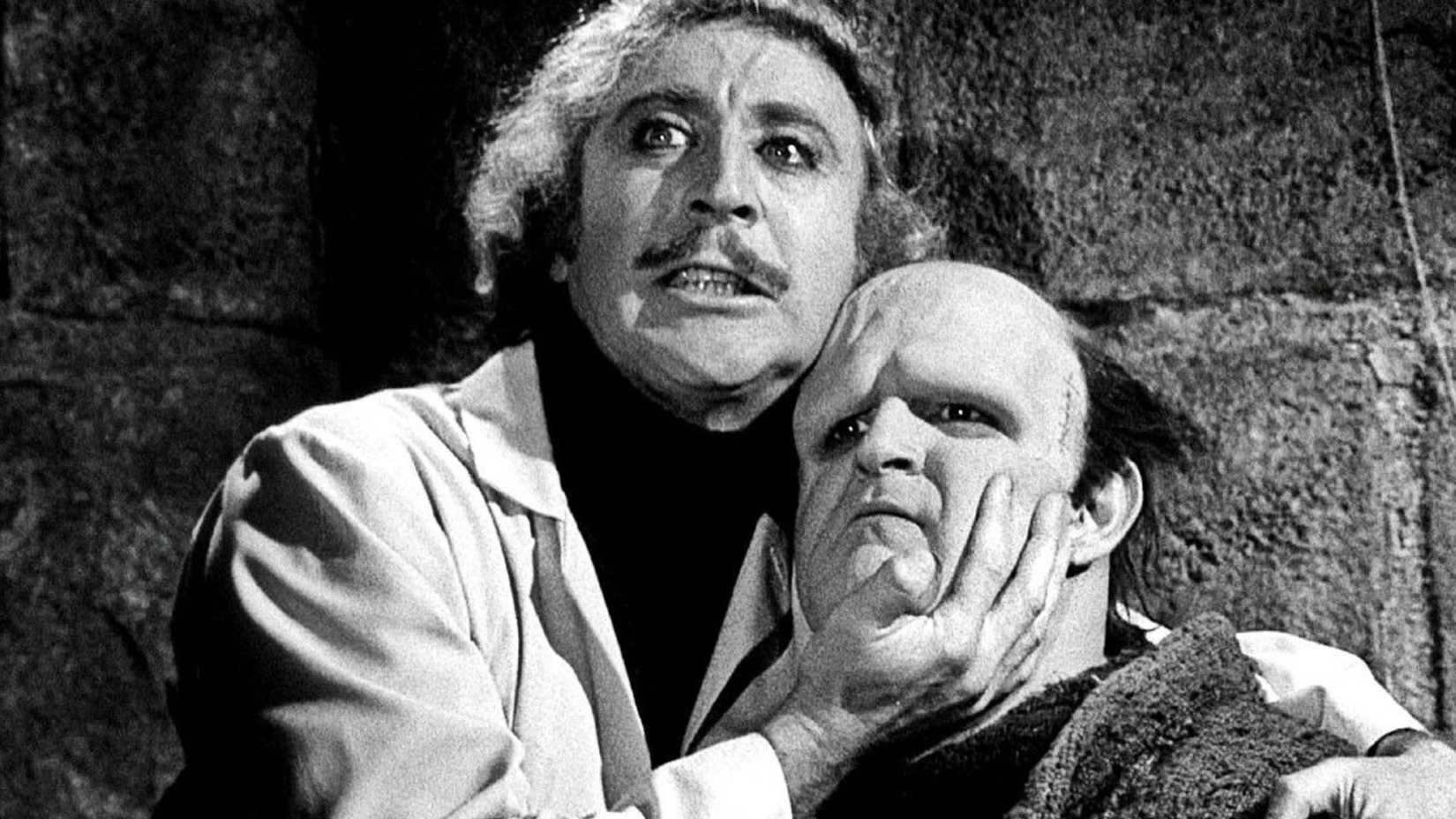
Mel Brooks’ Young Frankenstein is widely considered a comedic masterpiece, and one of the best spoofs ever created. What sets it apart is Brooks’ clear love for the original monster movies. Filmed in black and white and carefully crafted to look like the classic horror films of the past, the movie fully embraces its concept and old-fashioned style.
Gene Wilder is brilliantly chaotic as Dr. Frederick Frankenstein, and Marty Feldman’s Igor consistently steals the show with his uniquely funny physical comedy. The movie is packed with jokes – everything from sight gags and clever wordplay to wonderfully bizarre performances that all blend together perfectly.
What makes Young Frankenstein stand out from other comedies is how well it’s made. The film genuinely looks and sounds like a classic horror movie, which makes the humor even more effective. Mel Brooks shows that creating a parody takes a lot of skill and attention to detail, not just shortcuts. Even today, Young Frankenstein is still hilarious and feels surprisingly new.
Some Like It Hot (1959)
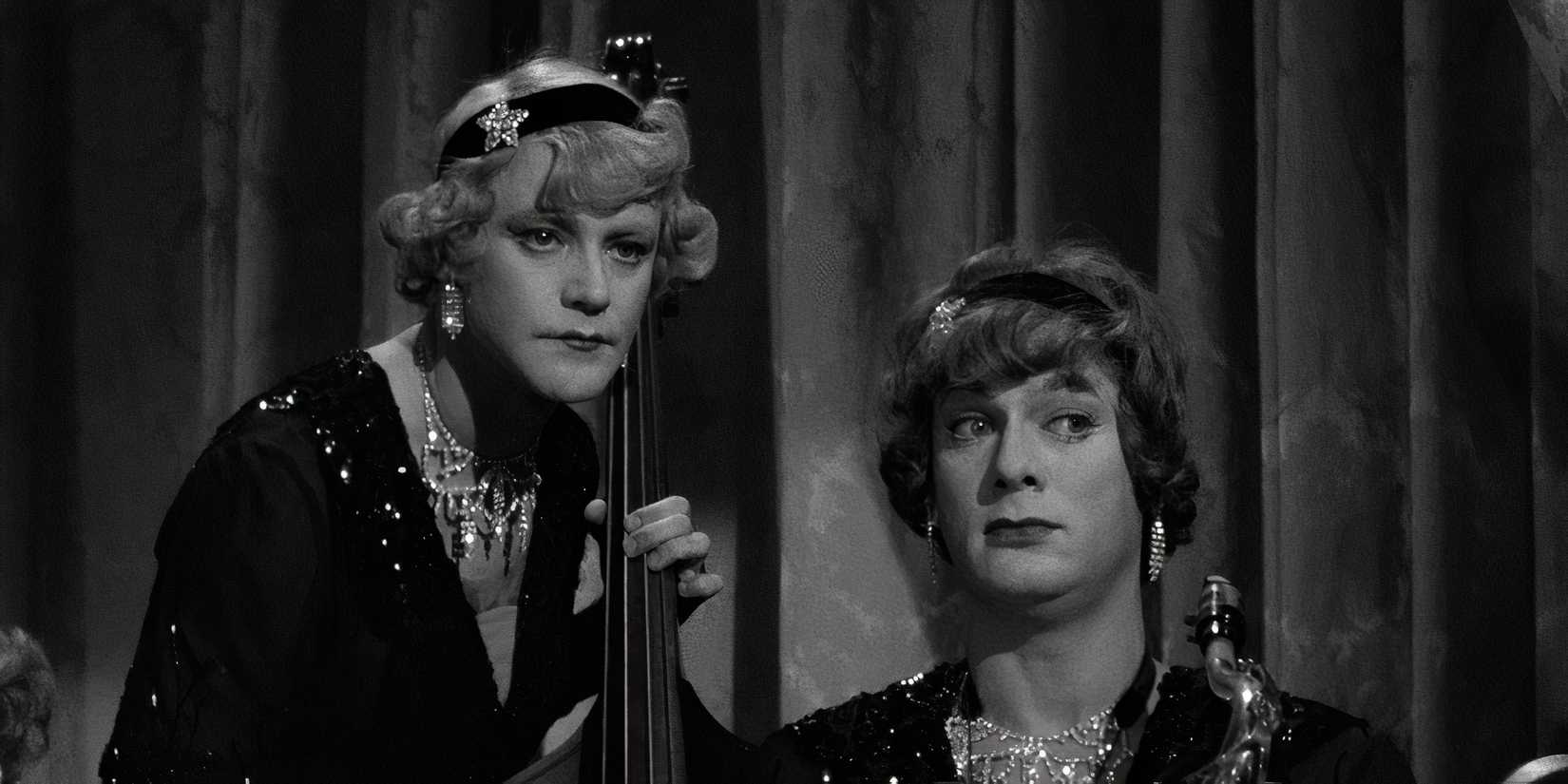
As a film lover, I always come back to Billy Wilder’s Some Like It Hot. It’s a truly groundbreaking comedy that still feels incredibly bold today. What really makes it work are the amazing performances – Tony Curtis, Jack Lemmon, and Marilyn Monroe have such incredible chemistry. And honestly, Jack Lemmon as Jerry is just a masterclass in how to commit to a comedic role – it’s hilarious!
The movie wholeheartedly accepts its playful switching of gender roles, and doesn’t play it for irony. However, beyond the humor, Some Like It Hot is actually quite daring. It bravely explores themes of identity, attraction, and what society expects from people, all while keeping the laughs coming at a rapid pace.
Every joke in the movie reveals something about the characters or moves the story forward – it’s never just random humor. Director Billy Wilder maintains a perfect pace, leading up to one of the most iconic closing lines ever written for a film. It’s rare to find a comedy that’s both smart and delightfully silly, and Some Like It Hot continues to be a prime example of intelligent, bold comedic filmmaking.
Withnail & I (1987)
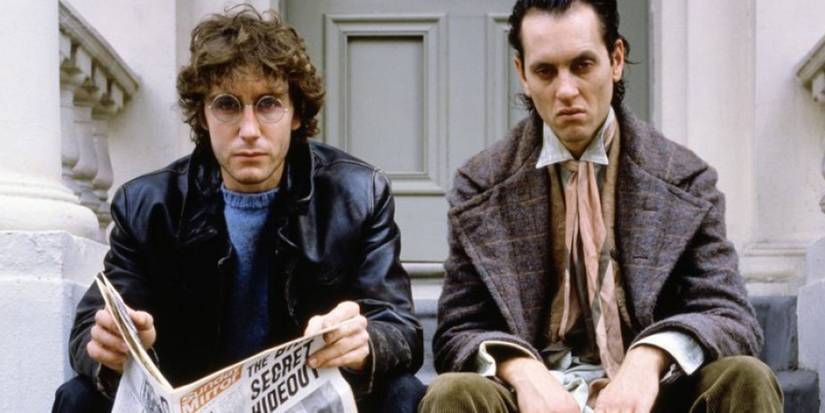
Withnail & I is a truly funny film, but not in a typical way. Instead of relying on obvious jokes, it finds humor in the bleak and often depressing experiences of two unemployed actors. The film, directed by Bruce Robinson, is a cult classic known for its sharp, clever writing and Richard E. Grant’s brilliant performance as Withnail.
He’s a captivating mix of extravagance, sadness, and sharp wit. The movie’s dialogue is brilliantly written, full of clever insults and thoughtful reflections on life that make it worth watching again and again. Instead of relying on easy laughs, Withnail & I finds humor in awkwardness and setbacks, offering a painfully honest look at the struggles of creative people.
What I love about this film is that even though it’s pretty bleak, it never feels mean-spirited – there’s this odd, almost comforting warmth hidden beneath all the harshness. You can really see its impact on so many dark comedies that came after, the ones that focus on people instead of just trying to get laughs. Honestly, Withnail & I has stayed with me because it proves that comedy doesn’t need to be feel-good to be truly great.
Annie Hall (1977)
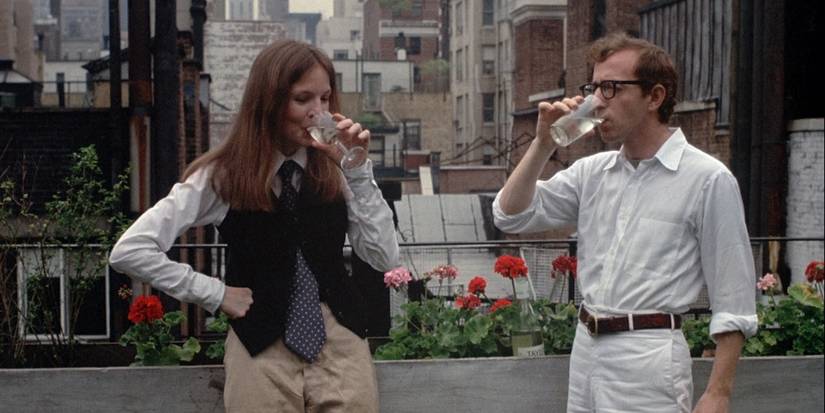
Woody Allen’s Annie Hall changed romantic comedies forever, moving them away from unrealistic, happy endings and toward stories that felt more true to life. Allen plays Alvy Singer, a worried and anxious comedian, and the film centers on his complicated relationship with Annie, played by Diane Keaton. What makes Annie Hall special is its use of unique and unexpected filmmaking techniques.
Known for its innovative techniques—like directly addressing the audience, split screens, animation, and a non-traditional story structure—Annie Hall still feels fresh and contemporary years after its release. Diane Keaton’s portrayal of Annie not only created a memorable character but also made her a cultural touchstone, impacting fashion and changing how unconventional romantic leads were seen in film.
Although famously funny, the true strength of Annie Hall comes from its realistic portrayal of how love changes and how easily people misunderstand each other. Woody Allen uses humor to explore feelings of insecurity, pretension, and emotional vulnerability. Annie Hall significantly changed the way movies depict romance, comedy, and personal stories.
Groundhog Day (1993)
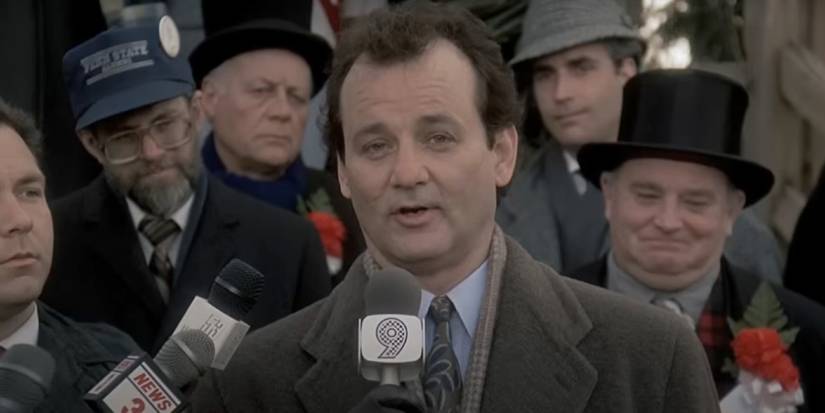
Okay, so Groundhog Day starts out as a really clever, funny premise – a guy stuck repeating the same day. But honestly, it quickly becomes something much deeper than just laughs. Bill Murray is absolutely fantastic as Phil, a grumpy weatherman who finds himself in this bizarre time loop, and it’s easily one of his best roles. What really makes this movie special, though, isn’t just the concept, it’s how the whole thing is put together. The structure is brilliant!
The film Groundhog Day cleverly uses the repeating time loop to examine themes of self-centeredness, hopelessness, and the potential for self-improvement. Director Harold Ramis skillfully combines lighthearted comedy with deeper philosophical ideas, and because of this, the humor changes as Phil, the main character, learns and grows. Bill Murray’s performance beautifully shows Phil’s transformation from being arrogant and aloof to truly understanding and caring for others.
The film has had a huge impact, inspiring many time-loop stories in different kinds of movies and shows. It’s a comedy that gets better with each viewing – and that’s quite ironic! Groundhog Day is consistently funny, but it also subtly explores important themes like finding meaning in life, the power of kindness, and genuine personal growth.
This Is Spinal Tap (1984)
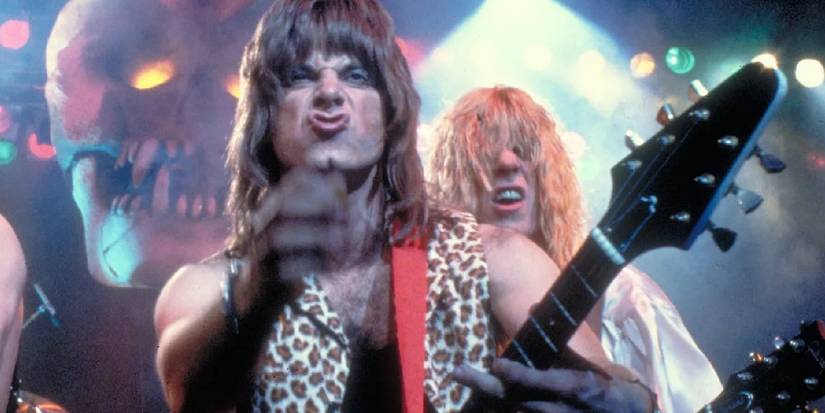
This Is Spinal Tap is widely considered the film that pioneered the mockumentary style we see today. Directed by Rob Reiner, it hilariously follows the fictional heavy metal band Spinal Tap during a chaotic American tour, and brilliantly captures the band members’ inflated egos, self-deception, and lack of artistic talent with surprisingly realistic accuracy.
Christopher Guest, Michael McKean, and Harry Shearer completely immerse themselves in their characters, creating dialogue that feels incredibly authentic. The comedy isn’t about big jokes, but about subtle moments, letting the humor build naturally. It’s the constant stream of small, funny details that ultimately make the film hilarious.
As a huge film fan, I’ve noticed how lines from This Is Spinal Tap – like the famous ‘go to eleven’ – have just become part of how people talk, which really shows how much of an impact the movie had. It’s wild to think that a lot of actual musicians initially believed it was a real documentary – that’s how convincingly it was made! For me, This Is Spinal Tap is a true masterpiece of observational comedy, and honestly, one of the smartest and funniest satires ever created.
Dr. Strangelove: Or, How I Learned To Stop Worrying And Love The Bomb (1964)

Stanley Kubrick’s Dr. Strangelove is a remarkably funny movie that’s also truly frightening. Made during a time of intense Cold War anxiety, it brilliantly satirizes the overconfidence of the military, the failings of politicians, and the illogical idea that nuclear weapons could keep us safe. Peter Sellers gives an unforgettable performance, playing three completely different characters with perfect comedic timing.
Kubrick chose to present the film visually without any obvious cues for comedy, which actually makes the satire more biting. The humor isn’t forced; it arises from the unsettling feeling that everything is disturbingly plausible. This sense of realism is exactly what makes the film both frightening and strangely enjoyable.
Even today, the lines and scenes from Dr. Strangelove feel unsettlingly current, demonstrating how little has shifted in the way countries relate to each other. It’s rare for a comedy to use humor so effectively to make a serious point. The film is a bold and remarkable work, bravely using comedy to explore humanity’s potential for destroying itself.
Monty Python’s Life Of Brian (1979)

Monty Python’s Life of Brian is a remarkably daring comedy. It uses over-the-top humor to challenge unquestioning belief, the power of crowds, and extreme ideologies. Instead of making fun of Jesus directly, the movie centers on Brian, a regular guy who keeps getting mistaken for the Messiah.
As a movie fan, what I really appreciate about Life of Brian is how smartly it’s made. The filmmakers manage to poke fun at religious rules and institutions without ever trying to tell people what to believe – it’s a really subtle difference. The humor is all over the place, from silly jokes with words to really biting commentary on politics, and they deliver it all with such confidence! When it first came out, it caused a huge uproar and was even banned in some places, but honestly, that just made it even more iconic and important. It really cemented its place in pop culture.
Even after all these years, the ideas in Life of Brian still resonate today. Beyond the humor, the film offers a clever critique of power and blind faith. Life of Brian demonstrates that comedy can be thought-provoking and insightful without resorting to meanness, using laughter to encourage us to think critically about the world around us.
Airplane! (1980)
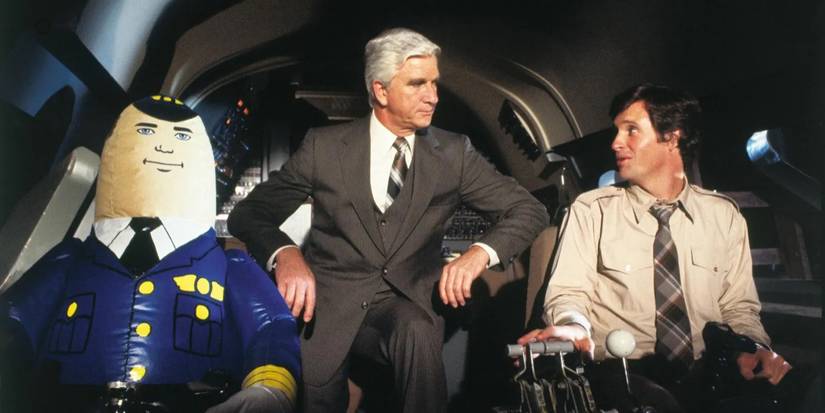
Airplane! is a comedy packed with jokes – it has more laughs per minute than most other films. Directors Jim Abrahams and the Zucker brothers brilliantly take the serious disaster movie formula and explode it with non-stop silliness.
The movie Airplane! is a hilarious mix of sight gags, clever wordplay, jokes hidden in the scenery, and actors delivering lines with a straight face. Leslie Nielsen’s serious acting style, which seems unusual for a comedy, actually paved the way for his future comedic roles, and the entire cast fully embraces the film’s silliness. But what really makes Airplane! so memorable is how carefully crafted and easy to enjoy it is.
The humor in Airplane! isn’t accidental; it’s carefully crafted. The movie has had a huge impact on comedy, particularly spoof films, for decades, though few have been as good. Surprisingly, it’s still hilarious even if you know all the jokes. Airplane! demonstrates that truly great comedy can come from embracing silliness with skill and intelligence.
Read More
- What Song Is In The New Supergirl Trailer (& What It Means For The DC Movie)
- Designing Magnetism with Molecular Architecture
- Jinger Duggar Explains Why Jeremy Vuolo Upgraded Her Wedding Band
- Spaceballs 2 Finally Gets the Major Update Fans Have Been Waiting For
- Dune 3 Gets the Huge Update Fans Have Been Waiting For
- MOUSE: P.I. For Hire Loops in Caravan Palace for A Catchy New Track Ahead of April 16 Release
- How Whitney Leavitt Made Ticket Sale History in Broadway Debut
- Darwin’s Paradox! drops Switch version for Switch 2, delayed to 2026
- Demon Slayer Star Reacts to Infinity Castle Movie Return for Surprising Role
- Starfield PS5 Won’t Play Off Physical Disc without a Download
2026-02-02 04:13