As a movie fan, I’ve always been amazed by how documentaries have changed over the years. They started as simple recordings of things happening, but now they’re some of the most powerful and creative films out there. They can really dig into important issues, show us incredible stories of people overcoming challenges, and capture the beauty – and sometimes the harshness – of the world in a way that feels more real than any fictional movie. Whether it’s a deeply personal story or a sweeping look at our planet, the best documentaries are truly artistic achievements.
Choosing the best documentaries from the last century involves considering how much of an impact they had on culture, how creatively they were made, and how deeply they moved audiences. The films we’ve chosen weren’t just products of their time—they helped shape it, sparking important discussions, influencing decisions, and showing us new possibilities for documentary filmmaking. These are films that stay with you, changing the way you understand the world and the people in it.
Grizzly Man (2005)
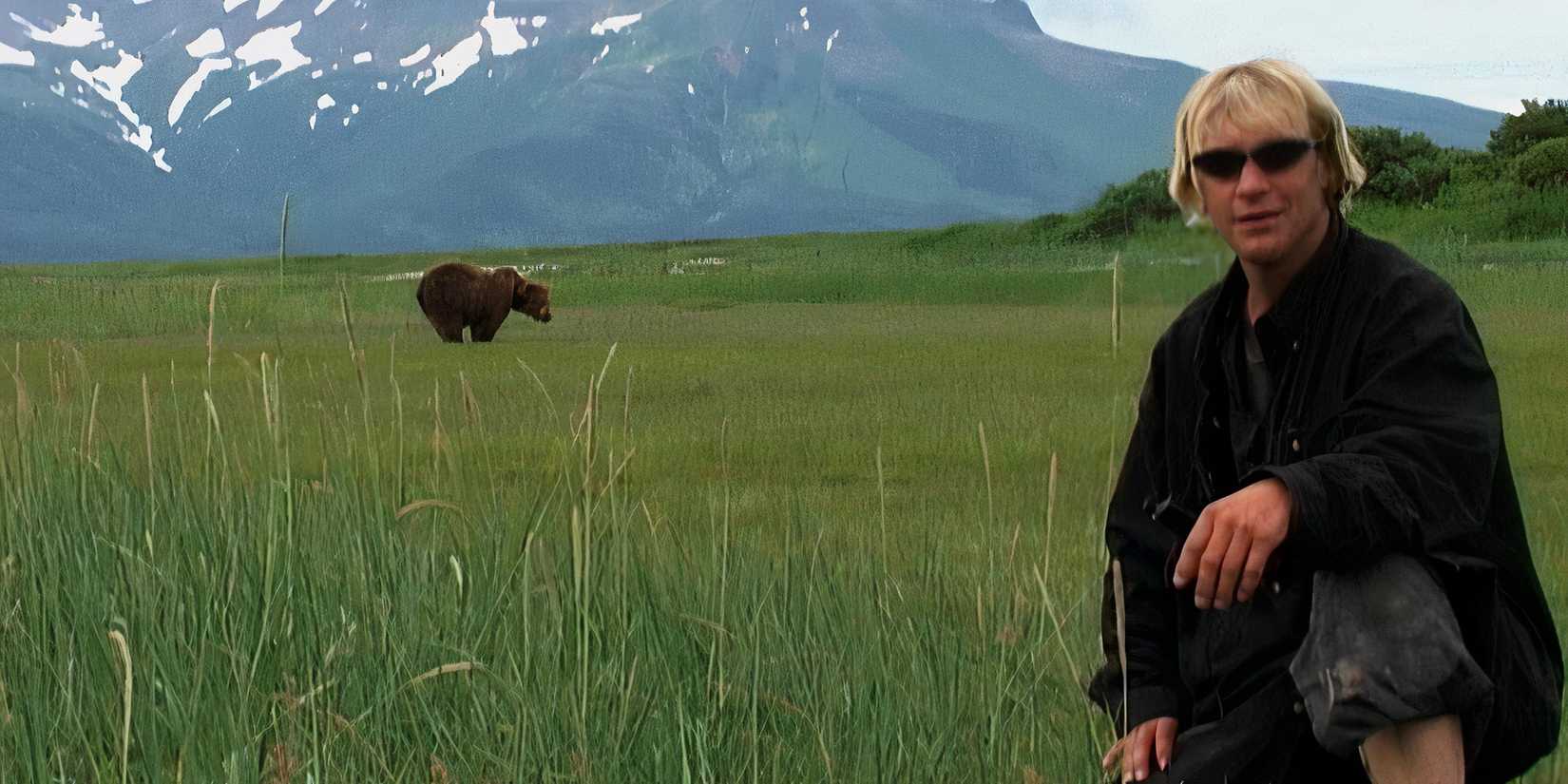
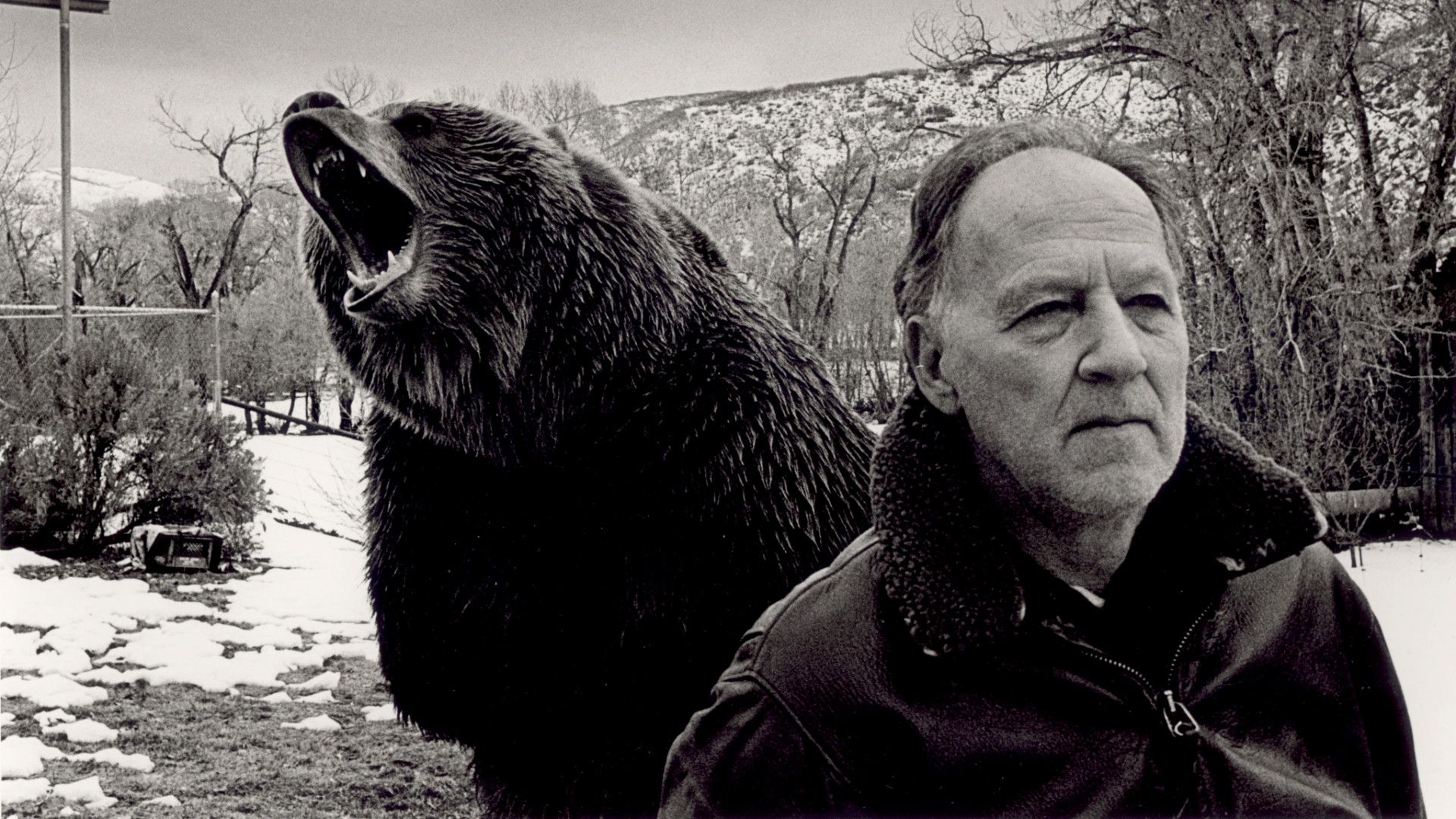
Werner Herzog’s documentary, Grizzly Man, is a uniquely unsettling film that explores the dangerous connection between passion and loss. It’s built from footage shot by Timothy Treadwell, an environmentalist who spent 13 summers living among Alaskan grizzly bears before tragically being killed by one of them.
I was really struck by how Werner Herzog didn’t just make a sentimental film about Timothy Treadwell. Instead, he gave us a remarkably complex look at a man fueled by incredible passion, but also clearly struggling with some deep illusions and a longing to connect with something bigger than himself. What makes Grizzly Man so special is that Herzog resists the urge to make things easy, to paint Treadwell as simply a hero or a fool. Instead, through his thoughtful narration, the film really gets you thinking about our place in the natural world, and what we’re all searching for.
Werner Herzog doesn’t believe wilderness is naturally peaceful. Instead, his film offers a stark but empathetic look at human arrogance, isolation, and the uncaring side of nature. More than just a nature documentary, Grizzly Man is a deep, thought-provoking meditation on death and what it means to be human.
Blackfish (2013)
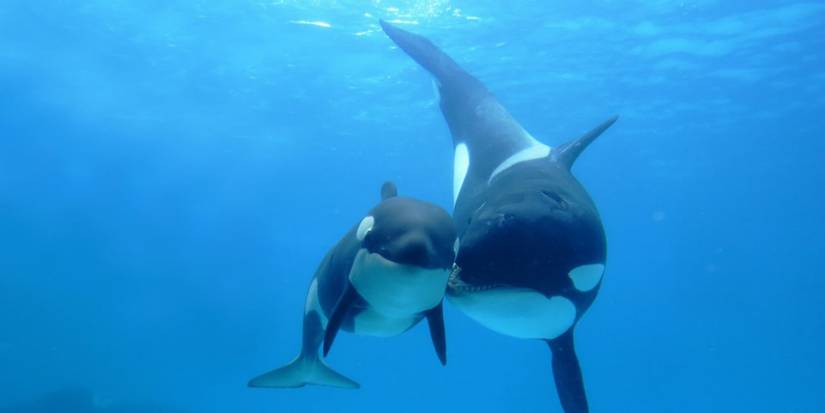
The documentary Blackfish has had a significant impact on the real world. Directed by Gabriela Cowperthwaite, the film explores the issue of keeping orca whales in captivity, focusing particularly on Tilikum, a whale at SeaWorld who was linked to several deaths.
The documentary Blackfish challenges the idea that orcas are happy in captivity by using old video clips and interviews with people who once trained them. What makes the film so compelling is how it’s made—it creates suspense like a detective story, but always supports its claims with deeply moving personal accounts.
Instead of using emotional appeals, the film Blackfish presents the facts and lets people who experienced it firsthand tell the story. The film quickly had a major impact, leading to fewer people attending shows at marine parks, canceled performances, and increased public questioning of these parks. Beyond being a call to action, Blackfish is a remarkably well-crafted piece of investigative journalism – it’s captivating, stays on point, and is hard to forget.
Hoop Dreams (1994)

At almost three hours long, Hoop Dreams changed the game for sports documentaries. Directed by Steve James, the film spends five years with two Chicago teenagers, William Gates and Arthur Agee, as they chase their dreams of playing in the NBA. While it starts as a story about basketball, it quickly becomes a much larger look at issues of race, class, education, and how inequality affects people in America.
What makes this documentary so good is its unhurried approach. The filmmakers spent years following the people featured in the film, which allows them to show both their successes and failures in a deeply personal way. The camera simply observes what happens, without trying to control it, letting life unfold naturally and unexpectedly.
It’s incredibly upsetting when the dreams of the young men in Hoop Dreams fall apart, because viewers have become deeply invested in their lives. This film changed sports documentaries, proving they could be as grand and emotionally powerful as fictional stories.
Samsara (2011)

Ron Fricke’s documentary, Samsara, is a powerful film that relies entirely on stunning visuals – there’s no dialogue, no interviews, and no narration. Filmed over five years in 25 countries, it’s a beautiful and thought-provoking exploration of life, death, spirituality, and how humans connect with the natural world. Shot with incredibly high-quality 70mm film, each scene is carefully crafted, turning everyday moments into breathtaking works of art.
What sets Samsara apart is how it tells its story through powerful visuals and experiences. The film creates a striking contrast by showing ancient, spiritual practices alongside modern industry, and breathtaking natural landscapes next to bustling, crowded cities. Instead of directly telling you what to think, it lets you form your own understanding simply by watching.
Sometimes, what a film doesn’t say is its most powerful quality. Instead of trying to convince you of something, it invites you to think for yourself. In a world filled with quick cuts and lots of voiceovers, Samsara shows us that documentaries can be beautiful and deeply moving, just like a fictional story.
The Cove (2009)
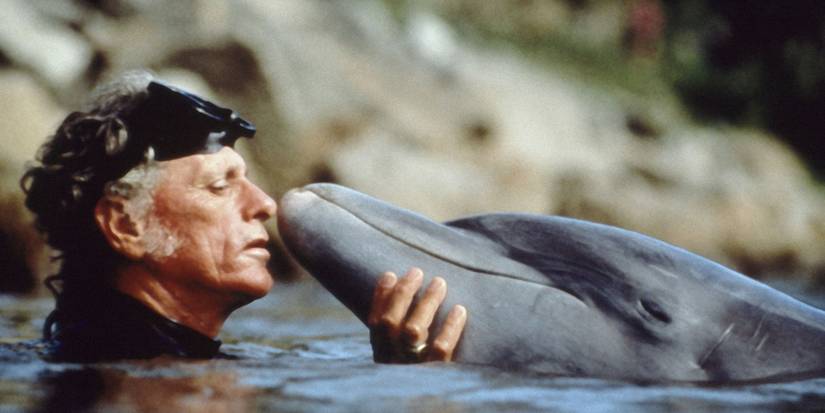
The documentary The Cove is a thrilling and shocking investigation. It builds suspense like a heist movie while revealing the disturbing reality of a secret dolphin slaughter in Taiji, Japan. Filmmaker Louie Psihoyos and activist Ric O’Barry lead a team on a dangerous mission to expose what happens in a hidden cove.
The film’s use of hidden cameras, night vision, and genuine risk creates a sense of immediate importance. However, what truly sets The Cove apart from other environmental documentaries is how it’s made. It skillfully turns environmental activism into a thrilling, suspenseful story without losing sight of what’s right and wrong.
The film’s footage is upsetting, but it’s intended to promote change and responsibility. While The Cove winning an Academy Award was significant, its most important impact is that it brought attention to the issue worldwide and inspired people to take action. It’s rare to find a documentary that combines thrilling visuals with a powerful message so well.
Baraka (1992)
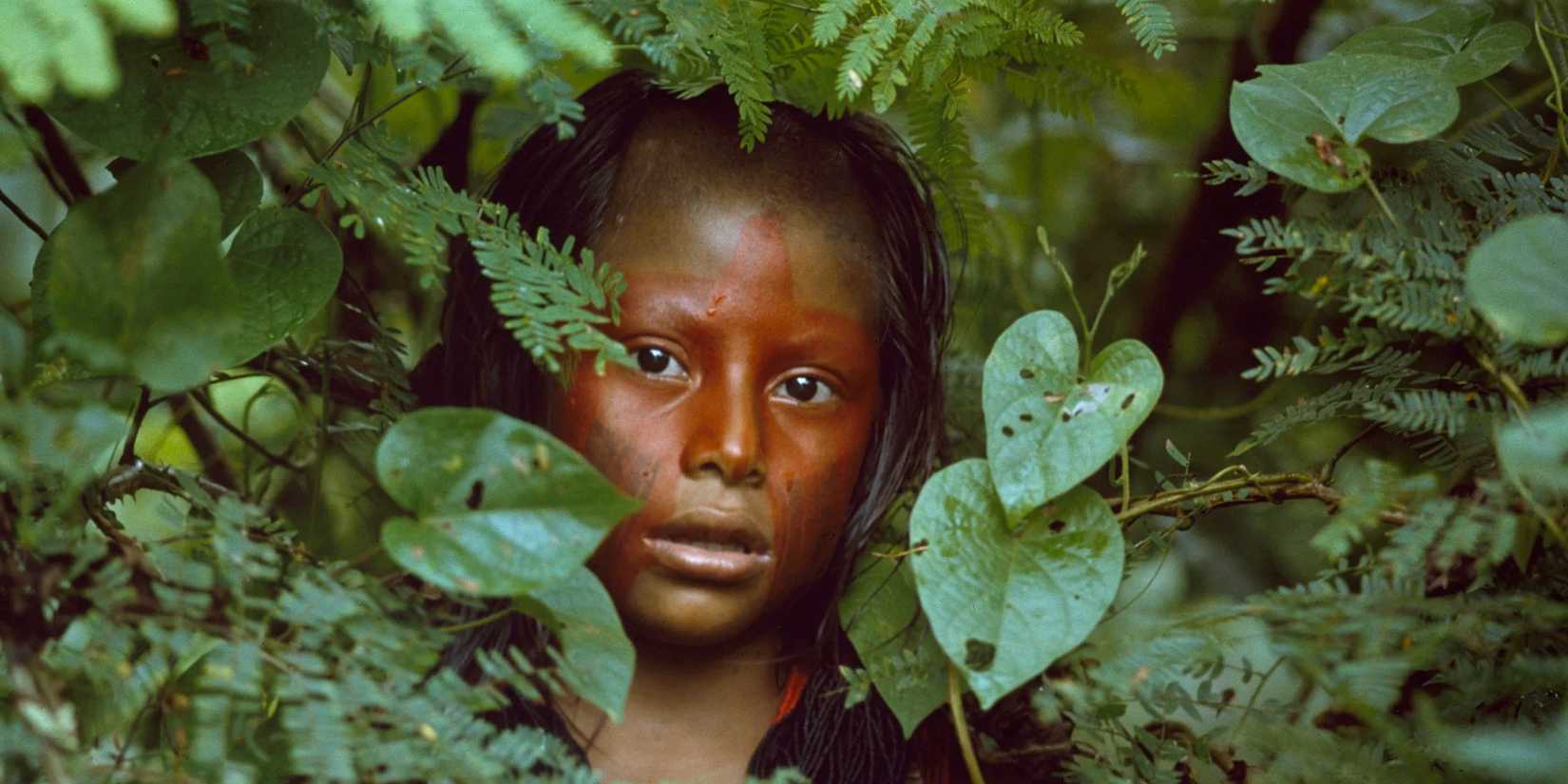
Before Samsara, director Ron Fricke and his team created Baraka, another visually stunning, wordless film. Like Samsara, it travels across six continents, showcasing beautiful landscapes, bustling cities, and sacred rituals through breathtaking 70mm cinematography. It’s a completely immersive experience that relies solely on imagery.
Similar to Samsara, Baraka prompts viewers to think about what it means to be human and our connection to the world around us. However, it differs from most documentaries by avoiding interviews or narration. Instead, it relies on powerful visual comparisons – peaceful religious sites next to industrial farms, and pristine nature contrasted with modern machinery – to convey its message.
The film is strikingly beautiful, yet also strangely disturbing. It doesn’t tell you what to think, but instead encourages you to form your own feelings and ideas. Even after over thirty years, Baraka is still considered a prime example of telling a story through visuals alone in documentary filmmaking.
Dear Zachary: A Letter To A Son About His Father (2008)
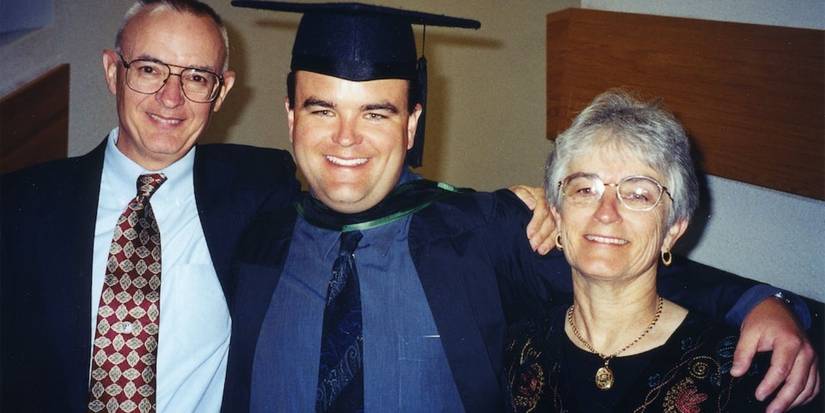
Few documentaries are as powerfully moving as Dear Zachary. Directed by Kurt Kuenne, the film starts as a memorial to Andrew Bagby, who was killed by his former girlfriend. Kuenne gathers interviews with those who knew and loved Bagby, creating a lasting record for his soon-to-be-born son, Zachary.
However, the story takes a much more upsetting and frustrating turn. The documentary is powerfully moving because of its honest and genuine emotion. Kuenne doesn’t shy away from showing his sadness or rage, and that openness is felt throughout the entire film.
The documentary Dear Zachary is more than just a personal story; it powerfully exposes serious flaws in the justice system. It’s a deeply moving film that leaves a lasting impact on viewers, often feeling more heartbreaking than even the most dramatic fictional stories.
Man On Wire (2008)
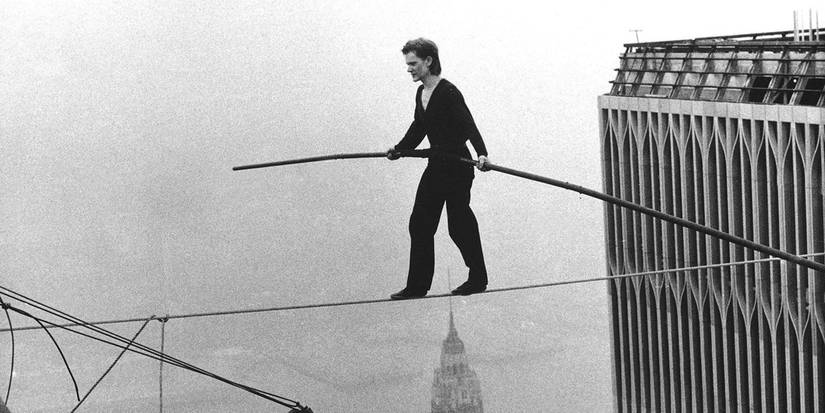
James Marsh’s Man on Wire tells the incredible story of Philippe Petit’s 1974 tightrope walk between the World Trade Center’s Twin Towers. The documentary, presented like a thrilling heist movie, shows how Petit carefully planned and bravely carried out this illegal and unforgettable feat.
What sets Man on Wire apart is its unique feel. Instead of just highlighting the risks involved, the film beautifully portrays the passionate and sometimes irrational drive behind artistic vision. Using old footage and creative animations, it builds suspense even though most people already know how the story ends.
The film’s climactic high-wire walk is truly stunning. Importantly, it inspires awe instead of terror. More than just a thrilling spectacle, Man on Wire explores themes of risk-taking, pursuing big goals, and the fragile, beautiful nature of achieving the seemingly impossible.
Shoah (1985)
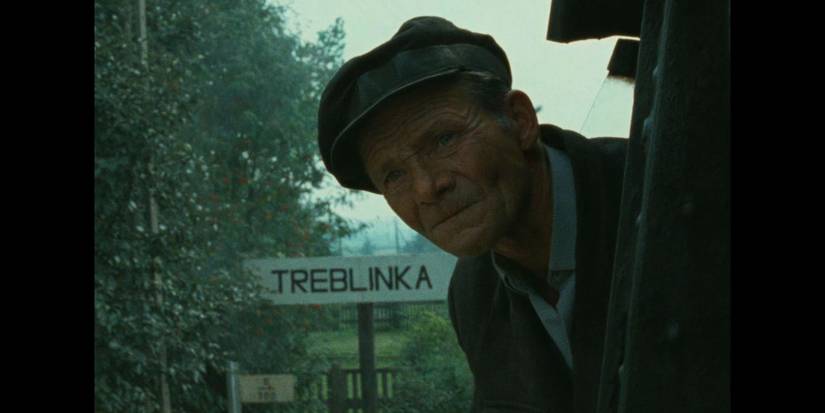
Clocking in at over nine hours, Shoah isn’t so much a movie as a powerful and lasting tribute to the victims of the Holocaust. Director Claude Lanzmann built the documentary around interviews with people who experienced it – survivors, those who saw it happen, and even those responsible. Notably, the film doesn’t use any historical footage, instead making viewers confront the stories as if they are happening right now.
This choice brings a striking and direct power to Shoah. By avoiding historical footage, the film prevents viewers from feeling emotionally detached, making each survivor’s story deeply and painfully personal. Lanzmann’s careful and unwavering style avoids easy answers or dramatic exaggeration.
Watching Shoah is a challenging experience, but its length reflects the immense gravity of the Holocaust it depicts. The film is a crucial historical record – a powerful and lasting examination of morality captured on film. It’s a documentary that asks a lot of its audience, and those who commit to watching it will be deeply affected.
Man With A Movie Camera (1929)
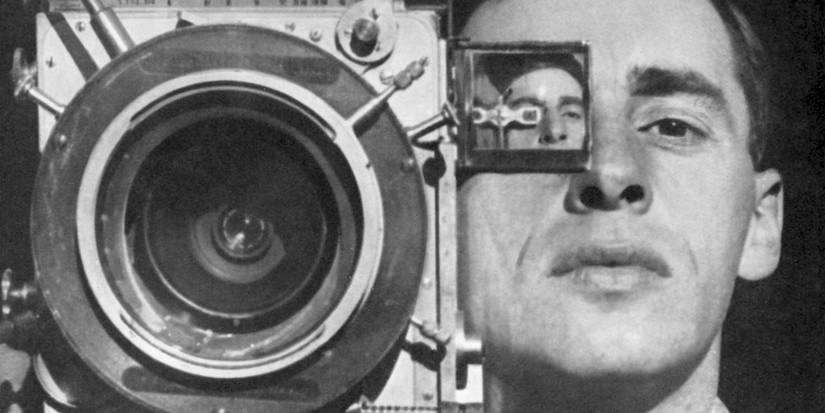
Dziga Vertov’s Man with a Movie Camera is still considered the most groundbreaking documentary ever created. This silent film, made in the Soviet Union, shows city life in several locations while also openly displaying how the movie was made. Rather than telling a story, it focuses on capturing motion, creating a rhythm, and highlighting the energy of modern life.
Vertov was a groundbreaking filmmaker whose innovative techniques—like split screens, double exposures, slow motion, and fast-paced editing—were remarkably ahead of his time. He used these stylistic choices not just for effect, but to explore how cinema itself shapes our understanding of reality.
Man with a Movie Camera turns ordinary moments into exciting and dynamic scenes. Even now, almost a hundred years after its release, you can see its impact in music videos, artistic films, and how we tell real-life stories today. Widely considered the most important documentary ever made, Man with a Movie Camera redefined how we understand truth in filmmaking.
Read More
- What Song Is In The New Supergirl Trailer (& What It Means For The DC Movie)
- After 13 Years, Someone Earned One of the Hardest Achievement Trophies in Gaming
- Eurogamer Gives ARC Raiders 2/5 Over AI Voices, Dropping Metacritic Score from 94 to 84
- Designing Magnetism with Molecular Architecture
- Crimson Desert – 15 Things I Wish I Knew Before Diving In
- New Pokemon Go Event Gives Players A Shot At 11 Rare Shiny Pokemon (With Boosted Odds)
- The Most Surreal Moments From the O.J. Simpson Murder Trial
- New Open-World “AAAA” Game Coming From Tomb Raider Developer
- TV legend Carol Kirkwood reveals the reasons why she decided to retire after 28 years with BBC
- After Stranger Things’ Conformity Gate Crashed Netflix, Here’s What The Ending SHOULD Have Been
2026-02-22 23:34