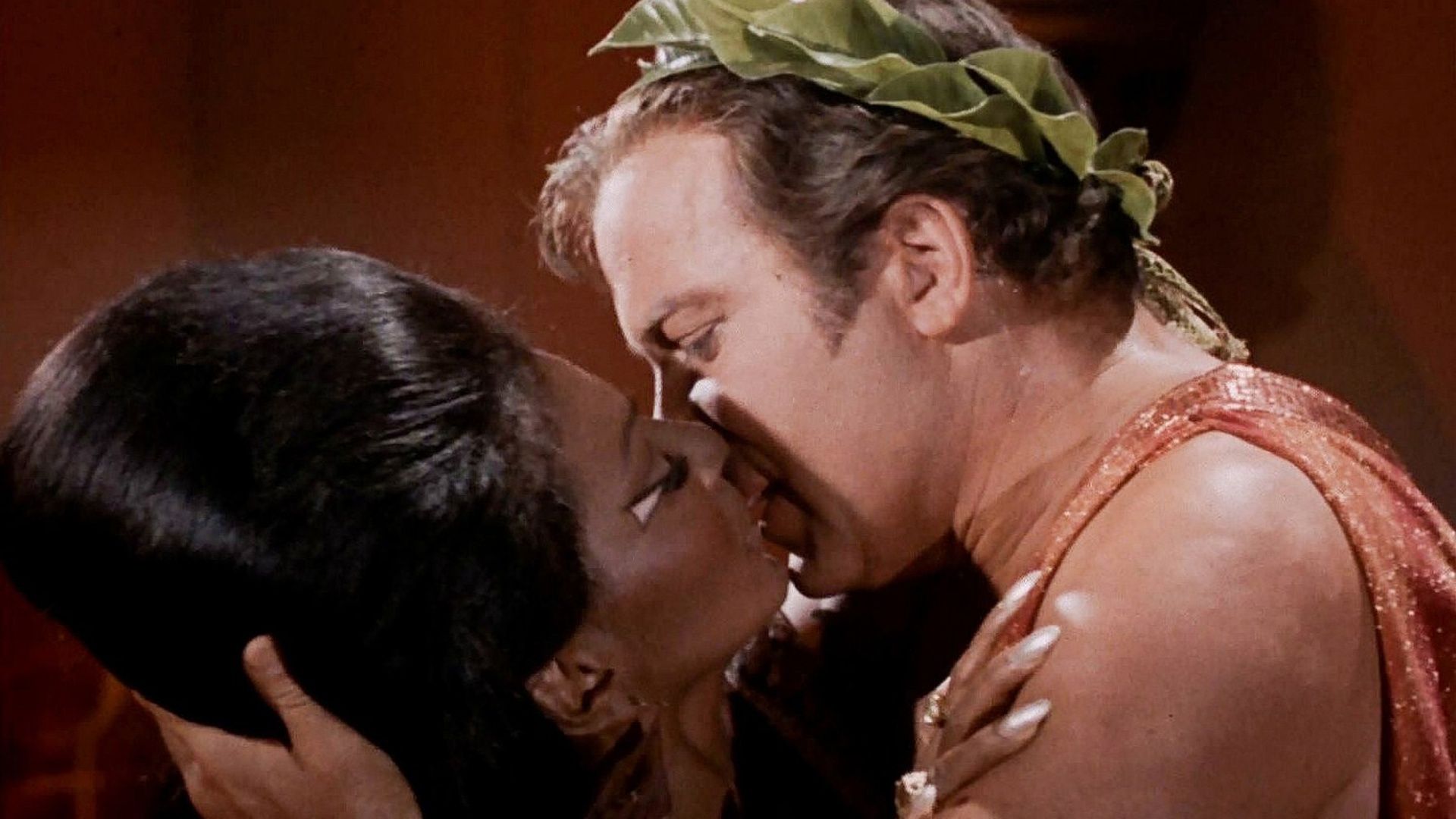
Classic TV episodes, like the first interracial kiss on Star Trek and a groundbreaking death on Bonanza, have often pushed boundaries and tackled important moments. Despite being sometimes seen as simple entertainment, television has a powerful ability to influence society and even change the world.
Television shows have a unique ability to tackle sensitive or controversial topics in a way that many people can understand. They can also break away from tired, predictable storylines, paving the way for more innovative content from other filmmakers and writers. Certain episodes have been truly groundbreaking, completely changing the landscape of television.
Plato’s Stepchildren
Star Trek Season 3, Episode 10
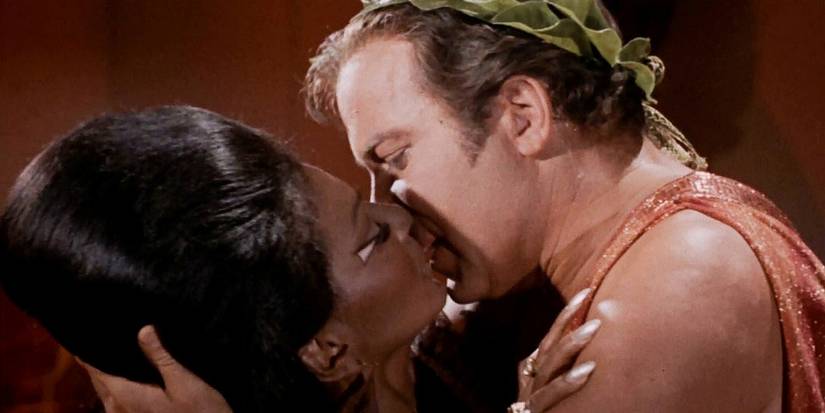
Most fans agree the third and final season of Star Trek: The Original Series wasn’t the show’s strongest, and the episode “Plato’s Stepchildren” isn’t usually highlighted as a standout. However, it’s historically important because it was a pioneering moment for television.
The kiss between Captain Kirk and Lieutenant Uhura was groundbreaking, being one of the earliest interracial kisses shown on television. The original Star Trek series was remarkably forward-thinking for the 1960s—it famously included a Russian character on the crew of an American spaceship during the intense Space Race—and the episode “Plato’s Stepchildren” is a prime example of its progressive nature.
Maude’s Dilemma
Maude Season 1, Episodes 9/10
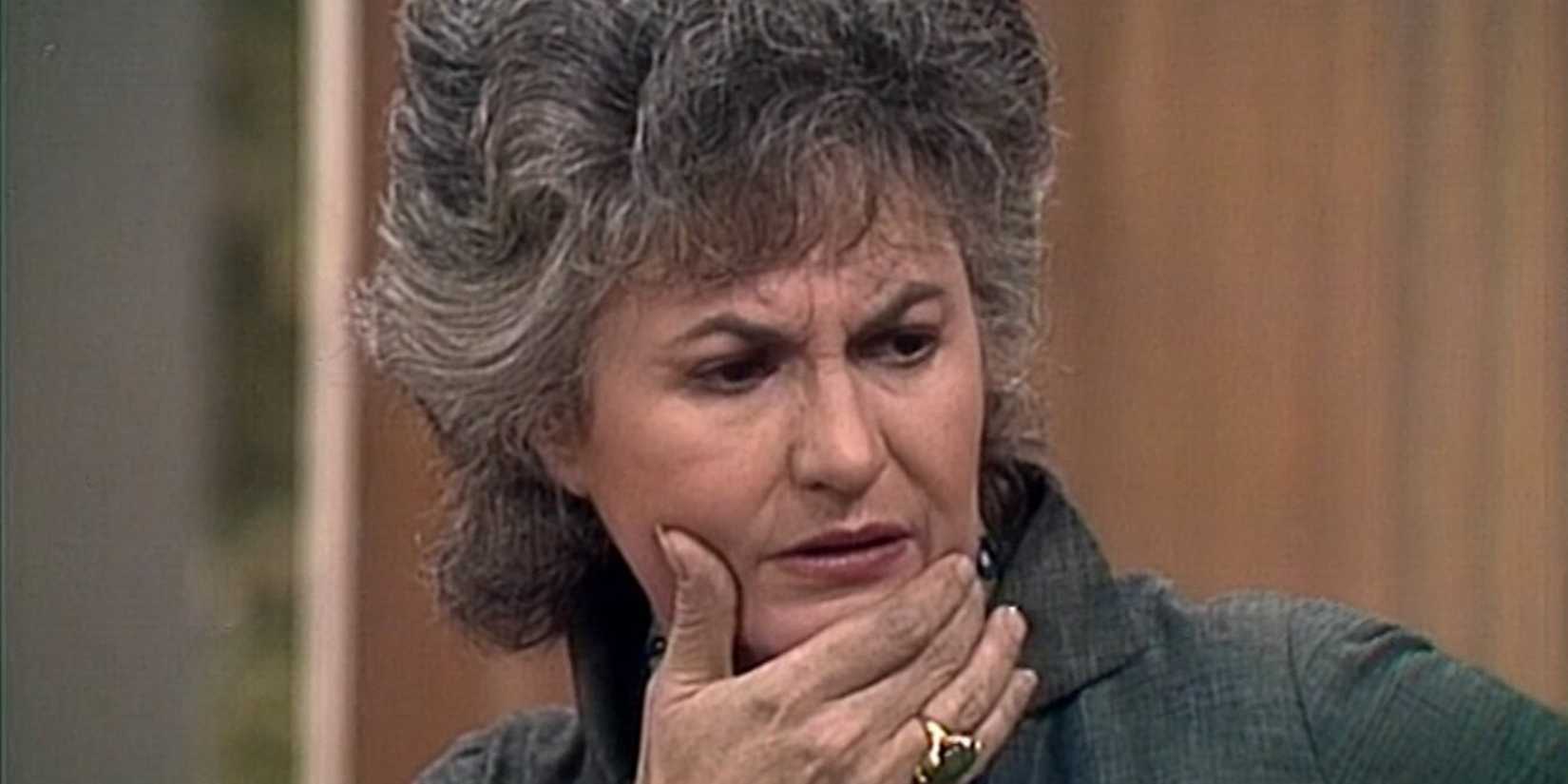
One of the first episodes of the show Maude dealt with a difficult topic: an unplanned pregnancy. The title character had to decide whether to have the baby or get an abortion. This was before the famous Roe v. Wade ruling, when talking about abortion was considered extremely taboo. The episode tackled the arguments for and against abortion, but it did so using humor.
The show Maude tackled an important and controversial issue, sparking a national conversation. While the episode caused significant backlash – including protests and some stations refusing to broadcast it – it ultimately helped advance the discussion around reproductive rights and a person’s control over their own body.
The Judgment
The Fugitive Season 4, Episodes 29/30
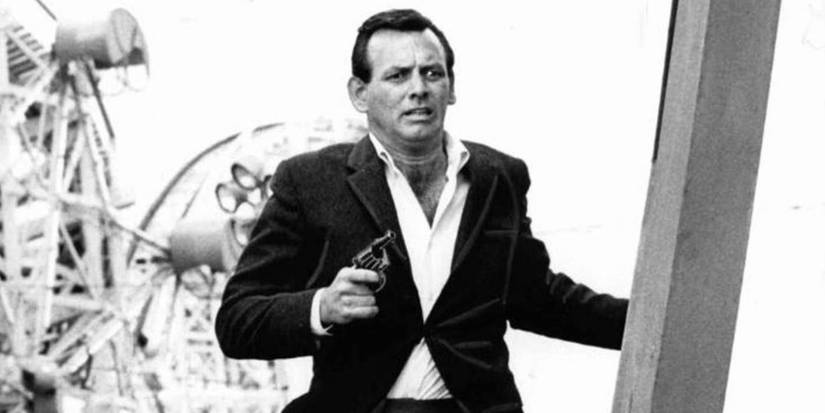
The final episode of The Fugitive is considered the first true series finale on television. Before that, shows simply stopped airing when they were no longer making money, and the last episode wasn’t treated as a significant event – it was just the last one produced before cancellation. Because The Fugitive had built a central mystery throughout the series, its finale needed to provide satisfying answers.
The final episode of The Fugitive truly wrapped up the story, as Richard Kimble finally found the one-armed man and discovered who killed his wife. This ending was groundbreaking for television, influencing memorable finales like the emotional goodbye in MASH, the intense showdown in Breaking Bad, and the crowning of Bran in Game of Thrones*.
O.R.
M*A*S*H Season 3, Episode 5
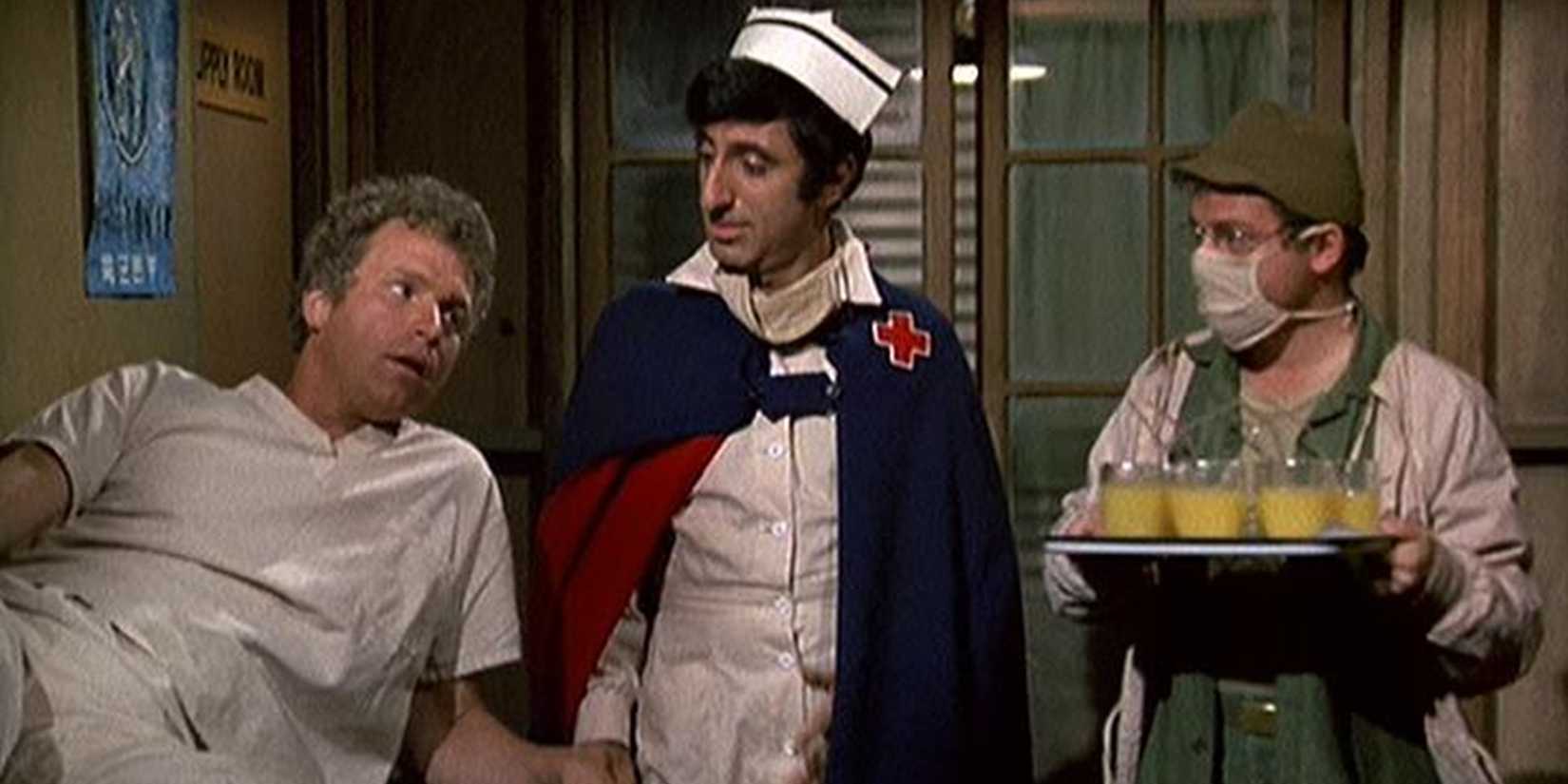
The Season 3 episode “O.R.” marked a turning point for MASH, becoming the first episode to remove the show’s usual laugh track. In fact, it was the first sitcom ever* to try this. This daring decision helped the show’s emotional depth and serious moments stand out. While still funny, the humor felt more organic and less forced than in previous episodes.
These days, most sitcoms don’t use laugh tracks. It’s actually become more unusual to have one. For example, the show MASH* was much more effective without it. While not a typical sitcom – it was more serious and dramatic – the laugh track always took away from that impact.
The Puppy Episode
Ellen Season 4, Episodes 22/23
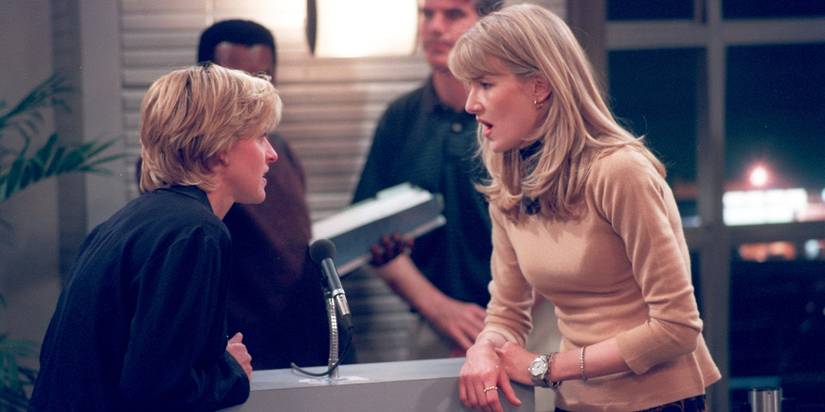
Ellen DeGeneres and her character on the show Ellen both publicly came out as lesbian in a famous episode from the show’s fourth season, titled “The Puppy Episode.” While the show had hinted at Ellen’s sexual orientation before—even with a visual gag involving her coming out of a closet—this episode was the first to directly address it. The episode was deliberately named “The Puppy Episode” to keep the surprise reveal intact, as it was a groundbreaking moment for television.
The episode sparked a huge reaction, with both strong criticism – including threats of lost advertising and disapproval from religious groups – and enthusiastic praise. Critics loved it, it received some awards, and it quickly became a widely discussed part of pop culture. Although the show Ellen was canceled after only one more season, this particular episode remains a memorable moment in television history.
The Unknown People
Adventures Of Superman Season 1, Episodes 25/26
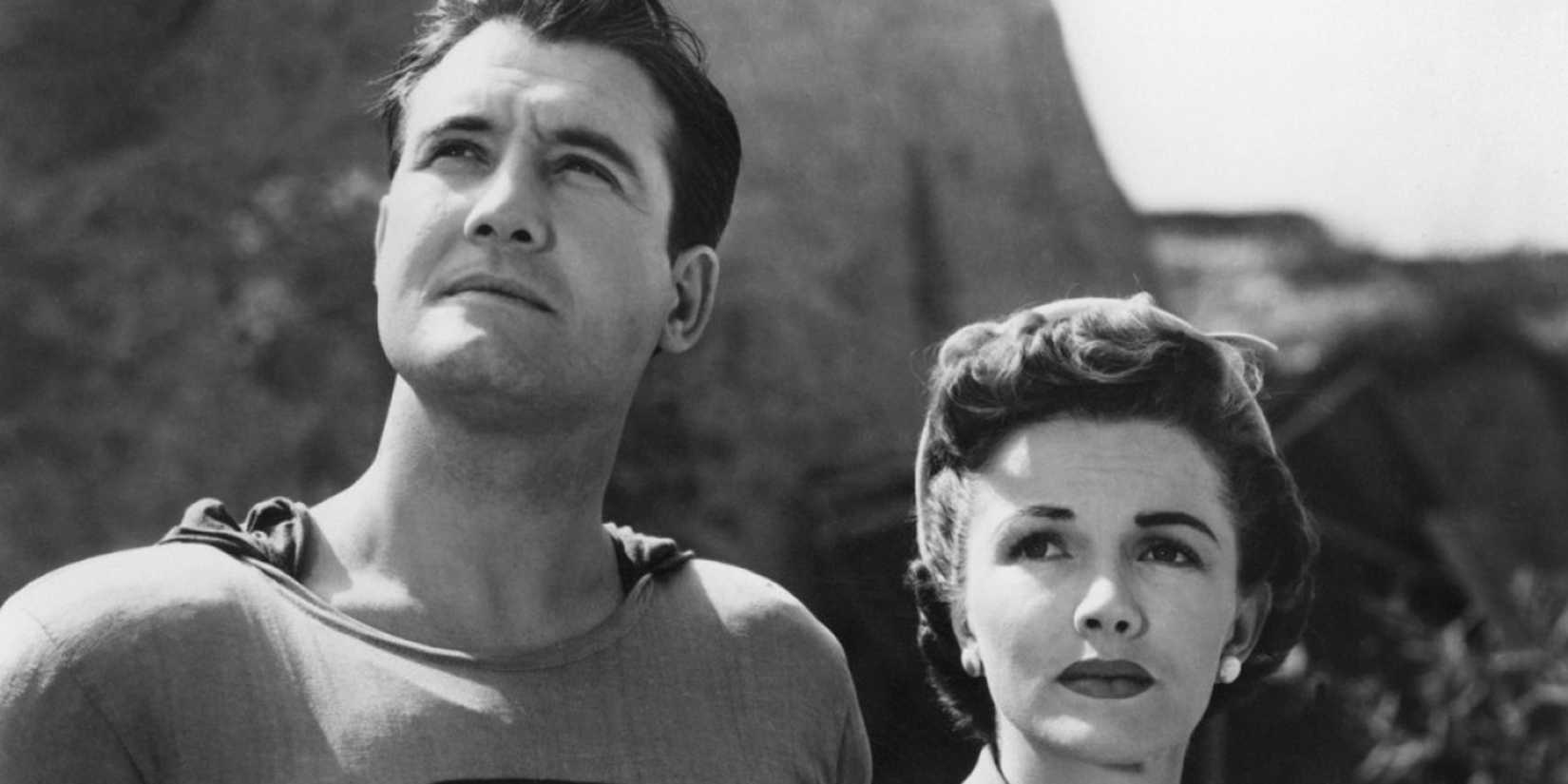
I always think about that old Jerry Seinfeld bit where he jokes about cliffhangers! It’s amazing to me that it all started with Adventures of Superman. That show’s season one finale, “The Unknown People,” was actually the very first two-part episode ever made for TV – can you believe it? It basically invented the ‘to be continued’ trope!
As a classic Superman fan, I always found the story behind “The Unknown People” fascinating. Originally, it was a movie called Superman and the Mole Men. The plot involved Clark Kent and Lois Lane investigating oil drilling in a small town, which accidentally woke up some underground creatures that Superman had to deal with. What’s really interesting is that after its theatrical run, it was heavily re-edited and essentially created the format of the two-part TV episode – something that became really common for superhero shows!
Sammy’s Visit
All In The Family Season 2, Episode 21
Though it started as a typical sitcom, All in the Family became a surprisingly insightful political show in the 1970s. The show’s central idea – putting a very conservative, prejudiced man, Archie Bunker, together with his politically liberal son-in-law, Mike – created constant, honest debates about the issues dividing the nation, debates that continue to resonate today.
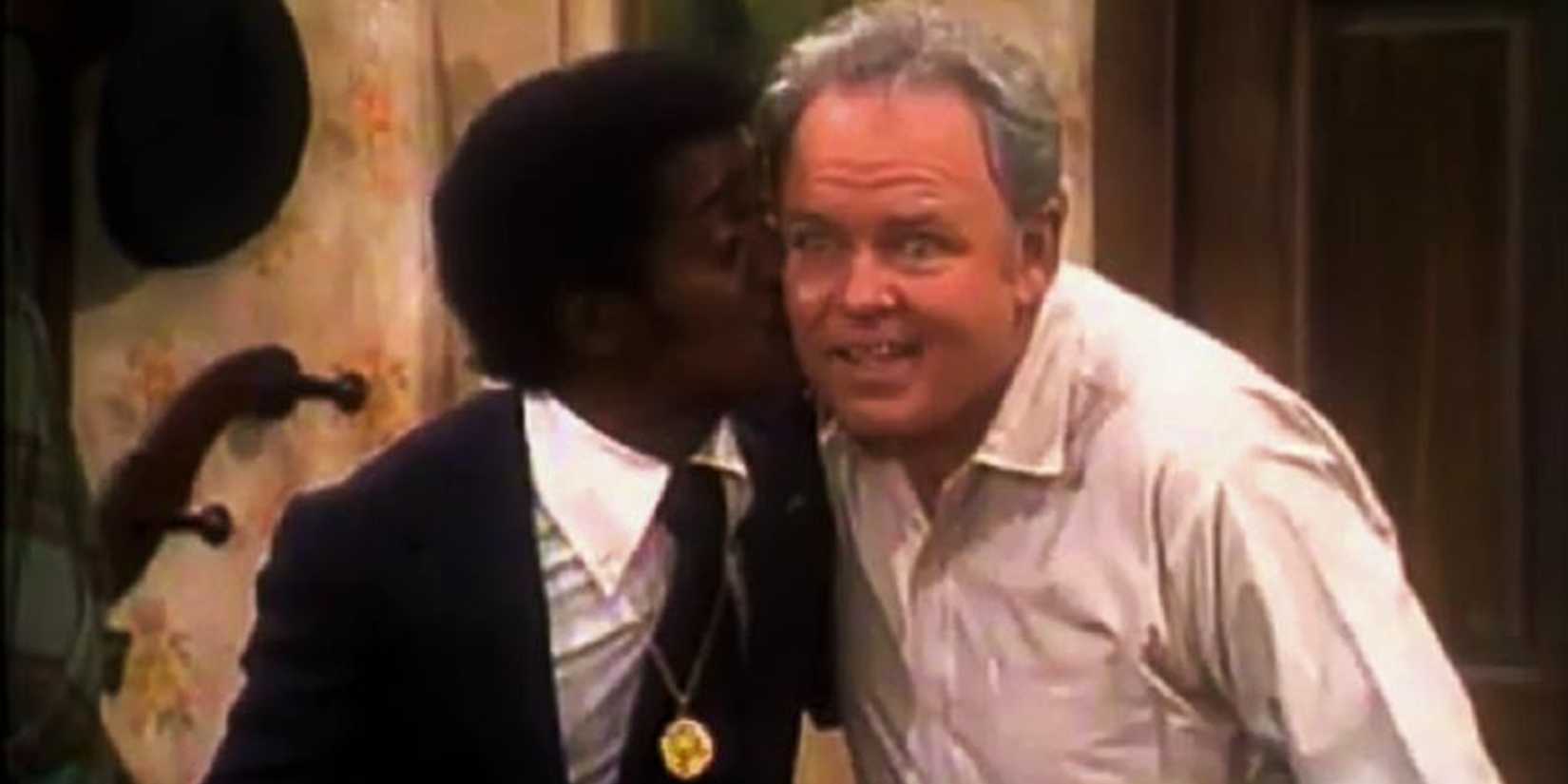
One of the most memorable episodes of All in the Family is season 2’s “Sammy’s Visit.” In it, Archie Bunker is challenged to face his own biases when Sammy Davis Jr. comes to his house. The episode was groundbreaking because Archie and Sammy had an honest conversation about race, culminating in Sammy kissing Archie on the cheek.
College
The Sopranos Season 1, Episode 5
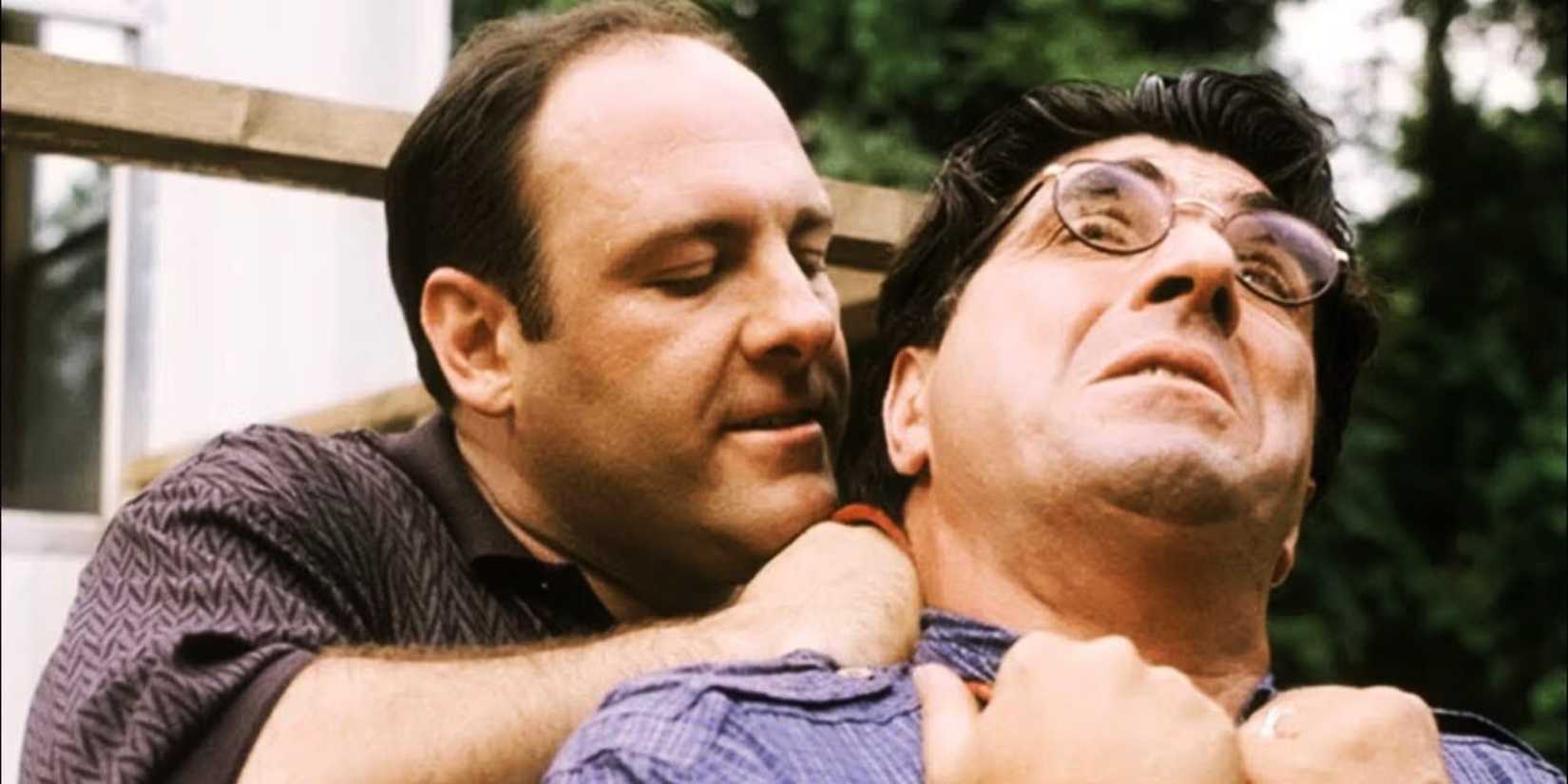
David Chase changed television forever with The Sopranos. Before his show, TV characters were almost always designed to be likable, encouraging viewers to follow their stories and support them. Chase realized, however, that a main character didn’t need to be good – just compelling.
As a total film and TV buff, I still remember being absolutely floored by the fifth episode of The Sopranos. Seeing Tony, who we were meant to root for, casually commit murder right there on screen was a massive risk for HBO. But honestly, it totally worked! It hooked everyone, and suddenly, TV was full of these complex, morally ambiguous characters. Think about it – Walter White, Tommy Shelby, Omar Little… it felt like The Sopranos opened the floodgates for antiheroes, and I’ve been hooked ever since.
Lucy Is Enceinte
I Love Lucy Season 2, Episode 10
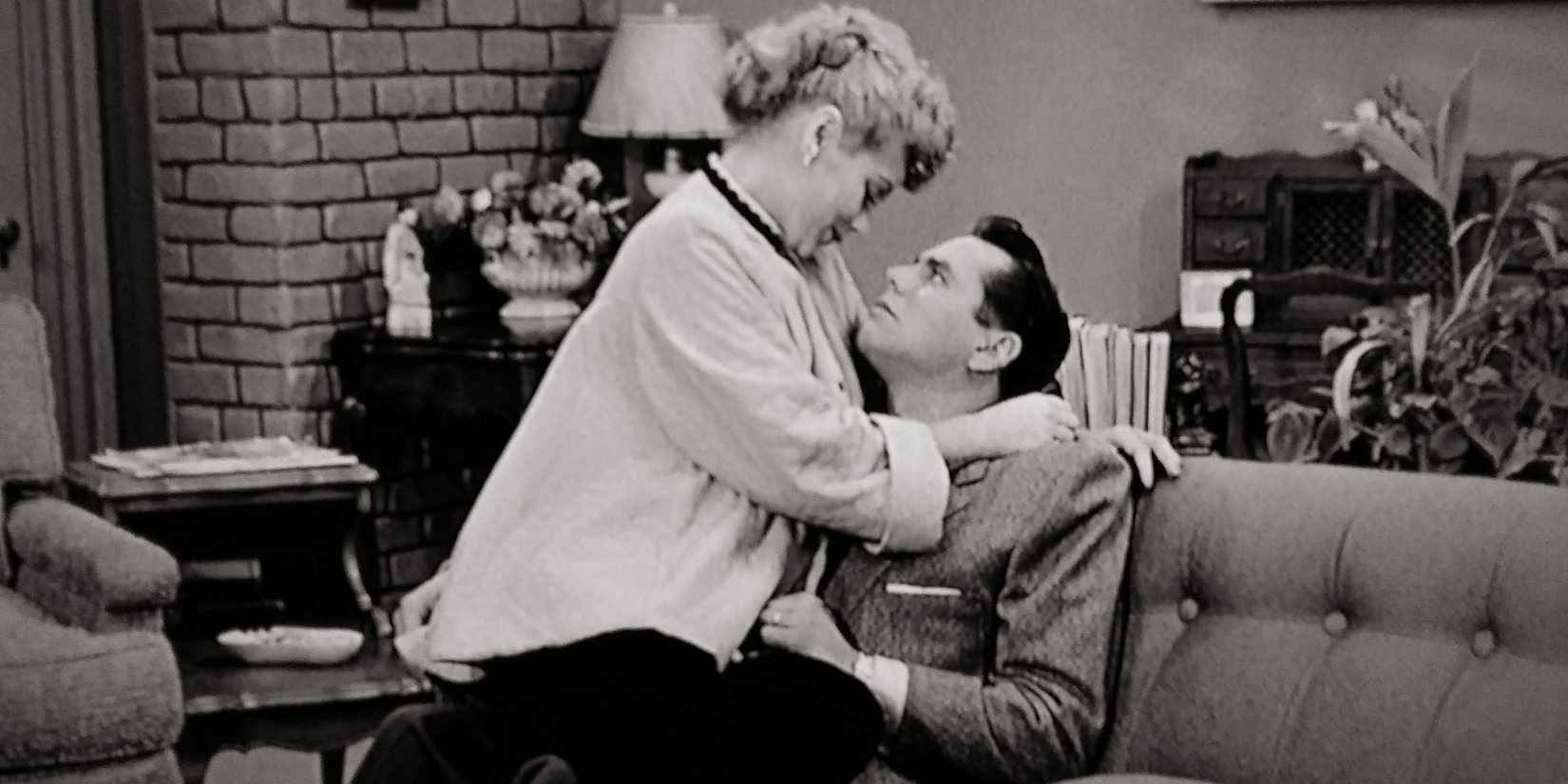
“I Love Lucy” revolutionized comedy. It demonstrated that women were just as capable of being funny as men, and it broke the mold by portraying the wife as the comedic force and the husband as the straight man. Beyond the show as a whole, one episode stands out as having a particularly significant impact on culture.
In a classic episode of I Love Lucy called “Lucy is Enceinte,” Lucy discovers she’s pregnant and worries about how to tell her husband, Desi. Because of societal attitudes at the time, the show couldn’t directly mention pregnancy on television. Instead, they used phrases like “with child” and “expecting.” Interestingly, the episode’s title uses the French word for “pregnant.”
Forever
Bonanza Season 14, Episodes 1/2
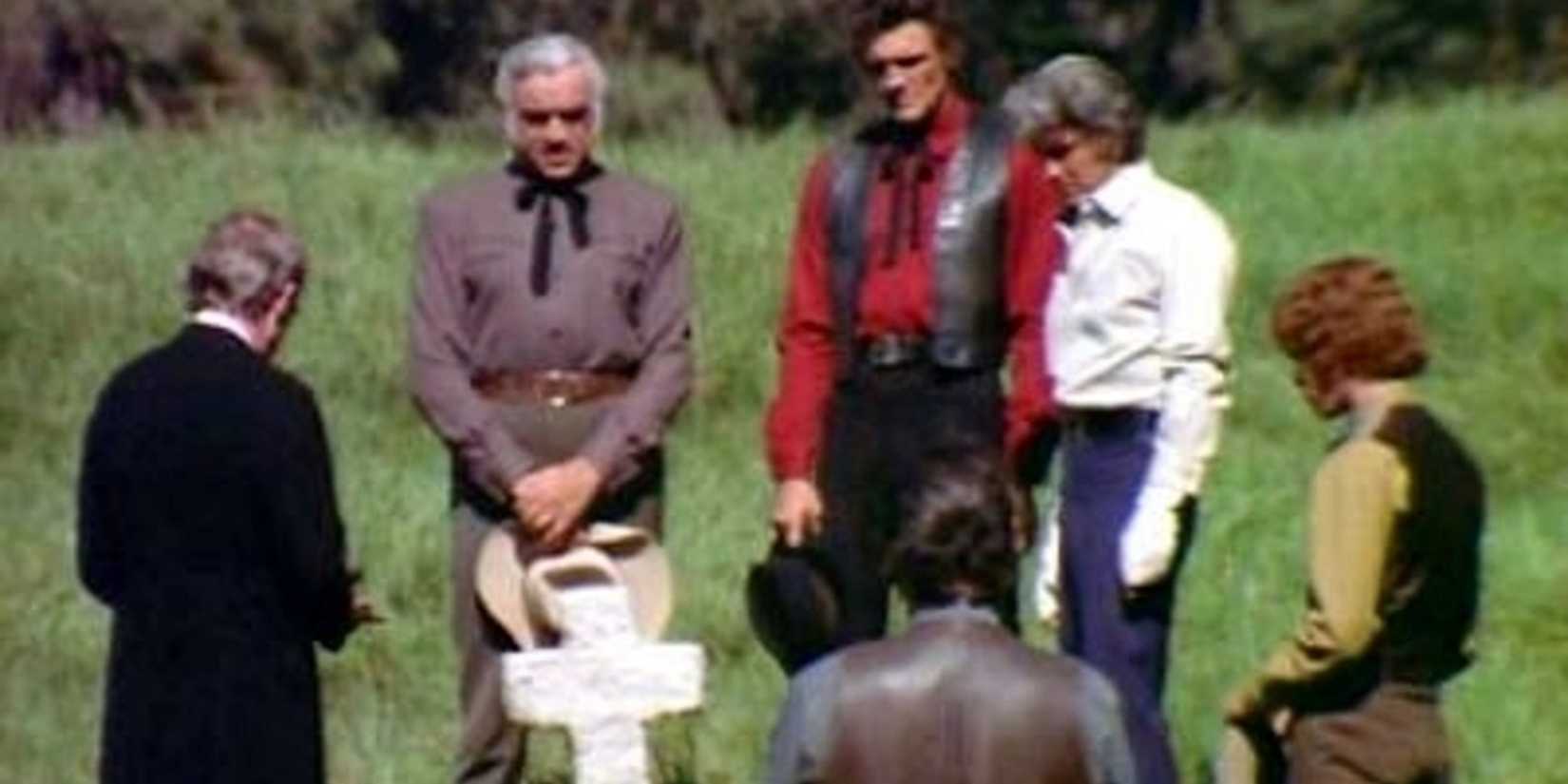
The classic TV western Bonanza made television history by being the first show to permanently kill off a main character. Before that, TV shows generally protected their lead actors from any real danger. But when Dan Blocker, the actor who played Hoss, sadly passed away, Bonanza had to break that tradition.
Instead of ending popular TV shows when a key actor left, the showrunners decided to keep going and simply wrote the actor’s character out of the story – often in dramatic fashion. This led to iconic deaths like Ned Stark’s beheading in Game of Thrones, Gus Fring’s explosive demise in Breaking Bad, and the numerous gruesome deaths on The Walking Dead.
Read More
- The Super Mario Galaxy Movie: 50 Easter Eggs, References & Major Cameos Explained
- All 13 Smash Bros. Characters in the Super Mario Galaxy Movie
- TV legend Carol Kirkwood reveals the reasons why she decided to retire after 28 years with BBC
- Dune 3 Gets the Huge Update Fans Have Been Waiting For
- Highly Anticipated Strategy RPG Finally Sets Release Date (And It’s Soon)
- Welcome to Demon School! Iruma-kun season 4 release schedule: When are new episodes on Crunchyroll?
- Sydney Sweeney’s The Housemaid 2 Sets Streaming Release Date
- Why is Tech Jacket gender-swapped in Invincible season 4 and who voices her?
- After 13 Years, Someone Earned One of the Hardest Achievement Trophies in Gaming
- Supergirl Director Breaks Down Kara Zor-El & Superman’s ‘Older-Sibling Dynamic’
2026-03-18 01:35