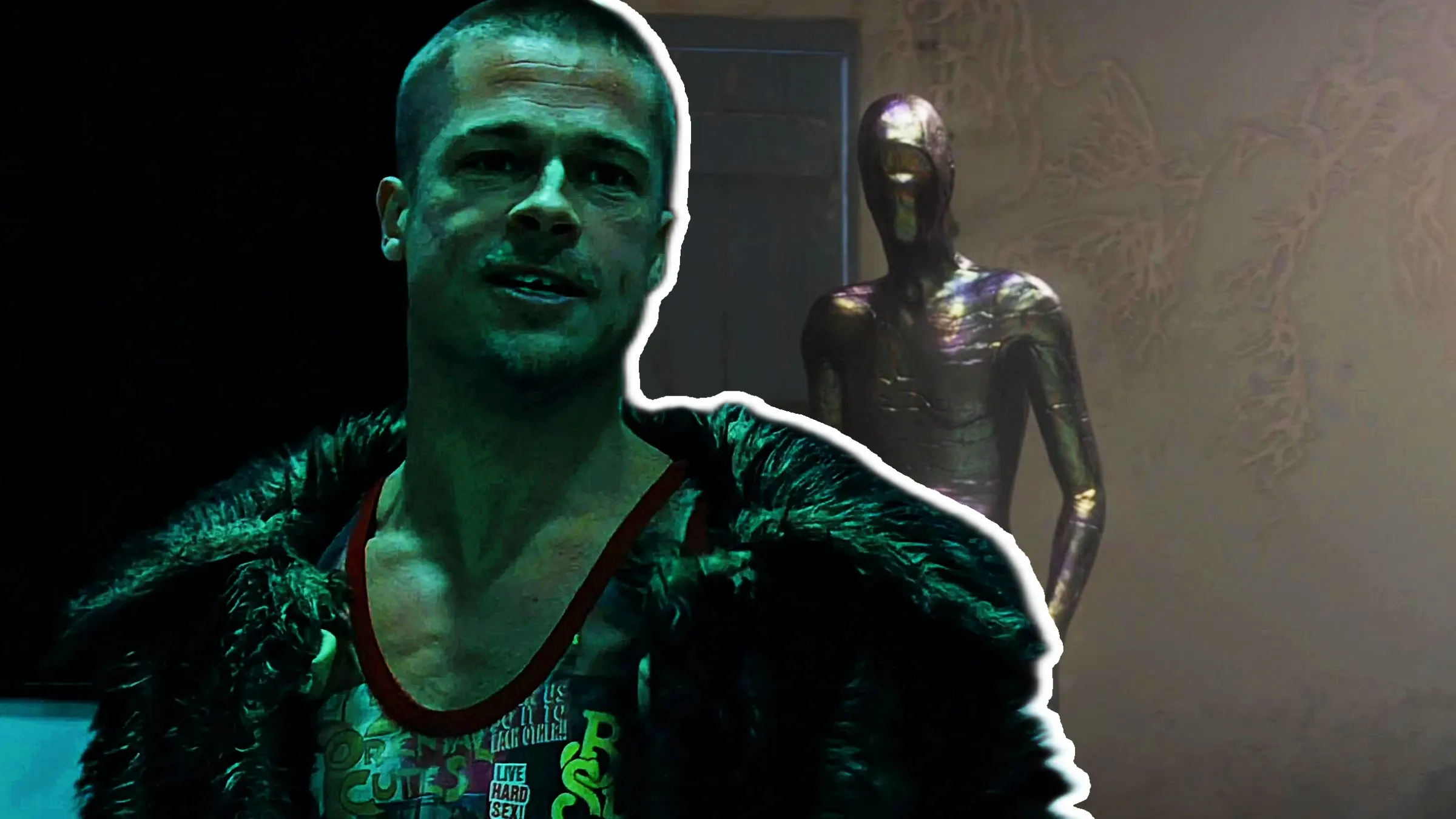
When a favorite book gets adapted into a movie, fans often have a lot of hopes and worries. They wonder if the film will capture the story’s true feelings, if the actors will portray the characters as they envisioned, and if any future books in the series will be hinted at. But for many readers, the biggest question is how closely the movie will follow the original book – will it stay true to the plot and, importantly, the ending?
It’s rare for a movie based on a book to be completely faithful to the source material. Changes are common – characters might be removed, scenes cut, or even the entire plot restructured, sometimes resulting in a different ending. While this can disappoint readers who expect a close adaptation, a new ending can also offer a fresh perspective. Occasionally, these changes actually improve the story by adding extra layers of meaning. Be warned: spoilers ahead.
10) Annihilation
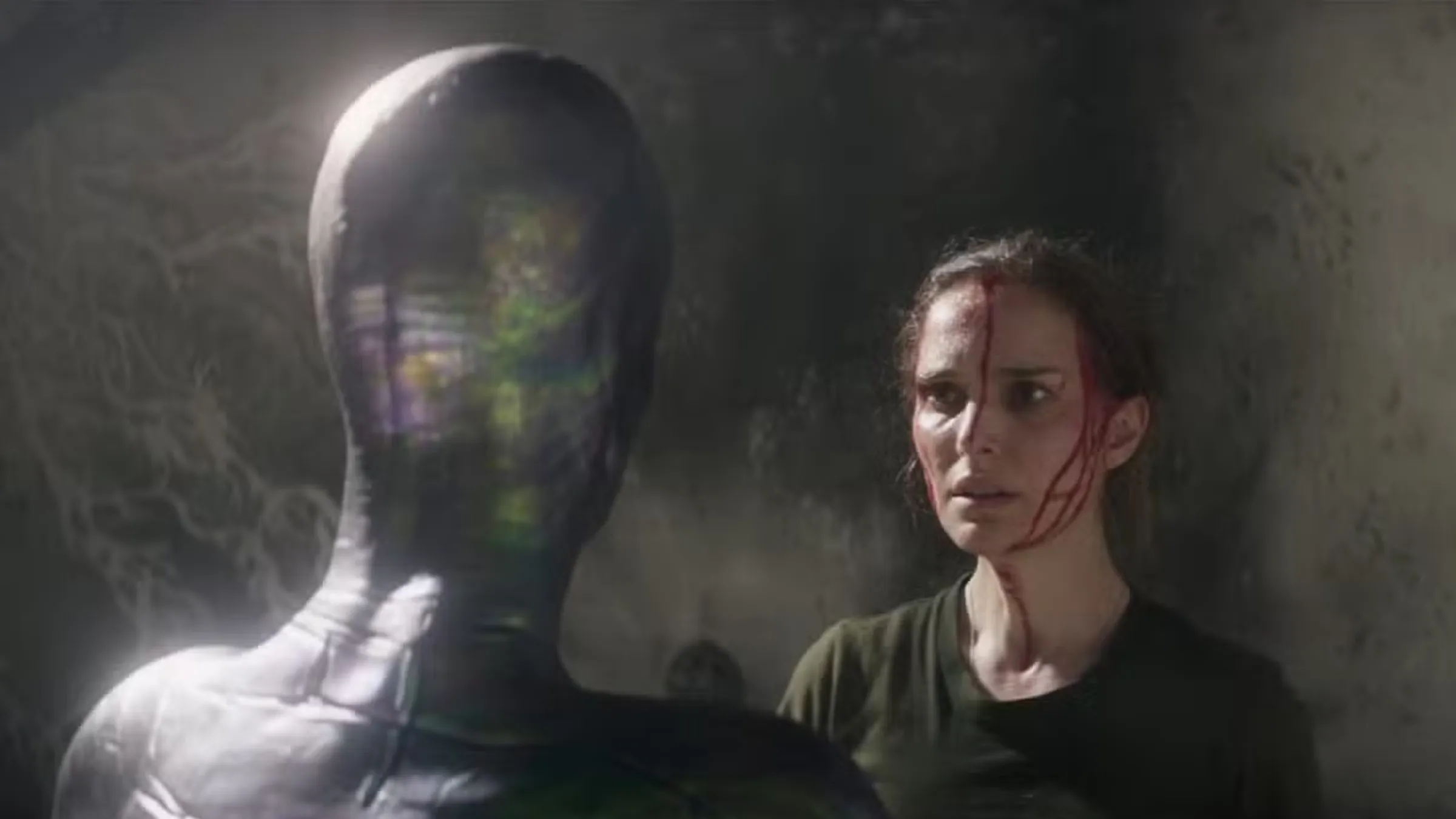
Alex Garland’s 2018 film, inspired by Jeff VanderMeer’s novel, isn’t a typical book adaptation. Garland intentionally focused on recreating the feeling and atmosphere of the book rather than directly translating the plot. This approach resulted in two separate, yet related, stories with significantly different endings.
In Jeff VanderMeer’s novel, the biologist—who isn’t named, unlike in the movie—chooses to keep investigating Area X, setting up the events in the following two books. The film, however, jumps back to after the exploration and focuses on Lena (played by Natalie Portman) being questioned. It ends with a hint that both she and her husband might actually be duplicates created by Area X’s Shimmer. Both endings are very different, but they each fit well within their respective stories.
9) Blade Runner
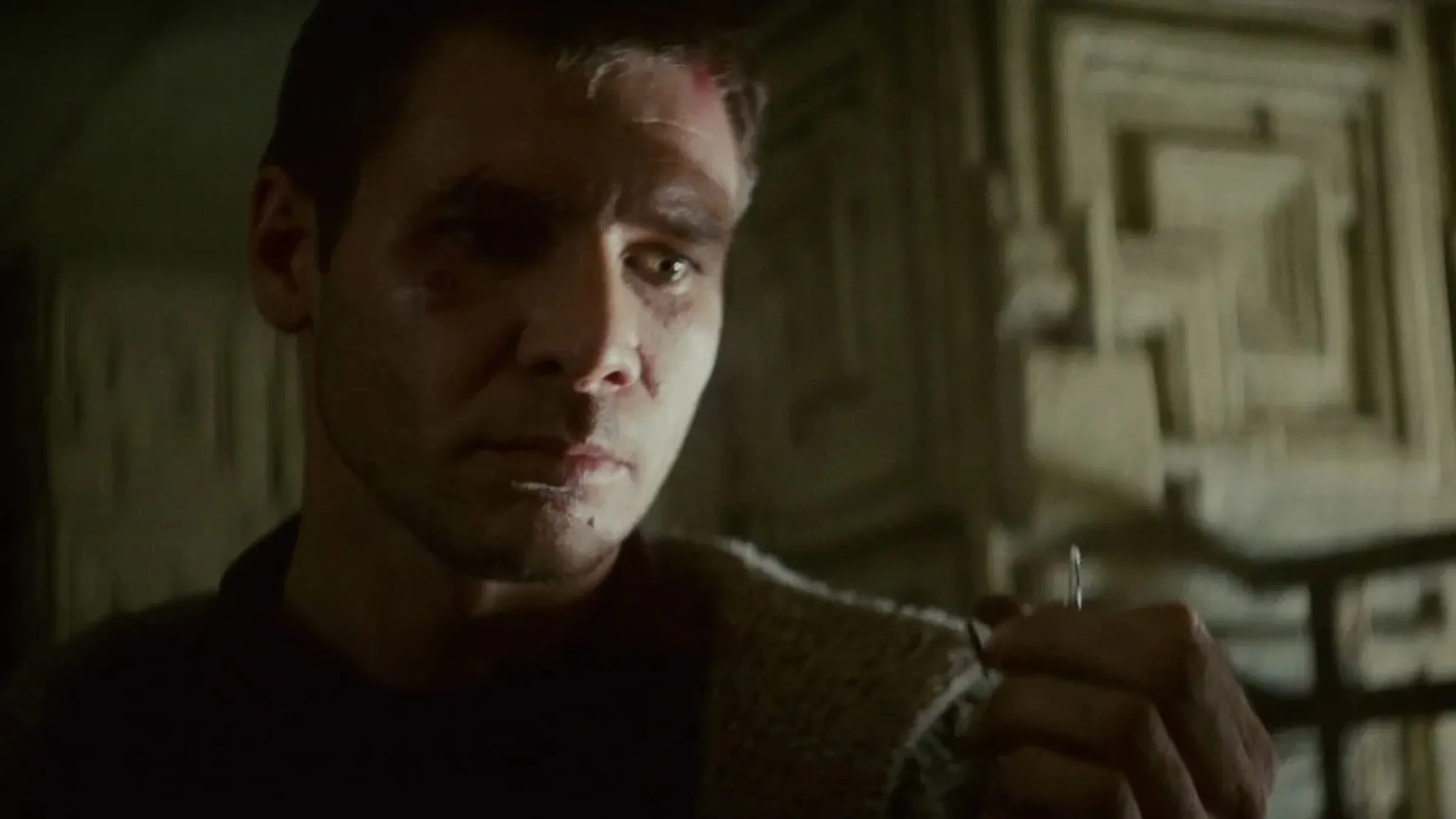
Ridley Scott’s film, based on Philip K. Dick’s novel, shares the same basic story and characters – like Deckard tracking down escaped androids. However, the movie and book have different overall moods, and they reach different endings. In the book, Deckard eventually stops hating androids and even adopts a robotic toad as a pet. The film, famously, ends with a lingering question that viewers still debate: is Deckard himself an android?
8) Fight Club
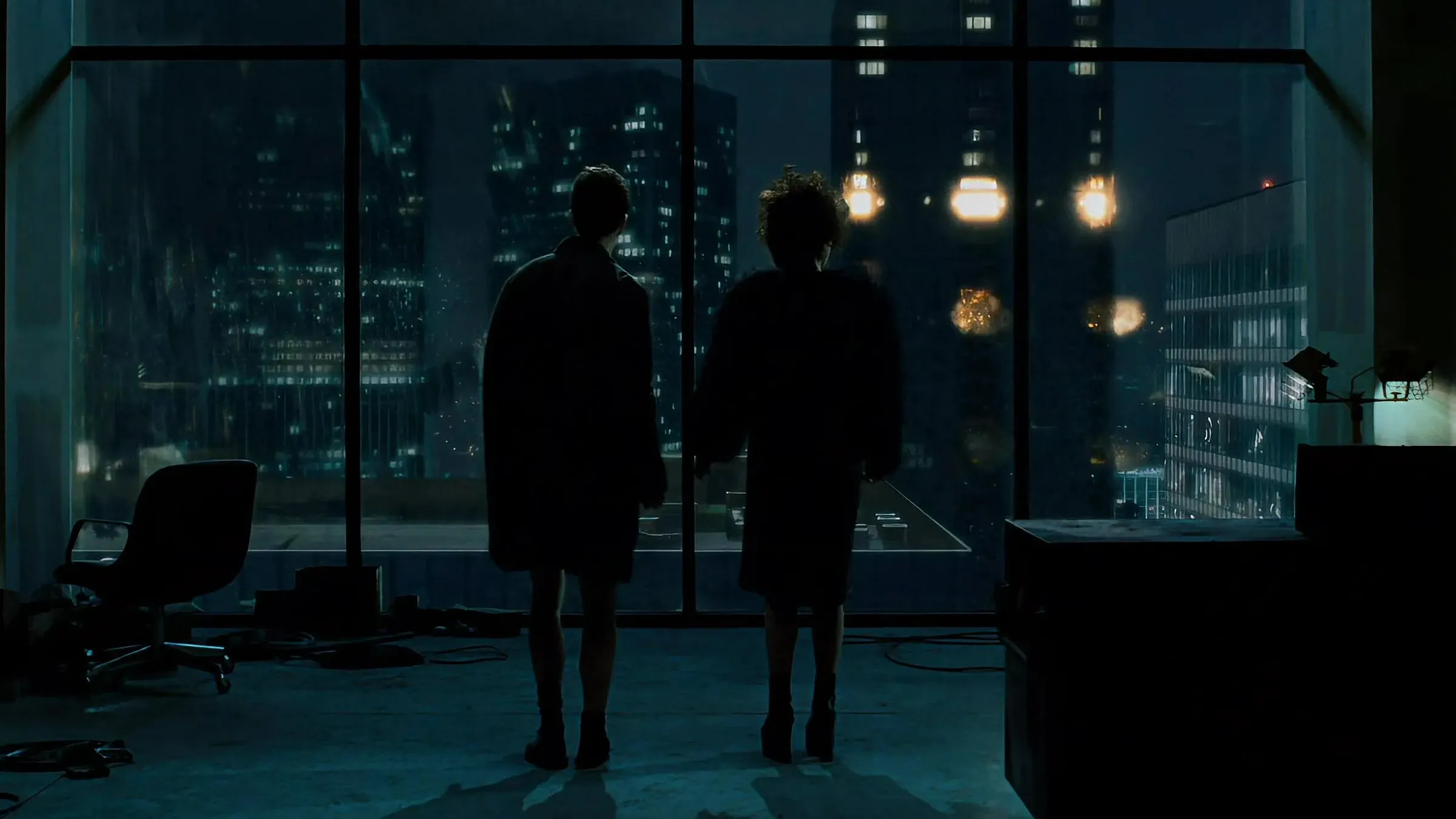
David Fincher’s film version of Chuck Palahniuk’s novel closely follows the book, though it includes some new scenes and changes. However, the endings diverge significantly. In the novel, after surviving Project Mayhem’s planned attack, the narrator awakens in a mental hospital to discover that the group is still actively planning operations.
In contrast, Fincher’s novel offers a slightly hopeful ending, suggesting the Narrator successfully got rid of Tyler Durden and possibly even improved things – their explosion targeted credit card companies, potentially relieving people of debt. It’s worth noting that both the book and film feature the Narrator attempting to shoot himself to eliminate Tyler, but their stories then take different paths.
7) Forrest Gump
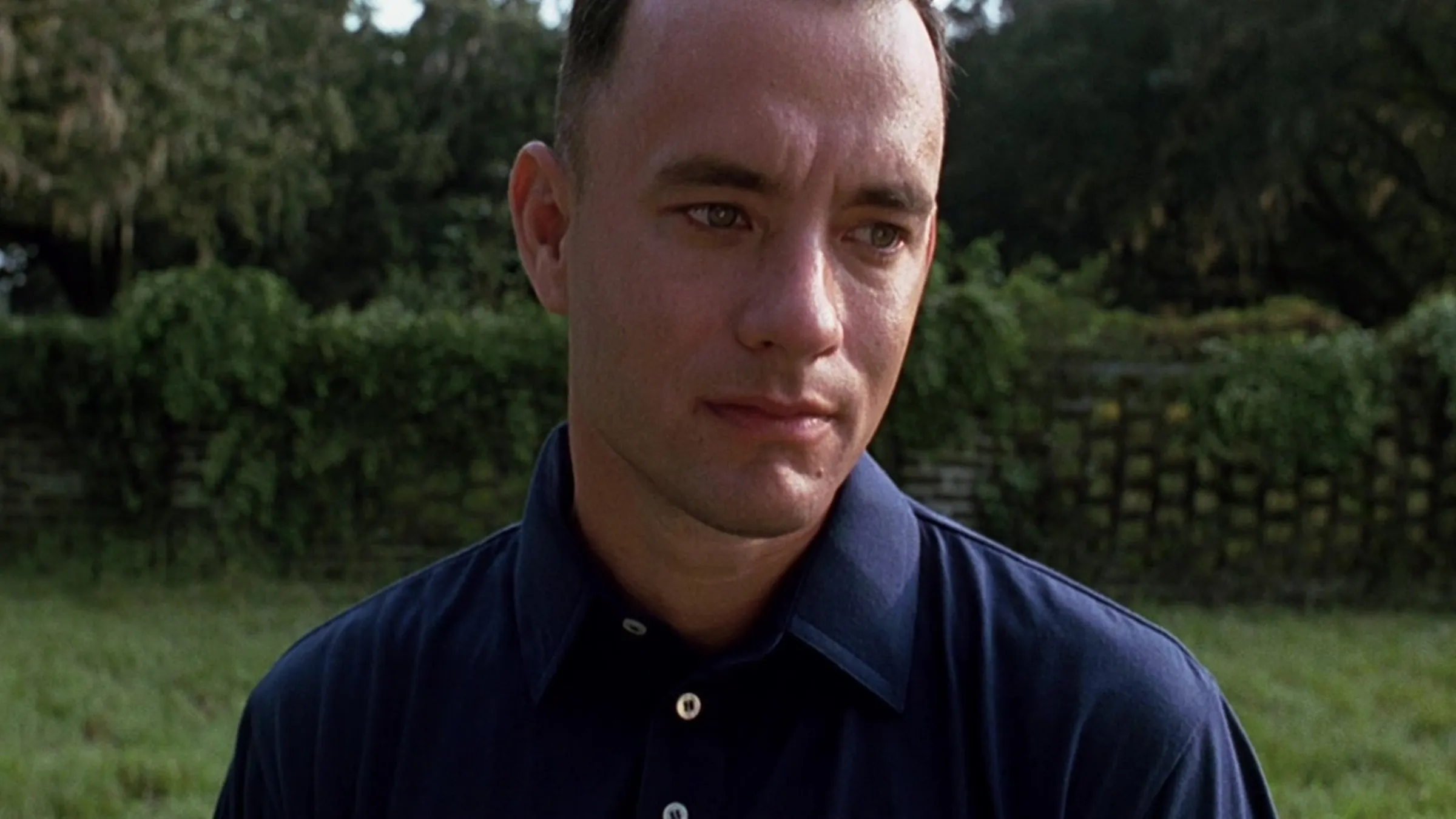
The movie Forrest Gump famously ends with a deeply emotional scene: Tom Hanks’ character is raising his son and talking to Jenny’s grave, sharing updates about their life together. This ending resonated strongly with audiences in the 1990s. However, it differs significantly from Winston Groom’s original novel. In the book, Forrest ultimately leaves Jenny and their son—she’s married to someone else—and moves to New Orleans, setting up a potential sequel called Gump and Co.
6) First Blood
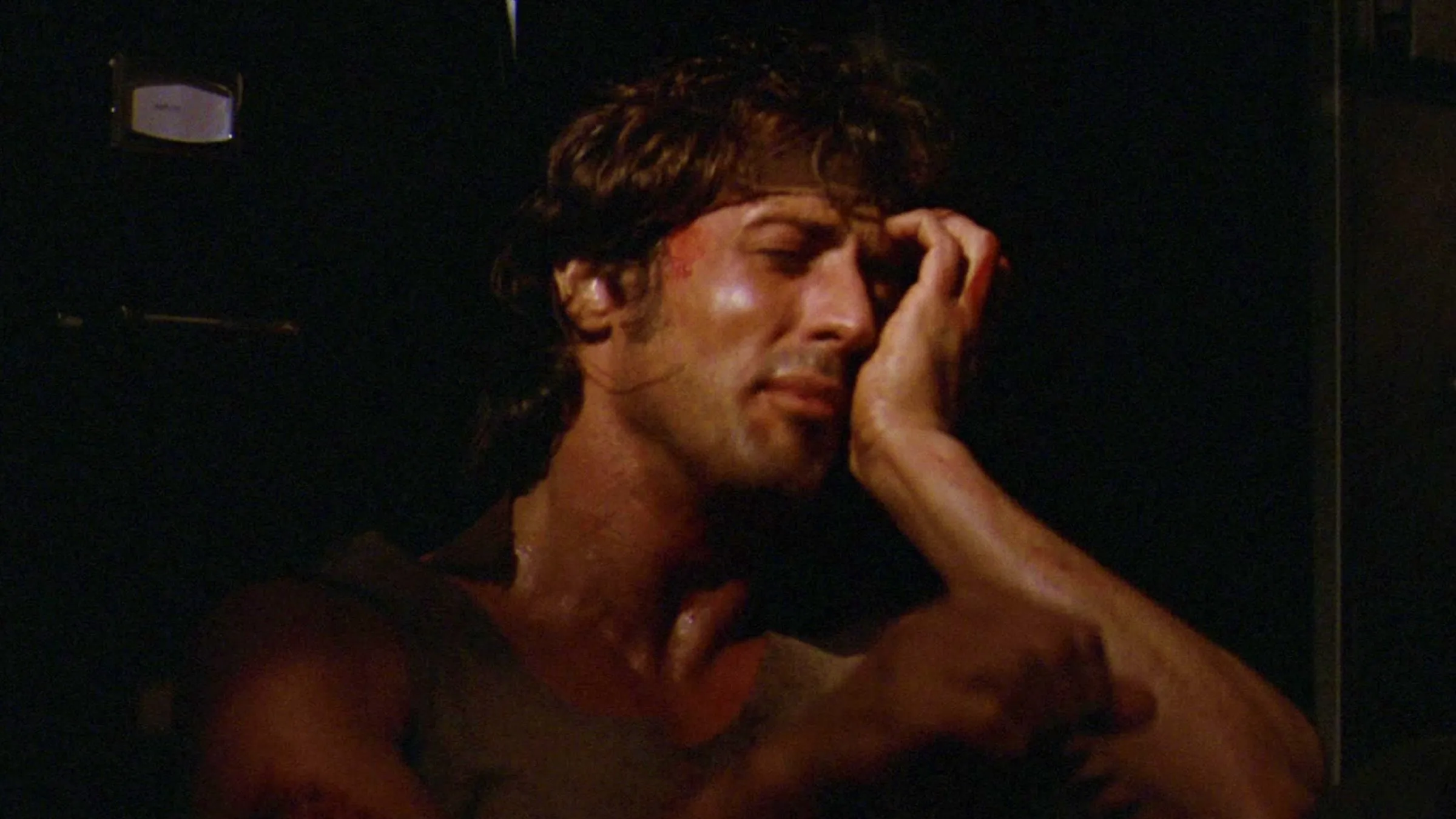
The first First Blood film differs greatly from the rest of the Rambo series. The original movie is mostly a serious look at a veteran struggling after returning home, while later films focus almost entirely on action and violence. Interestingly, David Morrell’s novel—the source material for First Blood—actually resembles those action sequels more closely than the film does. There are many differences between the book and movie, but one of the most significant is how they end. In the novel, Rambo is killed by Sam Trautman, a far cry from the movie’s ending where he survives and receives medical attention after being taken into custody.
5) Hannibal
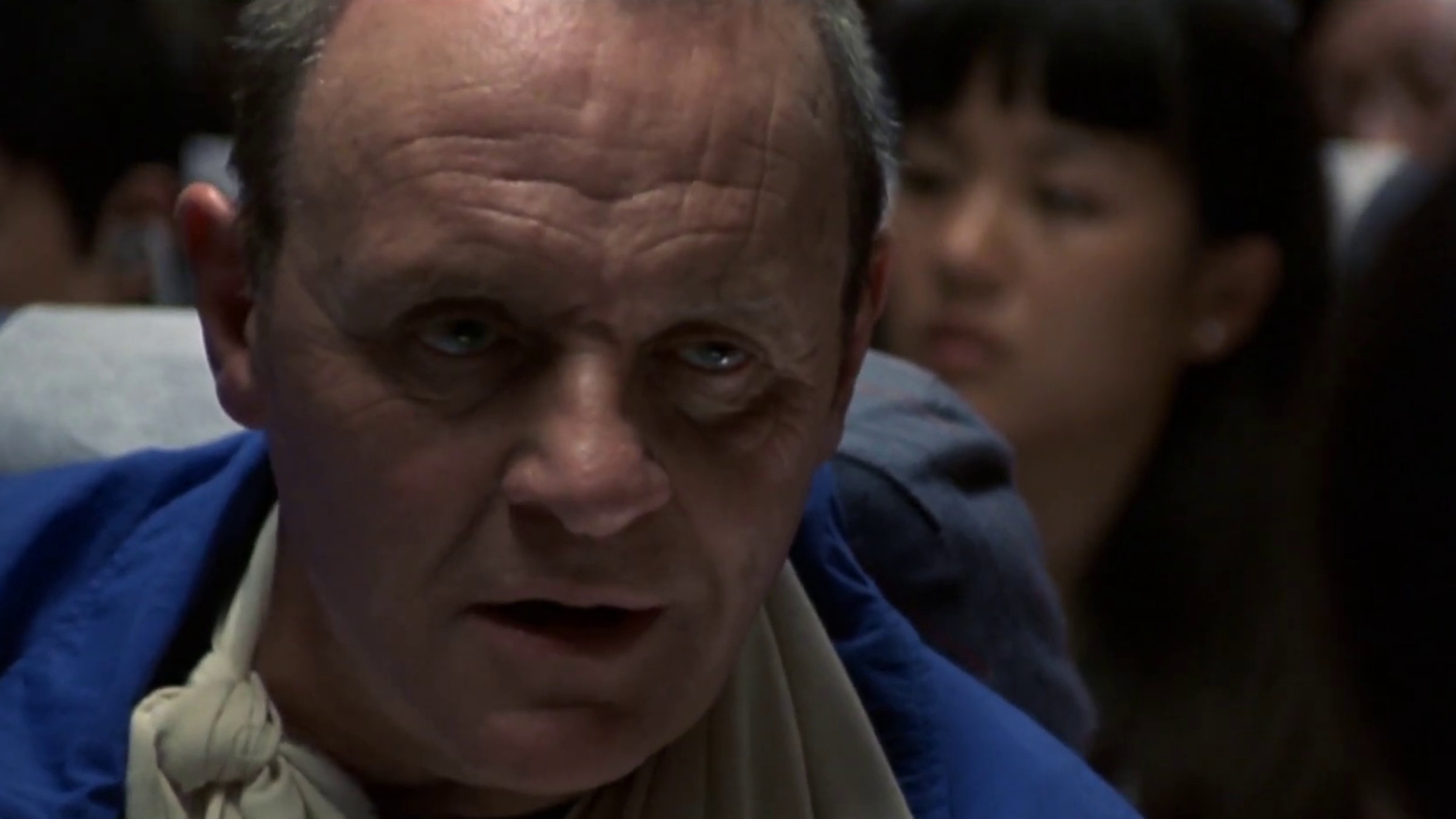
After the huge popularity of Thomas Harris’s Hannibal Lecter novels and the groundbreaking film The Silence of the Lambs, fans eagerly anticipated the character’s next story. A decade later, their wish came true, but Ridley Scott’s film adaptation of the book had to alter the ending. The original ending was considered so shocking that filmmakers feared it would cause a negative reaction from audiences, so they opted for a different conclusion.
Harris’s book concludes with a controversial twist: Clarice Starling and Hannibal Lecter fall in love and leave the country together. The story reveals Lecter manipulated Starling using various brainwashing methods, which readers strongly disliked. Consequently, the film adaptation took a different approach. It ends with Starling attempting to arrest Lecter by handcuffing him to her, but he shockingly escapes by severing his own hand – an event that hinted at a sequel, though one never materialized.
4) Knock at the Cabin
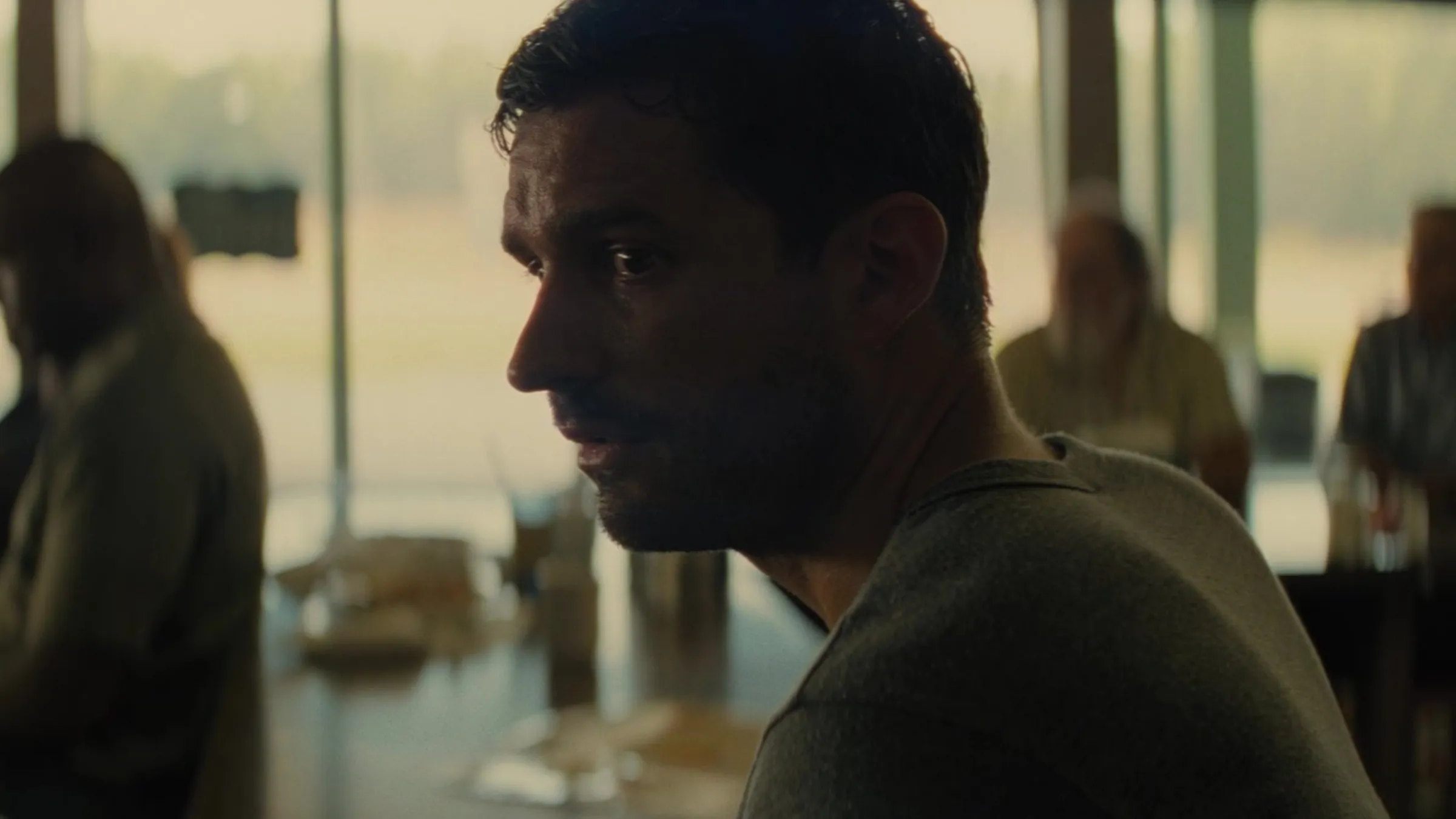
M. Night Shyamalan’s 2023 film, based on Paul Tremblay’s novel The Cabin at the End of the World, is a remarkably faithful adaptation—at least, until the very end. Both the book and the movie repeatedly ask whether the characters’ warning of an impending apocalypse is genuine, and if a difficult choice they face can actually stop it.
I was really shocked when Wen, Eric and Andrew’s adopted daughter, died in the book – it felt so random and her death didn’t even stop the apocalypse! They were left facing whatever was coming next. But the movie took a totally different route. Eric actually chose to sacrifice himself, and that seemed to be enough to save the world. It’s a huge change from the book, not just in what happens, but in what it all means. The movie feels like it’s saying something completely different than the book does, and it was pretty jarring to see such a big shift.
3) The Little Mermaid
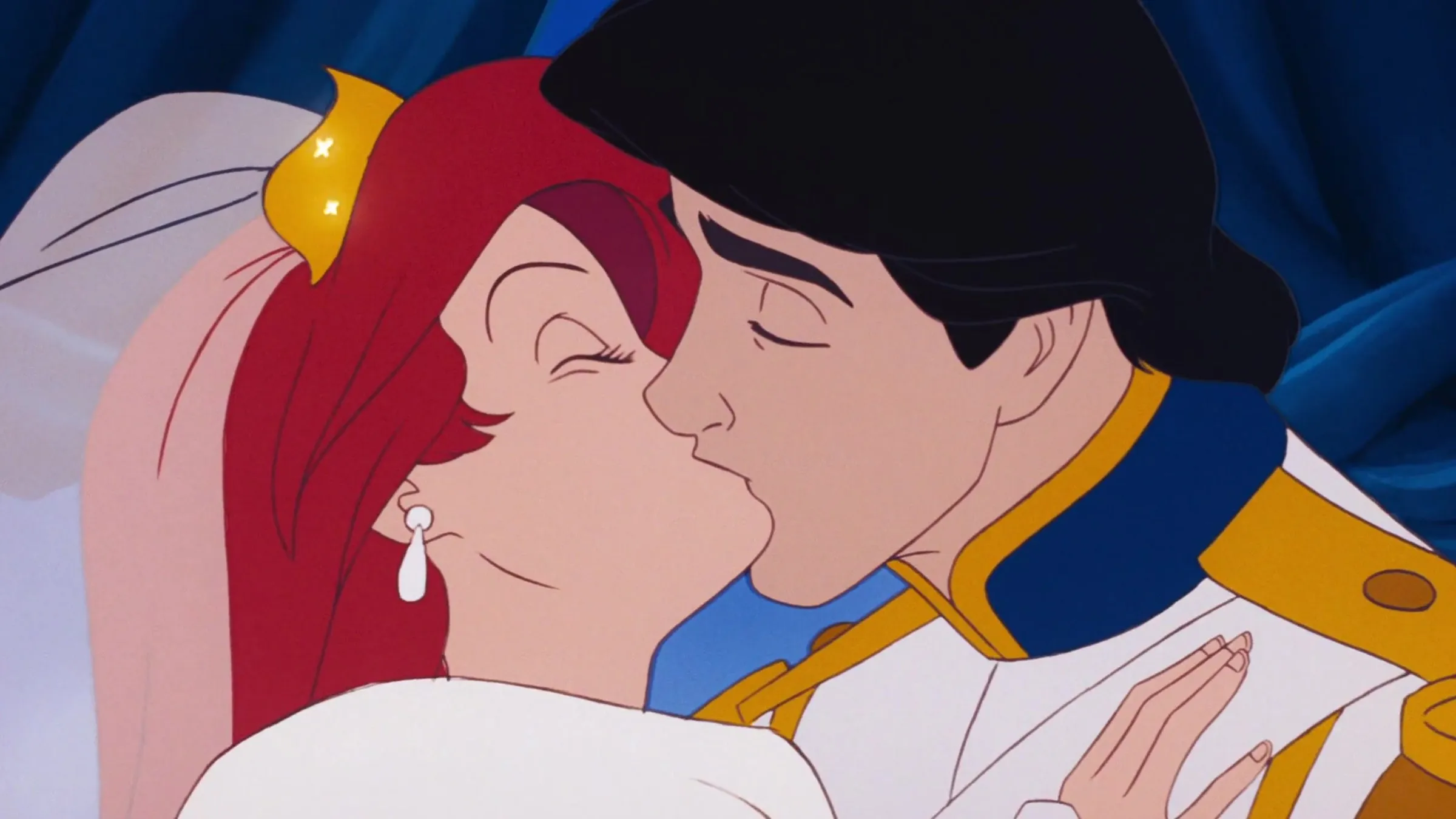
It’s no surprise that Disney’s version of The Little Mermaid is famous for dramatically changing the original story and giving it a classic happy ending. The 1989 animated film concludes with Ariel kissing the prince, their wedding, and joyful celebrations from both the land and sea.
The story of The Little Mermaid isn’t quite the happy tale most people remember. In the original story by Hans Christian Andersen, the sea witch’s deal with the mermaid has a harsh condition: if the prince marries another woman, the mermaid will turn into sea foam. Sadly, that’s what happens, but instead of simply disappearing, she transforms into a spirit, a far cry from the Disney version’s ending.
2) The Lord of the Rings: The Return of the King

Most people consider Peter Jackson’s Lord of the Rings trilogy to be one of the greatest ever made, and a remarkably faithful adaptation of J.R.R. Tolkien’s books. While fans know there are some differences and characters that didn’t make it into the films, The Return of the King features perhaps the most significant changes from the original story.
The book’s final chapter, “The Scouring of the Shire,” depicts the Hobbits’ homeland being invaded and ruined by the wizard Saruman while they were on their journey to Mordor, forcing them to fight to reclaim it. This section was cut from the movie adaptation, though a brief glimpse of a similar future is shown in The Fellowship of the Rings. Removing it was a necessary decision; adding another battle after the One Ring’s destruction would have made the already lengthy film even longer and potentially overwhelmed the story.
1) Total Recall
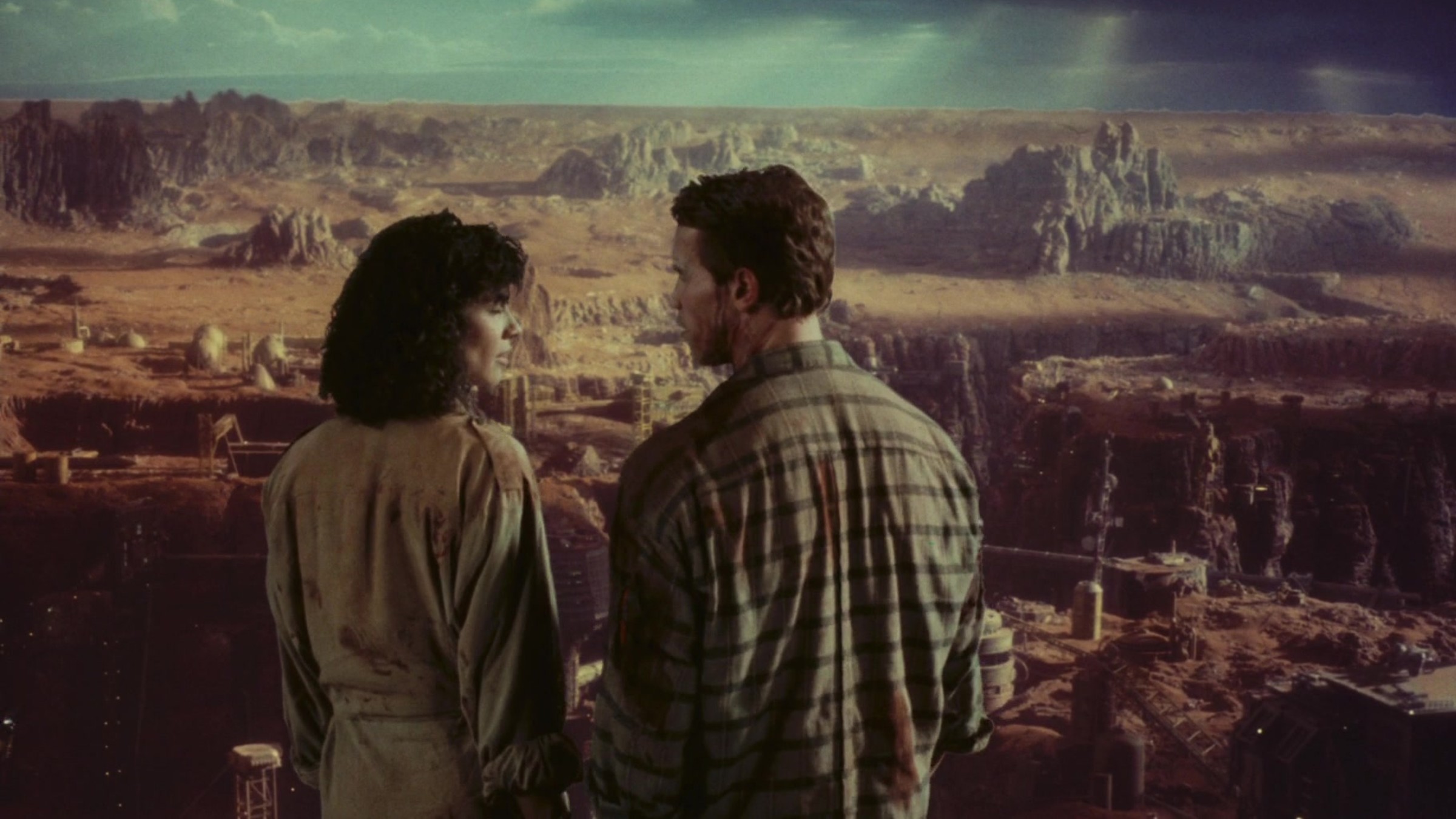
While Blade Runner took some liberties with Philip K. Dick’s novel, the 1990 film Total Recall, based on his short story “We Can Remember It for You Wholesale,” is drastically altered – almost unrecognizable from its source material. The changes are numerous, but the biggest difference lies in how each version ends, resulting in completely different outcomes.
Philip K. Dick’s story centers on Douglas Quail, who believes he erased memories of being an assassin by replacing them with a childhood fantasy about befriending aliens and preventing an invasion. The surprising reveal is that this ‘fake’ memory is actually real, and Quail is now facing a life-or-death situation. The film Total Recall, however, significantly departs from the source material. It features no aliens and is largely set on Mars, where Arnold Schwarzenegger’s Douglas Quaid ultimately saves the planet by activating a device to make the atmosphere breathable and defeating the oppressive governor.
Read More
- Green Game Jam returns with 70 games teaming up to tackle the climate crisis
- Gold Rate Forecast
- PI PREDICTION. PI cryptocurrency
- EUR CNY PREDICTION
- USD BRL PREDICTION
- Black Clover Confirms Special Chapter After Manga Finale
- Seven Snipers Review: A Sharpshooter Action Movie That Misses More Than It Hits
- USD HKD PREDICTION
- EUR KRW PREDICTION
- USD TRY PREDICTION
2026-06-13 01:16