
For decades, Marvel Comics has been a leader in creating large-scale, interconnected story events. While DC Comics regularly used their Justice League of America title for annual, universe-spanning stories during the Silver and Bronze Ages of comics, Marvel began crafting their own big crossover events in 1982 with Marvel Super Heroes Contest of Champions. Since then, they’ve pioneered many different event formats, and were the first publisher to introduce the now-common practice of ‘tie-in’ comics – issues that connect to the main event storyline but focus on lesser-known characters or give popular heroes individual adventures within the larger narrative. This approach helps boost sales for less popular titles while expanding the event’s reach.
Comics that connect to larger story events can be fun, but Marvel often overdoes it, making these ‘tie-in’ issues a frustrating part of their big storylines. They release a ton of them for each event – some add to the story, while others feel like ads for the main plot. Here are ten Marvel events that suffered from having way too many of these extra issues, with the quality of those issues varying greatly.
10) Avengers vs. X-Men
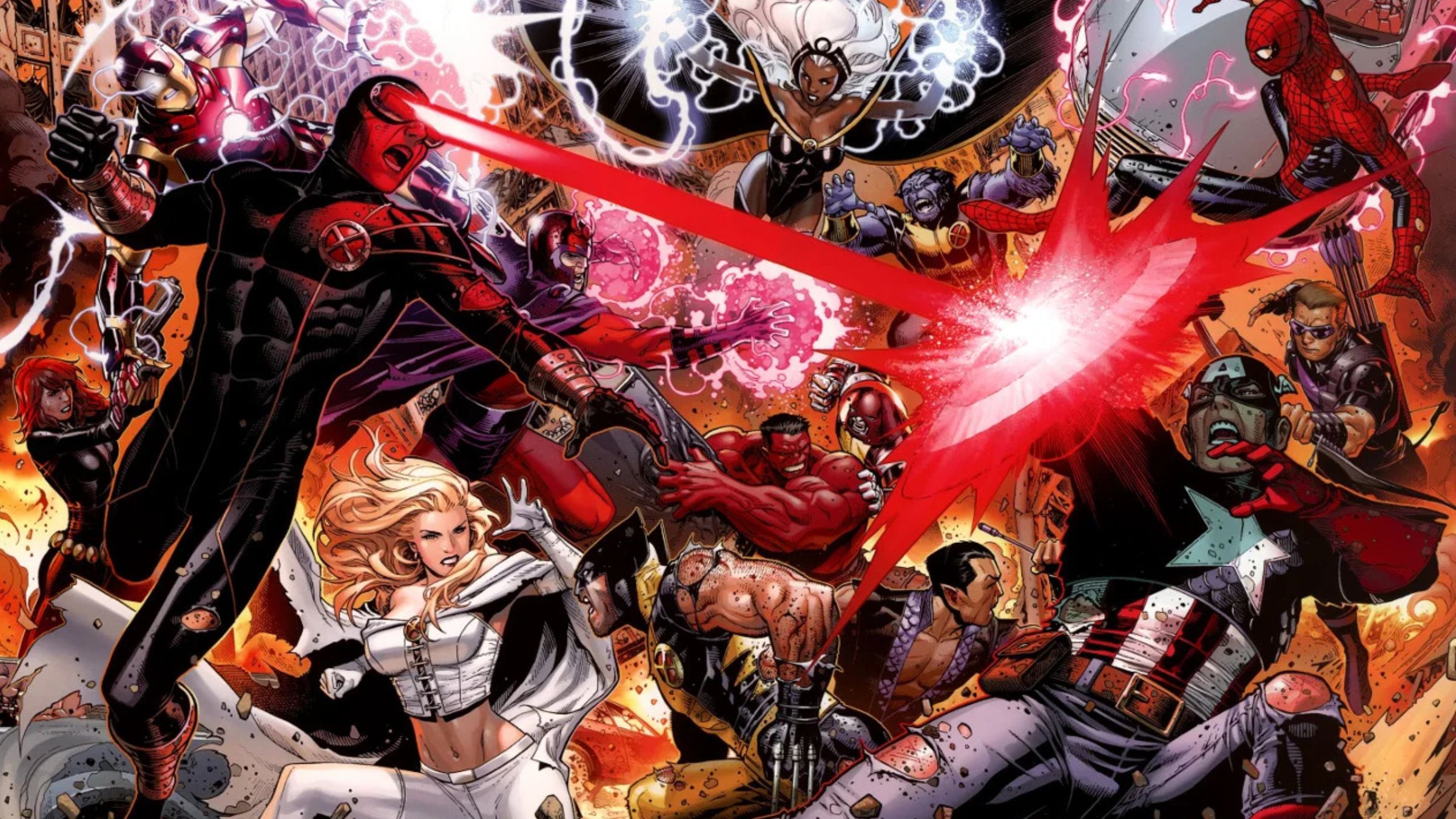
Looking back, Avengers vs. X-Men is surprisingly good, though it went overboard with all the related comics. The main 12-issue series was already quite long, but Marvel also published tie-in issues in almost every X-Men and Avengers title, plus many individual character books and mini-series. While some of these tie-ins were enjoyable, like those in AvX, Uncanny X-Men, and Wolverine and the X-Men, most felt like they were just created to make more money. This story came out in 2012 when Marvel hoped fans of the Marvel Cinematic Universe would start reading the comics, so they put the ‘Avengers’ name on everything – a strategy that didn’t really work, and frankly, isn’t a good way to connect the two mediums!
9) “Fall of X”
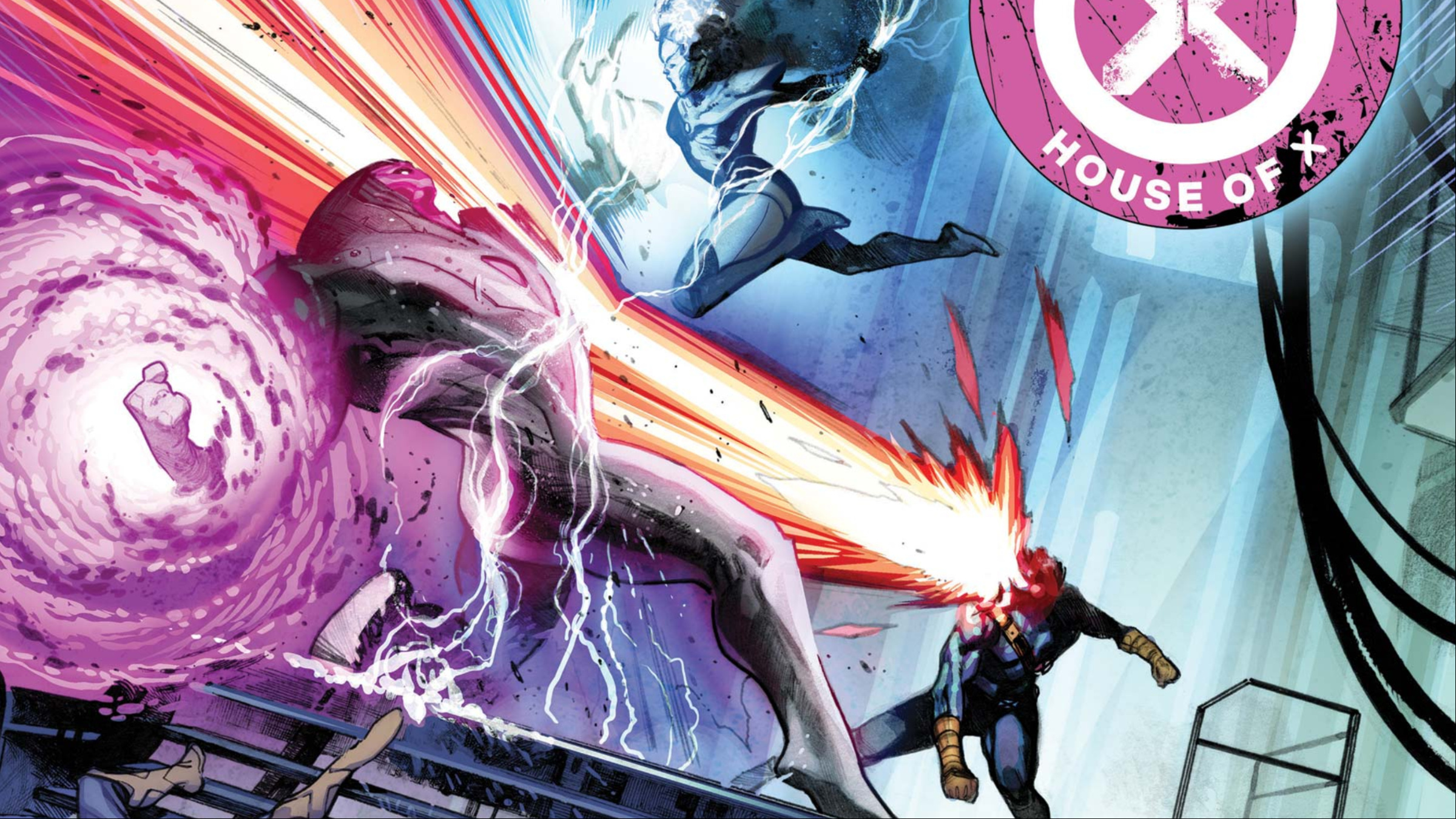
The Krakoa Era was a hit with X-Men readers, but sales dropped sharply after Jonathan Hickman stopped writing the series. The storyline, called “Fall of X,” impacted every X-Men title at the time, starting with four introductory one-shots and continuing through the main ongoing series and several miniseries. A major issue was that the miniseries released in the first half of the event didn’t connect well to what happened later, meaning readers could easily skip them without missing crucial plot points. This was compounded by Marvel shortening the planned 18-month story to just 12 months, resulting in a rushed and underdeveloped final six months. While some writers – notably Kieron Gillen, Al Ewing, and Ben Percy – delivered strong work, much of the “Fall of X” storyline was generally considered weak.
8) “Age of Revelation”
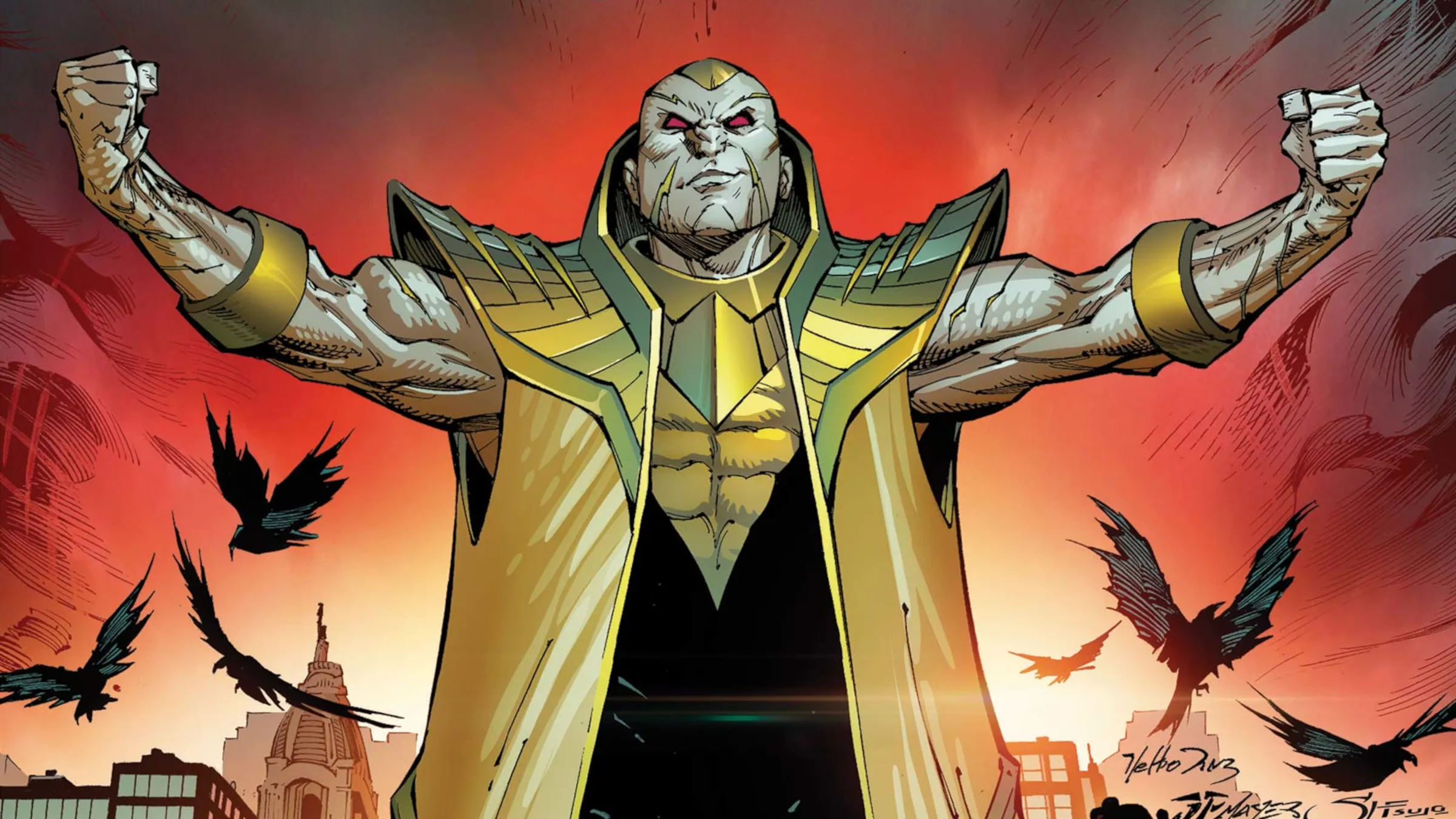
Following the end of the Krakoa era, the X-Men comics didn’t significantly improve, with the exception of Uncanny X-Men. The attempt to establish a new direction, called “From the Ashes,” was largely unsuccessful, culminating in the particularly flawed “Age of Revelation” storyline. This story jumped ten years into the future, imagining a world dominated by a successor to Apocalypse. While the event involved two main issues and seventeen separate miniseries, only those core issues and the comics written by Jed MacKay were truly worth reading. Intended as a celebration of the 30th anniversary of “Age of Apocalypse,” it ultimately failed to resonate with fans and further damaged the struggling X-Men series.
7) Secret Wars
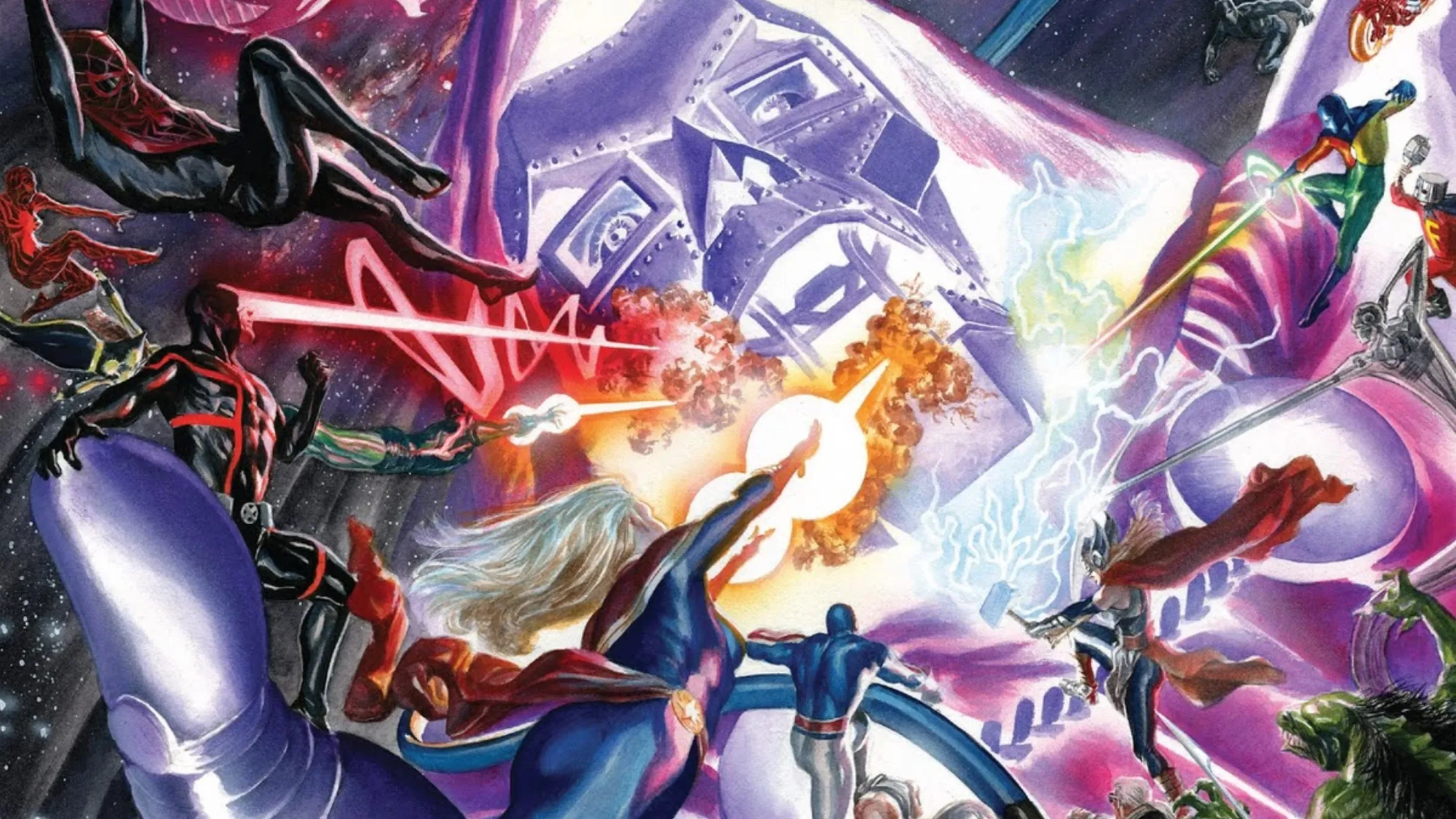
As a huge Marvel fan, I remember Secret Wars being the epic finish to Jonathan Hickman’s run on Avengers. It was wild – Doctor Doom basically rebuilt the entire multiverse to his liking, and all our favorite heroes and villains from different realities were fighting to stop him! The event had a ton of tie-in miniseries set in all sorts of alternate worlds, often referencing older Marvel stories. Honestly, though, most of those side stories didn’t really impact the main plot. Some were fun, but you could easily skip them and still understand everything happening in the core Secret Wars story.
6) House of M

The storyline House of M wasn’t very good and actually moved the X-Men away from being central to the Marvel Universe. It involved Scarlet Witch and Quicksilver altering reality so mutants were the dominant species, and almost every Marvel comic in 2005 had some connection to the event, along with several dedicated miniseries. While not as overloaded with tie-ins as later events, there were still too many. The alternate reality itself wasn’t particularly compelling, with only the Spider-Man and Iron Man miniseries, issues of Wolverine (Vol. 3), and the Captain America (Vol. 5) issue being worth reading.
5) Secret Invasion

The 2008 storyline Secret Invasion depicted a Skrull invasion escalating from a covert conflict to open war. It was the fourth major event in a series that began in 2004, and Marvel had been building towards it through various tie-in stories for several years. These tie-ins largely took the form of limited series, allowing the main comic books to continue uninterrupted. However, New Avengers and Mighty Avengers were directly connected to the main plot, with the New Avengers issues being particularly strong in establishing the events leading up to the invasion. While most of the tie-ins weren’t essential reading, they were generally enjoyable.
4) Infinity Gauntlet
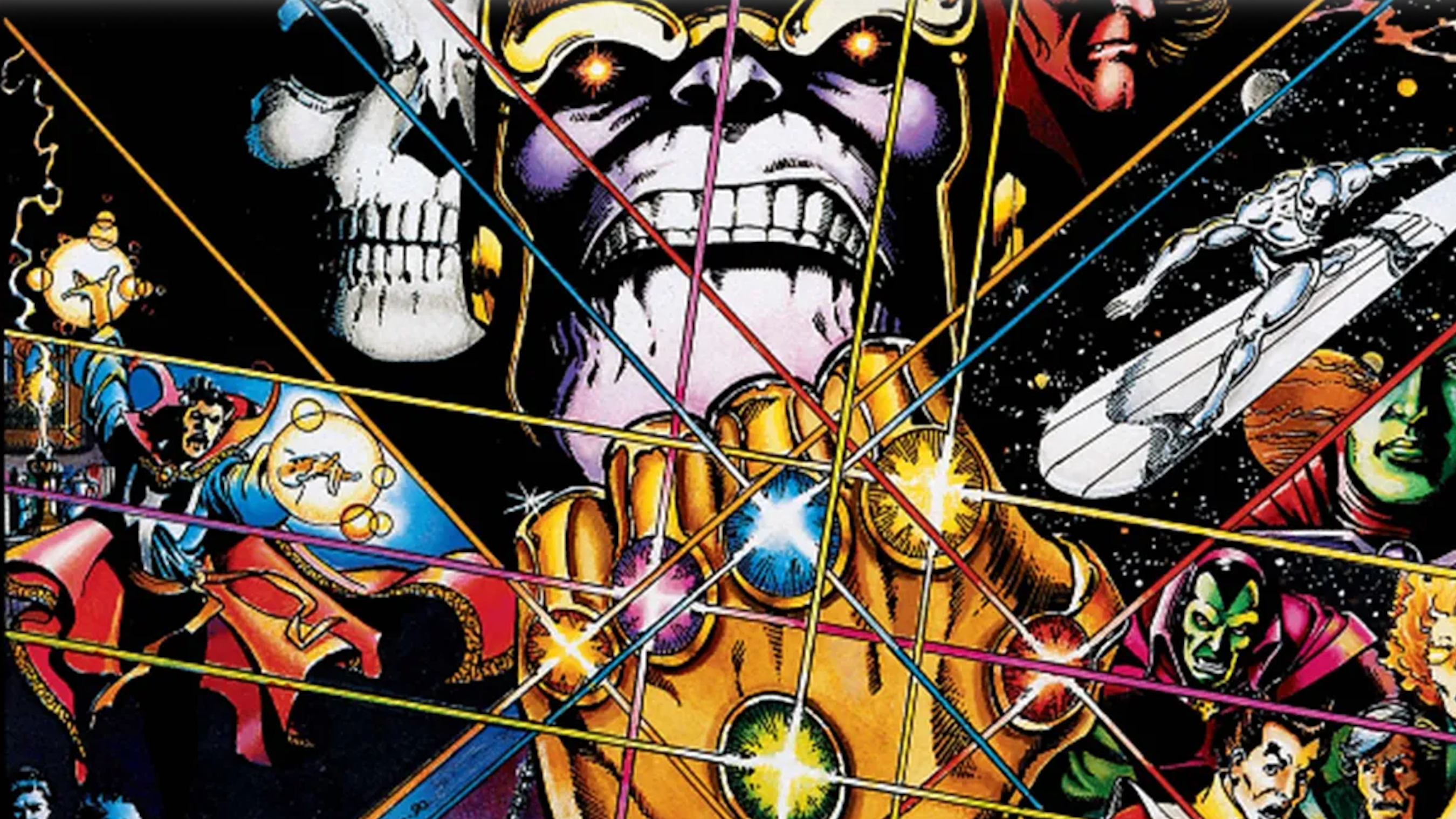
The Infinity Gauntlet is a beloved Marvel story, and the publisher really capitalized on its popularity when it was released. Following the disappointing Secret Wars II in the 1980s, Marvel shifted towards crossover events that spanned multiple comic books and annuals. This 1991 story marked a return to large-scale event series with connecting issues, and almost every Marvel title at the time participated. Honestly, they were quite good! Marvel had a wealth of talented creators in 1991, making the tie-in issues stand out, especially those featuring the Silver Surfer and The Incredible Hulk. But overall, most of the connected stories offered a fun take on the main plot.
3) Hunt for Wolverine/Return of Wolverine
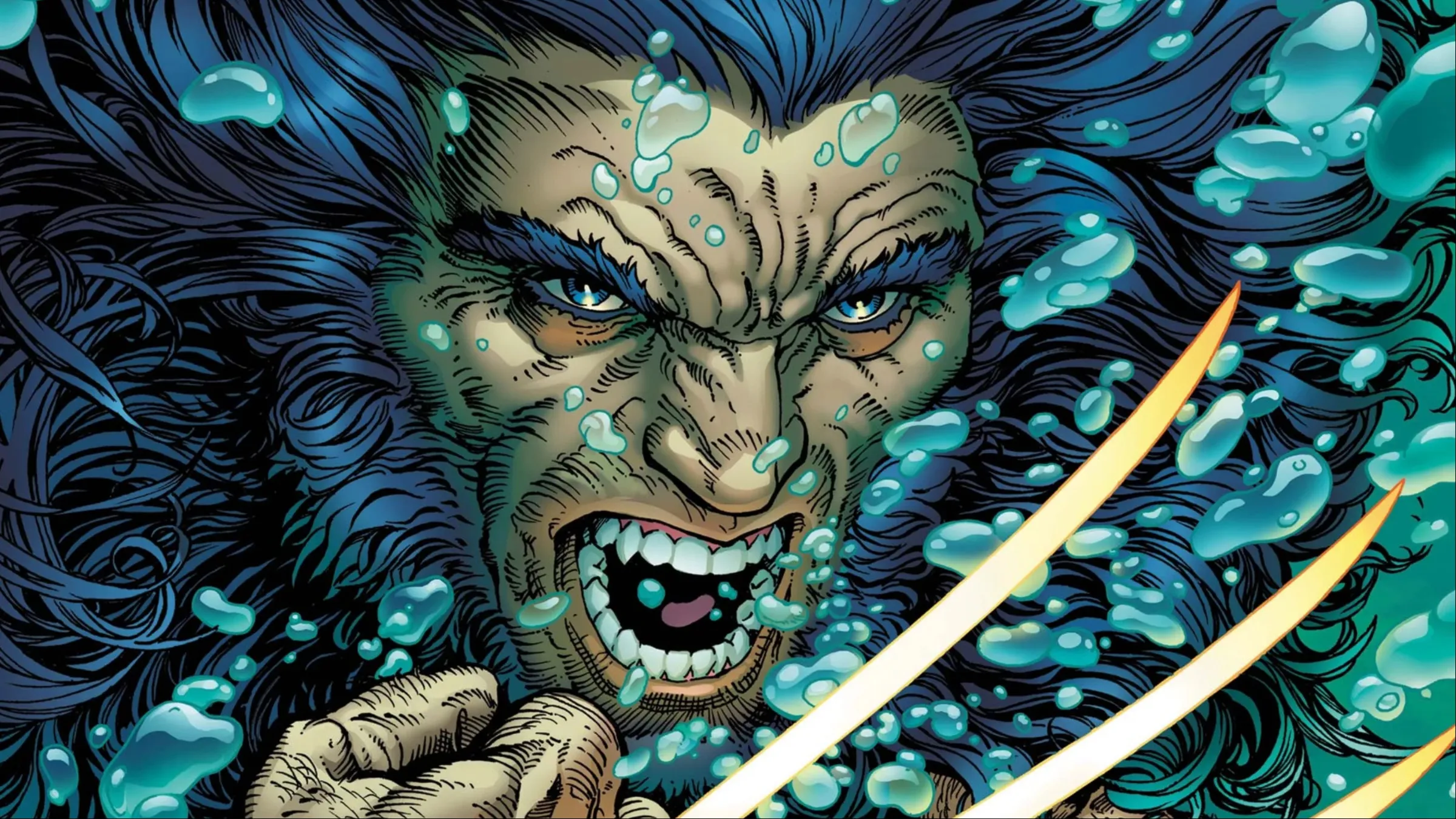
Despite the lackluster reception to 2014’s Death of Wolverine, the story was a commercial success. This prompted Marvel to plan his comeback, which began in 2017 with groundwork laid in various titles leading up to Marvel Legacy #1. This preparation continued with the “Hunt for Wolverine” event in 2018, culminating in Return of Wolverine in 2019. The story unfolded with Hunt for Wolverine #1, followed by four separate four-issue miniseries, and finally, Return. While other Marvel events often require reading numerous tie-ins, these Wolverine stories were surprisingly unnecessary to understand Return of Wolverine. In fact, readers who skipped them were better off, and many who purchased the entire run now regret it, as the issues are largely forgettable and have little value on the resale market – or are simply poorly written.
2) A.X.E. Judgment Day
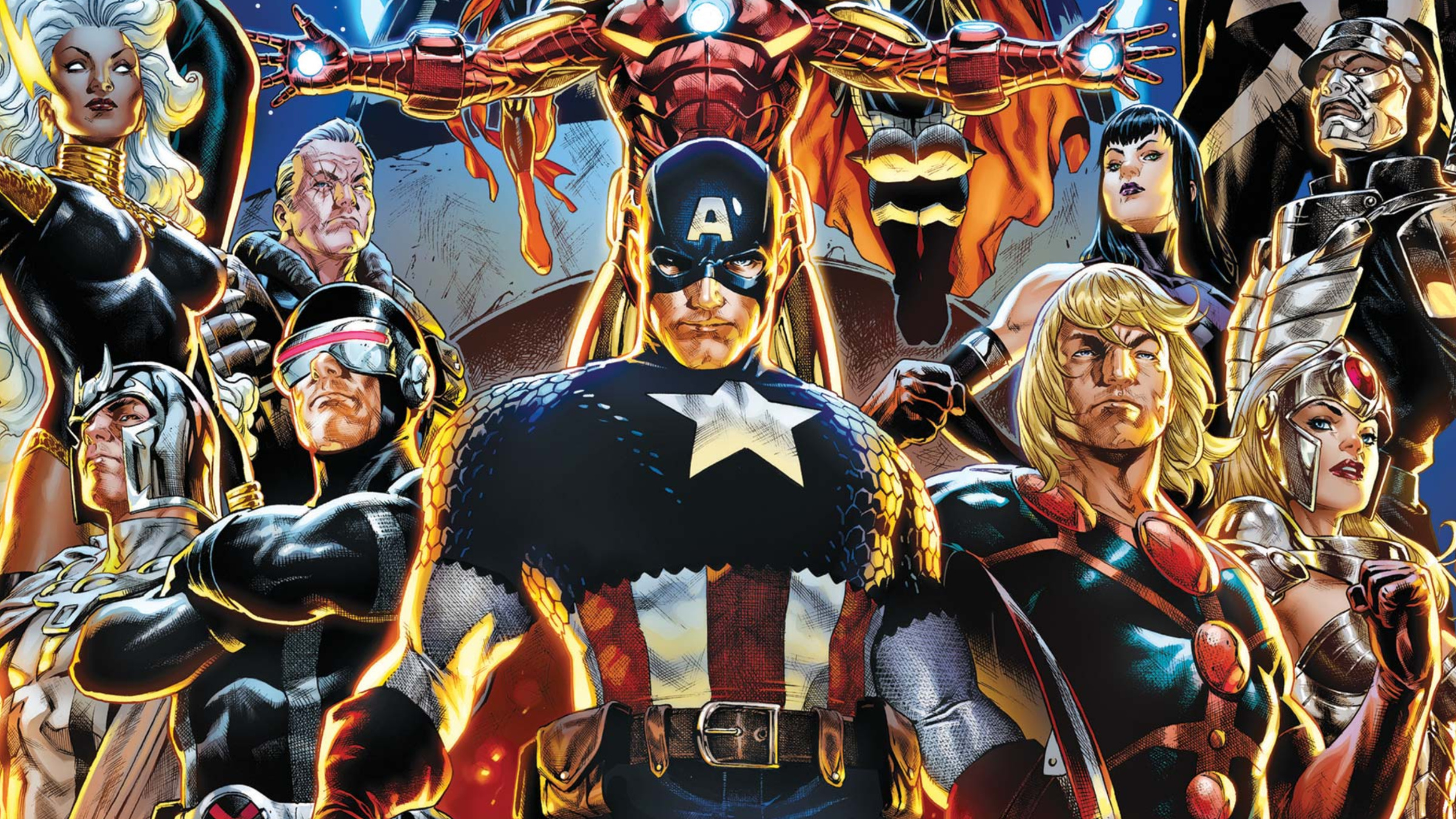
The recent A.X.E. Judgment Day event was a big success, and the related comic books were surprisingly good. The story focused on a conflict between the Eternals and the X-Men, with the Avengers caught in the middle trying to keep the peace. A powerful being called the Progenitor, created with the help of Mister Sinister, emerged as a god for the Eternals, but quickly decided to judge humanity. It threatened to destroy Earth unless it deemed every person worthy. Many miniseries, all written by the main story’s author Kieron Gillen, expanded on this conflict, and almost every Marvel comic featured an issue where characters faced judgment from this cosmic being. While reading all the tie-ins wasn’t essential, they offered interesting details and helped build a fuller picture of the event.
1) Civil War
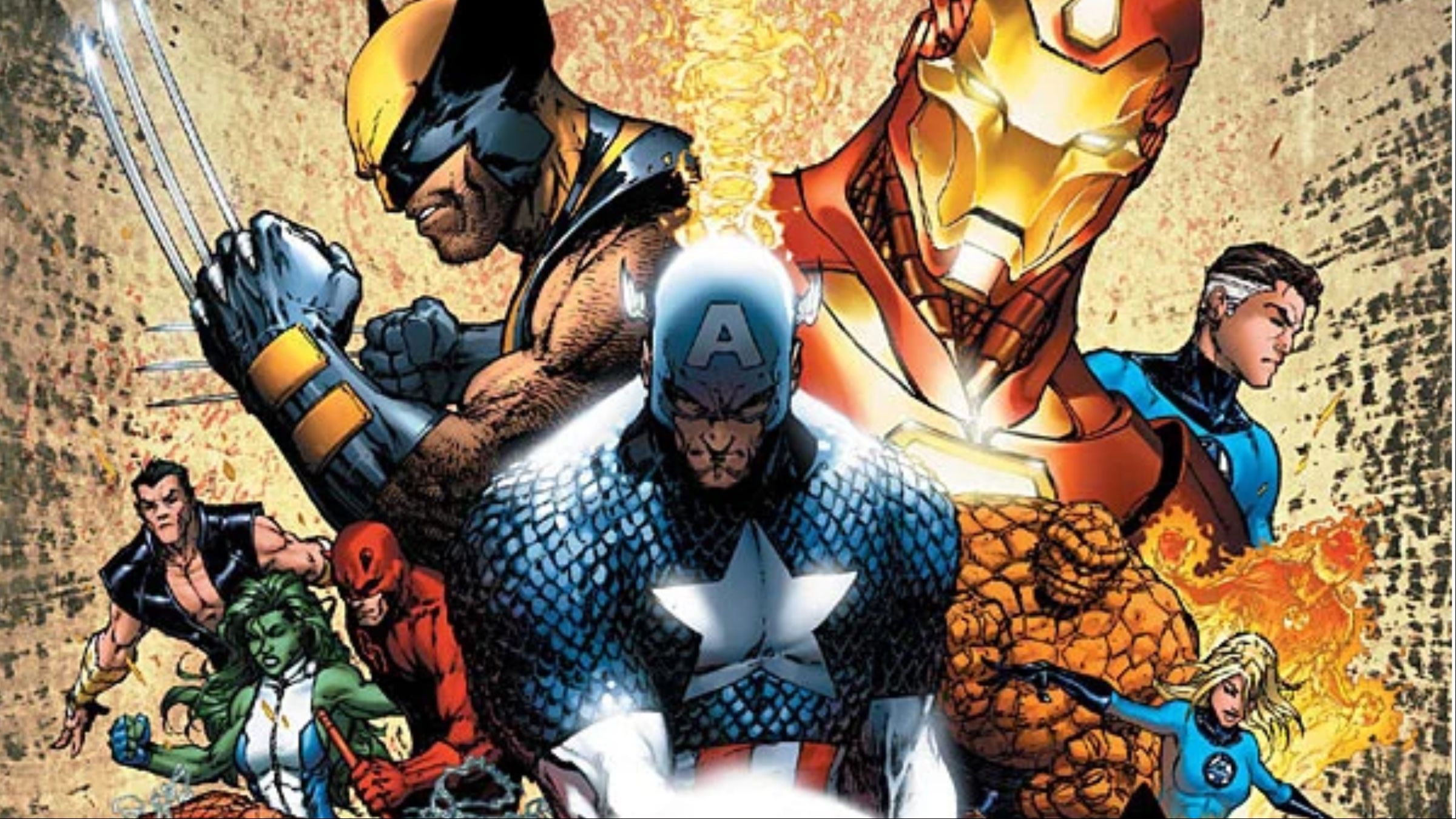
The Civil War storyline dramatically divided the Marvel Universe, and Marvel Comics fully embraced the conflict with a massive publishing event. It was the third large-scale event of the decade, with tie-in stories appearing in almost every Marvel comic at the time, plus numerous miniseries exploring the battle between heroes who supported registration and those who rebelled. Surprisingly, many of these tie-ins are considered better than the main Civil War series itself, effectively portraying the conflict. While there were a lot of them – perhaps too many for most fans to read – they’re worth seeking out in collected trade paperback editions if you can find them.
https://comicbook.com/comics/list/10-greatest-event-comics-in-marvel-history-ranked/embed/#
Read More
- What Song Is In The New Supergirl Trailer (& What It Means For The DC Movie)
- Eurogamer Gives ARC Raiders 2/5 Over AI Voices, Dropping Metacritic Score from 94 to 84
- Gold Rate Forecast
- Miss Super Sentai After Cancellation? Watch These 5 Anime to Fill the Void
- After 13 Years, Someone Earned One of the Hardest Achievement Trophies in Gaming
- Jaleco Sports: Bases Loaded II announced for PS5, Switch; now available
- Digimon Is Getting a New RPG in 2026 (And You Probably Missed It)
- New Open-World “AAAA” Game Coming From Tomb Raider Developer
- 10 Best Long-Running Anime That Will Keep Fans Busy For Years
- Spider-Man 4 Rumor Roundup Reveals Sadie Sink’s Role With Power Change & More
2026-04-04 17:14