
Marvel and its fans often point to the fact that the Marvel Universe hasn’t been completely restarted, and they’re proud of it. However, they often overlook how frequently Marvel has altered its established history – a practice known as ‘retconning.’ For decades, Marvel has readily used retcons to address all sorts of issues, from unexpected continuity errors to simply revising stories or elements that writers wanted to change or improve.
Over the years, Marvel has changed some of its established stories – these ‘retcons’ are often welcomed by fans and even help resolve plot issues. However, a few retcons are just confusing. Here are ten changes to Marvel history that don’t quite add up and have left fans puzzled.
10) Xavier, Magneto, and Krakoa
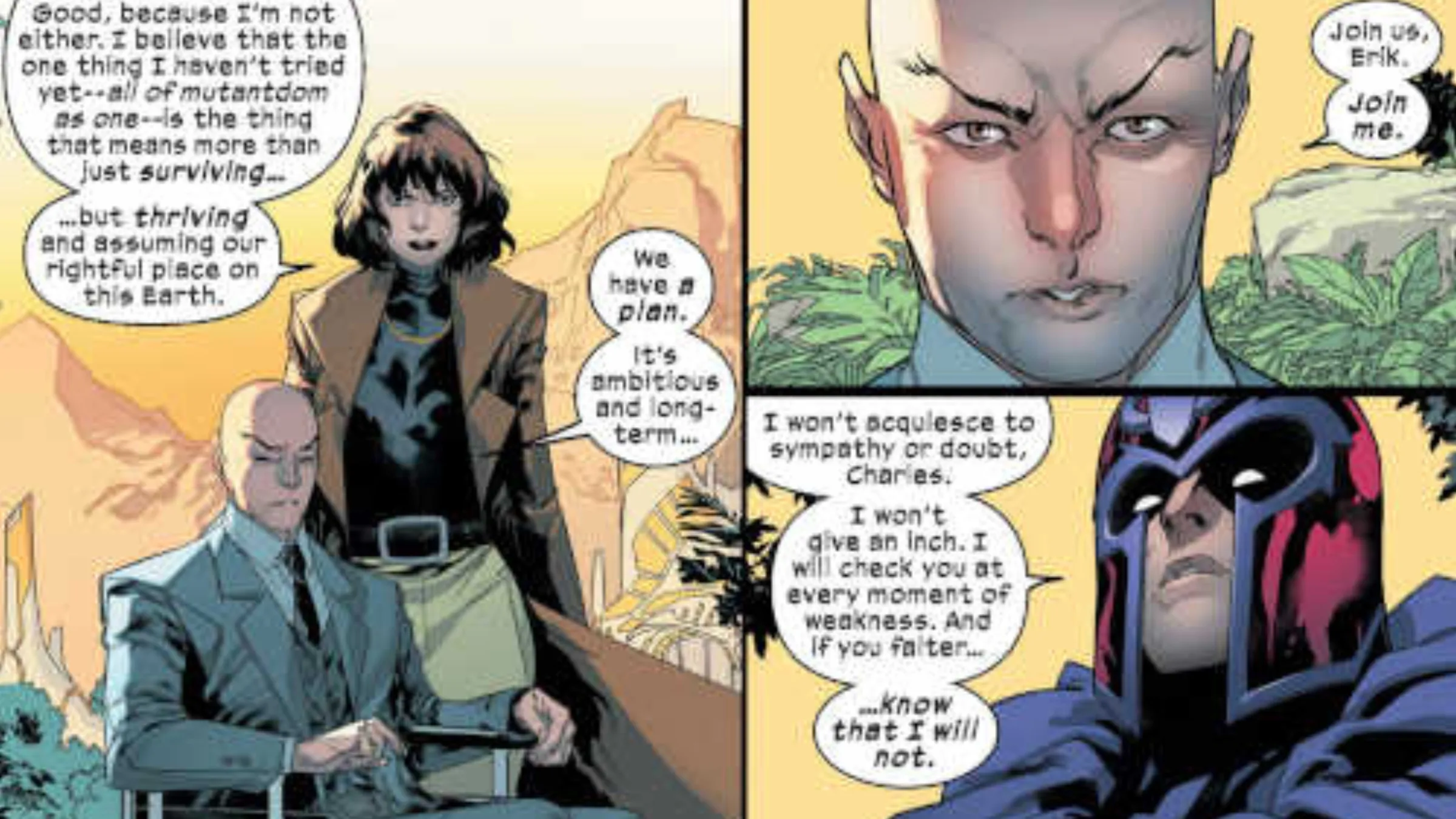
As a long-time X-Men fan, the Krakoa era has been amazing, but it’s relied on a lot of changes to established history. One retcon that always felt off to me was the whole backstory with Xavier, Magneto, and Moira MacTaggert. It’s supposed that these three were secretly collaborating years before the X-Men even formed, despite the fact that Charles and Magneto were publicly trying to kill each other! It just never quite clicked – how could they be enemies and secretly laying the groundwork for Krakoa? Honestly, it always felt a little forced and has never been properly addressed, which is frustrating.
9) The Sentry as a Drug Addict
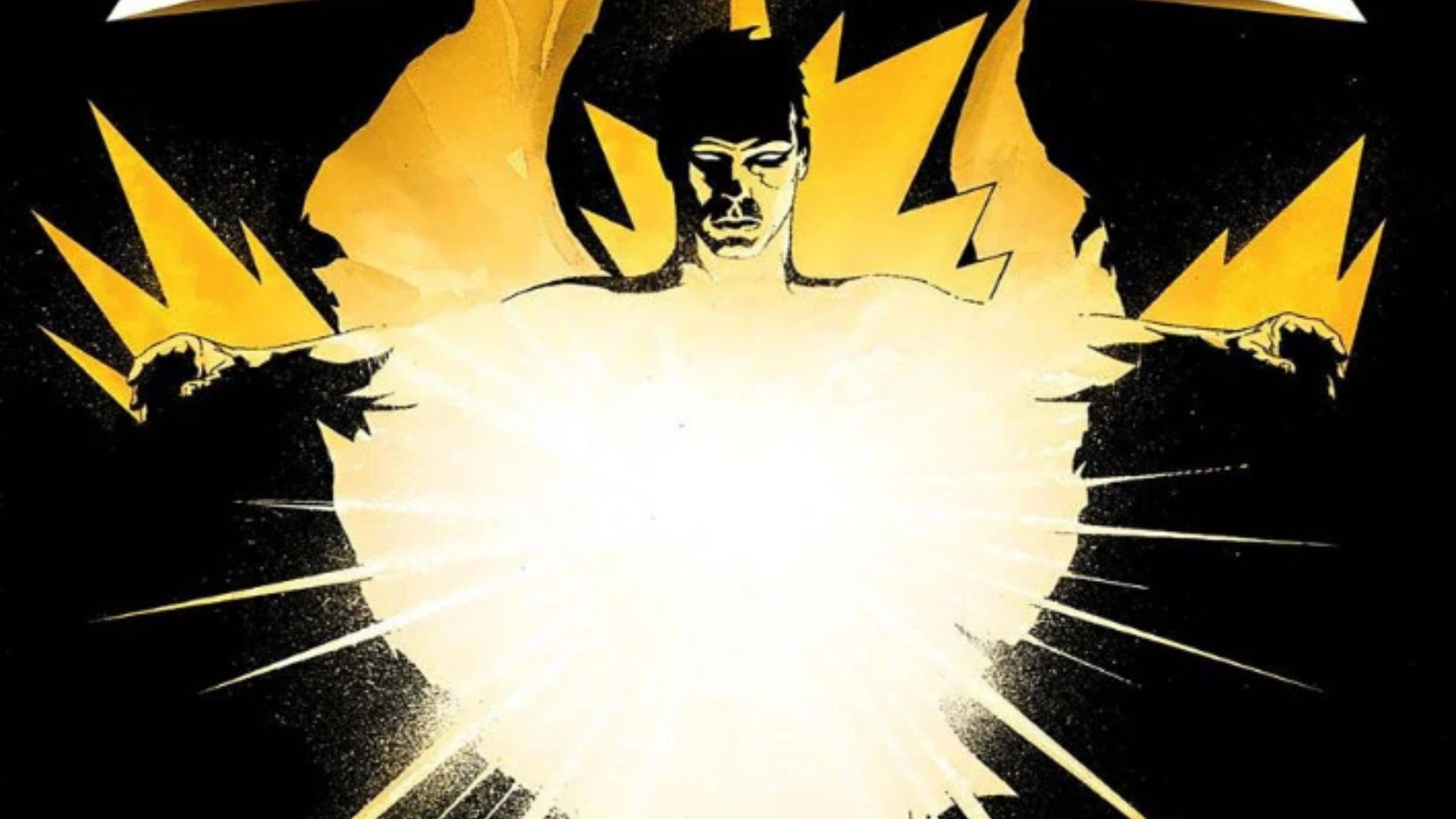
Sentry was Marvel’s take on a Superman-like hero, possessing incredible power but with the personality flaws typical of Marvel characters. The hero, Bob Reynolds, struggled with mental health issues, and when he gained superpowers, a destructive alter ego called the Void emerged. Later, a controversial retcon revealed that Reynolds wasn’t mentally ill at all, but simply a drug addict who mistook a powerful serum for drugs, and that’s how he got his abilities. Many fans see this change as a misstep, taking an interesting concept and turning it into something simplistic and potentially offensive to those dealing with mental health or addiction.
8) Scarlet Witch and Quicksilver No Longer Being Magneto’s Children

Quicksilver and Scarlet Witch first appeared as villains with the Brotherhood of Evil Mutants before becoming Avengers. For a long time, Marvel hinted at their parents’ identities, eventually revealing Magneto as their father. While this twist sparked many storylines, it created complications when the film rights for the X-Men were sold. Later, in the comics, Marvel decided to change the twins’ backstory, retconning their parentage and removing Magneto as their biological father. Despite Marvel regaining the rights to the X-Men films, this change has remained, leaving fans confused and questioning why it hasn’t been reversed.
7) The Weapon X Retcons

The “Weapon X” storyline is considered a high point for the Wolverine character, and it significantly altered his backstory. Later stories, particularly “The Shiva Scenario,” explored how Weapon X had fabricated many of Logan’s memories, including those of his relationship with Silver Fox. In Wolverine (Vol. 2) #50, it was surprisingly revealed that Silver Fox was still alive, despite being presumed dead for over a century. This was a major change to established continuity, later explained by revealing she was a clone and the memories were real. It felt like an unnecessary complication to a core part of Wolverine’s history.
6) Jean Grey and the Phoenix Retcon 2024

“The Dark Phoenix Saga” is widely considered the greatest story in Marvel Comics, and it created a lot of complications for the character Jean Grey. She initially died at the end of the saga, but was brought back to life years later. However, it was revealed that the Jean Grey who became the Dark Phoenix wasn’t the real Jean – she was a copy created by the Phoenix Force itself (Marvel made this change because they worried readers wouldn’t support a character responsible for billions of deaths). While this retcon worked, the writers didn’t like it and wanted to establish that Jean had always been connected to the Phoenix. In 2024, with the “Fall of X” storyline, Marvel finally did that. Now, not only is Jean the Phoenix, but she’s been the Phoenix for all of time. Ironically, this new version of events is even more complicated than the original.
5) Hydra Cap

The storyline where Captain America was revealed to have ties to Hydra is a controversial one. While it was done to create a big event and boost sales, it felt wrong to many fans. Captain America was created by two Jewish men, and portraying him as a Nazi felt like a deep disrespect to both them – especially Jack Kirby, a key figure behind so much of what people love about Marvel – and to the Jewish fans who had cherished the character for years. This decision exemplifies a pattern of Marvel sometimes being insensitive to its fans and creators.
4) Vulcan’s X-Men
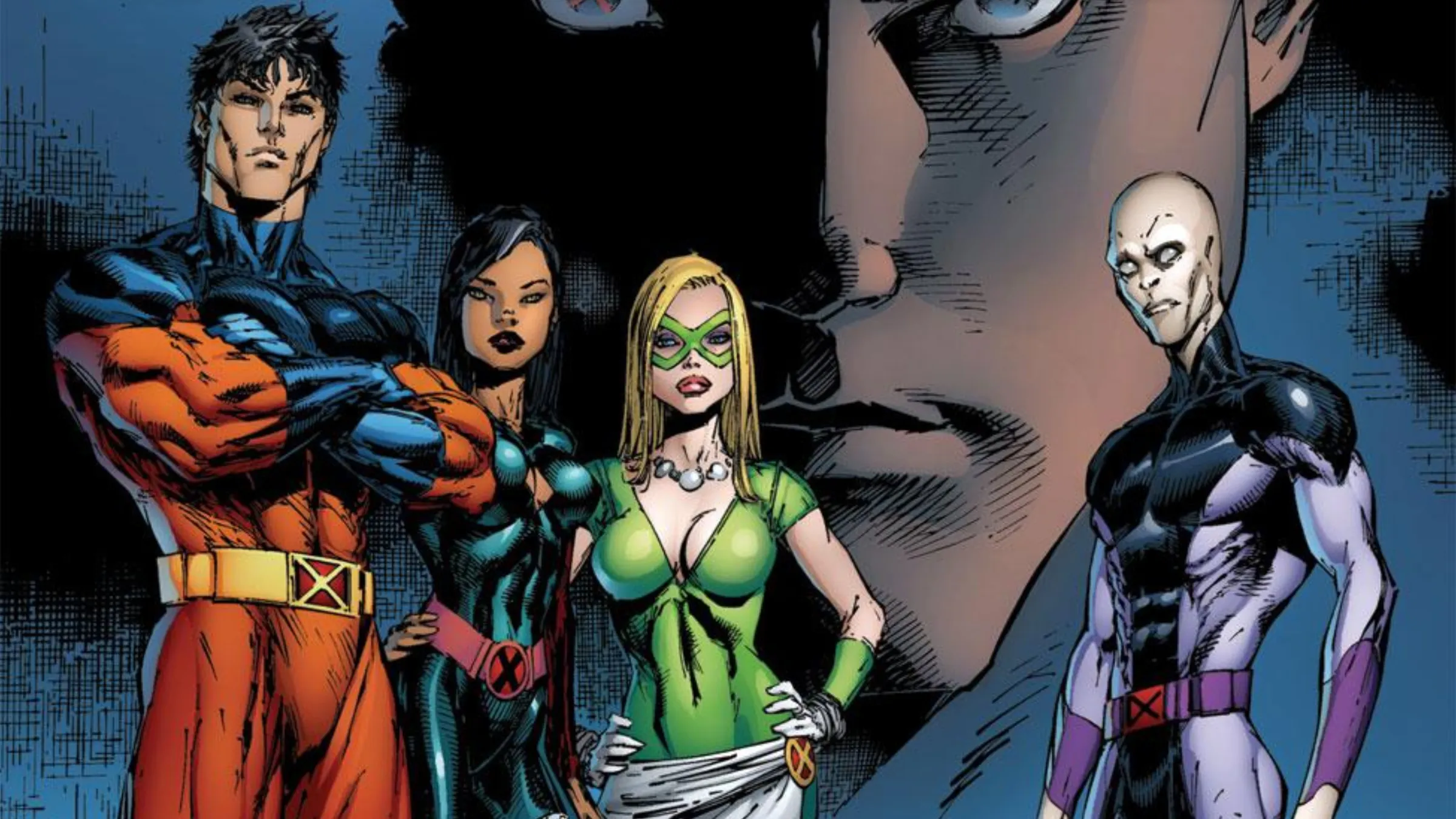
Vulcan, the third Summers brother, was hinted at in storylines from the 1990s, but didn’t appear until 2006 in X-Men: Deadly Genesis. His introduction involved a major and widely disliked retcon to established history. The story revealed Vulcan had a traumatic origin – stolen from his mother’s womb, artificially aged, and forced into slavery by the Shi’Ar. He was eventually discovered by Moira MacTaggert and trained alongside three other mutants. They were sent on a secret mission to Krakoa to rescue the original X-Men before the team featured in Giant-Size X-Men #1. Sadly, they all died, and Xavier erased their memories from everyone’s minds. This plot was intended to show a darker side to Xavier, but many fans felt it went too far and didn’t fit with his established character.
3) The Eternals of Titans retcons
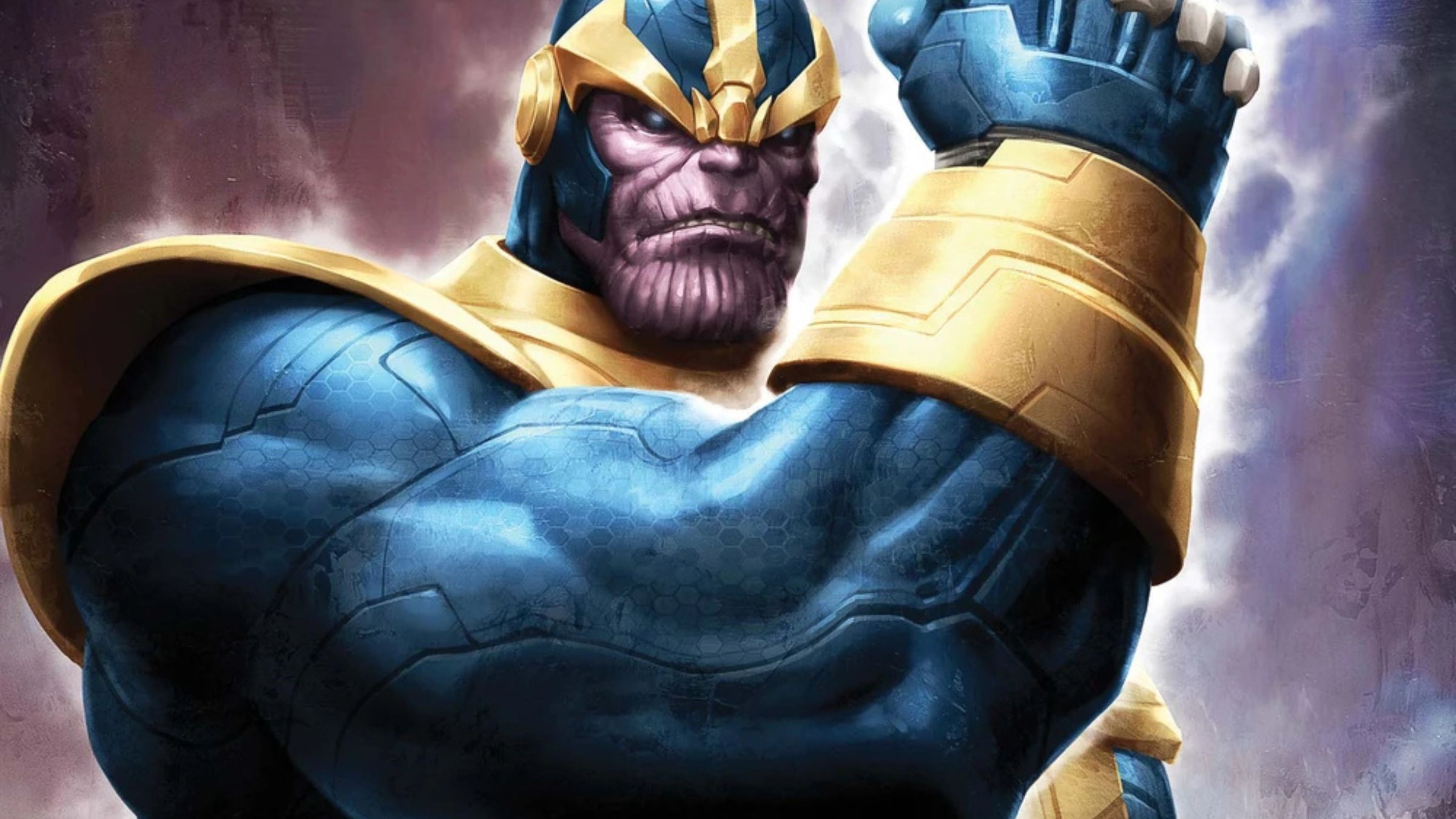
Thanos is a famous Marvel villain, but a recent story change altered his origins. The story, found in Eternals (Vol. 5), revealed that the people of Titan—previously thought to be Eternals—weren’t actually created by the Celestials, who are the only beings able to make true Eternals. Instead, they were created by Mentor and Sui-San, who had left Earth after a war. These two were able to create Eternals themselves, and their “sons” included both Thanos and Starfox. This was an odd change, intended to highlight the importance of the original Eternals, but it felt unnecessary.
2) The Terrigen Mists and Mutants

The Terrigen Mists were central to Inhuman culture and were the source of their powers. Later, these mists spread throughout Earth’s atmosphere, unexpectedly becoming harmful to mutants – causing sterilization or even death for some. This was a significant departure from a previous storyline, Son of M, which followed Quicksilver after the events of House of M. In that story, Quicksilver attempted to save mutantkind using the Terrigen Mists, and while it changed mutant powers, it didn’t cause any deaths or sterilizations. What’s particularly strange is that this harmful change happened nine years after Son of M, despite the same team of editors being in charge at Marvel Comics.
1) “One More Day”

The storyline ‘One More Day,’ created by Joe Quesada with help from J. Michael Straczynski and many Marvel editors, effectively ended Spider-Man’s marriage to Mary Jane. The decision wasn’t based on the story itself, but on the creators’ personal dislike of the marriage, a move still widely criticized by fans. Many believe Spider-Man would never have made a deal like the one with Mephisto, and it feels like a disregard for what readers wanted.
https://comicbook.com/comics/news/10-greatest-marvel-stories-of-the-2020s/embed/#
Read More
- Gold Rate Forecast
- Hazbin Hotel Secretly Suggests Vox Helped Create One of the Most Infamous Cults in History
- 22 actors who were almost James Bond – and why they missed out on playing 007
- Every Creepy Clown in American Horror Story Ranked
- Chill with You: Lo-Fi Story launches November 17
- Kingdom Come: Deliverance 2 – Legacy of the Forge DLC Review – Cozy Crafting
- Dune 3 Gets the Huge Update Fans Have Been Waiting For
- Jason Statham’s Hit Creature Feature Is Heading to Streaming for Free
- Everything We Know About Gen V Season 3 (& Why It’ll Be a Very Different Show)
- Blue Protocol Star Resonance: Goblin Lair Dungeon Guide
2026-03-03 20:17