Marvel often highlights that its universe doesn’t need constant reboots, unlike DC Comics. However, Marvel has restarted storylines and characters many times over the years. In the past, these transitions were smoother – when a new creative team took over a comic, they’d usually build on existing stories and character traits, making the universe feel continuous and believable, like real life. But over time, Marvel has become known for frequent relaunches, regularly rebooting major characters and teams.
Marvel has had its share of successful relaunches, like Marvel NOW!, but also quite a few that didn’t resonate with fans. These ten relaunches – whether affecting the entire Marvel line or just a single character or team – simply didn’t connect with readers and are generally considered failures.
10) Marvel Knights Punisher
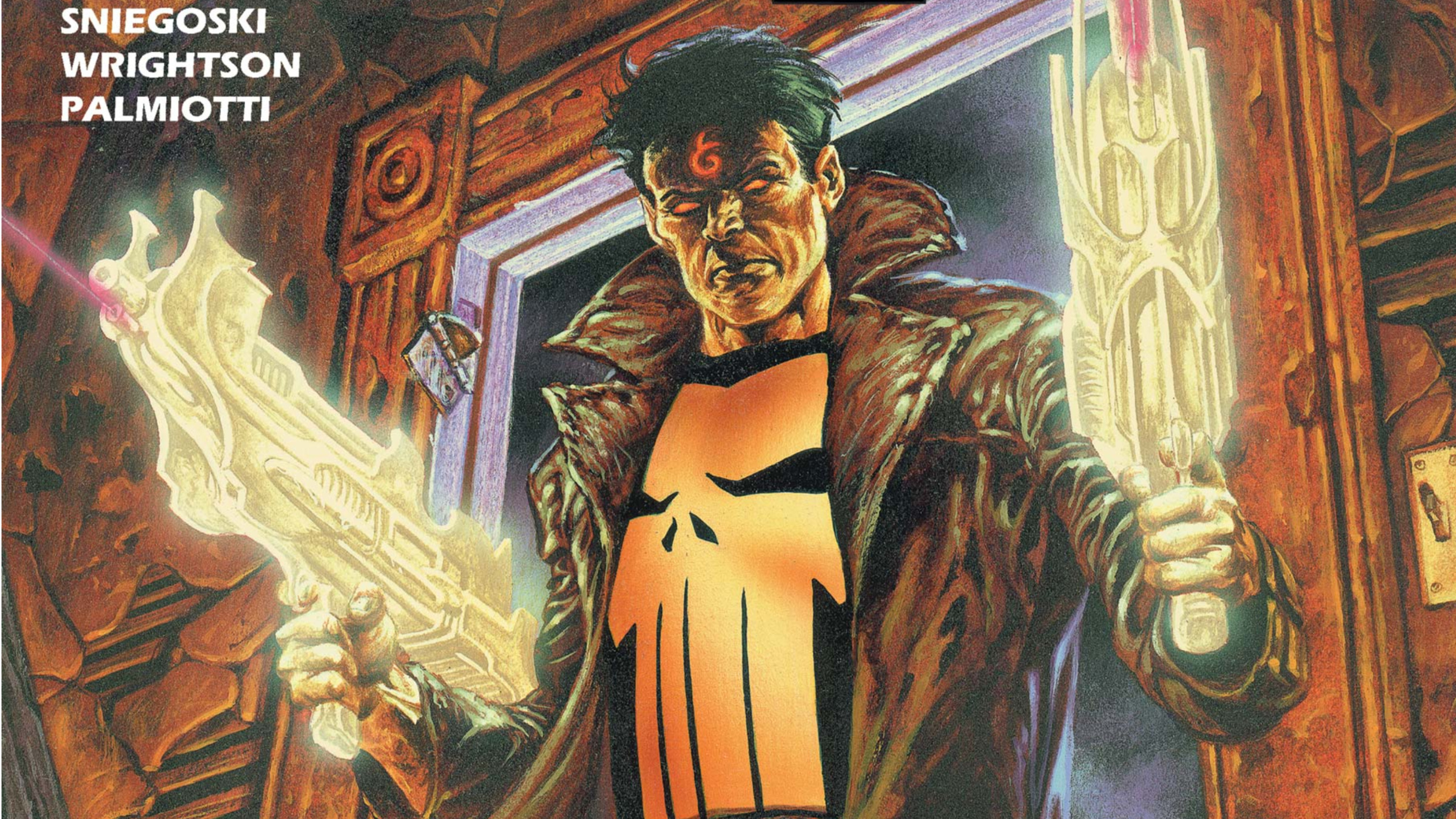
The 1990s were a confusing period for Marvel Comics. They reorganized their titles around family-themed groups, and one of these, called “the Edge,” featured more down-to-earth heroes. A conflict between the Punisher and Nick Fury led to the Punisher’s death in the comics. Then, in 1998, Marvel launched the “Marvel Knights” line, which aimed to revitalize lesser-known characters. Unfortunately, this led to a poorly received Punisher relaunch. The “Marvel Knights” Punisher comic involved bringing Frank Castle back to life with the help of angels, tasking him with fighting demons. While the idea was intriguing and featured stunning artwork by Bernie Wrightson, it didn’t suit the Punisher’s established character. This run was the only misstep in the initial Marvel Knights lineup, and it paved the way for the much better 12-issue Punisher maxiseries by Garth Ennis and Steve Dillon – especially the story arc “Welcome Back, Frank,” which is highly recommended.
9) Charles Soules’ Inhumans Relaunch
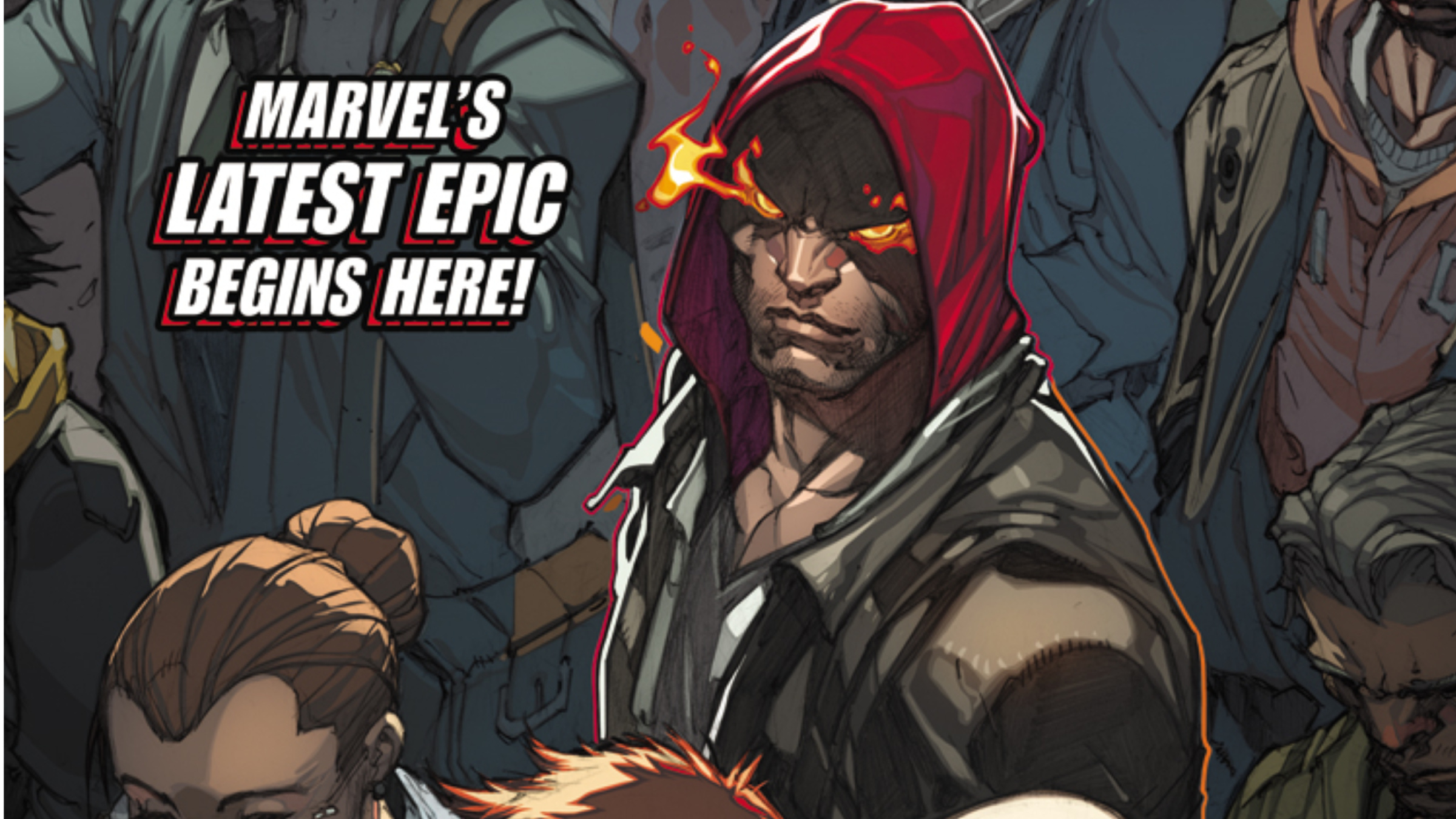
Look, I was really excited when Marvel started building up the Inhumans. The setup in Infinity, with Black Bolt unleashing the Terrigen Mist to save his people from Thanos and suddenly creating new Inhumans everywhere, was brilliant! And honestly, the Inhumanity series by Matt Fraction was really good. But things went downhill when he left. Marvel had just signed Charles Soule to an exclusive deal – they were super proud of snagging a writer from DC! – and they put him in charge of the Inhumans. He wrote Inhuman, Uncanny Inhumans, and even co-wrote Inhumans vs. X-Men. It felt like he was tasked with turning the Inhumans into the next generation of mutants, and he made some choices – like breaking up Black Bolt and Medusa – that just didn’t land with fans. I think Soule was given a really tough assignment, and he did his best, but ultimately, the Inhumans push just didn’t work out. It’s a shame, because the potential was definitely there.
8) The Krakoa Era
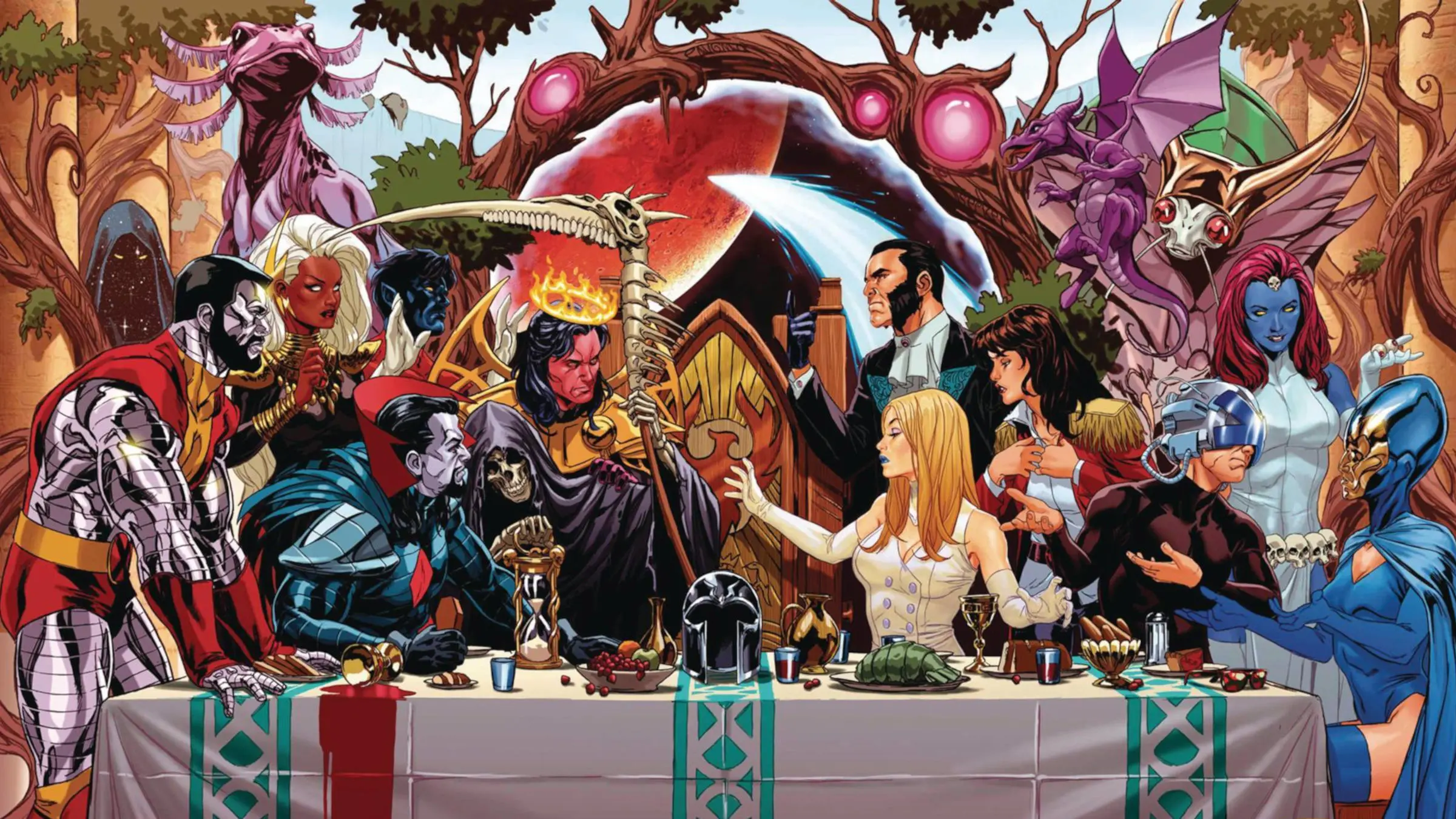
The Krakoa era of X-Men comics was incredibly creative, but ultimately didn’t live up to its potential, which is why it’s so frustrating for many fans. Jonathan Hickman revitalized the franchise after years of decline, establishing the mutant nation of Krakoa on a living island. He brought together a talented team of writers, and they initially produced something truly special. However, after Hickman departed, the quality became inconsistent – some books were excellent, but many were just okay. A lot of the groundwork Hickman laid was abandoned, and the storyline concluded poorly. While many fans enjoy Krakoa, it’s hard to argue that it didn’t end on a disappointing note. The final arc, Fall of the House of X, was particularly unsuccessful and even detracted from the usually strong artwork by Lucas Werneck.
7) Marvel NOW! 2.0
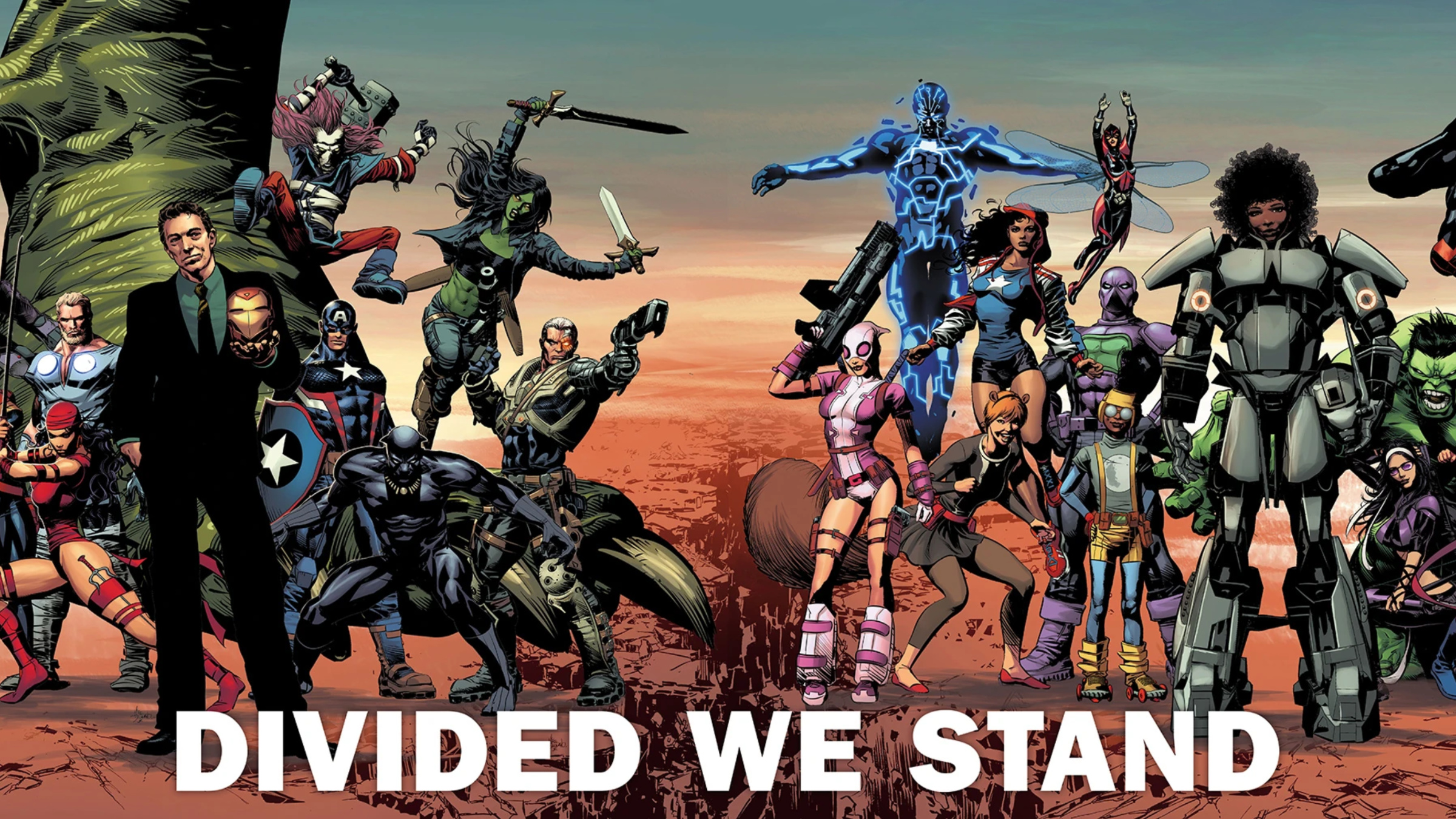
The 2012 Marvel NOW! initiative was a big hit, but unfortunately, Marvel didn’t build on that success. They tried to recapture the original’s magic with Marvel NOW! 2.0, but the timing was terrible. It followed Civil War II, a comic event that many fans disliked, which set it up to struggle. The creative team that made the first Marvel NOW! so special – including Jonathan Hickman, Ed Brubaker, Matt Fraction, Kelly Sue DeConnick, Rick Remender, and Kieron Gillen – had all moved on, and readers weren’t connecting with the new characters. Combined with underwhelming comics featuring the X-Men, Spider-Man, and the Avengers, Marvel NOW! 2.0 quickly failed to gain traction.
6) All-New, All-Different Marvel
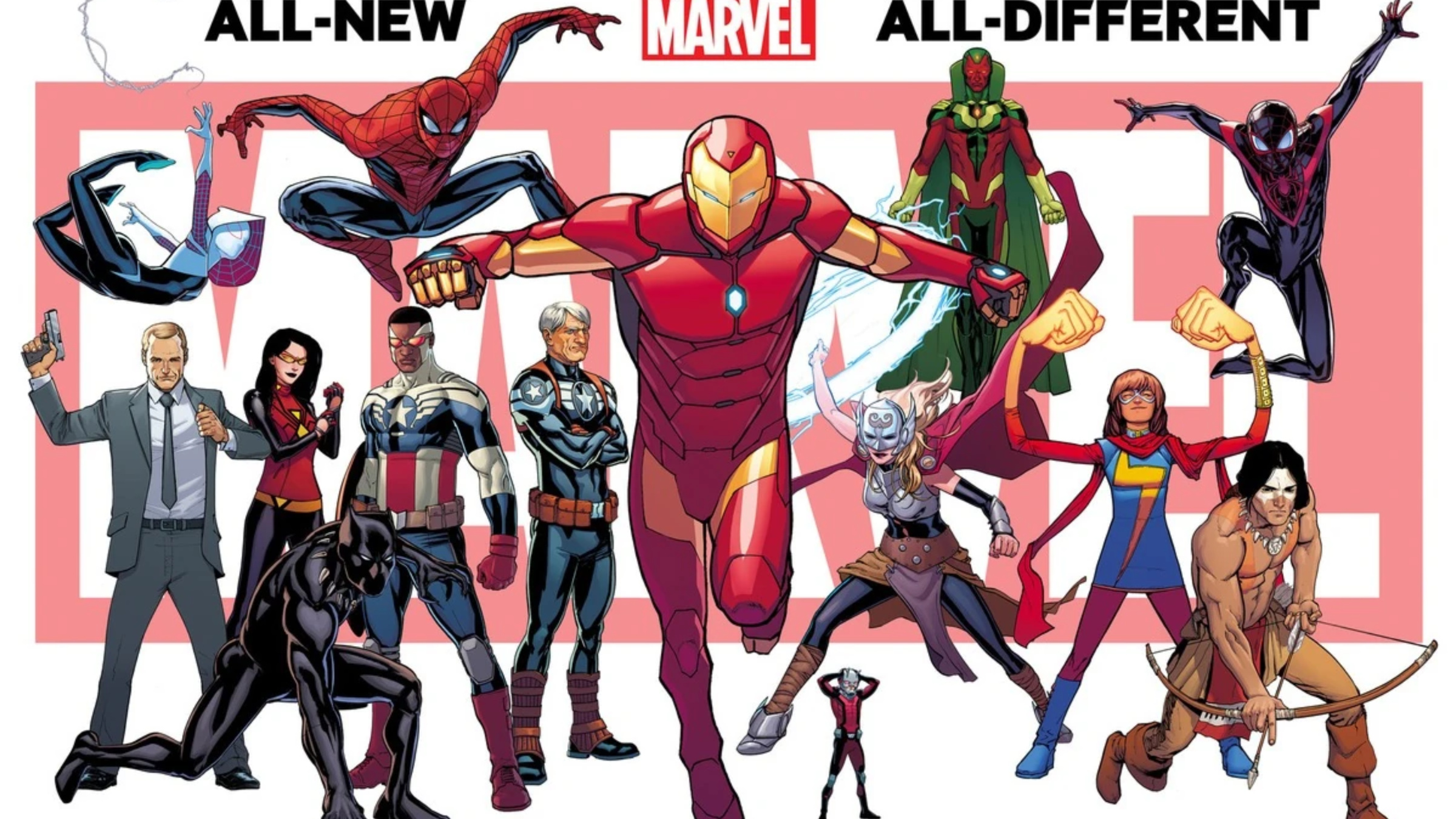
Following the successful Marvel NOW! initiative, Marvel launched All-New, All-Different Marvel in 2015, aiming to refresh its lineup. While the publisher was doing well, they wanted to try something new, introducing diverse characters. However, this relaunch often prioritized novelty over strong storytelling. Despite some highlights – like Jonathan Hickman’s run on Avengers, the excellent Ms. Marvel, and Aaron’s Thor – many of the new books felt like superficial changes. The initiative also saw many of the creators who had boosted Marvel’s popularity in the early 2010s leave the company. This combination of issues resulted in a lackluster relaunch and arguably started a decade-long decline in the overall quality of Marvel’s comics.
5) Jed MacKay’s Avengers
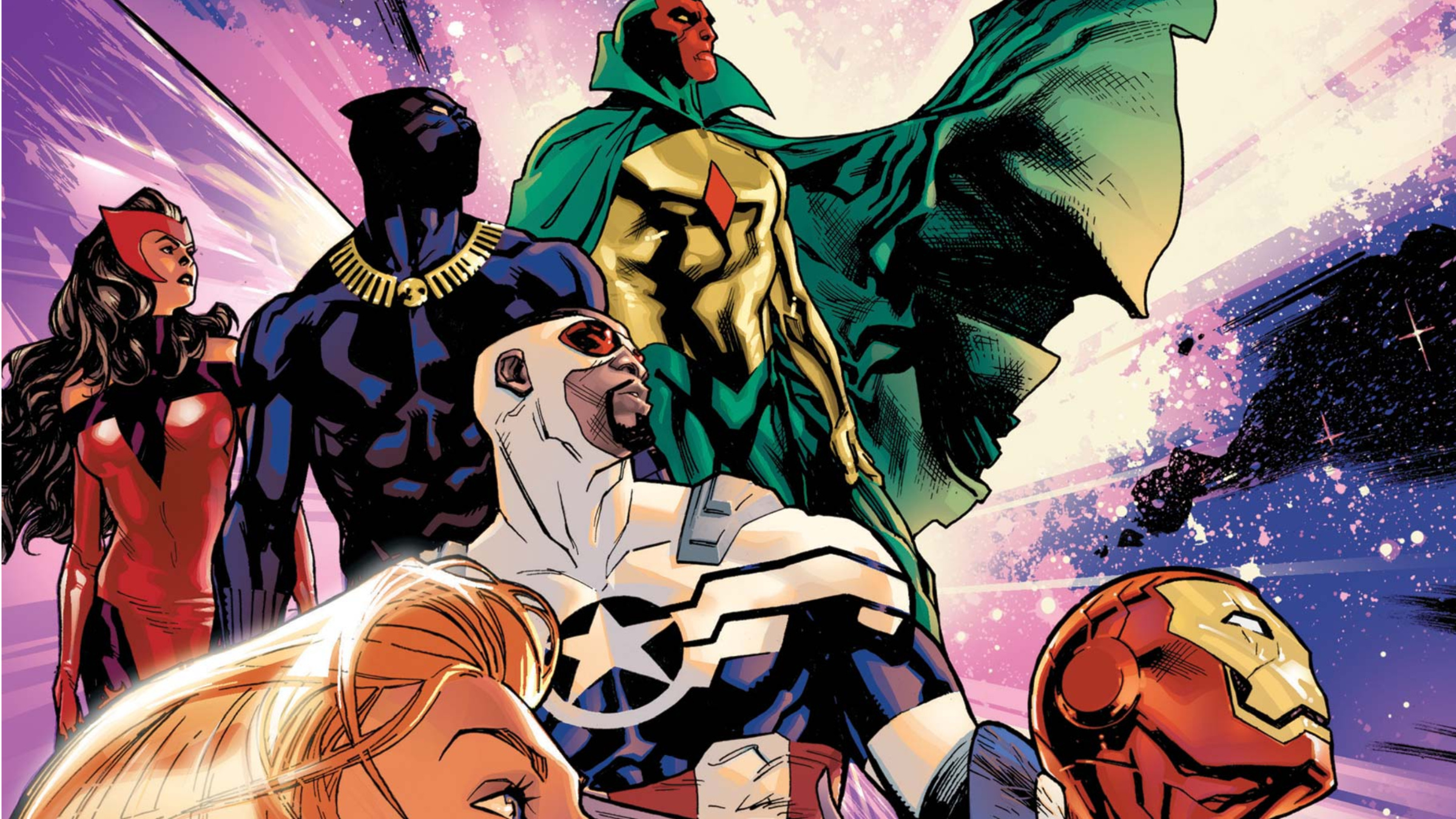
Jed MacKay quickly became a popular writer for Marvel, known for his work on titles like Moon Knight, Clea, and Black Cat. This success led him to become the writer of Avengers. He launched his Avengers storyline with Timeless #1 (2022), centering a plot around Kang the Conqueror and a new threat. The story was intended to connect with the Marvel Cinematic Universe, where Kang was set to be a major villain, but the firing of actor Jonathan Majors, who played Kang, left the comic series without direction. Even prior to that, the run had begun to struggle. While MacKay tried his best, he wasn’t particularly skilled at writing team interactions, and found it difficult to work with established, popular characters when he couldn’t freely control their stories. MacKay’s Avengers run followed a somewhat underwhelming period under Jason Aaron, but ultimately offered more of the same.
4) “From the Ashes”

Even though the Krakoa era didn’t end well, X-Men fans weren’t thrilled with the subsequent relaunch, “From the Ashes.” Editor Tom Brevoort led the effort, but the new books felt very familiar, lacking fresh ideas. They largely revisited old concepts, sometimes even directly copying successful storylines from the past, hoping to attract new readers to offset those disappointed by the retreads. Unfortunately, that didn’t work; new readers quickly lost interest too. The result is a line of X-Men comics with just a couple of moderately successful titles (like X-Men and Uncanny X-Men), a few that aren’t selling well enough to cancel but aren’t doing great, and several cancellations. Overall, “From the Ashes” has been damaging to the X-Men franchise, and the situation doesn’t look likely to improve anytime soon.
3) Chuck Austen’s X-Men
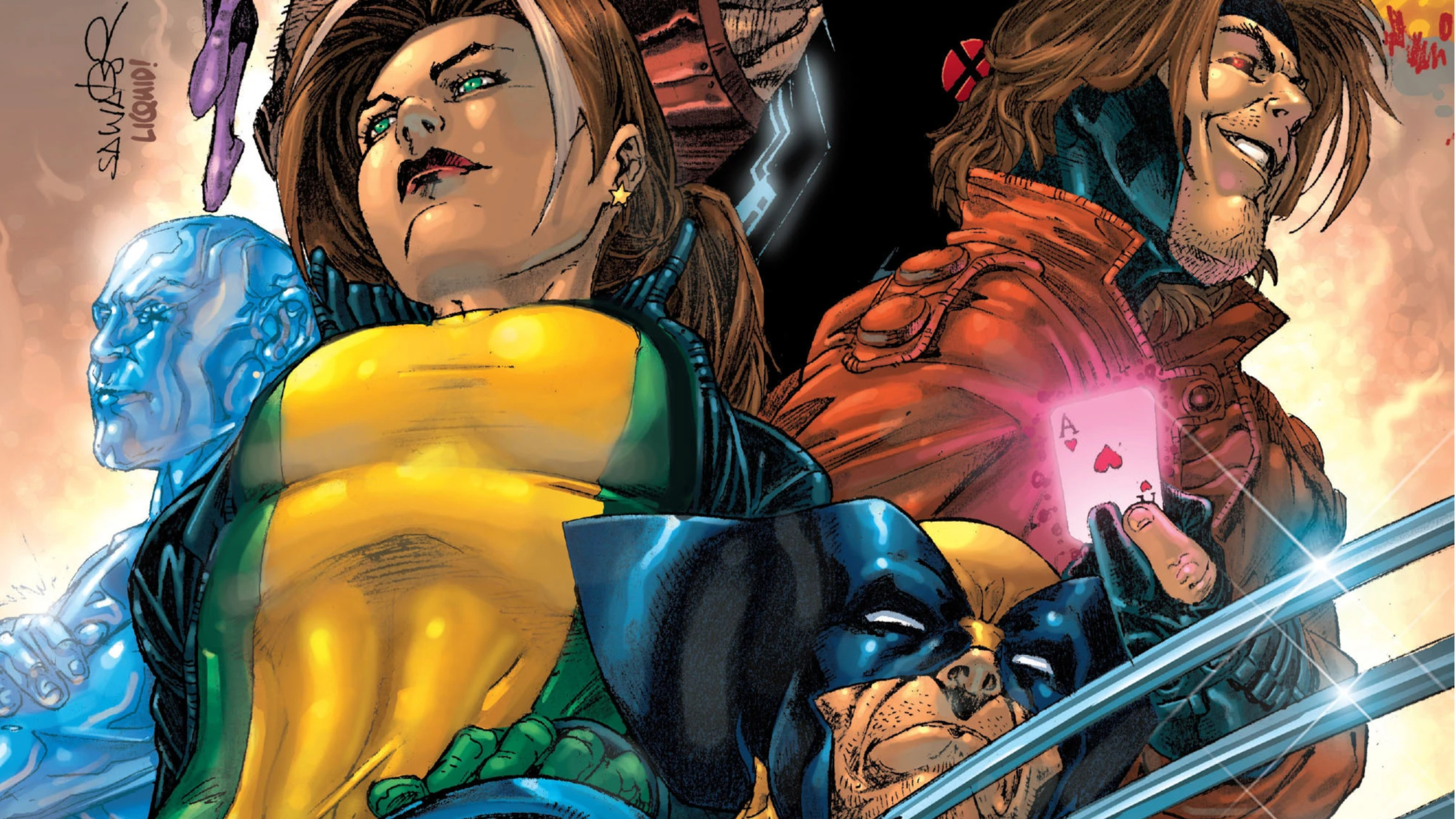
Grant Morrison’s run on New X-Men was fantastic, but their time with the title ended abruptly due to disagreements with Marvel editors – Morrison even described weekly shouting matches. Marvel then chose Chuck Austen to take over, moving him from Uncanny X-Men and reverting the title back to X-Men. Unfortunately, the resulting stories were poorly received by fans. Many consider Austen to be the weakest writer to ever work on the X-Men, and putting him in charge after the acclaimed Grant Morrison was a significant error.
2) Marvel Legacy
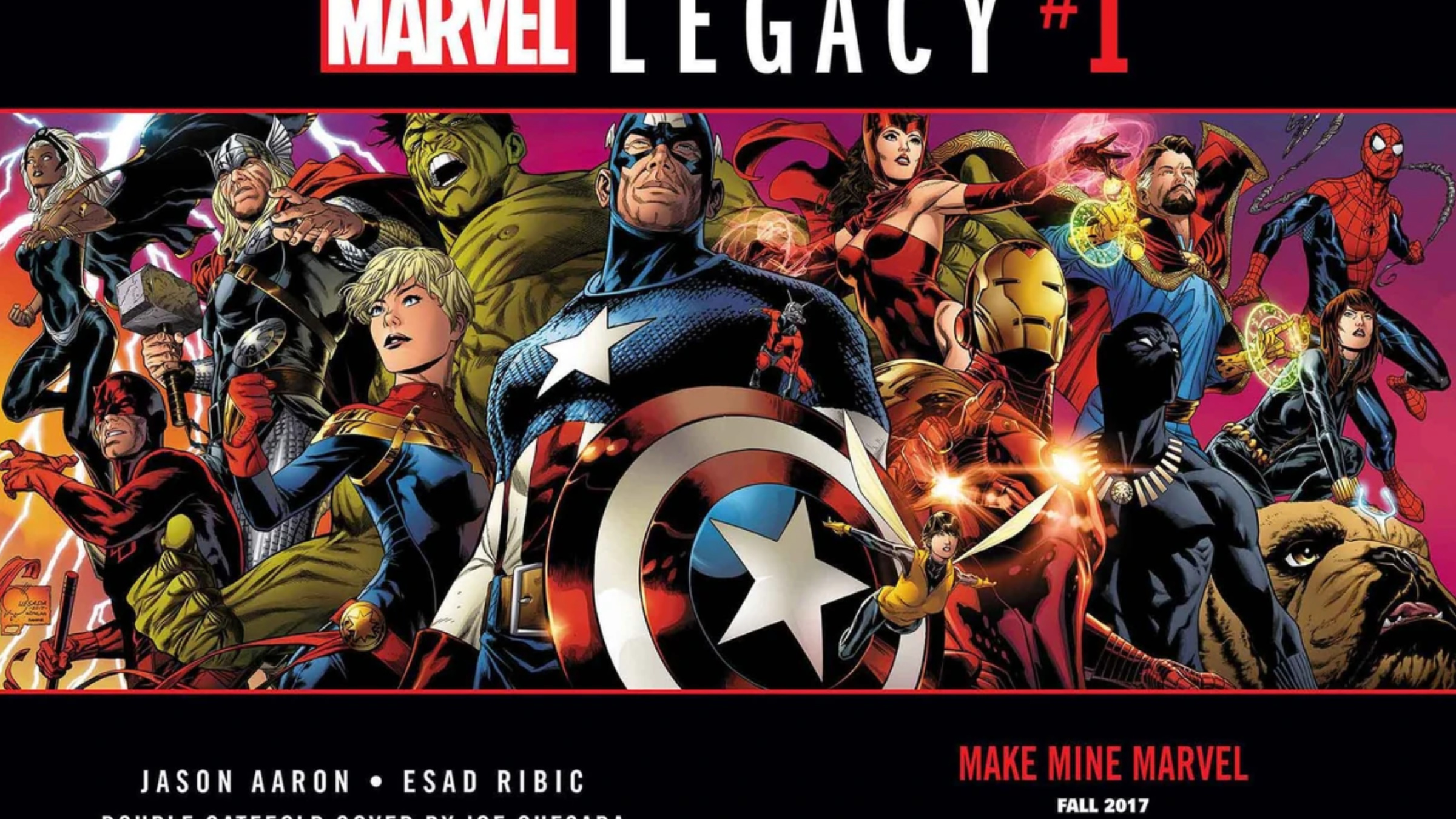
DC’s successful relaunch, Rebirth, prompted Marvel to try something similar. Marvel was struggling between 2015 and 2017 and hoped a fresh start would help. Their attempt, called Legacy, unfortunately didn’t succeed. Several factors contributed to this. The first issue of DC Rebirth offered 80 pages of story for $2.99, while the first issue of Marvel: Legacy was the same length but cost $9.99 – and the content didn’t justify the higher price. Marvel aimed for a return to classic storytelling like DC, but it didn’t feel different from what they were already doing – the same writers and artists continued on the same titles, telling similar stories. It wasn’t a bad relaunch, but it was ultimately unremarkable and joined the ranks of other failed relaunches from the late 2010s.
1) Return of Wolverine
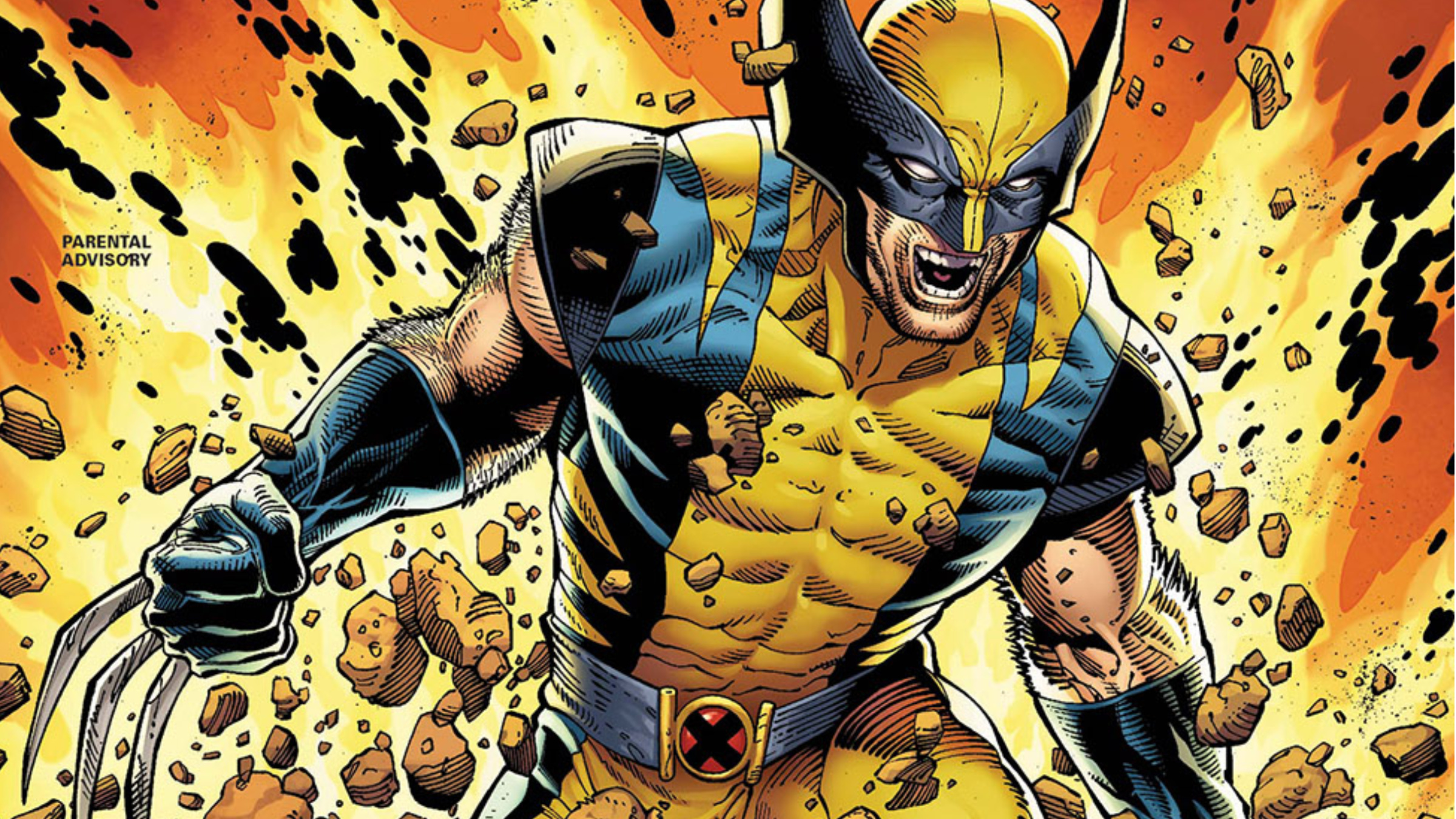
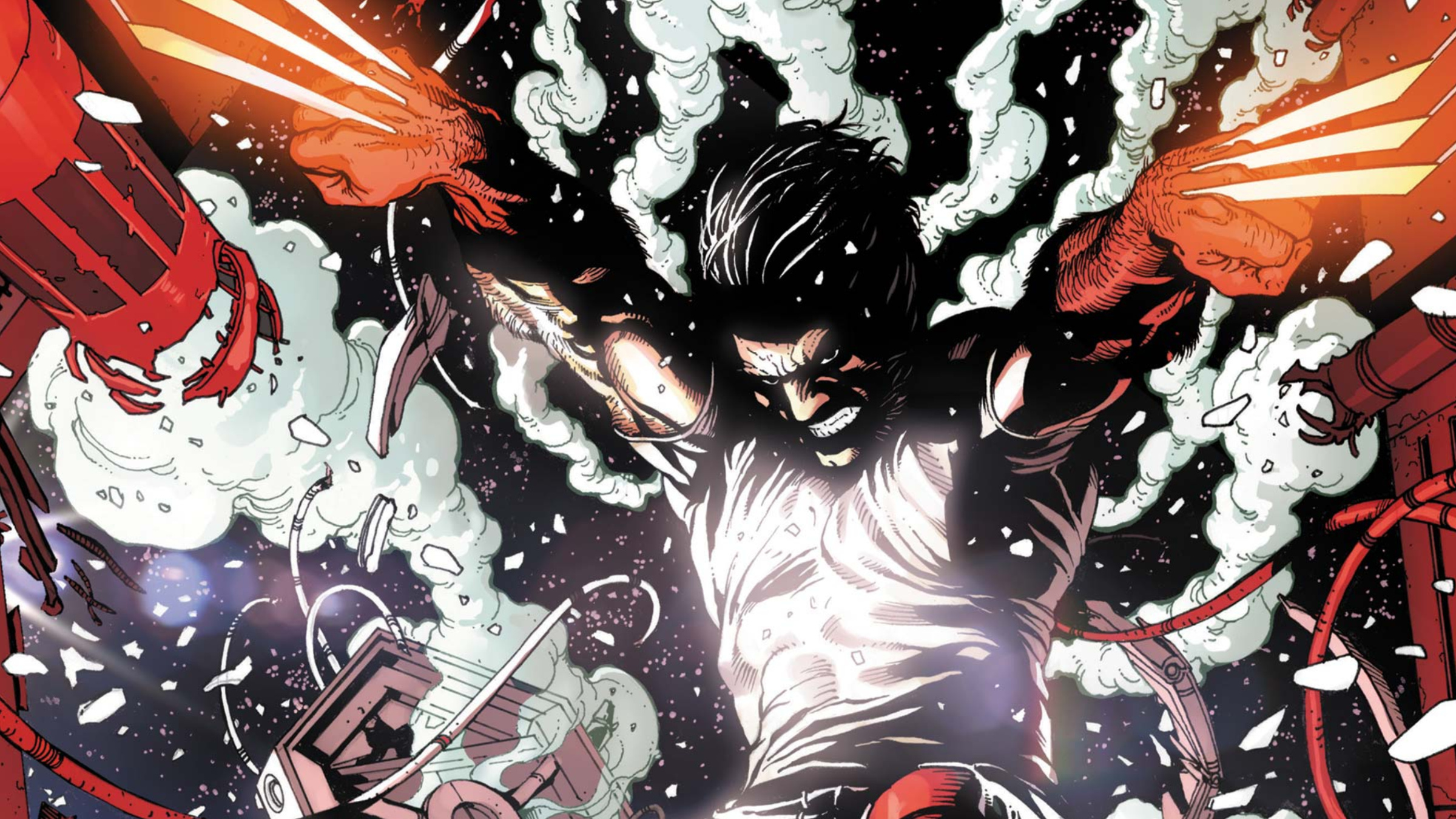
Okay, so let’s talk about Wolverine comics. I remember checking out Death of Wolverine back in 2014, and it was…fine. Perfectly readable, but nothing special. It was Charles Soule’s first Marvel gig, and it sold well, which is why they brought him back for Return of Wolverine five years later. Honestly, as a longtime Wolverine fan, I, along with pretty much everyone else, thought he was a terrible fit for the character. Return of Wolverine is just…bad. The art by McNiven and Shalvey is gorgeous, don’t get me wrong, but the story itself is a mess. It had this whole brainwashed Wolverine plot, and then they introduced ‘hot claws’ – claws that superheat and somehow remove his healing factor! Seriously? I’ve never met a single Wolverine fan who liked it, and everything the story set up was completely dropped. In fact, only one comic even bothered to mention anything from it afterward. Most of us just try to pretend it never happened, honestly.
https://comicbook.com/comics/news/10-greatest-marvel-stories-of-the-2020s/embed/#
Read More
- The Super Mario Galaxy Movie: 50 Easter Eggs, References & Major Cameos Explained
- 10 Best Free Games on Steam in 2026, Ranked
- All 13 Smash Bros. Characters in the Super Mario Galaxy Movie
- WTH?! Twitter Drops Fake Daredevil: Born Again Season 2 Spoilers as Character Return Confirmed
- Welcome to Demon School! Iruma-kun season 4 release schedule: When are new episodes on Crunchyroll?
- Highly Anticipated Strategy RPG Finally Sets Release Date (And It’s Soon)
- Sydney Sweeney’s The Housemaid 2 Sets Streaming Release Date
- Dune 3 Gets the Huge Update Fans Have Been Waiting For
- Why is Tech Jacket gender-swapped in Invincible season 4 and who voices her?
- Forza Horizon 6 ‘Prologue’ gameplay
2025-11-01 23:16