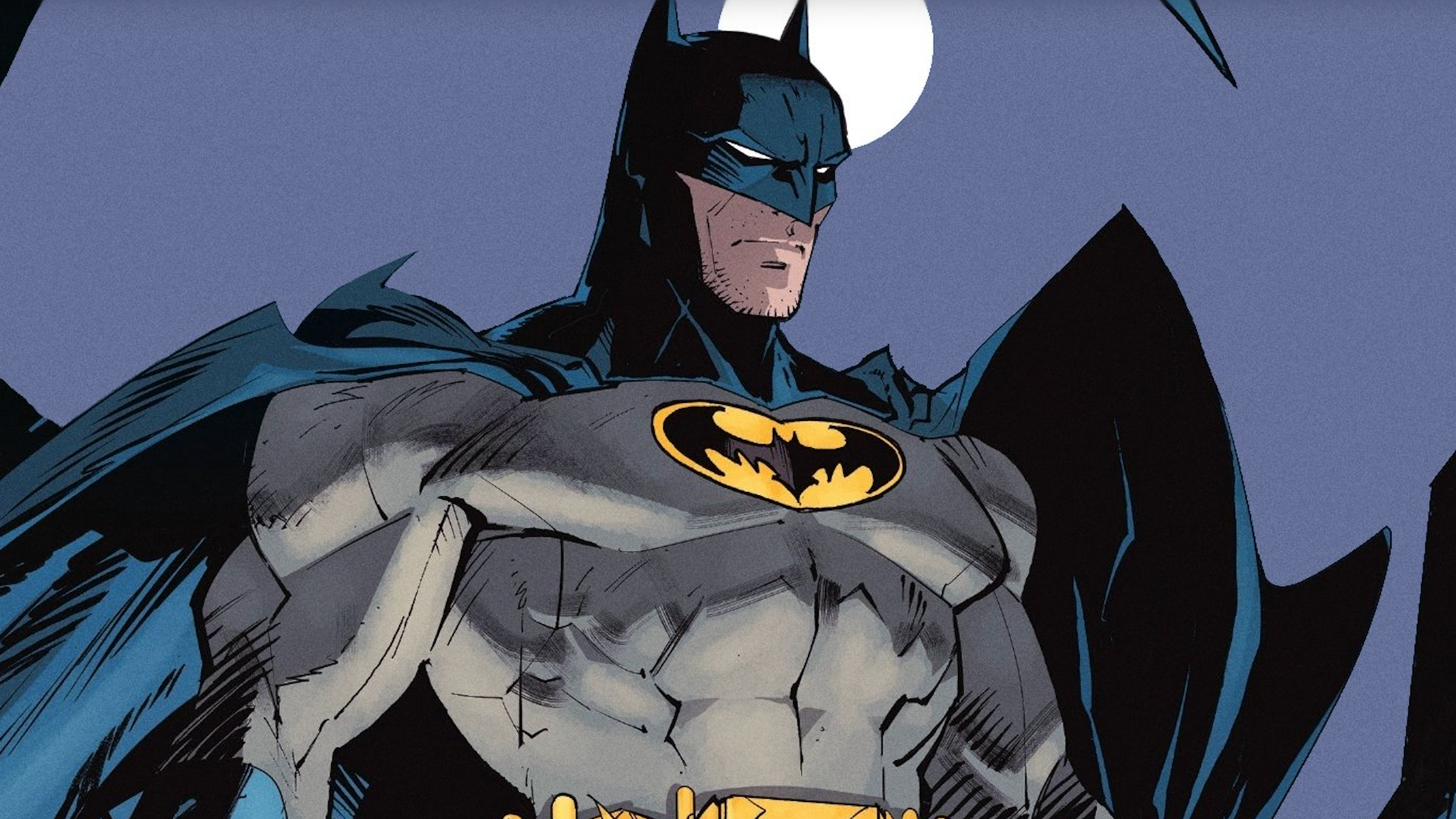
Batman is one of the most recognizable heroes in modern fiction. Since his creation over 85 years ago as one of DC Comics’ earliest superheroes, he has remained a cornerstone of the company. His comics, TV shows, movies, and video games have all been incredibly influential in popularizing superheroes worldwide. Throughout major changes in the comic book industry, Batman consistently leads the way with innovative storytelling. The Caped Crusader’s stories are among the most important ever told, shaping not only DC Comics but the entire superhero genre.
Batman first appeared in some of the very first superhero comics, and his stories have profoundly shaped the entire genre. This ranking isn’t about which stories are ‘good’ – it’s about how much they influenced the Batman legend and comic books as a whole.
10) “Under the Hood”

After being violently killed seventeen years prior, Jason Todd—the second Robin—returns as the Red Hood, a ruthless vigilante. The story, “Under the Hood,” forces Batman to face his biggest regret: failing to protect Jason, whom he considered a son. Brought back to life, Jason now kills criminals, having warped Batman’s principles into a vengeful and hateful crusade. This story powerfully questions the consequences of Batman’s actions and whether his refusal to kill has actually caused more damage than good. Through its emotional reintroduction of Jason Todd and its fresh take on his character, “Under the Hood” permanently alters the relationships within the Bat-Family and fundamentally changes the Batman legend.
9) “Knightfall”

In 1993, the villain Bane arrived in Gotham City and famously defeated Batman. In the “Knightfall” storyline, Bane planned a mass escape from Arkham Asylum, unleashing all of Batman’s enemies onto the city. After days of relentless crime-fighting, a worn-out Bruce Wayne was attacked by Bane. The image of Bane breaking Batman’s back is one of the most memorable in comic book history and has been referenced many times since. With Bruce injured, the ruthless anti-hero Azrael took over as Batman, brutally punishing criminals. This pushed Bruce to recover and reclaim his role as the hero. “Knightfall” shows Batman at his weakest, and firmly established Bane as one of his most powerful and cunning enemies.
8) The Long Halloween
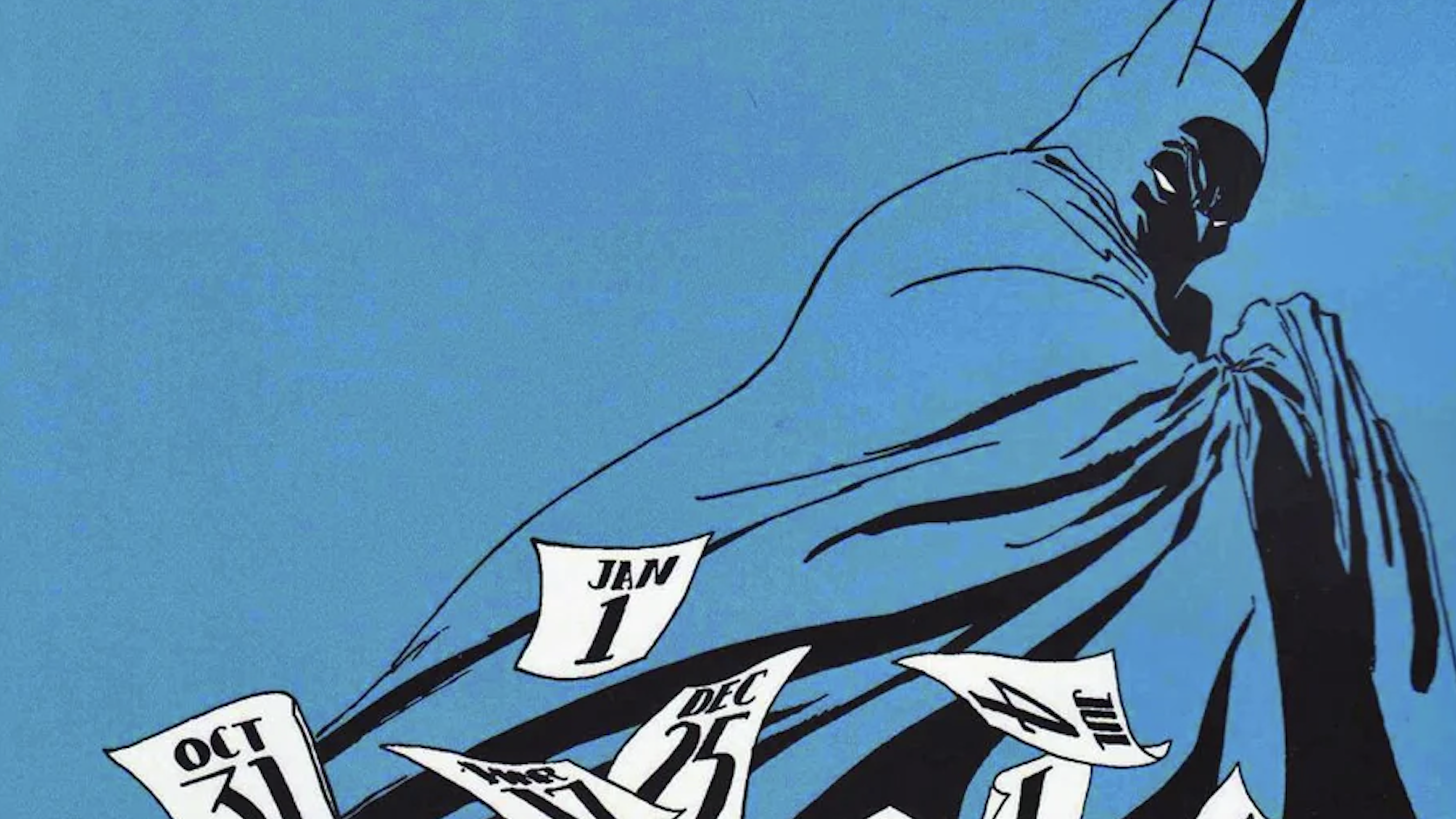
Often called the World’s Greatest Detective, Batman truly earns that title in The Long Halloween, a story set early in his career. The series centers on Batman’s investigation of “Holiday,” a mysterious killer who targets members of the Falcone crime family on major holidays throughout a year. This dark, noir-style mystery also powerfully retells the tragic story of Harvey Dent’s fall into madness and his transformation into Two-Face. It shows how Gotham City’s criminal underworld shifted from traditional mob bosses to the costumed supervillains that would become infamous. Full of unexpected twists, The Long Halloween is considered the ultimate Batman mystery and has influenced many subsequent adaptations of the character.
7) The Killing Joke

As a huge fan, I’ve always felt Alan Moore’s The Killing Joke truly defines the relationship between Batman and the Joker. It’s the story that, for me, cemented how these two characters see each other. What really struck me was how far Batman was pushed – the Joker’s actions, paralyzing Batgirl and trying to break Gordon, were absolutely horrifying. But the story also gave us the Joker’s origin – a glimpse into the life of a failed comedian descending into madness, and how that led to his disturbing idea that anyone can be driven to villainy with ‘one bad day’. It’s a controversial story, definitely, but it’s incredibly thought-provoking, exploring what makes Batman and the Joker so different, yet so similar. It completely reshaped their dynamic and continues to influence Batman stories to this day.
6) “A Death in the Family”

In a groundbreaking 1988 storyline, DC Comics put the fate of Batman’s second Robin, Jason Todd, directly into the hands of its readers. The Joker lured Jason into a trap using his mother, then brutally attacked him with a crowbar and left both of them to die in an explosion – an event Batman couldn’t prevent. DC then held a vote, allowing fans to decide whether Jason would live or die. Ultimately, readers voted to kill him. This shocking death of a young hero was unprecedented in comics and dramatically altered the course of Batman stories. The event also created an opening for Tim Drake to become the new Robin and, years later, set the stage for Jason’s eventual return as the Red Hood.
5) Batman: Year One
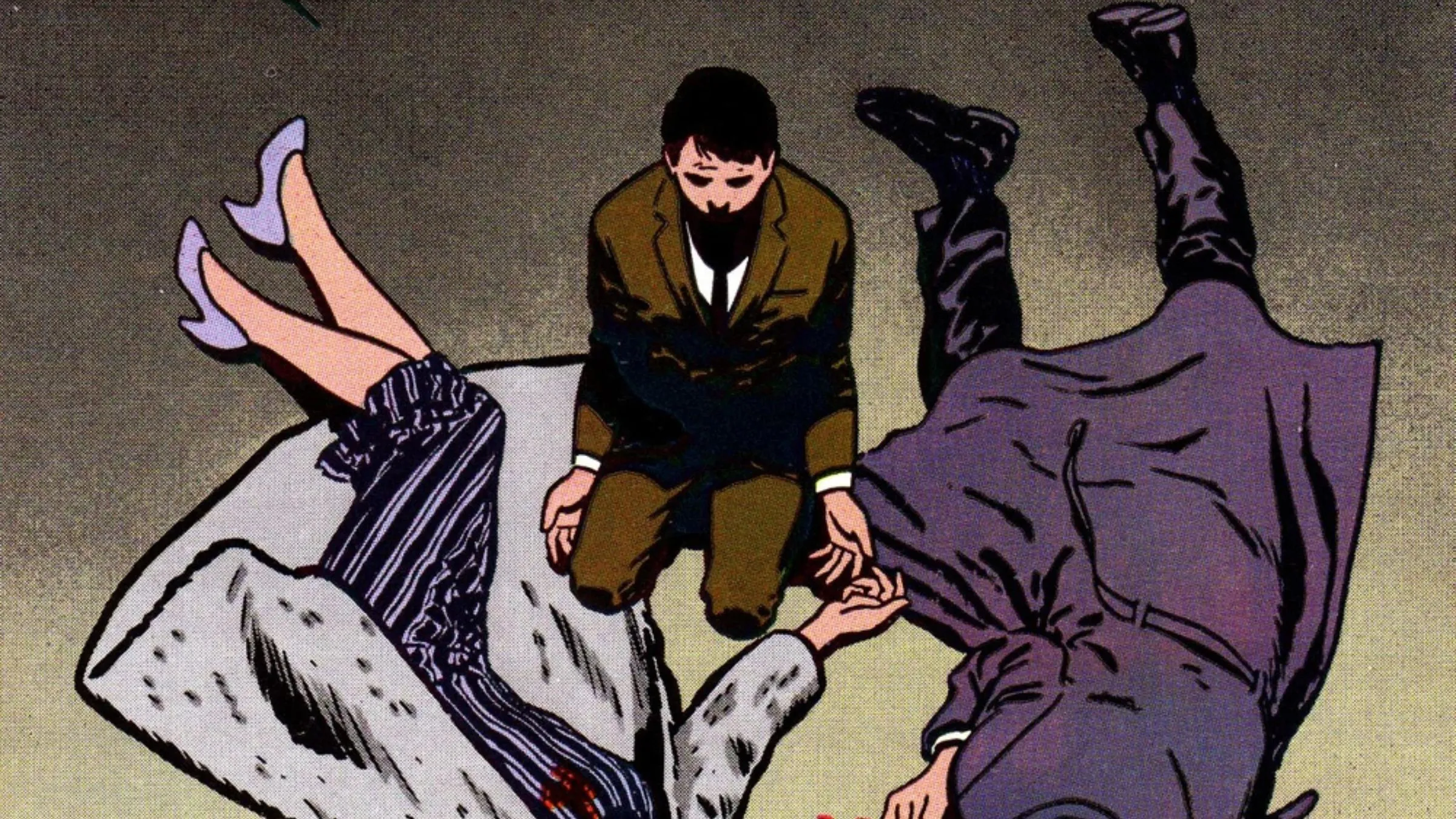
Following the major storyline Crisis on Infinite Earths which revamped the DC Universe in 1987, Batman: Year One was the first story to depict Batman’s beginnings in this new continuity. It offers a fresh take on Batman’s origin, showing how Bruce Wayne became the vigilante he is known as and exploring the emotional and psychological struggles that shaped him. The story follows a young and still-learning Batman as he tries to establish himself as a symbol of justice. Simultaneously, it introduces Lieutenant Jim Gordon, who arrives in Gotham City and quickly discovers the extent of its corruption. Batman: Year One redefined the Caped Crusader, creating a more realistic and gritty origin, and served as a foundation for many subsequent Post-Crisis Batman stories.
4) The Dark Knight Returns

Many fans consider 1986’s The Dark Knight Returns to be one of the best comic books ever written, and its influence is huge. After years of lighter, more playful Batman stories, this series redefined the character with a dark and realistic take set in a troubled future. It tells the story of an aging Bruce Wayne who comes out of retirement to rescue Gotham City from criminals and a broken political system. The comic is filled with unforgettable scenes, like the epic battle between Batman and Superman. Its serious tone, violence, and thoughtful look at characters, combined with sharp political observations, proved that comic books could be mature and appeal to adults. Almost everything related to Batman since then has been inspired by Frank Miller’s groundbreaking work.
3) “Batman and Robin the Boy Wonder”
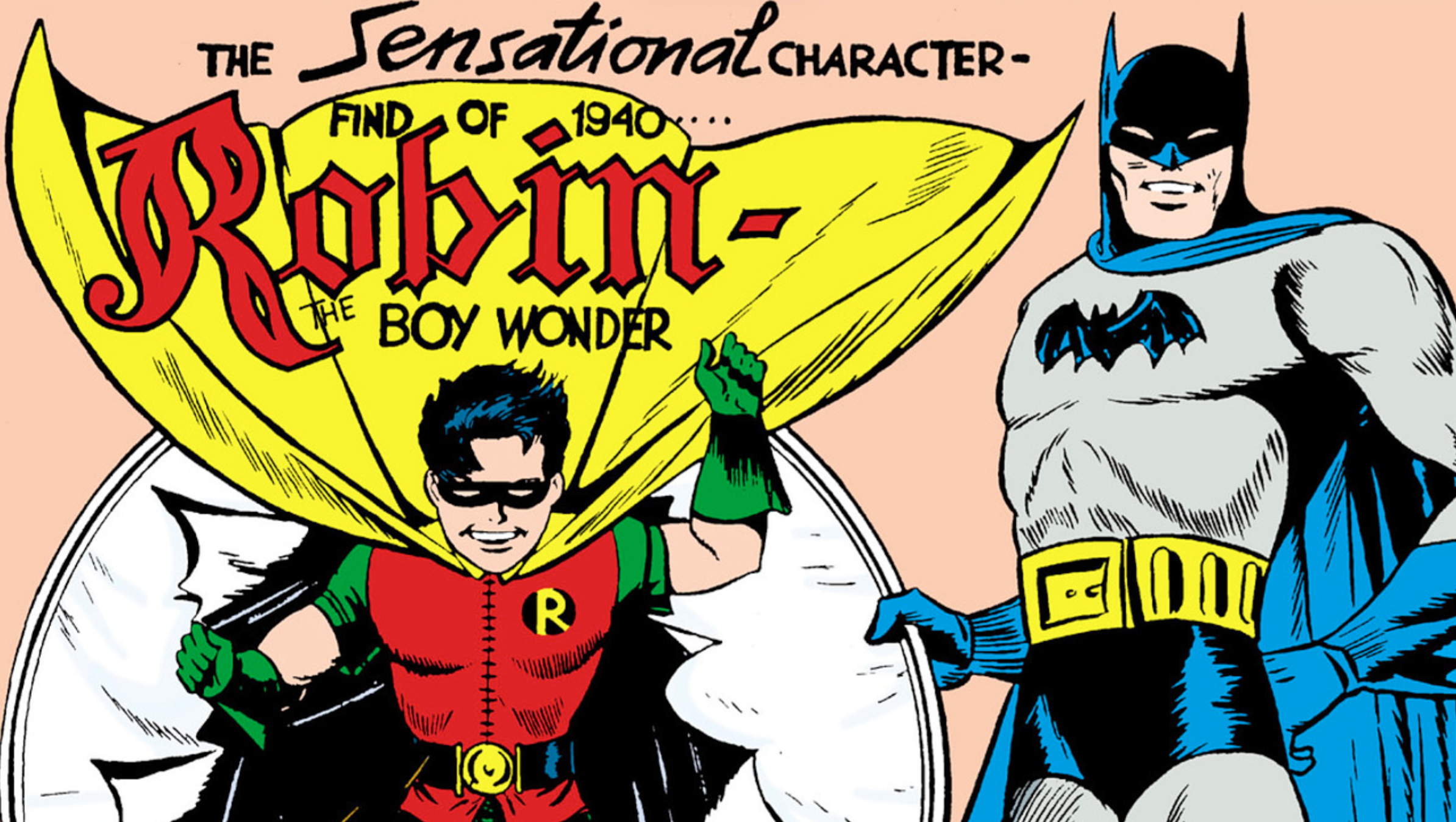
First appearing in Detective Comics #38 in 1940, “Batman and Robin the Boy Wonder” introduced Dick Grayson, better known as Robin, and created the very first superhero sidekick. The story details Robin’s origins: Dick was raised by acrobatic trapeze artists, but their performance was deliberately ruined by criminals, resulting in the tragic death of his parents. Moved by Dick’s loss, Bruce Wayne took him in and trained him to become a crime-fighting partner. This marked the birth of the first teenage superhero. This story also signaled a change in how DC marketed Batman, aiming at a younger readership, a strategy that continued for decades and helped define the Silver Age of comics.
2) Batman #1
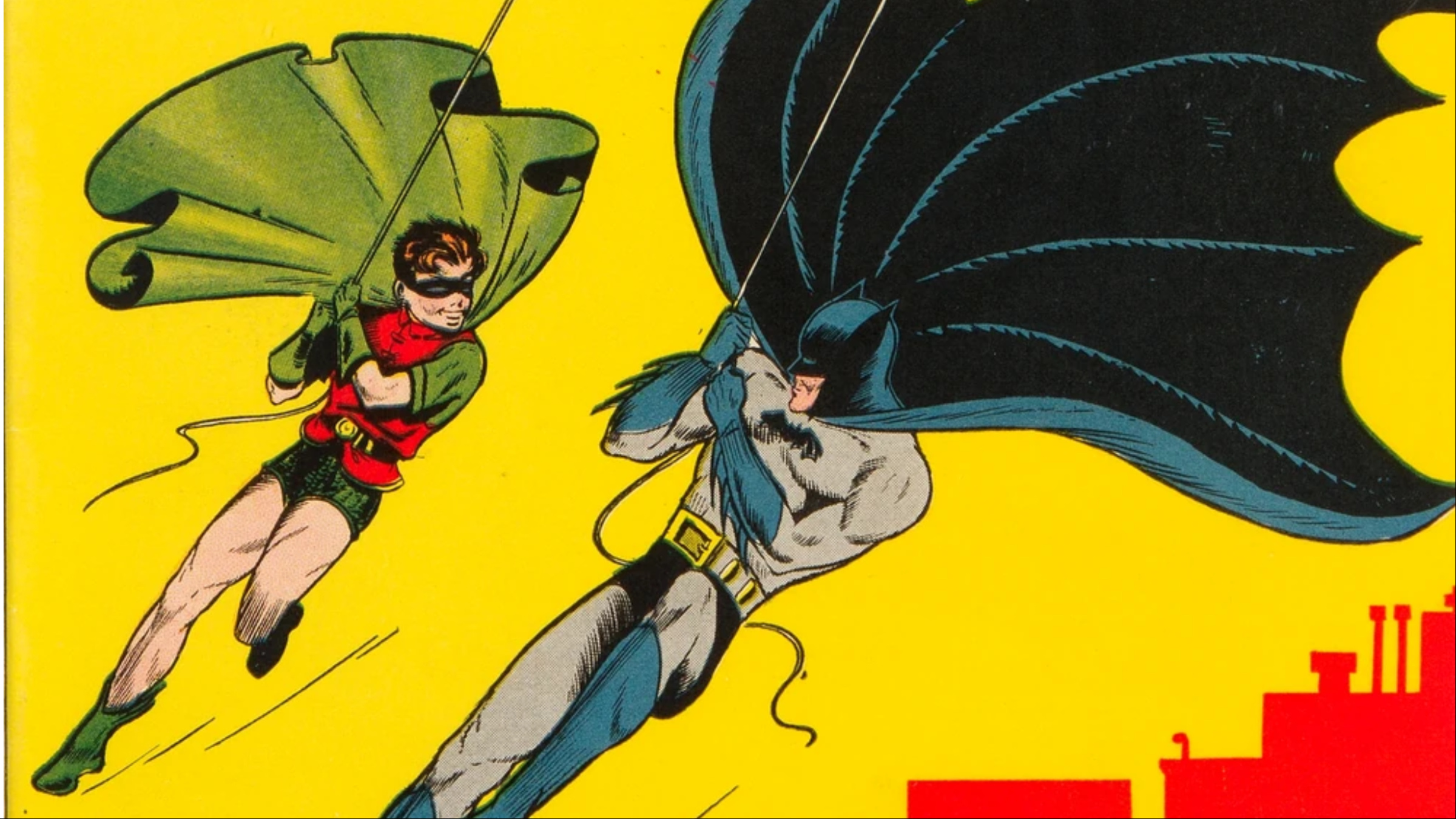
As a huge comic book fan, let me tell you, Batman #1 from 1940 was a total landmark issue. It really set the stage for everything Batman and, honestly, the whole superhero world would become. It’s an anthology, so it packs a lot in, starting with a quick revisit of Bruce Wayne’s origin story. But the big deal? That’s where we first meet the Joker and Catwoman! Before this comic, heroes mostly fought typical bad guys – gangsters, crazy scientists, Nazis. But the Joker and Catwoman weren’t just criminals; they had actual personalities, motivations…they were the first supervillains. That shift—introducing costumed criminals with depth—was a game-changer, and it’s a huge reason why superheroes are still popular almost a century later.
1) “The Case of the Chemical Syndicate”
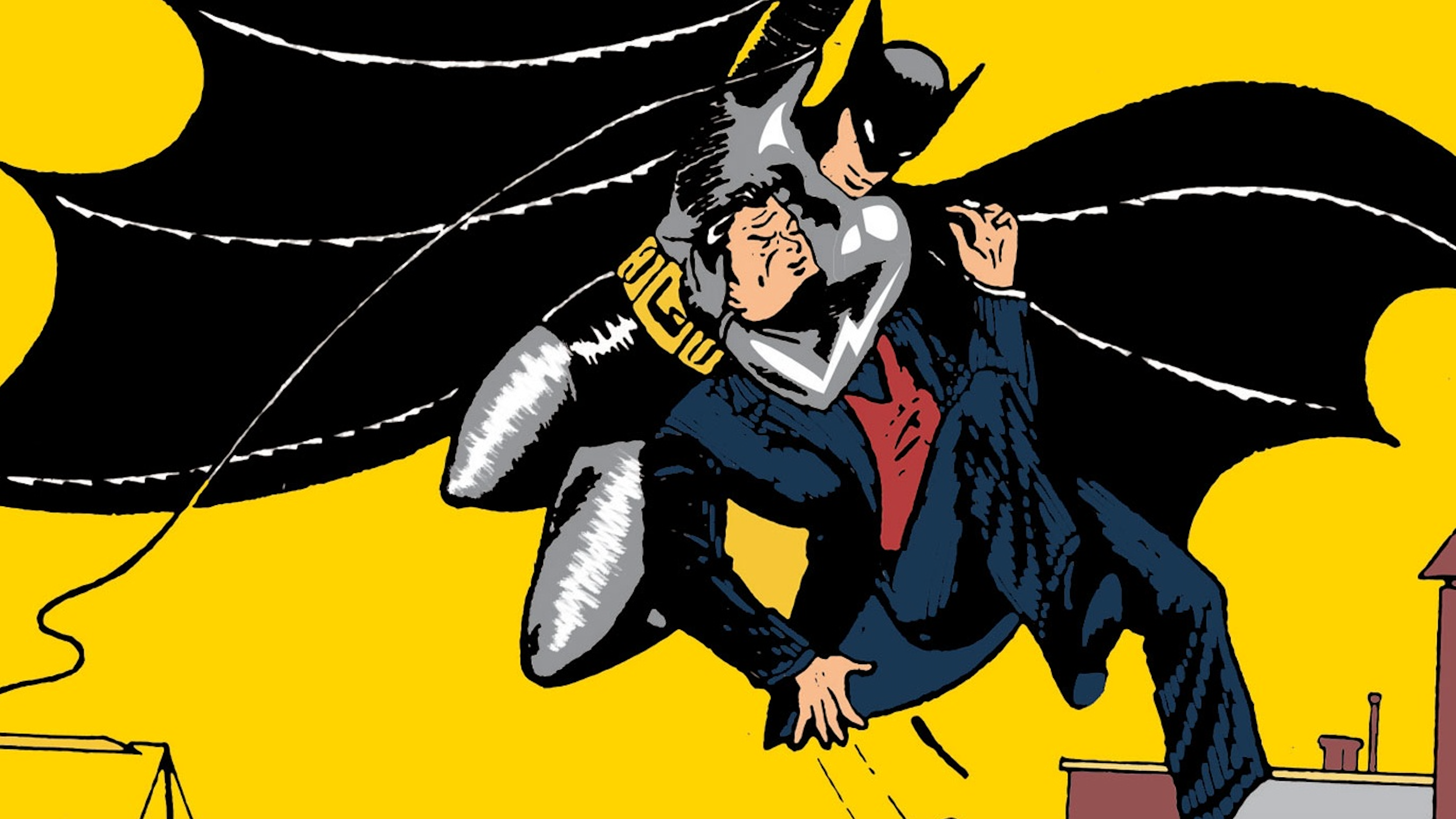
The world of comic books—and fiction in general—was forever altered in 1939 with the debut of Batman in Detective Comics #27. The short story, “The Case of the Chemical Syndicate,” featured Batman teaming up with Commissioner Jim Gordon to investigate a murder. His unique look and gritty, realistic stories quickly made him popular and helped launch the entire superhero genre. Batman’s dark and moody style was inspired by classic detective novels. Unlike many heroes, Batman doesn’t have superpowers; instead, he fights crime using his martial arts skills, clever gadgets, and sharp intellect, becoming a relentless force against the criminals of Gotham. These innovative elements were groundbreaking for their time and cemented Batman’s place as one of the most recognizable characters ever created.
What do you think? Leave a Comment below and join the conversation in the ComicBook Forum!
https://comicbook.com/comics/list/ranking-batmans-first-10-villains-by-legacy/embed/#
Read More
- What Song Is In The New Supergirl Trailer (& What It Means For The DC Movie)
- Man vs. Baby’s AI-Enhanced Baby Is Still Partly Human, Confirms Netflix Director
- Two Nintendo Switch Games Permanently Delisted From the eShop
- Spider-Man 4 Rumor Roundup Reveals Sadie Sink’s Role With Power Change & More
- The Most Iconic Kids Show of All Time Just Brought Brand New Episodes to Netflix
- Marathon is Taking Aim at Bubble Shields, Knives, Snipers and More in Upcoming Balance Patches
- The Quantum Observer: How Reality Takes Shape
- Demon Slayer Star Reacts to Infinity Castle Movie Return for Surprising Role
- Harry Potter Season 2 Gets a Positive Update as Delayed Release Confirmed
- Crypto Treasures Rise from the Ashes: DATs Flip the Script in 2026
2026-02-01 19:14