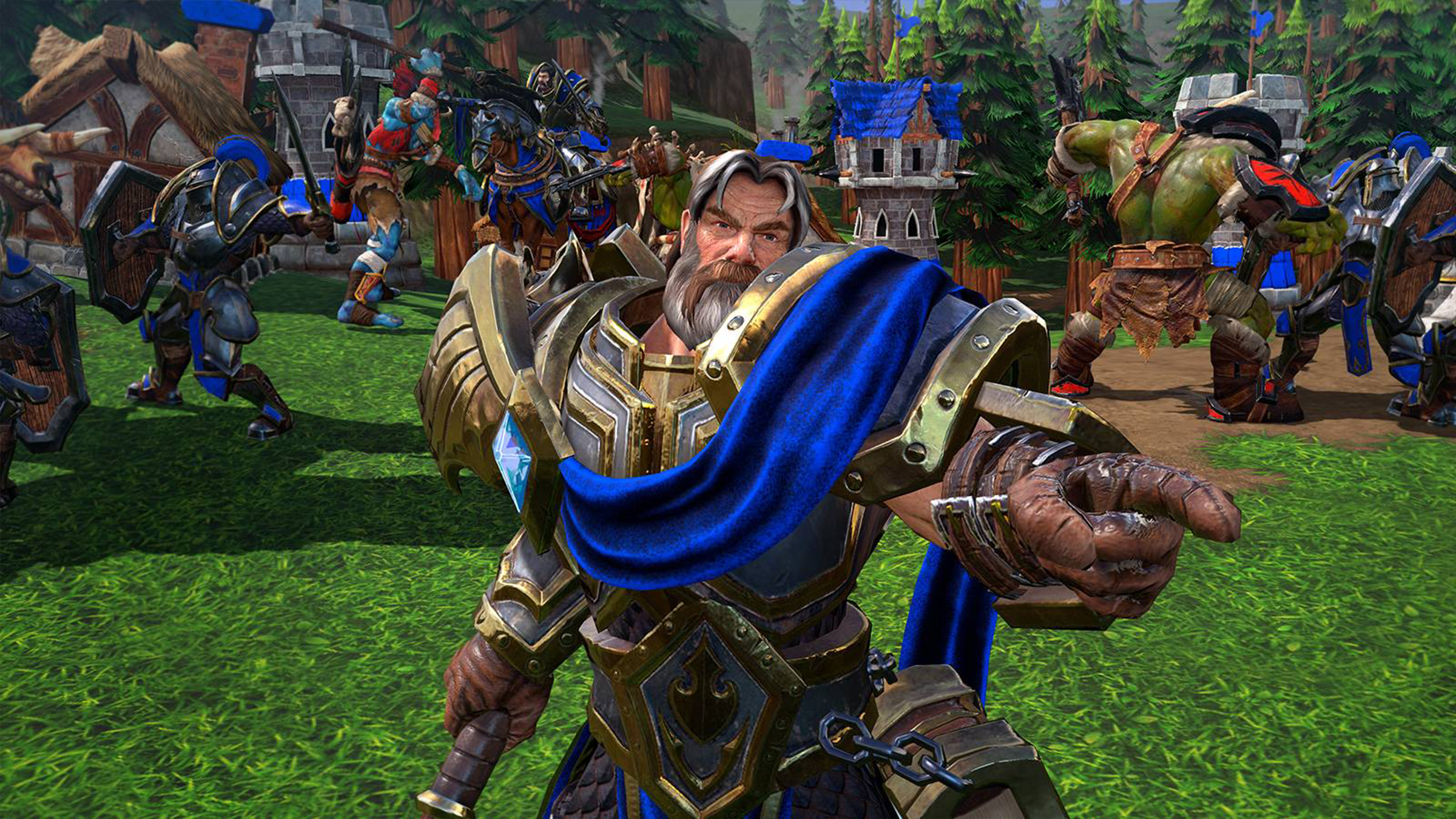
I’ve been playing RTS games for ages, and it’s crazy to think about how much the genre has changed since the late 70s! It started with a few simple titles, but then exploded with games covering all sorts of themes – historical wars, huge fantasy battles, you name it. There are RTS games based on all my favorite franchises like Star Wars, Riverworld, and Star Trek. But honestly, a lot of them blur together. So, I went digging to find the ten most important and influential RTS games ever made, and I’m listing them in the order they came out.
1) War of Nerves! (1979)
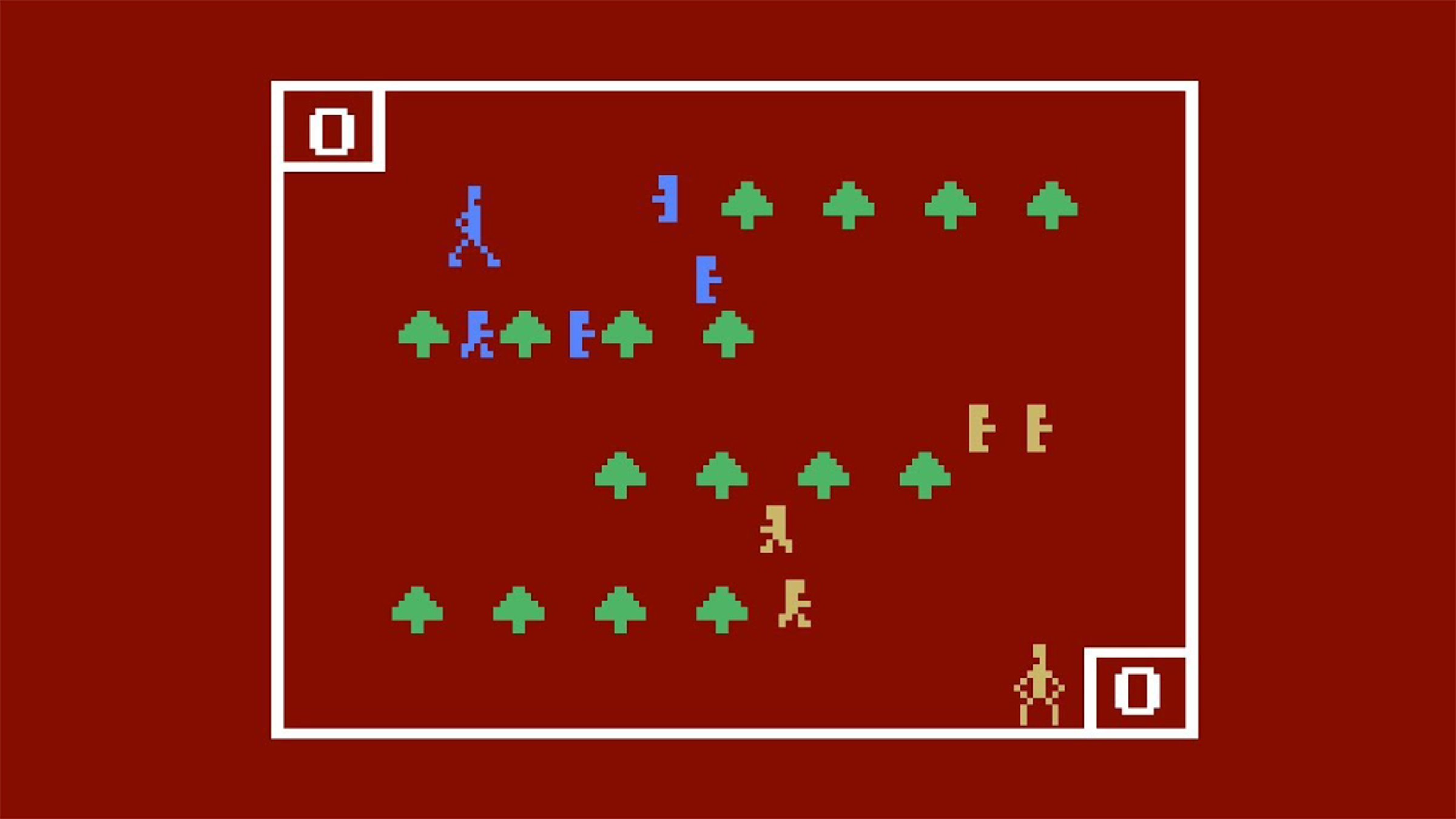
The real-time strategy (RTS) genre began with a simple game called War of Nerves! on the Magnavox Odyssey 2. It wasn’t as complicated as later RTS games, and involved capturing the opponent’s general in a capture-the-flag style game. Players moved their general with a joystick, while the computer controlled robots for both sides. Though the graphics are basic, War of Nerves! laid the foundation for many core RTS elements, using just a few colors and a tiny 192 bytes of memory.
2) Utopia (1981)
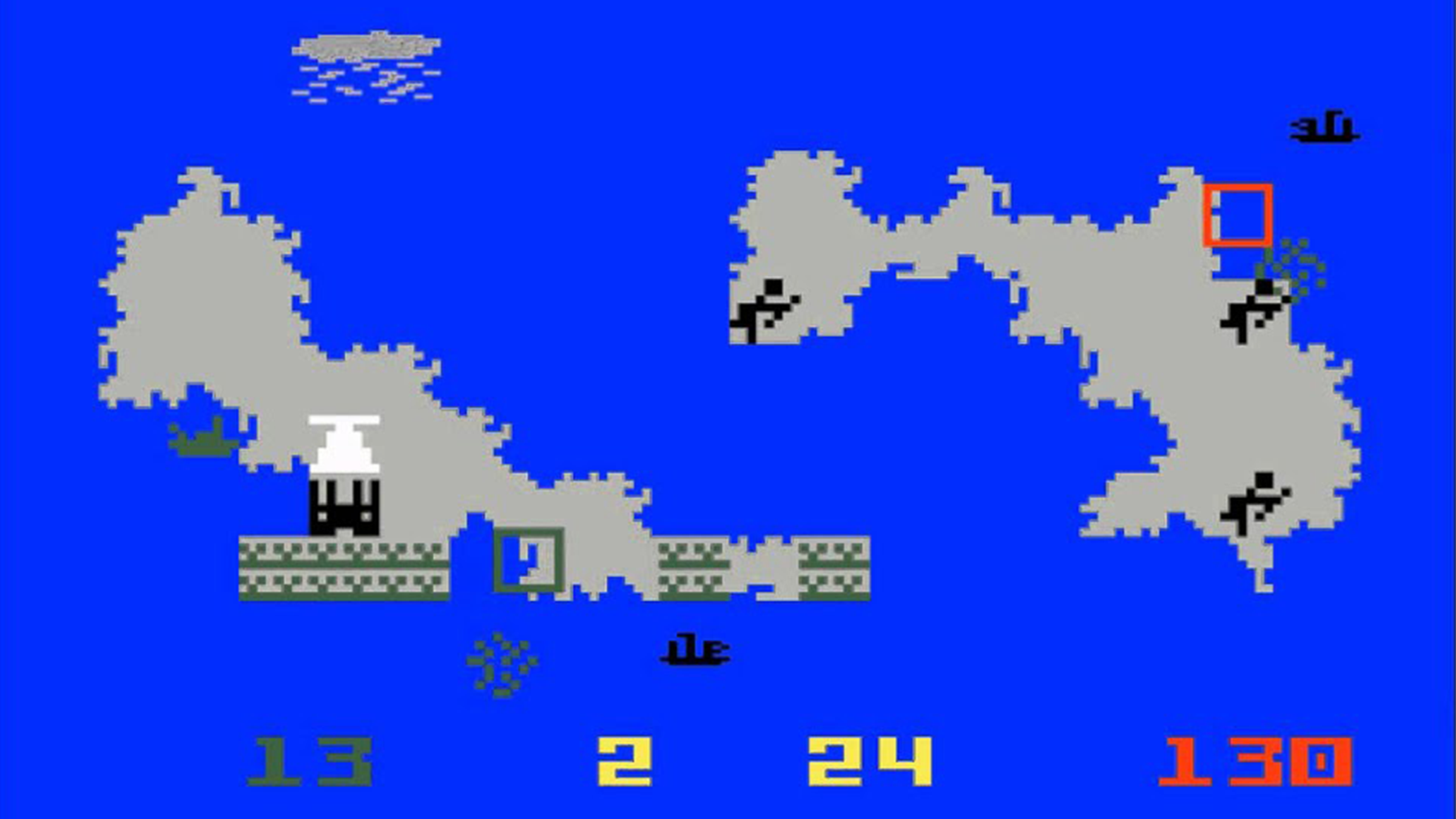
While War of Nerves! didn’t include many of the features we now expect from real-time strategy games, it was an important early experiment. The same is true of Utopia, released for the Intellivision. Utopia is one of the first games where you truly build and manage a city, and it includes some early ideas found in RTS games, making it a key part of how the genre developed. Utopia is a two-player game where each player controls an island and earns points by building up its economy and farms. It doesn’t have any fighting, but it includes most of the other elements that would become common in RTS games.
3) Cytron Masters (1982)
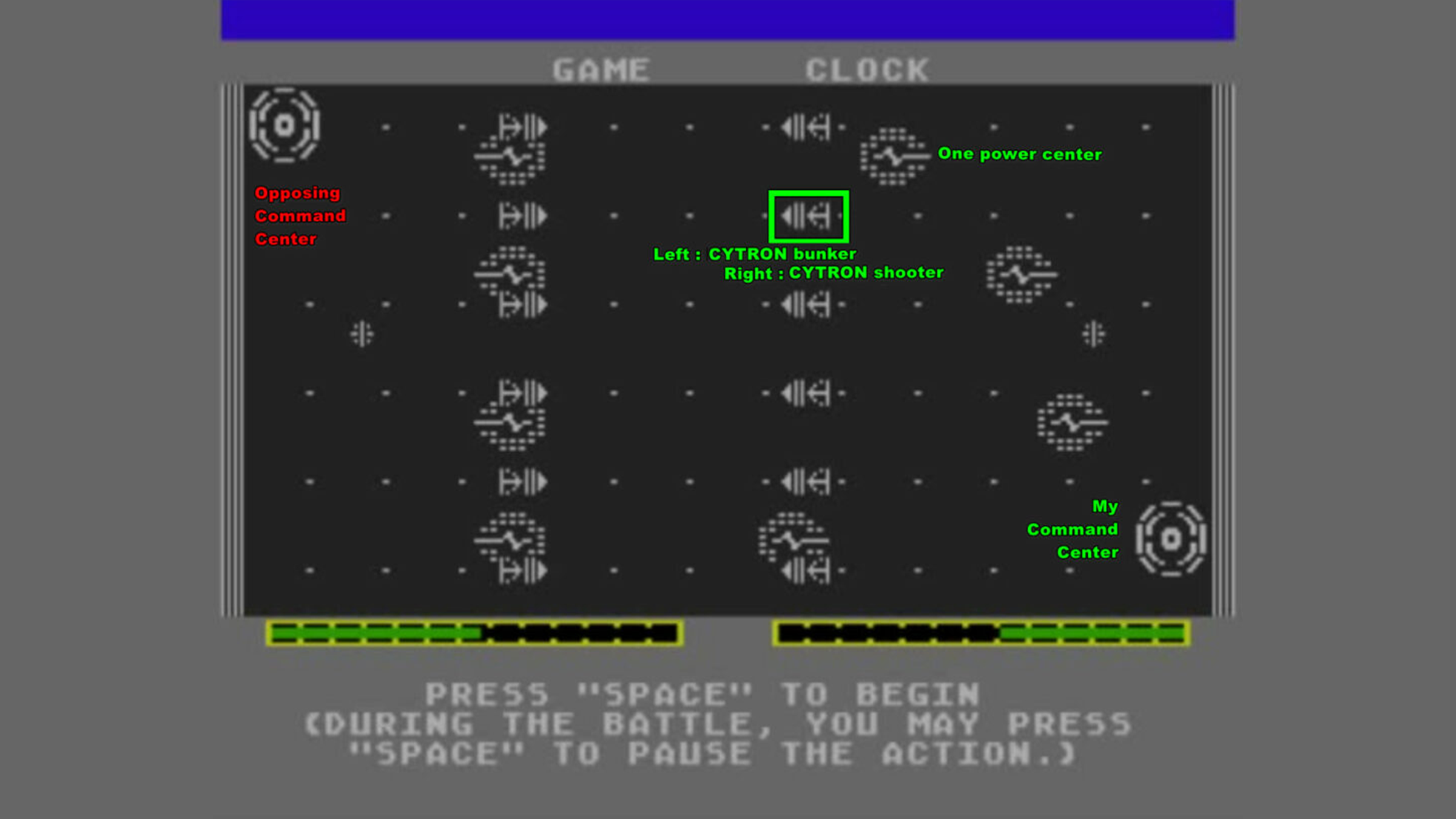
Although earlier games hinted at the real-time strategy (RTS) genre, Cytron Masters is widely considered the first true RTS game. It also included basic real-time tactics, making it a precursor to that genre as well. Released for the Apple II and Atari 8-bit computers, the game challenges players to build up their armies and defeat their opponent. Players start with a command center on opposite sides of the screen, powered by generators that create energy. This energy is the key resource used to build different units and engage in combat.
4) The Ancient Art of War (1984)
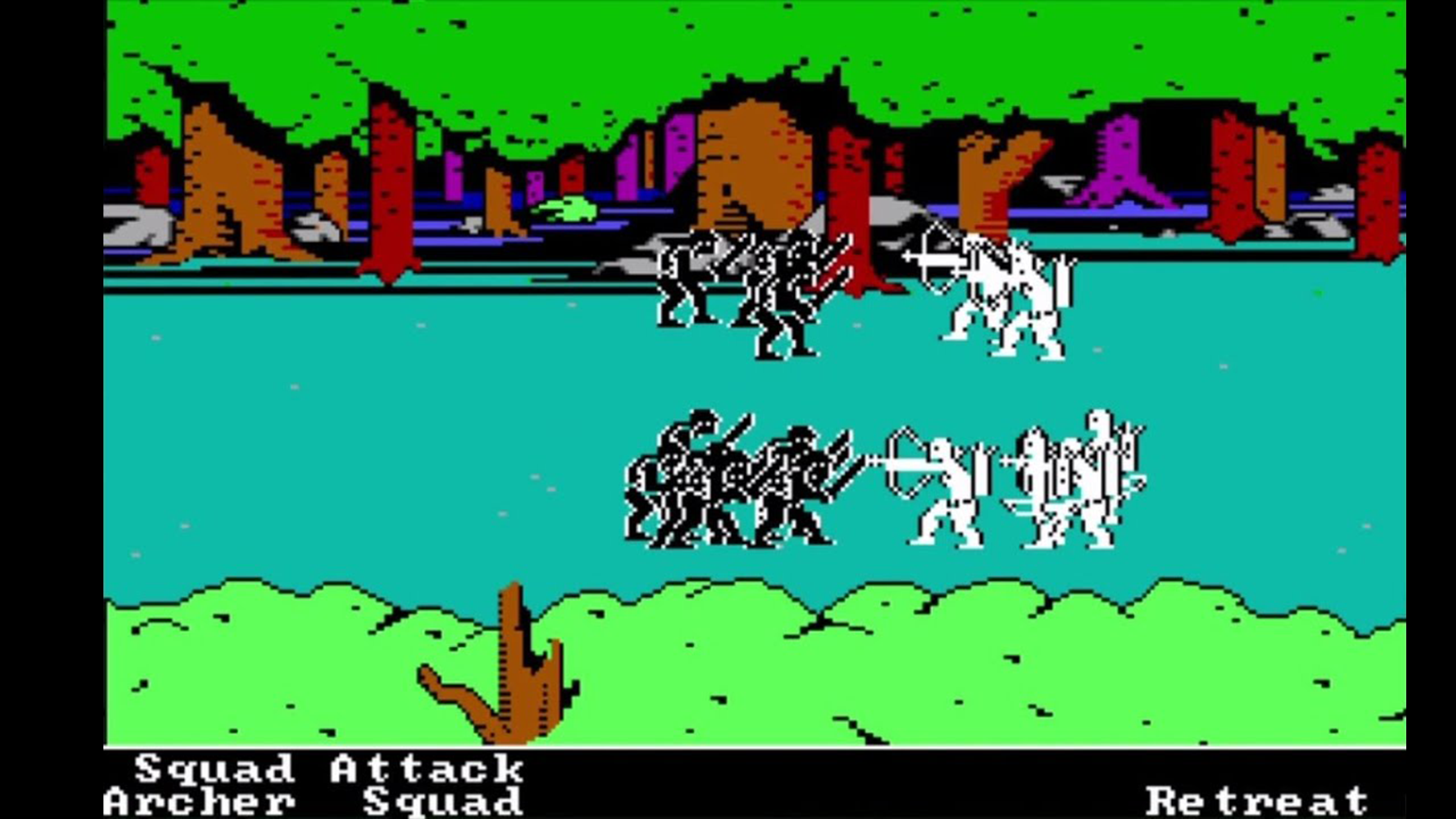
The Ancient Art of War is a strategy game where you control units like knights, barbarians, archers, and spies – all fighting on foot. The game offers different campaigns, each with unique goals and ways to win. You’ll face AI opponents of varying skill levels, and the core gameplay revolves around tactical combat. Unlike many strategy games that came after it, The Ancient Art of War doesn’t include base-building or resource management; it’s all about how you command your troops in battle, and it heavily influenced the tactical focus of later strategy games.
5) Herzig Zwei (1989)
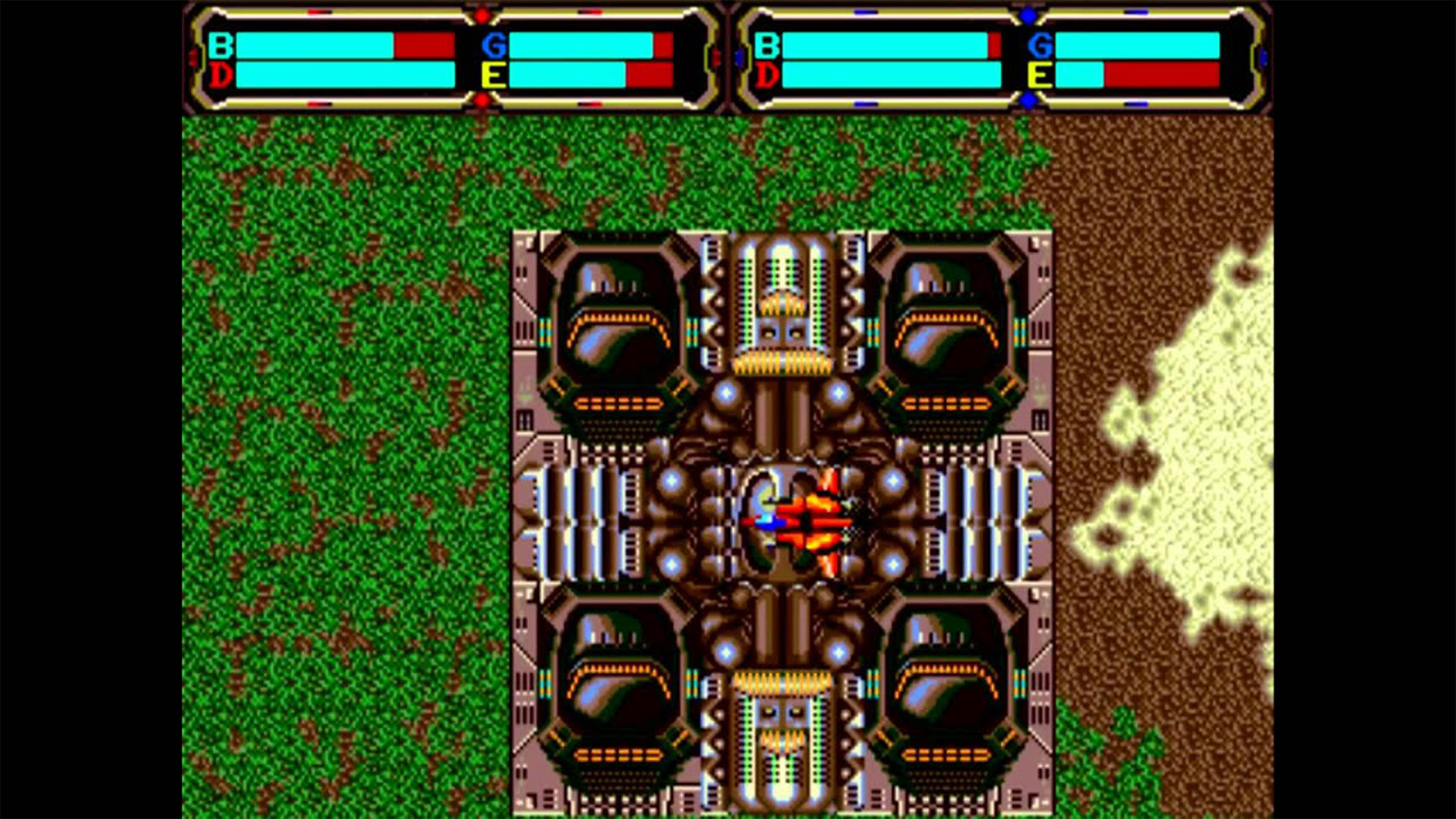
As a huge RTS fan, I’ve always been fascinated by the genre’s roots. While most people think of RTS games starting on PCs, there were actually some great options on consoles too! There’s this game called Herzog Zwei for the Sega Genesis that you might not know, but trust me, it’s a big deal. A lot of the RTS games we play today owe a debt to it. It’s a really unique blend of fast-paced, arcade-style action and deeper strategy. You control a flying mech that can both fight and issue commands, and you spend the game building up an army and sending units into battle. Honestly, Herzog Zwei really paved the way for how a lot of RTS games are designed now.
6) Dune: The Battle for Arrakis (1992)
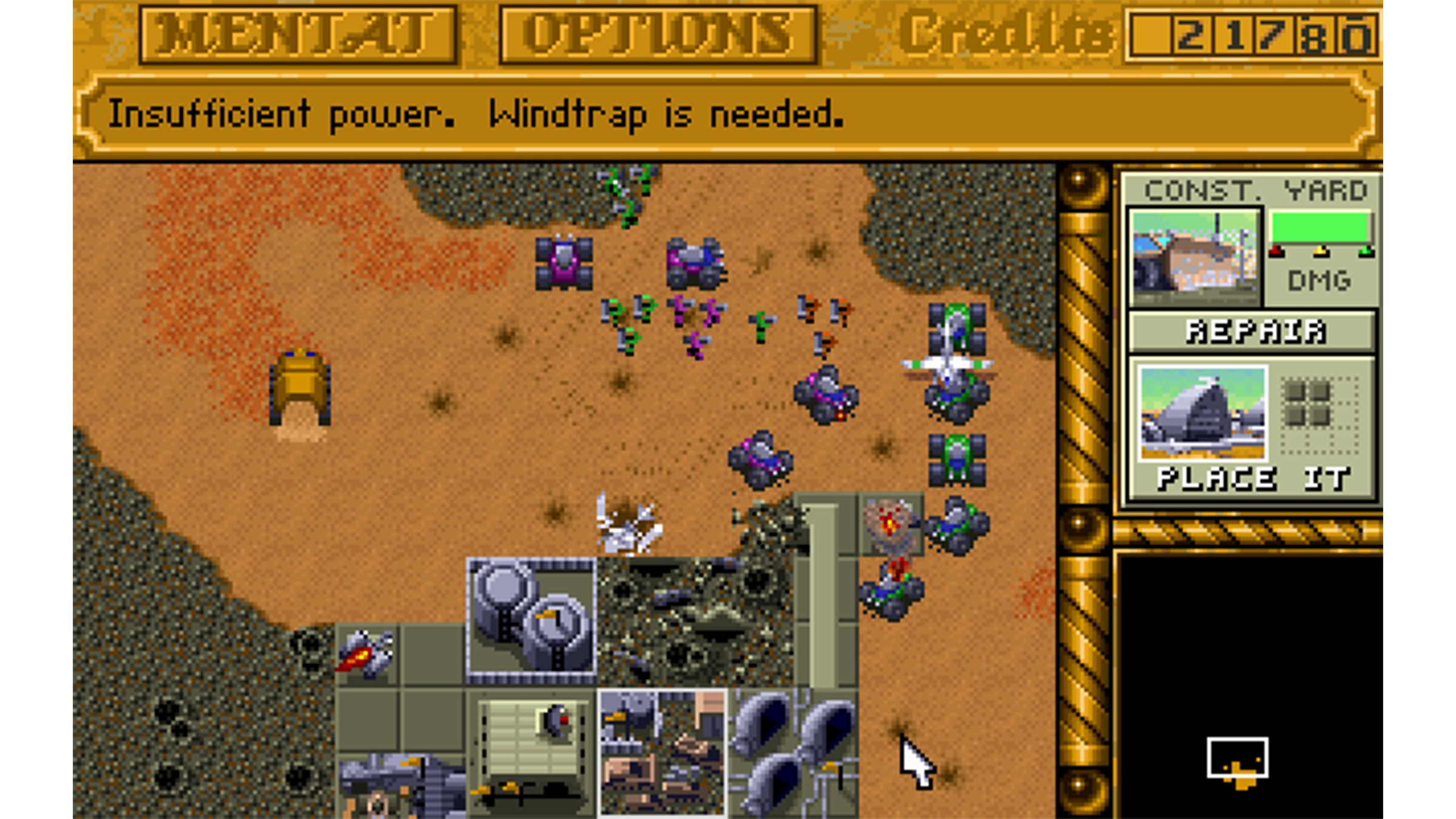
As a huge RTS fan, I always feel like people don’t talk enough about Dune II. Seriously, if you’ve ever enjoyed a modern real-time strategy game, you owe this one a look! It’s basically the game that created the genre as we know it, setting the standard for everything that came after – think Command & Conquer, StarCraft, and so many others. It nailed that perfect balance between building up your base, managing your resources, and actually fighting battles. Everything about it felt groundbreaking. It’s probably the most influential RTS game ever made, which is crazy to me, because it’s not super well known these days, especially if you didn’t play it back in the early 90s.
7) Warcraft: Orcs & Humans (1994)
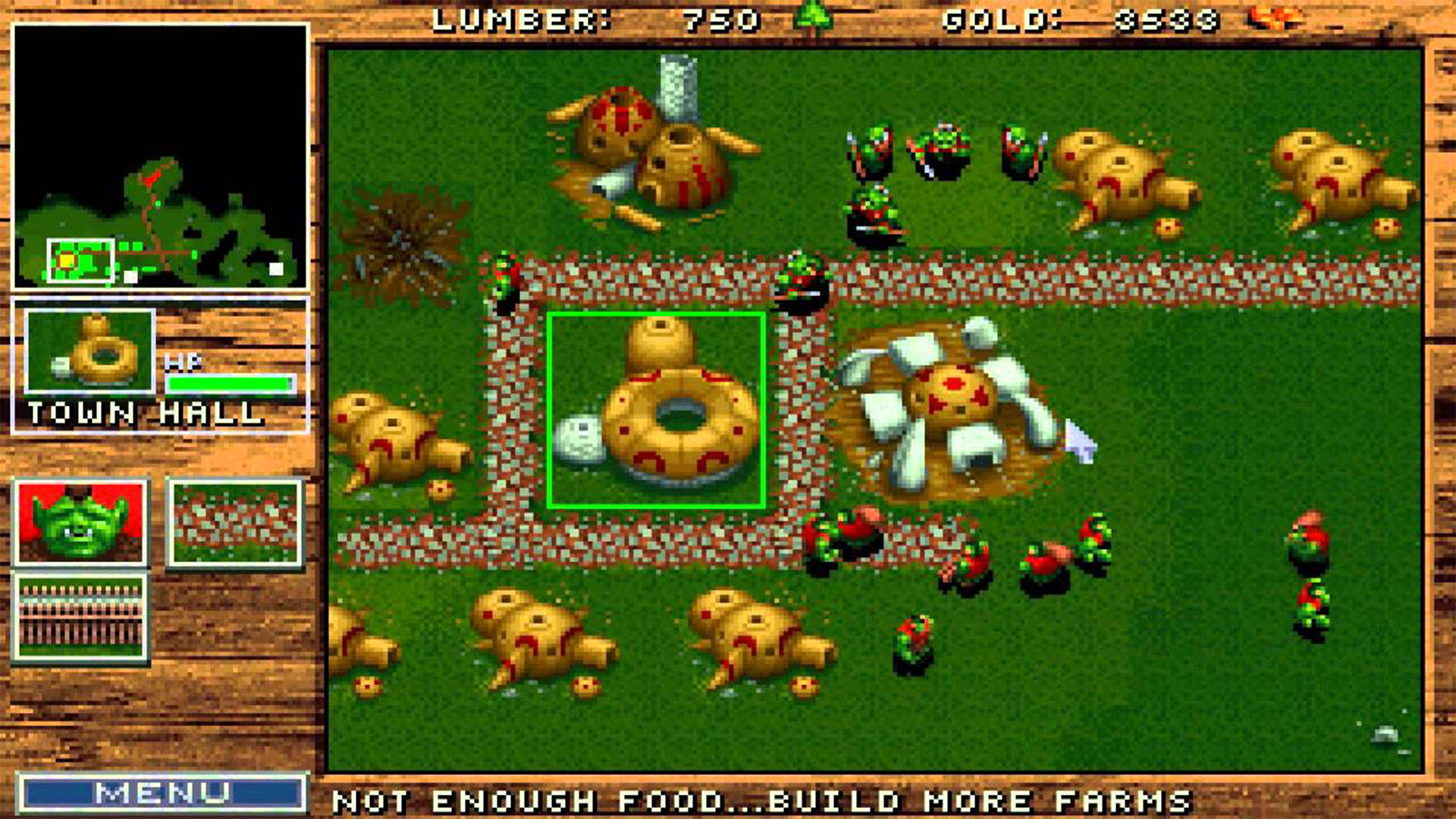
Before becoming the hugely popular online game World of Warcraft, the series began as a real-time strategy game called Warcraft: Orcs & Humans. This early game was heavily inspired by Dune II and quickly became a hit. While multiplayer wasn’t a new idea in strategy games, Warcraft really emphasized it, making it central to the gameplay. This focus on multiplayer remains a key part of the genre today, with *Warcraftstyle tournaments held around the world. Players also loved the game’s engaging missions, hidden surprises, and memorable lines spoken by the Orc characters.
8) Command & Conquer (1995)
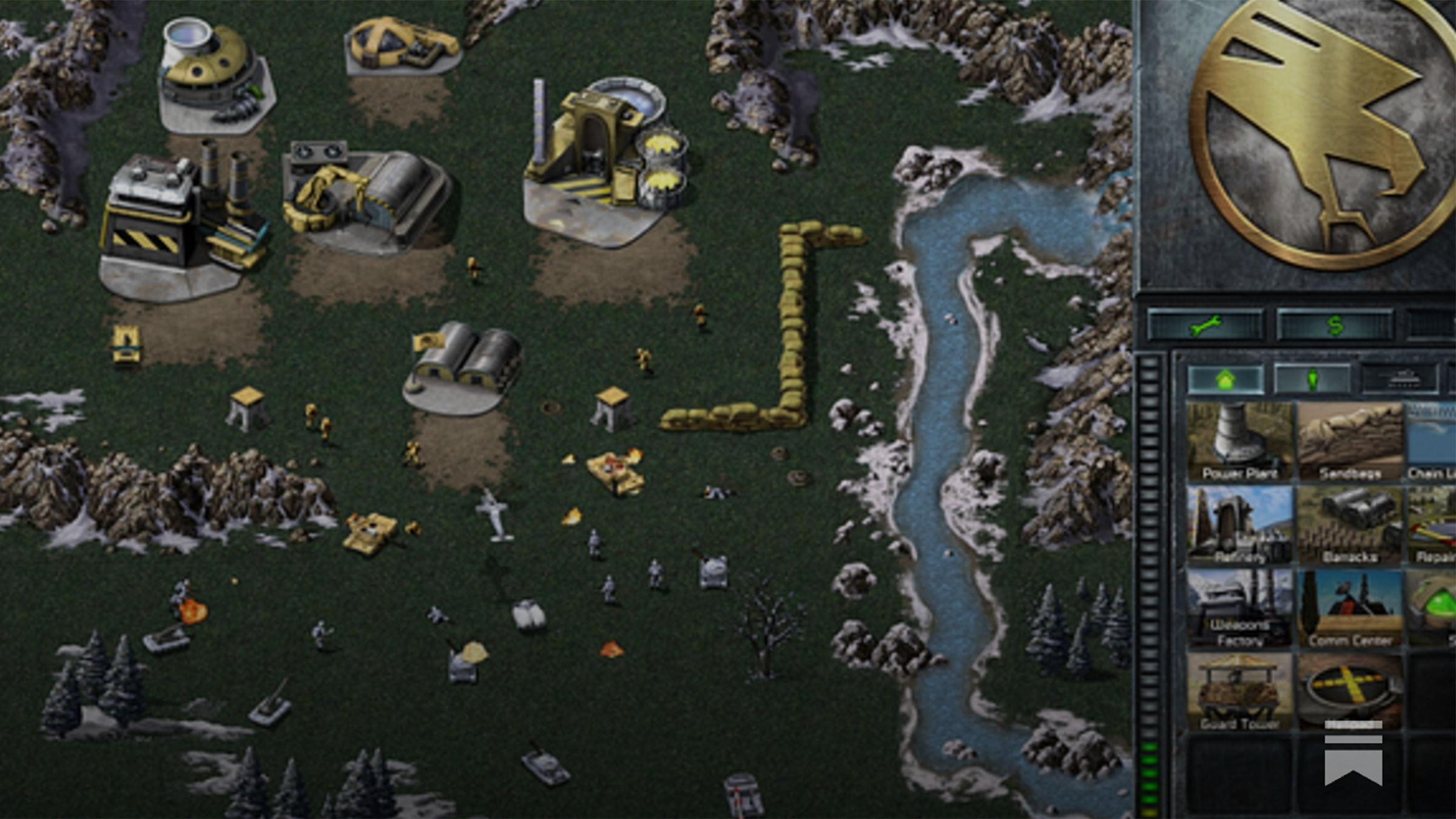
Following the success of games like Warcraft and Dune II, Command & Conquer offered a unique take on real-time strategy, focusing on an alternate history of military conflict. This game became one of the biggest RTS franchises of the 1990s, building on earlier innovations with features like live-action cutscenes – a relatively new approach at the time. Command & Conquer proved incredibly popular, leading to numerous sequels and expansions that continued to develop its story and refine its gameplay. It’s considered one of the best military strategy games of its time, with new installments appearing even in the 2010s.
9) Total Annihilation (1997)
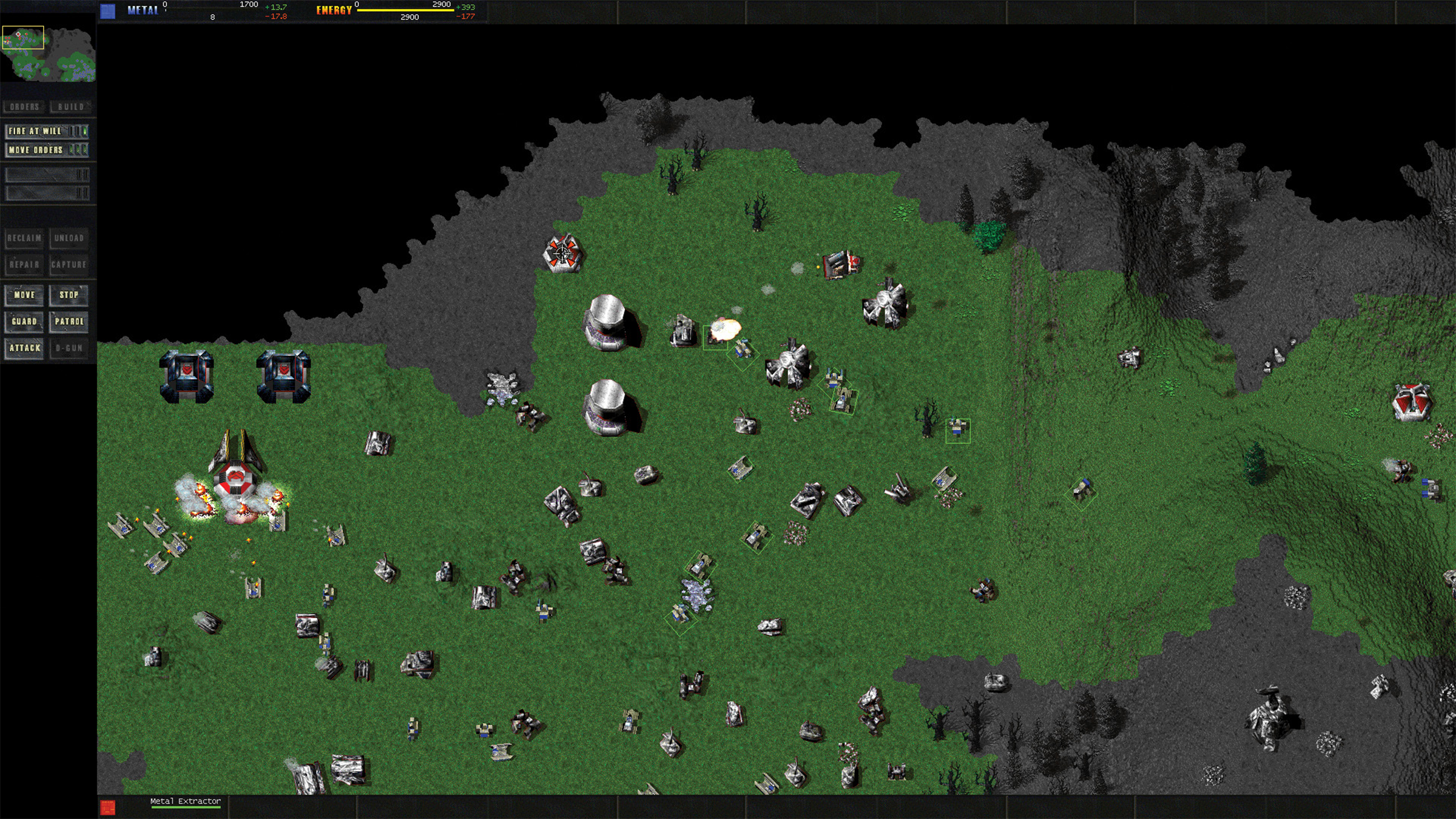
Released in 1997, Total Annihilation was groundbreaking for its use of a dynamic physics engine – something rarely seen in games at the time. This meant things like projectiles and explosions behaved realistically, fundamentally changing how battles played out on the 3D battlefield. Features like terrain blocking shots, and a unit’s height affecting its attack power, added a new level of detail to the real-time strategy genre. Previous RTS games simply didn’t offer this level of realism, making Total Annihilation a truly unique experience.
10) Dungeon Keeper (1997)
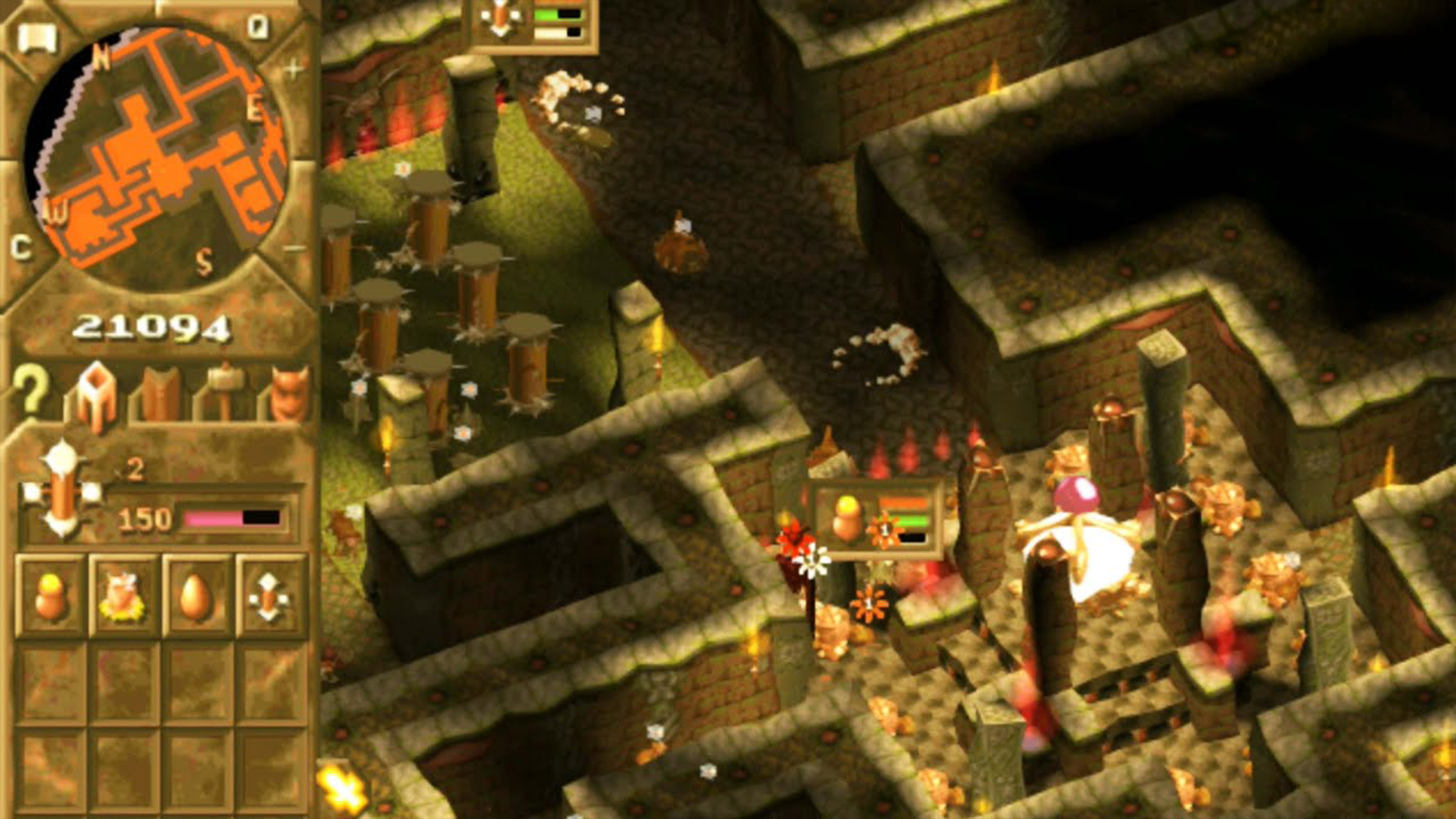
By the late 1990s, real-time strategy games began moving into 3D, and Dungeon Keeper was one of the first successful examples. While it’s more of a strategy game with RTS features, it shares many core mechanics, which is why we’re including it. In the game, you defend your dungeon from heroes who try to steal your treasure and defeat your monsters. Your ultimate goal is to conquer the world by eliminating all opposing heroes. It’s a highly enjoyable game that really deserves a modern remake. Dungeon Keeper was innovative in its use of 3D graphics to build its world, and it’s definitely worth playing on Steam if you haven’t experienced it yet.
What real-time strategy game had the biggest impact? Share your thoughts in the comments and join the discussion on the ComicBook Forum!
https://comicbook.com/gaming/list/6-best-ea-games-that-everyone-forgot/embed/#
Read More
- Pluribus Star Rhea Seehorn Weighs In On That First Kiss
- Kelly Osbourne Slams “Disgusting” Comments on Her Appearance
- Looks Like SEGA Is Reheating PS5, PS4 Fan Favourite Sonic Frontiers in Definitive Edition
- Arknights: Endfield – Everything You Need to Know Before You Jump In
- Dune 3 Gets the Huge Update Fans Have Been Waiting For
- Hideo Kojima Says He Was Never Told About The Matrix Creators Wanting Him to Make a Game
- Goat 2 Release Date Estimate, News & Updates
- ’90s Cartoon Reboot & TMNT Connection!
- ‘Marty Supreme’ Ending, Explained
- Gold Rate Forecast
2026-02-18 17:18