
Vince Gilligan, known for the acclaimed dramas Breaking Bad and Better Call Saul, recently ventured into science fiction with Pluribus. The show quickly became a hit for Apple TV, attracting more viewers than Severance. A major draw of Pluribus is its completely new and original story, which has viewers eagerly trying to predict what will happen next.
After a strong start with its first two episodes directed by Gilligan, some viewers thought the series was losing momentum. However, episode 5, titled Pluribus, surprised them by showing the show could still deliver exciting twists. Although it’s unclear what Carol will do next, Gilligan recently shared the films that influenced Pluribus, offering a fascinating glimpse into the episode’s creative roots.
Gilligan shared a list of 10 movies on Letterboxd, a website for movie ratings and reviews, and explained how each one influenced his Apple TV show. The selections – ranging from famous horror films to lesser-known favorites and international movies – were all sources of inspiration for the writers of Pluribus.
After Life
Directed By Hirokazu Kore-eda (1998)

Gilligan acknowledges he hasn’t watched After Life (1998), but the film’s idea still strongly impacted his work on Pluribus. He’s always been fascinated by the film’s concept: when people die, they select one cherished memory to take with them into the afterlife, and then, with the help of a kind, administrative guide, they recreate that memory before continuing on.
The film’s core concept—that our memories define who we are—strongly connects to the world of Pluribus. In Pluribus, the “Joined” characters all share the same memories, which is the opposite of the way After Life carefully chooses which memories to keep. According to Gilligan, this difference subtly influences the emotional core of the series.
Defending Your Life
Directed by Albert Brooks (1991)
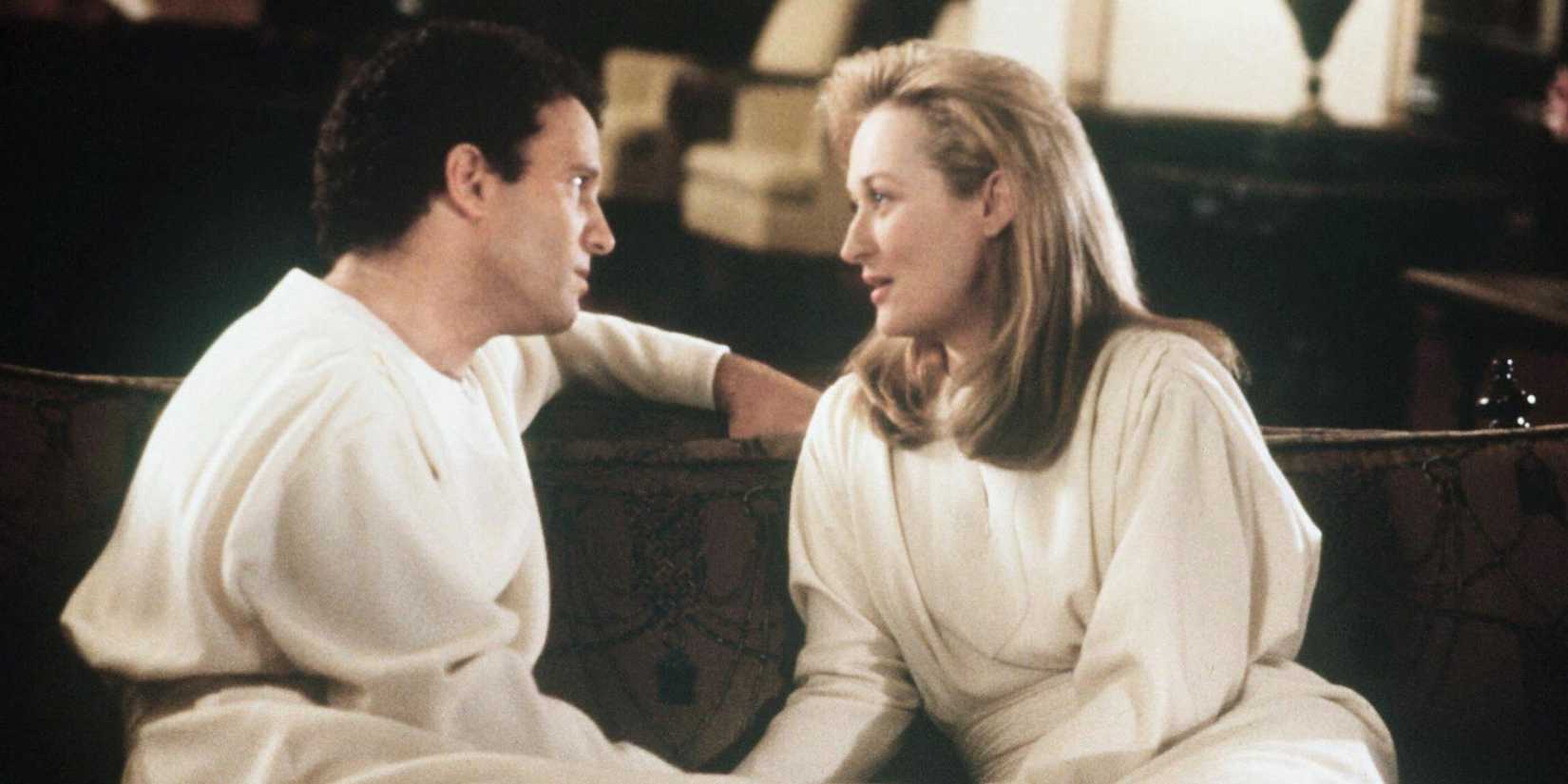
Albert Brooks wrote, directed, and starred in Defending Your Life, a classic film that blends drama and comedy. It explores what happens after death and the anxieties that prevent people from finding peace. Brooks plays a frustrated and insecure man who feels out of place among more cheerful and self-assured individuals. He finds a connection with Carol Sturka, whom he sees as a fellow outsider and a “kindred spirit.”
I was so fascinated by how the show Pluribus took inspiration from that film’s idea of a perfect world built around food. The creator, Gilligan, really believed that any true paradise would have comforting meals, and he wove that into the show’s story. It’s a key part of how the ‘Joined’ interact with others – they actually cook the favorite foods of those who aren’t part of their group, but it’s twisted and unsettling instead of warm and inviting like in the movie. It’s a really clever, and disturbing, detail.
Invasion Of The Body Snatchers
Directed By Don Siegel (1956)

While many consider the 1978 version to be the best Invasion of the Body Snatchers film, Gilligan believes the 1956 original is the most important. It made him rethink the idea of having your individuality taken away, leading him to wonder if giving up your identity to be part of a group is always a bad thing, and if there might even be benefits to it.
This idea strongly impacted the way the Joined in Pluribus think – they share memories and experiences instead of causing harm. The original movie’s shift from portraying a threatening invasion to a sense of community inspired Gilligan to consider how a shared consciousness could be both interesting and compassionate within his own stories.
The Omega Man
Directed By Boris Sagal (1971)

Richard Matheson’s novel, I Am Legend, has been adapted into several films, with Will Smith’s 2007 version being the most well-known. However, critic Gilligan argues that Vincent Price’s The Omega Man is the most faithful adaptation, as Matheson himself helped write the screenplay.
Gilligan’s line – “Everyone around me has changed, and I’ve got to figure out how to change them back” – strongly mirrors Carol’s initial response to the group, ‘Pluribus’. She’s the only one of the twelve who hasn’t joined, and she’s facing a group whose motives are still unclear.
Currently, the Joined don’t seem as immediately dangerous as the vampires Charlton Heston battled. But we’re only starting to understand the extent of what they’re planning.
The Quiet Earth
Directed By Geoff Murphy (1985)

The New Zealand film The Quiet Earth is a hidden gem, discovered by Gilligan through a colleague, Gordon Smith, who’s known as the team’s expert on international films. The movie tells the story of three people who wake up to find they appear to be the only ones left on Earth, following some unknown occurrence. Gilligan was especially moved by the film’s beautiful but unsettling visuals and its thoughtful look at loneliness and what it means to exist.
This impact is also felt in Gilligan’s series. Though Carol isn’t literally alone – not at first, anyway – she deeply feels isolated as one of the few people not connected to the Pluribus collective, and the only one trying to break it apart. The film’s thoughtful exploration of loneliness and the emotional burden of surviving when you don’t know why quietly resonates throughout her story.
The Shining
Directed By Stanley Kubrick (1980)
 Image from the Everett Collection.
The Shining is so influential in the horror genre that many suspenseful films and shows borrow elements from it. For example, an episode of Pluribus features unsettling children who resemble the famous twin girls from The Shining, clearly paying tribute to Kubrick’s classic.
Carol’s character shares similarities with Jack Torrance, the troubled writer from ‘The Shining.’ Like Jack, she struggles with alcohol and isolation, which deeply affects her mental state. While Jack Nicholson’s portrayal of Jack shows his instability right away, leaving little room for development, the show handles Carol’s backstory similarly. The flashbacks reveal she was already struggling with depression, even before the events of the story began, establishing her vulnerability from the start.
The Thing
Directed By John Carpenter (1982)

The idea of monsters living secretly among people, unseen by ordinary eyes, is a common theme in horror. Gilligan specifically praises the ending of John Carpenter’s 1982 film, The Thing, and says it inspired him to ask similar questions in his own work, Pluribus. He was particularly influenced by the film’s suspenseful atmosphere, realistic special effects, and the way it built a sense of paranoia and distrust.
The show explores what it means to be human, questioning whether it’s simply about having a body or if things like free will and being an individual are more important. In the world of Pluribus, the distinction between people who are connected and those who aren’t becomes unclear, making it hard to define who each person truly is. The creator, Gilligan, uses this idea to investigate themes of identity, trust, and independence, turning a classic horror setup into a compelling look at consciousness and how we connect with each other.
The Truman Show
Directed By Peter Weir (1998)

Gilligan reluctantly confessed he hadn’t watched the classic Jim Carrey movie, but he’s surprisingly familiar with it – even knowing how The Truman Show ends. The film depicts Truman living in a perfect, happy world, but he has no control over his own life, which is a theme similar to the experiences of those in Pluribus.
Carol is the only character who seems to care about personal freedom and making her own choices. The show’s writers were inspired by the film The Truman Show, even if the character Gilligan hasn’t seen it, and its ideas are clearly present. The main question – is complete happiness worth giving up control over your life? – is a key part of Pluribus, and it drives the show’s focus on themes of choice, who we are, and how we connect with others.
They Live
Directed By John Carpenter (1988)

John Carpenter’s 1980s film They Live centers on a wanderer who finds a pair of sunglasses that expose the hidden alien control over humanity. In Pluribus, Carol is acutely aware of the invading force, known as the Joined, and their control is open rather than disguised. However, the feeling of struggling against a powerful, unified enemy is similar to the fight in They Live.
Gilligan describes this as a debt the show owes to the movie it’s based on. Carol is frustrated because she feels alone in wanting to maintain individuality and potentially reverse the changes that have occurred. This conflict – one person resisting a powerful, overwhelming force – creates much of the psychological and moral tension in the Apple TV show.
Village Of The Damned
Directed By Wolf Rilla (1960)

The movie Village of the Damned (later remade by John Carpenter) features a quiet English village where everyone falls asleep, and then a group of blonde children are born with unusual psychic abilities. According to Gilligan, he frequently thought about this film while developing the Pluribus pilot, and its themes – like shared unconsciousness, telepathy, and people acting in unison – had a direct impact on the show.
The way these things were portrayed influenced the creation of the Joined – creatures that look human but are truly alien. Their shared mind and experiences echo the disturbing strangeness of the children in the story. This mix of something familiar and something threatening in the film became a model for exploring themes of identity, what makes each of us unique, and the conflict between being an individual and being part of a group, all within the world of Pluribus.
Read More
- Gold Rate Forecast
- 22 actors who were almost James Bond – and why they missed out on playing 007
- Every Creepy Clown in American Horror Story Ranked
- Hazbin Hotel Secretly Suggests Vox Helped Create One of the Most Infamous Cults in History
- As Dougal and friends turn 60, Radio Times explores the magic behind The Magic Roundabout
- Arknights: Endfield – Everything You Need to Know Before You Jump In
- Jack Osbourne Shares Heartbreaking Tribute to Late Dad Ozzy Osbourne
- Best X-Men Movies (September 2025)
- Kingdom Come: Deliverance 2 – Legacy of the Forge DLC Review – Cozy Crafting
- Blue Protocol Star Resonance: Goblin Lair Dungeon Guide
2025-12-01 23:04