Great psychological thrillers really get inside the human mind, and here are 10 excellent ones that haven’t gotten enough attention. Thrillers are hard to define, falling somewhere between action, drama, and horror. Psychological thrillers especially focus on drama and suspense, and sometimes share similarities with horror films in how scary they are.
Psychological thrillers usually delve into what makes characters tick, using surprising plot twists and narrators you can’t quite trust. These stories often ask big questions about what drives people to do terrible things, and they’re full of suspense and unsettling moments that are sure to give you chills.
Psychological thrillers can be genuinely frightening, which means they don’t appeal to as wide an audience as typical thrillers. Often, the most successful psychological thrillers blend into the horror genre, and horror fans frequently claim them as their own. A great example is The Silence of the Lambs, a film so intense it’s hard to categorize as just one genre.
There are some fantastic psychological thrillers that don’t get the attention they deserve, often because many people haven’t had a chance to see them. This could be because they were made outside of the US, or were simply missed when they first came out. Great psychological thrillers have been made throughout the history of film, and many memorable ones surprisingly slip under the radar.
One Hour Photo (2002)
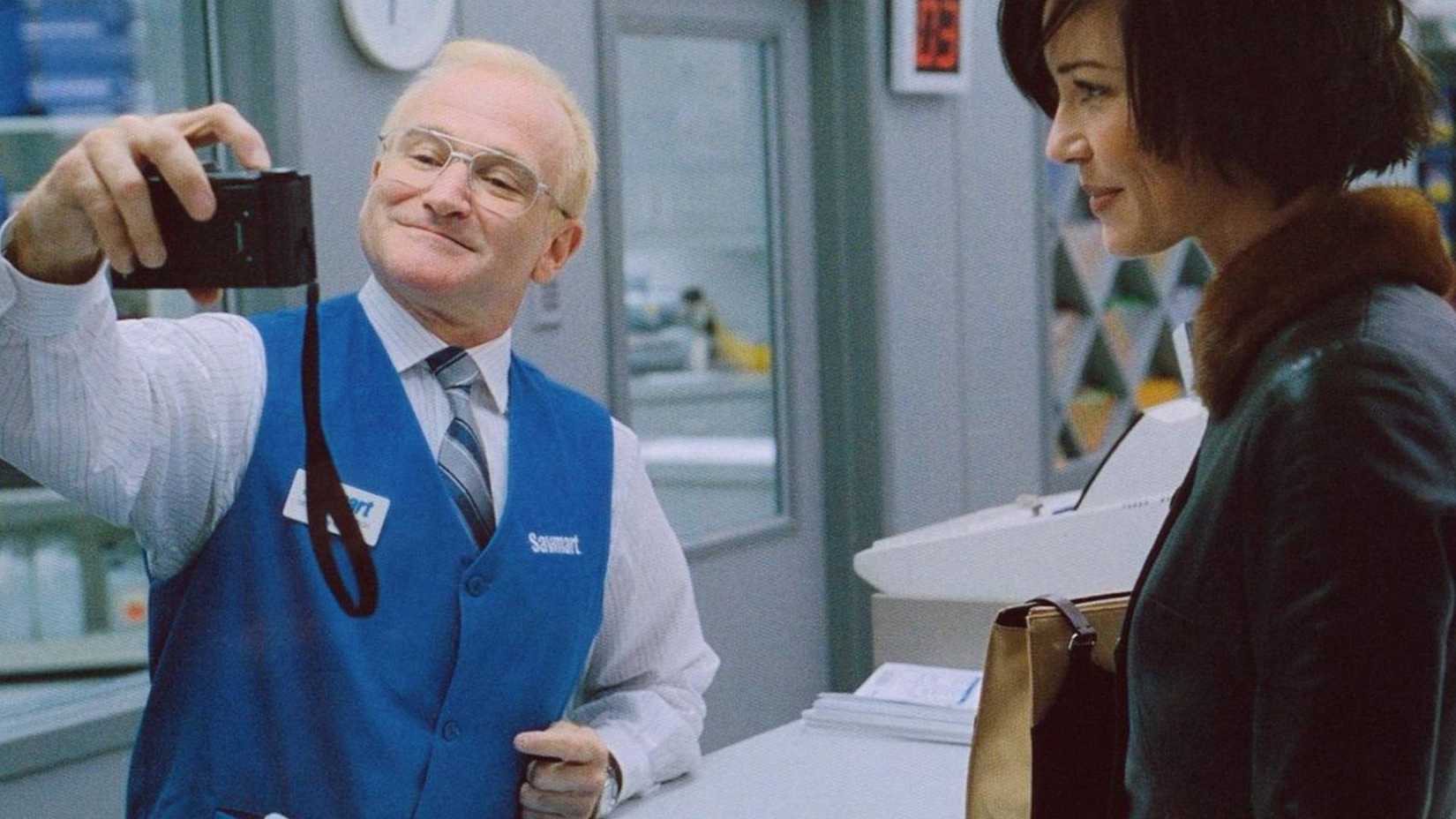
Though often noted for showcasing Robin Williams in an unusually serious role, One Hour Photo is a largely overlooked psychological thriller. Williams portrays a meticulous photo developer who develops an unsettling connection with a particular family, and his fixation spirals out of control, blurring the lines between his professional and personal life. His performance isn’t simply frightening; it’s a deeply moving and ultimately tragic portrayal of a man losing control.
The film One Hour Photo explores feelings of loneliness in today’s world and how a strong desire to be accepted can lead to dangerous behavior. While not flawless, it’s a stronger movie than many critics acknowledged at the time. Viewers in 2002 may have been surprised by Robin Williams’ unsettling performance, and the film’s subtle complexities likely went unnoticed by many.
Play Misty For Me (1971)
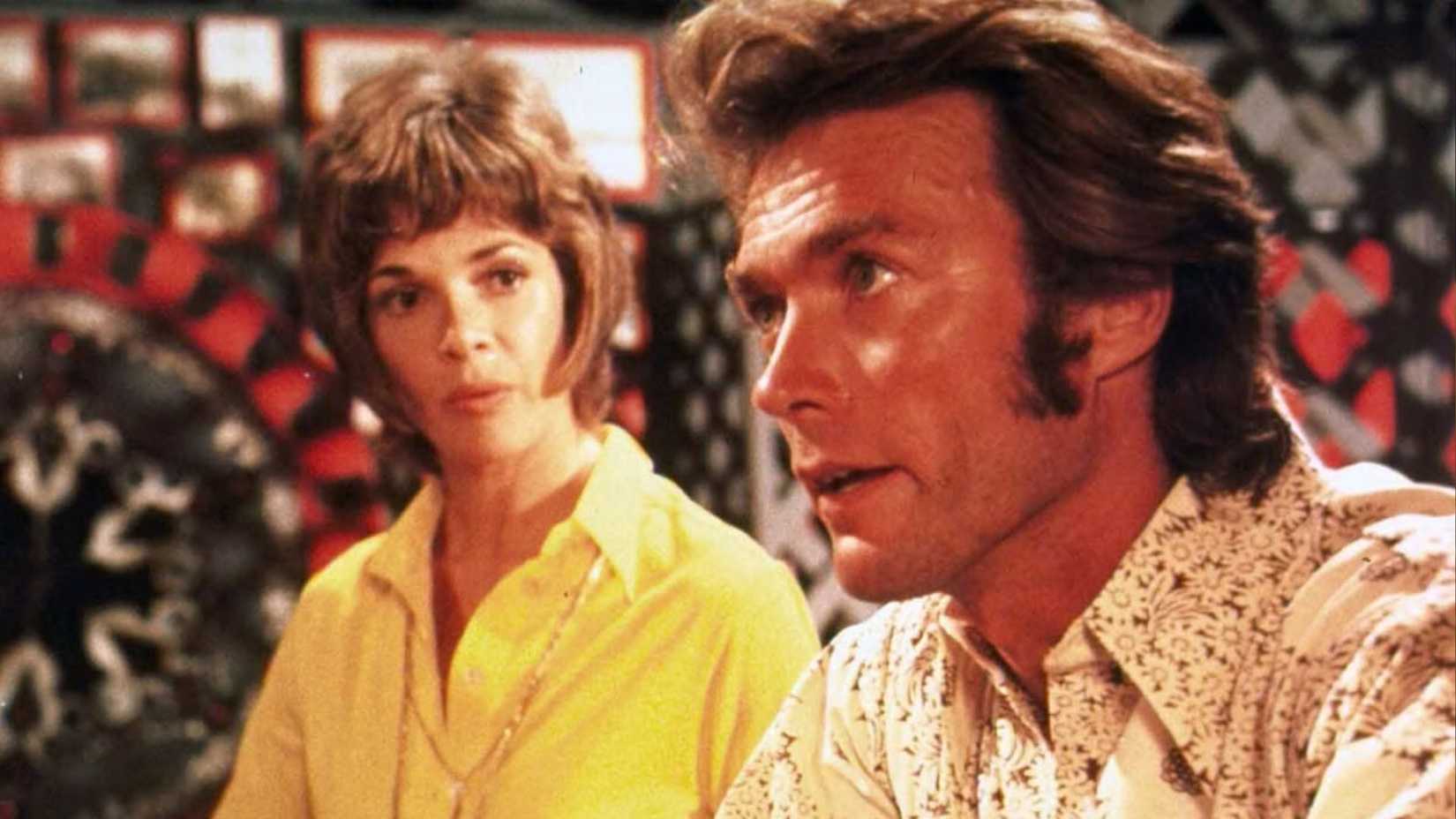
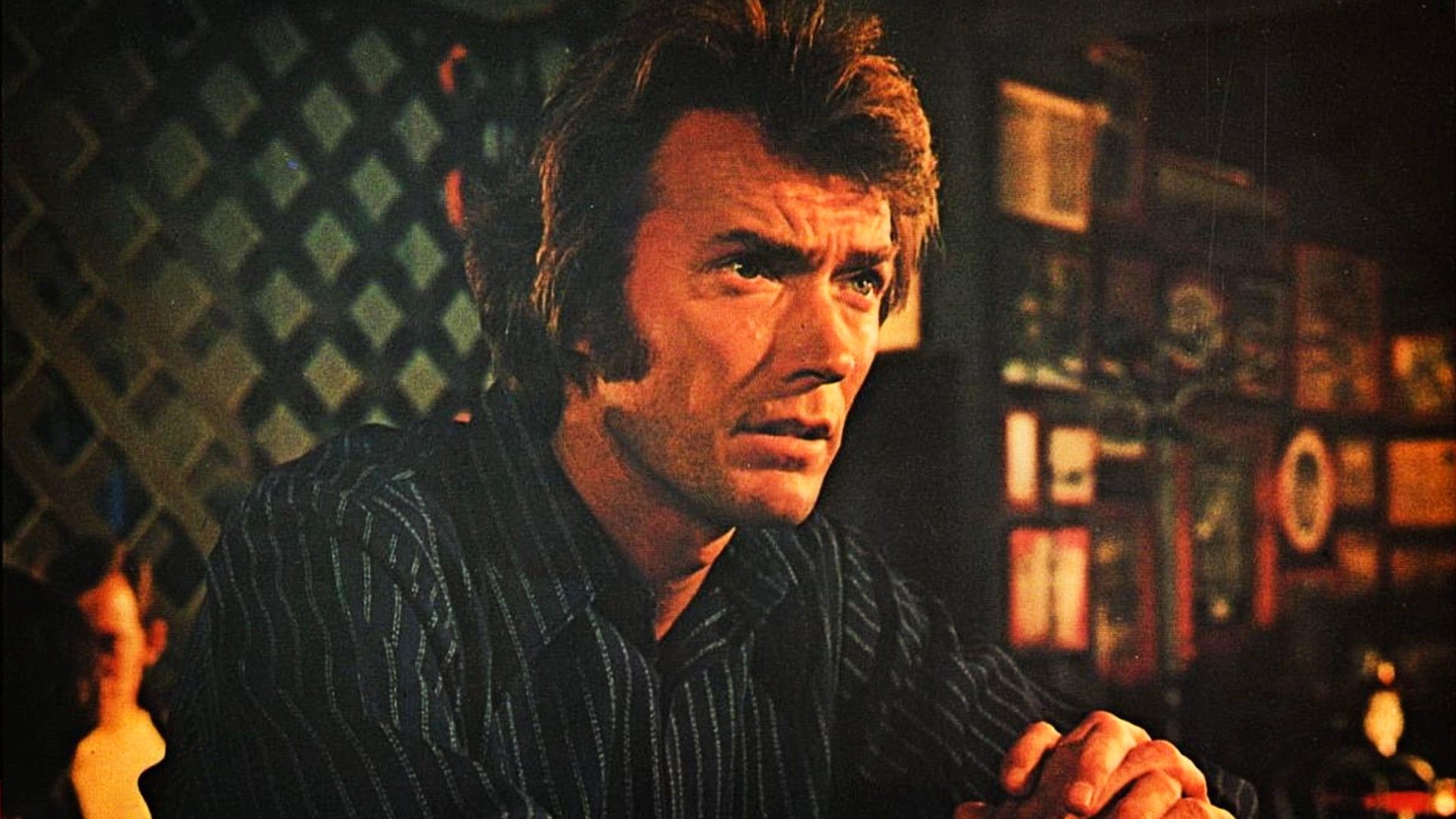
I recently watched Play Misty for Me, and honestly, it’s even more unsettling now than when it first came out. It’s one of those thrillers where someone becomes obsessed, and with how common parasocial relationships are today, it really hits differently. The movie follows a DJ, played by Clint Eastwood, who has a casual encounter with a fan, and things quickly spiral into stalking and violence. While the story uses familiar thriller elements, the acting is so good it feels surprisingly new and keeps you on the edge of your seat.
The film has a deliberately slow pace that draws you into the perspective of Evelyn, played by Jessica Walter. While it came before popular thrillers like Fatal Attraction, it’s often overshadowed by those that followed. It expertly blends elements of both thriller and horror, creating a genuinely unsettling and frightening movie.
Frailty (2001)
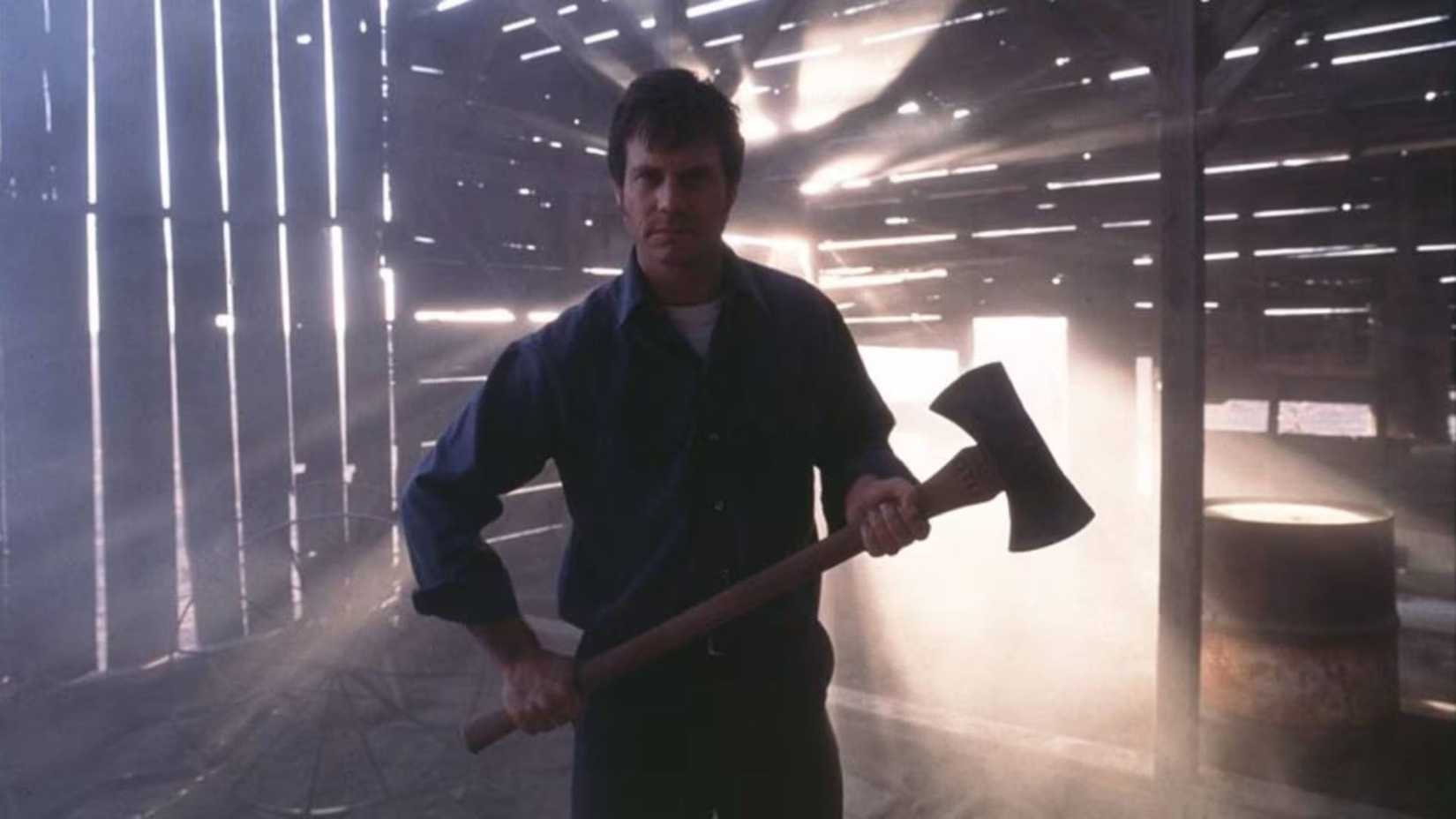
Frailty is a unique and unsettling psychological thriller that flirts with being a full-blown horror movie. The story centers on a man who walks into the FBI claiming his brother is a dangerous serial killer, and as he explains, he reveals a disturbing history of crime involving their father. Like many thrillers of its kind, Frailty culminates in a surprising twist that completely changes how you view everything that came before.
Bill Paxton and Matthew McConaughey are fantastic in this film, which fearlessly tackles sensitive topics like religion. It’s surprising Frailty isn’t more well-known – it’s a true hidden gem for those who want a scary movie experience without excessive gore.
Dead Ringers (1988)
David Cronenberg created a string of excellent thrillers in the late 1980s and 90s, and Dead Ringers stands out as one of his finest films. The movie centers on twin gynecologists who share a practice and become dangerously involved with a patient. While Dead Ringers features Cronenberg’s signature unsettling body horror, it’s fundamentally a gripping psychological thriller.
Dead Ringers delves into the complex relationship between identical twin brothers Elliot and Beverly, both powerfully portrayed by Jeremy Irons. The film explores the idea of a single personality fractured across two people, and as the brothers descend into delusion, it becomes both frightening and heartbreaking. It’s a hidden gem from David Cronenberg and a brilliant showcase of psychological thriller filmmaking.
Following (1998)
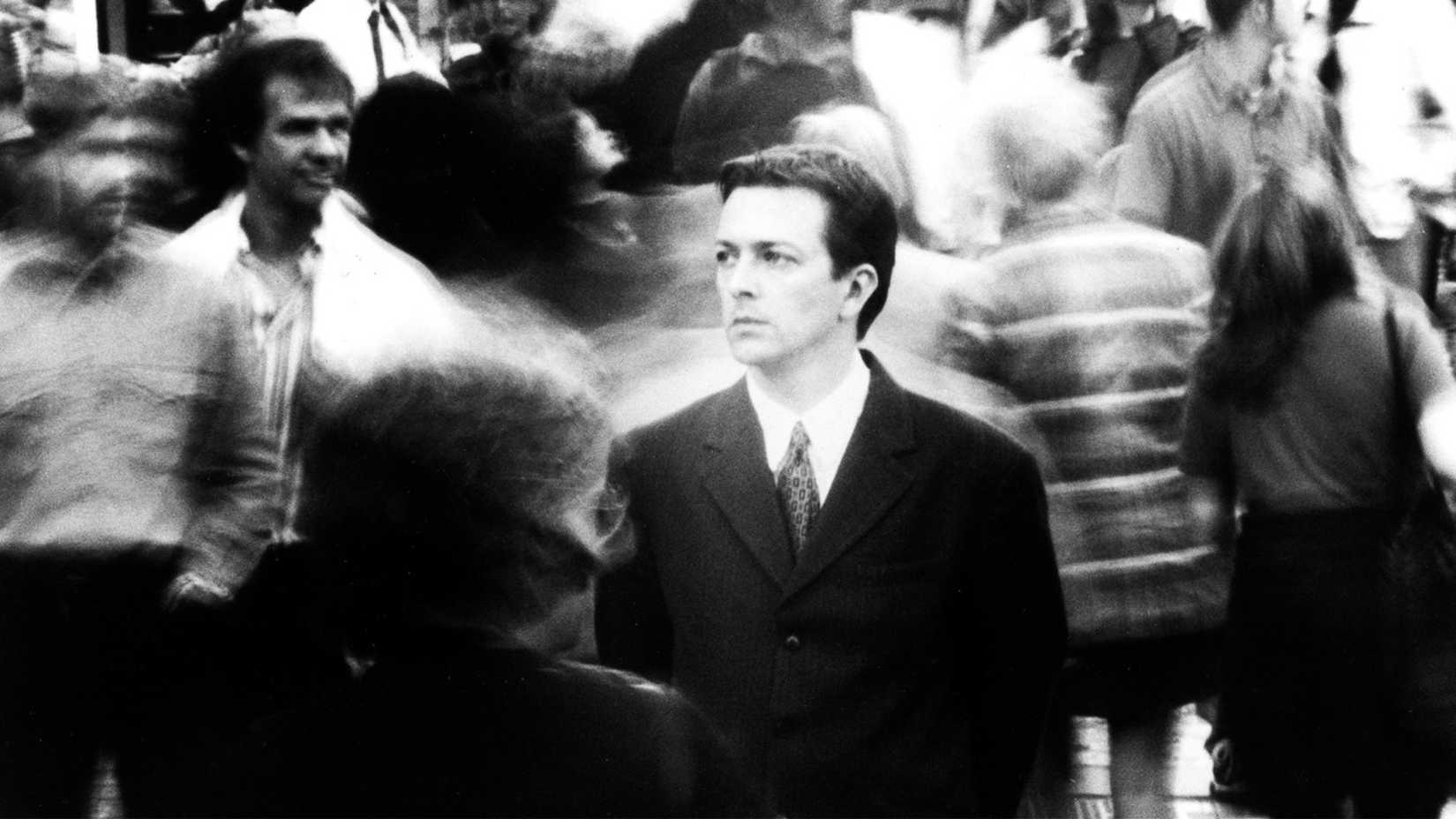
Christopher Nolan is famous for big-budget, blockbuster films, but his first movie was quite different. Following tells the story of a writer who starts following strangers to research their lives, and slowly becomes dangerously obsessed. Despite being made with very little money, the film showcases Nolan’s impressive talent.
Despite its low budget, Following is a tightly-made and compelling psychological thriller told in a non-traditional way. It’s clearly inspired by classic noir films, but feels raw and realistic because of its simplicity. At just 70 minutes long, it offers a disturbing and quick glimpse into the mind of a troubled individual, and it’s a remarkable first film from a director who has become a major voice in modern cinema.
Cure (1997)
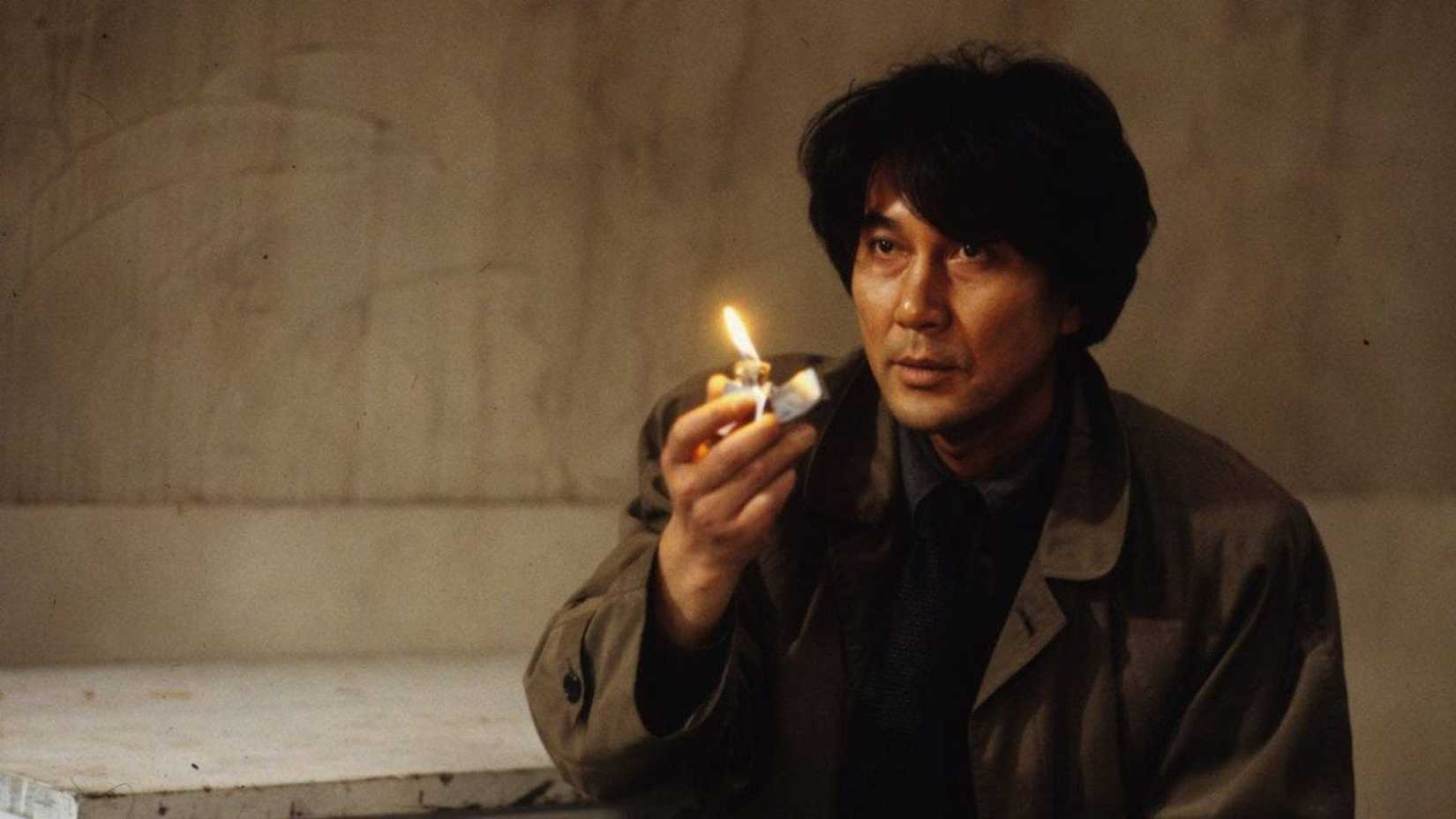
American audiences often miss out on great foreign films like Cure. This classic Japanese thriller follows a detective struggling with a series of murders and frustrating coworkers. The movie unfolds at a slow, thoughtful pace, building suspense gradually.
The movie excels at pacing, with each scene flowing seamlessly into the next, culminating in a captivating and surreal ending. It’s a thought-provoking film – both cynical and philosophical – that deeply examines the idea of justice. It’s also genuinely scary, revealing how vulnerable we all are to the violence of others, and how the system often fails to protect us.
Seconds (1966)
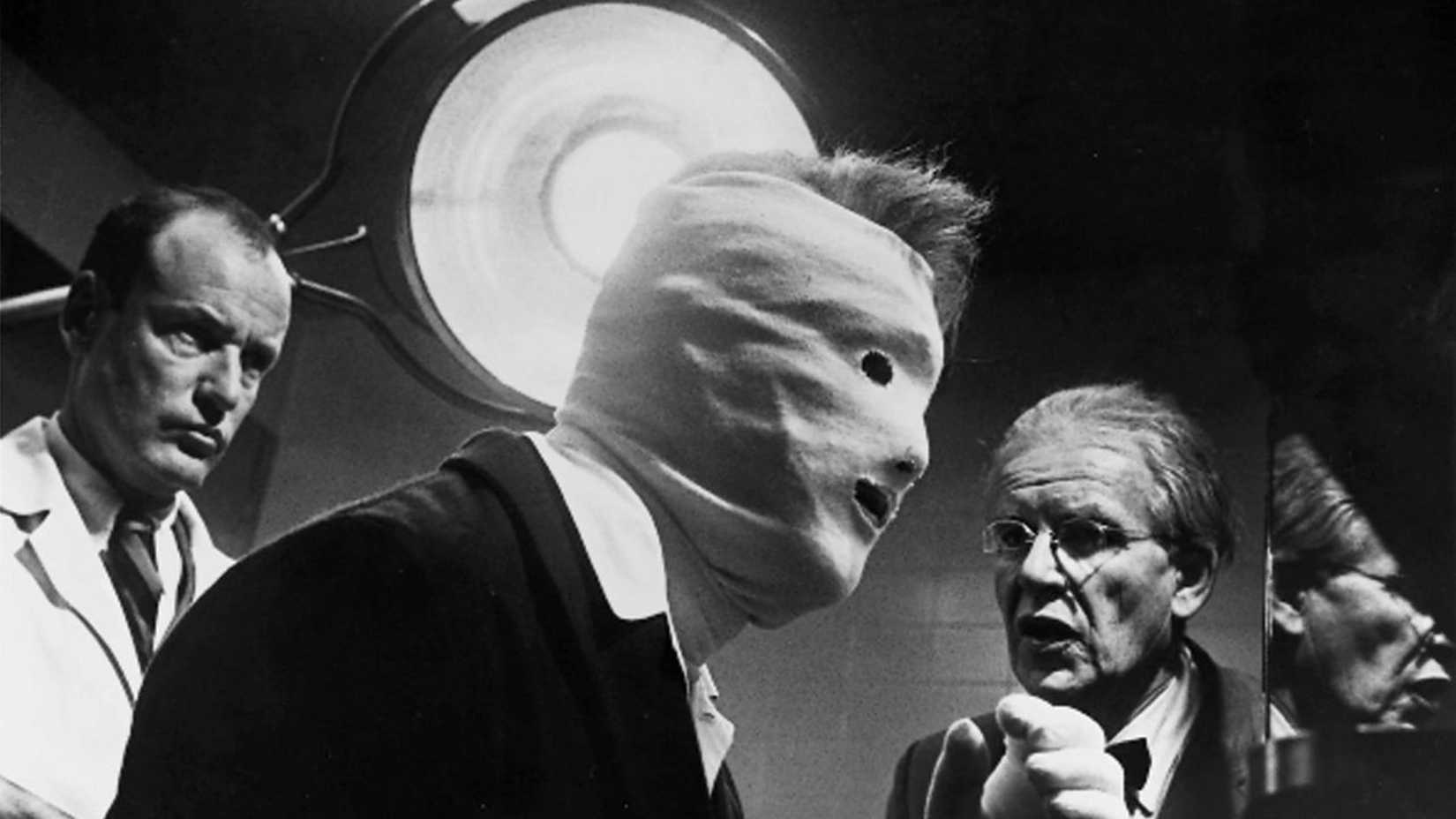
The film Seconds feels like a full-length episode of The Twilight Zone, skillfully blending a thought-provoking message with a compelling story. It centers around a dissatisfied man who gets a chance to start his life over with a unique procedure, but he soon discovers that this fresh start comes at a cost. Director John Frankenheimer masterfully combines science fiction, thriller, and horror elements into a powerful and unsettling film.
Often overlooked, Seconds is a remarkably insightful film from the 1960s. It captures the intense social changes of the time, which feel surprisingly relevant today. The movie delves into the mind of a man who’s fed up with fitting in, and powerfully illustrates what can happen when someone tries to escape a traditional life.
The Vanishing (1988)
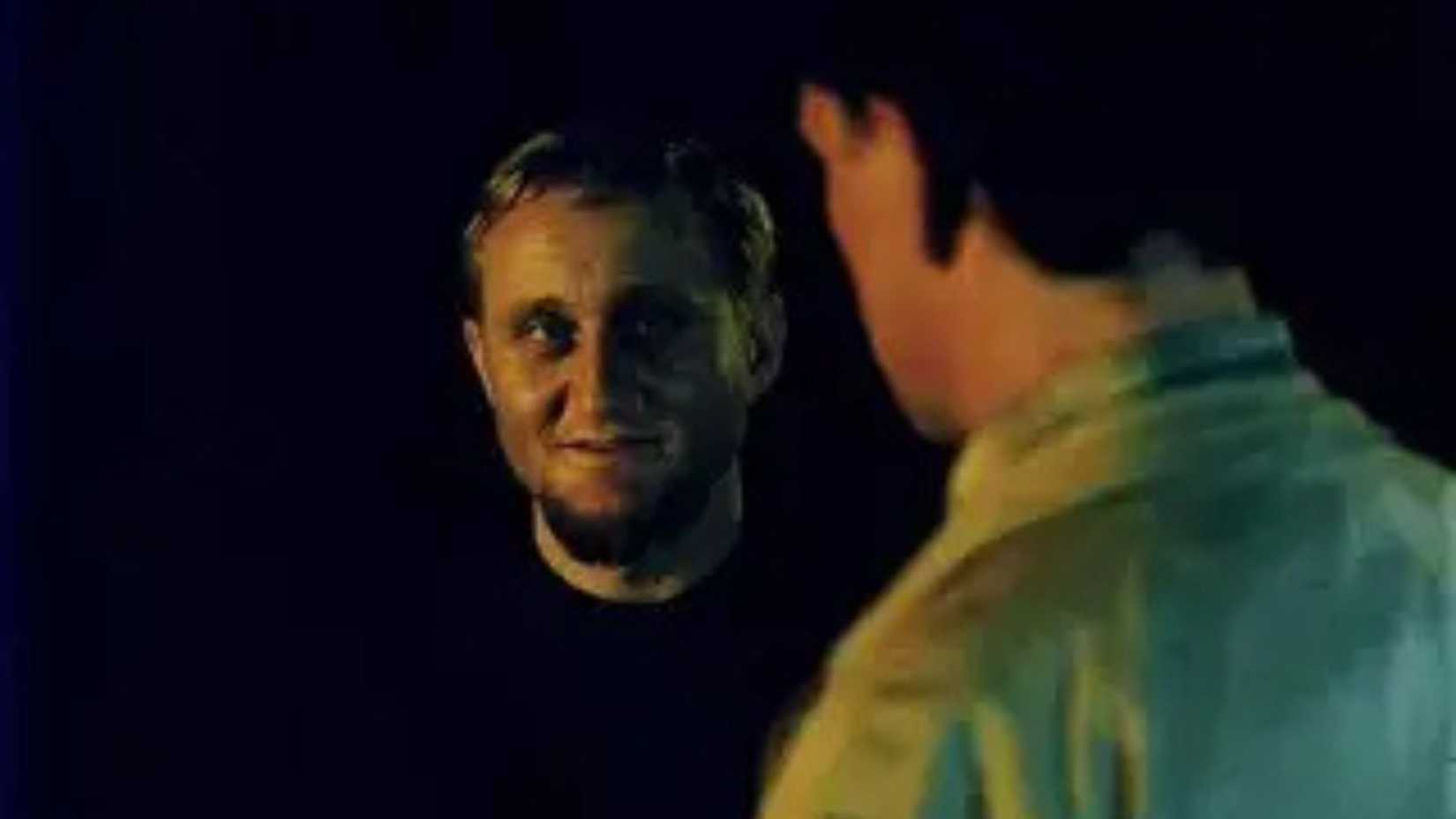
Psychological thrillers often focus on why things happen, but rarely provide truly satisfying explanations. The Vanishing is a Dutch film that tells the story of a man consumed by obsession when his girlfriend vanishes during a bike trip. Unlike many mainstream Hollywood films, The Vanishing feels disturbingly realistic.
This gripping psychological thriller makes you confront the unsettling unpredictability of everyday life and the idea that something terrible can happen at any moment. It’s a shame this excellent foreign film, The Vanishing, likely won’t receive the recognition it deserves in the U.S., even though the director, George Sluizer, later created an English-language remake that didn’t measure up.
The Conversation (1974)
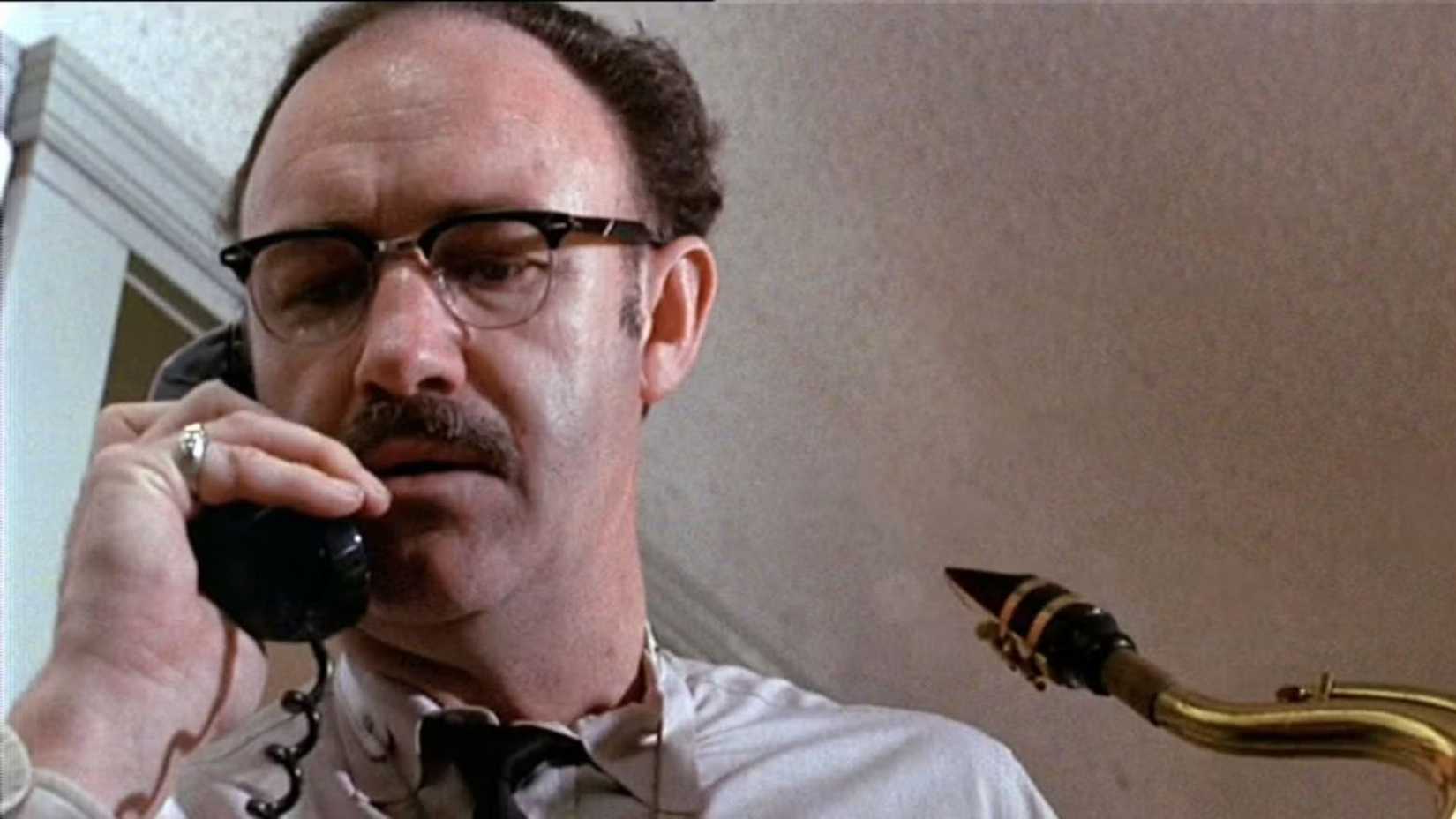
During a remarkably creative period in the 1970s, director Francis Ford Coppola made what many consider his most overlooked film, The Conversation. Starring Gene Hackman, the movie centers on a private surveillance expert who becomes convinced his work could put a couple in danger. Released during the height of the Watergate scandal, The Conversation feels strangely ahead of its time.
A constant feeling of unease and distrust hangs over every scene in the film, suggesting a future where everyone is watched. Even though The Conversation came out over 50 years ago, it’s not simply a look back at the 1970s—it’s a chilling reminder of the dangers of losing our privacy. Sadly, it often gets lost in the shadow of the Godfather movies, which were released around the same time.
Perfect Blue (1997)
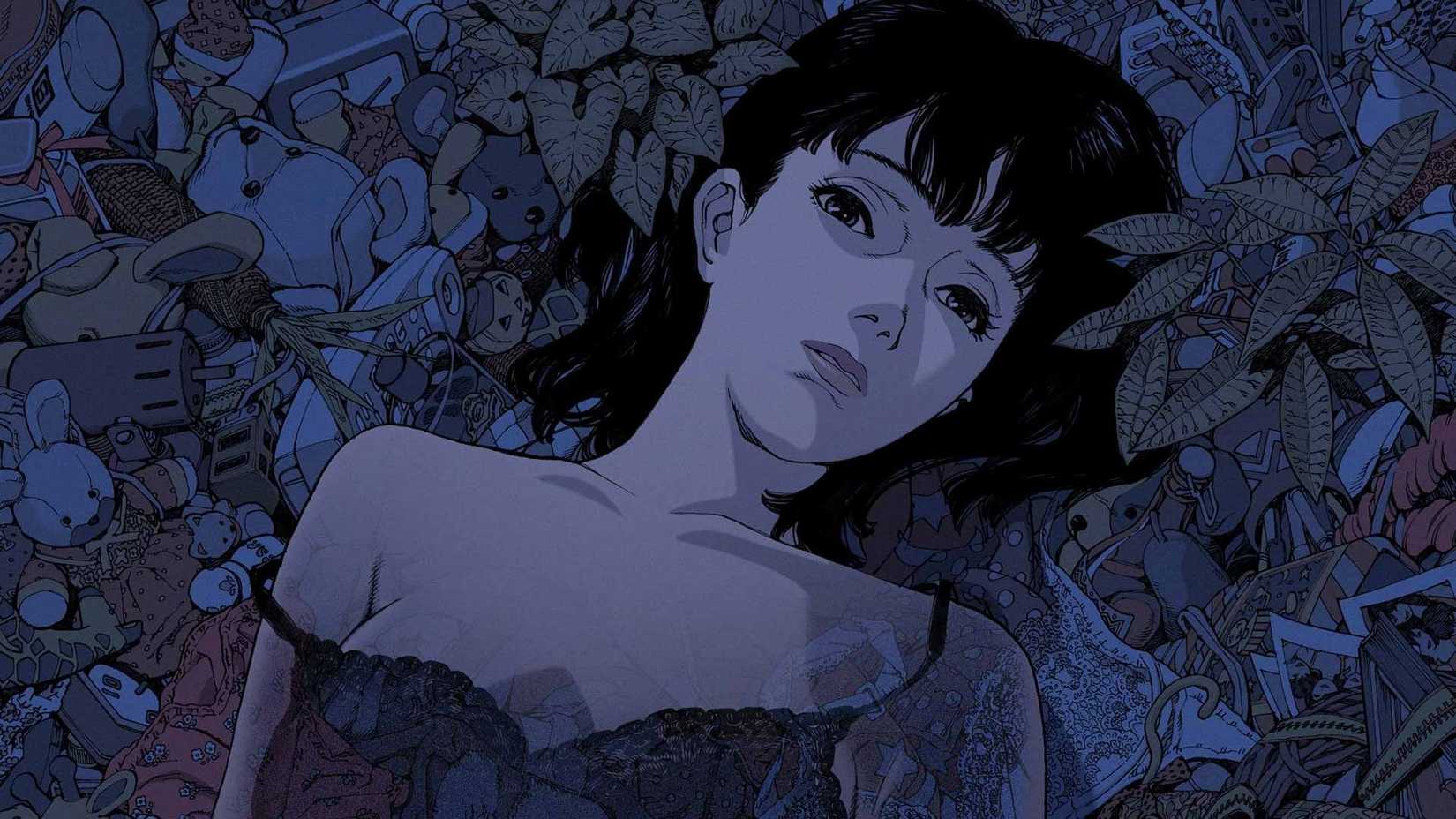
Many Western viewers don’t fully appreciate the depth animation can offer, which makes a challenging film like Perfect Blue struggle to find a wide audience. This gripping anime, directed by Satoshi Kon, is a psychological thriller about a singer who becomes an actress and finds her life blurring with the plot of a murder mystery series she’s starring in. Perfect Blue offers a critical examination of both obsessive fans and the media’s influence.
Films like Black Swan drew inspiration from the visually stunning work of Kon, influencing many Western filmmakers. Despite being animated, Perfect Blue remains a classic psychological thriller. The film’s exploration of a changing perspective leads to both beautiful imagery and disturbing concepts. Perfect Blue deserves more recognition, demonstrating that a compelling psychological thriller can be effectively told through any artistic medium.
Read More
- Gold Rate Forecast
- 10 Most Powerful Versions of Superman, Ranked
- GBP CNY PREDICTION
- 007 First Light: Release Date, Story, Gameplay, Cast, Editions, and Platforms
- Superman’s 7 Best Power-Ups, Ranked
- 10 Best Free Games on Steam in 2026, Ranked
- Forza Horizon 6 Car List So Far: Confirmed Highlights, Cover Cars, DLC, and Rewards
- DOGE PREDICTION. DOGE cryptocurrency
- 10 Greatest Wii U Games of All Time, Ranked
- What happened to Soldier Boy in The Boys?
2026-05-10 20:52