
When Rogue One: A Star Wars Story came out in 2016, it was a huge success, even though many felt there was already too much Star Wars content available. Rogue One stood out as a bold, self-contained film, set just before the events of Star Wars: A New Hope. It cleverly filled in backstory details that fans hadn’t realized were missing, and was praised by both critics and audiences.
You know, when Rogue One first came out, I really enjoyed it as this standalone, gritty war movie. But looking back now, after all the Disney+ shows and books that have expanded the Star Wars universe, it’s become so much more. What initially felt like a one-off, tragic mission is now absolutely central to the entire story. Those characters who died on Scarif aren’t just heroes who made the ultimate sacrifice anymore; we’ve gotten to know them, to see their lives and struggles through the new content. It’s like we’ve watched their stories unfold over the years, making their sacrifice even more heartbreaking and meaningful. It really connects everything now.
Over the past decade, the Star Wars universe has continually enriched the 2016 film with new details and emotional depth, from the workings of the Imperial Security Bureau to the personal struggles of Coruscant’s elite.
10) The Hidden Architects of the Rebel Alliance

In the first season of Star Wars: Andor, Luthen Rael and Kleya Marki were instrumental in building the Rebel Alliance. They took a fragmented group of rebels and turned them into a powerful, coordinated fighting force. They did this by using a network of spies and engaging in dangerous smuggling operations, which ultimately created the skilled and organized intelligence network seen in Rogue One. Their secretive work made the Rebel’s communications seem like the result of a long-term, carefully planned strategy. The fact that Kleya later ended up on Yavin 4, present during the events of both Rogue One and A New Hope, opens up exciting possibilities for future storylines.
Understanding Luthen’s actions adds a layer of complexity to the Rebel Council’s cautiousness in Rogue One. The fact that he deliberately pushed the Empire to react makes the Alliance’s worry about consequences feel more real. It also explains Cassian’s choices and why he was willing to make such a huge sacrifice. When Jyn and Cassian steal the Death Star plans, it’s not just about finishing a task—they’re fulfilling the purpose of Luthen’s entire life, a future he knew he wouldn’t live to see.
9) Galen Erso’s Scientific Sabotage

James Luceno’s novel Catalyst, published in 2016, offered a new understanding of the connection between Galen Erso and Orson Krennic, the man overseeing the Death Star’s construction. What appeared in the film as a simple rivalry between hero and villain is revealed to be a decades-long friendship corrupted by Krennic’s manipulation. The novel shows Galen wasn’t simply a prisoner forced to work; he was a peaceful man whose incredible skills were exploited through deceit and psychological tactics employed by Krennic during the Clone Wars.
Knowing Galen’s history makes his decision to secretly include a weakness in the Death Star feel earned, not just like a lucky break in the story. By the time we meet him on Eadu in Rogue One, we understand the decades of regret he’s carried for unintentionally helping the Empire. Every scene with Jyn is then filled with the sadness of a father quietly trying to make amends for his past.
8) The Spiritual Endurance of the Whills

I always loved how Chirrut Îmwe and Baze Malbus felt so different in Rogue One – they brought this beautiful, spiritual element to a movie that was otherwise so gritty and focused on war. And it’s been amazing to learn more about them since! Through books like Guardians of the Whills and various comics, we’ve really gotten to understand their history, the sacred city of Jedha, and the ancient faith they belonged to. It’s changed how I see them – they’re not just interesting characters anymore, but feel like the last, fragile hope of something truly special that the Empire desperately tried to destroy.
The new book released as part of the High Republic series, set centuries before the Skywalker Saga, reveals the history of the Guardians of the Whills and the city of Jedha. It shows how Jedha was manipulated by those who opposed the Jedi. This backstory adds a deeper sense of sadness to the repeated destruction of Jedha City, especially knowing what happened to the Temple of the Kyber and the Guardians. When Chirrut sacrifices himself on Scarif, it’s more than just a selfless act; it demonstrates that the Force can’t be destroyed by the Empire. His death symbolizes the enduring power of faith and spirit in a galaxy dominated by technology and war.
7) The Inevitability of the Death Star

Shows like Star Wars: The Bad Batch offered a chilling look at the Empire’s beginnings, focusing on the experiences of clone troopers. The series revealed how a project called “War-Mantle” secretly laid the groundwork for the Death Star. It’s well-known the Empire was ruthless, willing to dominate and suppress cities to protect its technology. However, seeing this widespread cruelty makes the destruction of entire planets in Rogue One feel less like a one-time event and more like a predictable outcome of the Empire’s nature.
Considering the bigger picture, the Rebel Alliance’s fight against the Empire appears even more hopeless. Star Wars: Andor powerfully illustrates how readily lives were lost and planets were exploited during the construction of the Death Star, as shown in the devastating Ghorman Massacre. The full horror of the Death Star becomes clear when you realize it was built at the cost of countless worlds and innocent lives, a reality that’s become even more apparent since the original movie came out.
6) Saw Gerrera’s Radicalization

As a huge Star Wars fan, I’ve always been fascinated by Saw Gerrera. He initially seemed like a pretty standard extremist in Rogue One, but learning his backstory through The Clone Wars, Star Wars Rebels, and especially Andor completely changed how I see him. Seeing him start as a hopeful freedom fighter on Onderon in The Clone Wars and then watching his slow, agonizing descent into someone obsessed with winning at any cost is heartbreaking. Both Rebels and Andor—which take place around the same time, just before A New Hope—really show how he lost his humanity, his physical health, and the support of his friends. It’s not just hinted at anymore, like in the movie; his strained relationship with Mon Mothma and the broader Rebellion is a major, years-long conflict that’s been powerfully explored.
Saw’s decision to remain on Jedha as the city is destroyed by the superlaser feels much more impactful now than it did when the movie first came out. Knowing his backstory, and seeing how he evolved from a young idealist, his final act – accepting that he’d become what he always fought against – is deeply moving. His death isn’t just a tragic ending, but a powerful illustration of how war can erode even the most well-intentioned people, even before any battles are fought.
5) Narkina 5’s Industrial Cruelty and True Intention

Season one of Andor revealed a haunting connection to the 2016 film Rogue One: Cassian Andor unknowingly helped create the very weapon that would ultimately cause his death. The storyline on the Narkina 5 prison planet showed that the prisoners were building parts for the Death Star’s main weapon. This tragic irony adds a new depth to Cassian’s story that wasn’t present in the original movie.
Whenever Cassian sees the Death Star in Rogue One, it instantly brings to mind the brutal, exhausting work he and others were forced to do building it. He wasn’t simply a spy trying to destroy a weapon; he was someone who suffered while making that weapon, building the very thing that would eventually kill him. This realization makes his final mission to Scarif deeply personal – a way to regain control, avenge his friends, and finally strike back at those who imprisoned him.
4) The High Price of Mon Mothma’s Defiance
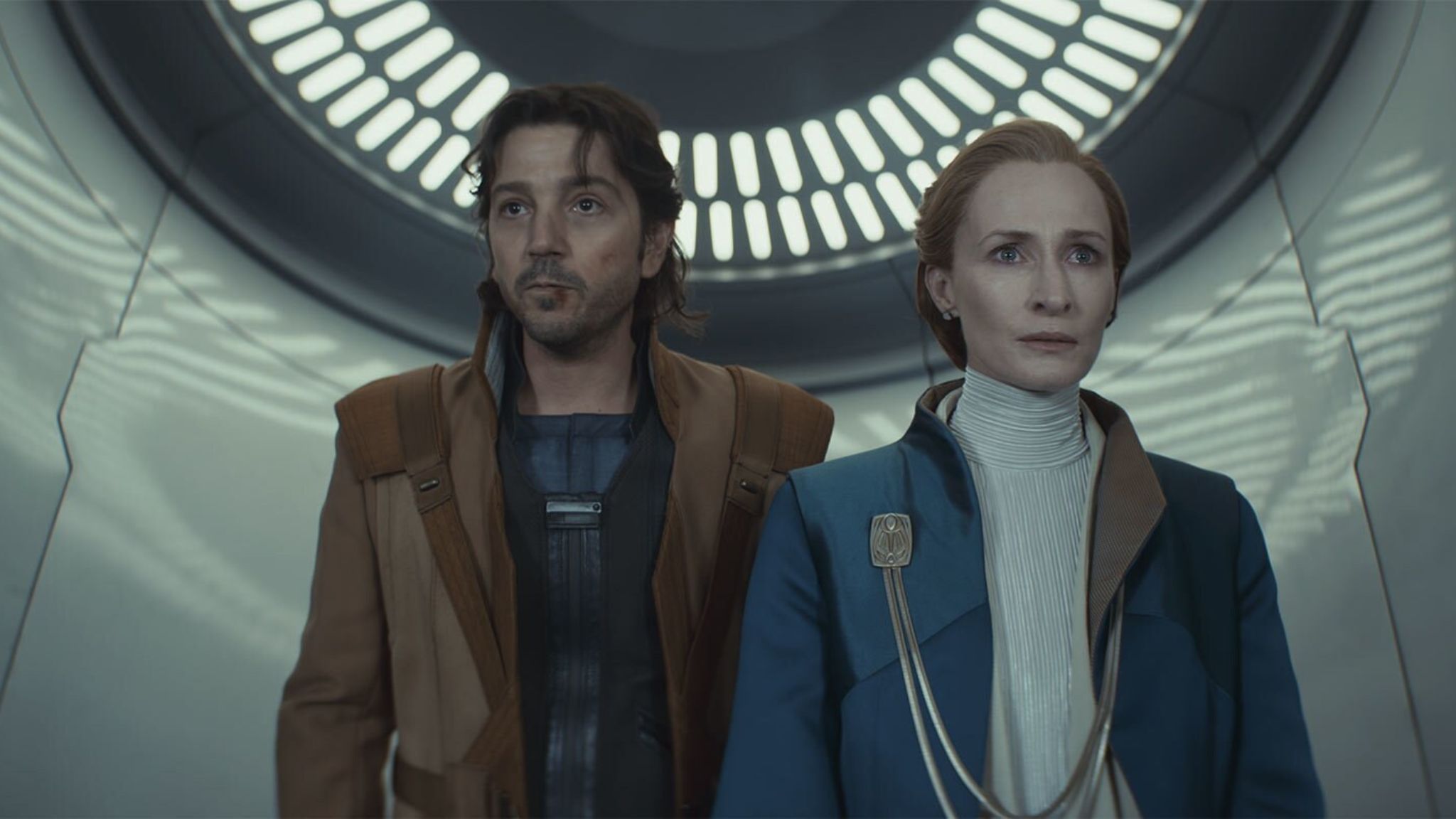
I used to think of Mon Mothma as just a stern face giving orders, but Andor completely changed that for me. It gave her a real life, a family, and then showed the heartbreaking choices she had to make for the Rebellion. Honestly, every scene where she’s maneuvering through the political minefield of Coruscant was gripping. She was constantly walking a tightrope, even pretending to uphold Chandrilian traditions just to protect her daughter and hide where her true loyalties lay. But the moment that really stuck with me – the speech she gave after the Ghorman Massacre, condemning Palpatine and risking everything to fund the early Rebellion – is easily one of the most powerful scenes in all of Star Wars. It was brave, scathing, and just… unforgettable.
Jyn Erso’s calm exterior in Rogue One now feels like a facade, concealing years of hidden grief and the weight of difficult choices she had to make. This added understanding of her character and her connection with Cassian makes the scenes with the Rebel Council much more impactful. Knowing what she sacrificed to get those leaders together, her presence among the arguing senators and generals carries a new weight. Her subdued anxiety when Jyn proposes the Scarif mission is now even more poignant, as we realize she’s already lost everything she cherished in her pursuit of a single, desperate chance for hope.
3) The Terrifying Face of Imperial Bureaucracy
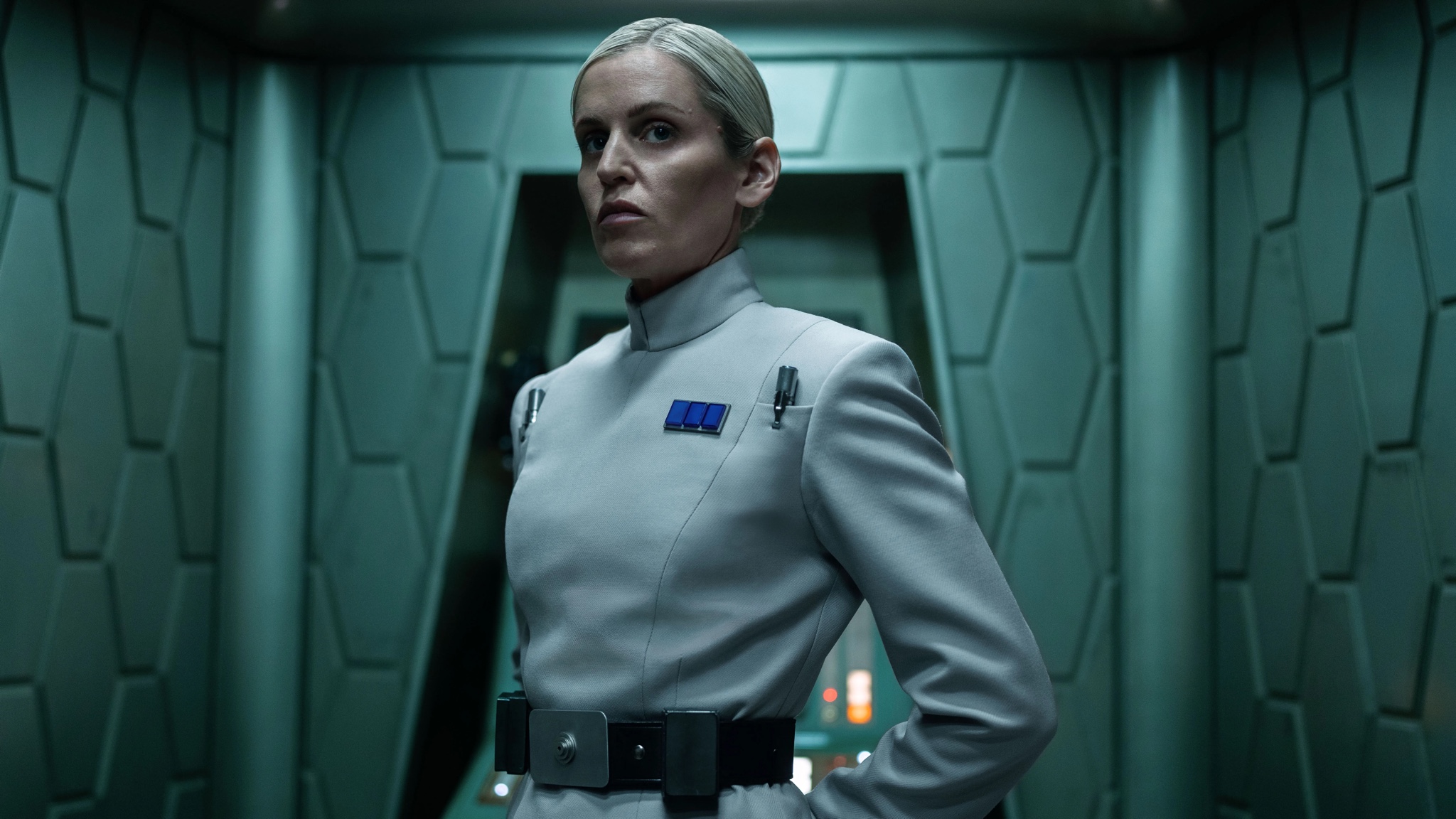
Before the series Andor, the Empire in Star Wars felt like an unstoppable force of soldiers and dark side users. But Andor showed a different side, focusing on the ordinary people who kept the Empire running. It revealed that the Empire’s power came not just from its military, but from the everyday work of bureaucrats, the competition between departments, and the effectiveness of its surveillance systems.
Understanding how the Imperial Security Bureau operates adds depth to the spy aspects of Rogue One. When Cassian talks about fighting since childhood, we can now picture his difficult past – his struggles with Syril and his escapes from worlds like Kenari, Ferrix, Aldhani, Mina-Rau, Ghorman, and Corusant – all leading him to Scarif. The mission isn’t just about stealing plans; it’s about destroying a system that monitors everyone’s every move.
2) K-2SO’s Tragic Rebirth
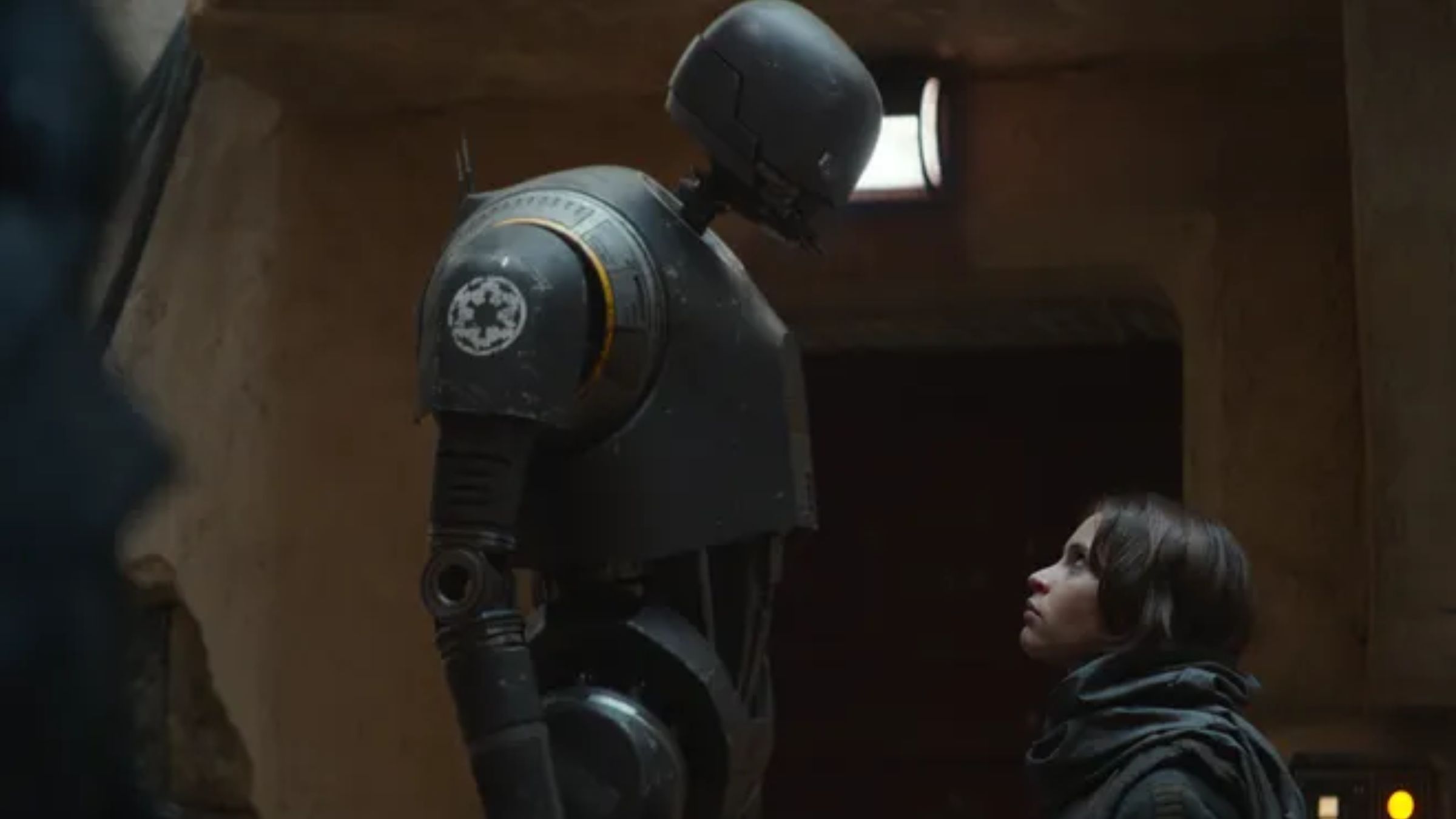
Season 2 of Andor finally explained the backstory of K-2SO, the galaxy’s famously sarcastic droid, and it was surprisingly grim. He began as a cold-blooded Imperial enforcer, used to commit atrocities during the Ghorman Massacre, before Cassian found and reprogrammed him. This shared history gives their relationship a powerful, tragic beauty, showing that it’s founded not just on practicality, but on Cassian’s conviction that everyone deserves a second chance.
Knowing K-2SO’s history makes his last stand at the Scarif vault incredibly moving. We understand his loyalty wasn’t just built in—Cassian carefully reprogrammed him, and they bonded through difficult experiences. So, K-2SO’s sacrifice isn’t just a machine being turned off; it’s the loss of Cassian’s closest, most devoted friend, a friend who represented everything against being a mindless robot.
1) The Long Path to Cassian’s Last Stand
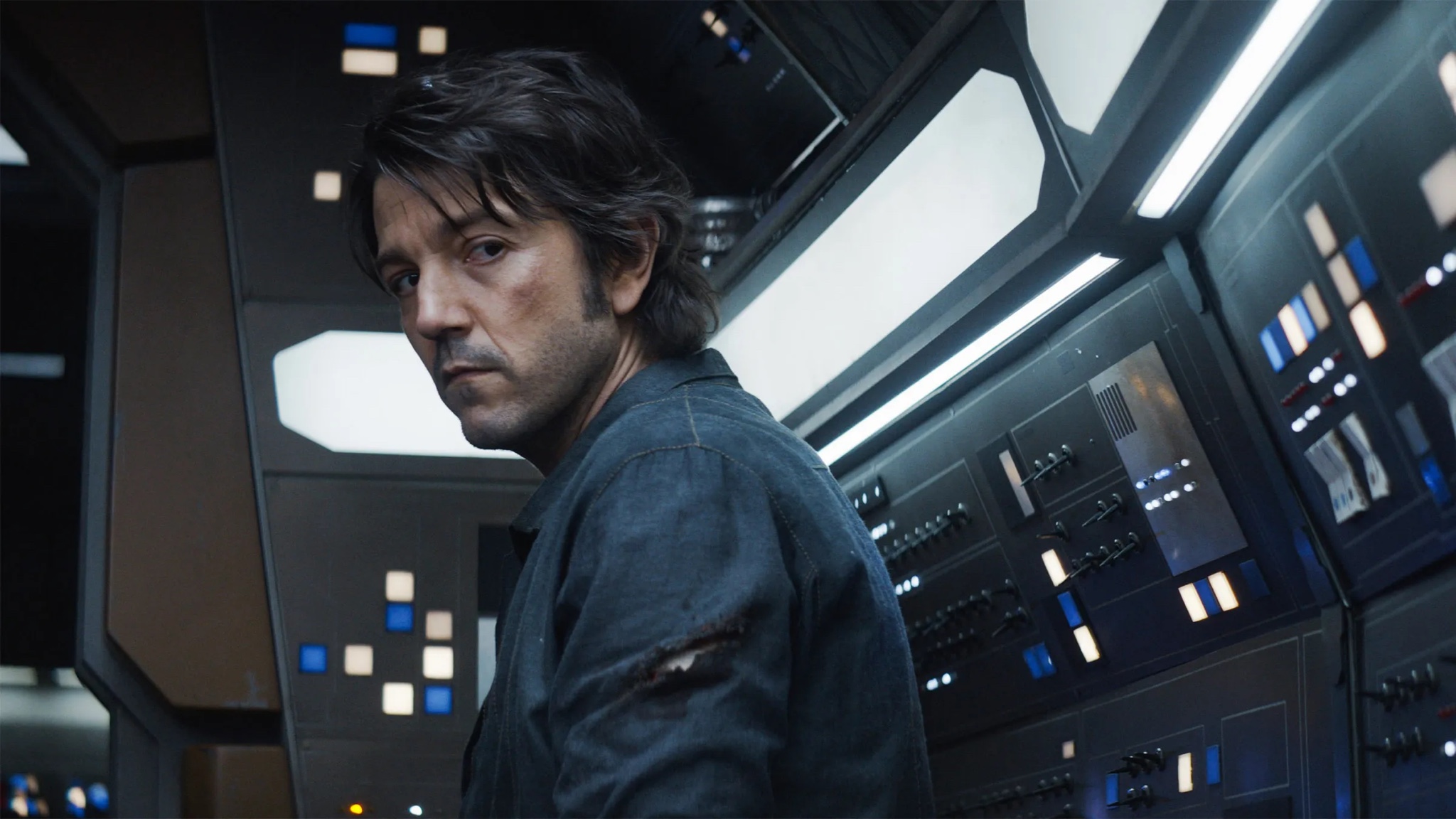
What truly makes Rogue One special, and what Andor brilliantly expands upon, is the character of Cassian. Over two seasons (spanning five years within the story), Andor shows his incredible development – from a hardened survivor focused only on himself, to a dedicated rebel fighting for a cause. We witness his hardships, his errors in judgment, and the gradual realization of what’s right, making his heroic actions feel genuine and well-deserved.
When Cassian tells Jyn his life is defined by their struggle, it’s a heartbreaking statement filled with the loss he’s experienced – friends he’s mourned, relationships he’s sacrificed, and the family he’ll never have. Their quiet moment together on the beach as everything falls apart isn’t just a sad ending; it’s the result of ten years of watching him grow as a character. Because we’ve followed his journey for so long, his death feels especially impactful, making their victory over the Empire both triumphant and deeply sorrowful.
What do you think? Leave a comment below and join the conversation now in the ComicBook Forum!
Read More
- Gold Rate Forecast
- Every Creepy Clown in American Horror Story Ranked
- 22 actors who were almost James Bond – and why they missed out on playing 007
- Hazbin Hotel Secretly Suggests Vox Helped Create One of the Most Infamous Cults in History
- Chill with You: Lo-Fi Story launches November 17
- Kingdom Come: Deliverance 2 – Legacy of the Forge DLC Review – Cozy Crafting
- Arknights: Endfield – Everything You Need to Know Before You Jump In
- Jack Osbourne Shares Heartbreaking Tribute to Late Dad Ozzy Osbourne
- Best X-Men Movies (September 2025)
- As Dougal and friends turn 60, Radio Times explores the magic behind The Magic Roundabout
2025-12-30 16:13