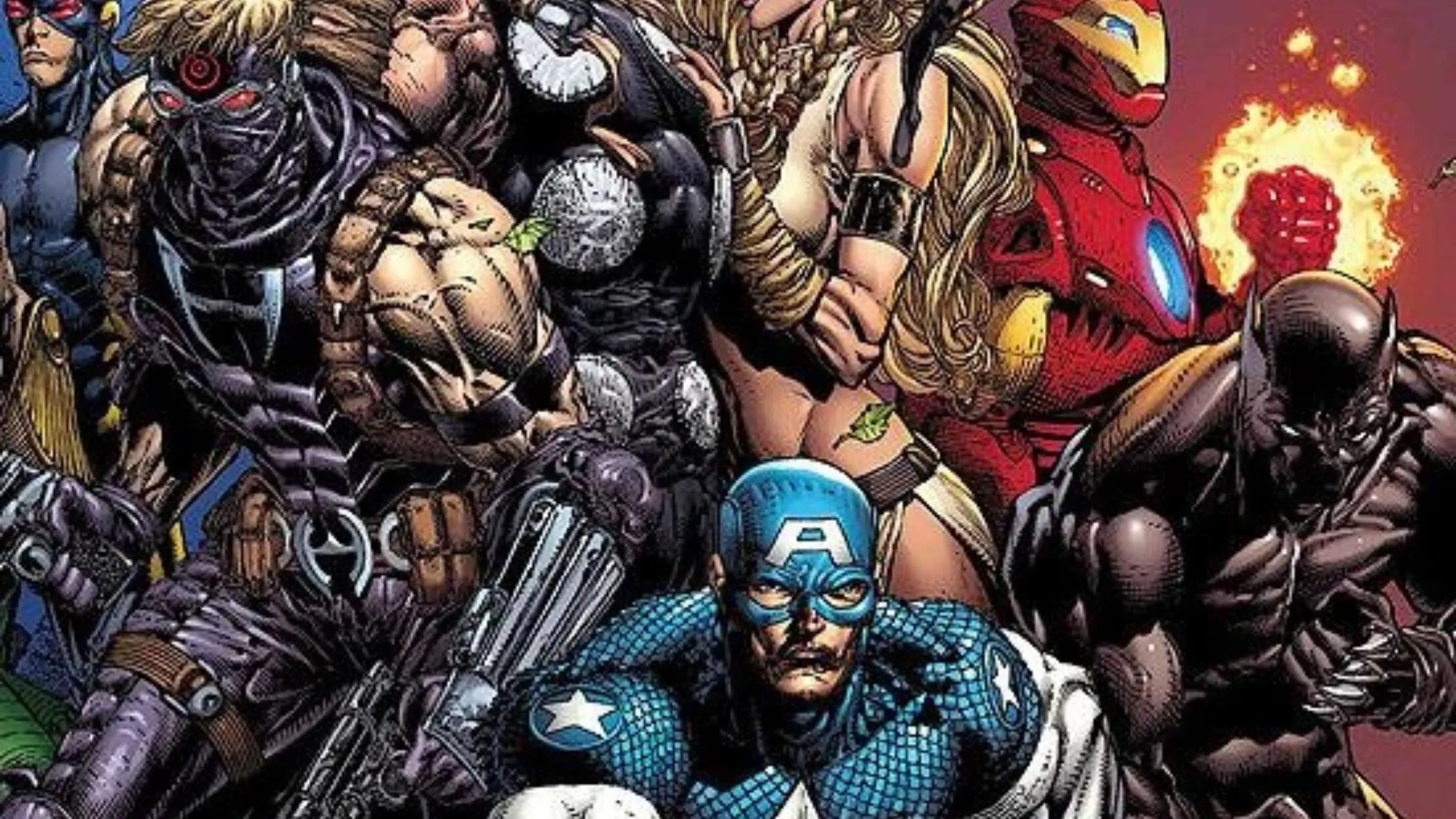
Marvel Comics increasingly depends on big events to drive stories. In 2025, several events are planned, including One World Under Doom, Imperial, and Age of Revelation. However, when Marvel attempts too many crossover events simultaneously, not all of them succeed, and some have been complete failures. There have even been poorly received event series that a few fans liked, but ultimately didn’t perform as well as Marvel Comics intended. The issue isn’t just tiring out readers with constant events; it also pressures creative teams to constantly create events that are bigger and better than the last, and not every idea is successful.
Here’s a look at some of the most negatively impactful events in Marvel history, ranging from follow-up television series to major Marvel Comics storylines that had lasting, unfavorable consequences.
10) House of M
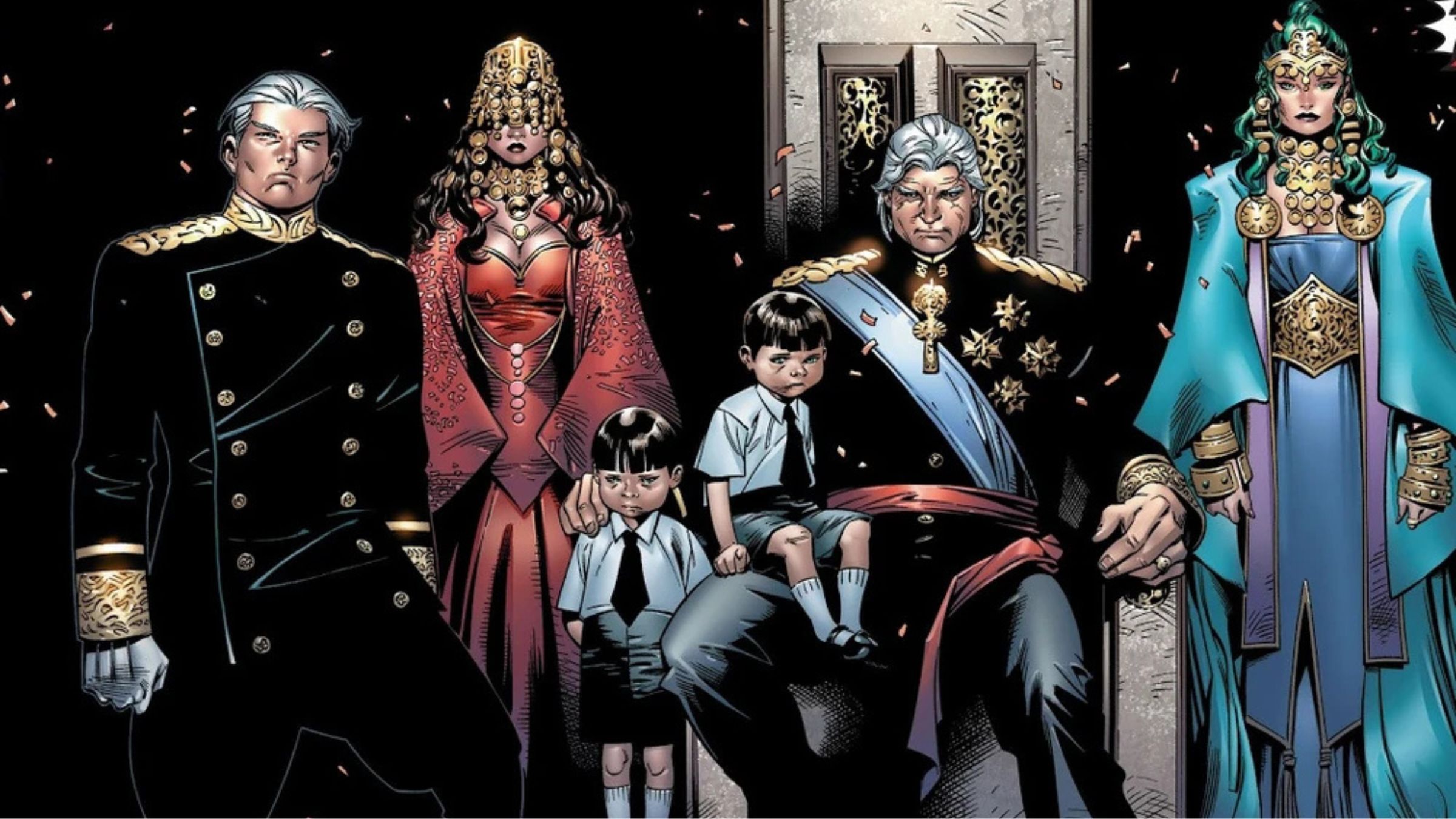
Many fans recall House of M as a pivotal moment that reshaped the mutant landscape in Marvel Comics, but it’s easy to forget that the story itself wasn’t particularly well-executed. Brian Michael Bendis and Olivier Coipel faced a significant challenge, and although the event was important, it simply wasn’t very engaging to read. Notably, this series is remembered as a turning point that unfairly tarnished the reputation of the Scarlet Witch.
Wanda needed years to heal from the events Marvel created for her, both in this storyline and in Avengers Disassembled. House of M also undermined the progress Grant Morrison had made in developing the X-Men, almost wiping out the entire mutant population. But perhaps its biggest flaw was the lack of detailed world-building, and the story itself was largely unengaging. The entire arc spanned seven issues, with only one containing significant action.
9) Secret Wars 2

The initial Secret Wars event was a major turning point for Marvel. A powerful being called the Beyonder abducted Earth’s heroes and villains and forced them to fight each other, with the promise of granting any wish to the victor. This event significantly impacted Marvel Comics, notably altering the Fantastic Four’s team roster and giving Spider-Man the symbiote that would become Venom, among other changes.
Marvel was thrilled with how well the first miniseries did, so they made a sequel called Secret Wars 2. Unfortunately, it didn’t live up to expectations. The character Beyonder came back, sporting a very 80s white suit, and attempted to understand Earth’s heroes better. The series lasted nine issues, but didn’t offer much of a compelling story. Despite this, fans felt obligated to buy nearly every Marvel comic published – a total of 22 different titles – to make sure they didn’t miss any part of the plot.
8) Age of Ultron

The biggest problem with Marvel’s Age of Ultron event is that Ultron himself isn’t actually in it much. Instead, Ultron ends up destroying civilization to *save* it, and then the surviving heroes have to try and fix things by going back in time. Sound familiar? It’s because Days of Future Past covered similar ground, and did it more effectively in a shorter number of issues.
Rather than Kitty Pryde traveling back in time to prevent an assassination, like in the plot of Age of Ultron, this story features Wolverine going back to eliminate Hank Pym, hoping to prevent Ultron’s creation. However, his actions unintentionally lead to yet another devastating future. While it’s a strong story concept, it unfortunately doesn’t maintain a compelling narrative throughout. As previously noted, similar ideas have been explored in X-Men comics, and those versions were more effectively executed.
7) Civil War II

The initial Civil War storyline faced several issues, most notably its damaging portrayal of Iron Man, a hero who previously embodied admirable principles. It also negatively depicted Reed Richards and Hank Pym, even though these characters were already struggling with personal flaws. However, Civil War II proved to be even more problematic. The narrative draws inspiration from Philip K. Dick’s Minority Report, centering on an Inhuman with precognitive abilities whose visions lead Carol Danvers to preemptively arrest individuals suspected of future crimes, with the goal of averting potential disasters.
Iron Man stood against oppressive rule in this storyline. The plot then focused on Miles Morales, making him the target of Carol Danvers’ arrest, despite the fact that any follower of Marvel Comics knew he would never harm Captain America. Ultimately, Iron Man was depicted as “dead,” and the U.S. government praised Carol Danvers for both initiating and “winning” this conflict. The entire sequence of events was deeply flawed and unsatisfying.
6) Onslaught/Heroes Reborn

Onslaught presented a unique idea: it combined the minds of Professor Charles Xavier and Magneto after Magneto suppressed Xavier’s mental abilities. This created a being far more powerful than anyone else in the Marvel Universe, requiring all of Earth’s heroes to confront it. Despite the combined efforts of teams like the Fantastic Four, the Avengers, the X-Men, and individuals such as Spider-Man and the Hulk, they were unable to defeat Onslaught, leading to the apparent destruction of the entire universe.
What truly made this a disappointing Marvel event was its decision to relaunch Avengers, Fantastic Four, and Hulk with a fresh start in a new setting. This involved bringing in creative teams such as Rob Liefeld and Jim Lee, who were previously known for their work at Image Comics. However, both creators were taken off the titles within a year, and Marvel ultimately reversed the changes, acknowledging it had been a misstep.
5) Fear Itself
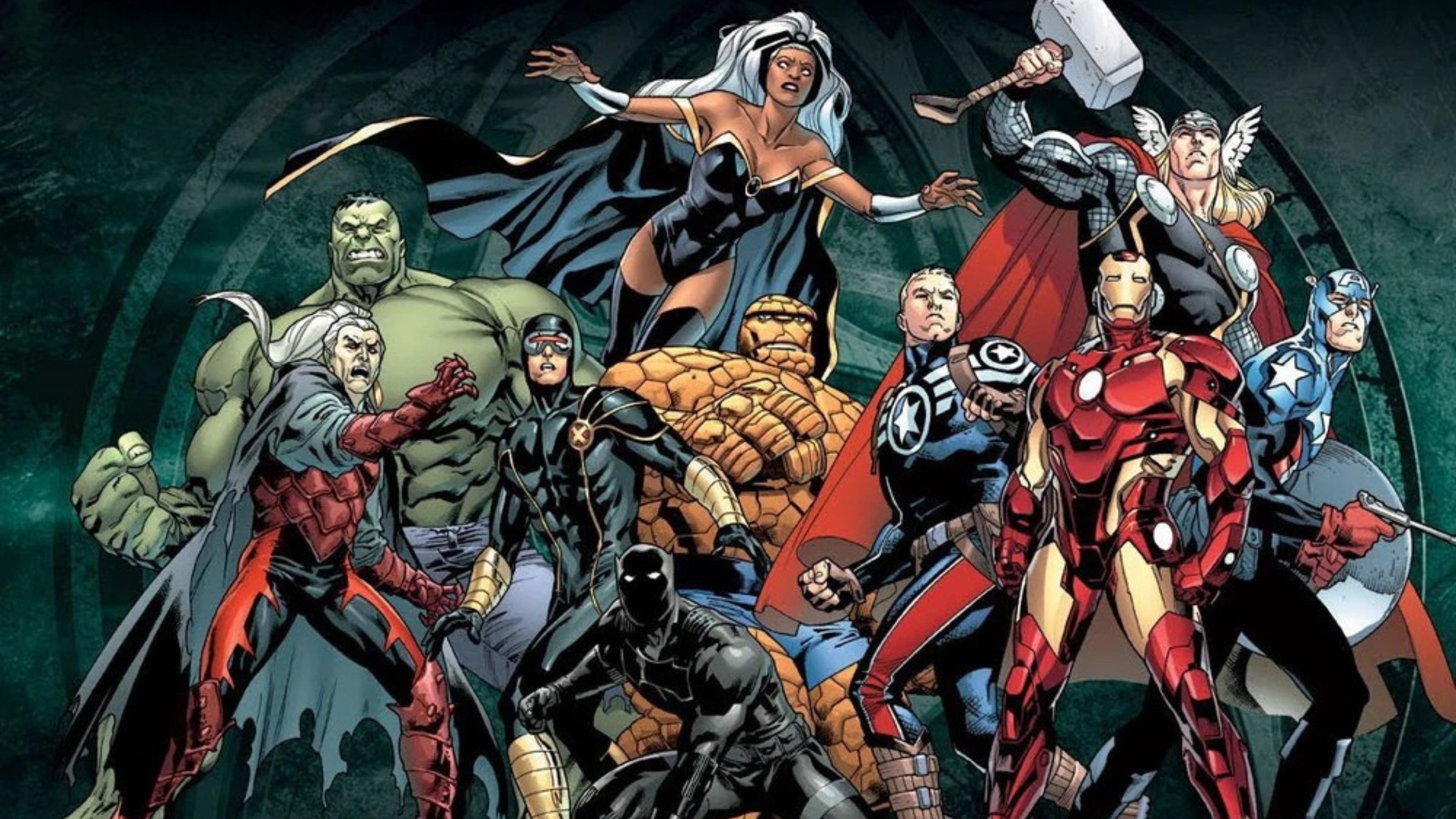
Fear Itself seemed like it could have been really good, starting with a compelling story and a lot of potential. The idea behind it was fantastic, and Stuart Immonen’s artwork was truly stunning. However, even though Matt Fraction is usually a skilled writer, he didn’t quite deliver here. A significant issue was the introduction of a completely new character – Odin’s brother – who readers hadn’t encountered before.
He provides seven hammers, each resembling Mjolnir, to various villains, causing widespread chaos. Fortunately, Iron Man discovers a way to forge weapons for the heroes using Uru, and that’s essentially the plot. The series only lasts seven issues, which is a plus, but it didn’t have any significant or lasting impact on the Marvel Universe and felt ultimately unimportant. The biggest problem with it is simply that it’s easily forgettable.
4) The Clone Saga
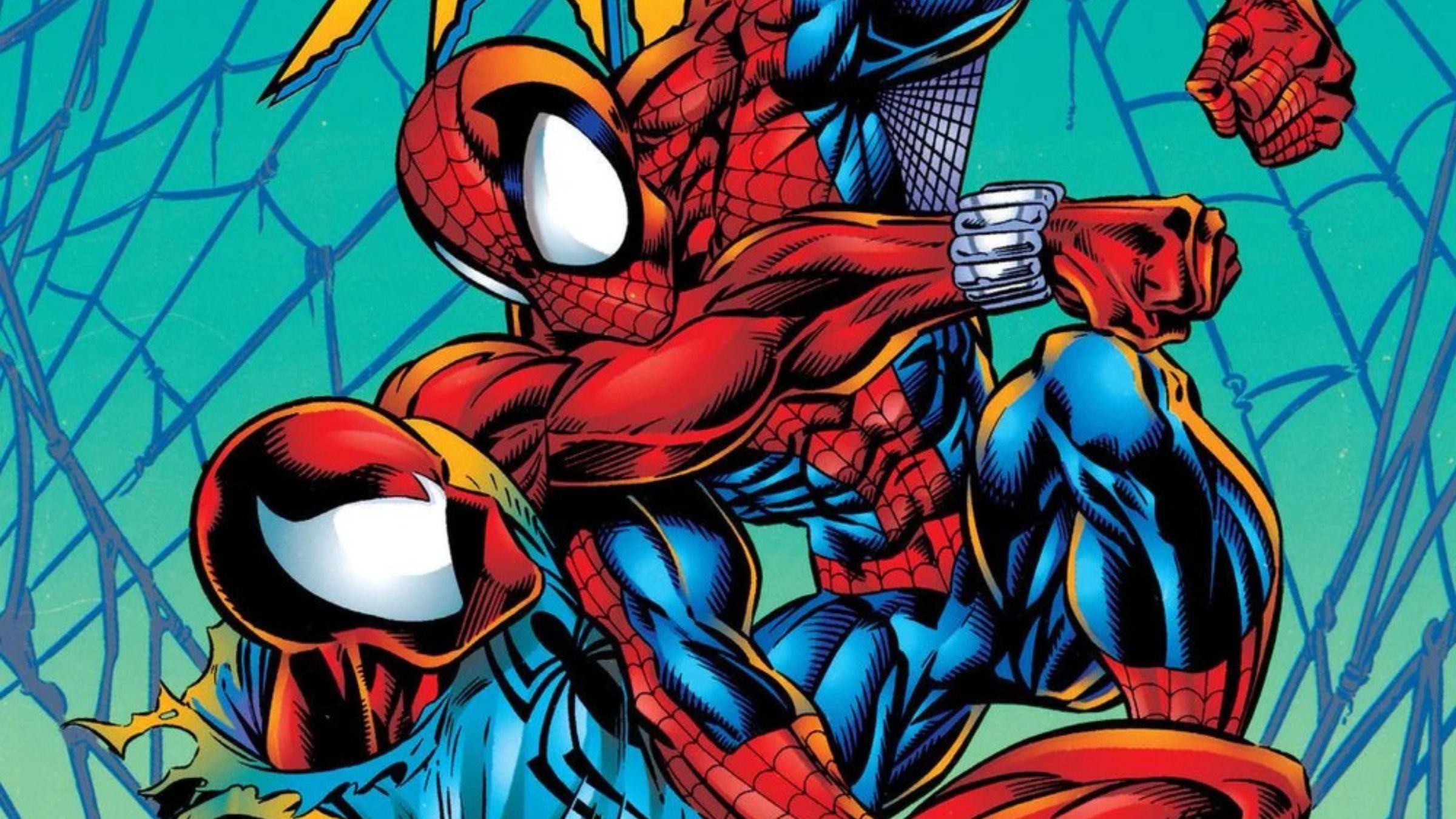
The Clone Saga was long seen as the low point for Marvel Comics events. It dragged on for an excessive amount of time, was incredibly convoluted, and left many fans feeling like they’d spent two years reading Spider-Man comics that didn’t matter. The Jackal first made a failed clone of Peter Parker, who went by the name Kaine and managed to get away. He then created another clone who took Peter’s place, leading Peter to believe he was the copy (both clones actually shared the same memories).
It was revealed that the Peter Parker who departed was the genuine article, and the one who’d been Spider-Man for the past two years was actually a clone, who would eventually become known as Ben Reilly. The initial clone storyline appeared in Amazing Spider-Man #149 back in 1975. The Clone Saga was then revisited in 1994. The saga spanned 125 issues, and by the time it concluded, many fans were exhausted with the entire Spider-Man comic book series.
3) Inhumans vs. X-Men

Avengers vs. X-Men was a complex storyline where both teams acted irrationally, leading to conflict. It’s remembered for introducing the Phoenix Five and, tragically, Cyclops killing Professor X. However, Inhumans vs. X-Men is largely considered a failure. The main purpose of this event seemed to be promoting the Inhumans, as Marvel was looking for a new group to feature in place of the mutants, because of issues with the film rights held by Fox.
The most frustrating thing about this series was that the conflict could have been avoided if the two groups simply communicated. Instead, both sides escalated things unnecessarily, and beloved characters like Storm felt out of character. Another issue was the Inhumans’ release of the Terrigen Cloud, which threatened all mutants, and the story unfairly portrayed the X-Men as the antagonists. Ultimately, the strength of the Inhumans lies with its Royal Family, but the attempt to massively expand the Inhuman population at the expense of the mutants was not well-received by fans, who disliked the abrupt change.
2) Ultimatum
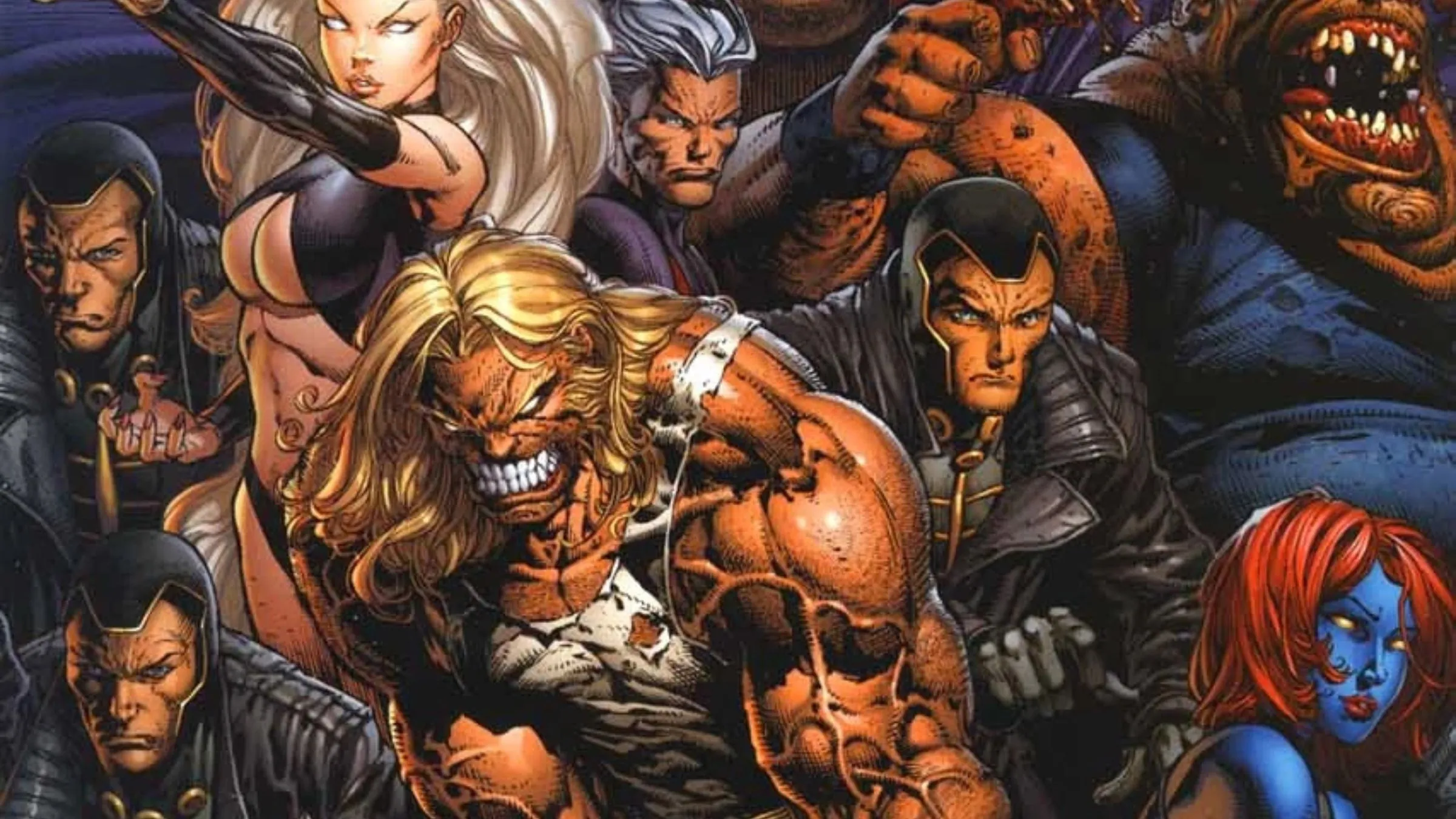
The Ultimatum storyline is often cited as the point where Ultimate Marvel Comics lost favor with many fans. The appeal of the Ultimate Universe was its fresh, contemporary takes on Marvel characters, set within a more grounded and realistic world. In the beginning, character deaths felt permanent – resurrections weren’t common (though they would happen later on). The stories were also notably more intense and violent.
However, Ultimatum’s most significant flaw was how ridiculously over-the-top it was, taking things in the wrong direction. For example, Magneto killed Professor X by breaking his neck. Quicksilver and Scarlet Witch had an inappropriate relationship that ultimately led to her death. The Blob devoured the Wasp, prompting Hank Pym to bite the Blob’s head off. Despite all this, the Ultimatum event was followed by some excellent stories in the Ultimate Universe – which is remarkable considering how bad Ultimatum itself was.
1) One More Day

The most damaging storyline in Marvel Comics wasn’t a large team-up event, but rather a story focused on Spider-Man. One More Day demonstrates that the people in charge at Marvel Comics, the editors and writers, seemed to have little regard for Peter Parker. This happened during the initial Civil War event, when Spider-Man, for reasons that remain unclear, sided with Iron Man and publicly revealed his secret identity.
Peter wanted to leave the superhero life, and Iron Man reacted angrily, portraying him as the bad guy for no longer following his lead. This conflict escalated to a point where someone tried to kill Aunt May, and a bullet actually hit her. The events that followed were unbelievable. To save May’s life, Peter and Mary Jane made a desperate deal with Mephisto, essentially rewriting their history – they erased all memories and evidence of ever being married. Brand New Day signaled the start of Peter’s fresh start, but fans have strongly disliked this storyline from the beginning.
What do you think? Leave a comment below and join the conversation now in the ComicBook Forum!
Read More
- What Song Is In The New Supergirl Trailer (& What It Means For The DC Movie)
- Why is Tech Jacket gender-swapped in Invincible season 4 and who voices her?
- TV legend Carol Kirkwood reveals the reasons why she decided to retire after 28 years with BBC
- Dune 3 Gets the Huge Update Fans Have Been Waiting For
- Highly Anticipated Strategy RPG Finally Sets Release Date (And It’s Soon)
- How Blake Lively & Ryan Reynolds’ Kids Pranked Her on April Fool’s Day
- Kanye West’s Wife Bianca Censori Details New Marriage Milestone
- 49 Years Ago Today, Movie History Was Changed by a Film You’ve Never Even Seen
- Butcher’s Transformation Into A “Ruthless Killer” In The Boys Season 5 Explained By Karl Urban
- Starfield PS5 Won’t Play Off Physical Disc without a Download
2025-10-01 00:43