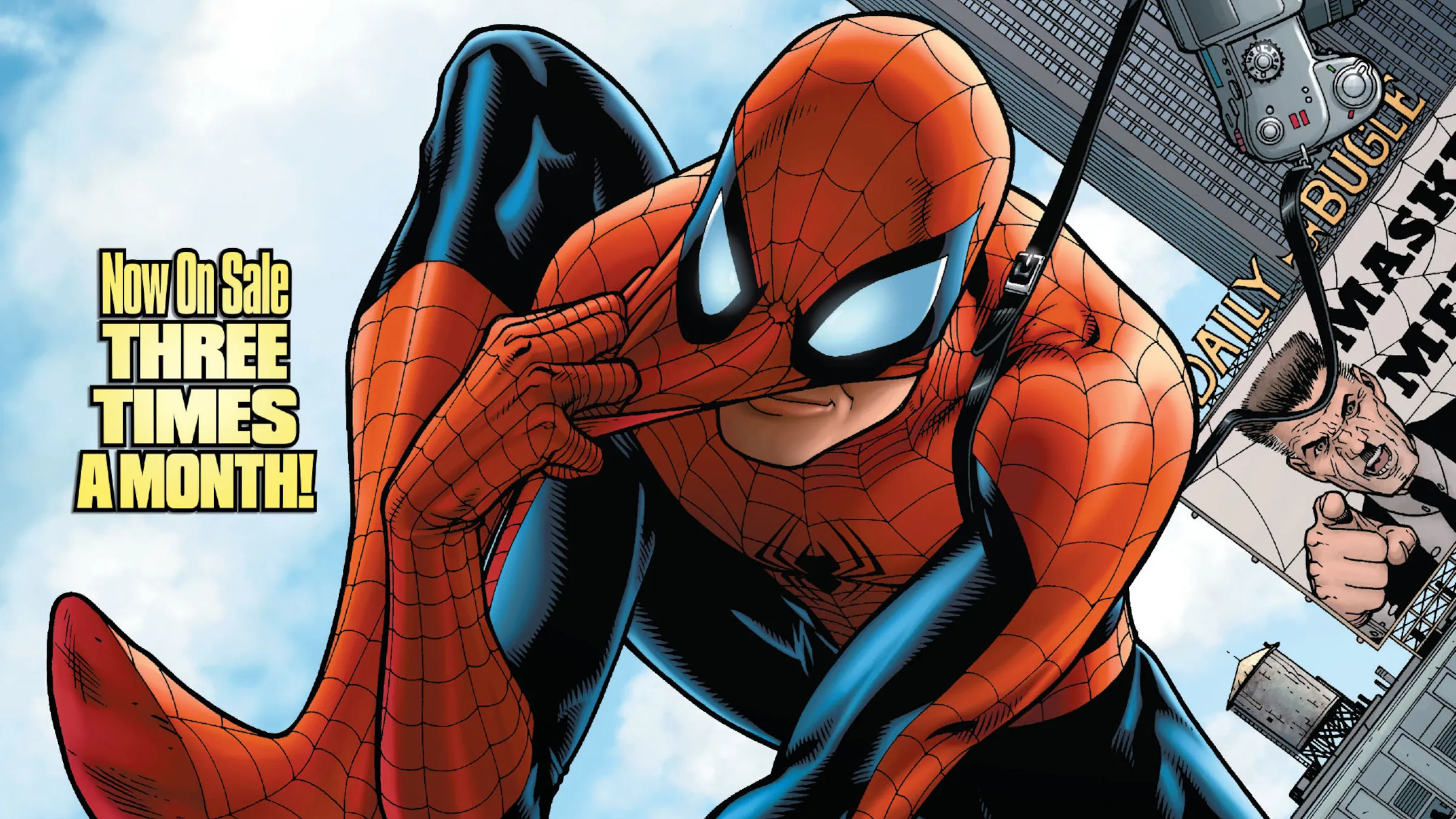
A key feature of superhero comics is their tendency to return to a familiar state, often called the “status quo.” Because major superheroes are meant for ongoing stories, publishers need a baseline to which they can always return. If characters change too drastically, future writers might take them in so many different directions that they lose their original identity, which undermines the enduring appeal that comics strive for. Spider-Man, arguably the most famous example, is well-known for consistently being reset to a recognizable starting point.
Spider-Man is famous for always ending up back where he started, which wouldn’t be a problem except his ‘normal’ life is usually pretty miserable – a deliberate attempt to make him a relatable character. He can never truly escape this cycle, even if it takes years to complete, but it’s important to note that this ‘normal’ isn’t fixed in time. Over the decades, it’s subtly changed to reflect modern interpretations of the character, sometimes for the better, sometimes not. Today, we’ll be looking at ten of the worst changes to Spider-Man’s core situation throughout his history, and whether he might be better off sticking with what he knows.
10) Revealing His Secret Identity
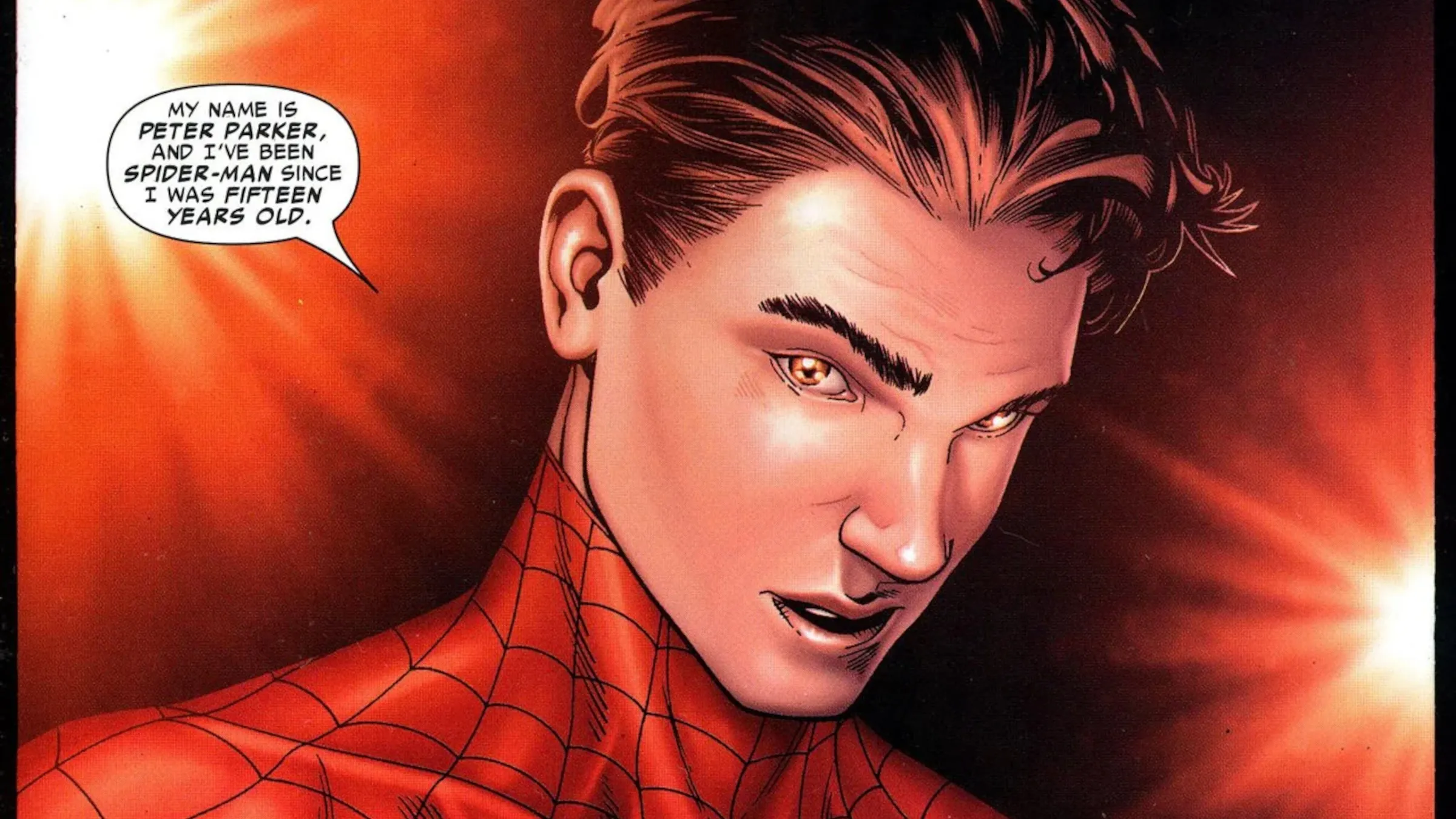
Done in Civil War #2.
A major shift in Spider-Man’s history happened when he publicly revealed his secret identity during the debate over the Super-Hero Registration Act. While this felt unusual for Peter, who always protected his anonymity, it mirrored the generally erratic behavior seen in the Civil War storyline. The frustrating part is that this change – something Peter wouldn’t normally do – allowed for many new and interesting stories, only to be reversed shortly after.
The alteration was incredibly brief, initially exciting and hinting at great storylines – like the potential for a ‘Back in Black’ arc – but it was quickly reversed. It felt like a purely attention-grabbing stunt with no real staying power, and many Spider-Man fans found it disappointing. It’s largely been forgotten, however, because an even more controversial change happened soon after, which we’ll discuss later.
9) The Return of Aunt May
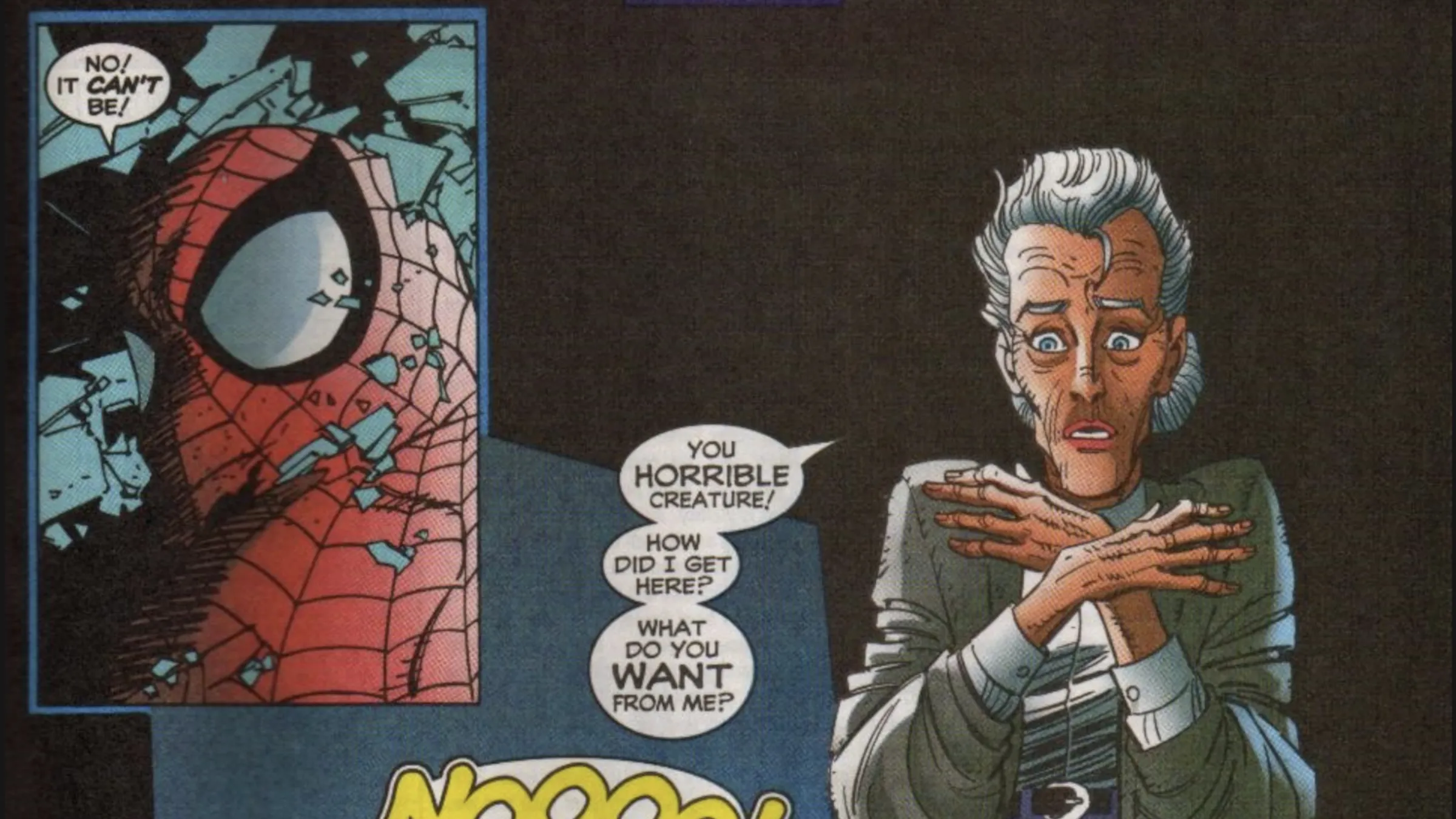
Done in Spider-Man (1990) #97.
Over the 63 years Aunt May has been a part of Peter Parker’s life, she’s experienced several resurrections, but her death in Amazing Spider-Man #400 was particularly moving. She passed away peacefully from old age, surrounded by family, with Peter holding her and reading a childhood story. This felt like a mature moment for the character, forcing Spider-Man to navigate life without his aunt’s guidance and adding significant emotional weight. However, that impactful story was reversed in Spider-Man #97 when the Green Goblin exposed the entire event as a trick.
Norman Osborn shockingly confessed that the woman Peter held as he thought she died wasn’t his aunt, but a paid actress. She wasn’t a duplicate or controlled in any way – she was simply committed to the part and tragically died playing it. This sudden change to the story is widely considered one of Spider-Man’s worst decisions, and it unfortunately reversed all the emotional growth Peter and MJ had experienced after Aunt May’s initial passing. Aunt May often feels underutilized in Spider-Man comics, and this could have been a powerful and fitting end to her story, but now she’s stuck in a meaningless state, which is disappointing for such a beloved character.
8) Making MJ a Superhero
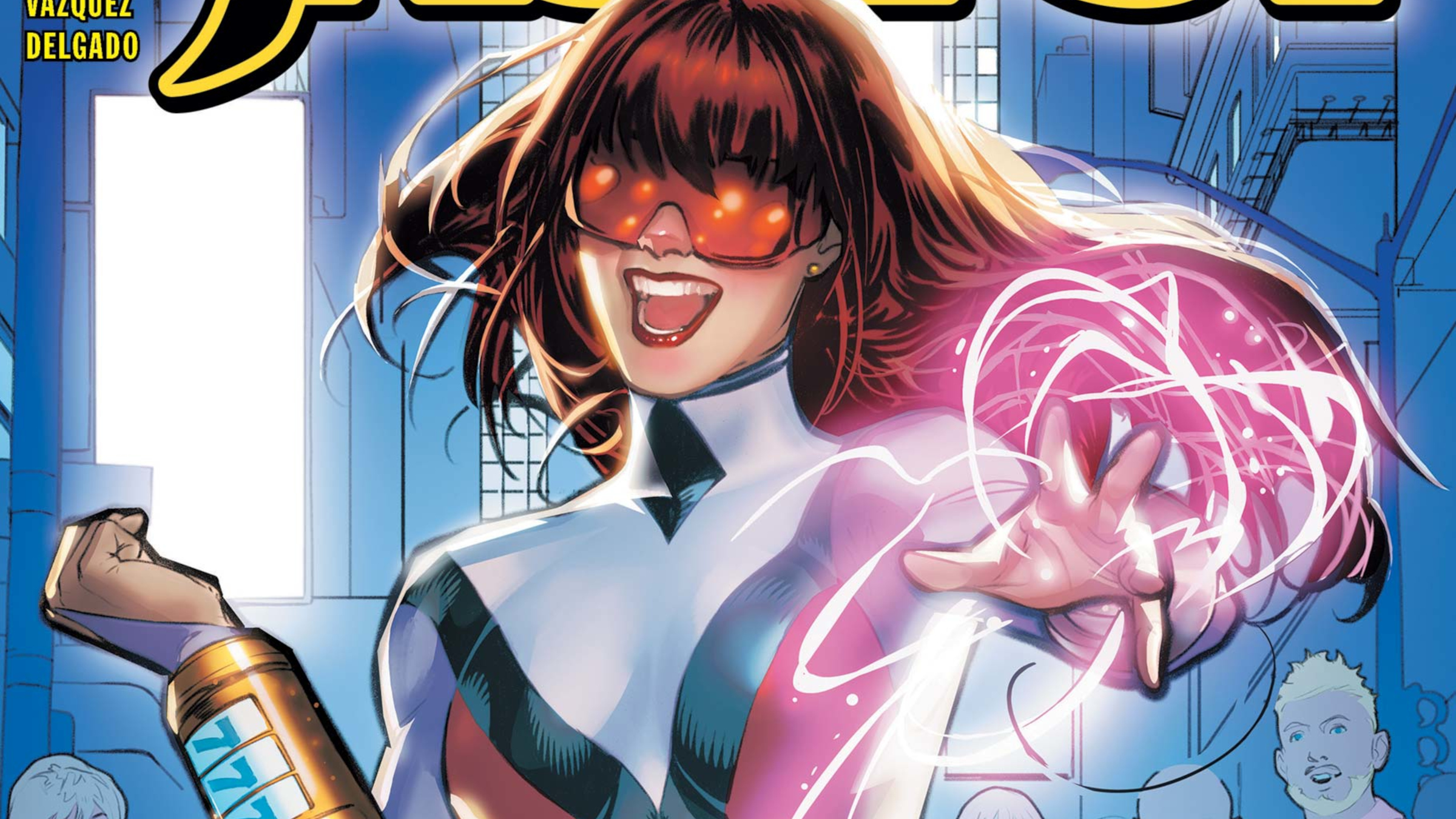
Done in Amazing Spider-Man (2022) #31.
I’m stating clearly that I’m really enjoying Mary Jane’s current run as Venom and believe it’s a fantastic way to develop her character. However, her time as Jackpot was truly awful. Mary Jane worked best as a regular person, not a hero. Watching her evolve from a fun-loving socialite into a strong, supportive woman for Peter was amazing. She provided a vital, relatable perspective that kept Peter’s exciting adventures grounded, and she contributed to his stories just as much as a key character like Lois Lane.
What made MJ such a compelling character was how she navigated a world of superheroes as a regular person, and she excelled at it. Giving her superpowers felt like a step backward, ignoring all the growth she’d experienced and what made her unique. Her strength came from being normal and being just as important as Spider-Man, so turning her into a superhero diminished what made her special. The way she was given powers – as Jackpot, with her random, convenient abilities and connection to an unpopular character – didn’t help either. While a superhero version of MJ could work, this particular approach missed the mark.
7) The Fall of Ben Reilly, Chasm
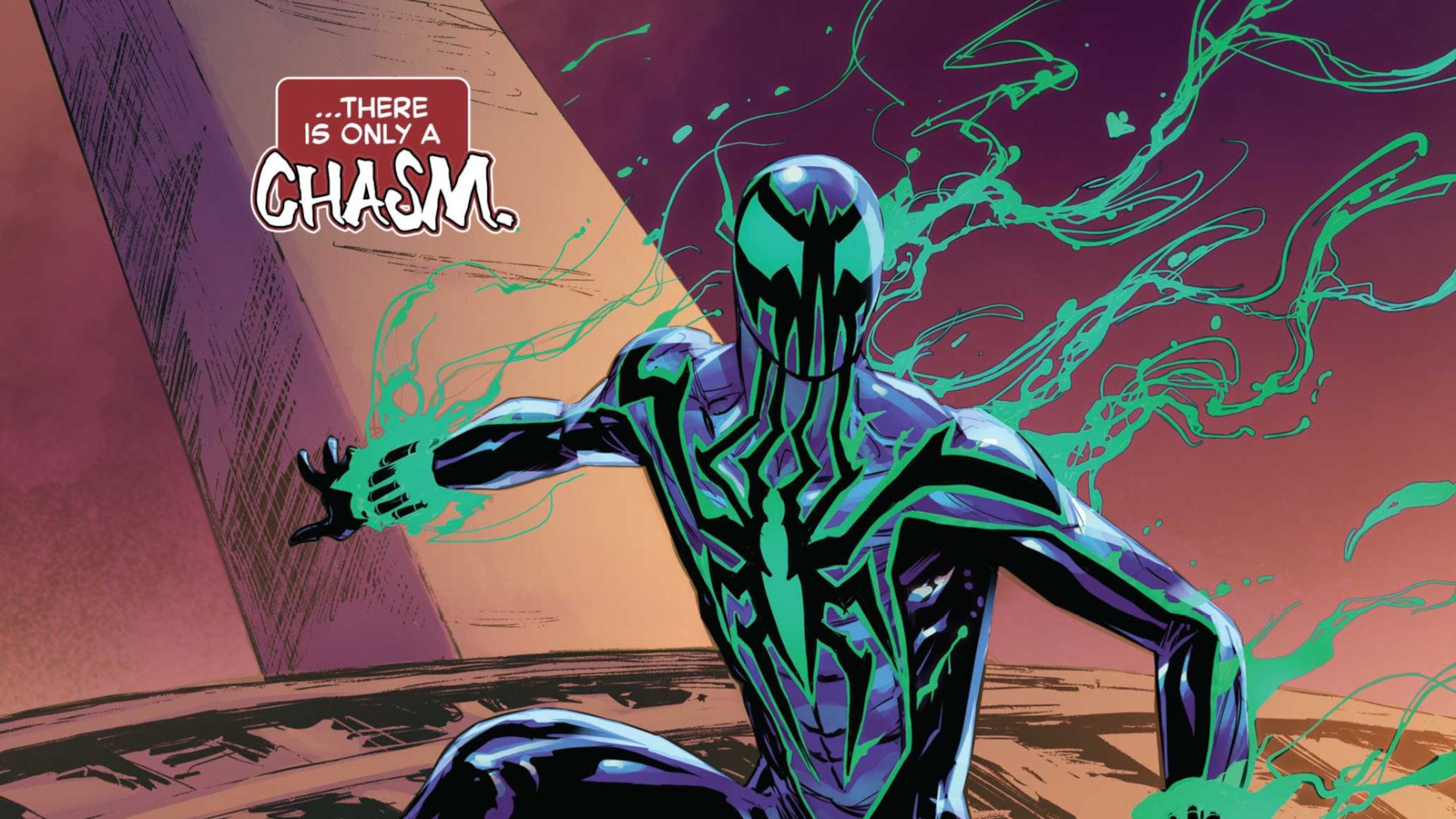
Done in Amazing Spider-Man (2018) #93.
Ben Reilly first appeared in the 1990s and quickly became a beloved character, despite originating from the controversial “Clone Saga” storyline. His striking Scarlet Spider design and energetic personality made a lasting impact. However, like Peter Parker, Ben has faced a lot of hardship. He’s often been relegated to the sidelines in Spider-Man comics, and a particularly low point came during the “Beyond” arc. In that story, the Beyond Corporation purchased the rights to Spider-Man and employed Ben as their version of the hero, while simultaneously sidelining Peter with a case of severe radiation poisoning.
Fans were thrilled to see Ben back as Spider-Man, but the story took a disappointing turn. As the Beyond Corporation collapsed, Ben’s mental state deteriorated, leading him to desperately try and take Peter Parker’s memories. He reemerged as the villain Chasm, now with dangerous light-based abilities and a fractured mind. After a long absence, it was disheartening to see Ben return only to become a villain, and many feel he deserves a better fate.
6) Parker Industries
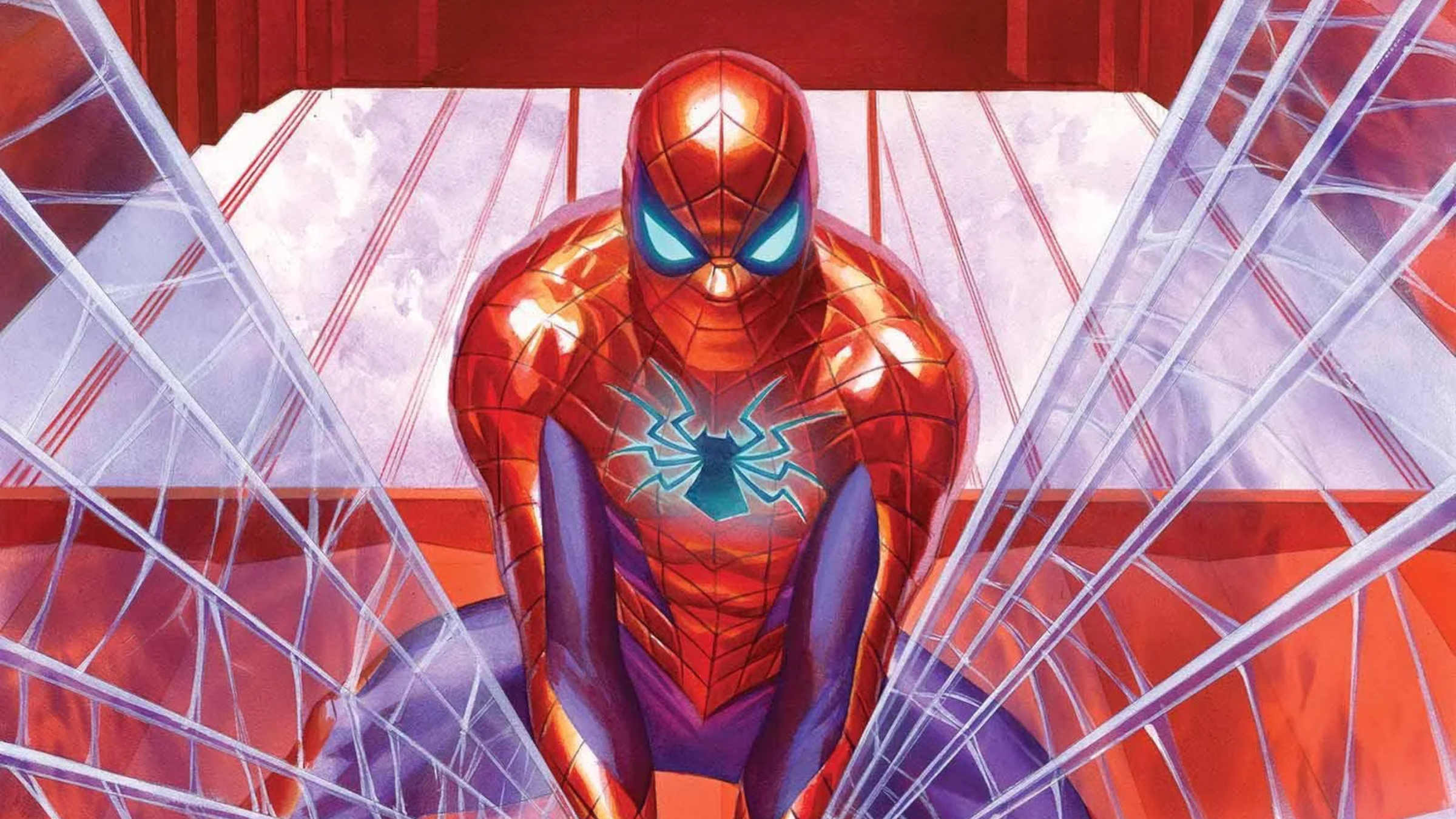
Done in Superior Spider-Man (2013) #20.
As a huge Spider-Man fan, I always thought the introduction of Parker Industries was a really interesting move. It happened when Doctor Octopus was essentially in Peter Parker’s body and used his smarts (and Peter’s clean record!) to build this massive, multi-billion dollar company. And Peter kept it when he got back in control. Honestly, on the surface, it felt like a natural progression. Spider-Man is usually the everyman, but after years of struggling, seeing him finally achieve some financial security and leverage his intelligence in the tech world felt…good. It had the potential to really shake things up and open up totally new story possibilities for the character, something we haven’t really seen replicated since.
The biggest problem with this storyline is how it changes Peter Parker’s personality. Instead of the kind, relatable hero fans love, he suddenly becomes arrogant and irritating after receiving a large sum of money – essentially adopting some of Iron Man’s worst qualities. This isn’t a character arc where Peter grows and learns; he simply becomes unpleasant and self-centered. It’s a creatively weak point for Spider-Man, and it feels completely out of character. He comes across as a cheap imitation of Iron Man rather than the Spider-Man we know and love.
5) Doctor Octopus’s Return to Villainy
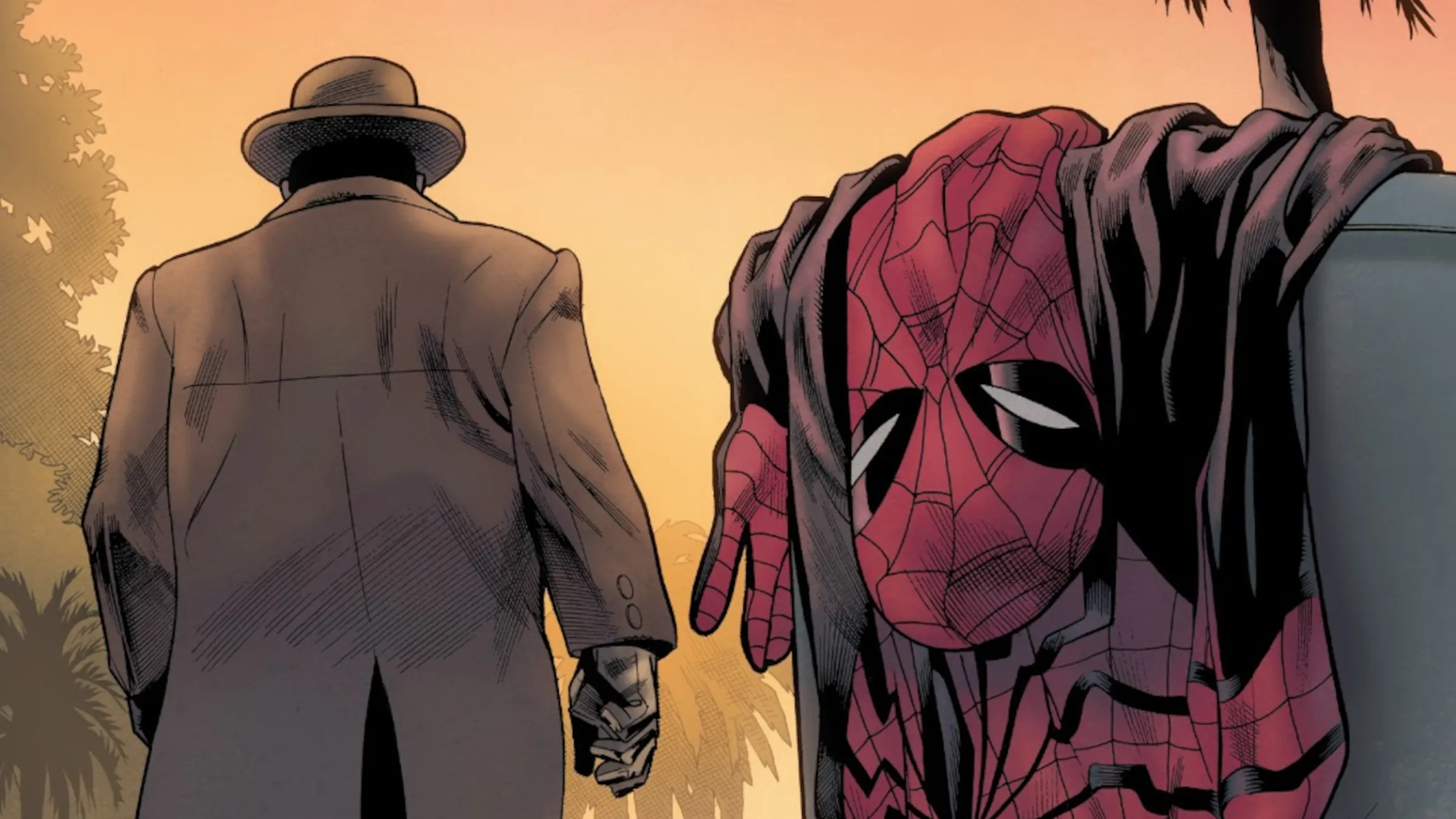
Done in Superior Spider-Man (2019) #12.
Doctor Octopus’s time as the Superior Spider-Man was a remarkable story of change. He discovered what it meant to be a true hero, motivated by Peter Parker’s kindness, and ultimately sacrificed himself to save others, accepting he wasn’t better than the original Spider-Man. It was a moving story about a proud man becoming a better person, but that progress was undone when Otto Octavius returned to being a villain. While it wasn’t surprising, considering Doc Ock is one of Spider-Man’s most famous enemies, it was still disappointing to see him come back to life and immediately align himself with Hydra.
Despite setbacks, Otto Octavius briefly returned to being the Superior Spider-Man, continuing his heroic efforts. Sadly, in issue #12 of his second series, he made the same critical error as previous Spider-Men and struck a deal with Mephisto to fix things. This deal cost Otto his memories of being a hero, effectively undoing his growth as a character and turning him back into the arrogant villain he once was. While many fans enjoy the classic Doctor Octopus, it’s disappointing that Otto lost all the progress he’d made, especially because it happened through a deal with Mephisto.
4) Marv Wolfman’s Run
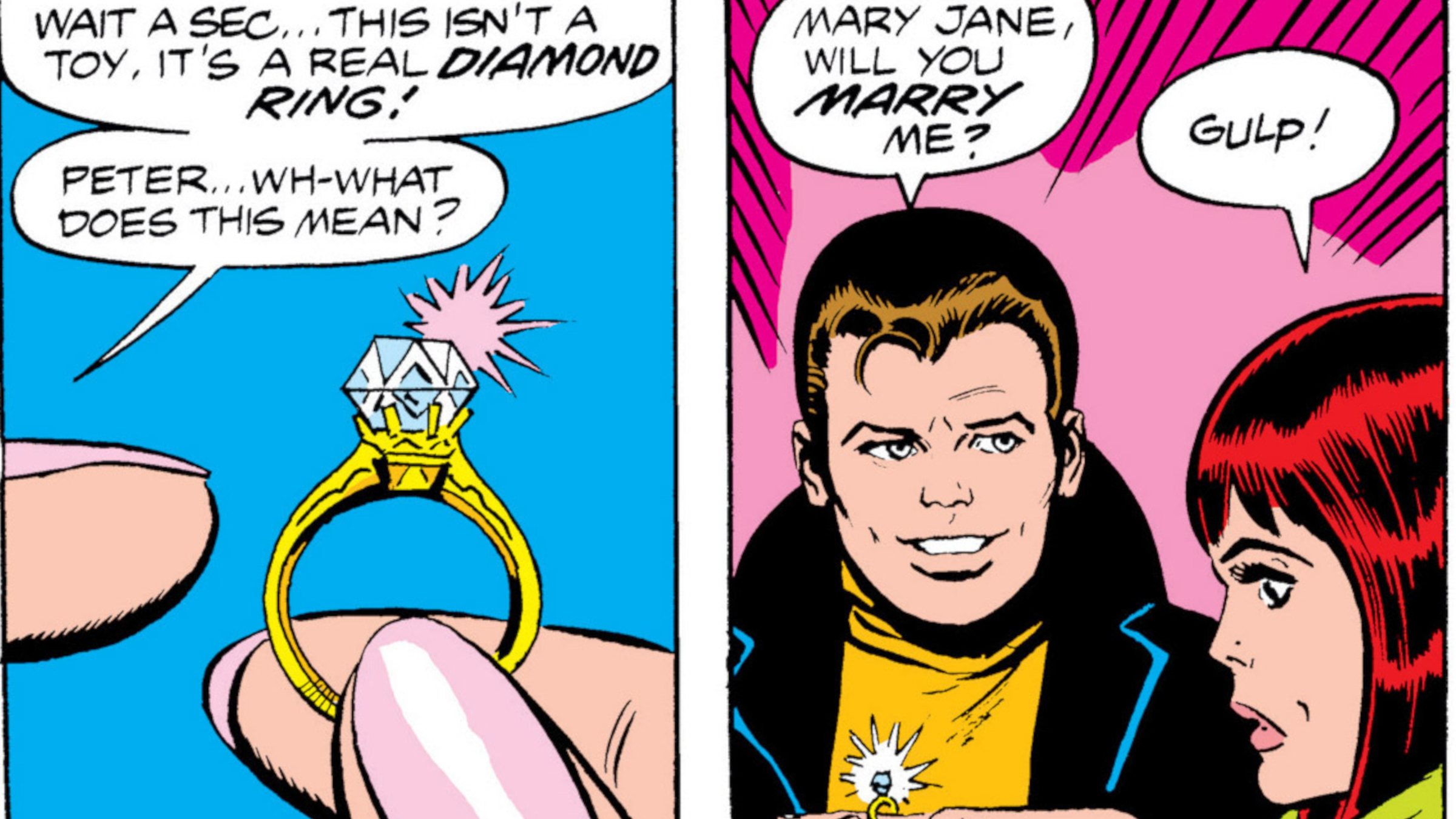
Done in Amazing Spider-Man #182.
Marv Wolfman is a highly respected comic book writer with a long and impressive career. He’s best known for his work on New Teen Titans, which dramatically increased the team’s popularity and continues to influence comics today. While Wolfman’s contributions have been hugely important to the modern comic book landscape, his run on Spider-Man is often considered a low point. Despite introducing memorable characters like Black Cat and the Big Wheel, his Spider-Man stories also faced significant criticism.
The writer drastically changed Mary Jane’s personality. Previous storylines had carefully built a realistic and evolving relationship between Peter and MJ, culminating in a mature and believable couple. However, this writer had Peter propose with a silly prize, and MJ rejected him because she wanted to remain carefree. Combined with revisiting old love interests for Peter and a disappointing portrayal of his college graduation, this new direction felt like a significant step back in terms of both character development and overall quality.
The main Spider-Man comic had been consistently good for over fifteen years, so it was really disappointing when the story suddenly reversed course and undid years of character development. This reset of the main characters signaled a shift towards prioritizing the familiar over progress. Even the other main Spider-Man comic at the time, Peter Parker, the Spectacular Spider-Man, tried to counteract this trend and preserve the characters’ established growth. I consider this a low point for Spider-Man because it felt like a slap in the face after the strong writing that came before.
3) The Rise of Ben Reilly, Spider-Man
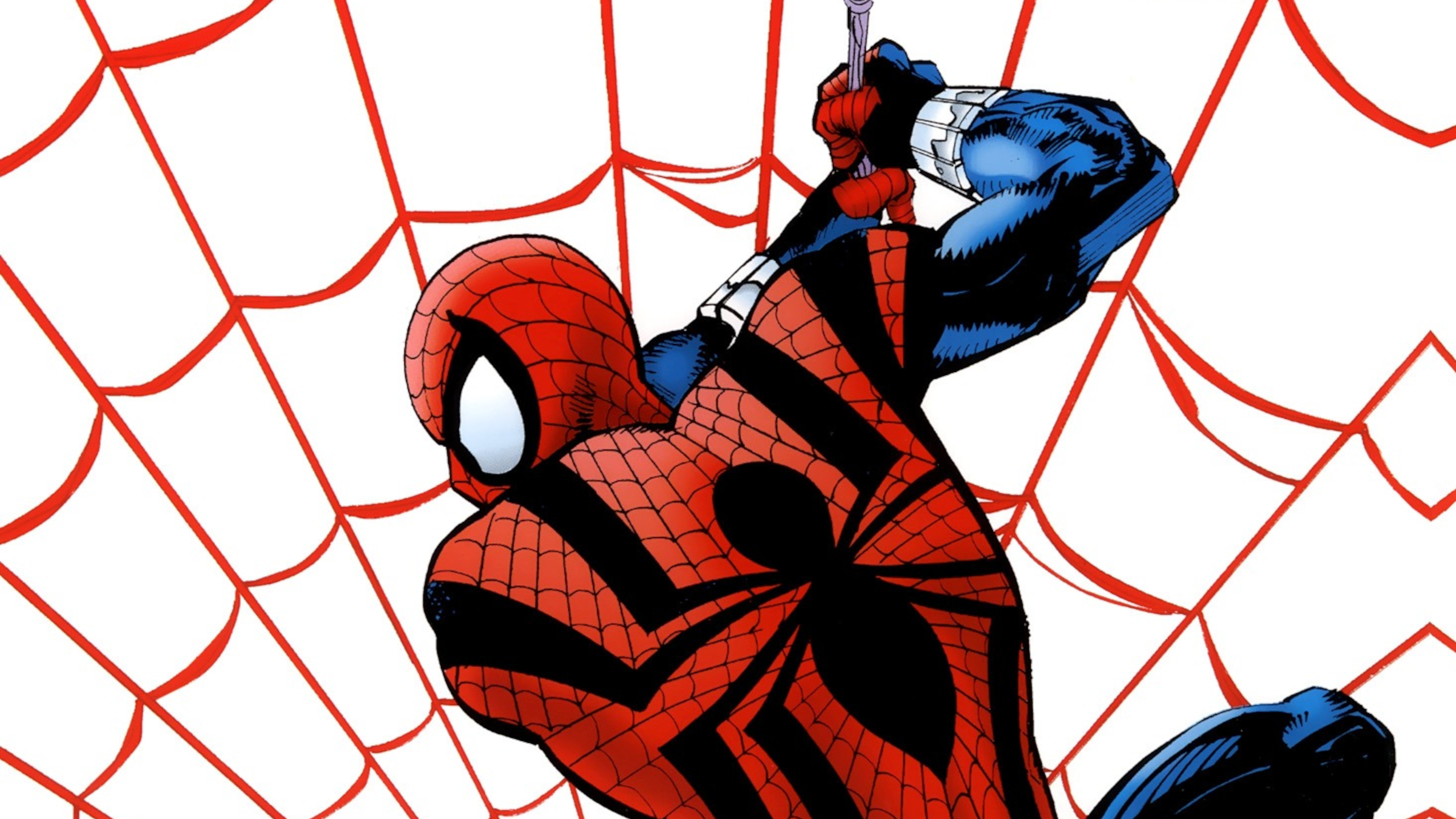
Done in Sensational Spider-Man #0.
Ben Reilly is a fan-favorite character with a lot of unrealized potential, but he was introduced during one of Spider-Man’s most criticized storylines. The ‘Clone Saga’ became notorious for its excessive length and quickly lost focus, culminating in the confusing reveal that Peter Parker was the clone, not Ben Reilly. This led to Peter having a breakdown, MJ becoming pregnant, and ultimately, Peter’s decision to retire as Spider-Man, passing the responsibility on to Ben.
Ben Reilly’s time as Spider-Man had some high points, and he’s a good character overall, but the way he became Spider-Man was really strange and upsetting. It felt wrong because it depended on completely changing Peter Parker’s history and telling fans that the Spider-Man they knew for years wasn’t real. This was disrespectful to a long-standing and important Marvel hero, and the storyline ultimately had to be reversed. Ben could have been Spider-Man, but this wasn’t the right way to do it.
2) Paul’s Introduction
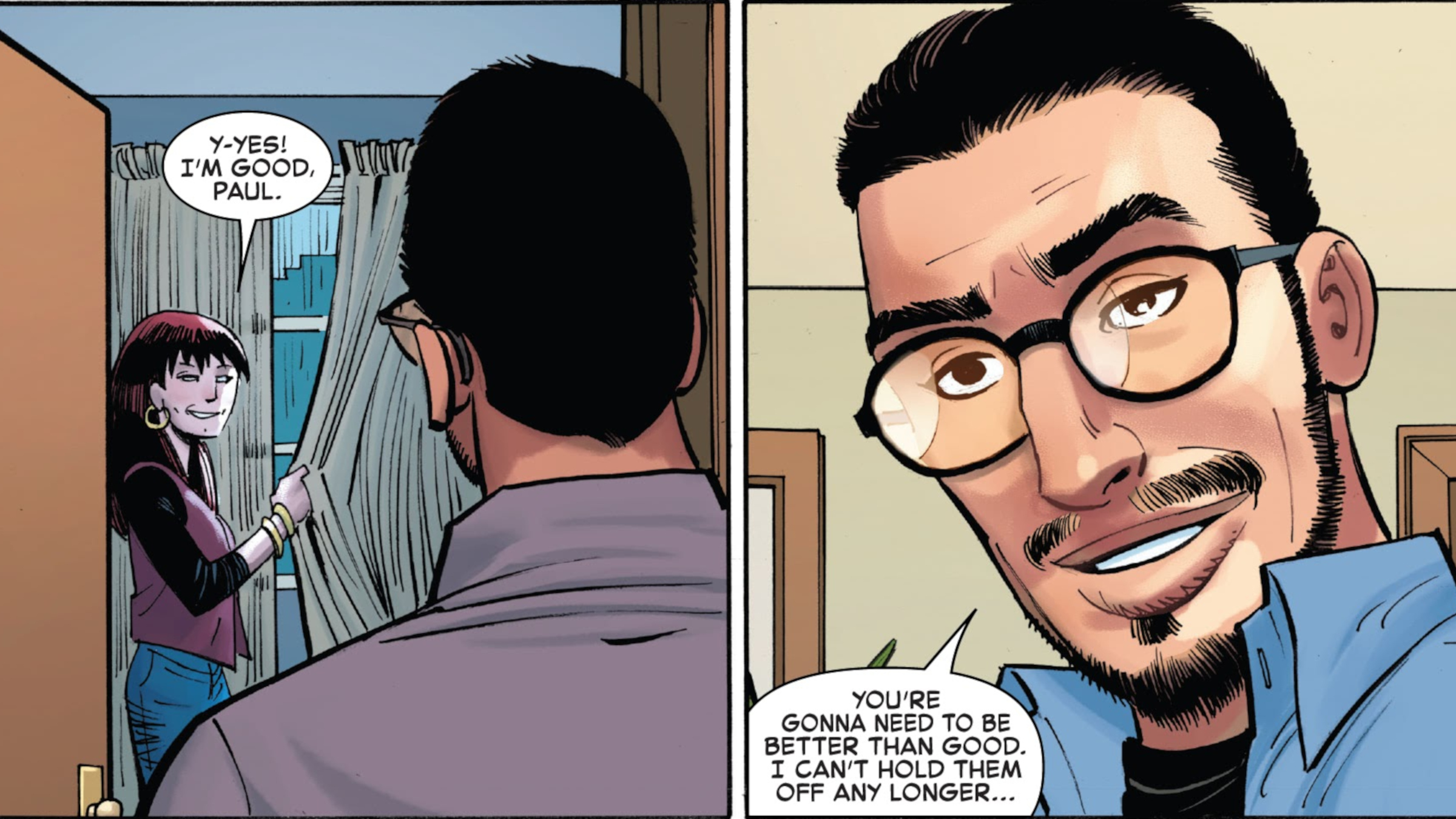
Done in Amazing Spider-Man (2022) #1.
Okay, as a huge Spider-Man fan, I have to say Paul is seriously the most disliked character in recent Spider-Man history, maybe ever. For years, we all wanted to see Peter and MJ back together, and Nick Spencer’s run on Amazing Spider-Man (starting in 2018) finally gave us that! It was a really great ending to that series, with Peter and MJ genuinely happy and committed. But then Zeb Wells took over, and honestly, it was frustrating. The very first thing he did was tear them apart again, undoing all that progress. It’s just… really annoying as a long-time reader.
I don’t completely fault Wells for this choice. For years, it’s been clear that Marvel’s editors heavily control the main Spider-Man comics, and while that doesn’t excuse Paul Rabin’s actions, it provides context. Paul Rabin feels like a representation of the editorial team’s desire to keep Peter Parker and Mary Jane Watson apart and to constantly put Peter through hardship. He’s a weak character with no positive traits, created simply to justify a poorly written and out-of-character breakup between MJ and Peter, which has negatively impacted how fans view MJ.
Many Spider-Man fans dislike Paul because he represents a frustrating pattern: Peter Parker constantly being unhappy and separated from MJ. Fans find Paul uninteresting, unlikeable, and hard to connect with. He mostly serves as an obstacle keeping Peter and MJ apart, and his primary function in the story seems to be creating conflict between them. While some fans enjoyed seeing him ridiculed by Dylan and ultimately rejected by MJ in All-New Venom, many feel the damage he caused to Peter and MJ’s relationship, and to fans’ enjoyment, is irreversible.
1) “One More Day” / “Brand New Day”
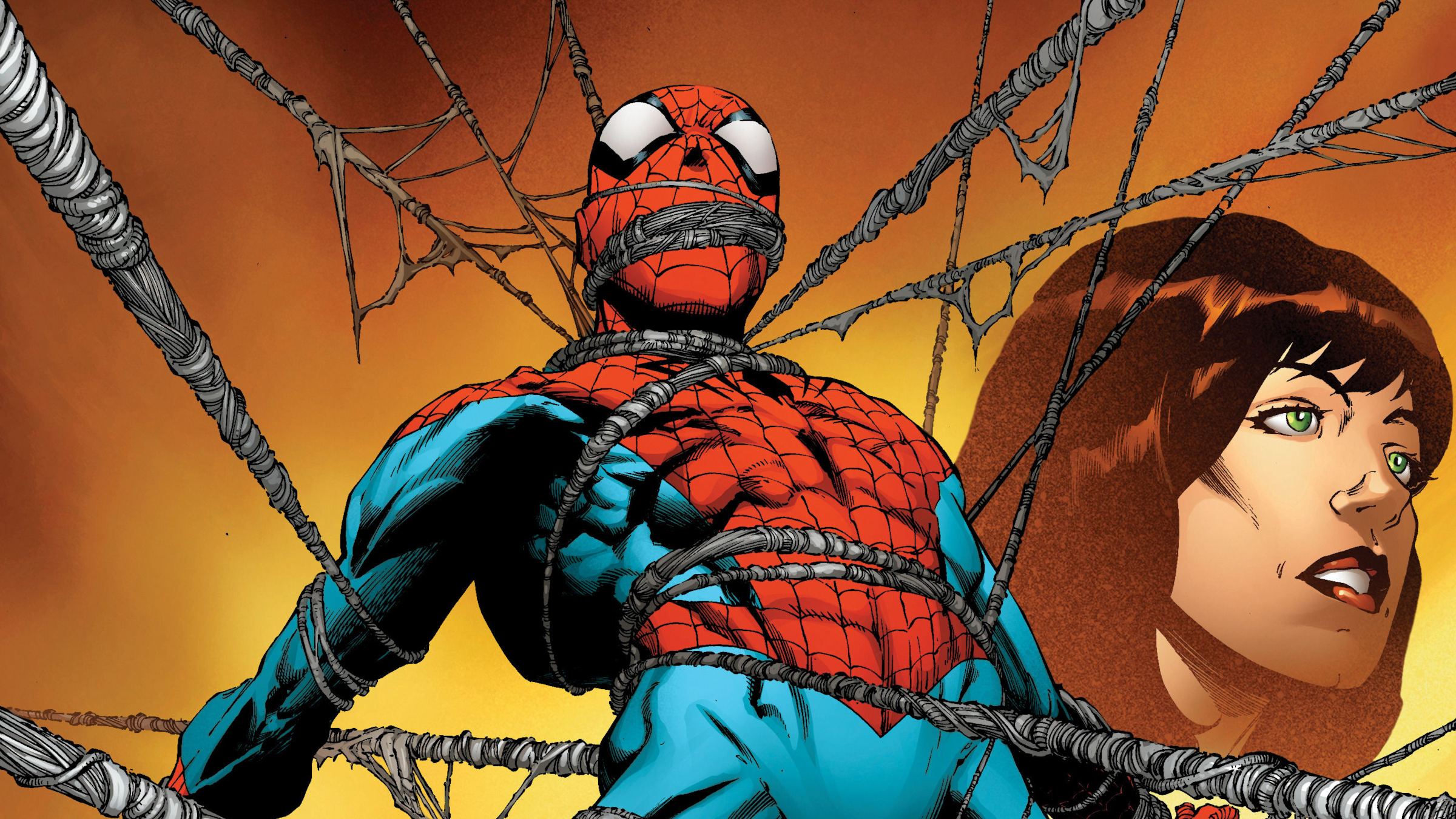
Done in Amazing Spider-Man #545 and #546.
Throughout this list, I’ve repeatedly pointed to the biggest mistake Marvel made with Spider-Man: the aftermath of the story “One More Day.” This storyline is almost universally hated among fans. It involved Spider-Man and Mary Jane making a deal with the devil, Mephisto, to save Aunt May, which resulted in them losing their marriage. Marvel decided this was necessary to make Spider-Man seem younger and more relatable, which many fans found offensive.
As a longtime Spider-Man fan, I was really disappointed with the “One More Day” storyline. It felt like Peter and MJ were completely unlike themselves, and it cost us one of the most beloved couples in Marvel history – all for Aunt May! I adore May, but if they were going to make such a huge change, she deserved a major role afterwards, not just go back to being the worried mother who doesn’t even know Peter is Spider-Man. It honestly felt like decades of story development were tossed aside with no real payoff, and it was a real letdown for those of us who’ve followed Spider-Man for years.
As a long-time Spider-Man fan, I really think this is where things started to go downhill for the character. Don’t get me wrong, there have been some amazing stories since then – “Spider-Island” and Superior Spider-Man were fantastic – but this one decision still casts a shadow over everything. It’s frustrating knowing that no matter how hard Peter and MJ try to build a life together, some outside force will always tear them apart. Honestly, it’s one of the most disappointing Spider-Man storylines ever, and I really hope they find a way to fix it someday.
Here are what we consider the ten biggest missteps in Spider-Man’s history over his first 63 years. Which one do you think was the most damaging, and are there any other changes you’d add to this list?
Read More
- Gold Rate Forecast
- Every Creepy Clown in American Horror Story Ranked
- Hazbin Hotel Secretly Suggests Vox Helped Create One of the Most Infamous Cults in History
- Best X-Men Movies (September 2025)
- 10 Best Buffy the Vampire Slayer Characters Ranked
- Arknights: Endfield – Everything You Need to Know Before You Jump In
- Chill with You: Lo-Fi Story launches November 17
- Spider-Man: Brand New Day’s Trailer Release Date Officially Confirmed & The MCU’s Strategy Is Perfect
- 32 Kids Movies From The ’90s I Still Like Despite Being Kind Of Terrible
- Blue Protocol Star Resonance: Goblin Lair Dungeon Guide
2025-12-07 18:16