
In a nutshell, the chronology of the The Legend of Zelda series can be challenging to grasp, which sometimes muddies the overall narrative. However, each individual Zelda game typically presents a clearer lore, making encounters with bosses more engaging if you take note of the story and setting that unfolds before the battles. The lore for each boss can be discovered through dialogue with characters, the actions of the specific boss, or by exploring and gathering information in the area leading to the boss fight.
As the Zelda series progressed and advanced with improved technology, storytelling and boss battles have evolved, providing developers with more tools to not only reveal details about the bosses but also the game’s wider world. Some of these intricate details, best conveyed through the 3D style of Zelda games, are what make the bosses compelling.
10. Bongo Bongo
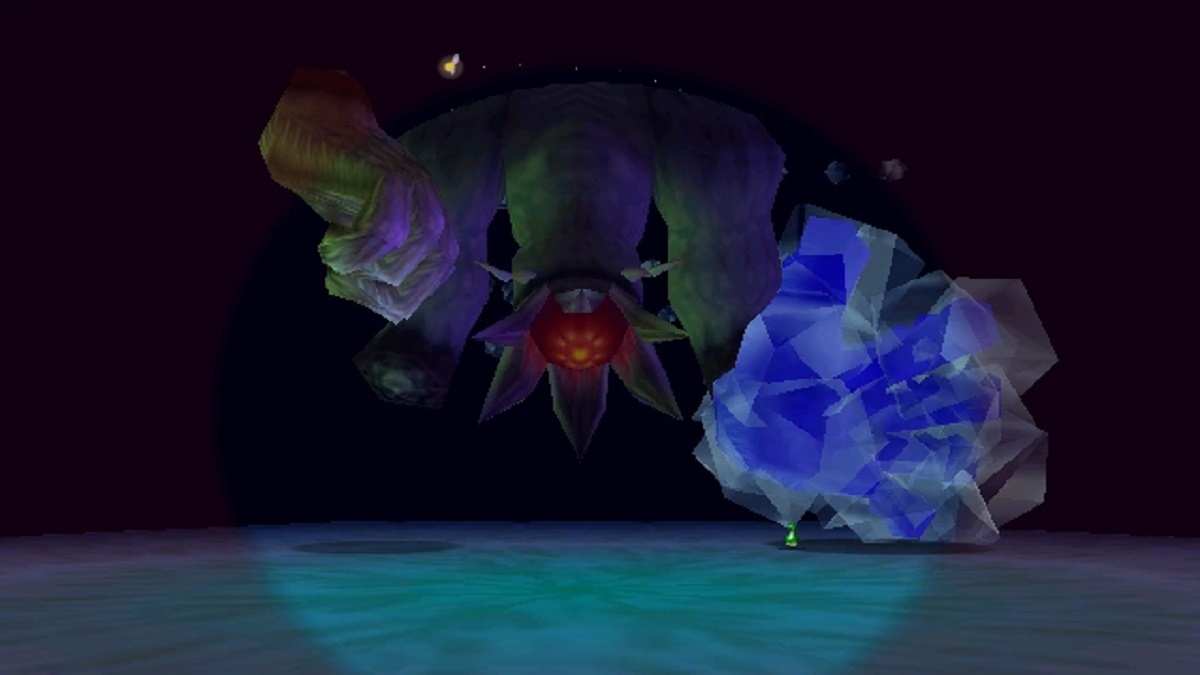
In “Ocarina of Time,” Bongo Bongo, a peculiar character, waits at the ominous conclusion of the Shadow Temple. Unlike the other temples, this one carries a somber atmosphere due to its past as a prison and torture chamber for foes opposed to the Hyrule Royal Family during war, as revealed throughout your journey. By the time you encounter Bongo Bongo, whose hands are detached and eye seems flayed, it appears that he represents either a victim of the Shadow Temple’s horrors or a symbolic embodiment of all the suffering endured there.
9. Dark Link
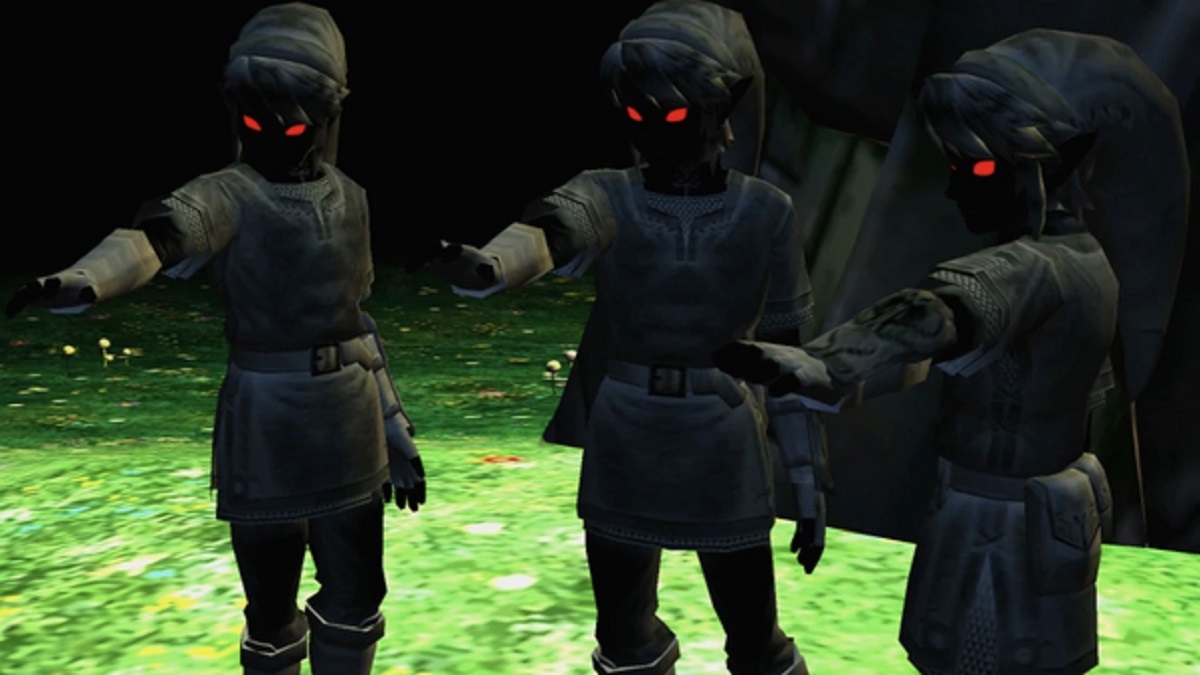
In various installments of the series, the enigmatic character known as Dark Link emerges, with a notable role as the final boss in “Adventure of Link.” Despite limited information about this entity, its purpose becomes apparent – it challenges Link to overcome himself.
Remarkably similar in appearance, Dark Link also wields the same skillset as Link, making encounters both intriguing and difficult due to his uncanny ability to mirror your moves, evade attacks, and even employ your abilities against you.
The lore surrounding this character is subtly crafted, allowing players to form their own interpretations about Dark Link’s nature and the implications of Link’s battle with his inner darkness as a prerequisite for completing his journey successfully.
8. Volvagia
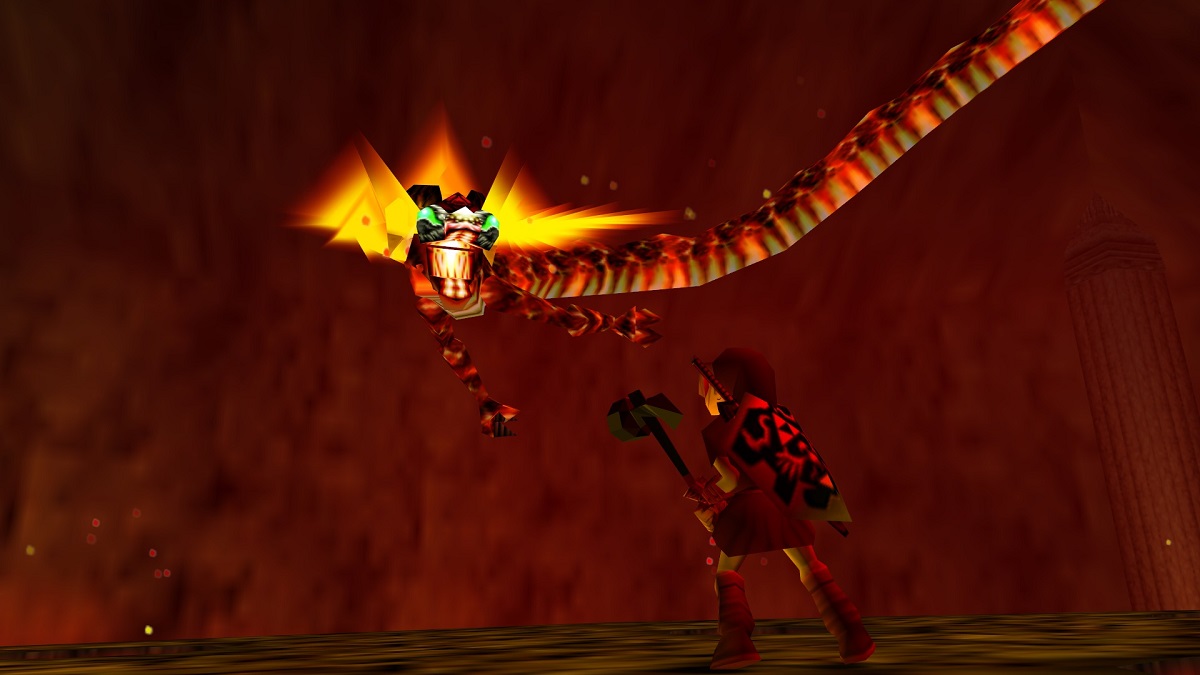
The captivating story behind Volvagia derives from the non-canonical Ocarina of Time manga series, yet its impact on the game’s narrative is undeniable. Once you delve into the manga, the in-game battle leaves an everlasting impression of sorrow. In this comic expansion, Link encounters and purchases a baby Volvagia at Hyrule Market with the intention of releasing it. To his surprise, instead of being set free, Volvagia chooses to accompany him. When Volvagga learns Link’s name in gratitude, they part ways. As an adult, Volvagia is under Ganondorf’s control, compelling Link to take the life of his companion – a friend who had once been set free – for both Volvagia and the Gorons. Despite not being part of the game’s official lore, reading this manga significantly alters the experience of battling Volvagia.
7. Majora

The main antagonist in “Majora’s Mask,” namely Majora, is veiled in intrigue. It is revealed that an old tribe invoked Majora, and subsequently, Majora took control of the famous mask, making Skull Kid its pawn as it tried to devastate Termina. However, beyond these facts, not much else is known about Majora, which adds to the boss’s allure, particularly when exploring theories that attempt to decipher the enigma surrounding Majora and its presence in Termina. One such theory proposes that it was called forth as a rebellion against the deities, a hypothesis that might account for the etched depictions of Majora’s Mask found around Stone Tower Temple.
6. Ghirahim
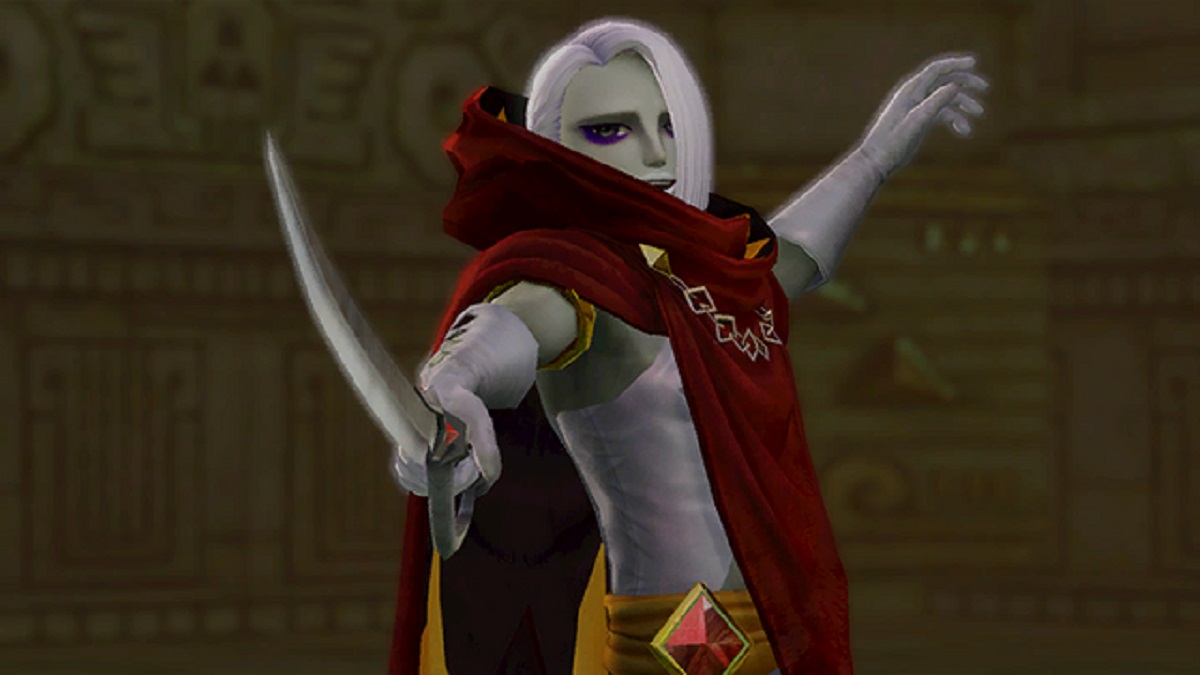
In the game “Skyward Sword”, Ghirahim stands out as an intriguing adversary. Unlike other games, he’s not the final boss but rather the persistent antagonist throughout the game. He serves Demise, acting as Demise’s right-hand man with the goal of resurrecting his master. Initially, Ghirahim exudes overconfidence, underestimating Link’s abilities and claiming victory. But as you progress through the game and thwart his plans, Ghirahim’s character evolves, gradually revealing a ruthless side. Although it seems like Ghirahim acts on his own volition, he shares a similarity with Fi, being a sword spirit. This makes one wonder whether Ghirahim willingly seeks to resurrect Demise or if he is merely bound by his spirit nature to serve his master.
5. Demise

Way back before my gaming adventures in Skyward Sword, a malevolent force named Demise wandered across the surface world, leading an army of monsters against the people who lived there. His ultimate goal was to snatch the Triforce from Hylia. Although Hylia managed to seal away Demise before reincarnating as Zelda, this ancient evil would go on to become the foundation for Ganon – and subsequently, Ganondorf. You see, in a strange twist of fate, Ganondorf is not just any ordinary villain; he’s an earthly manifestation of the original evil that is Demise. It’s a bit like Zelda being Hylia reborn, but for our nemesis.
Demise may have conquered time, but it didn’t give him the power to defeat Hylia or her reincarnations. Instead, he swore an eternal oath of hatred, ensuring his dark presence would linger in every game within the series, even if subtly so.
4. Zant
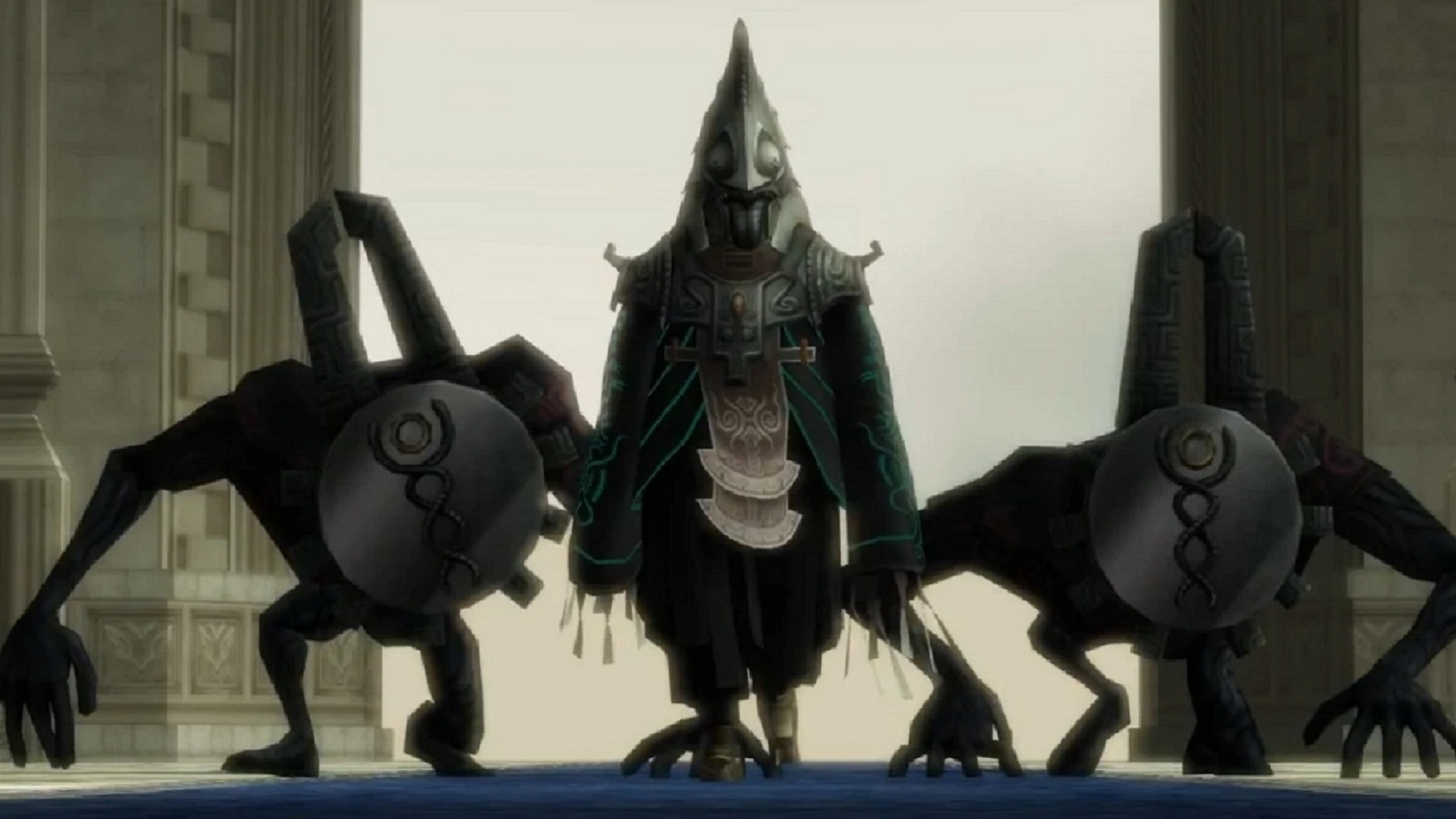
In the game “Twilight Princess,” the character Zant serves as an antagonist, driven by his thwarted ambitions that caused him to lose faith in the monarchy of the Twilight Kingdom. Prior to the storyline, Zant was a devoted servant of the royal family, expecting to be crowned the future ruler of the Twilight Realm himself. However, the royals felt that his ambition was excessive and feared he would repeat the past mistakes of the Twili ancestors. Instead, Midna was chosen as the next ruler. With his dreams dashed, Zant allied with Ganondorf to gain power, agreeing to assist Ganondorf in taking over Hyrule in return for aiding him in seizing control of the Twilight Realm.
3. Monk Maz Koshia
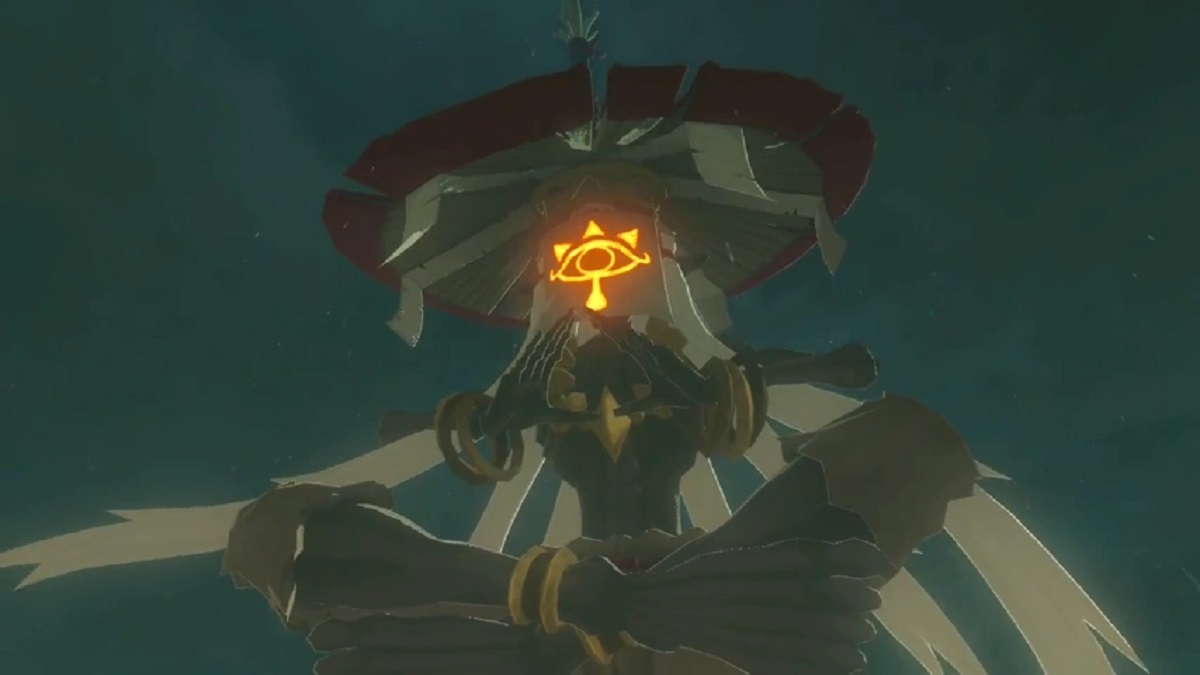
Monk Maz Koshia is exclusive to the ‘Champion’s Ballad’ DLC expansion of ‘Breath of the Wild’. Unlike other bosses, his role is distinct as he serves to protect the Divine Beast Master Cycle Zero, which is destined for the legendary hero, Link. However, Link doesn’t receive this artifact easily from Monk Maz Koshia. Instead, Link must undergo a sequence of trials to demonstrate his capabilities. The final trial pits Link against Monk Maz Koshia as an adversary. It’s unusual for a boss to aid the protagonist, which adds intrigue – did he recognize Link as the hero immediately or has he been searching for potential heroes throughout the years, only to find them wanting until Link arrives?
2. Koloktos
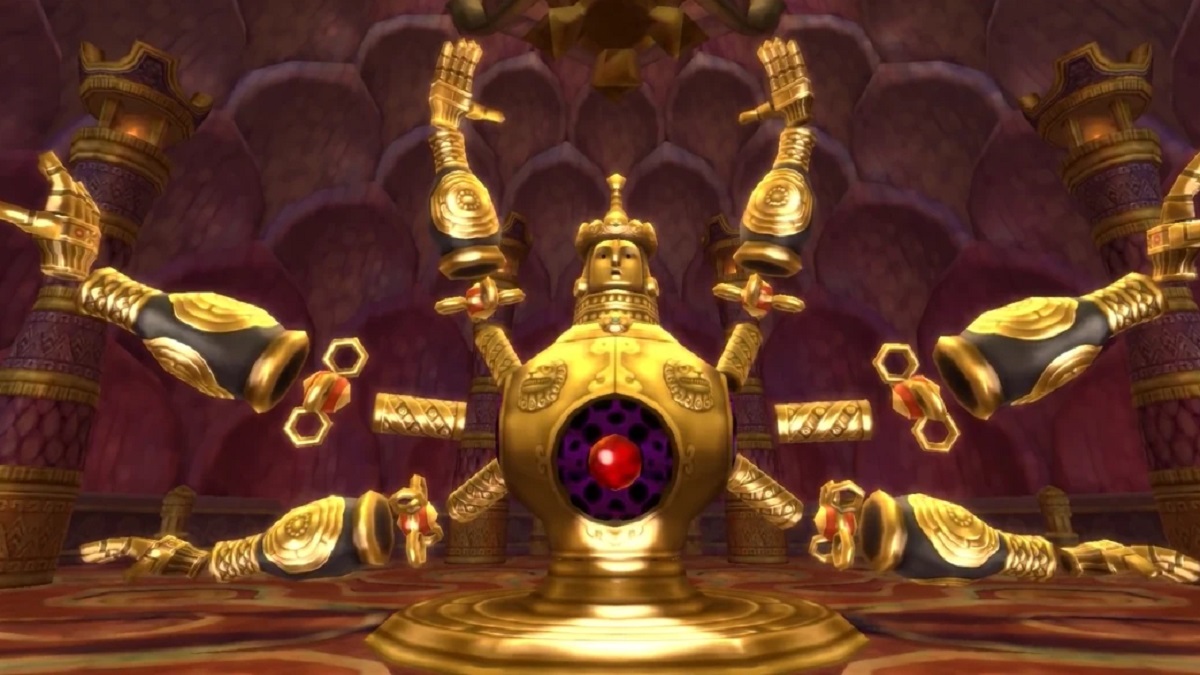
In the game Skyward Sword, Koloktos transforms from a revered protector of the Sacred Flame of Farore in the Ancient Cistern, to a vessel for Ghirahim’s malevolent energy, used to challenge Link. Interestingly, despite being an inanimate entity, Koloktos appears to possess self-preservation instincts, attempting to defend itself while battling Link. This aligns with Buddhist themes present in the Ancient Cistern, yet it seems peculiar for a guardian of something as sacred as the Sacred Flame of Farore. It’s worth noting that Koloktos is susceptible to corruption and control by dark energy, making it a hindrance to allies of Hylia and the Golden Goddesses like Link. A pity, indeed, that upon defeating Koloktos, its pieces are destroyed instead of being salvageable for examination.
1. Ganondorf

Including Ganondorf on a list about engaging boss characters is virtually essential due to his ongoing cycle of reincarnation with Link and Zelda, a result of the curse Demise placed upon them in their initial lives that ensures their enmity will persist across the ages. Similar to these two characters, Ganondorf’s story varies depending on the game, but his goals remain consistent: acquiring the Triforce and seizing control over Hyrule. The fact that he is born as a Gerudo adds an element of perceived legitimacy to his claim for ruling the land, as a male Gerudo immediately ascends to the throne; this can foster feelings of entitlement and perhaps even an insatiable hunger for power.
https://comicbook.com/gaming/news/legend-of-zelda-princess-zelda-facts-trivia/embed/#
Read More
- Gold Rate Forecast
- Looks Like SEGA Is Reheating PS5, PS4 Fan Favourite Sonic Frontiers in Definitive Edition
- Pluribus Star Rhea Seehorn Weighs In On That First Kiss
- Dune 3 Gets the Huge Update Fans Have Been Waiting For
- Arknights: Endfield – Everything You Need to Know Before You Jump In
- Antiferromagnetic Oscillators: Unlocking Stable Spin Dynamics
- 22 actors who were almost James Bond – and why they missed out on playing 007
- Kelly Osbourne Slams “Disgusting” Comments on Her Appearance
- 10 Steamiest Erotic Thriller Movies of the 21st Century
- 5 Weakest Akatsuki Members in Naruto, Ranked
2025-09-04 22:17