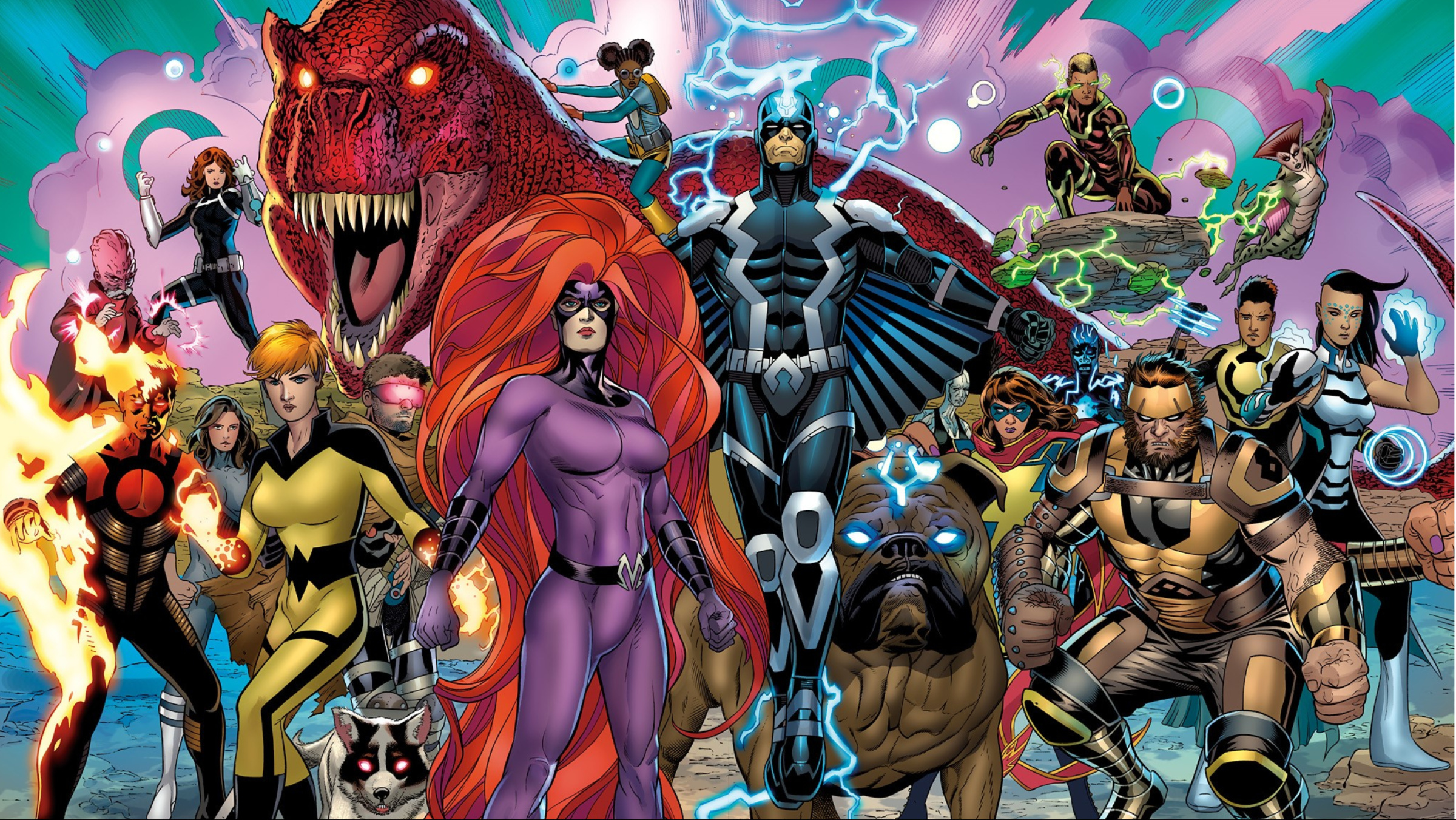
The Inhumans are a truly distinctive idea in Marvel Comics. Originally created by Stan Lee and Jack Kirby while they were working on Fantastic Four, the Inhumans are a race of humans who were genetically altered by the Kree long ago. Exposure to the Terrigen Mists unlocked incredible powers within them, but also complicated reproduction due to their altered genes. Marvel has repeatedly tried to make the Inhumans a major team, giving them their own comic series – like a well-regarded 12-issue run in 1998 – and integrating members into popular titles like Avengers and Fantastic Four. Despite these efforts, the team never quite achieved lasting success. While Black Bolt was a consistently popular character, the rest of the Inhumans largely remained relatively obscure.
2013 marked a turning point for Marvel. Following the huge success of their first billion-dollar movie and Disney’s acquisition of the company, Marvel executives started making new plans. Unable to feature mutants in their films, they decided to focus on the Inhumans instead. This led to a push for the Inhumans in both the movies and the comics, intended to fill the role mutants previously held. Unfortunately, this meant the X-Men were sidelined. While this strategy could have worked, it ultimately failed due to poor execution.
The Inhumans Push Could Have Been Great but Marvel Did It in the Worst Way Possible
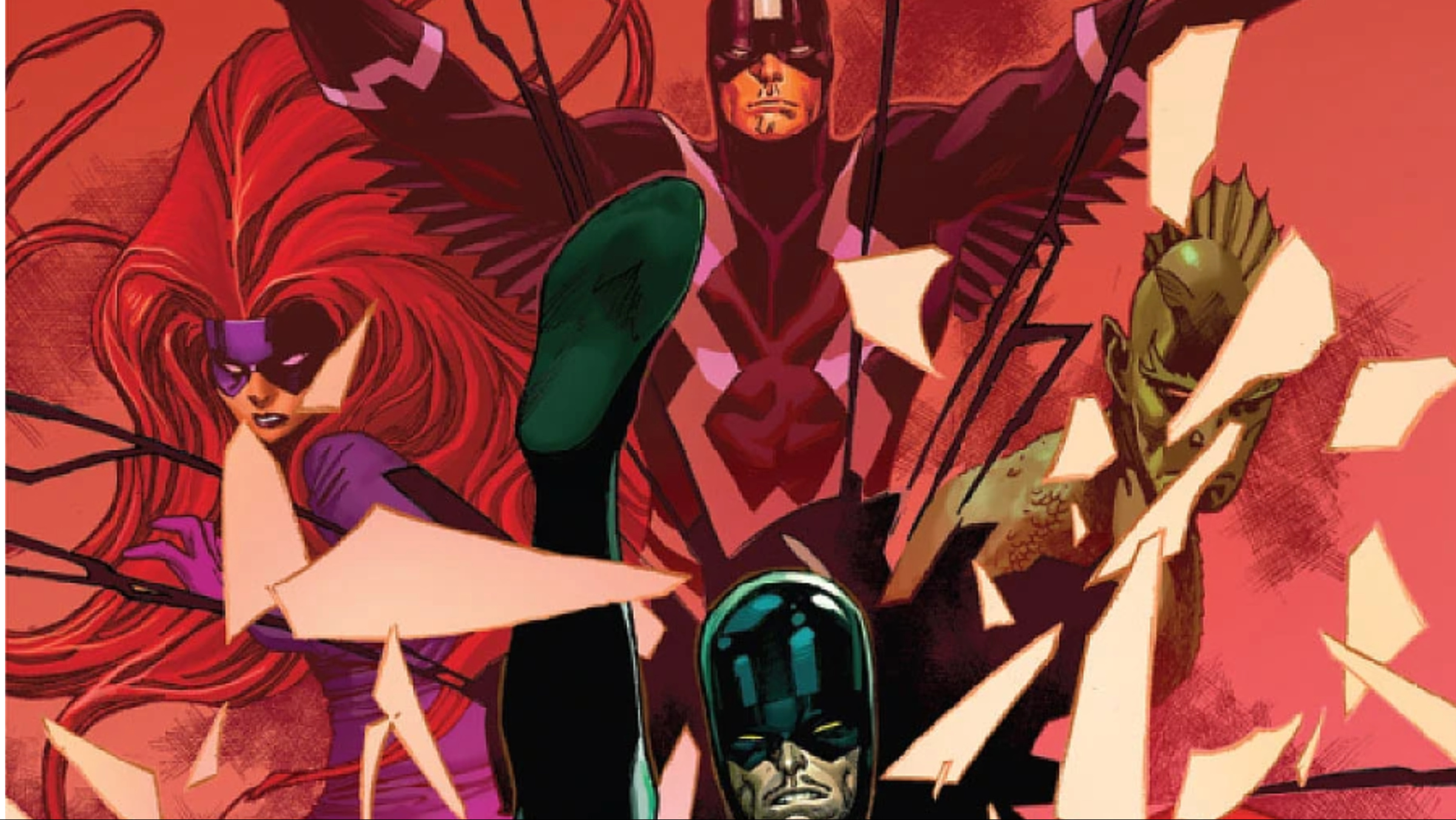
The increased focus on the Inhumans started with a strong storyline in Jonathan Hickman’s Avengers comic. Black Bolt, the Inhuman king, appeared in New Avengers (volume 3) and played a key role in dealing with dimensional incursions. During the Infinity storyline, he released a Terrigen Mist bomb during a battle with Thanos, who was searching for his part-Inhuman son. This event sparked the entire Inhuman initiative, leading to the Inhumanity storyline which included several standalone issues and tie-ins throughout Marvel’s comics. While spearheaded by Matt Fraction, it didn’t gain significant traction with readers at the time.
The event known as “Inhumanity” directly caused the emergence of new Inhumans, revealing that people worldwide carried Inhuman genes. The release of Terrigen Mist was responsible for triggering these transformations. As a result, Attilan, the hidden city of the Inhumans, publicly revealed its existence to serve as a haven for these newly transformed individuals. During this period, the comic series Ms. Marvel debuted, introducing Kamala Khan to readers. While the initial impact wasn’t massive, the Inhuman phenomenon was growing, but its progress would ultimately be cut short by the events of Secret Wars.
Following a major storyline that changed the entire Marvel universe, the publisher jumped ahead in time. When the story resumed, the Inhumans were significantly more powerful and influential, while the X-Men had been forced to leave Earth due to a disease called M-Pox, which affected mutants exposed to a mysterious substance called the Mists. During this time jump, Cyclops attacked the Inhumans and was killed. Shortly after, many new Inhuman titles were launched, with Charles Soule as the primary writer. New Inhumans began appearing, similar to how mutants used to, but readers weren’t interested because the push for them felt overly aggressive. Ultimately, the entire initiative was considered a failure.
Marvel decided to shift focus from mutants to Inhumans, essentially giving them the same storylines – prejudice, young heroes learning to control powers, and experienced members mentoring the next generation. However, this meant losing everything that made the Inhumans unique, as they were repurposed as a substitute for the X-Men. The attempt failed; readers didn’t respond well to what felt like a forced and cynical direction. While Marvel never explicitly stated it, the move seemed motivated by their lack of film rights to the X-Men. Aside from the popular Ms. Marvel series, Inhumans comics didn’t sell well. The Inhumans vs. X-Men event concluded the conflict, eliminating the Terrigen Mist (and continuing to portray mutants negatively, seemingly out of frustration with reader reaction). After a final try with Royals, the Inhumans were ultimately killed off in Death of the Inhumans and haven’t appeared since.
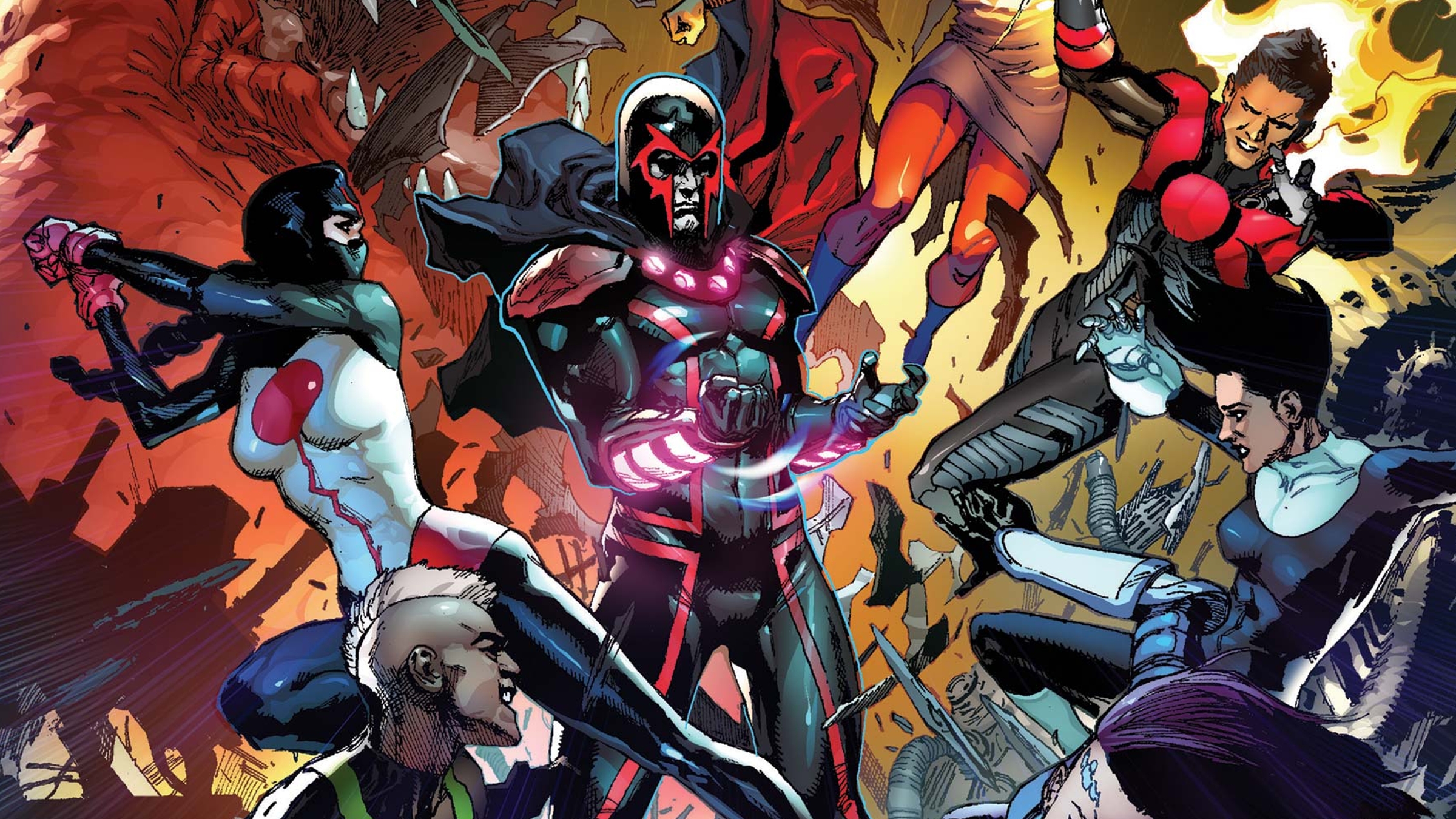
The Inhumans initiative started with promise, but ultimately failed to deliver. The decision to shift focus away from the popular X-Men and introduce Inhumans instead was a misstep, especially given the strong fanbase of the mutants. Essentially, trying to elevate lesser-known characters at the expense of established favorites was a poor strategy. This nearly damaged the X-Men franchise during the 2010s and resulted in many forgettable storylines. Coupled with underwhelming core titles like Inhuman, Inhumans, and Uncanny Inhumans, and generally uninspired solo books (with Ms. Marvel being a notable exception), the entire approach proved to be a mistake.
It really breaks my heart that things unfolded the way they did with the Inhumans. They weren’t ever meant to be villains, and if you look back at that fantastic series from 1998, you’ll see what they were originally all about. But it felt like the business side of Marvel, led by Ike Perlmutter, just saw them as a way to make money. They didn’t seem to grasp why fans loved the X-Men – it wasn’t just about superpowers. They treated them like any other hero they could swap out with the Inhumans. Honestly, this felt like one of the first times Marvel started changing the comics to fit the movies, and it just didn’t work. I wish they’d learned from it, but sadly, it seems like prioritizing those movie connections is still happening.
https://comicbook.com/comics/list/10-longest-running-marvel-comics-series/embed/#
Read More
- What Song Is In The New Supergirl Trailer (& What It Means For The DC Movie)
- Designing Magnetism with Molecular Architecture
- Jinger Duggar Explains Why Jeremy Vuolo Upgraded Her Wedding Band
- Spaceballs 2 Finally Gets the Major Update Fans Have Been Waiting For
- Dune 3 Gets the Huge Update Fans Have Been Waiting For
- MOUSE: P.I. For Hire Loops in Caravan Palace for A Catchy New Track Ahead of April 16 Release
- How Whitney Leavitt Made Ticket Sale History in Broadway Debut
- Darwin’s Paradox! drops Switch version for Switch 2, delayed to 2026
- Demon Slayer Star Reacts to Infinity Castle Movie Return for Surprising Role
- Starfield PS5 Won’t Play Off Physical Disc without a Download
2026-04-04 21:12