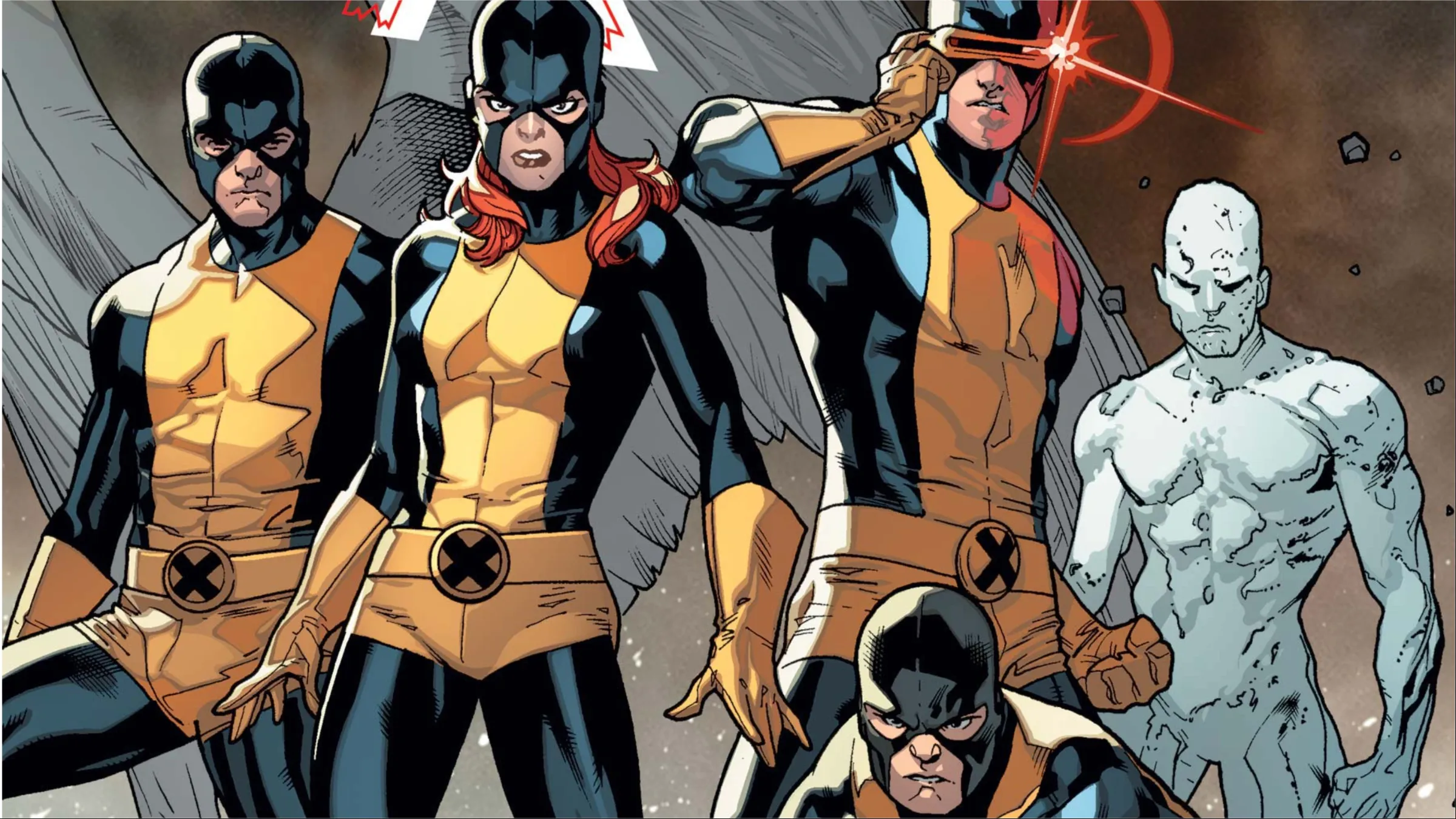
The past 21 years of X-Men comics have been quite a journey for fans. It began with the ‘House of M’ event, which started a period where the X-Men felt less central to Marvel’s overall stories. This led to storylines like ‘Decimation’ and the ‘Utopia’ era, culminating in the 2012 ‘Avengers vs. X-Men’ event. This story significantly changed the status quo: Cyclops was imprisoned after a battle with the Dark Phoenix Force, Professor X died, and the mutant race found new hope with Hope Summers and Scarlet Witch. Writer Brian Michael Bendis then moved to the X-Men books, taking over two main titles: ‘All-New X-Men’ and ‘Uncanny X-Men.’ ‘Uncanny’ focused on Cyclops and his efforts to build a mutant revolution, while ‘All-New X-Men’ introduced a major change that ultimately didn’t work out well.
In this storyline, Beast attempted to fix things with Cyclops by traveling back in time and bringing the original five X-Men as teenagers to the present. While it initially seemed like a temporary fix for a short story arc, it unexpectedly ballooned into a six-year saga spanning 102 issues across multiple series, including solo titles and even Champions. What was intended to usher in a new era for the X-Men actually had the opposite effect, highlighting a problematic pattern within Marvel’s storytelling.
The Return of the Original Five X-Men Never Felt as Interesting as It Seemed It Should
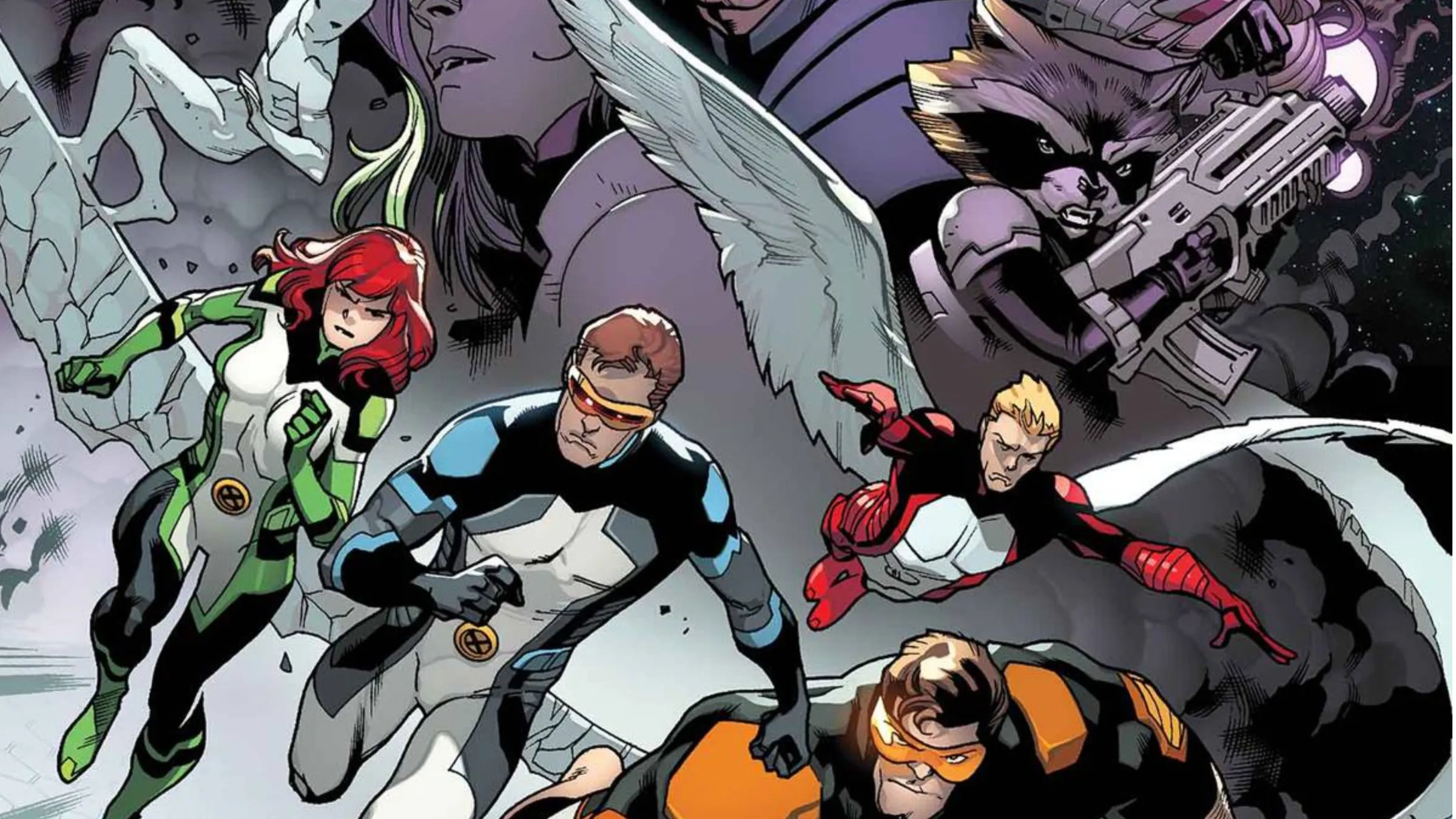
While often criticized, the Avengers vs. X-Men event actually helped bring an end to a particularly bleak period for X-Men comics. The ‘Decimation/Utopia’ era had some strong points, but it was inconsistent and fans were hoping for a return to the more character-driven, action-packed stories of classic X-Men. Avengers vs. X-Men set the stage for exciting new possibilities, and fans felt hopeful, especially knowing that Brian Bendis – a key writer for Marvel in the 2000s – was involved, as the publisher typically relied on him for its major projects.
Initially, the return of the original X-Men seemed like a promising idea. Given the history of time travel in X-Men stories, bringing back the founding team felt natural. However, fans quickly worried about the long-term implications. The concept only worked if it genuinely addressed the existing problems within the X-Men universe. Ultimately, focusing on less-established characters in the present proved unsustainable, as fans realized lasting change was unlikely. Everyone except Marvel recognized that overusing this storyline would be a mistake, and predictably, that’s exactly what happened.
The comic initially sold well, but interest quickly faded. The core issue was that the original five X-Men characters weren’t particularly compelling as teenagers – this contributed to lower sales compared to other comics from that era. Plus, everyone knew any new developments with the characters wouldn’t be permanent. Writers experimented with changes like the Beast discovering magic, Jean Grey learning about her past, and Angel gaining fiery wings, but these were ultimately temporary. The only lasting change was revealing Iceman was gay.
A major issue with Marvel lately is that character development rarely sticks. Fans expect any significant changes to be reversed when new creative teams take over, and this was especially true with the O5 storyline. Marvel couldn’t permanently alter the past versions of these characters or keep them in the present day, leading to a feeling that the story ultimately wouldn’t have lasting consequences. The 2010s weren’t a strong period for the X-Men, and the O5 felt like a repeat of the Clone Saga – a promising story that went on far too long.
Bringing The O5 Back Was Always Going to Be a Mistake
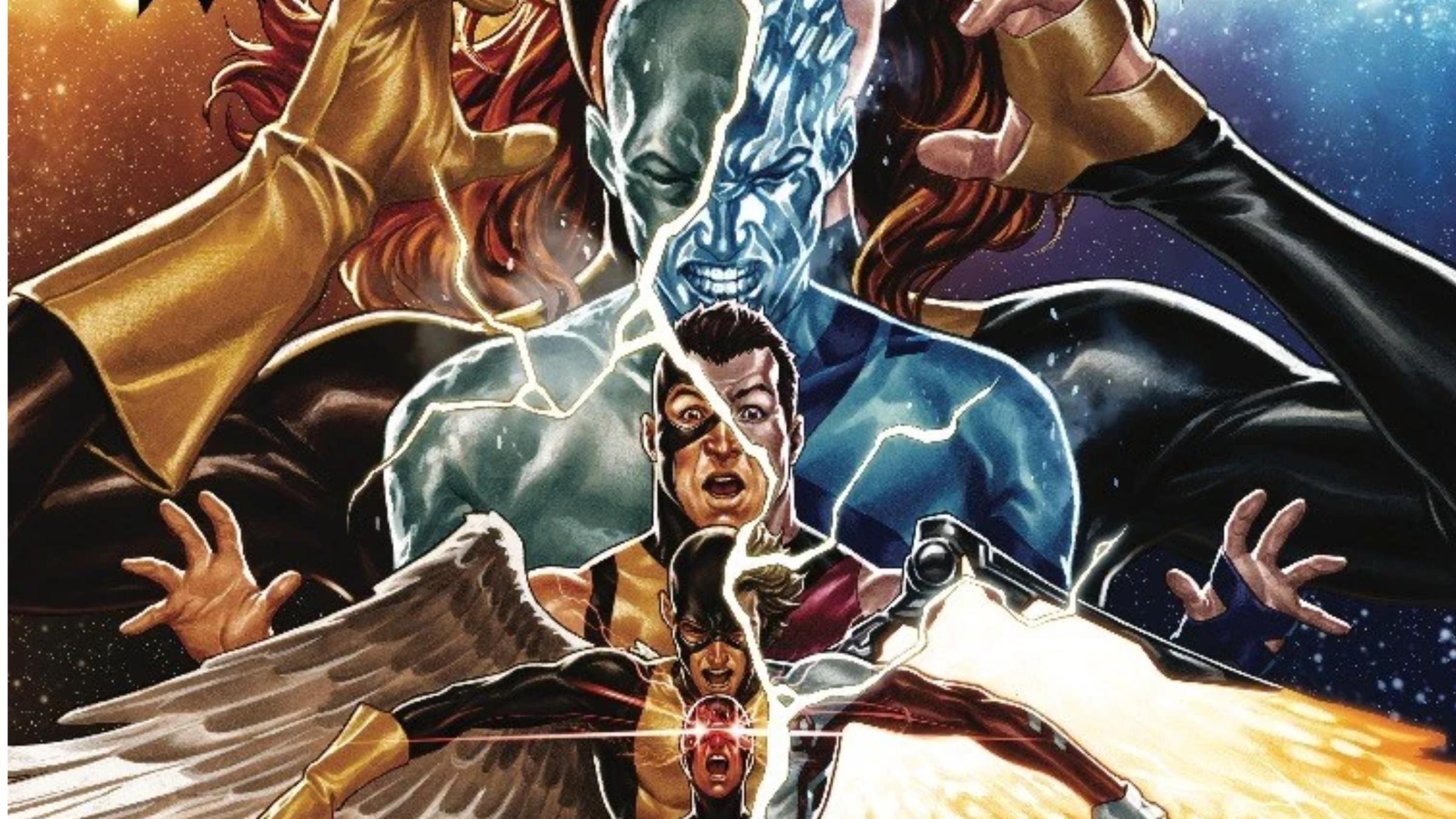
Following the difficult periods known as the Decimation and Utopia eras, fans were hoping for a fresh start, and the O5 storyline initially seemed promising. Many believe a shorter, two-year arc focusing on the X-Men reuniting would have been more satisfying. However, the initial popularity of All-New X-Men and Marvel’s habit of continuing books even when they weren’t creatively invested led to six years of stories that ultimately felt inconsequential. The series also unfortunately maintained the grim and depressing atmosphere that fans had grown weary of.
During the 2010s, Marvel intentionally downplayed the X-Men in their comics, focusing instead on characters they had the rights to make movies about. A major source of frustration for fans during this period was the ‘O5’ storyline, which involved five original X-Men returning. There were only two noteworthy events from those six years: Iceman being revealed as gay by Jean Grey, and Cyclops developing a relationship with Ms. Marvel. Overall, this era isn’t well-regarded, and skipping those six years of X-Men comics won’t leave you missing any crucial plot points. Ultimately, it was a storyline that lacked impact and was largely forgettable – a cardinal sin for any comic book.
https://comicbook.com/comics/list/10-best-x-men-comics-of-all-time-1-will-never-be-matched/embed/#
Read More
- Looks Like SEGA Is Reheating PS5, PS4 Fan Favourite Sonic Frontiers in Definitive Edition
- Pluribus Star Rhea Seehorn Weighs In On That First Kiss
- Kelly Osbourne Slams “Disgusting” Comments on Her Appearance
- Gold Rate Forecast
- Dune 3 Gets the Huge Update Fans Have Been Waiting For
- Tomodachi Life: Living the Dream ‘Welcome Version’ demo now available
- Arknights: Endfield – Everything You Need to Know Before You Jump In
- 5 Weakest Akatsuki Members in Naruto, Ranked
- Disney Promotes Thomas Mazloum To Lead Parks and Experiences Division As Josh D’Amaro Prepares To Become CEO
- ’90s Cartoon Reboot & TMNT Connection!
2026-03-30 22:11