I still remember being completely blown away by my first experience with Oblivion around 2007. Even something simple, like shooting an arrow into a bucket in the Imperial Sewer and seeing it tip over, felt incredible as a kid. The game was full of those little surprises. We often talk about games that were groundbreaking and inspiring, but what about games that weren’t necessarily revolutionary – the ones that were just… good?
We still get innovative games now and then, but it’s more frequent to see games with exciting concepts that don’t quite succeed. Often, this happens because of unrealistic expectations, flawed development, or a focus on making money rather than good gameplay. These games demonstrate that a strong idea is only the first step – it needs to be backed up with quality and careful planning.
These 15 gaming ideas seemed amazing when first announced, but unfortunately, they didn’t live up to expectations and ultimately failed.
Exploring A Full-Sized Galaxy – Starfield
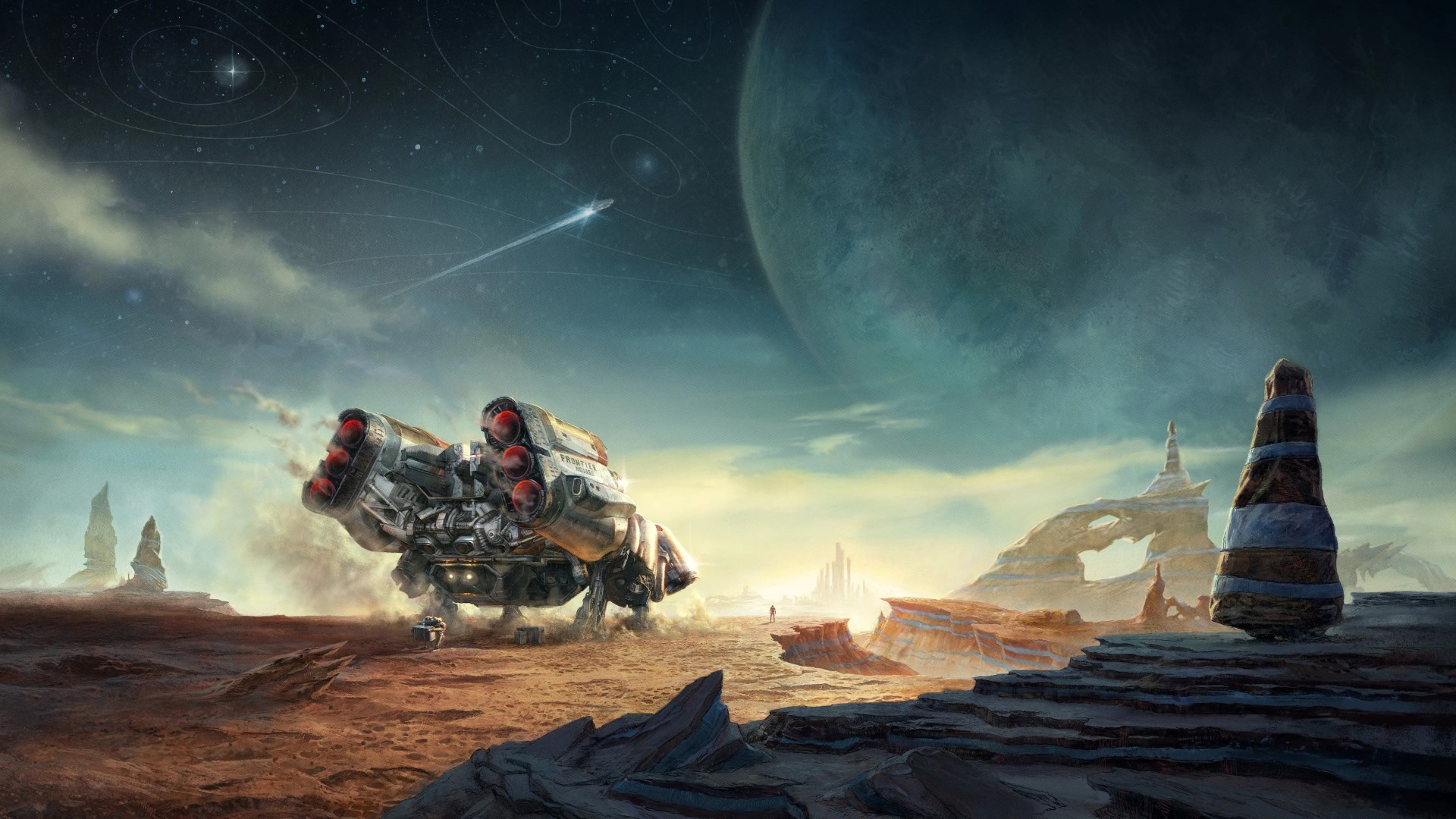
When Todd Howard first showed us Bethesda’s new space RPG, it sounded incredible – almost too good to be true. The idea of a game like Skyrim set in space was enough to get many people to pre-order, but the promises went beyond that. They talked about hundreds of star systems with thousands of planets, and the ability to customize and fly your own spaceship with a crew. Sadly, the released game didn’t live up to the hype. It lacked compelling characters, most planets felt empty, and spaceship navigation was clunky and wasn’t used much. While the game initially sold well thanks to excitement, a massive drop in players after just six months, along with the damage to Bethesda’s overall reputation, clearly shows Starfield‘s weaknesses.
Pirate Live Service – Skull and Bones
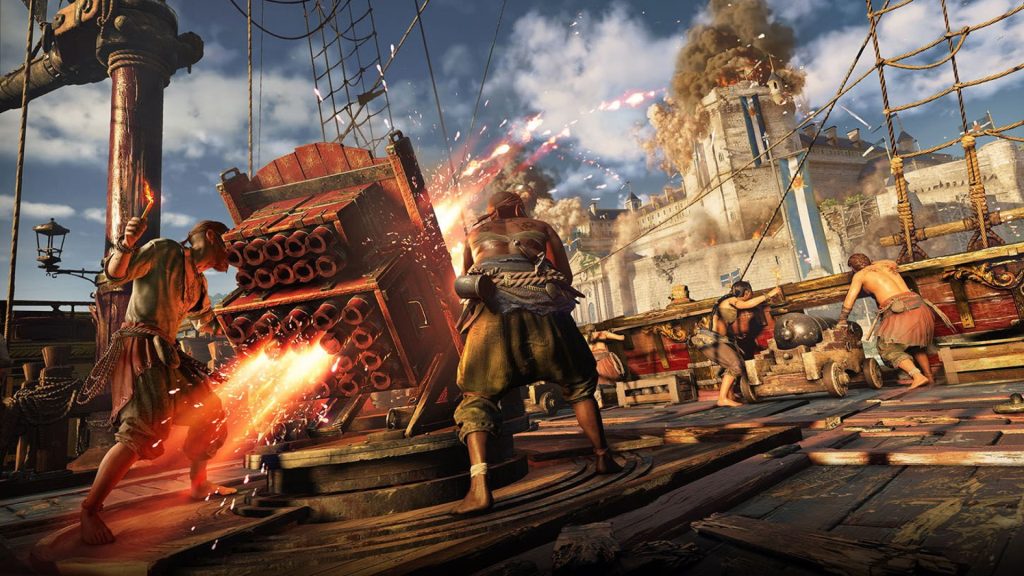
Everyone was excited for a big, immersive pirate game with epic sea battles and classic pirate songs, but the developers didn’t quite deliver. The biggest problem with Skull and Bones was its price tag – $70 – combined with a system designed to constantly encourage players to spend more money. Players had to spend an enormous amount of time grinding for in-game currency just to improve their ships. This constant focus on small, ongoing purchases frustrated even dedicated fans, making it hard to stay engaged. It just didn’t live up to the hype of being a groundbreaking ‘AAAA’ game.
Hunters vs Hunted Multiplayer – Evolve
Even though I wasn’t a huge fan of games like Left 4 Dead, I remember being really excited about Evolve when it came out in the 2010s. Evolve was unique because it pitted a team of hunters against a single, powerful monster controlled by another player – unlike the team-based shooters popular at the time. The key difference was that this monster was just one player, creating a 4-versus-1 fight. The game was fresh and fun for a few hours. Playing as the giant monster and hunting down four players was a blast. However, the excitement didn’t last. Problems with game balance, a lack of updates after release, and a high price for a game that quickly became repetitive all led to Evolve’s decline.
Open World Parkour – Forspoken
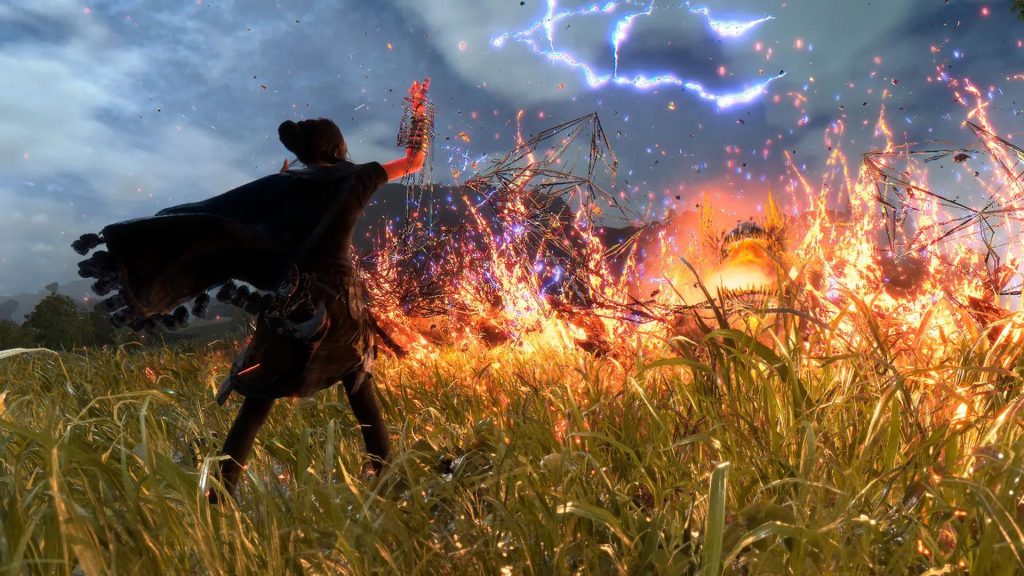
I was really excited about Forspoken before the demo came out. I loved the team behind Final Fantasy XV and their game engine, and the open-world parkour looked amazing. Unfortunately, after playing the demo, I was extremely disappointed. While the game looks decent and the music is okay, it’s let down by several things. The dialogue is particularly bad, but the repetitive fights and weak story about being transported to another world don’t help either.
Your Choices (Don’t) Change Everything – Mass Effect 3
Many gamers enjoy games where their choices really matter and shape the story, and developers have tried to deliver this experience for years. However, it’s surprisingly difficult to make those choices feel impactful all the way to the end of the game. The Mass Effect series is a prime example. Mass Effect 2 was praised for remembering key decisions from the first game and building on them in new ways. But Mass Effect 3 initially disappointed many players with its limited and unsatisfying endings. The biggest problem wasn’t just that there were few options, but that the different endings felt almost identical – as if all the important choices made throughout the three games ultimately led to the same uninspired result, with only minor cosmetic differences.
Mandatory Crafting – Metal Gear Survive, Fallout 4
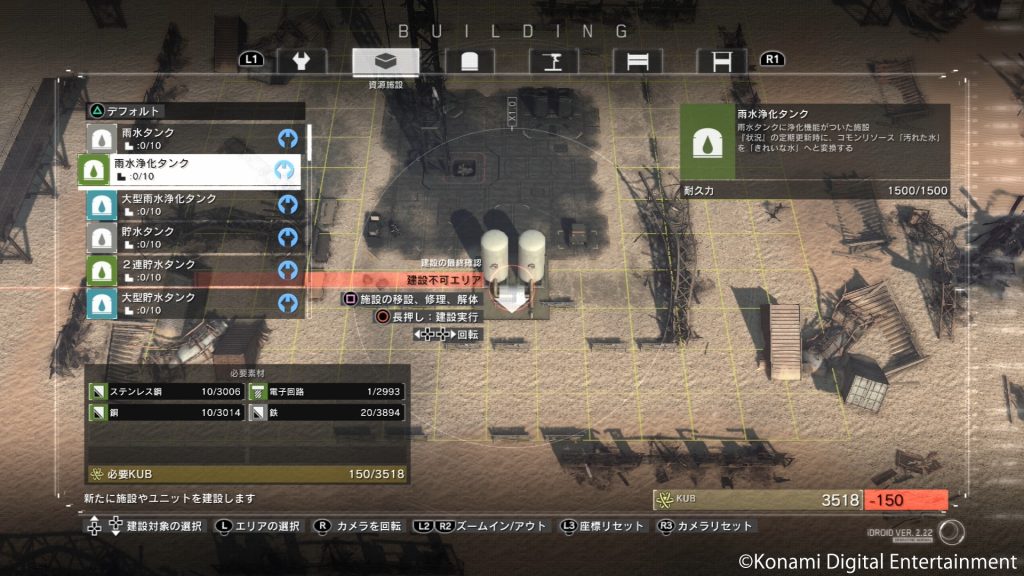
I enjoy finding loot in abandoned buildings in open-world games, particularly when you can use those items to craft things. However, some games push crafting too far, making it necessary to progress the main story. Fallout 4 is a good example – you constantly need to gather resources and craft, no matter what you’re doing, largely because of its focus on building settlements. Metal Gear Survive took this even further, making crafting the entire game. While crafting can be fun, both these games demonstrate that too much of it can actually detract from the experience.
Detective Vision – Batman: Arkham Series, The Last of Us Part 1
I remember being totally blown away by the detective vision in the first Batman: Arkham Asylum. It felt so cool scanning around with those infrared goggles and finding clues – it really made the world feel more immersive. But after that, it felt like every game had something similar, and it just didn’t have the same impact. The Witcher 3 did it well, I think, because Geralt’s commentary made those investigations enjoyable. But then, the later Arkham games and even The Last of Us Part 1 started using it way too much. It didn’t just slow down the gameplay, it actually started to drag the story down too.
Procedural “Infinite Story” Generation – No Man’s Sky Launch, Daggerfall

Many gamers were doubtful when Sean Murray promised an endlessly vast and automatically generated universe in No Man’s Sky. Unfortunately, the game’s initial release seemed to confirm those doubts. While No Man’s Sky now has the multiplayer feature it originally lacked, it initially felt empty and lacked substantial things to do – a common problem with games relying heavily on procedural generation. A similar issue plagued Bethesda’s Daggerfall. Though incredibly ambitious for its time, Daggerfall featured a massive world – between 62,000 and 80,000 square miles with over 10,000 towns – far larger than most open-world games today. However, its dungeons were poorly designed, and despite some interesting features, the world ultimately felt repetitive and lacked depth.
Memory Editing — Remember Me
The game Remember Me had all the elements of a potential blockbuster franchise: exciting action, platforming, puzzles, and a unique gameplay mechanic called Memory Remixing. The idea of changing someone’s past to affect the present was a major draw, and players didn’t just watch this happen in cutscenes – they actively solved puzzles by rearranging objects within a character’s memories. This ability was genuinely frightening and, with better implementation, could have been as iconic as the Animus from Assassin’s Creed. Unfortunately, Remember Me became known for its weak combat and a story that didn’t quite live up to its potential. It’s a shame the game couldn’t focus more on the Memory Remix feature, as that’s what could have truly made it memorable for players.
Possess Enemies On-the-Fly — Mindjack
Does anyone recall Mindjack, the Japanese cover shooter from the early 2010s? It’s understandable if you don’t. While it featured standard third-person shooting and a forgettable sci-fi story, it did try something different with a mind-hacking ability. The idea of taking control of enemies and turning them into allies sounded great, but the game’s poor AI really held it back. Unfortunately, repetitive levels and uninspired missions also prevented the promising mind-hacking concept from truly shining.
Open-World Live Service Campaign — Anthem
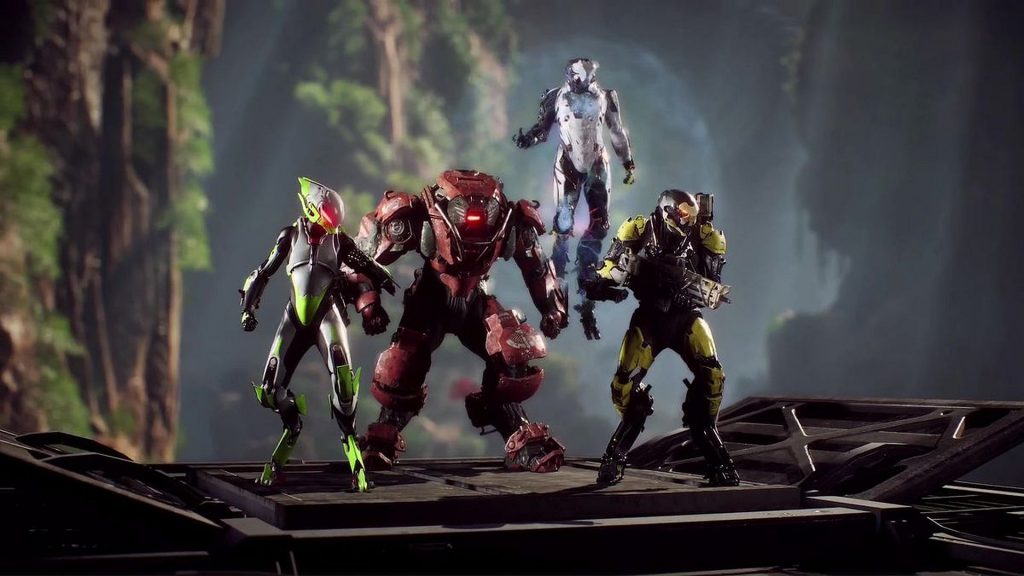
Despite recent games like Dragon Age: The Veilguard and Mass Effect: Andromeda receiving mixed reactions, Bioware is still operating today. However, Anthem marked a turning point for the studio. While Bioware had built a strong reputation for compelling stories and characters, its parent company, EA, pushed them to create a live-service multiplayer game. This didn’t resonate with fans, old or new. Anthem launched with numerous technical issues, and its core gameplay loop wasn’t enough to keep players engaged long-term. It’s a shame, because the game did feature a really enjoyable jetpack system that made flying around the world fun and fluid – but beyond that, the game felt tedious.
Superhero Looter-Brawler – Marvel’s Avengers
Marvel’s Avengers joined the trend of games designed for ongoing play and purchases, benefiting from the popularity of the Marvel brand. There was a lot of excitement for this big, new superhero game from Crystal Dynamics, especially since it launched at a time when Avengers content was popular and hadn’t been widely explored in gaming. Many players were eager to play as their favorite heroes and enjoy a polished action experience. However, repetitive missions and a lack of content after completing the main story held the game back from reaching its potential. Games like Marvel’s Avengers need a strong story and engaging gameplay to justify their ongoing structure.
AAA Episodic Storytelling – Telltale Games
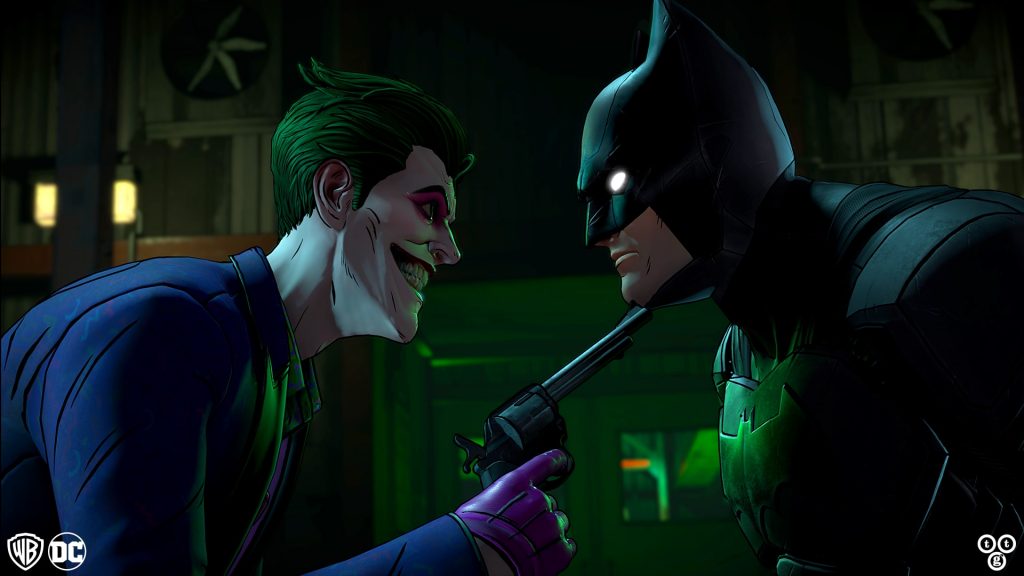
Whatever happened to Telltale Games? Their unique style of interactive, story-driven games was really popular in the 2010s, and nothing quite feels the same since. Telltale’s The Walking Dead was a game-changer, proving that smaller games could deliver compelling, episodic experiences. However, after Telltale’s Game of Thrones, the formula started to lose its appeal. The similar art style and the feeling that player choices didn’t always matter likely contributed to the decline of this type of game.
Time-Manipulation Shooter — TimeShift
Most people enjoy seeing dramatic slow-motion effects, like those in The Matrix, and even more when they can control it themselves. TimeShift really embraced this idea, letting players fully manipulate time. Building a first-person shooter around time control seemed to offer endless possibilities, but unfortunately, the game itself didn’t live up to that potential. Like Anthem, TimeShift had one standout feature – its time-bending abilities – but lacked everything else needed to make it truly enjoyable. While the game had a cool dieselpunk style, the story felt rushed and the characters were unmemorable. Enemies were overly reliant on taking a lot of damage, and combat encounters weren’t very interesting. Ultimately, while time manipulation is a fun concept, TimeShift didn’t successfully build a compelling game around it.
Cloud-Powered, Fully Destructible Cities — Crackdown 3
Players really enjoyed the unpredictable and open-ended gameplay of Crackdown 2, and their excitement for the sequel was much higher than the game deserved. Crackdown 3 didn’t live up to the potential of the original concept, performing about as poorly as MindEye did when trying to replicate the GTA formula (though maybe not quite that badly). While Crackdown 2 was full of fun and lighthearted chaos, Crackdown 3 offered repetitive city environments and uninspired missions. The promised cloud-powered destruction, a major selling point, was largely missing, except in the short-lived and unpopular multiplayer mode. Crackdown 3 didn’t build on what fans loved about the second game, and ultimately, even Terry Crews couldn’t save it.
Read More
- What Song Is In The New Supergirl Trailer (& What It Means For The DC Movie)
- Dune 3 Gets the Huge Update Fans Have Been Waiting For
- Highly Anticipated Strategy RPG Finally Sets Release Date (And It’s Soon)
- TV legend Carol Kirkwood reveals the reasons why she decided to retire after 28 years with BBC
- Why is Tech Jacket gender-swapped in Invincible season 4 and who voices her?
- Robert Pattinson’s The Batman 2 Suit ‘Evolution’ Gets an Answer From Designers
- Game of the Month: Crimson Desert (March 2026)
- Demon Slayer Star Reacts to Infinity Castle Movie Return for Surprising Role
- Jinger Duggar Explains Why Jeremy Vuolo Upgraded Her Wedding Band
- Avengers: Doomsday Release Date Change Being Discussed – Report
2026-02-02 16:15