A truly unique show ended over a decade ago with little fanfare, and it didn’t receive the attention it deserved. While many viewers simply saw it as another TV cancellation, dedicated fans knew it was the abrupt end of a daring and thought-provoking sci-fi series. What’s remarkable is that, despite being cut short, the show cleverly used its cancellation as a narrative device, crafting a fitting conclusion. The final episode isn’t a hurried attempt to resolve everything, nor is it disappointing. Instead, it delivers a powerfully clear and surprisingly perfect ending that, looking back, feels like the only way the story could have concluded.
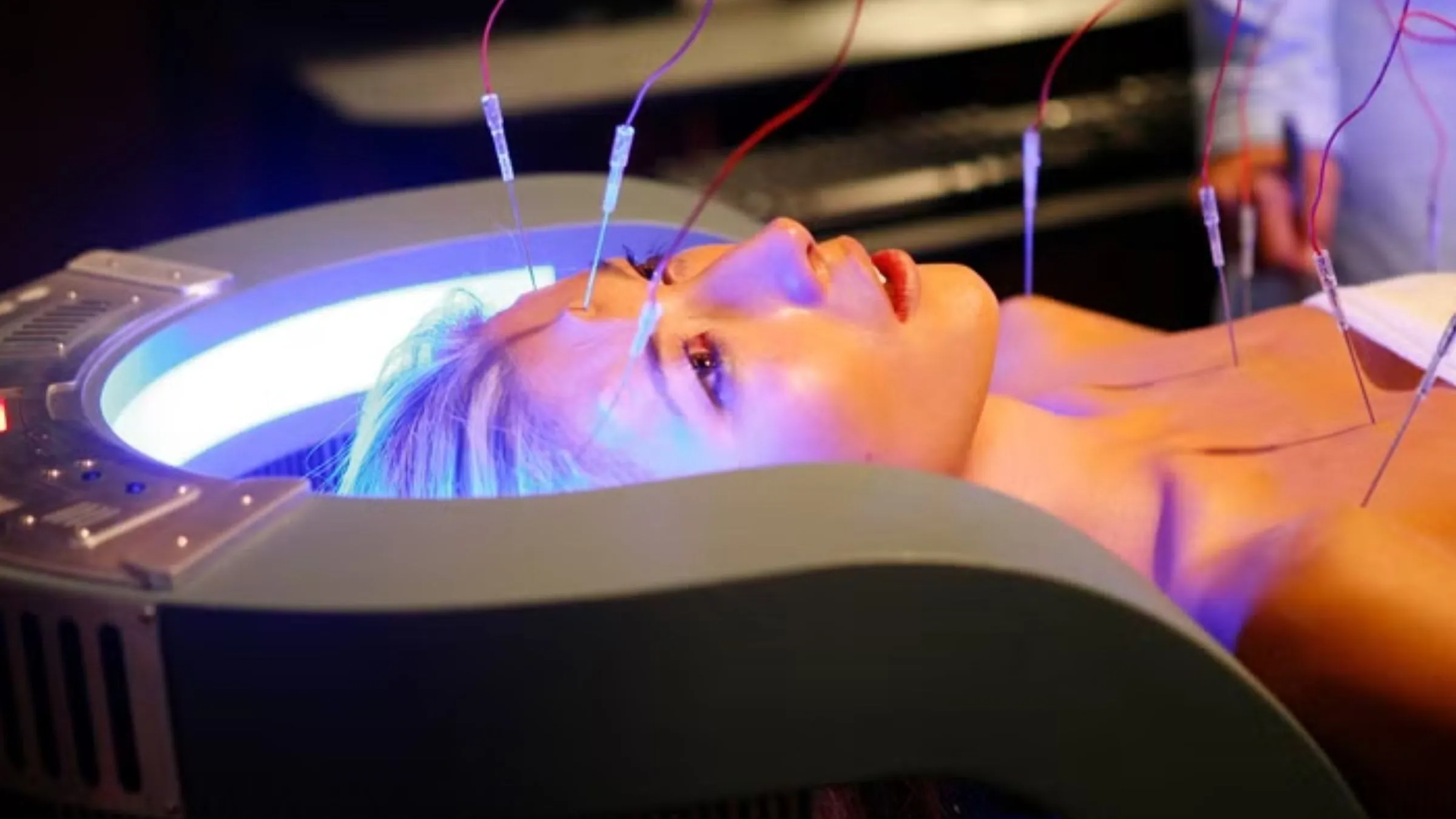
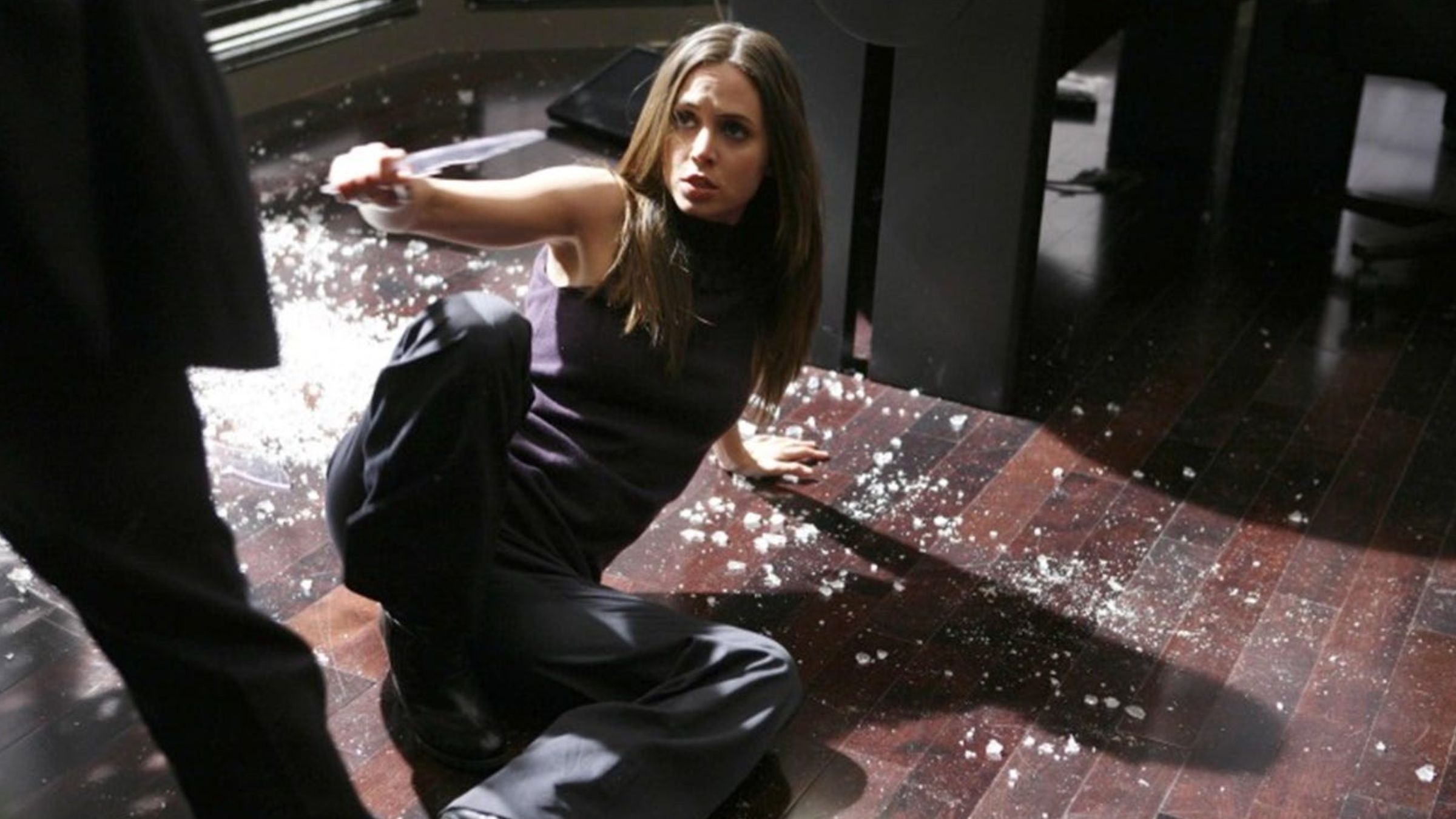
Created by Joss Whedon and broadcast from 2009 to 2010, Dollhouse immediately presented a challenging and unsettling concept. The show centered around “actives” – people whose memories are wiped and personalities replaced, allowing them to live completely different lives for each assignment. These assignments ranged from harmless tasks to morally complex and violent situations. The series follows Echo (Eliza Dushku), who begins to regain fragments of her past and develop lingering emotions, suggesting her identity is resisting complete erasure.
Despite having a fascinating idea at its core, Dollhouse initially made many viewers uncomfortable. The show only lasted two seasons, and the way the first season was structured—with each episode feeling similar—left some feeling like the story wasn’t moving forward. While that’s a fair criticism, it overlooks a key element: the repetition was intentional. The dolls’ predictable lives, the false sense of security, and their complete lack of agency were all meant to highlight themes of control and exploitation. Dollhouse wasn’t aiming for simple entertainment or a fast-paced plot; it was designed to be unsettling, particularly for audiences watching in the late 2000s. Unfortunately, it aired on a mainstream network, which isn’t often receptive to that kind of approach.
It wasn’t surprising when Fox canceled the show after its second season; ratings hadn’t been strong enough to sustain a complex storyline. Usually, a cancellation leads to a quick and unsatisfying conclusion, but Dollhouse did something different. Realizing the end was near, the show’s creators jumped ahead to the natural outcome of the entire series, refusing to simplify things for casual viewers. This bold choice is precisely what elevated the show to a true work of art.
Dollhouse Knew How to End Itself Properly After Being Canceled

The series concluded with “Epitaph Two: Return,” a finale that completely upended the established world and plunged viewers into a disturbingly chaotic future. The technology used to control identities, once carefully managed by corporations, had spiraled out of control, leading to societal breakdown. People’s identities became fluid and unstable, cities functioned on sheer improvisation, and the idea of a consistent self became untrustworthy. This wasn’t the sleek, stylized sci-fi many anticipated; instead, it presented a frighteningly realistic depiction of what a technological collapse might actually look like. This is where Dollhouse truly excelled—and where many viewers at the time failed to grasp its message.
The series finale doesn’t offer easy forgiveness or resolutions. Echo doesn’t become a typical hero, but a flawed figure who represents defiance. Topher, the creator of the technology, isn’t forgiven, but he does have the opportunity to understand the harm he caused. Each character’s journey concludes in a way that feels true to the choices they made throughout the show, and there aren’t any unexpected twists or convenient redemptions to tie everything up neatly. Dollhouse respects its viewers, trusting them to recognize that the ending isn’t depressing just for the sake of it—it’s genuine. It’s smart science fiction, the kind that feels more at home with shows that were groundbreaking for their time.
Ideas like the importance of consent, treating people as objects, lost identities, and technology impacting our minds are much more prevalent in TV and movies now. Back in 2009, these themes felt shocking or strange for mainstream television. Today, they almost seem expected. While Dollhouse was definitely a bold show, that wasn’t its weakness. It simply arrived before its time, when audiences weren’t quite prepared for its challenging stories and moral questions. That’s why it didn’t get the attention it deserved, faded from memory, and remains underappreciated – but it feels perfectly suited for a revival in today’s television climate.
It’s remarkable how quickly this series wrapped things up – in just two seasons, it delivered a more satisfying conclusion than many shows that went on for much longer, like Stranger Things, which had some issues despite its extensive run. The finale feels complete; it doesn’t leave you wanting more, but rather feeling like the story ended at the perfect moment. This is unusual, especially for shows that were canceled. Instead of trying to continue beyond what was possible, the series accepted its ending and made it a meaningful part of its overall message.
I still think about Dollhouse all the time. It was such a smart, creepy, and surprisingly well-put-together sci-fi show. The ending wasn’t just satisfying, it made everything that happened before click into place. And honestly, looking back now, it holds up incredibly well. It’s a shame we didn’t appreciate it enough while it was actually airing – that’s what really hurt the show, not time.
Have you seen the show? Share your thoughts in the comments and join the discussion on the ComicBook Forum!
https://comicbook.com/tv-shows/news/7-cult-sci-fi-shows-all-genre-fans-should-revisit/embed/#
Read More
- Gold Rate Forecast
- Eurogamer Gives ARC Raiders 2/5 Over AI Voices, Dropping Metacritic Score from 94 to 84
- Hideo Kojima Says He Was Never Told About The Matrix Creators Wanting Him to Make a Game
- ’90s Cartoon Reboot & TMNT Connection!
- Guardians of the Globe Members We Want to See in Invincible Season 4
- Dune 3 Gets the Huge Update Fans Have Been Waiting For
- Kelly Osbourne Slams “Disgusting” Comments on Her Appearance
- One of Hulu’s Best New Shows Lands on Disney+ Ahead of Season 2
- What Song Is In The New Supergirl Trailer (& What It Means For The DC Movie)
- Man vs. Baby’s AI-Enhanced Baby Is Still Partly Human, Confirms Netflix Director
2026-01-29 20:17