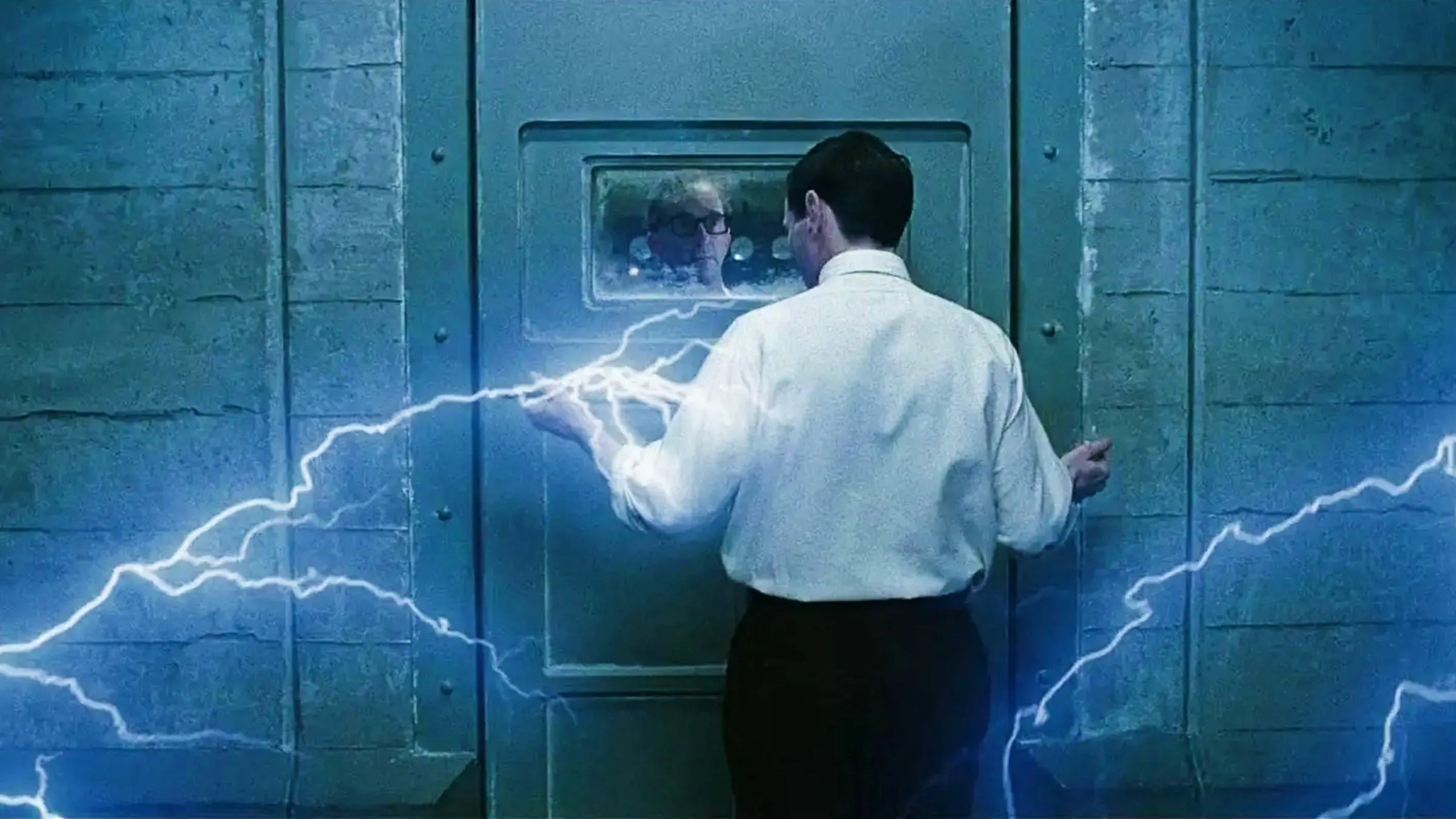
Zack Snyder burst onto the scene in 2007 with 300, his visually striking adaptation of Frank Miller’s comic about the Battle of Thermopylae. The film was a huge hit, both financially and culturally, inspiring a desire for the Spartan physique and providing instantly quotable lines that became popular memes. 300 established Snyder as a talented and unique filmmaker, and someone who understood the power of bringing comic books to the screen without trying to elevate the source material. This was a refreshing change for comic book fans, who finally saw one of their own in a position to tell these stories. Building on this success, Snyder then took on an even more ambitious project.
Today marks the seventeenth anniversary of Zack Snyder’s Watchmen hitting theaters on March 6, 2009. The film adapted the celebrated comic book series by Alan Moore and Dave Gibbons, which for decades was considered a masterpiece best suited for the printed page. While the movie received mixed reviews, it demonstrated that Watchmen could work on the big screen, even if it did alter a key plot point from the original comic. However, looking back almost twenty years later, that change isn’t even the most noteworthy difference between the film and the comic.
Zack Snyder’s Watchmen Proved the Comic Wasn’t Unfilmable
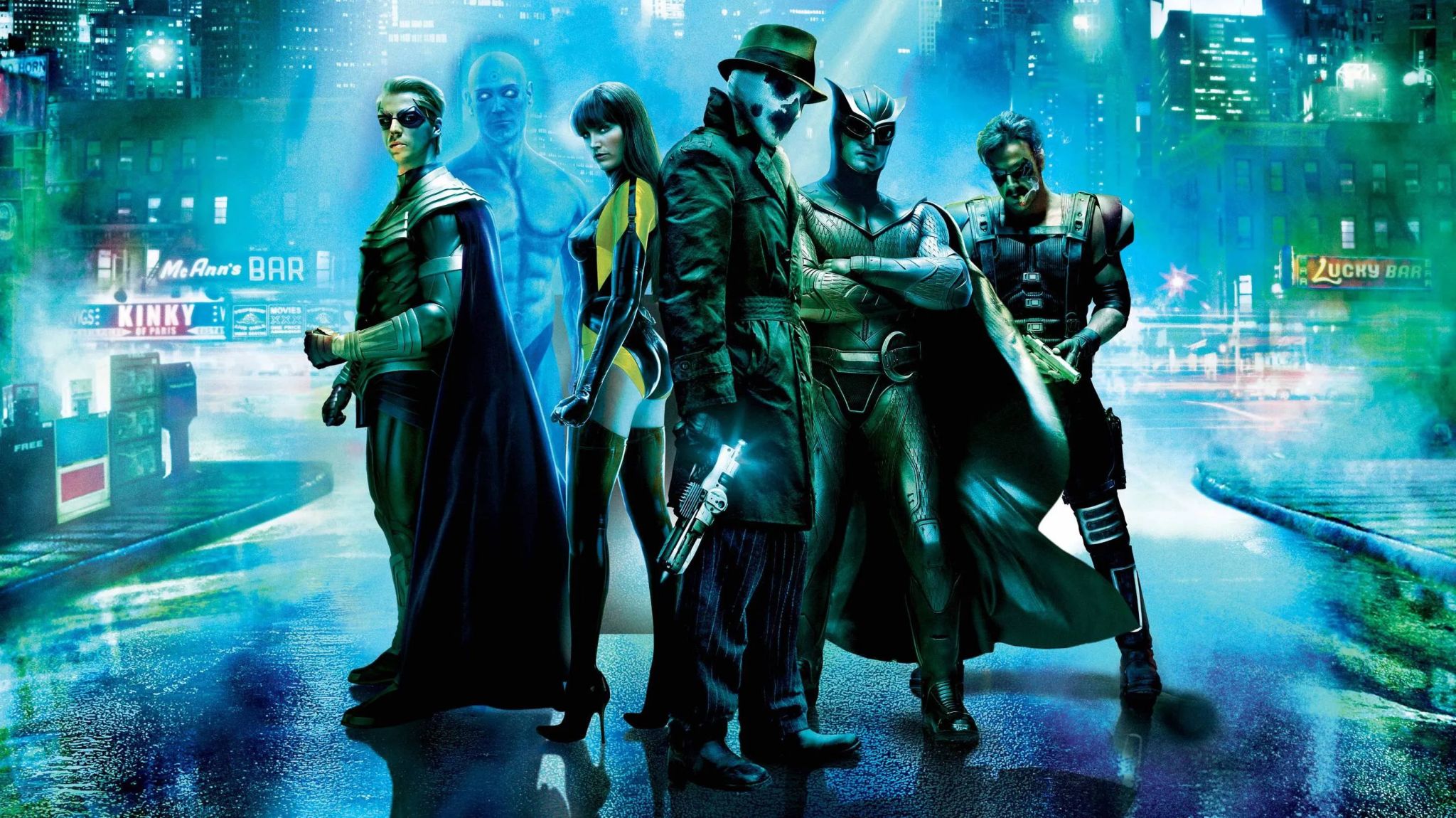
As a huge fan, I’ve always believed Watchmen is one of the greatest comic books ever written, and it’s been that way since it first came out. Because it’s so beloved, everyone in Hollywood seemed to want to make a movie version, but it was like watching a cartoon – so many tries that just crashed and burned! I remember hearing about plans back in the ’80s with the guy who wrote the Batman script, then Terry Gilliam was going to direct in the ’90s. Later, David Hayter and even Darren Aronofsky tried their hand at it. Ultimately, most of those attempts fell apart, and honestly, a lot of people said Watchmen just couldn’t be made into a movie.
What made Watchmen so groundbreaking? Even just seeing the series on a shelf hints at its impact. Despite being only twelve issues long, Watchmen is incredibly layered, featuring a diverse cast of characters and stories within the story. Beyond its famous nine-panel layouts filled with intricate details, the comic includes excerpts from the pirate tale Tales of the Black Freighter, which appears within the main narrative, and lengthy passages from fictional novels that explore the world’s history and how the presence of superheroes altered it.
All these factors combined to make Watchmen the groundbreaking work it is, and that’s before even considering how it built upon decades of comic book history. This complexity made adapting Watchmen into a film incredibly challenging. Filmmakers faced tough choices: what to cut, what to shorten, and how to reshape the story to fit a two-and-a-half-hour runtime while still honoring the source material’s rich history. Most who tried found it overwhelming, but Zack Snyder’s film proved that no element of a comic was untouchable for the big screen. He famously altered the ending of Watchmen, a change that continues to spark debate even seventeen years later.
Watchmen’s Ending Is Still Debated, But Far From Its Most Controversial Change
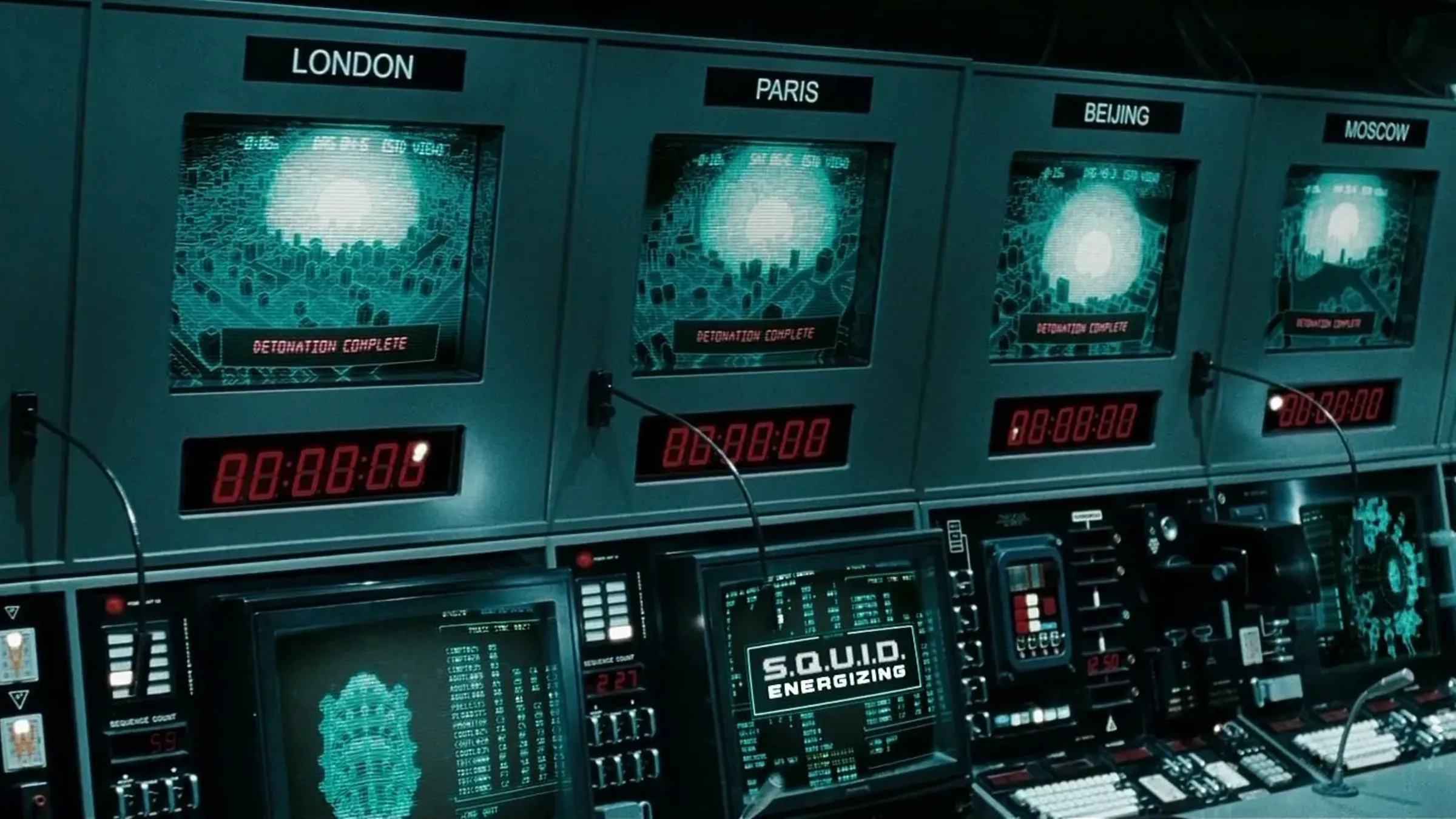
A key storyline in Watchmen revolves around a secret project on a Pacific island. It’s revealed that Ozymandias orchestrated this project to create a fake alien invasion – a giant, squid-like creature. After eliminating everyone aware of his plan, he unleashes the creature on New York City, causing mass casualties. Ozymandias believes this act, while horrific, ultimately saves the world. By uniting humanity against a common, external threat, he aims to end global conflict, reasoning that people will stop fighting each other if they face a larger enemy.
The movie Watchmen, directed by Zack Snyder, doesn’t feature the giant squid from the original comic book (though it does get a playful mention). Instead, the film changes the plot so that Ozymandias makes the world think Doctor Manhattan was responsible for attacks on New York and other major cities worldwide. While this achieves the same story outcome, it was a controversial change when the film came out—and still is for some fans—because it was one of the few times Snyder significantly deviated from the source material.
While the altered ending of the Watchmen movie is a significant departure from the original comics, it’s not the most substantial change. The biggest difference actually lies in Zack Snyder’s approach to the action scenes – he emphasized those moments and presented them with his signature visual style. This shift in tone is more striking than the ending change and deserves more attention when discussing unnecessary alterations to the source material.
The Watchmen comic book doesn’t focus heavily on drawn-out action sequences; fights are often quick and messy, reflecting a realistic approach to superheroes. Instead of glorifying heroes with impressive battles, the comic portrays violence as awkward and brutal. The film, however, emphasizes stylish action, prioritizing cool visuals and making the characters seem larger than life, a departure from the comic’s grounded realism.
A prime example of this difference is the scene where Nite Owl and Silk Spectre rescue Rorschach from prison. The comic book version shows this happening over four pages, including a single panel of them fighting escaped inmates while looking for him. The movie, however, starts with Silk Spectre dramatically leaping from Nite Owl’s still-flying ship, landing in slow motion – a classic superhero pose that would later be parodied. From there, the scene becomes intensely violent, with the heroes quickly and brutally defeating the prisoners. This is a typical Hollywood action sequence designed to excite the audience, allowing for a slower pace afterward. However, this approach clashes with the original comic’s darker and more grounded tone.
Zack Snyder’s Watchmen remains a significant film in the history of comic book adaptations. Its very creation demonstrated that even complex and detailed comics could be successfully translated to the big screen, thanks to advancements in visual effects. The film also established Snyder as a capable director, leading to his involvement with the DC Extended Universe. As the film nears its twentieth anniversary, it’s time to move beyond the debate about its altered ending. The fact that Watchmen continues to spark discussion, despite its flaws, speaks volumes about its lasting impact.
Read More
- Gold Rate Forecast
- Looks Like SEGA Is Reheating PS5, PS4 Fan Favourite Sonic Frontiers in Definitive Edition
- Pluribus Star Rhea Seehorn Weighs In On That First Kiss
- Arknights: Endfield – Everything You Need to Know Before You Jump In
- Dune 3 Gets the Huge Update Fans Have Been Waiting For
- 10 Steamiest Erotic Thriller Movies of the 21st Century
- Antiferromagnetic Oscillators: Unlocking Stable Spin Dynamics
- 22 actors who were almost James Bond – and why they missed out on playing 007
- 5 Weakest Akatsuki Members in Naruto, Ranked
- Action Comics #1096 is Fun Jumping-On Point for Superman Fans (Review)
2026-03-07 00:42