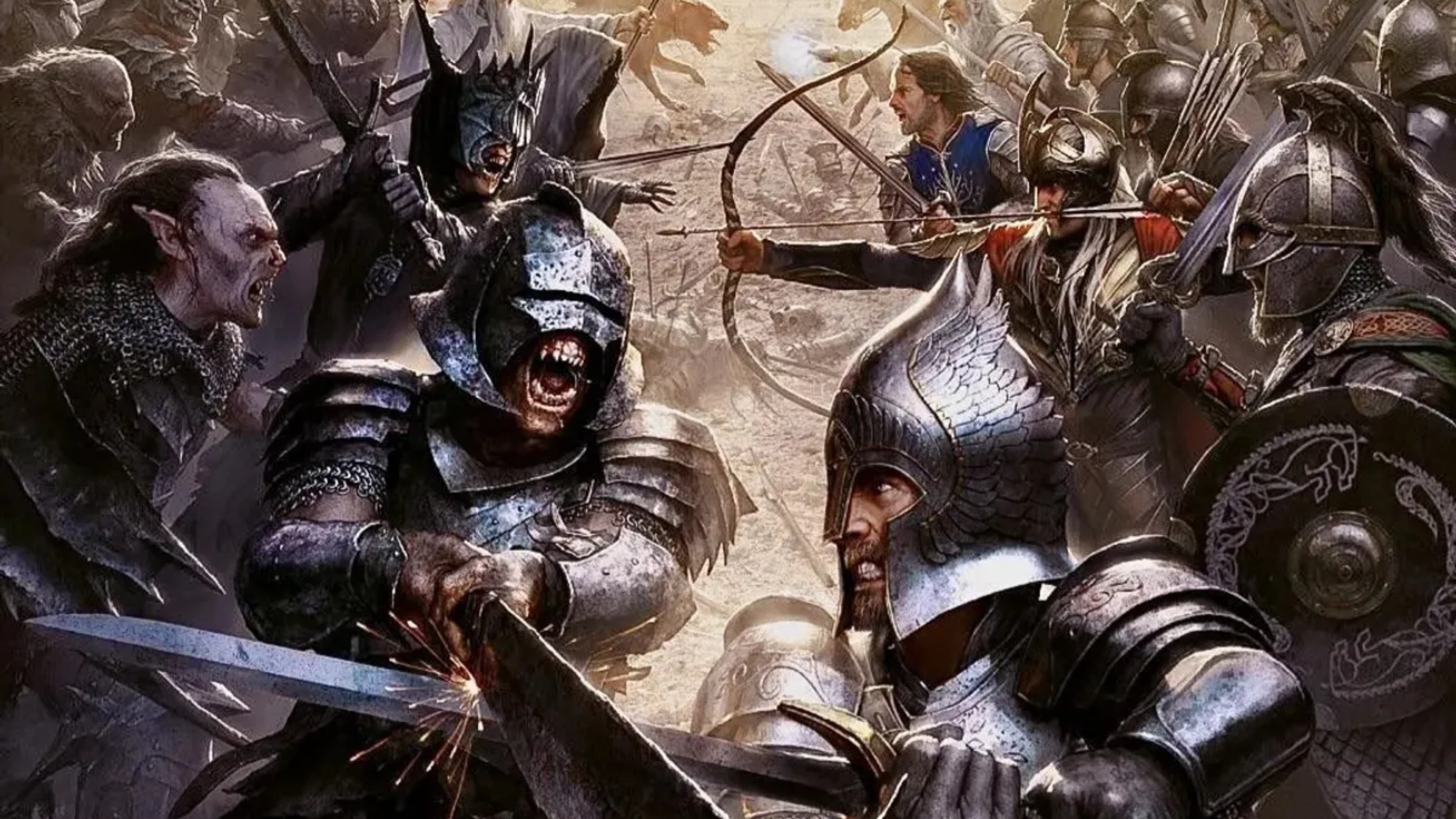
Released on January 13, 2009, for PlayStation 3, Nintendo DS, PC, and Xbox 360, The Lord of the Rings: Conquest is similar to the Star Wars: Battlefront series. Developed by Pandemic, it’s a large-scale action game focused on epic battles and objective-based gameplay, like capturing flags. The game originally included online multiplayer, and also featured two single-player campaigns to help players learn the different character classes.
The game starts by letting players relive the epic battles from the movies, sometimes even taking control of key heroes to win the fight. But the real surprise comes with an extra campaign where you play as the villains. This “Evil” campaign stands out from other dark alternate stories in games because it’s truly unsettling and bleak, offering a shockingly grim fate for the world of Middle-earth.
The Darkest Paths Can Sometimes Be The Most Interesting
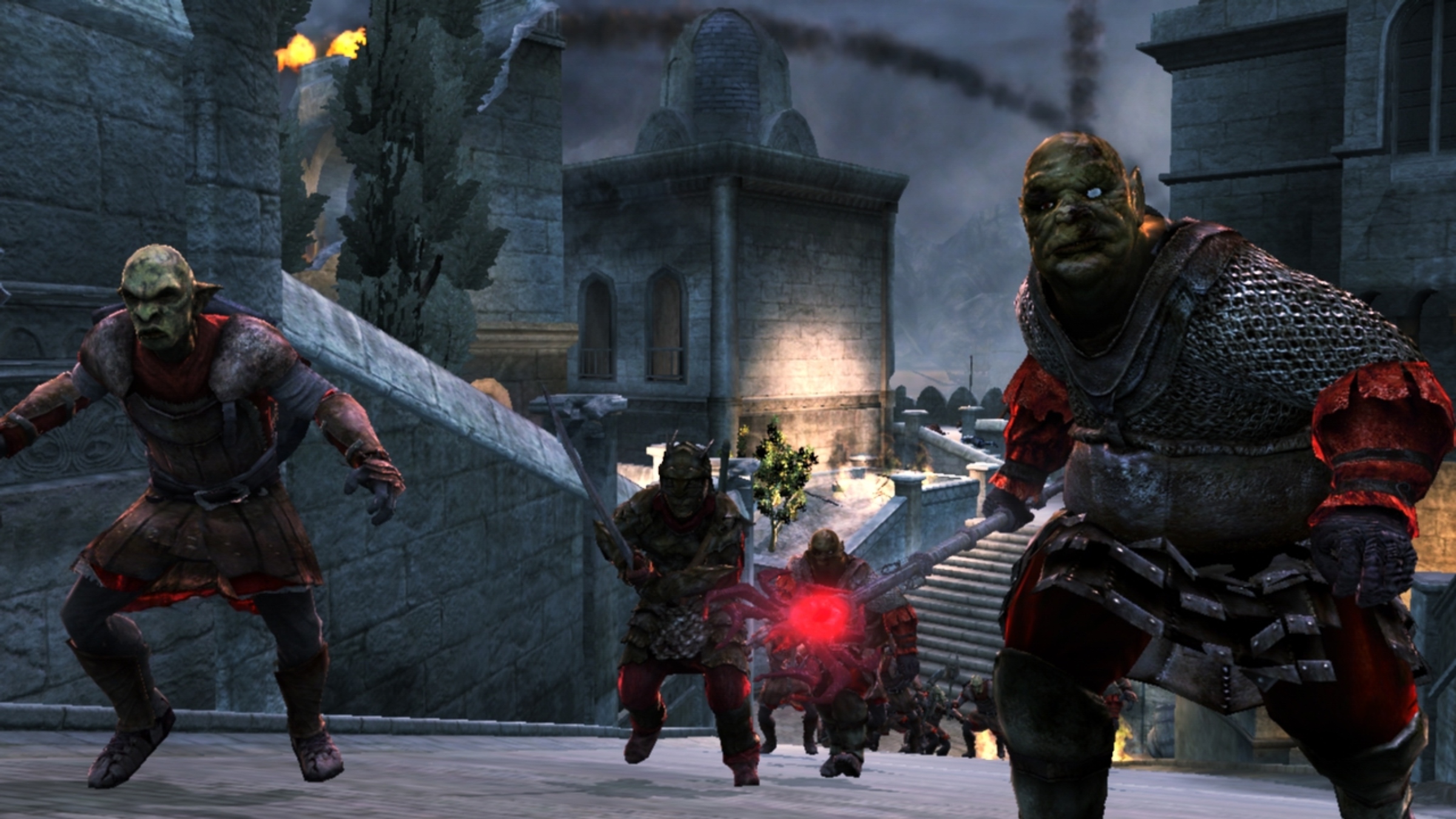
Video games based on existing stories often offer a unique twist by letting players explore darker, alternate versions of the plot, and The Lord of the Rings: Conquest did this really well back in 2007. Once you finish the main story, which follows the original events, you unlock a campaign where you play as the villains. This is a great way to learn how to play as those characters and understand their strengths, especially powerful villains like Saruman or the Mouth of Sauron.
Rather than offering a fresh take on familiar battles, the game Conquest follows a path similar to titles like Star Wars: The Force Unleashed and Dragon Ball: Sparking! Zero by exploring a timeline where the heroes are defeated. While those games often present this defeat in an over-the-top and entertaining way, Conquest takes a different approach. The result is a story, narrated by Hugo Weaving (who played Elrond in the films), that details the slow and tragic fall of Middle-earth and the grim destinies of its heroes.
How Middle-earth’s Worst-Case Scenario Plays Out Lord of the Rings: Conquest
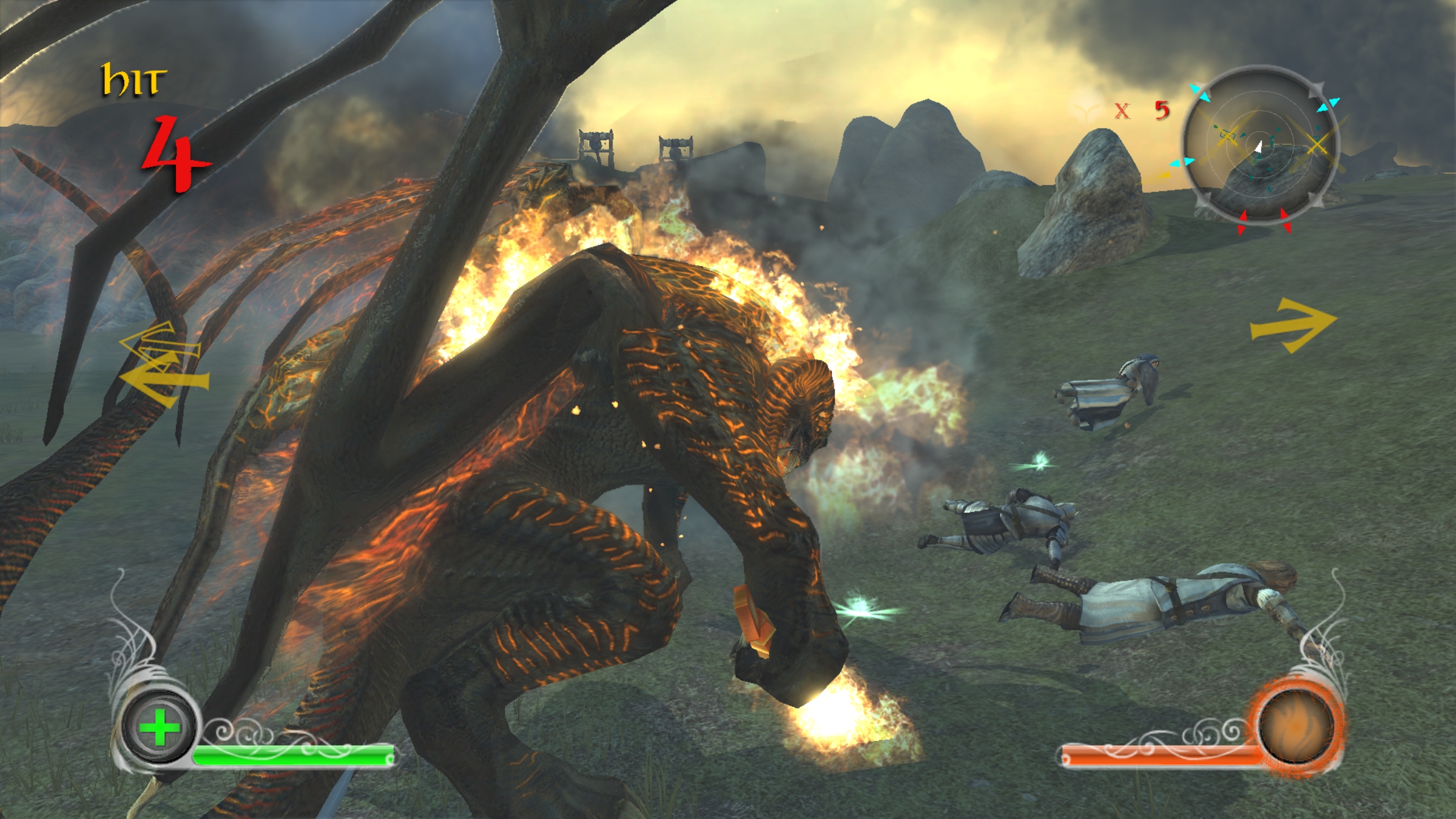
This alternate storyline breaks from the original story when Gollum doesn’t attack Frodo at the critical moment Frodo succumbs to the Ring’s power. The Nazgûl immediately head to Mount Doom, reviving the Witch-King and killing Frodo and Sam before they can flee. This allows Sauron to regain his power, forcing the heroes of Middle-earth to fall back. As the game progresses, more and more iconic locations are destroyed and beloved characters are killed off.
In a devastating turn of events, Sauron’s forces overwhelm Middle-earth. Faramir falls defending Osgiliath, and a revived Sauruman attacks Minas Tirith, destroying the White Tree. A new Balrog emerges from Moria, claiming the lives of Gimli and his companions. Aragorn makes a final stand at Weathertop, but is ultimately killed by Saruman’s Orcs. Sauron then besieges Rivendell, defeating the Elves and killing Legolas, forcing Elrond and the remaining Elves into hiding. The war culminates in the Shire being utterly destroyed, with a Balrog decimating Treebeard and the Ents. The remaining heroes are defeated, and Gandalf is finally killed, bringing the war to a tragic end.
Why This Lord Of The Rings Ending Still Haunts Me

Playing as the villain in a game can be strangely compelling, and many games fully embrace that power fantasy with dramatic, over-the-top moments – like in Star Wars: The Force Unleashed or Hyrule Warriors. However, the villain campaign in the game Conquest feels different. While still action-packed, it has a surprisingly melancholic tone. The game uses footage from Peter Jackson’s Lord of the Rings films, presented with a somber narration by Elrod, telling the story of Middle-earth’s fall. It creates a feeling of bleakness, showing how Sauron’s power steadily spreads across the land.
The game portrays the heroes’ final moments in a powerfully moving way, avoiding any attempt at playful treatment of the grim subject matter. While the heroes fall with courage, they still meet their end. The narration is particularly melancholic, and Sauron’s victory isn’t celebrated with the over-the-top glee seen in some games – it’s not like enjoying the role of a villain in titles like Dragon Ball Sparking! Zero or Mortal Kombat 11. The ending of The Lord of the Rings: Conquest‘s ‘Evil’ campaign is notable for its serious and somber tone, as players succeed in defeating the heroes but then confront the consequences of their choices. While playing as the villain can be enjoyable, truly exploring the emotional impact of such a role is what makes a game truly stand out.
Read More
- What Song Is In The New Supergirl Trailer (& What It Means For The DC Movie)
- Highly Anticipated Strategy RPG Finally Sets Release Date (And It’s Soon)
- TV legend Carol Kirkwood reveals the reasons why she decided to retire after 28 years with BBC
- Dune 3 Gets the Huge Update Fans Have Been Waiting For
- Why is Tech Jacket gender-swapped in Invincible season 4 and who voices her?
- The OG Resident Evil 1, 2 and 3 Are Now Available on Steam With a Heavy Discount (and DRM)
- The Monsterverse’s Shocking New Time Travel Story – Monarch: Legacy Of Monsters Season 2, Episode 6 Explained
- Tainted Grail: The Fall of Avalon – Merlin’s Tomb DLC Adds a New End-Game Dungeon for Free
- Crimson Desert is a “Cynical Amalgamation of Borrowed Mechanics,” Says Larian’s Publishing Director
- Marathon is Taking Aim at Bubble Shields, Knives, Snipers and More in Upcoming Balance Patches
2026-01-14 21:13