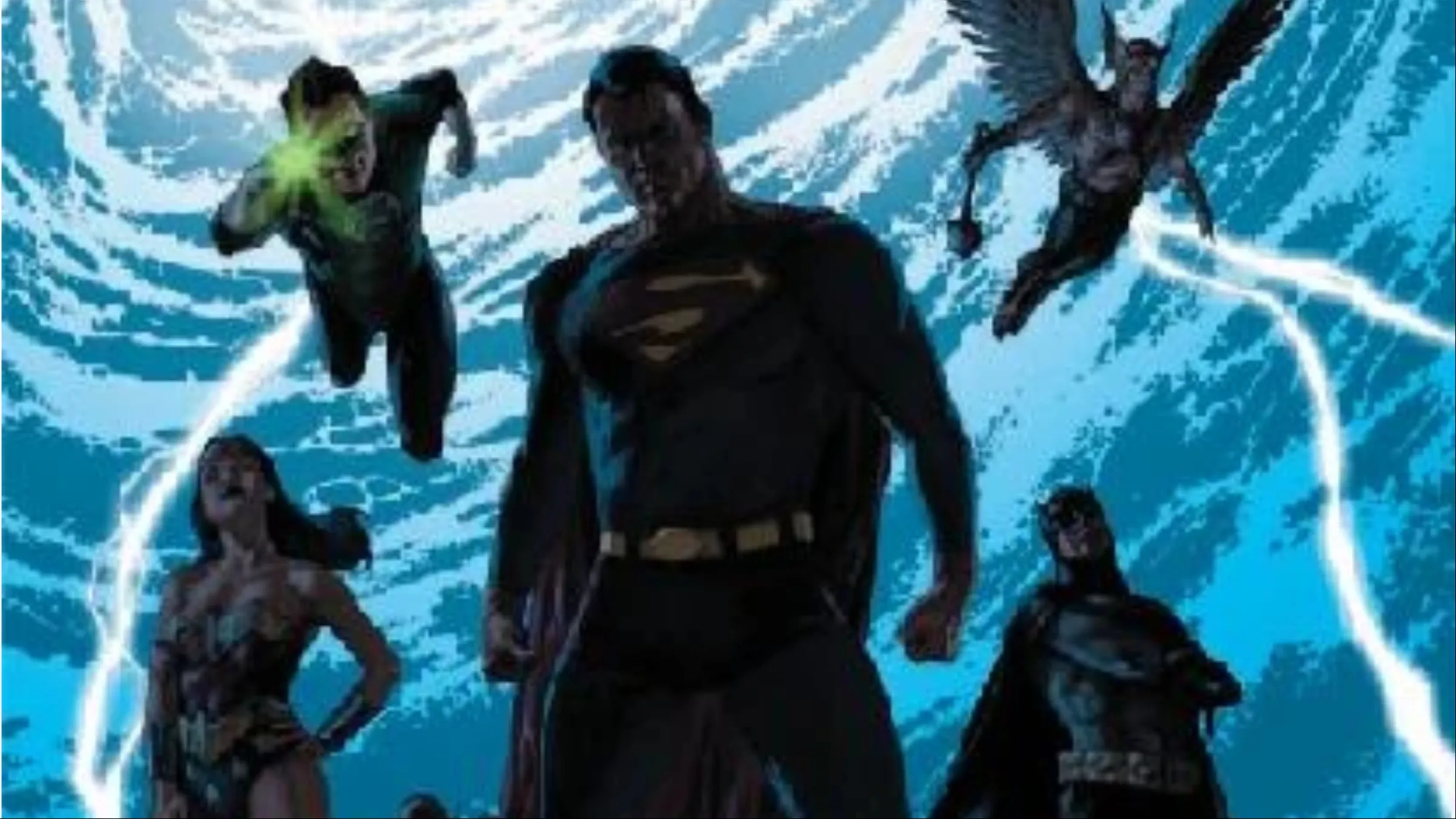
While DC Comics didn’t invent the modern event comic – a limited series that drives a large-scale story across many titles – they pioneered the idea. Their team-up stories featuring the Justice League and Justice Society in the Silver and Bronze Ages set the stage for these big crossovers, often involving universe-altering events. DC is known for some of the best event comics ever published, many of which focus on history-changing crises, and frequently include the word “Crisis” in the title. One event, 2008’s Final Crisis by Grant Morrison and artists J.G. Jones, Carlos Pacheco, and Doug Mahnke, remains particularly debated among fans.
The mid to late 2000s were a fascinating time for DC Comics and its readers. Beginning with 2005’s Infinite Crisis, which celebrated the 20th anniversary of Crisis on Infinite Earths, DC started revisiting beloved elements of its comics and the idea of a vast multiverse. It was a really creative period, with top comic book writers and artists reimagining classic characters and teams. Grant Morrison was writing Batman at the time, and had been developing ideas for a huge, epic story (originally called Hypercrisis) for years. This finally came to fruition as Final Crisis, a comic that’s become known as one of the most intricate and often misinterpreted events in comic book history. While it’s definitely a complex story, that complexity is a big part of what makes it so compelling.
Final Crisis Showed What an Event Comic Can Be

Let’s be direct: Final Crisis is a complex comic. The basic plot – Darkseid conquers Earth with the Anti-Life Equation, threatening the entire multiverse – sounds straightforward. However, things get complicated because a hidden enemy is also trying to destroy everything. The very end feels particularly strange, introducing a brand new villain and challenge right after Darkseid is defeated, as if there’s one final obstacle to overcome before the multiverse can be saved.
If you’re unfamiliar with Final Crisis: Superman Beyond 3-D (now available in collected editions), the Monitor-related plot points within the larger Final Crisis story can be confusing. Beyond that, Final Crisis is a classic example of Grant Morrison’s storytelling style – complex, unpredictable, and pushing the boundaries of what a comic book can be. This makes it more than just another superhero event; it offers a unique commentary on the comics medium itself.
The way the book was published actually influenced its final form. There was a breakdown in communication between Morrison and the DC editorial team, and the publisher mishandled the pre-release promotion. A central concept in Final Crisis involves the Monitors, who are portrayed as a force that stifles creativity across the multiverse. Morrison deliberately based these characters on comic book editors, depicting them as vampiric entities that drain the life out of stories and impose their own vision. Essentially, the Monitors represent the corporate forces that often control the American comic book industry and hinder its potential.
Grant Morrison’s Final Crisis isn’t just an epic battle between good and evil; it’s also a commentary on the comic book industry itself. Understanding this makes the story much richer. For example, the transformation of the classic Superman character Dan Turpin (inspired by Jack Kirby) into Darkseid symbolizes how editors often take beloved, older concepts, try to make them ‘cooler,’ and end up losing what made them special – all while potentially disrespecting the original creators. The book is filled with subtle critiques of editors who interfere with storylines (like how Superman Beyond 3-D was cut from the original plan) and how they handle new characters (the new Forever People seem designed to illustrate this point). While Final Crisis delivers spectacular action, its true strength lies in its insightful commentary on modern comics and how editorial and corporate power can sometimes detract from creative storytelling.
Final Crisis Brought a Depth to Event Comics that Isn’t Usually There
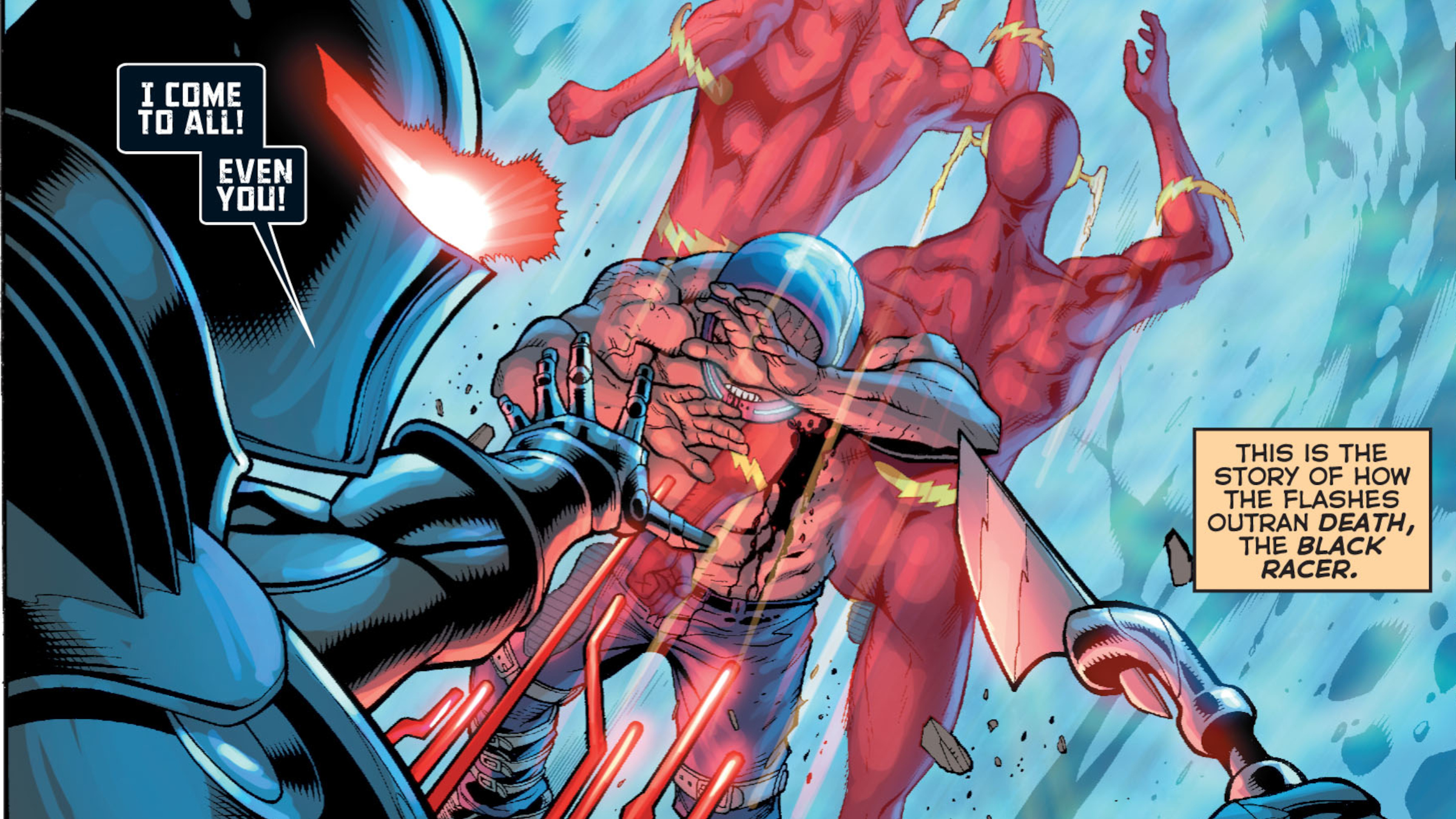
Big event comics are often popular, but rarely offer much substance. They’re like the summer blockbuster movies of the comic book world, and most readers don’t go in expecting a profound story. Grant Morrison’s Final Crisis certainly has those big, exciting moments, but its real strength lies in what’s implied beneath the surface. Morrison had a difficult experience with editors at Marvel, even leaving the company after frequent disagreements, as detailed in their book SuperGods. They felt their ambitious plans for a story called Hypercrisis were dismantled, and their wishes regarding certain characters were disregarded. In many ways, Final Crisis is as much a story about the world of comics itself as it is about superheroes.
One major issue with art today is how focused it’s become on making money, and that problem is likely to grow with the rise of AI. The comic book series Final Crisis can be seen as a response to this. Corporations are interested in profit, not artistic value, and the story draws a parallel to this by portraying powerful beings (the Monitors) as draining the life out of everything they touch. Understanding this underlying theme makes Final Crisis a much more rewarding read. Originally published 18 years ago, the series cleverly hid a surprisingly insightful commentary on modern entertainment within a large-scale superhero narrative. While it’s gained a reputation for being confusing, the story becomes much clearer once you grasp its central message.
https://comicbook.com/comics/list/10-dc-series-you-should-read-in-2026/embed/#
Read More
- Surprise Isekai Anime Confirms Season 2 With New Crunchyroll Streaming Release
- The Super Mario Galaxy Movie: 50 Easter Eggs, References & Major Cameos Explained
- Starfield (PS5) Review – A Successful Cross-Console Voyage
- HBO Max Just Added the Final Episodes of a Modern Adult Swim Classic
- 10 Best Free Games on Steam in 2026, Ranked
- Frieren: Beyond Journey’s End Gets a New Release After Season 2 Finale
- ‘Project Hail Mary’: The Biggest Differences From the Book, Explained
- Preview: Sword Art Online Returns to PS5 as a Darker Open World Action RPG This Summer
- Sydney Sweeney’s The Housemaid 2 Sets Streaming Release Date
- All 7 New Supes In The Boys Season 5 & Their Powers Explained
2026-02-10 01:15