
David Tennant first appeared as the Doctor nineteen years ago in an episode that openly acknowledged a major flaw of the character. “The Christmas Invasion” was not only the first-ever Doctor Who Christmas special, but it also introduced the Tenth Doctor, played by Tennant. The episode was unusual because the Doctor was recovering from the physical and emotional effects of his regeneration, leading to a lot of time spent sleeping – and ultimately, saving the world while wearing a dressing gown, a fun nod to The Hitchhiker’s Guide to the Galaxy.
“The Christmas Invasion” is important not only for the story itself, but also because it lays the groundwork for the show Torchwood. At the story’s end, Prime Minister Harriet Jones, who the Doctor had previously praised, authorized Earth’s defenses to fire upon the retreating Sycorax ship. While the Doctor was upset – the Sycorax were already defeated – Harriet Jones argued her actions were justified. Looking back after 19 years, it’s clear she was right.
Harriet Jones Understood the Problem with Depending on the Doctor
The Doctor was relieved to see the Sycorax retreat, hoping they would warn other alien races that Earth wasn’t an easy target. However, Torchwood, believing the Doctor’s methods weren’t enough, fired upon the escaping ship with a weapon intentionally designed to resemble the Death Star from Star Wars, completely destroying it. Harriet Jones explained to the Doctor that he couldn’t always be there to protect them. She pointed out that people had died while he was unavailable, and that Earth needed a defense that was always active. “I’m sorry, Doctor,” she said, “but we have to be able to defend ourselves when you’re not here.”
Harriet Jones made a clear point: a planet can’t rely on just one person to protect it. The Doctor acknowledged that humanity’s early ventures into space were attracting attention, and Harriet believed associating with the Doctor would only make Earth a more tempting target. Considering how many enemies the Doctor has, she was right. And she was also correct in knowing the Doctor can’t always be there to help.
It’s funny, when you really think about it, this whole idea of the Doctor always showing up just in time is actually built right into the show’s past. The very first big alien invasion story, back in 1964 with the Daleks, starts with the Doctor arriving on Earth after the Daleks had already taken over. He saves the day, sure, but it makes you wonder how many people died in the time before he got there – all the times a previous Doctor wasn’t around to stop them. “The Christmas Invasion” really showed things from the Doctor’s perspective, but Harriet Jones had a point – it’s a little unsettling to think about all the disasters that happened because he wasn’t there to prevent them.
The War Between the Land and the Sea Has Proved Harriet Jones Right
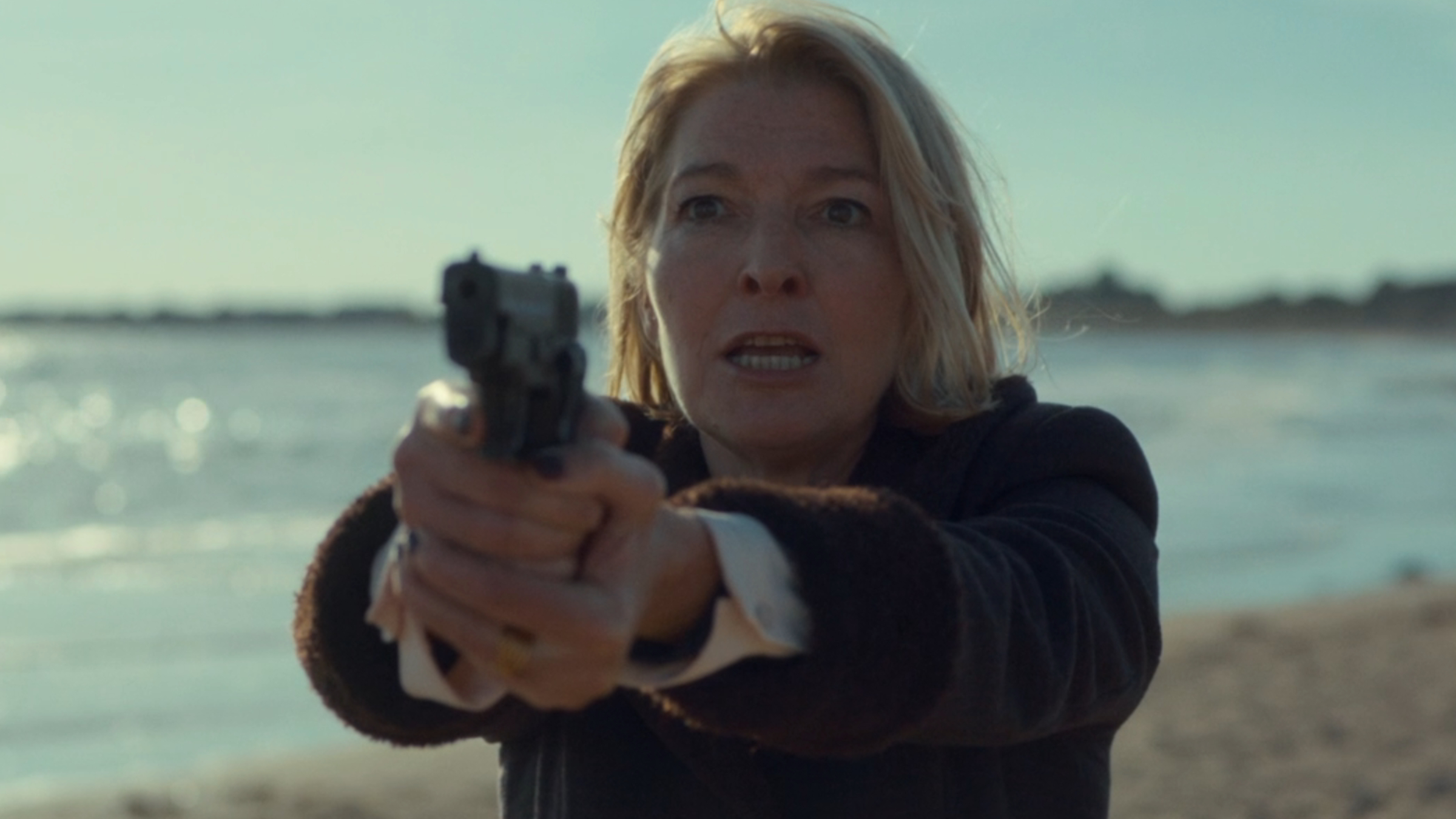
The new Doctor Who series, The War Between the Land and the Sea, confirms a point made by Harriet Jones about the Doctor’s importance. Unlike “The Christmas Invasion,” where the Doctor’s arrival prevented disaster, this story shows a terrible outcome because of his absence. As UNIT leader Kate Lethbridge-Stewart points out, things would have been much better if the Doctor had been there. Instead, a war broke out between humans and a species called Homo Aqua, ultimately leading to their extinction.
Perhaps the most concerning aspect of The War Between the Land and the Sea is how the Doctor’s influence affects those around him. Kate Lethbridge-Stewart, having put the Doctor on a pedestal, has rebuilt UNIT to reflect what she believes his values are: focused on science, independent of political concerns, and forceful in its actions. While the Doctor claims he simply rescues humanity, not changes it, Kate is clearly deeply impacted by him – and it’s causing her to unravel.
As a fan, I’ve always seen “The Christmas Invasion” and “The War Between the Land and the Sea” as really connected stories – they almost feel like two sides of the same coin. Both episodes really hit on the idea that we can’t always rely on the Doctor to fix things, and it’s pretty dark because they both end with entire species being wiped out – either because of something the Doctor accidentally helped cause, or because he wasn’t there to prevent it. It’s fascinating to me how one story shows a leader making a terrible decision because they’re afraid the Doctor won’t show up, and the other shows a leader completely crumbling under the pressure of trying to be the Doctor when he’s not around.
19 years on, one truth is clear: Harriet Jones had a point.
What are your thoughts on the new game? Share your opinion in the comments and join the discussion on the ComicBook Forum!
Read More
- The Super Mario Galaxy Movie: 50 Easter Eggs, References & Major Cameos Explained
- All 13 Smash Bros. Characters in the Super Mario Galaxy Movie
- Highly Anticipated Strategy RPG Finally Sets Release Date (And It’s Soon)
- Sydney Sweeney’s The Housemaid 2 Sets Streaming Release Date
- TV legend Carol Kirkwood reveals the reasons why she decided to retire after 28 years with BBC
- Why is Tech Jacket gender-swapped in Invincible season 4 and who voices her?
- Dune 3 Gets the Huge Update Fans Have Been Waiting For
- Welcome to Demon School! Iruma-kun season 4 release schedule: When are new episodes on Crunchyroll?
- After 13 Years, Someone Earned One of the Hardest Achievement Trophies in Gaming
- Supergirl Director Breaks Down Kara Zor-El & Superman’s ‘Older-Sibling Dynamic’
2025-12-25 16:12