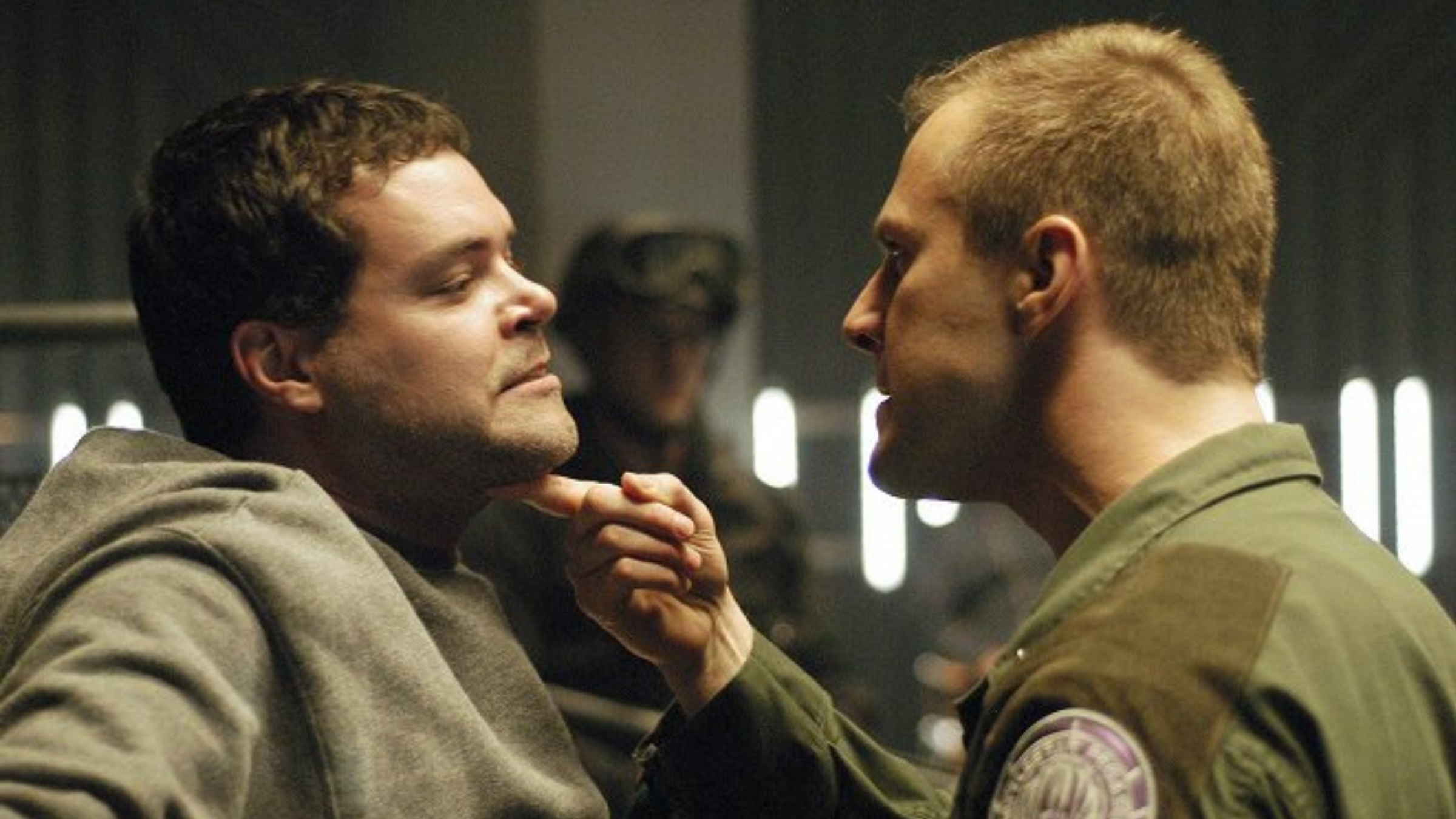
Ronald D. Moore’s reimagining of Battlestar Galactica for SYFY in the 2000s transformed a campy, beloved show into a landmark science fiction series. The show, created after the events of 9/11, was known for its bold storytelling and direct references to the War on Terror. Over four seasons, BSG featured a compelling cast of characters—including villains with complex motivations—and helped pave the way for the high-quality, character-driven dramas we see on television today.
Admiral Helena Cain, portrayed by Michelle Forbes, was a compelling villain motivated by saving humanity, even if it meant sacrificing her morals and the values of the original colonies. She disrupted the fleet and directly challenged William Adama (Edward James Olmos), establishing herself as one of the show’s most memorable antagonists. Cain’s story concluded in the critically acclaimed episode “Resurrection Ship – Part 2” on January 13, 2006, in a way that felt realistic and avoided simplistic portrayals of evil or easy forgiveness.
Why Admiral Helena Cain is Battlestar Galactica’s Best Villain
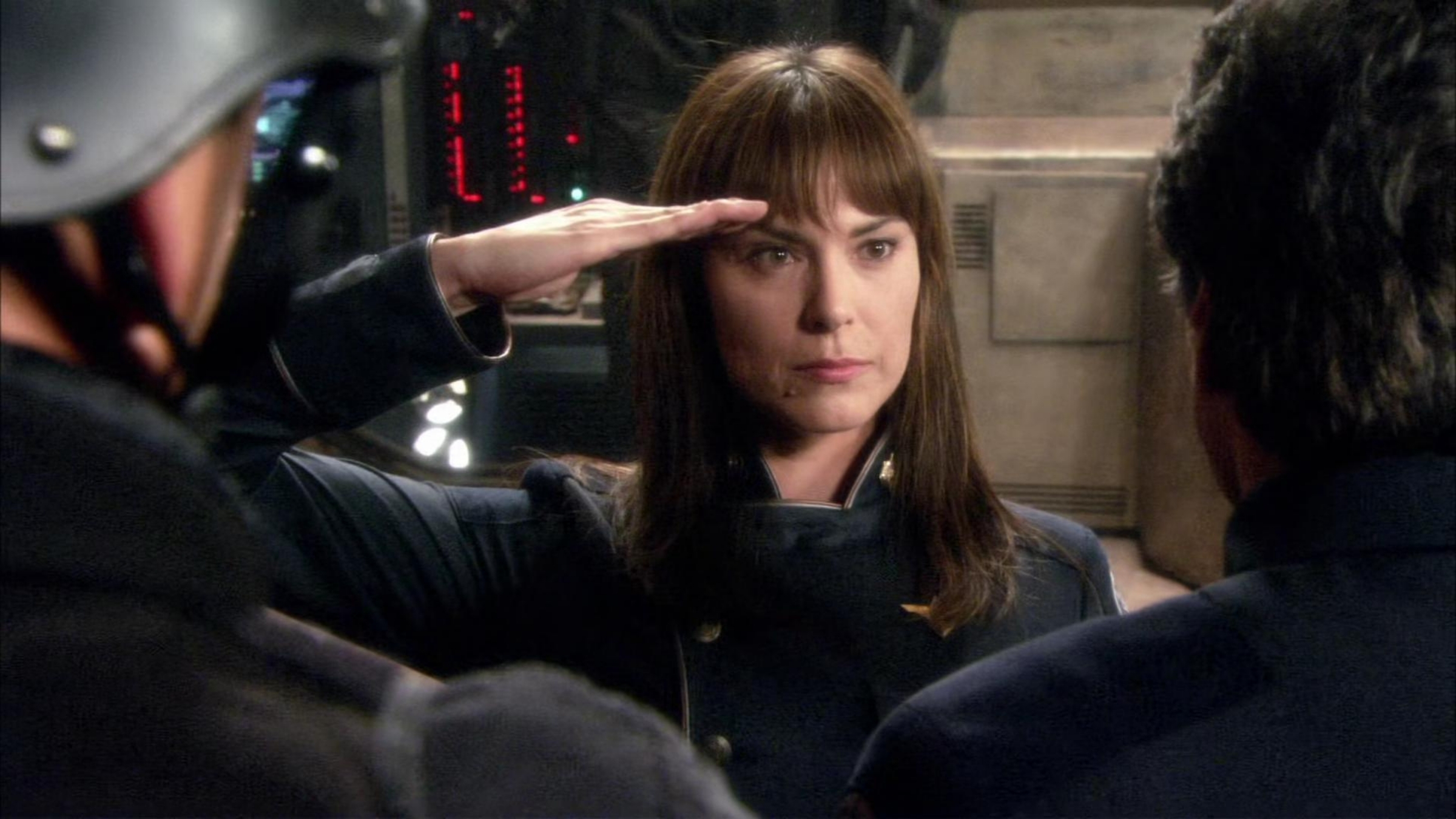
Admiral Cain appears relatively late in the series, introduced just a few episodes before the start of a particularly strong three-episode storyline. As commander of the Battlestar Pegasus, she leads with a cold, uncompromising style. Unlike Adama, who tries to balance survival with his own sense of right and wrong, Cain believes in doing whatever it takes to win, even if it means sacrificing civilians or treating prisoners harshly. She thinks humanity’s only chance of survival lies in abandoning morality and emotion.
What’s remarkable about Battlestar Galactica is that it never outright judges Commander Cain’s harsh decisions. The writers consistently present all sides of the issue fairly, challenging viewers to decide for themselves what’s right. The show carefully explains the origins of Cain’s beliefs, revealing her difficult past—including the loss of her family, the deaths of her crew, and constant battles with the Cylons. By the end, it’s clear Cain wasn’t inherently evil; her worldview was shaped by trauma and the desperate need to survive.
The episode “Resurrection Ship – Part 2” dramatically escalates the conflict between Cain and Adama’s beliefs. It begins with a perilous mission to destroy a Cylon ship responsible for allowing the Cylons to be reborn, and this high-stakes situation forces their differing philosophies into direct opposition.
“Resurrection Ship – Part 2” The Masterpiece that Killed Off Admiral Cain

In “Resurrection Ship – Part 2”, Cain’s death is both tragically complex and feels like a natural outcome of her actions. Throughout her storyline on Pegasus, she repeatedly crossed moral boundaries, from authorizing unjust killings to allowing the abuse of prisoners and even attempting to murder Adama. By the end, her fate feels almost inevitable, a fitting consequence of the choices she made and the way she saw the world.
Despite the fact that Cain’s death was likely inevitable, the way it happens still feels unexpected. Instead of a grand, dramatic end involving a military takeover, the episode handles it with surprising restraint, killing her quickly and in a deeply ironic manner. Gina Inviere, the Cylon copy of Cain who suffered years of abuse and captivity, kills the Admiral with a single shot while she’s alone. This is ironic because it happens immediately after Cain and Adama both decide to call off their plans to assassinate each other. It’s also fitting, as Cain’s own excessive cruelty and hatred towards the Cylons ultimately led to her destruction.
Even after the main events conclude, Battlestar Galactica doesn’t offer simple solutions, and that’s likely why it’s considered a standout sci-fi show of the 2000s. The Admiral’s death doesn’t instantly fix the problems or change the harsh way she led. Her influence continues to be felt throughout the fleet, which doesn’t magically become more harmonious. Even Adama isn’t fully proven right in every way, making both the characters and viewers question just how easily a hero can become a tyrant.
Looking back, it was a bold decision for Ronald Moore to eliminate what many considered the show’s most fascinating villain after only three episodes. Six could have easily been used as a source of conflict throughout a whole season, or even as a returning enemy. However, the creators of Battlestar Galactica smartly understood that stretching out her storyline would weaken its impact. Even now, twenty years later, “Resurrection Ship – Part 2” and the entire Pegasus storyline remain highly regarded as some of the best episodes of BSG.
Is Admiral Cain the most compelling villain in Battlestar Galactica? Share your thoughts in the comments and join the discussion in the ComicBook Forum!
Read More
- The Super Mario Galaxy Movie: 50 Easter Eggs, References & Major Cameos Explained
- 10 Best Free Games on Steam in 2026, Ranked
- Sydney Sweeney’s The Housemaid 2 Sets Streaming Release Date
- Skate 4 – Manny Go Round Goals Guide | All of the Above Sequence
- Welcome to Demon School! Iruma-kun season 4 release schedule: When are new episodes on Crunchyroll?
- Why is Tech Jacket gender-swapped in Invincible season 4 and who voices her?
- Overwatch 2 G.I. Joe Crossover Launches July 1: Join the Battle Between Heroes and Villains
- Best coins for today
- Forza Horizon 6 ‘Prologue’ gameplay
- 10 Best Supporting Actress Oscar Wins That Are Indisputable
2026-02-07 19:16