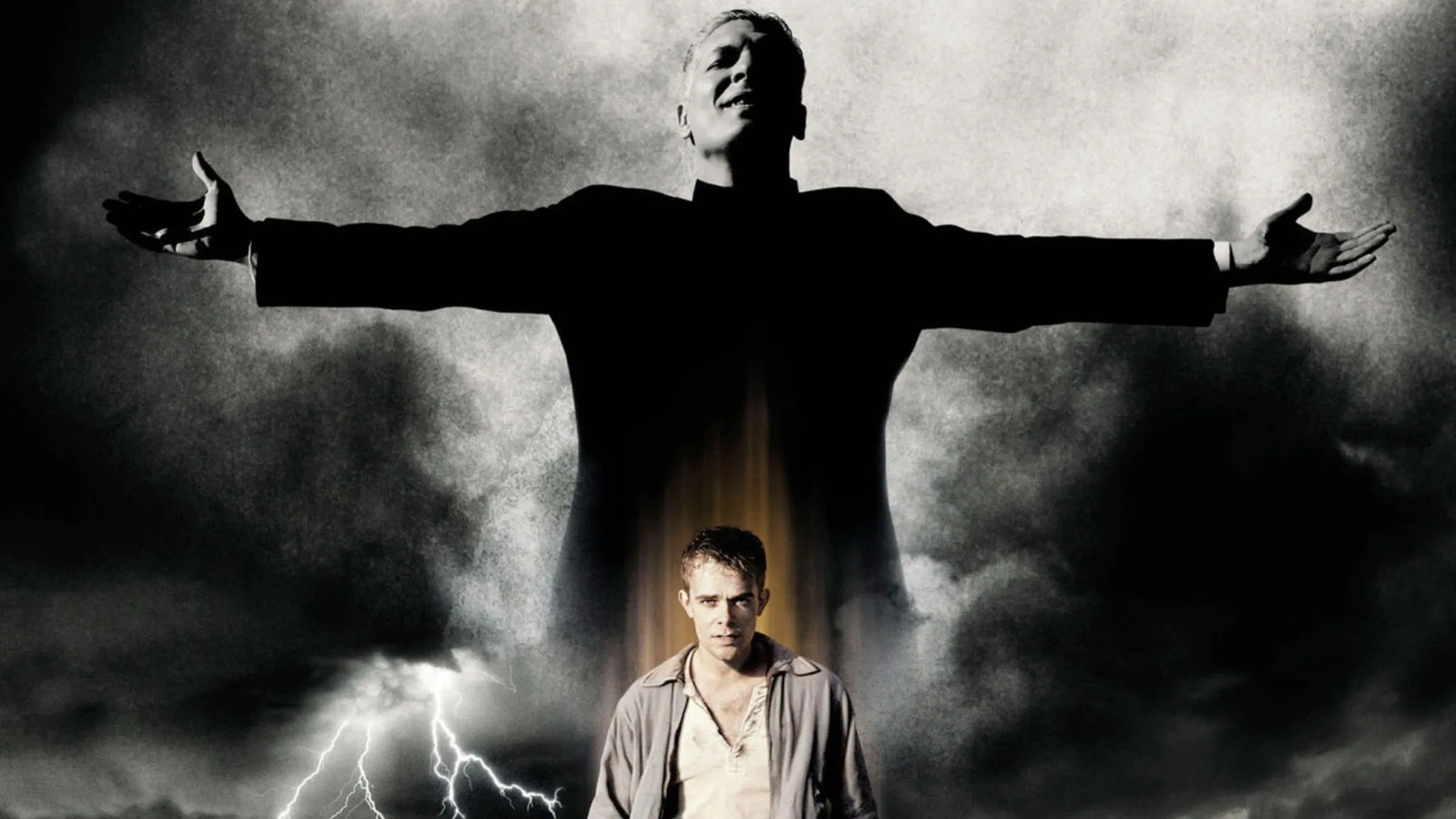
Throughout television history, many promising shows have been canceled before they could fully develop, leaving storylines unfinished and potential unrealized. This is especially common with fantasy series, which often require detailed world-building and complex stories. These shows need time for audiences to understand the new rules and mythology, but traditional TV networks usually want quick results and high ratings to justify the cost. When a show takes its time and presents a mysterious or slowly unfolding story, it’s often canceled before it can reach its planned ending. HBO’s Carnivàle is a prime example of this.
Premiering in 2003, Carnivàle was a beautifully filmed series set during the difficult years of the Great Depression. Created by Daniel Knauf, the show centered around a traveling circus and a California preacher, both unknowingly headed for a final showdown between good and evil. It followed Ben Hawkins, a man on the run with the power to heal, who joins the circus, and Brother Justin Crowe, a preacher troubled by religious visions. Though HBO cancelled it after two seasons in 2005, Carnivàle quickly gained a dedicated fanbase thanks to its complex story and unsettling atmosphere.
Why Was Carnivàle Cancelled?
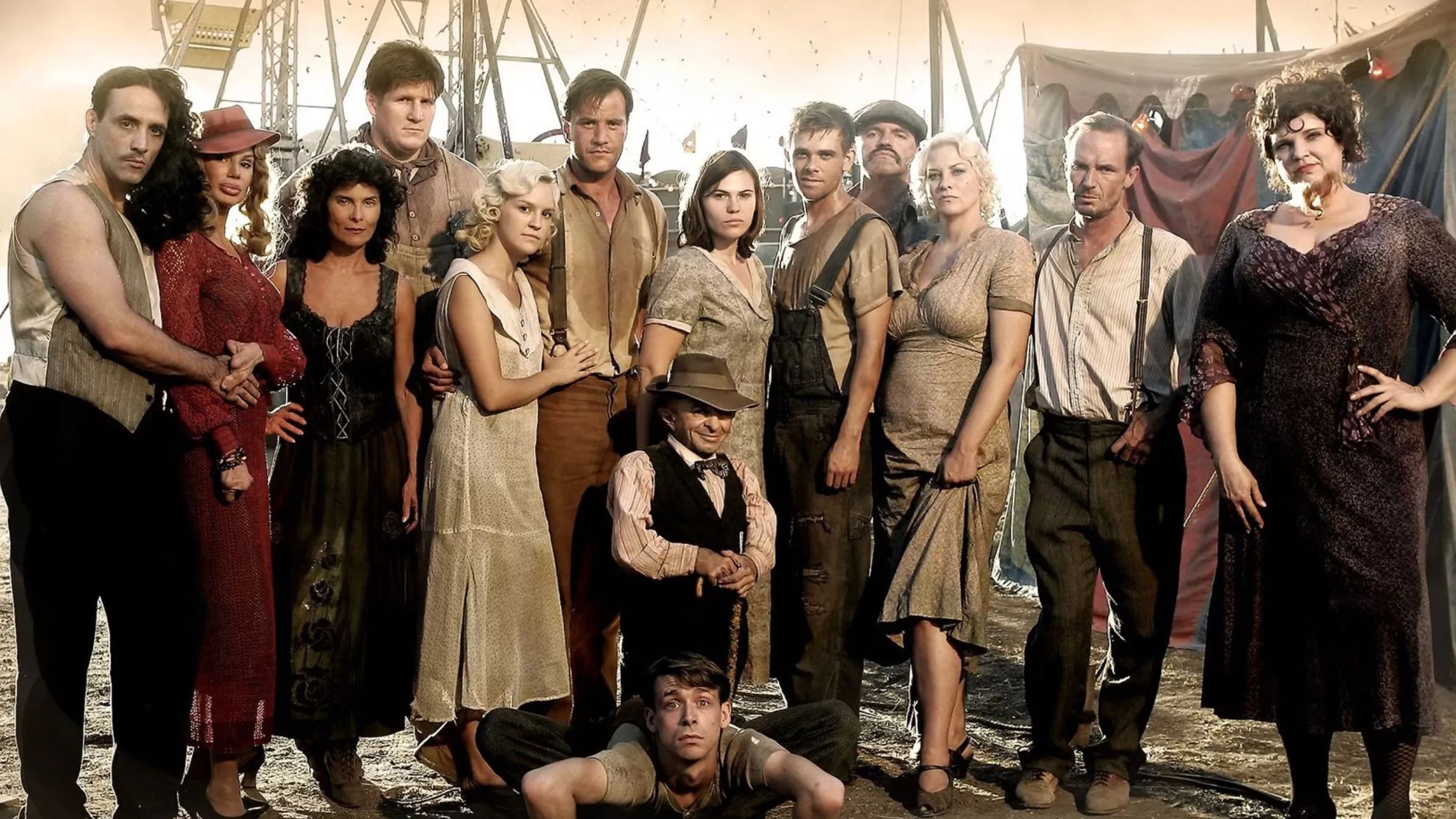
The end of the show Carnivàle came down to a clash between its creative vision and its cost. In the early 2000s, HBO was enjoying huge success with shows like The Sopranos and Sex and the City. However, Carnivàle was much more expensive to make. At around $4 million per episode in 2003, it was a significant investment, due to its detailed sets, historically accurate costumes, and special effects. This was considerably more than the cost of HBO’s other popular series at the time.
The series started strong, attracting 5.3 million viewers for its premiere – a record at the time. However, viewership declined throughout the first season. By the start of season two, average ratings had fallen to around 1.7 million. The show’s complex storylines also made it hard to follow, especially before streaming was common. If you missed an episode, it was easy to get lost, which discouraged new viewers and contributed to the falling ratings. Ultimately, the network decided the show was too costly to continue with such a small and shrinking audience.
As a huge fan of Carnivàle, it always frustrated me that it was cancelled. Beyond the money issues, the show’s structure actually helped HBO justify pulling the plug. Creator Daniel Knauf had planned the whole thing as a trilogy, with each ‘book’ being two seasons long. So, Season 2’s finale wasn’t meant to be a series finale, but the end of the first ‘book,’ resolving the initial conflict between Ben and Brother Justin. It was cleverly designed to set up a much bigger war, but that war never happened. And that’s the ironic part – because that first story was wrapped up, HBO could easily say the show had reached a natural stopping point, even though they left us with huge cliffhangers about Sofie and the mysterious ‘Management.’ It felt like a convenient excuse, honestly.
Carnivàle Is an Underrated TV Show
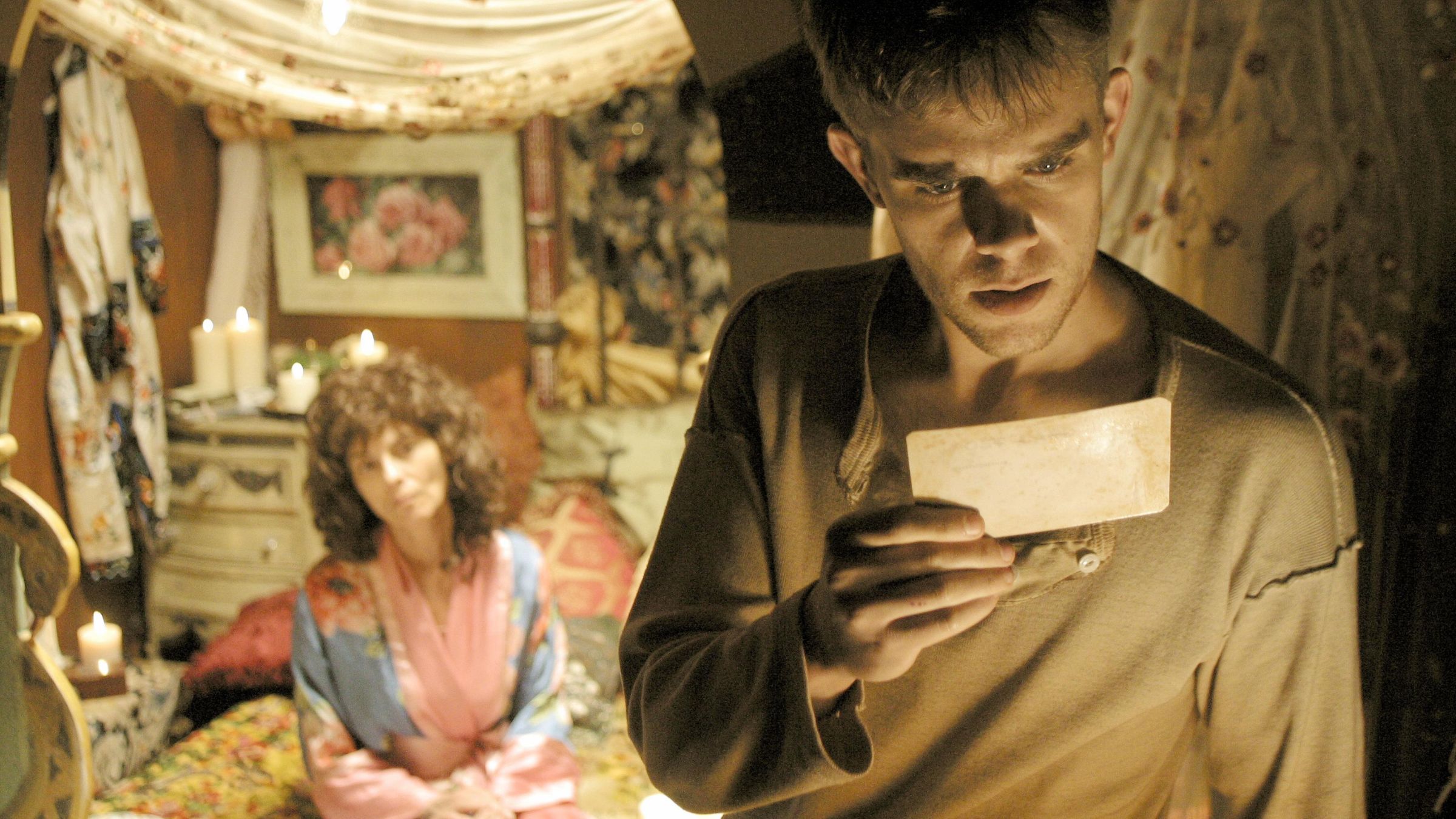
Even though it was cancelled too soon, Carnivàle remains a standout example of immersive storytelling, arriving before the wave of high-quality dramas that became popular in the 2010s. The show maintained a consistent and powerful mood, something few series have achieved to the same degree. Its striking visuals perfectly captured the bleakness of the Dust Bowl era, creating a realistic and believable world. This was enhanced by a unique mythology, drawing on Gnosticism, Masonic traditions, and early Christian texts instead of typical fantasy clichés. This original lore, centered around the idea of Avatars—ancient beings representing Light and Darkness—gave the characters’ personal journeys a larger, almost epic significance.
The strong acting really made this unique fantasy series work. In particular, Brown gave the performance of his career as Brother Justin, portraying a frightening villain because he genuinely believed his actions were justified by faith. His tragic fall into evil echoed the rise of manipulative leaders in the 1930s. The supporting actors, like Michael J. Anderson as the manager Samson and Tim DeKay as the roadie Jonesy, also brought depth to the show, creating a world where everyone had a hidden past. Carnivàle demonstrated that fantasy television could be mature, artistic, and thought-provoking – well before Game of Thrones became a cultural phenomenon. It understood that the most frightening monsters are often people, and that the battle between good and evil is rarely straightforward.
Carnivàle is currently available to stream on HBO Max.
Would the show Carnivàle have found success if it had premiered during today’s age of streaming? Share your thoughts in the comments and join the discussion in the ComicBook Forum!
https://comicbook.com/tv-shows/list/7-great-hbo-shows-nobody-talks-about/embed/#
Read More
- The Super Mario Galaxy Movie: 50 Easter Eggs, References & Major Cameos Explained
- Sydney Sweeney’s The Housemaid 2 Sets Streaming Release Date
- 10 Best Free Games on Steam in 2026, Ranked
- All 13 Smash Bros. Characters in the Super Mario Galaxy Movie
- Welcome to Demon School! Iruma-kun season 4 release schedule: When are new episodes on Crunchyroll?
- Forza Horizon 6 ‘Prologue’ gameplay
- WTH?! Twitter Drops Fake Daredevil: Born Again Season 2 Spoilers as Character Return Confirmed
- Why is Tech Jacket gender-swapped in Invincible season 4 and who voices her?
- Dune 3 Gets the Huge Update Fans Have Been Waiting For
- Highly Anticipated Strategy RPG Finally Sets Release Date (And It’s Soon)
2025-12-06 00:45