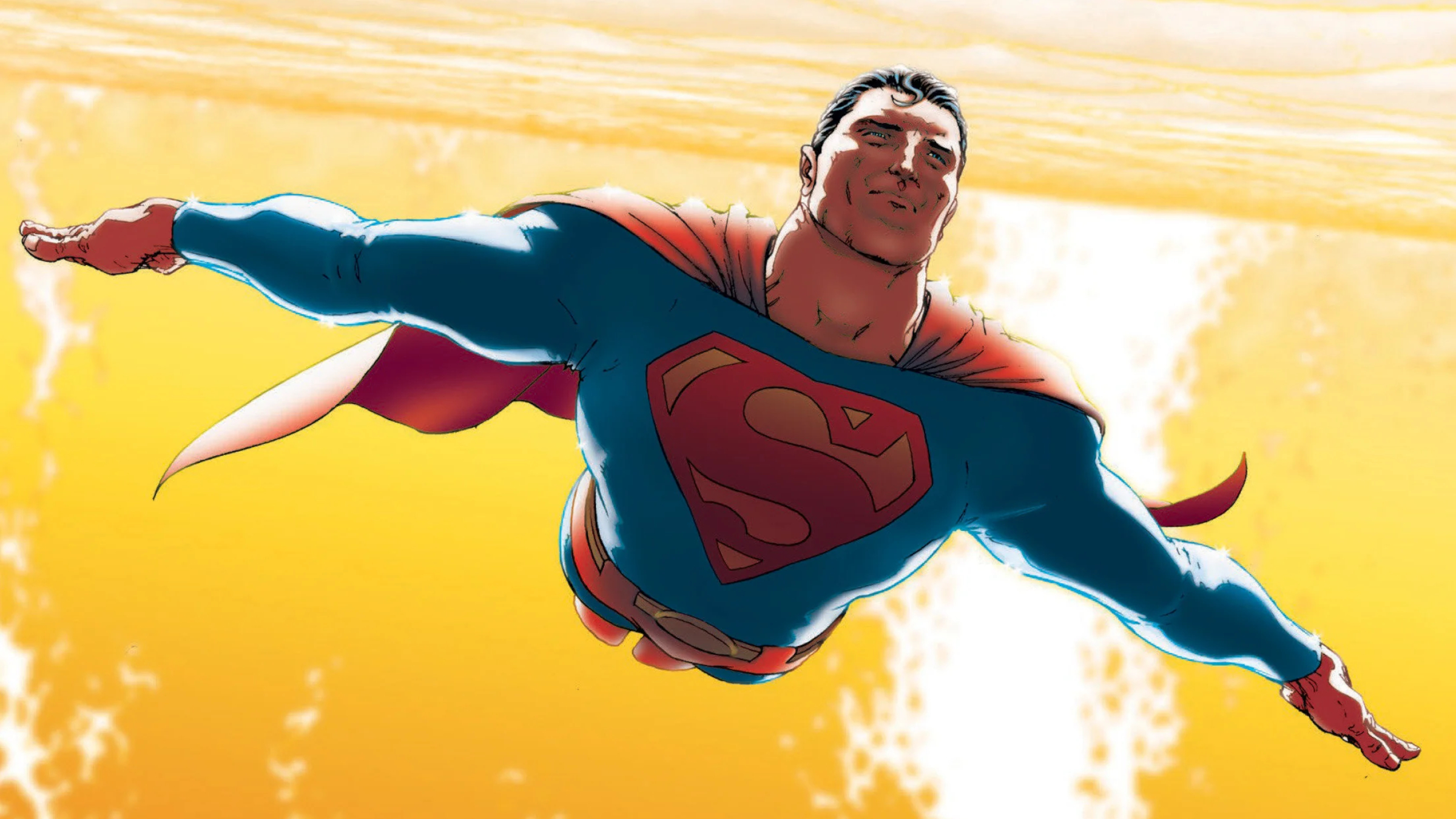
DC Comics is currently experiencing a major surge in popularity, thanks to strong sales of the Absolute Universe line and the successful 2025 Superman movie. It’s somewhat surprising that Absolute DC is doing so well, as the new series closely resembles Marvel’s Ultimate Universe – a world reshaped by a villain. This isn’t the first time DC has attempted to replicate the Ultimate Universe formula; they tried 20 years ago, but the effort failed. Looking back, it’s both surprising and amusing that their previous attempt didn’t succeed.
I’m referring to DC’s All-Star line of comics. DC really pulled out all the stops, enlisting top creators for two books expected to be huge hits: All-Star Superman by Grant Morrison and Frank Quitely (now considered one of the best Superman stories ever), and All-Star Batman and Robin the Boy Wonder by Frank Miller and Jim Lee. Both titles had all the ingredients for success, which makes their eventual lack of popularity still puzzling today.
The All-Star Books Were the Best and Worst Things Ever

If you didn’t read comics back in the early 2000s, it’s hard to explain how huge Marvel’s Ultimate Universe was. People genuinely thought it could replace the main Marvel Universe – a lot of fans actually preferred it! Titles like Ultimate Spider-Man, Ultimate X-Men, and The Ultimates were flying off the shelves – Ultimate Fantastic Four didn’t quite hit the same way, though. It was a crazy time. DC was doing okay, but they didn’t have anything that could compete, so they basically tried to copy Marvel’s idea to catch up.
I remember when DC announced the All-Star line, and it felt a bit like their attempt at another Ultimate Universe from Marvel. The key difference, though, was that these books weren’t meant to connect – it wasn’t building towards one big shared world. Still, the initial announcement got everyone incredibly excited. Grant Morrison was a huge name at DC, and Frank Miller had completely redefined Batman with classics like The Dark Knight Returns and Batman: Year One. Plus, Morrison was teaming up with frequent collaborator Frank Quitely, and Jim Lee, after returning to penciling with ‘Hush’, was doing the art for All-Star Batman. Honestly, fans – myself included – were bracing for some truly legendary Superman and Batman stories.
The first issue of All-Star Batman and Robin the Boy Wonder came out in July 2005, and as someone who read it when it was released, it felt like something was off. It wasn’t the same Frank Miller who created great comics in the 80s and 90s. It wasn’t terrible, but it wasn’t particularly good either. The artwork by Lee was beautiful and was the main reason to buy it, although that wouldn’t remain true for long. Then, in November, All-Star Superman #1 was released, and it was fantastic. It immediately captivated readers in a way All-Star Batman didn’t, and I truly believe it was consistently better than everything else being published at the time – I’ll always consider it the greatest superhero comic ever.
Everyone remembers how things unfolded with those books. ASBAR is widely considered one of the worst Batman stories ever written. Frank Miller took the character in directions that weren’t just edgy, but simply poorly executed. The story became increasingly bizarre as it progressed, and it felt like Miller was trying, and failing, to update Batman for a modern audience. Reading ASBAR, you almost wish it were satire, but it’s clear it’s meant to be taken seriously – it’s just Miller telling the story he envisioned. In contrast, All-Star Superman was nearly perfect, a seamless collaboration between two creators aiming for the definitive Superman story. The quality difference between the two All-Star books was stark: All-Star Superman was brilliant, while ASBAR was so bad it overshadowed everything else.
The All-Star Line’s Failure Is Still Mystifying

The story of the All-Star line of comics was really odd. When it started, there was huge excitement, but after the first issue of ASBAR, people were mostly just puzzled. Fans didn’t dislike the book initially, but they couldn’t figure out what it was trying to be. Many hoped it would improve, and then All-Star Superman #1 arrived and things seemed back on track. But that didn’t last – ASBAR continued to decline in quality while All-Star Superman got even better. Ultimately, the whole project fell apart after All-Star Superman finished, with the remaining issues of ASBAR – which were released after significant delays – limping to a conclusion.
In retrospect, the All-Star series feels like a strange error in judgment. The DC team had seen the scripts for ASBAR and knew what they were releasing. It’s hard to understand how the editors thought the book was as good as it could be. Perhaps a more satirical approach could have improved things, but that wasn’t the case. Like many DC fans, I’m still puzzled by the decision to publish it in the condition it was in. Lee’s artwork was beautiful, but it wasn’t enough to fix a fundamentally flawed story.
While the All-Star line didn’t succeed, DC didn’t give up on trying to create a universe similar to Marvel’s Ultimate line. A few years later, the Earth One books were released and proved to be much more popular. Still, the failure of All-Star remains remarkably amusing. It perfectly embodies the famous line from A Tale of Two Cities – a striking contrast between high hopes and disappointing results – and will always be a memorable moment in comic book history.
https://comicbook.com/comics/news/dc-absolute-books-ranked/embed/#
Read More
- The Super Mario Galaxy Movie: 50 Easter Eggs, References & Major Cameos Explained
- Surprise Isekai Anime Confirms Season 2 With New Crunchyroll Streaming Release
- 10 Best Free Games on Steam in 2026, Ranked
- Sydney Sweeney’s The Housemaid 2 Sets Streaming Release Date
- Skate 4 – Manny Go Round Goals Guide | All of the Above Sequence
- Preview: Sword Art Online Returns to PS5 as a Darker Open World Action RPG This Summer
- Welcome to Demon School! Iruma-kun season 4 release schedule: When are new episodes on Crunchyroll?
- Why is Tech Jacket gender-swapped in Invincible season 4 and who voices her?
- PS5’s Ace Combat 8 Will Be the Most Ambitious Game in the Series Yet, and We Can’t Wait
- Dune 3 Gets the Huge Update Fans Have Been Waiting For
2025-11-17 23:12