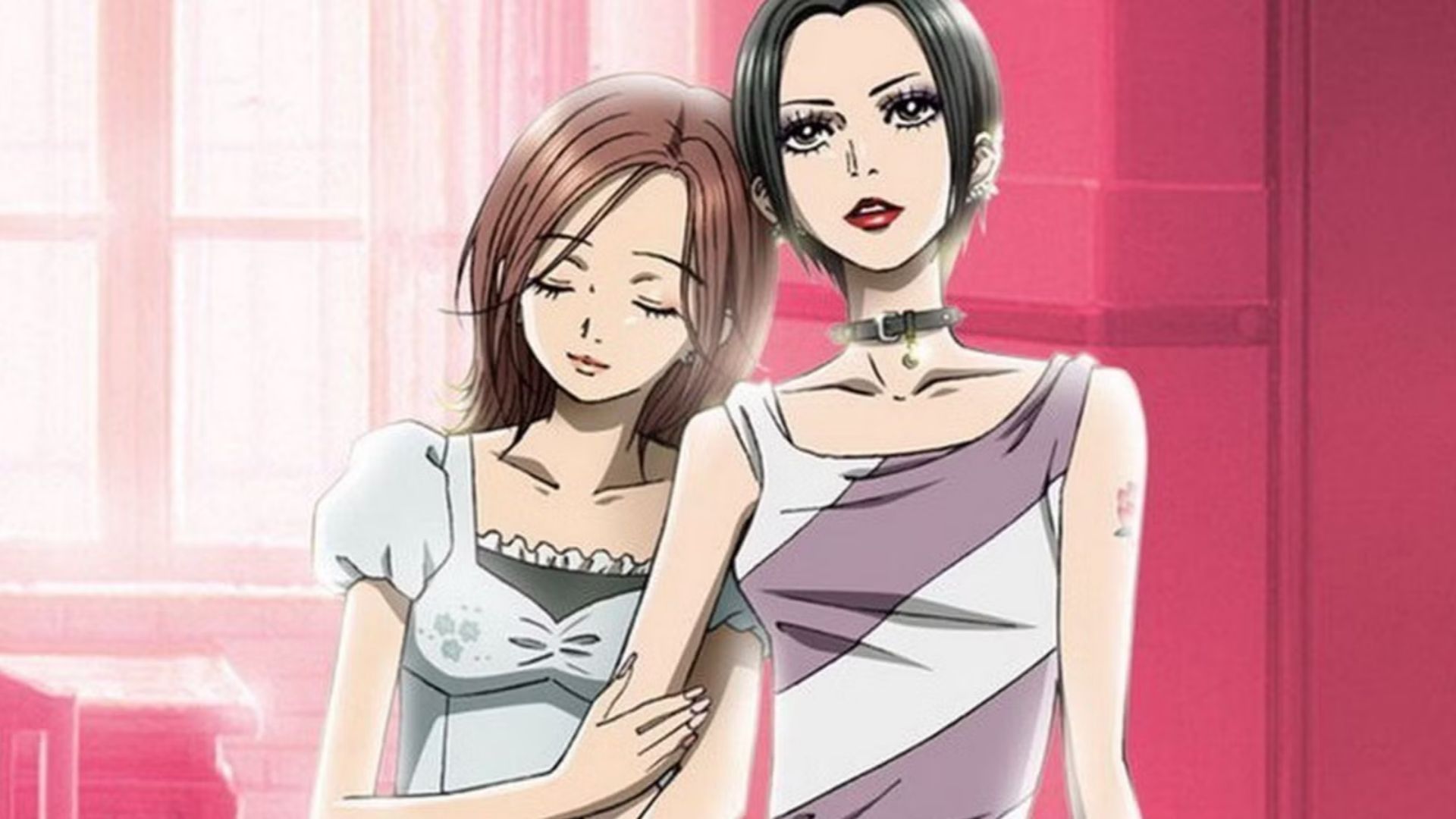
Since its debut 20 years ago, the Nana series has become a favorite among fans thanks to its fashionable characters and relatable depiction of love and life. Despite the original manga never being fully concluded, Ai Yazawa’s work remains popular and is considered essential viewing for anyone who enjoys shojo manga. Of all the emotional storylines in Nana, the complicated and often damaging relationship between Nana Komatsu and the jealous, controlling Takumi Ichinose is particularly memorable and impactful.
Looking back, what makes Takumi such a memorable villain isn’t some flashy superpower. It’s how convincingly he manipulates people – it feels incredibly real. Compared to a lot of action-packed anime where villains are all about brute strength and over-the-top appearances, shojo anime tends to focus on more grounded, everyday stories. That realism is what makes Takumi truly unsettling; he’s the kind of person you could actually meet, and that’s what makes him so chilling.
Takumi Ichinose Redefined What Evil Looks Like in Shojo Anime
Takumi, the guitarist for the punk band Trapnest – rivals to the Black Stones – isn’t your typical anime villain. He’s charming and enigmatic, and surprisingly, a popular celebrity that Nana Komatsu admired as a child. His look – long hair and a lean build – is modeled after real-life Japanese rock icons like Atsushi Sakurai of BUCK-TICK. This ordinariness is what makes him so unexpected and captivating.
Compared to characters like Sukuna from Jujutsu Kaisen and Boros from One-Punch Man, Takumi comes across as polished and refined, immediately making him attractive. He doesn’t immediately display his negative qualities; instead, his quiet strength and commitment to Trapnest give the impression of a dedicated musician with a hidden vulnerability. It’s understandable why fans are drawn to him at first – that’s exactly how the character is designed.
When Takumi and Nana Komatsu, nicknamed Hachi, first get together, Takumi seems the more responsible one. He’s protective of her, a common trait for male leads in romance stories, and this appeals to Hachi, who is still figuring things out. But Takumi quickly challenges the typical “rich, powerful boyfriend” stereotype as their relationship becomes increasingly complicated and one of the most…
Takumi’s Actions Make Him More Evil Than Any Shonen Villain
People might dismiss Takumi from Nana as an uninteresting villain because he lacks dramatic confrontations or epic battles. However, his actions are deeply unsettling because he uses his charisma and good looks to win Hachi’s trust and control her. The harm he inflicts feels deeply personal, not distant or theoretical. Takumi doesn’t need physical fights to demonstrate his power; his subtle manipulation is enough to cause significant and lasting damage, which is why he’s so memorable to viewers.
Takumi repeatedly harms Hachi throughout their relationship. He exploits her insecurities to coerce her into sexual activity, using flattery to keep her hoping for his attention. When Hachi becomes pregnant, he uses this as another means of control, cutting her off from her friends, Nana Osaki, and a potential relationship with Nobu. His behavior, including sexual assault and manipulation of Reira, is deeply damaging and inexcusable.
Many fans find Takumi especially frustrating as a villain because he never truly faces consequences for his actions. Despite Nana Osaki’s attempts to call him out and connect with Hachi, he ultimately gets away with everything, even ending up married to Hachi with two children. Unlike other villains who are defeated, learn from their mistakes, or are punished, Takumi’s lack of accountability is unsettling for viewers and feels realistically problematic.
Nana Fans Don’t Love to Hate Takumi, They Just Hate Him
Many anime villains are famously hated, but captivating to watch, like Light Yagami from Death Note and Sosuke Aizen from Bleach. Takumi, from Nana, is different; most fans simply despise him. Despite being fashionable, his beliefs are indefensible, particularly because he’s responsible for destroying the central friendship that drives the story.
Many viewers find Takumi’s character unsettlingly realistic and difficult to enjoy. It’s easier to be fascinated by a fictional killer you’ll never encounter in real life, but almost everyone recognizes someone like Takumi – someone who exhibits emotionally abusive and controlling behavior. Unlike a fantastical villain, Takumi feels too real, and his actions aren’t excused by fiction. While Ai Yazawa excels at creating tragically relatable characters, Takumi’s realism makes him hard to watch, even when his reasons for controlling Hachi are understandable.
I have to admit, I really dislike Takumi, but in a way that keeps me glued to the screen. Whenever he appears, I immediately feel uneasy and a sense of dread. His scenes aren’t thrilling; they’re just stressful and frustrating. He doesn’t have any of those cool villain moments, he just feels like bad news. What’s even more annoying is that he never really faces consequences for his actions, so as a viewer, I never get any satisfaction from seeing him fail. It’s not sparking interesting debates among fans, either – most people just strongly dislike him.
20 Years Later, Nana’s Characters Are More Relevant Than Ever
When Nana debuted in 2006, the way we talked about unhealthy relationships was very different. Today, viewers—especially those revisiting the series as adults—are much quicker to recognize the warning signs of abuse in Takumi’s behavior. New viewers also come to the show with a more informed understanding of what constitutes a healthy relationship. The anime’s dedicated online fanbase actively discusses these issues, leading to less acceptance of problematic characters like Takumi and less willingness to excuse their actions.
Takumi occasionally fell into the common pattern of portraying a distant, controlling, and emotionally closed-off male character, but that type isn’t popular with anime fans today. His status as a rich, older boyfriend now seems like an unfair power dynamic, as viewers are no longer drawn to the harmful depictions of men often found in shojo and josei anime. Unlike many stories, Nana doesn’t portray Takumi as a romantic hero. Instead, he’s clearly shown as a villain, which makes the anime still feel modern and impactful even after many years.
What truly makes Ai Yazawa’s Nana so compelling, even after two decades, are its relatable and realistic characters. Characters like Takumi, though skillfully written, are frustratingly easy to dislike. He isn’t a traditionally powerful villain, but he’s incredibly memorable, and the unsettling thought that someone like him could exist in real life is what makes him so frightening.
Read More
- Gold Rate Forecast
- Dune 3 Gets the Huge Update Fans Have Been Waiting For
- 22 actors who were almost James Bond – and why they missed out on playing 007
- Hazbin Hotel Secretly Suggests Vox Helped Create One of the Most Infamous Cults in History
- Antiferromagnetic Oscillators: Unlocking Stable Spin Dynamics
- Action Comics #1096 is Fun Jumping-On Point for Superman Fans (Review)
- RimWorld Odyssey DLC & Free Update Have Players Racing Back to RimWorld
- Every Creepy Clown in American Horror Story Ranked
- Dungeon Stalkers to end service on June 9
- Jack Osbourne Shares Heartbreaking Tribute to Late Dad Ozzy Osbourne
2026-03-25 23:48