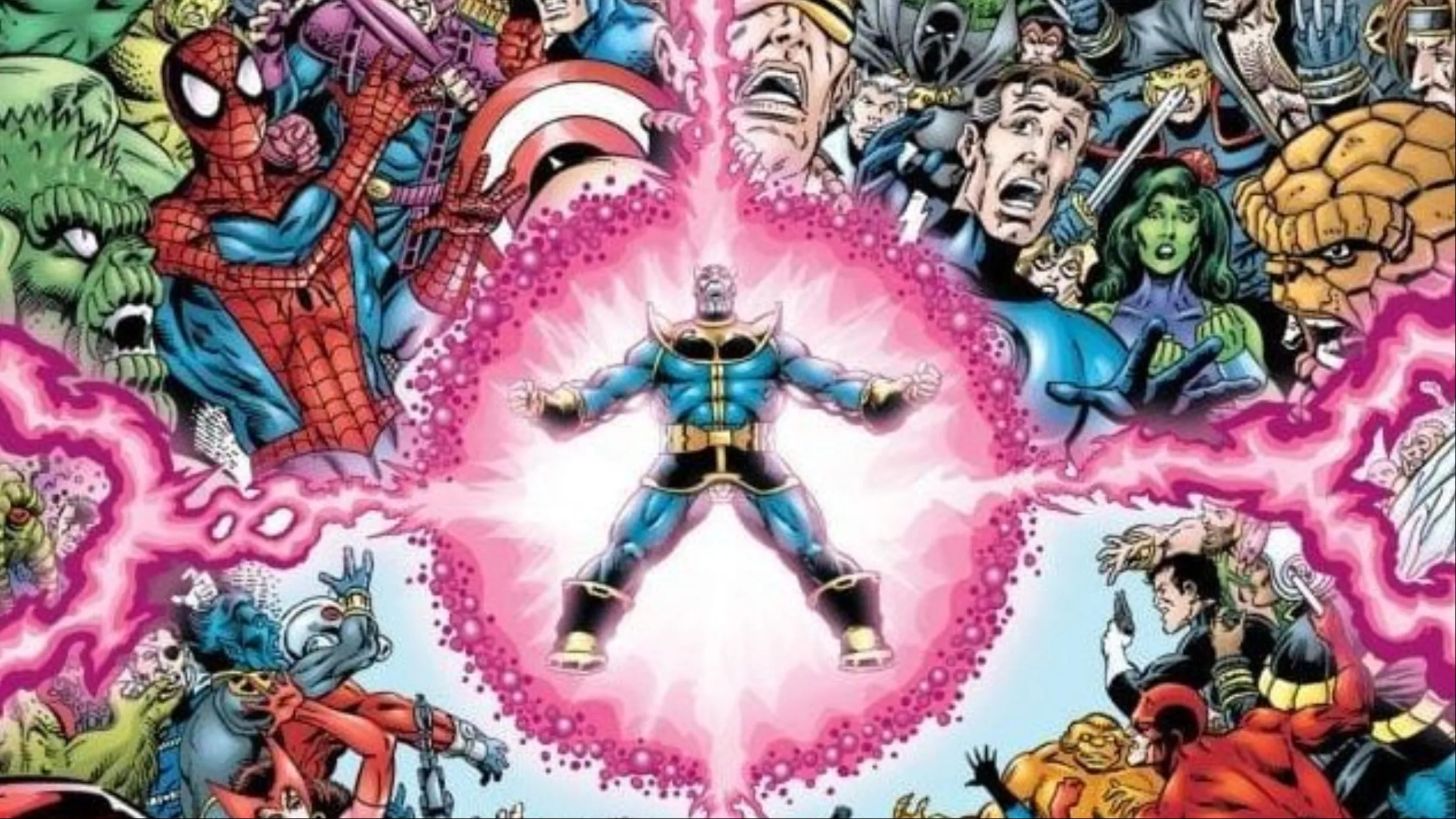
In 2000, Marvel Comics underwent a significant transformation with a change in leadership. Joe Quesada replaced Bob Harras as editor-in-chief and aimed to revitalize the company after a difficult decade. He brought in both fresh faces and legendary creators, laying the foundation for much of what fans enjoy about Marvel today, including the now-famous event series. While many consider 2004’s Secret War to be the start of these events, another earlier story actually kicked things off, tapping into readers’ fondness for the past and attempting to rewrite a common superhero storyline.
In the early 2000s, Marvel published several stories imagining the end of everything, starting with the excellent Hulk: The End. The next was Marvel: The End in 2003, which tapped into fans’ love for the 1990s Infinity Gauntlet storyline. This six-part series, created by Marvel veteran Jim Starlin, featured Thanos fighting Akhnetan, a supremely powerful entity intent on total destruction. While Marvel: The End isn’t considered one of Marvel’s greatest events, it shared the ambition of later stories, attempting a significant, though ultimately temporary, change to the Marvel Universe.
Marvel: The End Tried to End Resurrections in the Marvel Universe
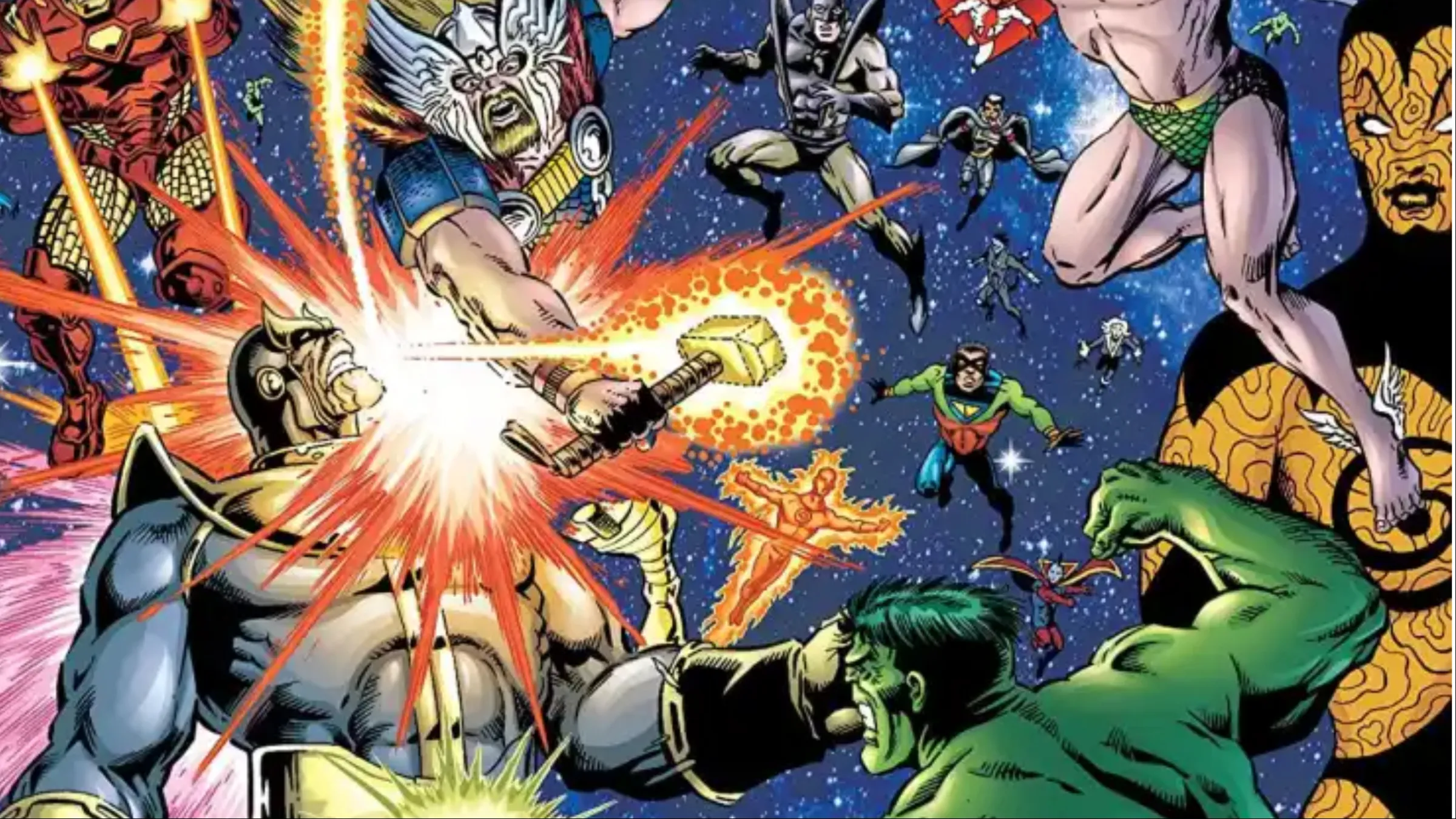
The plot of Marvel: The End isn’t particularly noteworthy or well-executed. It involves a battle between Thanos and a character named Ahkenatan, after which Thanos gains immense power and essentially rebuilds the universe. However, the most compelling part comes towards the very end. In the final few pages of Marvel: The End #6, Thanos reveals he’s eliminated the ability to resurrect the dead. This means death will now have lasting consequences, as the cycle of life and death has been permanently altered in this new version of the Marvel Universe.
This was a daring decision by Quesada, who aimed to redefine the Marvel Universe and distinguish it from previous iterations. The issue of meaningless deaths in comics – a common topic today – was already being discussed at the time. Deaths had become a predictable marketing tactic, and the new editor-in-chief wanted to break that cycle. As Marvel entered the 2000s, Quesada and the editorial team were determined to create a genuinely new direction for the universe.
Predictably, the impact of Marvel: The End didn’t last long. It didn’t sell particularly well and didn’t generate much discussion in comic book news. While Quesada discussed the ending in a few interviews, it wasn’t long before creators began bringing characters back to life. It was a daring idea, but ultimately unrealistic. The core of superhero comics at Marvel and DC relies on familiar characters and surprising twists. Permanently eliminating resurrections was a significant change, but it removed a classic storytelling device. Marvel: The End remains a curious footnote in Marvel history, and it’s fascinating to consider what that ending was intended to signify for the universe.
Read More
- Gold Rate Forecast
- Dune 3 Gets the Huge Update Fans Have Been Waiting For
- Guardians of the Globe Members We Want to See in Invincible Season 4
- What Song Is In The New Supergirl Trailer (& What It Means For The DC Movie)
- Hideo Kojima Says He Was Never Told About The Matrix Creators Wanting Him to Make a Game
- Kelly Osbourne Slams “Disgusting” Comments on Her Appearance
- Eurogamer Gives ARC Raiders 2/5 Over AI Voices, Dropping Metacritic Score from 94 to 84
- ’90s Cartoon Reboot & TMNT Connection!
- One of Hulu’s Best New Shows Lands on Disney+ Ahead of Season 2
- Kristen Bell Details “the Real Stuff” in Family Bond With Dax Shepard
2025-11-19 19:22