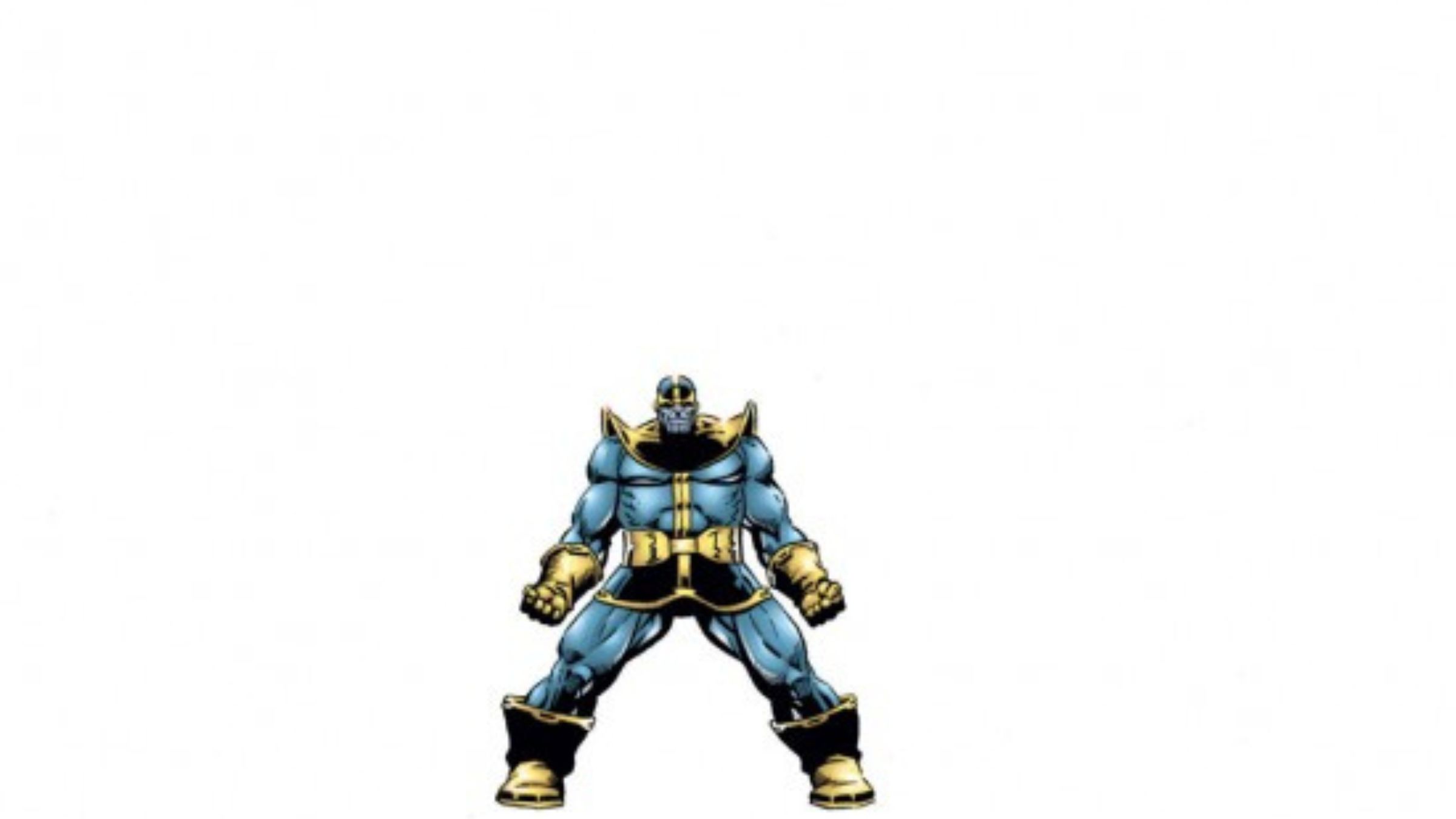
Marvel Comics is famous for its epic, large-scale storylines. For decades, readers have witnessed countless battles where the very fabric of reality was threatened, pitting the most powerful heroes against their greatest foes. Interestingly, the heroes don’t always win—we’ve seen universes destroyed and characters pushed to their limits to save everything. Some of the most memorable of these world-ending stories were crafted by Jim Starlin, the creator of Thanos and the author of the acclaimed Infinity Gauntlet. Twenty-three years ago, Starlin revisited Thanos with a story intended to depict the ultimate end of all things.
The story Marvel Universe: The End came about after two earlier comics: Infinity Abyss, which brought back Thanos and Adam Warlock, and Hulk: The End. Because Hulk: The End was particularly successful (though Infinity Abyss did well too, it wouldn’t have sold as much later on), Marvel decided to create more “The End” stories. Some of these were excellent (Fantastic Four: The End and Punisher: The End), while others weren’t worth reading (except maybe the X-Men version, which was uniquely over-the-top). However, Marvel Universe: The End stood apart. It was a true Jim Starlin story, building on the complicated history he’d created around Thanos. It’s a largely forgotten gem, and it genuinely felt like a definitive ending for the entire Marvel Universe.
Thanos Gets Another, Very Different, Stint as a God
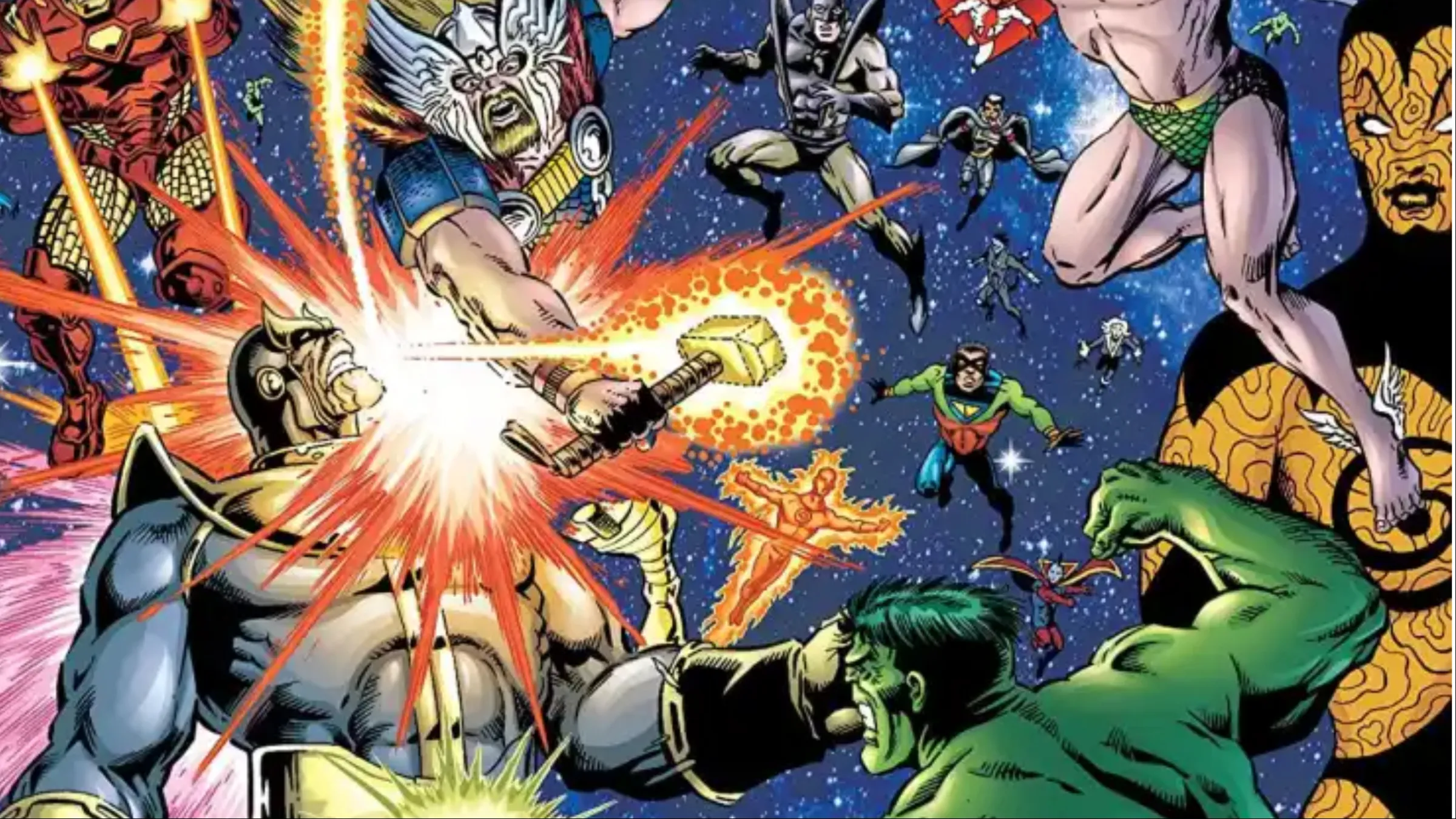
The comic series Hulk: The End reunited creators Peter David and Dale Keown for what was presented as the final story of the Hulk, and it proved to be very popular. The idea of seeing the Hulk’s story conclude was unexpected, but Marvel followed through. Marvel Universe: The End, however, was set in the present day and introduced a new character, Ahkenaten – an ancient pharaoh appointed by the Celestial Order to govern the space around Earth. The Celestial Order are powerful beings connected to the Heart of the Universe.
When Ahkenaten attacks Earth, Thanos surprisingly steps in to help. Jim Starlin’s version of Thanos isn’t simply evil – especially after the Infinity Gauntlet storyline – so he tries to defeat the god and claim his power for himself, as you’d expect. He succeeds, becoming a true god by taking the power of the Heart of the Universe. But even with this immense power, he discovers he’s unable to prevent the eventual end of the universe.
It was terrifying watching the universe collapse, but then I realized it all connected to the constant resurrections of the dead. He understood the problem – some flaw in how things were – and used the Heart to rebuild everything. He gave us back the Marvel Universe, but with one massive change: no more coming back from the dead. If he hadn’t, he explained, the cycle would just repeat, and everything would end again. It was a huge sacrifice, but he did it to save us all.
Joe Quesada had been Marvel’s editor-in-chief for three years and was working to revitalize the Marvel Universe after the difficulties of the 1990s. He wanted to make death meaningful again, and this story was a key part of that effort – a way to stop constantly bringing characters back to life. Jim Starlin delivered his signature dramatic style, and his artwork, enhanced by the incredible inking of Al Milgrom, was truly impressive. It recalled the best of Starlin’s earlier Infinity Saga and significantly impacted the Marvel Universe for several years. For a while in the early to mid-2000s, characters stayed dead, giving death real weight.
Marvel Universe: The End Lived Up to Its Title In the Most Fun Way Possible
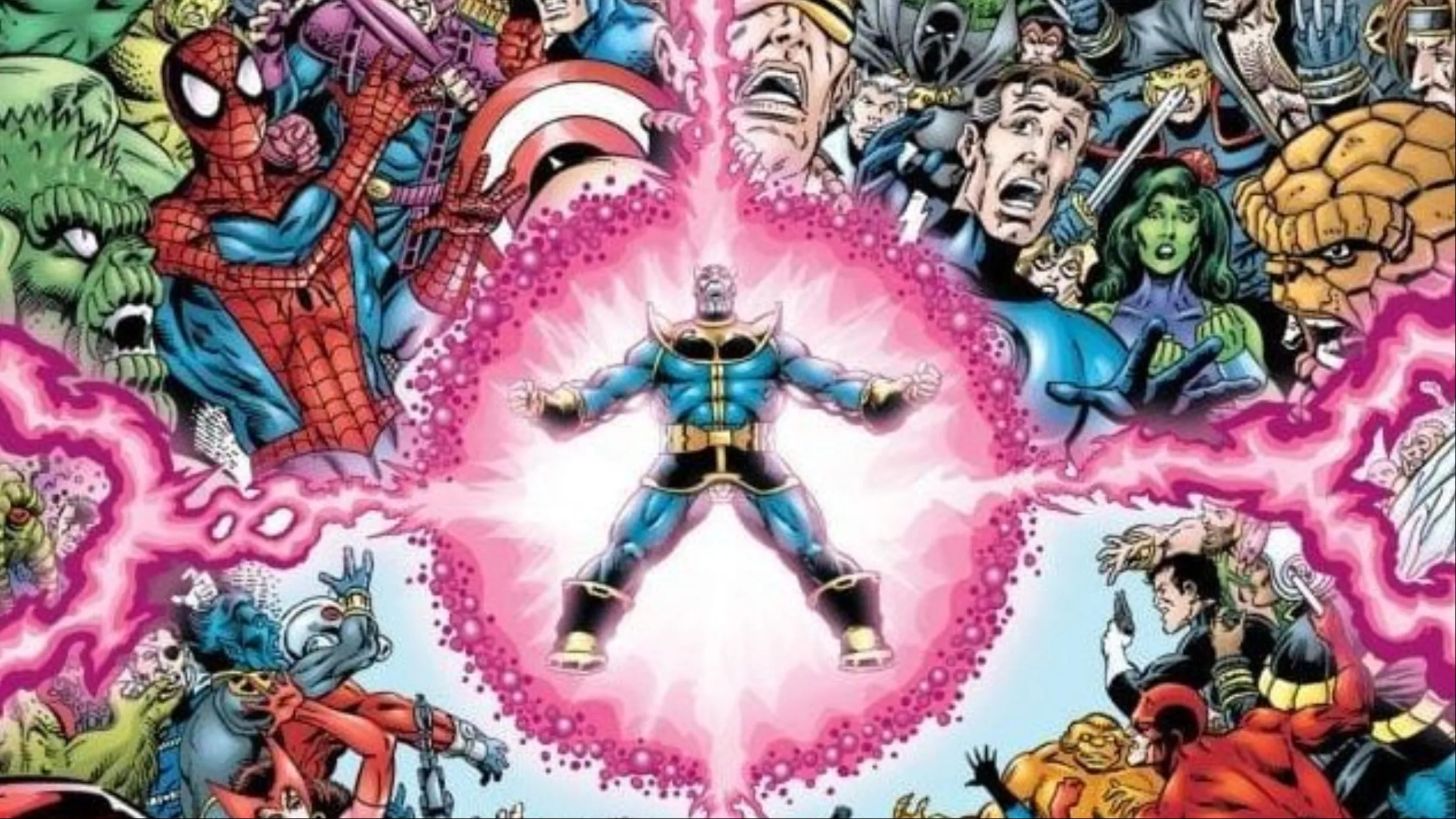
Marvel Universe: The End is a noteworthy entry in Marvel’s history. Published in the 1990s by a leading cosmic Marvel writer, it took the ‘The End’ concept and used it to genuinely reshape the Marvel Universe. In many ways, it paved the way for the large-scale event comics of the 2000s, which often concluded with significant changes to the status quo, influencing the direction of future storylines. This comic appears to have been a test run for these larger events by Marvel’s editorial team.
The comic was initially fairly well-received, but it wasn’t a huge hit. 2003 was a strong year for Marvel and DC, with many incredibly popular titles, and Jim Starlin’s return to the character didn’t resonate with all readers. Still, those who did read it enjoyed a nostalgic story that cleverly featured Thanos, and it laid the groundwork for a later, largely forgotten solo series. More subtly, the story also had a lasting impact on the wider Marvel Universe for several years.
https://comicbook.com/comics/list/10-greatest-event-comics-in-marvel-history-ranked/embed/#
Read More
- What Song Is In The New Supergirl Trailer (& What It Means For The DC Movie)
- One of Hulu’s Best New Shows Lands on Disney+ Ahead of Season 2
- Eurogamer Gives ARC Raiders 2/5 Over AI Voices, Dropping Metacritic Score from 94 to 84
- Gold Rate Forecast
- Invincible Season 4 Confirms a Major Atom Eve Change From the Comics
- 10 Best Connie Episodes of King of the Hill
- MCU’s Lost Squirrel Girl Star Addresses Marvel Return, 9 Years After Cancellation
- Disney Has Only Launched 10 New Franchises in the 21st Century
- Prime Video’s “Realistic” Urban Fantasy Series Is Still a Must-Watch for Steampunk Fans
- Hideo Kojima Says He Was Never Told About The Matrix Creators Wanting Him to Make a Game
2026-03-12 18:12