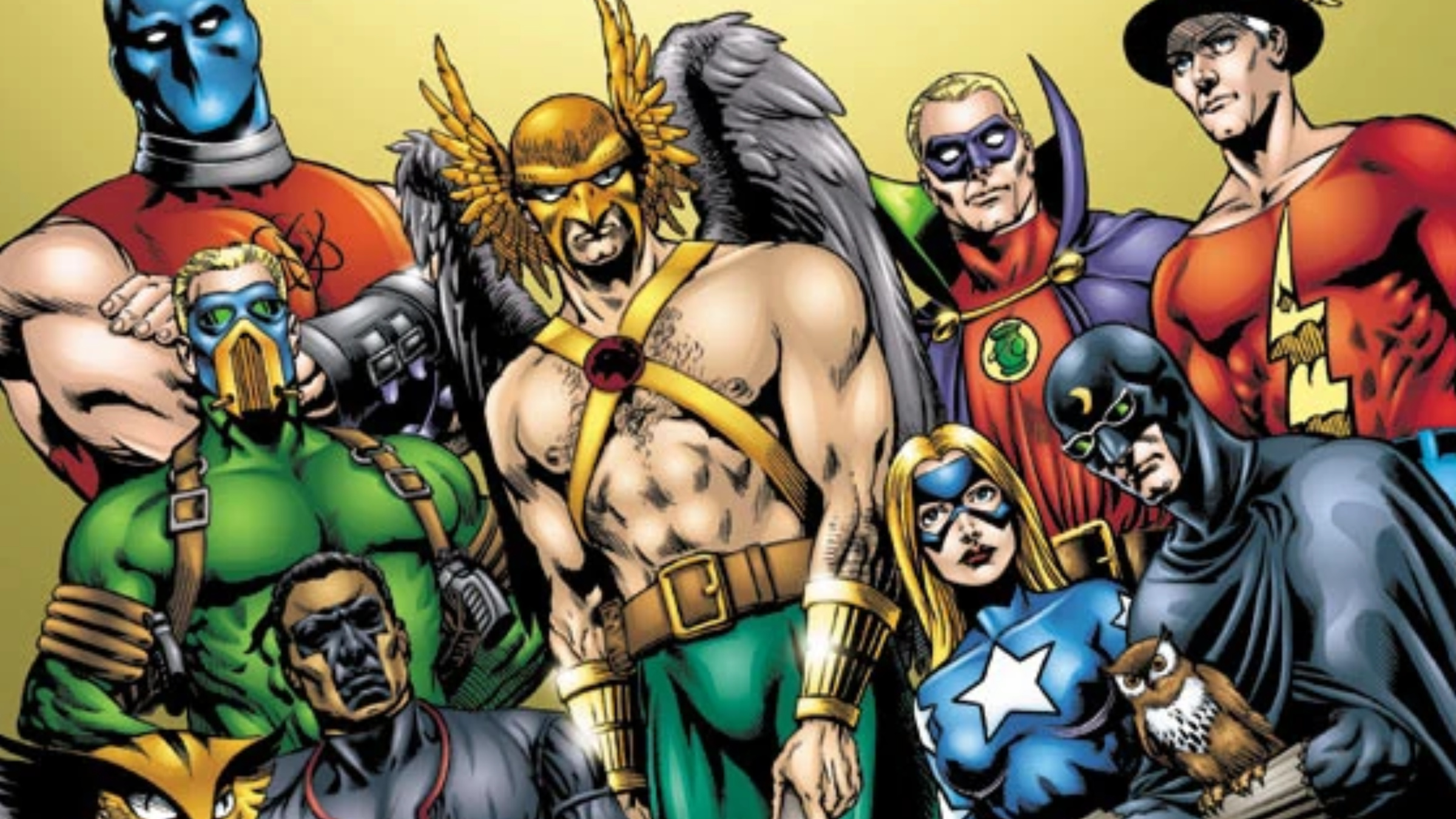
DC Comics introduced many of its most famous superheroes during the Golden Age of Comics, a period that began in 1938 with the first issue of Action Comics and lasted until 1956 with Showcase #4. This era established the foundation for the expansive DC Multiverse, featuring iconic heroes like Superman, Batman, and Wonder Woman, alongside others like Green Lantern, the Flash, the Atom, Hourman, and Doctor Fate. However, one hero from that time is often overlooked despite consistently existing since the beginning and never having their role passed on to another: Hawkman.
Hawkman holds a significant place in comic book history as the original leader of the Justice Society of America and a key figure from the Golden Age. His heroic partnership with Hawkgirl also set a trend for many other characters. While a legendary hero, Hawkman has suffered more confusing and damaging retcons than almost anyone in DC Comics – even more than characters with famously complicated histories like Donna Troy. One particular change was so poorly received it nearly ruined the character for fans. Fortunately, 24 years ago, DC published a story that started to repair Hawkman’s reputation and bring him back into prominence.
“Return of Hawkman” Made the Icon Tenable Again
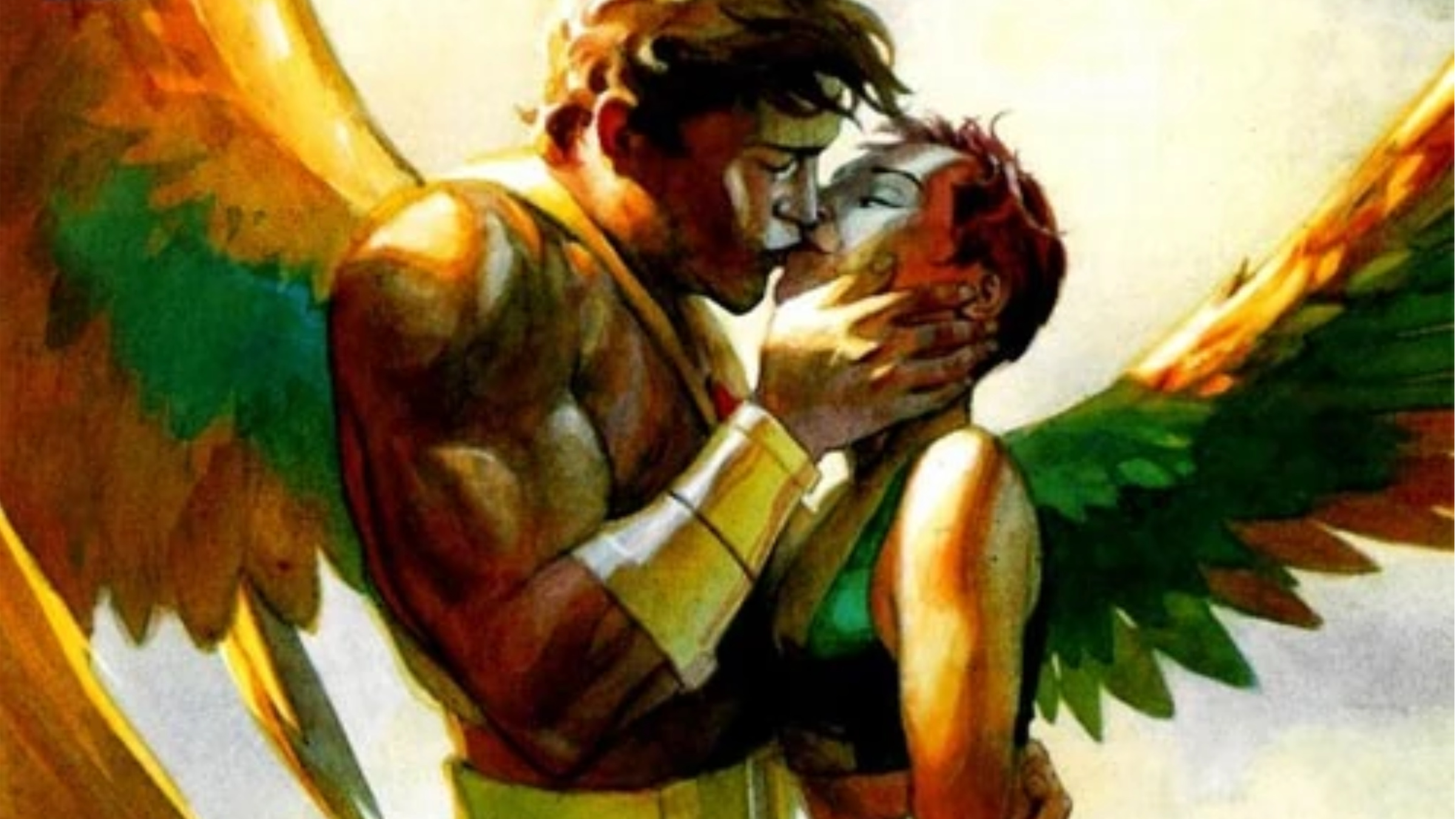
The Justice Society of America (JSA) comic was incredibly popular in the early 2000s. Launched in 1999, it focused on the idea of inherited heroism, uniting original Golden Age heroes with the children of those who had passed away. While fans enjoyed the series, many felt the absence of Hawkman. Although Hawkgirl was present, it wasn’t quite the same dynamic. Hawkman had become a problematic character due to a convoluted and confusing backstory, making him difficult to write effectively.
The story of Hawkman has changed a lot over the years. Originally, Hawkman was Carter Hall, who was believed to be the reborn spirit of the ancient Egyptian Prince Khufu. Later, a new version appeared – Katar Hol, a police officer from the planet Thanagar who adopted the identity of Carter Hall on Earth. For a while, these two origins were explained by saying the original Hawkman lived on a separate Earth. But when the multiverse was eliminated in the Crisis on Infinite Earths storyline, it became impossible to explain both versions. Attempts were made to combine them into a single history, most notably in Zero Hour, but these efforts didn’t work, and the character eventually disappeared.
The story arc “Return of Hawkman” revised Hawkman’s origins similarly to the Zero Hour event, but instead of altering timelines, it used the concept of reincarnation. The story established that Khufu, an ancient Egyptian, discovered a Thanagarian spacecraft and became the first Hawkman, aided by Nth metal which allowed him and Princess Shay-Ara to be reborn repeatedly. This meant that Katar and Shayera Hol, as well as Carter and Sheira Hall, were all reincarnations of Khufu and Shay-Ara.
The storyline sent the Justice Society on a quest to find their previous leader, which took them to the planet Thanagar. There, Hawkman was essentially reborn and found himself fighting Ominar Synn, the main villain from the late 1980s Hawkworld comic series. This story successfully combined the two different backstories Hawkman had. Although it wasn’t entirely logical – we never actually saw the original Golden Age Hawkman die – it worked well enough. It wasn’t until 2018, in a new Hawkman series, that readers learned Hawkman’s cycle of rebirth allowed two versions of the hero to exist simultaneously. “Return of Hawkman” clarified the character’s history, leading to two ongoing comic series and a prominent role within the Justice Society.
https://comicbook.com/comics/news/10-greatest-dc-stories-of-the-2020s/embed/#
Read More
- Gold Rate Forecast
- Hideo Kojima Says He Was Never Told About The Matrix Creators Wanting Him to Make a Game
- Guardians of the Globe Members We Want to See in Invincible Season 4
- Kelly Osbourne Slams “Disgusting” Comments on Her Appearance
- Dune 3 Gets the Huge Update Fans Have Been Waiting For
- ’90s Cartoon Reboot & TMNT Connection!
- Crypto Treasures Rise from the Ashes: DATs Flip the Script in 2026
- Recent Update Suggests Another Shonen Jump Manga Could Be Cancelled Soon
- 6 “Bad” Movies You Should Make Your Friends Watch
- Task & Mare Of Easttown’s Crime Thriller Universe: Revolutionizing the Genre
2026-01-04 20:40